
.orscg-article{–orscg-text:#152033;–orscg-muted:#5c6878;–orscg-line:#e4e8ee;–orscg-accent:#0b6b4f;–orscg-accent2:#c75b12;–orscg-soft:#f6faf7;–orscg-warm:#fff7ef;max-width:1120px;margin:0 auto;color:var(–orscg-text);font-family:inherit;line-height:1.76}.orscg-article *{box-sizing:border-box}.orscg-article-intro{padding:30px 26px;margin:0 0 32px;border:1px solid var(–orscg-line);border-radius:22px;background:linear-gradient(135deg,#fff 0%,var(–orscg-soft) 65%,var(–orscg-warm) 100%)}.orscg-updated{display:inline-block;margin:0 0 14px;padding:6px 12px;border:1px solid rgba(11,107,79,.18);border-radius:999px;background:#fff;color:var(–orscg-accent);font-size:13px;font-weight:800}.orscg-article-intro h2{font-family:’Trebuchet MS’,Arial,sans-serif;margin:0 0 14px;font-size:clamp(30px,4vw,52px);line-height:1.08;color:var(–orscg-text);letter-spacing:-.03em}.orscg-lead{max-width:900px;margin:0 0 18px;font-size:clamp(17px,2vw,21px);color:var(–orscg-muted)}.orscg-contact-mini{font-weight:800;margin:0}.orscg-contact-mini a,.orscg-content a{color:var(–orscg-accent);text-decoration:none}.orscg-contact-mini a:hover,.orscg-content a:hover{text-decoration:underline}.orscg-hero-price{margin:18px 0 0;padding:14px 16px;border:1px solid rgba(199,91,18,.28);border-radius:14px;background:#fff;color:#733809;font-weight:650}.orscg-content{font-size:17px}.orscg-content h2{font-family:’Trebuchet MS’,Arial,sans-serif;margin:44px 0 15px;font-size:clamp(25px,3vw,38px);line-height:1.17;color:var(–orscg-text);letter-spacing:-.02em}.orscg-content h2:first-child{margin-top:0}.orscg-content h3{margin:28px 0 12px;font-size:clamp(20px,2.1vw,27px);line-height:1.25;color:var(–orscg-text)}.orscg-content p{margin:0 0 18px}.orscg-content ul,.orscg-content ol{margin:0 0 24px;padding-left:24px}.orscg-content li{margin:8px 0}.orscg-content table,.orscg-table{width:100%;border-collapse:separate;border-spacing:0;margin:25px 0;font-size:16px;border:1px solid var(–orscg-line);border-radius:0;overflow:hidden;background:#fff;box-shadow:0 10px 24px rgba(15,23,42,.05)}.orscg-content th,.orscg-content td{border:0;border-bottom:1px solid var(–orscg-line);padding:13px 14px;text-align:left;vertical-align:top}.orscg-content tr:last-child td{border-bottom:0}.orscg-content th{background:var(–orscg-soft);font-weight:850;color:#10251d}.orscg-price-box{margin:30px 0;padding:24px;border:0;border-top:3px solid var(–orscg-accent2);border-bottom:1px solid rgba(199,91,18,.28);border-radius:0;background:linear-gradient(135deg,#fff,var(–orscg-warm));box-shadow:0 12px 26px rgba(15,23,42,.06)}.orscg-price-box h2{margin-top:0}.orscg-price-table th{background:#fff1e3}.orscg-price-table td:first-child{font-weight:800;color:#733809}.orscg-anchor-target{display:block;position:relative;top:-115px;visibility:hidden;height:0;overflow:hidden}.orscg-content h2[data-orscg-anchor]{scroll-margin-top:120px}.orscg-toc,.orscg-company-links{margin:24px 0;padding:22px 24px;border:1px solid var(–orscg-line);border-radius:18px;background:#fff;box-shadow:0 10px 28px rgba(15,23,42,.04)}.orscg-toc h2,.orscg-company-links h2{margin-top:0}.orscg-toc ol{columns:2;column-gap:34px}.orscg-toc li{break-inside:avoid}.orscg-toc a{cursor:pointer;font-weight:700}.orscg-note,.orscg-checklist,.orscg-itinerary,.orscg-faq,.orscg-map,.orscg-pro-block{margin:28px 0;padding:22px 24px;border:0;border-top:1px solid var(–orscg-line);border-bottom:1px solid var(–orscg-line);border-left:5px solid var(–orscg-accent);border-radius:0;background:var(–orscg-soft)}.orscg-itinerary{border-left-color:var(–orscg-accent2);background:#fffaf5}.orscg-pro-block{background:linear-gradient(135deg,#fff,var(–orscg-soft));box-shadow:0 10px 28px rgba(15,23,42,.04)}.orscg-top-images{display:grid;grid-template-columns:repeat(auto-fit,minmax(220px,1fr));gap:16px;margin:0 0 30px}.orscg-featured-image{margin:0;aspect-ratio:16/10;overflow:hidden;border-radius:18px;background:#eef2f0}.orscg-featured-image img{display:block;width:100%;height:100%;object-fit:cover;object-position:center;border-radius:18px;box-shadow:0 12px 30px rgba(15,23,42,.10)}.orscg-simple-cta{margin:46px 0 0;padding:28px;border:0;border-top:3px solid var(–orscg-accent);border-bottom:1px solid rgba(11,107,79,.20);border-radius:0;background:linear-gradient(135deg,var(–orscg-soft),#fff);box-shadow:0 14px 30px rgba(15,23,42,.07)}.orscg-direct-answer{margin:0 0 30px;padding:22px 24px;border:0;border-top:1px solid rgba(11,107,79,.25);border-bottom:1px solid rgba(11,107,79,.25);border-left:6px solid var(–orscg-accent);border-radius:0;background:linear-gradient(135deg,#fff,var(–orscg-soft));box-shadow:0 12px 26px rgba(15,23,42,.06);font-size:18px}.orscg-direct-answer p:last-child{margin-bottom:0}.orscg-simple-cta h2{font-family:’Trebuchet MS’,Arial,sans-serif;margin:0 0 12px;font-size:clamp(24px,3vw,34px);line-height:1.2}.orscg-simple-cta p{margin:0 0 16px}.orscg-related-packages{position:relative;margin:48px 0 0;padding:30px 0 8px;border:0;border-top:3px solid var(–orscg-accent);border-bottom:1px solid var(–orscg-line);border-radius:0;background:linear-gradient(180deg,#fff 0%,#f7faf8 100%);box-shadow:none}.orscg-related-packages h2{margin:0 0 8px}.orscg-related-packages p{margin:0;color:var(–orscg-muted)}.orscg-related-heading{display:flex;align-items:flex-end;justify-content:space-between;gap:18px;margin-bottom:22px}.orscg-package-explorer{display:grid;grid-template-columns:minmax(220px,270px) minmax(0,1fr);gap:24px;align-items:start}.orscg-package-filters{position:sticky;top:92px;border:1px solid var(–orscg-line);border-top:4px solid var(–orscg-accent);border-radius:0;background:#fff;box-shadow:0 12px 28px rgba(15,23,42,.07)}.orscg-filter-mobile-toggle{display:none;width:100%;padding:14px 16px;border:0;border-bottom:1px solid var(–orscg-line);border-radius:0;background:#fff;color:var(–orscg-text);font:inherit;font-weight:850;text-align:left;cursor:pointer}.orscg-filter-panel-head{display:flex;align-items:center;justify-content:space-between;gap:12px;padding:16px 17px;border-bottom:1px solid var(–orscg-line)}.orscg-filter-panel-head strong{font-size:18px}.orscg-filter-panel-head button,.orscg-package-results-head button{padding:0;border:0;background:transparent;color:var(–orscg-accent);font:inherit;font-size:13px;font-weight:800;cursor:pointer}.orscg-filter-group{margin:0;padding:16px 17px;border:0;border-bottom:1px solid var(–orscg-line)}.orscg-filter-group:last-child{border-bottom:0}.orscg-filter-group legend{display:block;width:100%;margin:0 0 10px;padding:0;color:var(–orscg-text);font-size:15px;font-weight:900}.orscg-filter-group label{display:grid;grid-template-columns:18px minmax(0,1fr) auto;align-items:center;gap:9px;margin:9px 0;color:var(–orscg-text);font-size:14px;line-height:1.35;cursor:pointer}.orscg-filter-group input{width:16px;height:16px;margin:0;accent-color:var(–orscg-accent)}.orscg-filter-group b{min-width:24px;color:var(–orscg-muted);font-size:12px;font-weight:700;text-align:right}.orscg-package-results{min-width:0}.orscg-package-results-head{display:flex;align-items:center;justify-content:space-between;gap:14px;margin:0 0 12px;padding:12px 0;border-top:1px solid var(–orscg-line);border-bottom:1px solid var(–orscg-line)}.orscg-package-results-head strong{font-size:15px}.orscg-package-list{display:grid;gap:16px}.orscg-package-card{display:grid;grid-template-columns:minmax(190px,245px) minmax(0,1fr);min-width:0;overflow:hidden;border:1px solid var(–orscg-line);border-left:4px solid var(–orscg-accent);border-radius:0;background:#fff;color:var(–orscg-text);box-shadow:0 12px 26px rgba(15,23,42,.07);transition:transform .18s ease,box-shadow .18s ease}.orscg-package-card[hidden]{display:none!important}.orscg-package-card:hover{transform:translateY(-2px);box-shadow:0 17px 32px rgba(15,23,42,.11)}.orscg-package-card-image{display:block;min-height:185px;overflow:hidden;background:#eaf0ec;text-decoration:none!important}.orscg-package-card-image img{display:block;width:100%;height:100%;min-height:185px;object-fit:cover;object-position:center}.orscg-package-image-placeholder{display:block;width:100%;height:100%;min-height:185px;background:linear-gradient(135deg,#e8f1ec,#fff3e7)}.orscg-package-card-body{display:flex;min-width:0;flex-direction:column;padding:18px 20px}.orscg-package-meta{display:flex;flex-wrap:wrap;gap:7px;margin:0 0 10px}.orscg-package-meta span{display:inline-flex;padding:4px 8px;border:1px solid rgba(11,107,79,.18);border-radius:0;background:var(–orscg-soft);color:#21463b;font-size:12px;font-weight:800;line-height:1.2}.orscg-package-card h3{margin:0 0 8px!important;font-size:clamp(19px,2vw,25px)!important;line-height:1.25}.orscg-package-card h3 a{color:var(–orscg-text)!important;text-decoration:none!important}.orscg-package-card h3 a:hover{color:var(–orscg-accent)!important}.orscg-package-card .orscg-package-summary{margin:0 0 14px;color:var(–orscg-muted);font-size:14px;line-height:1.58}.orscg-package-view{display:inline-flex;align-items:center;gap:7px;margin-top:auto;color:var(–orscg-accent)!important;text-decoration:none!important;font-size:14px;font-weight:900}.orscg-package-view:hover{text-decoration:underline!important}.orscg-package-empty{padding:24px;border:1px dashed var(–orscg-line);background:#fff;text-align:center}.orscg-filter-panel.is-open{display:block}.orscg-cta-links{display:flex;flex-wrap:wrap;gap:12px}.orscg-btn{display:inline-flex;align-items:center;justify-content:center;padding:12px 19px;border-radius:0;background:var(–orscg-accent);color:#fff!important;text-decoration:none!important;font-weight:850;box-shadow:4px 4px 0 rgba(11,107,79,.18)}.orscg-btn-light{background:#fff;color:var(–orscg-accent)!important;border:1px solid var(–orscg-accent);box-shadow:none}@media(max-width:980px){.orscg-package-explorer{grid-template-columns:220px minmax(0,1fr)}.orscg-package-card{grid-template-columns:190px minmax(0,1fr)}}@media(max-width:760px){.orscg-article-intro{padding:24px 18px}.orscg-toc ol{columns:1}.orscg-content{font-size:16px}.orscg-content table,.orscg-table{display:block;overflow-x:auto}.orscg-simple-cta,.orscg-price-box,.orscg-related-packages{padding:20px}.orscg-cta-links{display:block}.orscg-btn{margin:0 8px 8px 0}.orscg-top-images{grid-template-columns:1fr}.orscg-related-heading{align-items:flex-start}.orscg-package-explorer{grid-template-columns:1fr}.orscg-package-filters{position:static}.orscg-filter-mobile-toggle{display:block}.orscg-filter-panel{display:none}.orscg-filter-panel.is-open{display:block}.orscg-package-card{grid-template-columns:1fr}.orscg-package-card-image,.orscg-package-card-image img,.orscg-package-image-placeholder{min-height:210px}.orscg-package-results-head{align-items:flex-start}}
/* v3.17.24 related package explorer: stronger existing-page topic matching, three-column desktop grid and old-page live refresh */
.orscg-related-packages{padding:34px 0 12px;overflow:visible}.orscg-related-heading{align-items:flex-start;margin-bottom:26px}.orscg-related-heading>div{max-width:880px}.orscg-related-heading h2{font-size:clamp(27px,3vw,40px);line-height:1.14}.orscg-related-heading p{max-width:830px;line-height:1.65}.orscg-package-explorer{grid-template-columns:minmax(238px,270px) minmax(0,1fr);gap:28px}.orscg-package-filters{top:84px;max-height:calc(100vh – 104px);overflow:auto;scrollbar-width:thin}.orscg-filter-mobile-toggle{align-items:center;justify-content:space-between;gap:16px}.orscg-filter-mobile-toggle small{color:var(–orscg-muted);font-size:12px;font-weight:750}.orscg-filter-panel-head{align-items:flex-start;padding:18px}.orscg-filter-panel-head>div{display:grid;gap:3px}.orscg-filter-panel-head span{color:var(–orscg-muted);font-size:12px}.orscg-filter-group{padding:0}.orscg-filter-group legend{margin:0}.orscg-filter-group-toggle{display:flex;width:100%;align-items:center;justify-content:space-between;gap:14px;padding:14px 17px;border:0;background:#fff;color:var(–orscg-text);font:inherit;font-size:15px;font-weight:900;text-align:left;cursor:pointer}.orscg-filter-group-toggle i{position:relative;width:14px;height:14px;flex:0 0 14px}.orscg-filter-group-toggle i:before,.orscg-filter-group-toggle i:after{content:””;position:absolute;left:1px;top:6px;width:12px;height:2px;background:var(–orscg-accent);transition:transform .18s ease}.orscg-filter-group-toggle i:after{transform:rotate(90deg)}.orscg-filter-group.is-expanded .orscg-filter-group-toggle i:after{transform:rotate(0)}.orscg-filter-options{padding:0 17px 14px}.orscg-filter-group:not(.is-expanded) .orscg-filter-options{display:none}.orscg-filter-group label{margin:5px -7px;padding:8px 7px;transition:background .16s ease}.orscg-filter-group label:hover{background:var(–orscg-soft)}.orscg-filter-group label:has(input:checked){background:#eef8f3;color:#123b2f;font-weight:800}.orscg-package-results-head{align-items:flex-start;margin-bottom:18px;padding:14px 0}.orscg-package-results-head>div{min-width:0}.orscg-package-results-head>button{flex:0 0 auto;margin-top:2px}.orscg-active-filters{display:flex;flex-wrap:wrap;gap:6px;margin-top:8px}.orscg-active-filters:empty{display:none}.orscg-active-filter-chip{display:inline-flex;align-items:center;padding:4px 8px;border:1px solid rgba(11,107,79,.18);background:var(–orscg-soft);color:#21463b;font-size:12px;font-weight:750}.orscg-package-list{grid-template-columns:repeat(3,minmax(0,1fr));gap:20px;align-items:stretch}.orscg-package-card{position:relative;display:grid;grid-template-columns:1fr;grid-template-rows:auto 1fr;height:100%;border-left:1px solid var(–orscg-line);border-top:4px solid var(–orscg-accent);cursor:pointer;outline:none}.orscg-package-card:focus-visible{box-shadow:0 0 0 3px rgba(11,107,79,.2),0 17px 32px rgba(15,23,42,.11)}.orscg-package-card-image{min-height:0;aspect-ratio:16/9}.orscg-package-card-image img,.orscg-package-image-placeholder{width:100%;height:100%;min-height:0;aspect-ratio:16/9}.orscg-package-card-body{height:100%;padding:18px 19px 19px}.orscg-package-card h3{font-size:clamp(18px,1.7vw,23px)!important}.orscg-package-summary{display:-webkit-box;overflow:hidden;-webkit-box-orient:vertical;-webkit-line-clamp:3}.orscg-package-view{padding-top:4px}.orscg-package-card.is-filtered-in{animation:orscgPackageReveal .22s ease both}@keyframes orscgPackageReveal{from{opacity:.35;transform:translateY(5px)}to{opacity:1;transform:none}}@media(max-width:1050px){.orscg-package-explorer{grid-template-columns:220px minmax(0,1fr);gap:20px}.orscg-package-list{grid-template-columns:repeat(2,minmax(0,1fr))}}@media(max-width:760px){.orscg-related-packages{padding:24px 0 8px}.orscg-package-explorer{grid-template-columns:1fr}.orscg-package-filters{max-height:none;overflow:visible}.orscg-filter-mobile-toggle{display:flex}.orscg-package-list{grid-template-columns:1fr;gap:16px}.orscg-package-card-image{aspect-ratio:16/10}.orscg-package-card-image img,.orscg-package-image-placeholder{aspect-ratio:16/10}.orscg-package-results-head{gap:10px}.orscg-package-results-head>button{white-space:nowrap}}@media(max-width:430px){.orscg-package-results-head{display:grid;grid-template-columns:1fr}.orscg-package-results-head>button{justify-self:start}.orscg-filter-mobile-toggle{padding:14px}.orscg-package-card-body{padding:16px}}
Traveling from India to South Africa primarily involves taking flights, as there are no direct land or sea routes for passenger travel. The most common method is to book a flight from major Indian international airports like Delhi (DEL), Mumbai (BOM), or Bengaluru (BLR) to key South African hubs such as Johannesburg (JNB) or Cape Town (CPT). While direct flights are rare, most journeys will include one stopover, typically in the Middle East (e.g., Dubai, Doha) or sometimes in Europe. Planning well in advance is crucial for securing better fares, especially for travel in 2026 or 2027, and understanding visa requirements for South Africa is essential for Indian citizens.
Understanding the Journey: India to South Africa
The vast distance separating India and South Africa makes air travel the only practical and efficient option for most travelers. This journey is not a simple hop; it’s an intercontinental voyage that requires careful planning, especially if you’re aiming for popular travel periods in 2026 or 2027. This guide aims to demystify the process, covering everything from choosing the right flights to navigating visa regulations and preparing for your arrival in South Africa.
While the concept of traveling from India to South Africa might seem straightforward – book a flight and go – the reality involves several layers of consideration. These include the best airports to depart from and arrive at, the typical flight durations and layover points, the nuances of visa applications for Indian nationals, the most advantageous times to visit South Africa, and practical tips for a comfortable and memorable trip. For those planning extensive travel or safaris in the coming years, understanding these components early will be key to a successful adventure.
Key Considerations for Your India-South Africa Trip
Before diving into the specifics of flight bookings and itineraries, it’s important to outline the critical elements that will shape your journey. These are the foundational aspects that influence your choices and overall travel experience:
- Flight Options & Routes: Understanding the available airlines, layover cities, and total travel time.
- Visa Requirements: Crucial information for Indian citizens entering South Africa.
- Best Time to Travel: Aligning your trip with South Africa’s seasons for optimal experiences (wildlife viewing, weather).
- Budgeting: Estimating costs for flights, accommodation, activities, and daily expenses.
- Health & Safety: Vaccinations, travel insurance, and general safety advice.
- Cultural Etiquette: Preparing for interactions and understanding local customs.
- Connectivity: SIM cards, Wi-Fi, and staying in touch.
Each of these points will be explored in detail to provide a comprehensive picture for your travel plans from India to South Africa, particularly for those looking ahead to 2026 and 2027.
Navigating Air Travel: Flights from India to South Africa
As mentioned, flights are the primary mode of transport. The selection of your departure and arrival airports, the airline you choose, and the duration of your layovers significantly impact the overall cost and convenience of your journey.
Major Indian Departure Hubs
Most international travelers from India depart from one of the country’s major international airports. The choice often depends on your starting location within India and the flight routes available:
- Indira Gandhi International Airport, Delhi (DEL): A primary gateway for international travel, offering numerous connections.
- Chhatrapati Shivaji Maharaj International Airport, Mumbai (BOM): Another major hub with extensive global reach.
- Kempegowda International Airport, Bengaluru (BLR): Increasingly important for international departures, especially from South India.
- Chennai International Airport (MAA) and Rajiv Gandhi International Airport, Hyderabad (HYD): Also offer international connections, though sometimes with fewer direct options to Africa compared to Delhi or Mumbai.
When searching for flights from India to South Africa, start by checking these airports. Your proximity and existing travel plans within India might make one more convenient than another.
Key South African Arrival Airports
South Africa has several international airports, but two are the most common entry points for international flights:
- O.R. Tambo International Airport, Johannesburg (JNB): The busiest airport in Africa and the main international gateway. Most long-haul flights from India will land here. It’s a central hub for onward travel within South Africa and to other African countries.
- Cape Town International Airport (CPT): A major international airport, especially popular for tourism. Flights might go directly here or require a connection from Johannesburg.
For many travelers aiming for safaris or overland tours, Johannesburg is the typical arrival point due to its extensive flight connections and central location relative to popular safari destinations like Kruger National Park. If your primary destination is the Western Cape, arriving directly in Cape Town can save time.
Typical Flight Routes and Layovers
Direct flights from India to South Africa are extremely rare, if they exist at all, for passenger travel. This means you should expect at least one layover. The most common layover points are:
- Middle East Hubs: Airlines like Emirates (via Dubai – DXB), Qatar Airways (via Doha – DOH), and Etihad Airways (via Abu Dhabi – AUH) offer frequent and convenient connections. These are often the preferred routes due to the high frequency of flights and quality of service.
- European Hubs: Some routes might involve a layover in Europe, such as Istanbul (IST) with Turkish Airlines, or potentially Amsterdam (AMS) or Frankfurt (FRA) with their respective national carriers, though these are less common for direct India-South Africa travel compared to Middle Eastern options.
Example Route: Delhi (DEL) -> Dubai (DXB) -> Johannesburg (JNB). This is a very common and often efficient routing.
Flight Duration and Time Zones
The total travel time from India to South Africa can vary significantly based on the layover duration and location. A typical journey might look like this:
- Flight Time (India to Layover): 3-5 hours
- Layover Duration: 2-10 hours (can be longer depending on your booking)
- Flight Time (Layover to South Africa): 8-12 hours
Total Travel Time: Expect anywhere from 15 to 30+ hours from your departure gate in India to your arrival gate in South Africa. Always check the total itinerary duration when booking.
South Africa is in the South African Standard Time (SAST) zone, which is UTC+2. India observes Indian Standard Time (IST), which is UTC+5:30. This means South Africa is generally 3.5 hours behind India. Be mindful of this time difference when planning arrival times and coordinating with people back home.
Choosing Airlines and Booking Tips
Several reputable airlines operate routes connecting India and South Africa. Key players include:
- Emirates
- Qatar Airways
- Etihad Airways
- Turkish Airlines
- Ethiopian Airlines (often via Addis Ababa – ADD)
- Kenya Airways (often via Nairobi – NBO)
Booking Advice for 2026-2027 Travel:
- Book Early: For the best prices and availability, especially for peak travel seasons in 2026 and 2027, aim to book your flights at least 3-6 months in advance.
- Compare Fares: Use flight comparison websites (e.g., Skyscanner, Google Flights, Kayak) but also check airline websites directly.
- Consider Layovers: A slightly longer layover might significantly reduce the ticket price. If you have time, some layovers (like in Dubai or Doha) can be a pleasant break.
- Flexibility: If your travel dates are flexible, you might find cheaper options by shifting your departure or return by a day or two.
- Baggage Allowance: Always check the baggage allowance, as it can vary significantly between airlines and fare types. This is especially important if you plan on bringing safari gear.
South Africa Visa Requirements for Indian Citizens
This is perhaps the most critical administrative step. Indian passport holders generally require a visa to enter South Africa for tourism, business, or other purposes. The process can take time, so start early.
General Visa Application Process
As of recent information, Indian citizens need to apply for a visitor’s visa. The application is typically submitted through the South African High Commission or Consulate in India, or via designated visa application centers (like VFS Global) in major Indian cities.
Steps Involved:
- Determine Visa Type: For tourism, you’ll apply for a visitor’s visa (usually a short-term stay visa).
- Gather Documents: This is the most extensive part. Common requirements include:
- Completed visa application form (DHA-1738)
- Valid passport (with at least 30 days validity beyond your intended stay and at least two blank pages)
- Passport-sized photographs
- Proof of return or onward ticket
- Proof of accommodation (hotel bookings, invitation letter if staying with someone)
- Proof of sufficient funds (bank statements for the last 3-6 months)
- Travel itinerary
- Yellow fever vaccination certificate (if arriving from a yellow fever endemic zone – though not typically required if flying directly from India without transiting through such zones)
- For minors: Birth certificate, parental consent letters, etc.
- Submit Application: Applications are usually submitted in person at a visa application center or the embassy/consulate. Appointments may be required.
- Pay Fees: There will be a visa application fee.
- Biometrics: You may be required to provide fingerprints and have your photograph taken.
- Processing Time: Processing times can vary, typically ranging from 5 to 15 working days, but can sometimes take longer. Apply well in advance of your planned travel dates for 2026 or 2027.
- Collect Passport: Once processed, you will collect your passport with the visa sticker affixed.
Important Notes on Visa Applications
- Check Official Sources: Visa requirements can change. Always verify the latest information on the official website of the South African Department of Home Affairs or the South African High Commission/Consulate in India.
- Accuracy is Key: Ensure all information provided is accurate and all required documents are included. Incomplete applications are a common reason for delays or rejections.
- Financial Proof: Sufficient funds are crucial. Ensure your bank statements clearly show a healthy balance and regular transactions.
- Travel Insurance: While not always a mandatory document for the visa application itself, comprehensive travel insurance is highly recommended and may be requested.
Visa Validity and Duration of Stay
Visitor visas are typically issued for a specific period, often up to 90 days for tourism. It’s essential to adhere to the duration of stay granted on your visa. Overstaying can lead to fines, deportation, and future entry bans.
Traveling with Children
South Africa has strict regulations regarding minors traveling across its borders. If traveling with children under 18, you will need to carry their unabridged birth certificate and potentially a consent letter from the non-traveling parent or guardian. If both parents are traveling, they both need to be present with the child and carry the birth certificate and their IDs. These rules are enforced to prevent child trafficking.
Best Times to Visit South Africa from India
South Africa offers diverse experiences throughout the year, but the “best” time depends on your interests, such as wildlife viewing, weather preferences, and budget. The seasons are opposite to those in the Northern Hemisphere.
Understanding South Africa’s Seasons
- Summer (December – February): Warm to hot weather across most of the country. This is peak tourist season, especially around holidays. It’s ideal for beach activities in Cape Town and the Garden Route, but can be hot and humid in the Kruger area, with more vegetation making wildlife spotting slightly harder. Expect higher prices and crowds.
- Autumn (March – May): Pleasant temperatures, less rain, and beautiful foliage, especially in the Cape. Wildlife viewing in Kruger starts to improve as vegetation thins and waterholes become more important. This is a great shoulder season with fewer crowds and moderate prices.
- Winter (June – August): Cooler, drier weather. This is considered the prime time for wildlife viewing in Kruger and other savanna reserves, as animals congregate around permanent water sources and the bush is less dense. Cape Town can be cold and rainy, but still offers beauty and fewer tourists. Prices are generally lower outside of school holidays.
- Spring (September – November): Temperatures begin to rise, and the landscape bursts into bloom, especially the wildflowers in the Western Cape (August/September). Wildlife viewing remains excellent. This is another excellent shoulder season, offering a good balance of weather, wildlife, and fewer crowds than summer.
Choosing Your Travel Window for 2026-2027
When planning your trip from India to South Africa for 2026 or 2027, consider these points:
- For Wildlife Enthusiasts: Aim for the dry winter months (June to August 2026 or 2027) for the best chances of seeing the Big Five in Kruger National Park and other reserves.
- For Beach Lovers & City Exploration (Cape Town): Summer (December 2026 – February 2027) offers the best weather for Cape Town and the surrounding coastal areas.
- For a Balance of Everything: Autumn (March-May 2027) and Spring (September-November 2026 or 2027) are excellent shoulder seasons. You’ll often find pleasant weather, good wildlife viewing opportunities, fewer crowds, and potentially better prices than peak summer.
- Budget Travelers: Traveling during the shoulder seasons or the low season (parts of winter, excluding school holidays) can lead to significant savings on flights and accommodation.
Remember that school holidays in South Africa (mid-December to mid-January, April, July, September/October) and international holidays can significantly impact prices and crowds, regardless of the season.
Budgeting for Your Trip: Costs from India to South Africa
Costs can vary wildly depending on your travel style, duration, and chosen activities. Here’s a breakdown to help you budget for your 2026-2027 trip from India to South Africa.
Flight Costs
This is often the largest single expense. Prices fluctuate based on:
- Time of Year: Peak seasons (holidays, summer) are more expensive.
- Booking Time: Early bookings usually secure better rates.
- Airline and Route: Direct flights (rare) or routes with fewer stops are often pricier.
- Class of Travel: Economy, Business, or First Class.
Estimated Flight Costs (Round Trip, Economy):
- Budget/Off-Peak: ₹50,000 – ₹70,000
- Mid-Range/Shoulder Season: ₹70,000 – ₹90,000
- Peak Season/Last Minute: ₹90,000 – ₹1,50,000+
These are approximate figures and can change. Always check current prices for your specific travel dates in 2026 or 2027.
Visa Fees
Visa application fees vary but are generally in the range of ₹3,000 – ₹5,000 per person. Check the latest fees with the South African High Commission or VFS Global.
Accommodation
South Africa offers a wide range of accommodation:
- Budget (Hostels, Guesthouses): ₹1,500 – ₹3,000 per night
- Mid-Range (Hotels, B&Bs): ₹4,000 – ₹8,000 per night
- Luxury (Safari Lodges, High-end Hotels): ₹10,000 – ₹30,000+ per night
Safari lodges, in particular, can be very expensive but often include meals, activities, and park fees.
Daily Expenses
This includes food, local transport, activities, and miscellaneous costs:
- Food: Eating at local restaurants and cafes can range from ₹1,000 – ₹3,000 per day. Fine dining will be more.
- Local Transport: Relying on ride-sharing apps (Uber/Bolt), taxis, or hiring a car. Hiring a car can cost ₹2,500 – ₹5,000 per day plus fuel.
- Activities: Safari tours, park entrance fees, wine tasting, adventure sports – these can add up significantly. A typical day trip or activity might cost ₹3,000 – ₹8,000. A multi-day safari package is a larger investment.
Total Estimated Trip Cost (Excluding Flights & Visa)
For a 10-day trip, budget roughly:
- Budget Traveler: ₹70,000 – ₹1,00,000
- Mid-Range Traveler: ₹1,20,000 – ₹2,00,000
- Luxury Traveler: ₹2,50,000+
These are rough estimates. For specific safari packages, especially tailored ones, it’s best to get a direct quote. For example, a comprehensive safari in Kruger with accommodation and game drives could start from around ₹15,000-₹20,000 per person per day in a mid-range lodge.
Health and Safety Precautions
Prioritizing your health and safety is paramount for any international trip, including your journey from India to South Africa.
Vaccinations and Health Advice
Consult your doctor or a travel clinic at least 4-6 weeks before your departure date for 2026 or 2027. Recommended vaccinations often include:
- Routine Vaccinations: Ensure you are up-to-date on MMR, DTP, polio, etc.
- Hepatitis A and Typhoid: Generally recommended for most travelers to Africa.
- Hepatitis B: Recommended if you might have sexual contact or get a tattoo/piercing.
- Rabies: Recommended if you plan on activities with animals or extensive travel in rural areas.
- Yellow Fever: A certificate is required if you are arriving from a country with a risk of yellow fever transmission. Direct flights from India usually do not require this, but check transit points.
Malaria Precautions
Malaria is present in certain parts of South Africa, primarily in the Kruger National Park area and the northeastern lowveld regions, especially during the warmer, wetter months (October to May). It is generally not a risk in Johannesburg, Cape Town, or the Drakensberg mountains.
- Consult Your Doctor: Discuss malaria prophylaxis (antimalarial medication) with your doctor. They will prescribe the appropriate medication based on the areas you plan to visit and the time of year.
- Preventative Measures: Use insect repellent containing DEET, wear long sleeves and trousers during dawn and dusk, and sleep under mosquito nets if available.
Travel Insurance
Comprehensive travel insurance is non-negotiable. Ensure it covers:
- Medical emergencies and evacuation
- Trip cancellation or interruption
- Lost or stolen baggage
- Personal liability
Check the policy details carefully, especially regarding pre-existing conditions and adventure activities (like safaris or hiking).
General Safety Tips
South Africa, like many countries, has areas with higher crime rates. While millions of tourists visit safely each year, it’s wise to be aware and take precautions:
- Be Aware of Your Surroundings: Especially in urban areas and tourist hotspots. Avoid displaying valuables openly.
- Secure Your Belongings: Use hotel safes and keep valuables out of sight in your car.
- Avoid Walking Alone at Night: Especially in unfamiliar areas. Use reputable taxis or ride-sharing services.
- Do Not Leave Valuables in Your Car: Smash-and-grab incidents can occur.
- Research Areas: If driving, be aware of routes to avoid. Stick to main roads.
- Trust Your Instincts: If a situation feels unsafe, remove yourself from it.
South Africa is a beautiful country, and by taking sensible precautions, you can have a safe and enjoyable experience.
Planning Your Itinerary: What to Do in South Africa
South Africa is incredibly diverse, offering a wealth of experiences. Your itinerary will depend on your interests, budget, and the time of year you travel from India.
Iconic Destinations and Experiences
- Kruger National Park: World-renowned for its incredible wildlife density. Ideal for safari adventures. Consider private reserves like Sabi Sands for a more exclusive experience.
- Cape Town: A stunning city with Table Mountain, Robben Island, the V&A Waterfront, and beautiful beaches.
- The Garden Route: A scenic stretch of coastline with charming towns, forests, and adventure activities (e.g., Tsitsikamma National Park, Knysna).
- Johannesburg: Rich in history, with the Apartheid Museum, Soweto, and vibrant urban culture.
- Durban: Known for its Indian-influenced culture, beaches, and warm Indian Ocean waters.
- Blyde River Canyon: Part of the Panorama Route, offering spectacular natural beauty.
- Wine Regions: Stellenbosch, Franschhoek, and Paarl offer world-class wines and beautiful vineyard landscapes.
Sample Itinerary Ideas (Adjustable for 2026-2027)
1. Classic Safari & City (10-14 Days):
- Days 1-2: Arrive Johannesburg, explore Soweto and Apartheid Museum.
- Days 3-6: Fly to Kruger area (e.g., Skukuza or Hoedspruit), enjoy safari drives.
- Days 7-10: Fly to Cape Town, explore Table Mountain, V&A Waterfront, Robben Island.
- Day 11: Day trip to Cape Peninsula (Cape Point, Boulders Beach).
- Day 12: Fly back to Johannesburg for departure, or depart directly from Cape Town if possible.
2. Cape Town & Garden Route Explorer (12-16 Days):
- Days 1-5: Arrive Cape Town, explore city, Table Mountain, Cape Peninsula.
- Days 6-8: Drive the beginning of the Garden Route, stopping in towns like Hermanus (whale watching in season) or Gansbaai (shark cage diving).
- Days 9-11: Continue to Knysna and Plettenberg Bay, enjoy forests, beaches, boat trips.
- Days 12-13: Explore Tsitsikamma National Park for hiking and adventure.
- Day 14: Drive back to Cape Town or fly out from George Airport (GRJ).
3. Deep Dive Safari (7-10 Days):
- Days 1-2: Arrive Johannesburg, transfer to lodge near Kruger (e.g., Hazyview, White River) or fly directly to a private reserve.
- Days 3-8: Full safari experience in Kruger or a private concession, focusing on game drives, bush walks, and wildlife photography.
- Day 9: Transfer back to Johannesburg for departure.
When planning for 2026 or 2027, consider booking multi-day safari packages. Companies like Top Guide Adventures specialize in organizing these experiences, often including transfers, accommodation, meals, and guided activities. For example, a comprehensive Tanzania safari experience (though this is for South Africa) would offer a similar structure of organized travel. For South Africa, similar tailored packages are available. You can reach them via WhatsApp +255616946642 or Email topguideadventures@gmail.com / info@topguideadventurestanzania.com for inquiries, though their primary focus is Tanzania, they can sometimes assist with broader Southern Africa travel planning or recommendations.
Cultural Etiquette and Local Customs
South Africa is a multicultural nation with 11 official languages. Understanding some basic etiquette will enhance your interactions.
- Greetings: A handshake is common. Greetings are generally warm.
- Respect for Elders: Particularly in more traditional communities, showing respect to older individuals is important.
- Punctuality: While ‘African time’ is sometimes a stereotype, for scheduled tours and business meetings, punctuality is appreciated.
- Tipping: Tipping is customary for good service in restaurants (around 10-15%), for tour guides, drivers, and hotel staff.
- Photography: Always ask permission before taking photos of people, especially in rural or traditional settings.
- Language: While English is widely spoken in business and tourist areas, learning a few basic phrases in Afrikaans or a local indigenous language (like Zulu or Xhosa) can be appreciated.
Connectivity: Staying Connected
Staying connected is usually straightforward in South Africa.
- SIM Cards: You can purchase local SIM cards (e.g., Vodacom, MTN, Cell C) at the airport or local shops. This is generally the most cost-effective way to have data and make local calls.
- Wi-Fi: Available in most hotels, guesthouses, cafes, and restaurants. Quality can vary.
- Roaming: International roaming from your Indian provider is an option, but usually very expensive for data.
Ensure your phone is unlocked if you plan to use a local SIM card.
Transportation within South Africa
Once you arrive, getting around depends on your itinerary and budget.
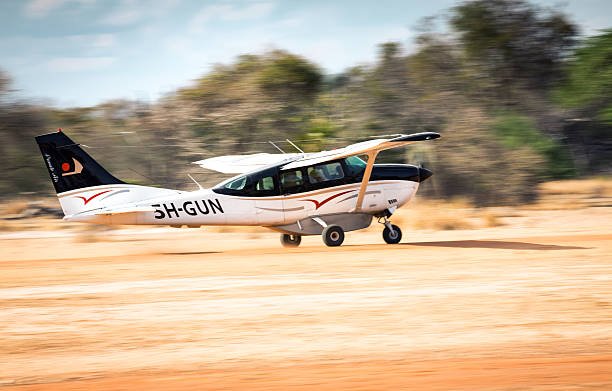
- Domestic Flights: Excellent for covering long distances quickly (e.g., Johannesburg to Cape Town, or to safari hubs). Airlines like Airlink, CemAir, and sometimes SAA operate these routes.
- Car Rental: Highly recommended if you plan to explore independently, especially along the Garden Route or for self-drive safaris in Kruger. Major international brands (Hertz, Avis, Europcar) are available. Remember to drive on the left.
- Ride-Sharing Apps: Uber and Bolt are widely available and reliable in major cities.
- Taxis: Available but ensure you use reputable companies, especially for airport transfers.
- Intercity Buses: Companies like Intercape and Greyhound offer long-distance bus services, a more budget-friendly option.
Final Preparations Before Departure
Before you leave India for your South African adventure in 2026 or 2027, a few final checks are essential:
- Confirm Bookings: Double-check all flight, accommodation, and tour bookings.
- Pack Appropriately: Consider layers, comfortable walking shoes, sun protection (hat, sunscreen), insect repellent, and any specific gear for planned activities (e.g., binoculars for safaris).
- Currency: South African Rand (ZAR). While cards are widely accepted, carry some cash for smaller purchases or tips. You can exchange currency at the airport or in cities.
- Documents: Ensure your passport, visa, flight tickets, insurance details, and any other essential documents are easily accessible (digital and physical copies recommended).
- Inform Your Bank: Let your bank know about your travel dates to avoid any issues with your debit/credit cards.
Planning your travel from India to South Africa is an exciting process. By addressing flights, visas, timing, and safety well in advance, you set yourself up for a truly memorable experience in this remarkable country. For tailored safari experiences or assistance with complex itineraries in Southern Africa, reaching out to specialists can be invaluable. You can connect for advice via WhatsApp +255616946642 or Email topguideadventures@gmail.com / info@topguideadventurestanzania.com.
“,
“faq_schema”: [
{
“question”: “What is the quickest way to travel from India to South Africa?”,
“answer”: “The quickest way to travel from India to South Africa is by flight. While direct flights are very rare, booking a flight with a single, short layover (typically in the Middle East like Dubai or Doha) will minimize your total travel time, which usually ranges from 15 to 30 hours depending on the connection.”
},
{
“question”: “Do Indian citizens need a visa to visit South Africa in 2026-2027?”,
“answer”: “Yes, Indian citizens generally require a visitor’s visa to enter South Africa for tourism or other short-term stays. It is crucial to apply well in advance of your planned travel dates for 2026 or 2027 through the South African High Commission or designated visa application centers in India.”
},
{
“question”: “What is the best time of year to visit South Africa from India for wildlife viewing?”,
“answer”: “The best time for wildlife viewing in South Africa, particularly in Kruger National Park, is during the dry winter months, from June to August. During this period, animals congregate around water sources, and the vegetation is less dense, making them easier to spot.”
},
{
“question”: “How much does it typically cost to fly from India to South Africa?”,
“answer”: “Flight costs from India to South Africa vary greatly depending on the season, airline, and how far in advance you book. For economy class round trips, expect prices to range from approximately ₹50,000 to over ₹1,50,000. Booking 3-6 months ahead is recommended for better rates in 2026-2027.”
},
{
“question”: “Can I travel directly from India to South Africa by sea?”,
“answer”: “No, there are no direct passenger ferry or cruise services available for travel between India and South Africa. Air travel is the only practical and widely available mode of transport for this intercontinental journey.”
}
]
}
“`
Check Availability for How To Travel From India To South Africa 2026-2027
Ready to compare dates, prices, and the best option for your group? Send the package name and travel month so the team can reply with a clear quote, availability, and what is included.



