
.orscg-article{–orscg-text:#152033;–orscg-muted:#5c6878;–orscg-line:#e4e8ee;–orscg-accent:#0b6b4f;–orscg-accent2:#c75b12;–orscg-soft:#f6faf7;–orscg-warm:#fff7ef;max-width:1120px;margin:0 auto;color:var(–orscg-text);font-family:inherit;line-height:1.76}.orscg-article *{box-sizing:border-box}.orscg-article-intro{padding:30px 26px;margin:0 0 32px;border:1px solid var(–orscg-line);border-radius:22px;background:linear-gradient(135deg,#fff 0%,var(–orscg-soft) 65%,var(–orscg-warm) 100%)}.orscg-updated{display:inline-block;margin:0 0 14px;padding:6px 12px;border:1px solid rgba(11,107,79,.18);border-radius:999px;background:#fff;color:var(–orscg-accent);font-size:13px;font-weight:800}.orscg-article-intro h2{font-family:’Trebuchet MS’,Arial,sans-serif;margin:0 0 14px;font-size:clamp(30px,4vw,52px);line-height:1.08;color:var(–orscg-text);letter-spacing:-.03em}.orscg-lead{max-width:900px;margin:0 0 18px;font-size:clamp(17px,2vw,21px);color:var(–orscg-muted)}.orscg-contact-mini{font-weight:800;margin:0}.orscg-contact-mini a,.orscg-content a{color:var(–orscg-accent);text-decoration:none}.orscg-contact-mini a:hover,.orscg-content a:hover{text-decoration:underline}.orscg-hero-price{margin:18px 0 0;padding:14px 16px;border:1px solid rgba(199,91,18,.28);border-radius:14px;background:#fff;color:#733809;font-weight:650}.orscg-content{font-size:17px}.orscg-content h2{font-family:’Trebuchet MS’,Arial,sans-serif;margin:44px 0 15px;font-size:clamp(25px,3vw,38px);line-height:1.17;color:var(–orscg-text);letter-spacing:-.02em}.orscg-content h2:first-child{margin-top:0}.orscg-content h3{margin:28px 0 12px;font-size:clamp(20px,2.1vw,27px);line-height:1.25;color:var(–orscg-text)}.orscg-content p{margin:0 0 18px}.orscg-content ul,.orscg-content ol{margin:0 0 24px;padding-left:24px}.orscg-content li{margin:8px 0}.orscg-content table,.orscg-table{width:100%;border-collapse:separate;border-spacing:0;margin:25px 0;font-size:16px;border:1px solid var(–orscg-line);border-radius:0;overflow:hidden;background:#fff;box-shadow:0 10px 24px rgba(15,23,42,.05)}.orscg-content th,.orscg-content td{border:0;border-bottom:1px solid var(–orscg-line);padding:13px 14px;text-align:left;vertical-align:top}.orscg-content tr:last-child td{border-bottom:0}.orscg-content th{background:var(–orscg-soft);font-weight:850;color:#10251d}.orscg-price-box{margin:30px 0;padding:24px;border:0;border-top:3px solid var(–orscg-accent2);border-bottom:1px solid rgba(199,91,18,.28);border-radius:0;background:linear-gradient(135deg,#fff,var(–orscg-warm));box-shadow:0 12px 26px rgba(15,23,42,.06)}.orscg-price-box h2{margin-top:0}.orscg-price-table th{background:#fff1e3}.orscg-price-table td:first-child{font-weight:800;color:#733809}.orscg-anchor-target{display:block;position:relative;top:-115px;visibility:hidden;height:0;overflow:hidden}.orscg-content h2[data-orscg-anchor]{scroll-margin-top:120px}.orscg-toc,.orscg-company-links{margin:24px 0;padding:22px 24px;border:1px solid var(–orscg-line);border-radius:18px;background:#fff;box-shadow:0 10px 28px rgba(15,23,42,.04)}.orscg-toc h2,.orscg-company-links h2{margin-top:0}.orscg-toc ol{columns:2;column-gap:34px}.orscg-toc li{break-inside:avoid}.orscg-toc a{cursor:pointer;font-weight:700}.orscg-note,.orscg-checklist,.orscg-itinerary,.orscg-faq,.orscg-map,.orscg-pro-block{margin:28px 0;padding:22px 24px;border:0;border-top:1px solid var(–orscg-line);border-bottom:1px solid var(–orscg-line);border-left:5px solid var(–orscg-accent);border-radius:0;background:var(–orscg-soft)}.orscg-itinerary{border-left-color:var(–orscg-accent2);background:#fffaf5}.orscg-pro-block{background:linear-gradient(135deg,#fff,var(–orscg-soft));box-shadow:0 10px 28px rgba(15,23,42,.04)}.orscg-top-images{display:grid;grid-template-columns:repeat(auto-fit,minmax(220px,1fr));gap:16px;margin:0 0 30px}.orscg-featured-image{margin:0;aspect-ratio:16/10;overflow:hidden;border-radius:18px;background:#eef2f0}.orscg-featured-image img{display:block;width:100%;height:100%;object-fit:cover;object-position:center;border-radius:18px;box-shadow:0 12px 30px rgba(15,23,42,.10)}.orscg-simple-cta{margin:46px 0 0;padding:28px;border:0;border-top:3px solid var(–orscg-accent);border-bottom:1px solid rgba(11,107,79,.20);border-radius:0;background:linear-gradient(135deg,var(–orscg-soft),#fff);box-shadow:0 14px 30px rgba(15,23,42,.07)}.orscg-direct-answer{margin:0 0 30px;padding:22px 24px;border:0;border-top:1px solid rgba(11,107,79,.25);border-bottom:1px solid rgba(11,107,79,.25);border-left:6px solid var(–orscg-accent);border-radius:0;background:linear-gradient(135deg,#fff,var(–orscg-soft));box-shadow:0 12px 26px rgba(15,23,42,.06);font-size:18px}.orscg-direct-answer p:last-child{margin-bottom:0}.orscg-simple-cta h2{font-family:’Trebuchet MS’,Arial,sans-serif;margin:0 0 12px;font-size:clamp(24px,3vw,34px);line-height:1.2}.orscg-simple-cta p{margin:0 0 16px}.orscg-related-packages{position:relative;margin:48px 0 0;padding:30px 0 8px;border:0;border-top:3px solid var(–orscg-accent);border-bottom:1px solid var(–orscg-line);border-radius:0;background:linear-gradient(180deg,#fff 0%,#f7faf8 100%);box-shadow:none}.orscg-related-packages h2{margin:0 0 8px}.orscg-related-packages p{margin:0;color:var(–orscg-muted)}.orscg-related-heading{display:flex;align-items:flex-end;justify-content:space-between;gap:18px;margin-bottom:22px}.orscg-package-explorer{display:grid;grid-template-columns:minmax(220px,270px) minmax(0,1fr);gap:24px;align-items:start}.orscg-package-filters{position:sticky;top:92px;border:1px solid var(–orscg-line);border-top:4px solid var(–orscg-accent);border-radius:0;background:#fff;box-shadow:0 12px 28px rgba(15,23,42,.07)}.orscg-filter-mobile-toggle{display:none;width:100%;padding:14px 16px;border:0;border-bottom:1px solid var(–orscg-line);border-radius:0;background:#fff;color:var(–orscg-text);font:inherit;font-weight:850;text-align:left;cursor:pointer}.orscg-filter-panel-head{display:flex;align-items:center;justify-content:space-between;gap:12px;padding:16px 17px;border-bottom:1px solid var(–orscg-line)}.orscg-filter-panel-head strong{font-size:18px}.orscg-filter-panel-head button,.orscg-package-results-head button{padding:0;border:0;background:transparent;color:var(–orscg-accent);font:inherit;font-size:13px;font-weight:800;cursor:pointer}.orscg-filter-group{margin:0;padding:16px 17px;border:0;border-bottom:1px solid var(–orscg-line)}.orscg-filter-group:last-child{border-bottom:0}.orscg-filter-group legend{display:block;width:100%;margin:0 0 10px;padding:0;color:var(–orscg-text);font-size:15px;font-weight:900}.orscg-filter-group label{display:grid;grid-template-columns:18px minmax(0,1fr) auto;align-items:center;gap:9px;margin:9px 0;color:var(–orscg-text);font-size:14px;line-height:1.35;cursor:pointer}.orscg-filter-group input{width:16px;height:16px;margin:0;accent-color:var(–orscg-accent)}.orscg-filter-group b{min-width:24px;color:var(–orscg-muted);font-size:12px;font-weight:700;text-align:right}.orscg-package-results{min-width:0}.orscg-package-results-head{display:flex;align-items:center;justify-content:space-between;gap:14px;margin:0 0 12px;padding:12px 0;border-top:1px solid var(–orscg-line);border-bottom:1px solid var(–orscg-line)}.orscg-package-results-head strong{font-size:15px}.orscg-package-list{display:grid;gap:16px}.orscg-package-card{display:grid;grid-template-columns:minmax(190px,245px) minmax(0,1fr);min-width:0;overflow:hidden;border:1px solid var(–orscg-line);border-left:4px solid var(–orscg-accent);border-radius:0;background:#fff;color:var(–orscg-text);box-shadow:0 12px 26px rgba(15,23,42,.07);transition:transform .18s ease,box-shadow .18s ease}.orscg-package-card[hidden]{display:none!important}.orscg-package-card:hover{transform:translateY(-2px);box-shadow:0 17px 32px rgba(15,23,42,.11)}.orscg-package-card-image{display:block;min-height:185px;overflow:hidden;background:#eaf0ec;text-decoration:none!important}.orscg-package-card-image img{display:block;width:100%;height:100%;min-height:185px;object-fit:cover;object-position:center}.orscg-package-image-placeholder{display:block;width:100%;height:100%;min-height:185px;background:linear-gradient(135deg,#e8f1ec,#fff3e7)}.orscg-package-card-body{display:flex;min-width:0;flex-direction:column;padding:18px 20px}.orscg-package-meta{display:flex;flex-wrap:wrap;gap:7px;margin:0 0 10px}.orscg-package-meta span{display:inline-flex;padding:4px 8px;border:1px solid rgba(11,107,79,.18);border-radius:0;background:var(–orscg-soft);color:#21463b;font-size:12px;font-weight:800;line-height:1.2}.orscg-package-card h3{margin:0 0 8px!important;font-size:clamp(19px,2vw,25px)!important;line-height:1.25}.orscg-package-card h3 a{color:var(–orscg-text)!important;text-decoration:none!important}.orscg-package-card h3 a:hover{color:var(–orscg-accent)!important}.orscg-package-card .orscg-package-summary{margin:0 0 14px;color:var(–orscg-muted);font-size:14px;line-height:1.58}.orscg-package-view{display:inline-flex;align-items:center;gap:7px;margin-top:auto;color:var(–orscg-accent)!important;text-decoration:none!important;font-size:14px;font-weight:900}.orscg-package-view:hover{text-decoration:underline!important}.orscg-package-empty{padding:24px;border:1px dashed var(–orscg-line);background:#fff;text-align:center}.orscg-filter-panel.is-open{display:block}.orscg-cta-links{display:flex;flex-wrap:wrap;gap:12px}.orscg-btn{display:inline-flex;align-items:center;justify-content:center;padding:12px 19px;border-radius:0;background:var(–orscg-accent);color:#fff!important;text-decoration:none!important;font-weight:850;box-shadow:4px 4px 0 rgba(11,107,79,.18)}.orscg-btn-light{background:#fff;color:var(–orscg-accent)!important;border:1px solid var(–orscg-accent);box-shadow:none}@media(max-width:980px){.orscg-package-explorer{grid-template-columns:220px minmax(0,1fr)}.orscg-package-card{grid-template-columns:190px minmax(0,1fr)}}@media(max-width:760px){.orscg-article-intro{padding:24px 18px}.orscg-toc ol{columns:1}.orscg-content{font-size:16px}.orscg-content table,.orscg-table{display:block;overflow-x:auto}.orscg-simple-cta,.orscg-price-box,.orscg-related-packages{padding:20px}.orscg-cta-links{display:block}.orscg-btn{margin:0 8px 8px 0}.orscg-top-images{grid-template-columns:1fr}.orscg-related-heading{align-items:flex-start}.orscg-package-explorer{grid-template-columns:1fr}.orscg-package-filters{position:static}.orscg-filter-mobile-toggle{display:block}.orscg-filter-panel{display:none}.orscg-filter-panel.is-open{display:block}.orscg-package-card{grid-template-columns:1fr}.orscg-package-card-image,.orscg-package-card-image img,.orscg-package-image-placeholder{min-height:210px}.orscg-package-results-head{align-items:flex-start}}
/* v3.17.24 related package explorer: stronger existing-page topic matching, three-column desktop grid and old-page live refresh */
.orscg-related-packages{padding:34px 0 12px;overflow:visible}.orscg-related-heading{align-items:flex-start;margin-bottom:26px}.orscg-related-heading>div{max-width:880px}.orscg-related-heading h2{font-size:clamp(27px,3vw,40px);line-height:1.14}.orscg-related-heading p{max-width:830px;line-height:1.65}.orscg-package-explorer{grid-template-columns:minmax(238px,270px) minmax(0,1fr);gap:28px}.orscg-package-filters{top:84px;max-height:calc(100vh – 104px);overflow:auto;scrollbar-width:thin}.orscg-filter-mobile-toggle{align-items:center;justify-content:space-between;gap:16px}.orscg-filter-mobile-toggle small{color:var(–orscg-muted);font-size:12px;font-weight:750}.orscg-filter-panel-head{align-items:flex-start;padding:18px}.orscg-filter-panel-head>div{display:grid;gap:3px}.orscg-filter-panel-head span{color:var(–orscg-muted);font-size:12px}.orscg-filter-group{padding:0}.orscg-filter-group legend{margin:0}.orscg-filter-group-toggle{display:flex;width:100%;align-items:center;justify-content:space-between;gap:14px;padding:14px 17px;border:0;background:#fff;color:var(–orscg-text);font:inherit;font-size:15px;font-weight:900;text-align:left;cursor:pointer}.orscg-filter-group-toggle i{position:relative;width:14px;height:14px;flex:0 0 14px}.orscg-filter-group-toggle i:before,.orscg-filter-group-toggle i:after{content:””;position:absolute;left:1px;top:6px;width:12px;height:2px;background:var(–orscg-accent);transition:transform .18s ease}.orscg-filter-group-toggle i:after{transform:rotate(90deg)}.orscg-filter-group.is-expanded .orscg-filter-group-toggle i:after{transform:rotate(0)}.orscg-filter-options{padding:0 17px 14px}.orscg-filter-group:not(.is-expanded) .orscg-filter-options{display:none}.orscg-filter-group label{margin:5px -7px;padding:8px 7px;transition:background .16s ease}.orscg-filter-group label:hover{background:var(–orscg-soft)}.orscg-filter-group label:has(input:checked){background:#eef8f3;color:#123b2f;font-weight:800}.orscg-package-results-head{align-items:flex-start;margin-bottom:18px;padding:14px 0}.orscg-package-results-head>div{min-width:0}.orscg-package-results-head>button{flex:0 0 auto;margin-top:2px}.orscg-active-filters{display:flex;flex-wrap:wrap;gap:6px;margin-top:8px}.orscg-active-filters:empty{display:none}.orscg-active-filter-chip{display:inline-flex;align-items:center;padding:4px 8px;border:1px solid rgba(11,107,79,.18);background:var(–orscg-soft);color:#21463b;font-size:12px;font-weight:750}.orscg-package-list{grid-template-columns:repeat(3,minmax(0,1fr));gap:20px;align-items:stretch}.orscg-package-card{position:relative;display:grid;grid-template-columns:1fr;grid-template-rows:auto 1fr;height:100%;border-left:1px solid var(–orscg-line);border-top:4px solid var(–orscg-accent);cursor:pointer;outline:none}.orscg-package-card:focus-visible{box-shadow:0 0 0 3px rgba(11,107,79,.2),0 17px 32px rgba(15,23,42,.11)}.orscg-package-card-image{min-height:0;aspect-ratio:16/9}.orscg-package-card-image img,.orscg-package-image-placeholder{width:100%;height:100%;min-height:0;aspect-ratio:16/9}.orscg-package-card-body{height:100%;padding:18px 19px 19px}.orscg-package-card h3{font-size:clamp(18px,1.7vw,23px)!important}.orscg-package-summary{display:-webkit-box;overflow:hidden;-webkit-box-orient:vertical;-webkit-line-clamp:3}.orscg-package-view{padding-top:4px}.orscg-package-card.is-filtered-in{animation:orscgPackageReveal .22s ease both}@keyframes orscgPackageReveal{from{opacity:.35;transform:translateY(5px)}to{opacity:1;transform:none}}@media(max-width:1050px){.orscg-package-explorer{grid-template-columns:220px minmax(0,1fr);gap:20px}.orscg-package-list{grid-template-columns:repeat(2,minmax(0,1fr))}}@media(max-width:760px){.orscg-related-packages{padding:24px 0 8px}.orscg-package-explorer{grid-template-columns:1fr}.orscg-package-filters{max-height:none;overflow:visible}.orscg-filter-mobile-toggle{display:flex}.orscg-package-list{grid-template-columns:1fr;gap:16px}.orscg-package-card-image{aspect-ratio:16/10}.orscg-package-card-image img,.orscg-package-image-placeholder{aspect-ratio:16/10}.orscg-package-results-head{gap:10px}.orscg-package-results-head>button{white-space:nowrap}}@media(max-width:430px){.orscg-package-results-head{display:grid;grid-template-columns:1fr}.orscg-package-results-head>button{justify-self:start}.orscg-filter-mobile-toggle{padding:14px}.orscg-package-card-body{padding:16px}}
Traveling from Australia to Morocco involves a significant journey, primarily by air, with most routes requiring at least two or three layovers and a total travel time of 24 to 40 hours or more. Key considerations include booking flights well in advance, understanding visa requirements for Morocco for Australian citizens, budgeting for flights and in-country expenses, and preparing for the time difference and cultural nuances. For 2026-2027 travel, booking flights at least 3-6 months ahead is recommended for better pricing and availability.
Understanding the Journey: Australia to Morocco
The distance between Australia and Morocco is vast, making this one of the longest overland and air travel routes one can undertake. While there are no direct flights connecting these two continents, the journey is entirely feasible with careful planning. This guide aims to break down every aspect of how to travel from Australia to Morocco, catering to various budgets and travel styles, and offering practical advice for a smooth experience in 2026 and 2027.
For Australian passport holders, a trip to Morocco offers a rich cultural mix, from the bustling souks of Marrakech to the serene Atlas Mountains and the historic medinas of Fes. Understanding the logistics is the first step towards experiencing this North African gem. We will cover everything from flight booking strategies and visa formalities to on-the-ground preparations and what to expect upon arrival.
Flight Options: Navigating the Long Haul
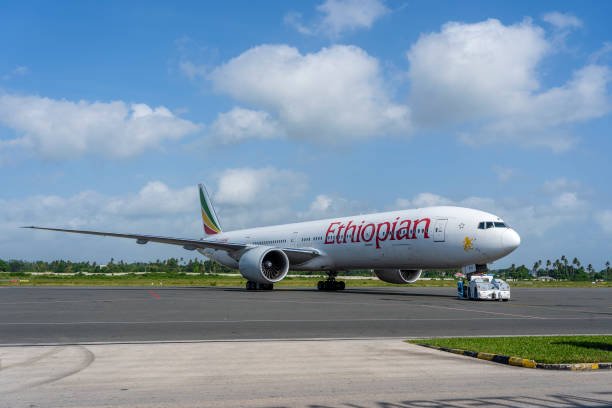
The most common and practical way to travel from Australia to Morocco is by airplane. Due to the geographical separation, expect multiple stops. The primary hubs for connecting flights typically include major European cities like London, Paris, Amsterdam, Madrid, or Frankfurt, and sometimes Middle Eastern hubs like Dubai or Doha. From these hubs, you will connect to a flight heading towards one of Morocco’s main international airports.
Major Moroccan Airports and Connectivity
Morocco has several international airports, but the most common entry points for international travelers are:
- Marrakech Menara Airport (RAK): Serves as a major gateway to the popular tourist city of Marrakech.
- Casablanca Mohammed V International Airport (CMN): Morocco’s largest airport and a hub for Royal Air Maroc, offering extensive connections within Africa and Europe. It’s often a good option for those heading to Rabat or further north.
- Agadir Al Massira Airport (AGA): Primarily serves the southern coastal region.
- Fes–Saïs Airport (FEZ): Gateway to the historic city of Fes.
- Tangier Ibn Battouta Airport (TNG): Located in the north, with connections to Spain and Europe.
For travelers from Australia, flights often land in Casablanca or Marrakech. Your choice might depend on your final destination within Morocco and the available flight routes and pricing for 2026-2027.
Typical Flight Routes and Layover Strategies
A typical flight path from Australia (e.g., Sydney, Melbourne, Perth) to Morocco might look something like this:
- Leg 1: Australia to a Major Asian or Middle Eastern Hub (e.g., Singapore, Dubai, Doha, Kuala Lumpur). This leg usually takes 8-14 hours.
- Leg 2: Hub to European Gateway City (e.g., Dubai to London, Doha to Paris). This leg can take 6-8 hours.
- Leg 3: European Gateway City to Morocco (e.g., London to Casablanca, Paris to Marrakech). This leg is generally shorter, around 3-4 hours.
Alternatively, some routes might involve flying directly from Australia to a European hub like Amsterdam or Frankfurt, then connecting to Morocco. The total travel time, including layovers, can range from 24 hours to over 40 hours, depending on the duration and number of stops.
Finding the Best Flight Deals for 2026-2027
Booking flights from Australia to Morocco requires strategic planning. Here’s how to maximize your chances of finding good deals:
- Book in Advance: For travel in 2026 or 2027, aim to book your flights at least 3 to 6 months in advance, especially if traveling during peak seasons (spring and autumn in Morocco, or major holiday periods in Australia).
- Be Flexible with Dates: If your travel dates are flexible, use flight comparison websites (like Google Flights, Skyscanner, Kayak) to identify cheaper days or weeks to fly. Mid-week flights are often less expensive.
- Consider Different Airports: Check prices for flights into Casablanca (CMN) versus Marrakech (RAK) or Fes (FEZ). Sometimes flying into a slightly less popular airport and taking a short domestic flight or train can save money.
- Leverage Airline Alliances and Codeshares: Look for flights operated by airlines within major alliances (e.g., Star Alliance, Oneworld, SkyTeam) as they often offer more integrated itineraries.
- Set Price Alerts: Most flight search engines allow you to set up alerts for specific routes, notifying you when prices drop.
- Compare Airlines: Don’t stick to just one airline. Compare options from carriers like Emirates, Qatar Airways, Etihad, Turkish Airlines, KLM, Air France, British Airways, and Royal Air Maroc.
The cost of flights can vary significantly. For 2026-2027, expect round-trip fares from major Australian cities to Morocco to range from AUD $1,800 to AUD $3,500+, depending on the airline, season, and how far in advance you book. Business class fares will be considerably higher.
Understanding Layover Durations
Layovers are an unavoidable part of this journey. When booking, pay close attention to the layover times:
- Short Layovers (1-3 hours): Can be stressful, especially if your first flight is delayed or if you need to change terminals.
- Moderate Layovers (3-6 hours): Generally comfortable, allowing time for a meal, restroom breaks, and browsing shops.
- Long Layovers (6+ hours): Can be tiring but offer opportunities for a brief excursion in the layover city (if visa regulations permit and time allows) or a chance to rest at an airport lounge. Some travelers even book short overnight stays in the layover city if the layover is 12 hours or more.
Always ensure you have sufficient time, especially if you need to re-check baggage or change airlines. For international transit, check if you need a transit visa for the layover country.
Visa Requirements for Australian Citizens
As of the latest information available for 2026-2027, Australian citizens do not require a visa to enter Morocco for stays of up to 90 days. This is a significant advantage for planning your trip.
Key Points for Australian Passport Holders:
- Visa-Free Entry: Australian passport holders can enter Morocco for tourism or business purposes for up to 90 days without a visa.
- Passport Validity: Your passport must be valid for at least six months beyond your intended stay and have at least one blank page.
- Entry Requirements: You may be asked to show proof of onward or return travel and sufficient funds to cover your stay.
- Extending Stay: If you wish to stay longer than 90 days, you will need to apply for an extension from the Moroccan immigration authorities (Direction Générale de la Sûreté Nationale – DGSN) before your initial 90-day period expires. This process can be complex and is not guaranteed.
Important Note on Visa Regulations:
Visa regulations can change. It is crucial to verify the latest requirements with the Moroccan Embassy or Consulate in Australia or your country of residence, or the official Moroccan Ministry of Foreign Affairs website, closer to your travel dates in 2026-2027. Always check government travel advisories for both Australia and Morocco.
Best Time to Visit Morocco from Australia
Morocco offers diverse climates, making the ‘best’ time to visit dependent on your preferences and the regions you plan to explore. Generally, the shoulder seasons are ideal.
Spring (March to May)
- Pros: Pleasant temperatures across most of the country, blooming wildflowers, especially in the mountains and desert fringes. Ideal for city exploration and hiking.
- Cons: Can be crowded, particularly around Easter and May holidays. Prices may be higher.
Autumn (September to November)
- Pros: Comfortable temperatures, clear skies, and vibrant colors. Excellent for hiking and desert trips. Harvest season means fresh produce is abundant.
- Cons: Popular period, so booking accommodation and tours in advance for 2026-2027 is advisable.
Summer (June to August)
- Pros: Good for beach destinations along the Atlantic coast. Fewer crowds in some inland areas.
- Cons: Very hot in inland cities like Marrakech and Fes (often exceeding 40°C). The desert can be extremely hot. Coastal areas are more bearable but can be windy.
Winter (December to February)
- Pros: Mild temperatures in southern Morocco and coastal areas. Snow in the Atlas Mountains, offering opportunities for skiing. Fewer tourists. Lower prices.
- Cons: Can be cold, especially at night, in the desert and mountains. Some mountain passes might be closed due to snow.
For a balance of good weather across most regions and manageable crowds, spring (April-May) and autumn (September-October) are generally considered the best times to travel from Australia to Morocco.
Budgeting for Your Trip: Costs and Considerations
Traveling from Australia to Morocco involves costs for flights, accommodation, food, transport, activities, and miscellaneous expenses. The overall budget will vary significantly based on your travel style.
Flight Costs
As mentioned, expect round-trip flights from Australia to Morocco to range from AUD $1,800 to AUD $3,500+ for economy class in 2026-2027. Booking early and being flexible can help secure prices at the lower end of this range.
Accommodation
Morocco offers a wide range of accommodation options:
- Budget (Hostels, Basic Guesthouses): AUD $20 – $50 per night.
- Mid-Range (Riads, 3-4 Star Hotels): AUD $50 – $150 per night.
- Luxury (High-End Riads, 5 Star Hotels): AUD $150 – $400+ per night.
Riads (traditional Moroccan houses with interior courtyards) offer a unique cultural experience and are available at various price points.
Food
Moroccan cuisine is delicious and generally affordable:
- Street Food & Local Cafes: AUD $5 – $15 per day.
- Mid-Range Restaurants: AUD $15 – $30 per meal.
- Fine Dining: AUD $30 – $60+ per meal.
You can eat very well on a budget by enjoying tagines, couscous, and grilled meats from local eateries.
Transportation within Morocco
Internal travel options include:
- Trains: Efficient and comfortable, especially between major cities like Casablanca, Rabat, Fes, and Marrakech. A one-way ticket can cost AUD $10 – $30.
- Buses (CTM, Supratours): Extensive network, good for reaching smaller towns. Prices are comparable to trains, AUD $10 – $25 for intercity routes.
- Grand Taxis: Shared taxis for intercity travel, faster than buses but less comfortable. Prices are negotiable but often around AUD $15 – $40 per person for longer routes.
- Petit Taxis: For within-city travel, metered (ensure meter is used). Short rides typically AUD $2 – $5.
- Car Rental: Offers flexibility but can be expensive (AUD $40 – $80+ per day) and navigating Moroccan cities can be challenging.
Activities and Entrance Fees
Costs for activities vary:
- Museums and Historical Sites: AUD $5 – $15 per entrance.
- Guided Tours (City, Desert): AUD $50 – $300+ depending on duration and exclusivity.
- Cooking Classes, Hammams: AUD $40 – $100.
Estimated Daily Budget (Excluding Flights)
- Budget Traveler: AUD $50 – $80 per day.
- Mid-Range Traveler: AUD $100 – $200 per day.
- Luxury Traveler: AUD $250+ per day.
For a 2-week trip in 2026-2027, a mid-range budget might be around AUD $2,500 – $4,000 per person, plus international flights.
Planning Your Itinerary: What to See and Do
Morocco offers a diverse range of experiences. Here are some highlights and itinerary ideas:
Imperial Cities
- Marrakech: Djemaa el-Fna square, Koutoubia Mosque, Bahia Palace, Jardin Majorelle, souks.
- Fes: The ancient medina (Fes el-Bali), tanneries, Bou Inania Madrasa, Al-Attarine Madrasa.
- Meknes: Bab Mansour gate, Royal Stables, Mausoleum of Moulay Ismail.
- Rabat: Hassan Tower, Mausoleum of Mohammed V, Kasbah of the Udayas, Chellah Necropolis.
Desert Adventures
Experience the Sahara Desert, typically from Merzouga or Zagora:
- Camel Treks: Overnight trips into the dunes.
- Desert Camps: Stay in traditional or luxury desert camps.
- Stargazing: The clear desert sky offers incredible views.
Atlas Mountains
From hiking to scenic drives:
- Toubkal National Park: For trekkers aiming for North Africa’s highest peak.
- Ourika Valley: A popular day trip from Marrakech.
- Ouzoud Falls: Impressive waterfalls, a good excursion.
Coastal Towns
- Essaouira: A charming coastal city with a fortified medina, known for its art scene and fresh seafood.
- Taghazout/Agadir: Popular for surfing and beach holidays.
- Asilah: A picturesque blue and white walled town.
Sample Itinerary Structures
10-Day Morocco Highlights (Mid-Range)
- Days 1-3: Marrakech. Arrive, explore the medina, Djemaa el-Fna, palaces.
- Day 4: Atlas Mountains Day Trip. Visit Ourika Valley or Ouzoud Falls.
- Days 5-6: Fes. Travel by train/bus, explore the ancient medina, tanneries.
- Day 7: Meknes/Volubilis. Day trip from Fes or en route to Rabat.
- Days 8-9: Rabat. Explore the capital, Hassan Tower, Kasbah of the Udayas.
- Day 10: Departure. Fly from Rabat or Casablanca.
14-Day Morocco Explorer (Including Desert)
- Days 1-3: Marrakech. Arrival and city exploration.
- Day 4: Ait Benhaddou & Ouarzazate. Travel over the High Atlas to the gateway of the desert.
- Days 5-6: Sahara Desert (Merzouga). Camel trek, overnight in a desert camp.
- Day 7: Todra Gorge & Dades Valley. Scenic drive through dramatic landscapes.
- Days 8-9: Fes. Travel north, explore the imperial city.
- Day 10: Volubilis & Meknes. Roman ruins and another imperial city.
- Days 11-12: Chefchaouen. Visit the ‘Blue City’ in the Rif Mountains.
- Day 13: Rabat. Explore the capital.
- Day 14: Departure. Fly from Casablanca.
For travelers from Australia, it’s often beneficial to arrange airport transfers in advance, especially for your first arrival in Morocco. Companies like Top Guide Adventures can help coordinate smooth transfers and onward travel plans for your 2026-2027 journey.
Practical Tips for Traveling from Australia to Morocco
To ensure a smooth and enjoyable trip, consider these practical tips:
Packing Essentials
- Clothing: Lightweight, breathable fabrics are key. Pack layers as temperatures can vary. Include modest clothing (long sleeves, trousers/skirts that cover the knees) out of respect for local culture, especially when visiting religious sites or rural areas. A light jacket or sweater is useful for evenings, even in warmer months.
- Footwear: Comfortable walking shoes are essential for exploring medinas and historical sites. Sandals are good for warmer weather. If hiking, bring appropriate boots.
- Sun Protection: High SPF sunscreen, a wide-brimmed hat, and sunglasses are vital due to the strong sun.
- Scarf/Shawl: Versatile for sun protection, warmth, or covering up when needed.
- Adapters and Power Banks: Morocco uses Type C and E plugs (220V). A universal adapter is recommended. A power bank is useful for keeping devices charged on the go.
- Medications: Carry any personal prescription medications in their original packaging, along with a doctor’s note if necessary. Include a basic first-aid kit.
- Copies of Documents: Keep digital and physical copies of your passport, flight details, and hotel reservations separate from the originals.
Health and Safety
- Vaccinations: Consult your doctor or a travel clinic about recommended vaccinations for Morocco well in advance of your 2026-2027 trip. Standard vaccinations should be up-to-date.
- Food and Water: Drink bottled water only. Be cautious with raw vegetables and fruits unless peeled or cooked. Eat at busy restaurants where food turnover is high.
- Sunstroke and Dehydration: Stay hydrated, especially in hot climates. Drink plenty of water and avoid excessive alcohol consumption.
- Petty Theft: Be aware of your surroundings in crowded areas like markets and tourist attractions. Keep valuables secure.
- Scams: Be wary of unsolicited guides or overly friendly strangers offering “help.” Politely decline and state you have your own arrangements.
- Driving: If renting a car, drive defensively. Moroccan roads can be busy and drivers may not always adhere to strict traffic rules.
Cultural Etiquette
- Dress Code: Modesty is appreciated. Avoid overly revealing clothing.
- Greetings: A polite ‘Salam Alaikum’ (Peace be upon you) is always well-received.
- Bargaining: Haggling is expected in souks, but do so respectfully and with a smile. Start at around half the asking price and be prepared to walk away if the price isn’t right.
- Photography: Always ask for permission before taking photos of people, especially in sensitive areas or of women and children.
- Ramadan: If traveling during the holy month of Ramadan (dates vary annually), be mindful that eating, drinking, and smoking in public during fasting hours is prohibited and disrespectful. Many restaurants may have limited hours. Check the 2026-2027 Ramadan calendar.
- Alcohol: Alcohol is available in licensed hotels and restaurants, but not widely sold in public.
Language
The official languages are Arabic and Tamazight (Berber). French is widely spoken, especially in business and tourism. English is increasingly understood in tourist areas, but knowing a few basic Arabic or French phrases will be very helpful.
- Hello: Salam Alaikum
- Thank you: Shukran
- Yes: Na’am
- No: La
- Excuse me: Afak / Min Fadlik
Currency and Payments
The currency is the Moroccan Dirham (MAD). ATMs are widely available in cities and larger towns. Credit cards are accepted in hotels, larger restaurants, and shops, but cash is essential for souks, local markets, taxis, and smaller establishments. Inform your bank about your travel dates to avoid card suspension.
Connecting to Morocco: Communication and Connectivity
Staying connected in Morocco is generally straightforward, though it differs from Australia.
Mobile Phones and SIM Cards
You have a few options for mobile connectivity:
- International Roaming: This is the easiest but often the most expensive option. Check rates with your Australian provider before you leave.
- Local SIM Card: Purchase a local SIM card upon arrival at the airport or from a mobile provider store (e.g., Maroc Telecom, Orange, Inwi). This is usually the most cost-effective way to stay connected for calls and data. You’ll need your passport for registration. Data packages are relatively affordable.
- eSIM: If your phone supports eSIM technology, you can often purchase and activate a Moroccan data plan remotely before or upon arrival, which can be very convenient.
Wi-Fi Availability
Wi-Fi is commonly available in:
- Hotels and Riads
- Cafes and Restaurants
- Public spaces (sometimes limited or requires purchase)
Connection speeds can vary, and public Wi-Fi might not always be secure. It’s wise to use a VPN if you need to access sensitive information.
Travel Insurance: A Must-Have for Your Journey
Given the distance and potential for unforeseen circumstances, comprehensive travel insurance is highly recommended for any trip from Australia to Morocco, especially for 2026-2027 travel.
What to Look For in a Policy:
- Medical Emergencies: Covers hospital stays, doctor visits, and emergency medical evacuation back to Australia.
- Trip Cancellation/Interruption: Reimburses costs if your trip is cancelled or cut short due to illness, injury, or other covered reasons.
- Lost or Stolen Baggage: Covers the cost of replacing essential items if your luggage is lost or stolen.
- Travel Delays: Provides compensation for significant flight or travel delays.
- Activities Coverage: Ensure your policy covers any adventure activities you plan to undertake (e.g., trekking, camel riding).
Compare policies from different providers and read the PDS (Product Disclosure Statement) carefully to understand what is and isn’t covered.
Navigating Moroccan Culture and Customs
Understanding and respecting local customs will greatly enhance your travel experience.
The Art of Hospitality
Moroccans are known for their warm hospitality. If invited into a home, it’s a sign of great respect. Always bring a small gift, such as pastries or sweets. Accept offers of mint tea; it’s a ritual of welcome.
Social Interactions
Public displays of affection are generally frowned upon. Be mindful of your interactions, especially between men and women. It’s polite to use your right hand for eating, giving, and receiving.
Tipping Culture
Tipping is customary and appreciated for good service:
- Restaurants: 10-15% for good service.
- Taxis: Round up the fare or leave a small amount.
- Guides and Drivers: A daily rate is common; discuss this upfront.
- Hotel Staff: Small tips for porters and housekeeping.
Preparing for the Time Difference
Morocco observes Western European Time (WET) and observes Daylight Saving Time (DST), which aligns with many European countries. However, DST dates can sometimes be adjusted around Ramadan. For most of the year, Morocco is 9 hours behind Australian Eastern Standard Time (AEST). This significant time difference can cause jet lag, so plan for rest upon arrival.
Leveraging Local Expertise for Your Journey
While independent travel is possible, engaging with local tour operators can significantly enhance your trip, especially for complex logistics or specialized experiences.
For those planning extensive travel within Morocco, or seeking unique cultural immersions and adventure tours, consider partnering with experienced local operators. Companies specializing in Tanzanian adventures, such as Top Guide Adventures, often have a deep understanding of African travel logistics and can provide invaluable support. While their primary focus is Tanzania, they can offer advice or connections for broader African travel, or you can reach them directly for inquiries about regional travel advice.
You can contact Top Guide Adventures for more information or to discuss potential travel plans:
- WhatsApp: +255616946642
- Email: topguideadventures@gmail.com
- Backup Email: info@topguideadventurestanzania.com
Their expertise can be particularly helpful for arranging airport transfers, custom itineraries, and ensuring you experience the best of Morocco in 2026-2027.
Final Considerations for Your Australia to Morocco Adventure
The journey from Australia to Morocco is an exciting undertaking that promises rich cultural rewards. By planning ahead, understanding the flight options, visa requirements, budgeting carefully, and respecting local customs, you can ensure a memorable and smooth adventure.
Remember to book flights and popular accommodations well in advance for 2026-2027. Stay informed about travel advisories, and consider the benefits of travel insurance and local support for a truly worry-free experience.
Whether you’re drawn to the vibrant souks, the majestic Atlas Mountains, or the vast Sahara Desert, Morocco offers an unforgettable destination. Safe travels!
“,
“faq_schema”: [
{
“question”: “Do Australian citizens need a visa to travel to Morocco for tourism in 2026-2027?”,
“answer”: “No, Australian passport holders generally do not require a visa for stays of up to 90 days for tourism or business purposes in Morocco. Ensure your passport is valid for at least six months beyond your intended stay and has blank pages.”
},
{
“question”: “What is the typical travel time from Australia to Morocco?”,
“answer”: “The travel time from Australia to Morocco is significant, typically ranging from 24 to over 40 hours, including at least two to three layovers in major international hubs like Dubai, Doha, or European cities.”
},
{
“question”: “How much do flights from Australia to Morocco usually cost in 2026-2027?”,
“answer”: “Round-trip economy flights from Australia to Morocco can range from approximately AUD $1,800 to AUD $3,500 or more. Booking 3-6 months in advance is recommended for better pricing.”
},
{
“question”: “What is the best time of year to visit Morocco for travelers from Australia?”,
“answer”: “The best times to visit Morocco are during the shoulder seasons: spring (March to May) and autumn (September to November). These periods offer pleasant temperatures across most regions, ideal for sightseeing and outdoor activities.”
},
{
“question”: “What are the main entry airports in Morocco for international travelers?”,
“answer”: “The primary international airports in Morocco are Marrakech Menara Airport (RAK), Casablanca Mohammed V International Airport (CMN), Agadir Al Massira Airport (AGA), Fes–Sais Airport (FEZ), and Tangier Ibn Battouta Airport (TNG). Casablanca and Marrakech are the most common entry points for long-haul travelers.”
},
{
“question”: “Can I get a local SIM card in Morocco?”,
“answer”: “Yes, you can easily purchase a local SIM card upon arrival at the airport or from mobile provider stores in cities. This is generally the most cost-effective way to stay connected for calls and data. You will need your passport to register.”
},
{
“question”: “Is travel insurance necessary for a trip from Australia to Morocco?”,
“answer”: “Yes, comprehensive travel insurance is highly recommended. It should cover medical emergencies, trip cancellation/interruption, lost baggage, and travel delays, especially for a long-haul journey like this.”
},
{
“question”: “What is the currency in Morocco?”,
“answer”: “The currency in Morocco is the Moroccan Dirham (MAD). ATMs are widely available, and credit cards are accepted in larger establishments, but cash is essential for markets, taxis, and smaller vendors.”
}
]
}
“`
Check Availability for How To Travel From Australia To Morocco 2026-2027
Ready to compare dates, prices, and the best option for your group? Send the package name and travel month so the team can reply with a clear quote, availability, and what is included.



