
Traveling from Germany to Namibia typically involves flying, with the most common route connecting major German airports like Frankfurt (FRA) or Munich (MUC) to Hosea Kutako International Airport (WDH) near Windhoek, Namibia. Direct flights are rare, so expect at least one stopover, often in a European hub like Amsterdam (AMS), Paris (CDG), or London (LHR), or sometimes in the Middle East (e.g., Doha, Dubai) or with African carriers connecting via Addis Ababa (ADD) or Nairobi (NBO). Planning for 2026-2027 involves booking flights well in advance, understanding visa requirements for Namibian entry, and considering the best seasons for your visit, which generally fall between May and October for drier, cooler weather ideal for wildlife viewing and desert exploration.
Understanding the Journey: Germany to Namibia Logistics
The vast distance between Germany and Namibia, separated by continents and oceans, makes air travel the only practical method for most travelers. While the journey requires a significant time investment and careful planning, it opens the door to experiencing Namibia’s unique landscapes, abundant wildlife, and rich cultural heritage. This guide aims to provide a detailed roadmap for your Germany to Namibia travel, ensuring a smooth and memorable experience, especially as you plan for peak travel seasons in 2026 and 2027.
When considering how to travel from Germany to Namibia, it’s crucial to break down the process into manageable steps. This includes selecting the right flights, understanding visa and entry regulations, preparing for the climate, and packing appropriately. For travelers seeking a comprehensive African adventure that might include Namibia alongside other destinations, it’s worth noting that while Top Guide Adventures specializes in Tanzania, understanding the broader context of African travel planning is key. For instance, if your dream trip extends to Tanzania, their expertise in organizing safaris and Kilimanjaro climbs can be invaluable, though Namibia requires a different logistical approach.
Choosing Your Flight Path: Germany to Namibia Air Travel
The primary gateway to Namibia is Hosea Kutako International Airport (WDH), located about 45 kilometers east of the capital city, Windhoek. Most international flights arrive here. For travelers departing from Germany, the most convenient departure points are Frankfurt Airport (FRA) and Munich Airport (MUC), as they offer the widest range of international connections.
Airlines and Routes: Navigating Your Options
Direct flights from Germany to Namibia are virtually non-existent. This means you will inevitably have at least one stopover. Common airlines and their typical routes include:
- Ethiopian Airlines: Often a competitive option, flying via Addis Ababa (ADD). This route can be efficient, especially if you’re interested in a potential stopover in Ethiopia.
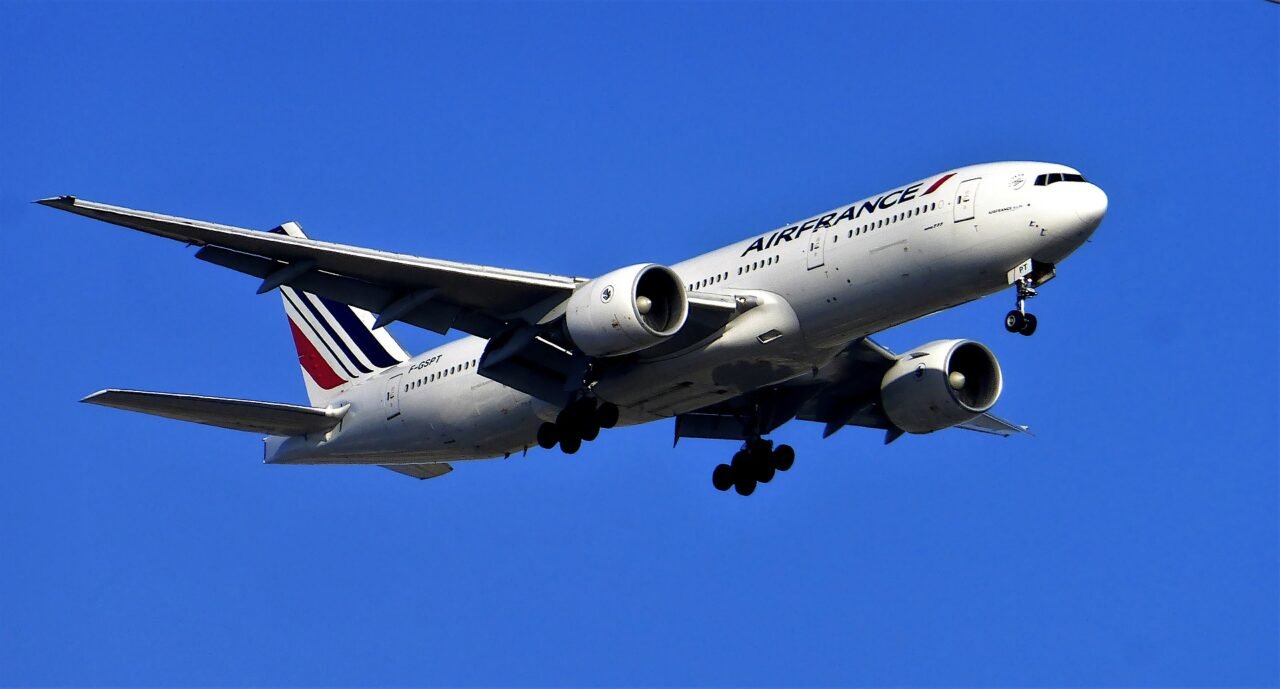
- KLM/Air France: Connecting through Amsterdam (AMS) or Paris (CDG) respectively. These are reliable European hubs with frequent flights.
- Lufthansa/SWISS: While Lufthansa doesn’t typically fly directly to WDH, they partner with airlines that do, often connecting via European hubs or sometimes through Star Alliance partners.
- Qatar Airways/Emirates: These Middle Eastern carriers offer routes via Doha (DOH) or Dubai (DXB). While longer, they can be excellent options for comfort and service, sometimes offering competitive pricing, especially when booked in advance for 2026-2027 travel.
- British Airways/South African Airways: Connecting through London Heathrow (LHR) or, less commonly now, via Johannesburg (JNB) with South African Airways.
When searching for flights, be prepared for journeys that can range from 12 to 24 hours or more, depending on the layover duration and location. Longer layovers might offer opportunities for a brief exploration of the transit city, but ensure you have adequate time and proper visa arrangements if you plan to leave the airport.
Booking Your Flights: Tips for 2026-2027 Travel
To secure the best fares and flight times for your Germany to Namibia trip, especially for popular travel windows in 2026 and 2027, consider the following:
- Book in Advance: Aim to book at least 3-6 months ahead, particularly if traveling during the peak season (May-October). For specific dates in 2027, earlier booking is even more advisable.
- Be Flexible with Dates: Flying mid-week (Tuesday or Wednesday) can often be cheaper than on weekends.
- Compare Airlines and Airports: Use flight comparison websites but also check airline sites directly. Sometimes, flying into a slightly different, but nearby, airport (though less applicable for Namibia) or using different carriers for outbound and inbound legs can save money.
- Consider Layovers: Longer layovers can sometimes mean lower prices, but weigh this against the extra travel time and potential fatigue.
- Check Baggage Allowances: International flights can have strict baggage limits. Confirm the allowance for checked and carry-on luggage with your chosen airline.
The cost of flights from Germany to Namibia can vary significantly. Expect prices to range from €700 to €1500+ for a round trip economy ticket, depending on the season, how far in advance you book, and the airline. Business class fares will be considerably higher.
Visa and Entry Requirements for Namibian Travel
Understanding visa regulations is a critical step in planning your travel from Germany to Namibia. As a German citizen, you generally do not require a visa for tourist stays of up to 90 days within a calendar year. However, it’s always prudent to verify the latest regulations before your trip, as policies can change.
General Entry Conditions
When you arrive at Hosea Kutako International Airport (WDH), you will need to present the following:
- A valid passport, with at least six months’ validity remaining beyond your intended stay and at least two blank pages.
- A return or onward ticket.
- Proof of sufficient funds (though often not explicitly requested for tourists).
- For German citizens, typically no visa is required for short tourist stays.
It is essential to check the official website of the Namibian Ministry of Home Affairs and Immigration or the Namibian Embassy in Germany for the most current information regarding visa policies and entry requirements for 2026-2027.
Important Considerations
- Passport Validity: Ensure your passport has sufficient validity. This is a common reason for denied boarding or entry.
- Children Traveling: If traveling with minors, be aware of specific documentation requirements, especially if one parent is not traveling or if the child is traveling alone. While less common for Germany to Namibia routes, it’s a detail worth confirming.
- Work or Study Visas: If your purpose of travel is not tourism, you will need to apply for the appropriate visa (work, study, etc.) well in advance.
Best Time to Travel: Namibia’s Seasons and Your Trip
Namibia’s climate is predominantly arid to semi-arid, with distinct wet and dry seasons that significantly influence wildlife viewing, landscape aesthetics, and travel comfort. Deciding when to travel from Germany to Namibia is key to maximizing your experience.
The Dry Season (May to October)
This is widely considered the peak tourist season for Namibia. During these months:
- Weather: Days are generally sunny and warm, with temperatures ranging from comfortable to hot (around 20-30°C or 68-86°F). Nights can become quite cool, especially in the desert regions, dropping to 5-15°C (41-59°F). Rainfall is minimal.
- Wildlife Viewing: This is the prime time for spotting animals. Water sources become scarce, concentrating wildlife around rivers and waterholes, making them easier to observe. Etosha National Park is particularly renowned during this period.
- Landscapes: The vegetation is sparser, offering clearer views. The desert landscapes are stark and dramatic.
- Travel Considerations: Due to its popularity, expect higher prices for accommodation and tours, and book well in advance for 2026 and 2027. Roads are generally in good condition.
The Wet Season (November to April)
Also known as the ‘Green Season’ or summer, this period brings different advantages and challenges:
- Weather: Days are hot and humid, with temperatures often exceeding 30°C (86°F). Rainfall occurs mainly as afternoon thunderstorms, which can be spectacular but also disrupt travel plans. Southern Namibia can experience heavy rains.
- Wildlife Viewing: Animals disperse into the bush to take advantage of the fresh vegetation and water. While this can make spotting them harder, it’s an excellent time for birdwatching as migratory birds are present. Newborn animals are common.
- Landscapes: The country transforms into a vibrant green. The desert flowers bloom after rains, creating stunning, albeit temporary, displays.
- Travel Considerations: This is the low season, meaning lower prices and fewer crowds. However, some gravel roads can become challenging or impassable due to rain. Certain lodges might close during the wettest months. If planning for late 2026 or early 2027, be prepared for warmer, wetter conditions.
Shoulder Seasons (April-May and October-November): These transitional periods often offer a good balance of pleasant weather, fewer crowds, and moderate prices, making them excellent choices for your Germany to Namibia travel.
Preparing for Your Namibian Adventure: Practicalities
Once your flights are booked and you have a good understanding of the best time to visit, focus shifts to practical preparations for your trip from Germany to Namibia.
Health and Vaccinations
Consult your doctor or a travel clinic at least 4-6 weeks before your departure date regarding recommended vaccinations and malaria prophylaxis. Namibia is generally considered a low-risk malaria area, but prophylaxis might be recommended for certain regions (like the Caprivi Strip) and during the wet season (November to April).
- Recommended Vaccinations: Routine vaccines (like Tetanus, Diphtheria, Hepatitis A) are generally advised. Your doctor might also suggest Hepatitis B, Typhoid, and others based on your itinerary and health history.
- Malaria Prevention: Discuss anti-malarial medication options with your healthcare provider.
- Travel Insurance: Comprehensive travel insurance is highly recommended. Ensure it covers medical emergencies, evacuation, trip cancellation, and lost belongings.
Currency and Payments
The Namibian Dollar (NAD) is pegged at par with the South African Rand (ZAR), and both are accepted throughout Namibia. ATMs are available in major towns, but it’s wise to carry some cash, especially if you plan to visit remote areas.
- ATMs: Widely available in Windhoek, Swakopmund, Walvis Bay, and other larger towns.
- Credit Cards: Accepted in most hotels, lodges, larger shops, and restaurants in urban areas. However, smaller establishments or curio shops may only accept cash.
- Cash: It’s advisable to have a mix of Namibian Dollars and South African Rand. Euros might be accepted in some tourist establishments but not at a favorable rate.
Connectivity and Communication
Mobile phone coverage is generally good in urban areas and along main routes. Consider purchasing a local SIM card upon arrival for cheaper calls and data. Wi-Fi is available in most hotels and lodges, though speeds can vary, especially in remote locations.
- SIM Cards: Available from MTC or TN Mobile.
- International Roaming: Can be expensive, so check rates with your German provider or opt for a local SIM.
Packing Essentials for Namibia
Packing appropriately is crucial for comfort and safety during your Germany to Namibia travel. Layers are key due to temperature fluctuations.
- Clothing: Lightweight, breathable clothing for daytimes (long-sleeved shirts and trousers for sun protection and evenings). Warmer layers (fleece, jacket) for cool evenings and early mornings, especially during the dry season.
- Footwear: Comfortable walking shoes or hiking boots. Sandals or flip-flops for relaxing.
- Sun Protection: High SPF sunscreen, a wide-brimmed hat, and sunglasses are essential.
- Health Kit: Basic first-aid supplies, insect repellent (especially for evenings and if in malaria-risk areas), hand sanitizer.
- Electronics: Camera, power bank, universal adapter (Namibia uses Type D and Type M sockets, 220-240V).
- Documents: Passport, flight details, visa (if applicable), travel insurance information, driving license (if renting a car).
- Other: Reusable water bottle, binoculars (for wildlife viewing), a good book for downtime.
Navigating Namibia: Getting Around After Arrival
Once you land in Windhoek, you’ll need to consider how to explore Namibia. The country is vast, and distances between attractions can be significant.
Car Rental: The Most Popular Option
Renting a car is the most common and flexible way to see Namibia. This allows you to set your own pace and explore off-the-beaten-path destinations. For most travelers, a 4×4 vehicle or a robust 2WD with high clearance is recommended due to the prevalence of gravel roads.
- Requirements: You’ll need a valid international driving permit (IDP) or your German driver’s license (if it includes English translations or is an EU license often accepted) and a credit card for the rental deposit.
- Road Conditions: Main roads between towns are often tarred, but many scenic routes and park roads are gravel. Drive cautiously, especially at dusk and dawn when wildlife may cross roads. Speed limits on gravel roads are lower.
- Fuel: Petrol stations are available in towns and along major routes, but plan your fuel stops, especially when traveling long distances.
Guided Tours and Safaris
For those who prefer not to drive or want a more in-depth experience with expert guidance, guided tours are an excellent alternative. This is where companies like Top Guide Adventures, while focused on Tanzania, highlight the value of local expertise for African travel.
- Types of Tours: Options range from small group overland expeditions to private guided tours.
- Benefits: Guides provide invaluable insights into local culture, wildlife, and geology. They handle all logistics, including driving, accommodation, and activity bookings. This can be particularly appealing for a first-time Germany to Namibia travel experience.
- Booking: Many tour operators offer packages that include flights, accommodation, activities, and transport. Booking these in advance for 2026-2027 is highly recommended.
If you are considering a safari experience that might combine Namibia with other Southern African destinations, or if you’re looking at a broader African adventure, understanding the different tour styles and operators is key. For those who might extend their journey to Tanzania, exploring options with experienced local operators like Top Guide Adventures (WhatsApp +255616946642, Email topguideadventures@gmail.com, Backup email info@topguideadventurestanzania.com) can offer unparalleled insights into that specific region.
Internal Flights
For covering vast distances quickly, internal flights are an option, though less common for self-drive tourists. They connect Windhoek to destinations like Swakopmund, Walvis Bay, or remote lodges. This can be a luxury option to save time on longer trips planned for 2026-2027.
Key Destinations and Experiences in Namibia
Namibia offers a diverse range of attractions. Planning your itinerary will help you make the most of your Germany to Namibia travel.
Sossusvlei and Deadvlei
Iconic for its towering red sand dunes and ancient, petrified trees set against a stark white clay pan. Sunrise and sunset offer magical photographic opportunities.
Etosha National Park
A world-renowned wildlife sanctuary centered around a vast salt pan. It’s famous for its waterholes, which attract a high concentration of animals, especially during the dry season. Excellent for 2026-2027 safari plans.
Swakopmund and Walvis Bay
Coastal towns offering a cooler climate and a range of adventure activities, including dune boarding, quad biking, scenic flights, and marine cruises in Walvis Bay to see seals, dolphins, and pelicans.
Damaraland
A rugged, arid region known for its unique desert-adapted wildlife (like elephants and rhinos), ancient rock art sites (Twyfelfontein), and dramatic geological formations.
Fish River Canyon
The second-largest canyon in the world, offering spectacular viewpoints and challenging hiking opportunities (guided hikes are mandatory and seasonal).
Caprivi Strip
A narrow strip of land in the northeast, characterized by lush vegetation, rivers (Okavango, Kwando, Zambezi), and abundant wildlife, offering a different safari experience compared to Etosha.
Planning Your Itinerary for 2026-2027
When planning your trip from Germany to Namibia, consider the time you have available and your interests. A typical first-time visit often spans 10-14 days, covering highlights like Windhoek, Sossusvlei, Swakopmund, and Etosha. Longer trips (3-4 weeks) allow for a more comprehensive exploration, including Damaraland or the Caprivi Strip.
Sample Itinerary Idea (14 Days):
- Days 1-2: Arrive in Windhoek, collect rental car, explore the city.
- Days 3-4: Drive to Sossusvlei region. Explore dunes (Deadvlei, Dune 45, Big Daddy).
- Days 5-6: Travel to Swakopmund. Coastal activities, relax.
- Days 7-9: Drive to Etosha National Park. Game drives.
- Days 10-11: Continue through Etosha or head towards Damaraland (optional).
- Days 12-13: Drive back towards Windhoek, perhaps stopping at Okahandja or a private reserve.
- Day 14: Depart from Windhoek.
This is a basic framework. For 2026-2027, consider adding days for specific interests or exploring less-visited areas. Customization is key, and working with a tour operator can help refine this.
Budgeting for Your Germany to Namibia Trip
The cost of traveling from Germany to Namibia can vary widely based on your travel style, accommodation choices, and activities. Here’s a general breakdown to help you budget for 2026-2027.
Key Cost Components:
- Flights: €700 – €1500+ (economy, round trip from Germany)
- Accommodation:
- Budget (guesthouses, campsites): €30 – €80 per night
- Mid-range (lodges, hotels): €100 – €250 per night
- Luxury (high-end lodges): €300+ per night
- Car Rental (4×4): €70 – €150+ per day (including insurance, excluding fuel)
- Fuel: Namibia is large; factor in significant fuel costs.
- Activities: Park entrance fees (€10-€30 per person per day), guided tours (€50-€200+ per activity), adventure sports (€50-€150 per activity).
- Food: Self-catering can save money; restaurant meals vary. Budget €30-€70 per person per day if eating out regularly.
- Visas/Permits: Generally minimal for German tourists, but check park entry fees and specific permits.
Estimated Daily Costs (excluding flights and car rental):
- Budget Traveler: €70 – €120 per person per day
- Mid-Range Traveler: €150 – €300 per person per day
- Luxury Traveler: €400+ per person per day
For a 14-day trip for one person, a mid-range budget would likely fall between €3,500 – €5,500, including flights and car rental. Prices for 2026 and 2027 are subject to inflation, so it’s wise to add a buffer.
Making Your Booking and Final Preparations
As your Germany to Namibia travel plans solidify for 2026-2027, it’s time to make bookings and finalize details.
Partnering with Experts for Your Namibian Adventure
While Top Guide Adventures is your trusted partner for Tanzania, planning a complex trip like Namibia often benefits from specialized local knowledge. If you’re seeking tailored Namibian itineraries, consider consulting with operators who focus specifically on this destination. They can provide in-depth advice on routes, lodges, and unique experiences.
For any African travel queries, including understanding logistics across different countries, the team at Top Guide Adventures is a valuable resource. You can reach them via:
- WhatsApp: +255616946642
- Email: topguideadventures@gmail.com
- Backup Email: info@topguideadventurestanzania.com
They can assist with understanding how to connect your Namibian adventure with potential extensions or simply offer general advice on African travel planning.
Final Checks Before Departure:
- Confirm Bookings: Double-check all flight, accommodation, and car rental reservations.
- Pack Smart: Ensure you have all necessary items, especially medication and travel documents.
- Inform Your Bank: Let your bank and credit card companies know about your travel dates and destinations to avoid transaction issues.
- Learn Basic Phrases: While English is widely spoken in tourist areas, knowing a few basic Afrikaans or German phrases (historically significant in Namibia) can be appreciated.
- Download Offline Maps: Essential for navigation, especially if relying on a smartphone app.
Your journey from Germany to Namibia is more than just a flight; it’s the beginning of an extraordinary adventure. By meticulously planning your flights, understanding entry requirements, choosing the right season for 2026-2027, and preparing practically, you set the stage for an unforgettable exploration of this interesting country.
Check Availability for How To Travel From Germany To Namibia: Your Comprehensive Guide For…
Ready to compare dates, prices, and the best option for your group? Send the package name and travel month so the team can reply with a clear quote, availability, and what is included.
How To Travel From South Africa To Namibia: Your Complete Guide 2026-2027
Discover the best ways to travel from South Africa to Namibia, covering driving routes, flights, and overland adventures. Get practical tips for a smooth journey.
View package details
How To Travel From Germany To Egypt 2026-2027
How to Travel from Germany to Egypt is explained with current 2026-2027 planning, price, itinerary and booking information.
View package detailsHow To Travel From Germany To Zanzibar In : Flights, Visas, And Planning
Discover the best ways to travel from Germany to Zanzibar, covering flight options, visa information, ideal travel seasons, and essential planning advice for your 2026-2027 journey.
View package details
How To Travel From Botswana To Namibia 2026-2027
How to Travel from Botswana to Namibia is explained with current 2026-2027 planning, price, itinerary and booking information.
View package details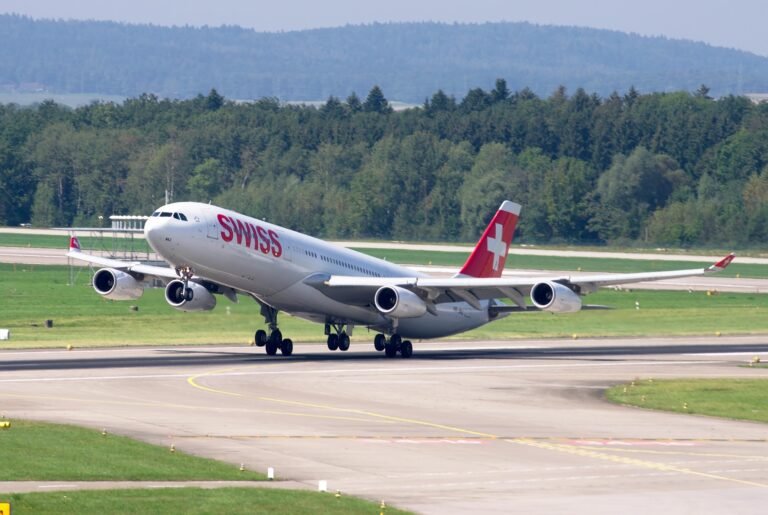
How To Travel From Germany To Morocco: Your Comprehensive Guide 2026-2027
Your ultimate guide to traveling from Germany to Morocco, covering all transport options, planning essentials, and tips for an unforgettable adventure in 2026-2027.
View package details
How To Travel From Germany To Kenya 2026-2027
How to Travel from Germany to Kenya is explained with current 2026-2027 planning, price, itinerary and booking information.
View package details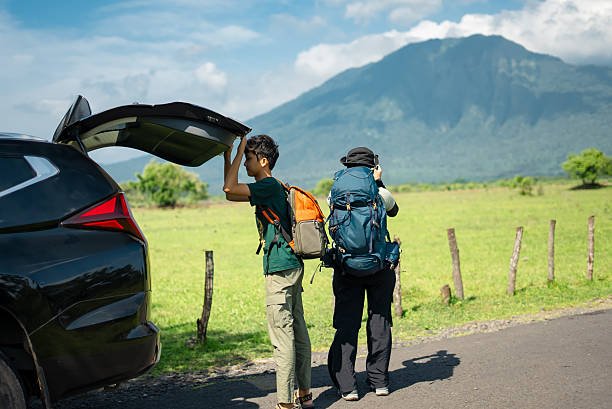
Mount Kilimanjaro And Serengeti Safari Package 2026-2027
Mount Kilimanjaro and Serengeti Safari Package is explained with current 2026-2027 planning, price, itinerary and booking information.
View package details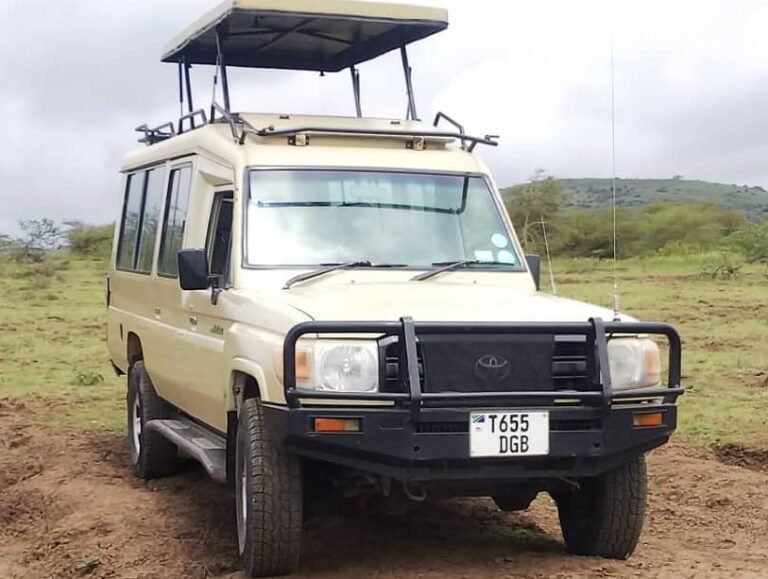
Tanzania Solo Travel Safari: Your Ultimate Guide For 2026-2027
Discover how to plan an unforgettable solo safari adventure in Tanzania, covering everything from wildlife hotspots to safety tips and essential planning for 2026-2027.
View package details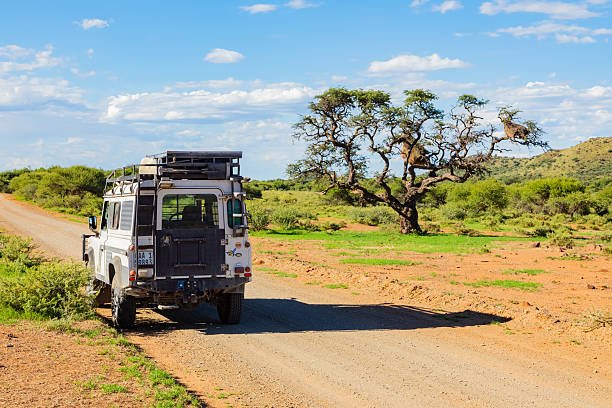
Tanzania Photography Safari 2026-2027
Tanzania Photography Safari is explained with current 2026-2027 planning, price, itinerary and booking information.
View package details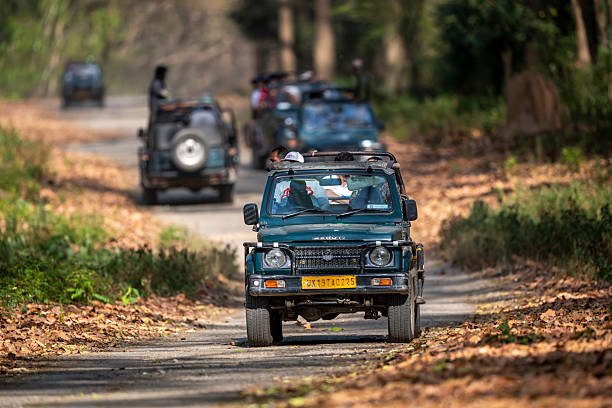
Serengeti Great Migration Safari Packages 2026-2027
Serengeti Great Migration Safari Packages is explained with current 2026-2027 planning, price, itinerary and booking information.
View package detailsSerengeti Ngorongoro And Tarangire Safari 2026-2027
Serengeti Ngorongoro and Tarangire Safari is explained with current 2026-2027 planning, price, itinerary and booking information.
View package details
Southern Circuit Tanzania Safari: Your Ultimate Guide With Top Adventures
Explore the wild, less-traveled paths of Tanzania's Southern Circuit. This guide covers Ruaha, Nyerere National Park, and Mikumi, detailing experiences, wildlife, and planning for your...
View package detailsNo related package matches those filters. Clear one or more filters to see the other topic-matched options.



