
An Eswatini wildlife and cultural tour offers an intimate exploration of Southern Africa’s smallest kingdom, blending encounters with diverse animals in its protected reserves with deep dives into the vibrant traditions and history of the Swazi people. Expect to see iconic African wildlife like rhinos, hippos, and diverse birdlife, alongside experiencing traditional ceremonies, visiting local craft markets, and understanding the kingdom’s unique monarchy. For 2026-2027, planning for this accessible yet distinct destination involves considering optimal seasons for wildlife viewing and cultural events, with typical tours ranging from 5 to 10 days, often starting from South Africa or as part of a larger Southern African itinerary.
Discovering Eswatini: A Unique Blend of Nature and Heritage
Eswatini, formerly known as Swaziland, is a landlocked country in Southern Africa, renowned for its stunning natural landscapes and deeply rooted cultural traditions. For travelers seeking an authentic experience away from the more crowded tourist trails, an Eswatini wildlife and cultural tour presents an unparalleled opportunity. This small kingdom packs a significant punch, offering a rich mix of experiences that appeal to both nature enthusiasts and those fascinated by indigenous cultures. Top Guide Adventures specializes in crafting personalized journeys that showcase the very best of Eswatini, ensuring a memorable and enriching adventure for every client, especially as we look towards planning for 2026 and 2027 travel seasons.
Unlike its larger neighbors, Eswatini offers a more intimate scale for exploration. Its protected areas are rich in biodiversity, from the majestic peaks of the Drakensberg Mountains to the lush valleys and savannahs. Coupled with this natural beauty is a living culture that remains central to the identity of the Swazi people. This tour focuses on the harmonious coexistence of wildlife conservation and the preservation of cultural heritage, providing insights into a society that values its traditions and monarchy.
Why Choose Eswatini for Your Next Adventure?
The allure of Eswatini lies in its authenticity and the warm hospitality of its people. It’s a destination that hasn’t been overly commercialized, allowing for genuine interactions and a deeper connection with the environment and its inhabitants. Planning an Eswatini wildlife and cultural tour with Top Guide Adventures means you’re choosing a journey that prioritizes responsible tourism, local engagement, and unforgettable moments.
- Rich Wildlife Encounters: While not boasting the Big Five in the same numbers as some larger parks, Eswatini offers excellent opportunities to see rhinos, hippos, crocodiles, zebras, wildebeest, and a spectacular array of birdlife. Its conservation efforts are focused and effective.
- Vibrant Cultural Heritage: Witness traditional Swazi life, including ancient ceremonies, music, dance, and the intricate art of beadwork and basket weaving. The monarchy plays a significant role in cultural life, offering unique insights.
- Stunning Scenery: From waterfalls and forests to rolling hills and mountain ranges, Eswatini’s diverse topography provides a beautiful backdrop for any adventure.
- Accessibility: Easily accessible from South Africa, Eswatini can be a standalone destination or a interesting addition to a broader Southern African safari.
- Personalized Experience: Top Guide Adventures is committed to tailoring each itinerary to your interests, ensuring a private and attentive travel experience.
Key Destinations on an Eswatini Wildlife and Cultural Tour
A well-rounded Eswatini wildlife and cultural tour will typically include visits to its most significant natural reserves and cultural hubs. These locations offer the best opportunities to experience the country’s dual appeal.
Mkhaya Game Reserve: A Rhino Sanctuary
Mkhaya Game Reserve is perhaps Eswatini’s crown jewel for wildlife viewing, particularly for rhino conservation. This reserve is dedicated to the protection of endangered species, and its success in reintroducing black and white rhinos is remarkable.
- Wildlife Focus: Primarily known for its rhino population, Mkhaya also hosts elephants, hippos, crocodiles, buffalo, giraffes, and numerous antelope species. It’s a prime location for close-up rhino sightings.
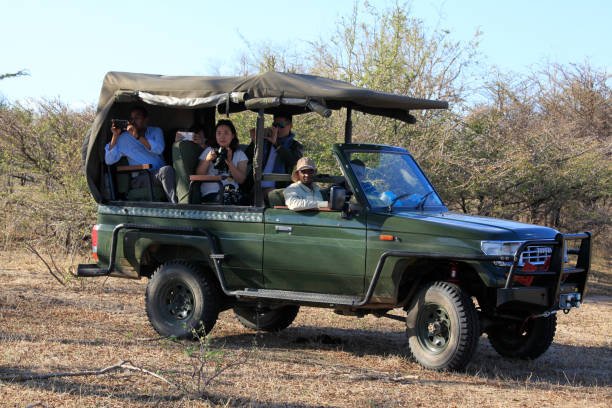
- Unique Experience: The reserve offers guided bush walks and open-vehicle game drives, often led by knowledgeable rangers who provide deep insights into the ecosystem. Night drives are also available, revealing nocturnal creatures.
- Conservation Success: Visiting Mkhaya directly supports its vital conservation work. The reserve operates on a low-impact tourism model, ensuring a pristine environment.
- Accommodation: Rustic yet comfortable stone-and-thatch cottages are available, offering an authentic bush experience.
Hlane Royal National Park: The Kingdom’s Largest Reserve
Hlane Royal National Park, meaning ‘wild land’, is Eswatini’s largest protected area and offers a different, yet equally rewarding, wildlife experience. It’s a place where ancient trees stand guard over diverse fauna.
- Diverse Habitats: Hlane features a mix of woodland, savannah, and grassland, supporting a wide range of wildlife including lions (in a fenced area), elephants, hippos, crocodiles, white rhinos, and a variety of plains game.
- Birding Paradise: It is a renowned birding destination, home to raptors like the Bateleur eagle, fish eagles, and many other species.
- Activities: Game drives (morning and afternoon), guided bush walks, and self-guided trails are available. Visitors can also explore the ancient Ndlovu Baobab tree.
- Accommodation: Options range from traditional Swazi huts to self-catering cottages and a campsite, catering to different preferences.
Malolotja Nature Reserve: Mountainous Wilderness
For those who appreciate dramatic landscapes and hiking, Malolotja Nature Reserve is a must-visit. It represents the wild, mountainous heart of Eswatini.
- Scenery: The reserve boasts spectacular views, deep valleys, and the Malolotja River cascading over impressive waterfalls. It’s part of the Ngwenya Mountain Range.
- Hiking Trails: Numerous well-marked trails cater to various fitness levels, from short walks to challenging multi-day treks. The iconic Malolotja Falls are a popular destination.
- Wildlife: While not primarily a game-viewing destination like Mkhaya or Hlane, Malolotja is home to various antelope species, including the rare mountain reedbuck, as well as zebras, wildebeest, and diverse birdlife, including rare species like the bald ibis.
- Activities: Hiking, birdwatching, and simply enjoying the pristine wilderness are the main attractions.
Mbabane and Lobamba: Cultural and Administrative Centers
While wildlife reserves offer natural beauty, the cultural heart of Eswatini beats in its towns and villages. Mbabane, the administrative capital, and Lobamba, the royal and legislative capital, are key stops for cultural immersion.
- Mbabane: Explore local markets for handicrafts, visit the National Museum to learn about Eswatini’s history and culture, and experience the bustling local life.
- Lobamba: This is where you can witness traditional Swazi life. Key sites include the Parliament of Eswatini, the Royal Kraal (residence of the King), and the National Museum which showcases Eswatini’s heritage. The Umhlanga Reed Dance (women’s traditional ceremony) and Incwala (king’s national ceremony) often take place near Lobamba, offering profound cultural insights for those lucky enough to witness them.
- Cultural Villages: Visits to traditional villages can be arranged, providing a firsthand look at daily life, customs, and social structures.
Cultural Immersion: Experiencing the Swazi Way of Life
A significant part of any Eswatini wildlife and cultural tour is engaging with the rich heritage of the Swazi people. Their traditions are deeply intertwined with their history, social structure, and respect for nature.
The Monarchy and Traditional Governance
Eswatini is one of the last absolute monarchies in Africa. The King (Ngwenyama, meaning ‘Lion’) and the Queen Mother (Ndlovukati, meaning ‘She-Elephant’) are central figures. Understanding the role of the monarchy provides context for the country’s cultural practices and social organization.
- Royal Kraal: While access can be restricted, learning about the royal homesteads and their significance is key.
- Traditional Ceremonies: The most famous are the Umhlanga Reed Dance (usually late August/early September) and the Incwala (a multi-day festival usually in December/January). These events are spectacular displays of Swazi culture, involving thousands of young women and men respectively. Witnessing these requires careful planning around the dates, which can vary annually. For 2026-2027, booking well in advance is crucial if your travel dates align with these events.
Swazi Arts and Crafts
The creativity of the Swazi people is evident in their traditional crafts, which are often functional as well as beautiful. These crafts are a vital part of the local economy and cultural expression.
- Beadwork: Intricate beadwork is used to create jewelry, decorative items, and adornments for traditional regalia. Colors and patterns often carry specific meanings.
- Basket Weaving: Skilled artisans weave baskets from natural fibers, used for everything from storing grain to serving food.
- Wood Carvings: Beautiful carvings, often depicting animals or traditional figures, are popular souvenirs.
- Where to Buy: Markets in Mbabane and Lobamba, as well as craft centers like the Tintsaba Forest Lodge and Swazi Candles, are excellent places to find authentic crafts. Supporting these local artisans directly contributes to community development.
Music and Dance
Music and dance are integral to Swazi life, often performed during ceremonies, celebrations, and social gatherings. Traditional instruments and rhythmic movements tell stories and convey emotions.
- Performances: While not always on public display outside of specific festivals, opportunities to witness traditional dance performances can sometimes be arranged, especially for private tours.
- Rhythm and Energy: Expect powerful drumming, chanting, and energetic dances that are both visually striking and deeply moving.
Planning Your Eswatini Wildlife and Cultural Tour for 2026-2027
Successful travel planning for Eswatini involves understanding the best times to visit, visa requirements, and how to structure your itinerary for maximum enjoyment and minimal hassle. Top Guide Adventures simplifies this process for you.
Best Time to Visit
Eswatini has a pleasant subtropical climate, but the best time for an Eswatini wildlife and cultural tour depends on your priorities:
- Dry Season (May to October): This is generally considered the best time for wildlife viewing. As water sources become scarcer, animals congregate around rivers and waterholes, making them easier to spot. Vegetation is less dense, further improving visibility. Temperatures are cooler and pleasant, ideal for hiking and game drives. This period also includes the Umhlanga Reed Dance.
- Wet Season (November to April): This is the summer period, characterized by warmer temperatures and higher rainfall, often in the form of afternoon thunderstorms. The landscape is lush and green, making it beautiful but potentially more challenging for wildlife spotting. It’s an excellent time for birdwatching as migratory birds are present. This period often includes the Incwala ceremony.
For 2026-2027: Consider that major cultural events like Umhlanga and Incwala have specific dates that vary year to year. If witnessing these is a priority, consult with us early to align your travel dates. The dry season (May-October 2026 and 2027) remains ideal for game viewing, while the shoulder months (April, May, September, October) offer a good balance of pleasant weather and fewer crowds.
Visa and Entry Requirements
Many nationalities do not require a visa for Eswatini for short stays (typically up to 30 days). However, requirements can change. It is essential to check the latest regulations for your specific nationality well in advance of your 2026 or 2027 trip.
- Passport Validity: Ensure your passport is valid for at least six months beyond your intended stay and has sufficient blank pages.
- Health Precautions: Consult your doctor regarding recommended vaccinations and malaria prophylaxis. Malaria risk is generally low in most tourist areas but can be present, especially during the warmer, wetter months.
Duration of an Eswatini Tour
A typical Eswatini wildlife and cultural tour can range from 5 to 10 days, depending on the depth of exploration desired.
- 5-Day Highlights: Focuses on Mkhaya and Hlane for wildlife, with a brief cultural visit to Lobamba.
- 7-10 Day Comprehensive: Includes Mkhaya, Hlane, Malolotja, Mbabane, and Lobamba, allowing for more in-depth cultural experiences, hiking, and potentially visiting smaller reserves or community projects.
These tours can be combined with visits to neighboring South Africa or Mozambique for a more extensive Southern African adventure. Top Guide Adventures excels at creating these tailor-made itineraries.
Travel Style and Accommodation
Top Guide Adventures offers various travel styles to suit different preferences and budgets for your Eswatini wildlife and cultural tour.
- Private Tours: The most popular option, offering flexibility, personalized attention, and exclusive use of vehicles and guides. This is ideal for families, couples, or groups with specific interests.
- Accommodation: Options range from comfortable lodges and guesthouses within or near national parks to charming boutique hotels and rustic bush camps. For cultural immersion, stays in community-run accommodations or traditional rondavels can be arranged.
Top Guide Adventures: Your Partner for Eswatini Exploration
As a trusted tour operator with extensive experience in East and Southern Africa, Top Guide Adventures is uniquely positioned to guide you through Eswatini. Our commitment is to provide exceptional service, expert knowledge, and unforgettable experiences.
Why Book with Top Guide Adventures?
- Expert Local Knowledge: Our guides are intimately familiar with Eswatini’s wildlife, culture, and best routes.
- Tailor-Made Itineraries: We craft each tour around your specific interests, budget, and travel dates for 2026-2027.
- Personal Attention: From initial inquiry to your return home, you receive dedicated support and personal care.
- Responsible Tourism: We partner with eco-conscious lodges and local communities, ensuring your visit benefits the destination.
- Comprehensive Packages: We handle all logistics, including accommodation, transportation, park fees, guided activities, and expert guiding.
Sample Itinerary Snippets (Customizable)
To give you an idea of what a Eswatini wildlife and cultural tour might look like, here are examples of how we structure days:
Day 1: Arrival in Eswatini & Mkhaya Game Reserve Introduction
Arrive at the nearest airport (e.g., Kruger Mpumalanga International Airport in South Africa, or potentially King Mswati III International Airport in Eswatini) and transfer to Mkhaya Game Reserve. After settling into your accommodation, start an afternoon game drive focused on spotting rhinos and other plains game. Dinner under the stars.
Day 3: Cultural Heart of Lobamba & Mbabane Markets
Morning game drive in Hlane Royal National Park. After breakfast, drive towards Lobamba, the royal capital. Visit the National Museum to learn about Eswatini’s history and traditions. Explore the vibrant craft markets in Mbabane for authentic souvenirs. Overnight in or near Mbabane.
Day 5: Malolotja Trails & Departure Preparations
Morning hike in Malolotja Nature Reserve, enjoying the stunning mountain scenery and waterfalls. Depending on your flight schedule, you might have time for some last-minute souvenir shopping or a final scenic drive before heading towards your departure point.
These are just brief examples. A full itinerary would detail timings, specific activities, meal arrangements, and transfers with our expert guides.
Frequently Asked Questions about Eswatini Tours
To help you further plan your Eswatini wildlife and cultural tour, here are answers to common questions:
What is the best time of year for wildlife viewing in Eswatini?
The dry season, from May to October, is generally best for wildlife viewing as animals gather around water sources and vegetation is less dense. However, Eswatini offers year-round opportunities for wildlife sightings.
Can I see the Big Five in Eswatini?
Eswatini has lions (in a fenced area in Hlane), elephants, and rhinos (both black and white, particularly in Mkhaya). While buffalo are present, leopards are elusive, and the country doesn’t typically boast the ‘Big Five’ in the same density as some larger East African parks. However, it offers excellent viewing of rhinos and other species.
Are cultural ceremonies like the Reed Dance and Incwala open to tourists?
Yes, tourists are generally welcome to observe these ceremonies, but it’s important to do so respectfully and with guidance. Dates vary annually, and attending requires careful planning. Top Guide Adventures can advise on the best way to experience these events during your 2026-2027 travels.
How long should a typical Eswatini tour be?
A focused Eswatini wildlife and cultural tour typically lasts between 5 to 10 days to adequately cover the main wildlife reserves and cultural sites.
What kind of accommodation is available?
Accommodation ranges from comfortable lodges and guesthouses within parks to rustic bush camps and traditional Swazi huts. We select accommodations based on quality, location, and alignment with your tour’s theme.
Considering 2026-2027 Travel to Eswatini
As you look ahead to planning your trip for 2026-2027, Eswatini remains a compelling destination offering unique experiences. Its size makes it an ideal addition to a larger Southern African journey or a perfect standalone trip for those seeking an authentic cultural and wildlife adventure.
Key considerations for 2026-2027 travel:
- Early Booking: Especially if you wish to align your travel with major cultural festivals like Umhlanga or Incwala, or if you are planning during the peak dry season (July-September), booking well in advance is highly recommended. This ensures availability at preferred accommodations and with expert guides.
- Flexibility: While we offer suggested itineraries, the true value of booking with Top Guide Adventures lies in our ability to customize every aspect of your tour. Whether you prioritize rhino tracking, birdwatching, hiking, or cultural immersion, we can design the perfect Eswatini wildlife and cultural tour for you.
- Connectivity: Eswatini is easily accessible from major hubs in South Africa, such as Johannesburg and Kruger National Park. This makes it convenient to combine with other destinations.
- Value: Eswatini often offers excellent value for money compared to some of its more frequented neighbors, providing a rich experience without an exorbitant cost.
We invite you to connect with us to start planning your extraordinary Eswatini wildlife and cultural tour for 2026 or 2027. Our team is ready to answer all your questions and begin crafting an itinerary that perfectly matches your dreams. Reach out via WhatsApp at +255616946642 or email us at info@topguideadventures.com. Let Top Guide Adventures be your guide to the heart of Eswatini.
Learn more about our tailored safari experiences across Tanzania and beyond: Top Guide Adventures Official Website.
Explore group departure dates for Tanzanian adventures: Tanzania Safari Group Departures.
Discover Kilimanjaro treks: Machame Route Kilimanjaro.
Read more travel insights: Tanzania Safari Blog.
Follow our adventures on Instagram: @top_guide_adventures.
See traveler reviews: TripAdvisor Reviews.
Check Availability for Eswatini Wildlife And Cultural Tour: Your Ultimate Guide For 2026-2027
Ready to compare dates, prices, and the best option for your group? Send the package name and travel month so the team can reply with a clear quote, availability, and what is included.
Cameroon Wildlife, Culture And Beach Tour: Your Ultimate Adventure Guide
Experience the diverse beauty of Cameroon with a comprehensive tour combining thrilling wildlife encounters, deep cultural immersion, and relaxing beach days. Explore national parks...
View package detailsNyaturu Cultural Tour: Experience Authentic Traditions With Top Guide
Explore the rich cultural heritage of the Nyaturu people on an authentic cultural tour. Top Guide Adventures offers unique experiences to connect with local traditions, daily life, and...
View package details
Damaraland Wildlife And Cultural Tour: Your Ultimate Guide For 2026-2027
Discover the rugged beauty and rich heritage of Damaraland, Namibia, with a specialized wildlife and cultural tour. This guide covers everything from desert-adapted elephants to ancient...
View package details
Matobo Hills Cultural And Wildlife Experience 2026-2027
Matobo Hills Cultural and Wildlife Experience is explained with current 2026-2027 planning, price, itinerary and booking information.
View package details
Tanzania Wildlife And Cultural Safari: Your Ultimate Adventure Guide 2026-2027
Combine the thrill of spotting Africa's iconic wildlife with enriching cultural encounters on a Tanzania safari. This comprehensive guide details the best experiences for 2026-2027, from...
View package details
Algiers Casbah Cultural Experience: A Deep Look At History And Heritage
experience the living history of Algiers by experiencing its Casbah, a UNESCO World Heritage site. This guide explores its rich cultural mix, historical significance, architectural wonders...
View package details
Baaka Cultural Heritage Experience: A Deep Look At Forest Life 2026-2027
Explore the rich cultural heritage of the Ba'Aka people in Tanzania with Top Guide Adventures. This comprehensive guide details their traditions, forest living, and how to book an authentic...
View package details
Bangui Cultural And Historical Tourism: Exploring Central African Heritage
Explore the vibrant cultural mix and compelling history of Bangui, the capital of the Central African Republic. This guide offers insights into its key attractions, historical significance...
View package details
Bariadi Cultural Tour: Experience Authentic Maasai Life With Top Guide
Explore the rich traditions and daily life of the Maasai people on a Bariadi Cultural Tour. Top Guide Adventures offers an authentic and insightful journey into this vibrant community.
View package details
Best Hadzabe Tribe Tour: Authentic Cultural Encounters In Tanzania 2026-2027
Discover the best Hadzabe tribe tours in Tanzania for an authentic cultural experience. Plan your 2026-2027 journey with Top Guide Adventures, focusing on genuine interactions and...
View package details
Best Maasai Boma Tour: Authentic Cultural Experiences In Tanzania 2026-2027
Explore the rich culture of the Maasai people with an authentic Boma tour. Top Guide Adventures offers guided experiences, providing deep insights into Maasai traditions, daily life, and...
View package details
Brazzaville City And Cultural Tour: Explore Congos Vibrant Capital 2026-2027
Experience the heart of the Republic of Congo with a Brazzaville City and Cultural Tour. This comprehensive guide explores the capital's unique attractions, from bustling markets and...
View package detailsNo closely related package is available for this topic yet.



