
An Eswatini family and cultural holiday offers a unique blend of vibrant traditions, accessible wildlife encounters, and engaging activities perfect for all ages, providing a deeply enriching experience beyond typical tourist trails. Planning for 2026-2027, expect authentic interactions with the Swazi people, visits to historical sites, exploration of natural landscapes, and opportunities to witness traditional ceremonies, all within a safe and welcoming environment.
Discovering the Soul of Eswatini: A Family and Cultural Holiday Adventure
Eswatini, formerly Swaziland, is a small kingdom with a giant heart, offering a rich mix of cultural heritage and natural beauty that makes it an ideal destination for families seeking an authentic and educational holiday. Unlike its larger neighbours, Eswatini retains a strong sense of tradition, providing visitors with genuine opportunities to connect with the Swazi way of life. For families planning their travels in 2026 and 2027, an Eswatini family and cultural holiday promises an adventure filled with discovery, learning, and shared memories.
This guide is designed to help you craft the perfect Eswatini family and cultural holiday, covering everything from understanding the cultural landscape and planning your itinerary to experiencing its unique attractions and practical travel tips. We aim to provide you with the depth of information needed to make informed decisions for your 2026-2027 getaway.
Why Choose Eswatini for Your Family and Cultural Holiday?
Eswatini’s appeal for a family and cultural holiday lies in its accessibility, safety, and the genuine warmth of its people. It’s a destination where cultural immersion isn’t staged but is a living, breathing part of daily life. For families, this means children can learn about different customs, traditions, and ways of living in a tangible and engaging manner.
- Authentic Cultural Immersion: Witness traditional dances, music, and crafts. Participate in or observe ceremonies that have been passed down through generations.
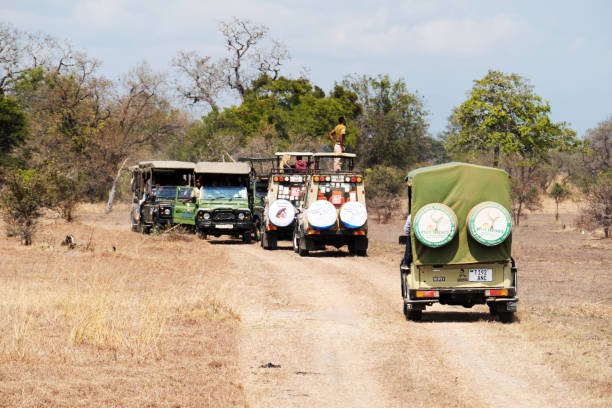
- Accessible Wildlife Encounters: Eswatini boasts several game reserves where families can see a variety of African wildlife, including the Big Five, in a less crowded setting than some other popular safari destinations.
- Rich History and Heritage: Explore royal palaces, historical sites, and learn about the unique monarchy and governance of the Swazi people.
- Friendly and Welcoming Atmosphere: The Swazi people are known for their hospitality, making families feel safe and welcome throughout their visit.
- Manageable Size: Eswatini is compact, meaning you can experience a diverse range of attractions without spending excessive time travelling between locations, which is a significant advantage for family holidays.
- Educational Value: An Eswatini family and cultural holiday offers invaluable learning opportunities for children and adults alike, fostering an understanding and appreciation of different cultures and environments.
Understanding Swazi Culture: The Heart of Your Holiday
A successful Eswatini family and cultural holiday hinges on an appreciation and understanding of Swazi culture. The Kingdom of Eswatini is a monarchy with deep-rooted traditions that are still actively practised. Understanding these customs will enhance your experience and ensure respectful interactions.
The Monarchy and Traditional Governance
Eswatini is one of the last absolute monarchies in Africa. The King (Ngwenyama) and the Queen Mother (Ndlovukati) hold significant cultural and traditional authority. Understanding the respect accorded to the monarchy is key to appreciating the social fabric of Eswatini.
Key Cultural Practices and Etiquette
- Greetings: A handshake is common, but a more traditional greeting might involve touching the left elbow with the right hand. It’s polite to wait for women to extend their hand first.
- Dress Code: While modern clothing is common, it’s respectful to dress modestly, especially when visiting rural areas or traditional homesteads. Avoid overly revealing clothing.
- Respect for Elders: Show deference to older individuals.
- Gift-Giving: If invited to a home, a small gift like sweets for children or practical items is appreciated.
- Photography: Always ask permission before taking photos of people, especially in rural settings.
Understanding the Swazi Language
The official languages are SiSwati and English. English is widely spoken in business, tourism, and government, making communication relatively easy for visitors. However, learning a few basic SiSwati phrases can be a delightful way to connect with locals:
- Sawubona: Hello (to one person)
- Sanibonani: Hello (to more than one person)
- Unjani?: How are you? (singular)
- Ninjani?: How are you? (plural)
- Ngikhona: I am fine
- Ngiyabonga: Thank you
- Sala kahle: Goodbye (to someone staying)
- Hamba kahle: Goodbye (to someone leaving)
Planning Your Eswatini Family and Cultural Holiday Itinerary (2026-2027)
When planning an Eswatini family and cultural holiday, it’s essential to balance cultural experiences, wildlife viewing, and relaxation. Eswatini’s compact size allows for a flexible itinerary, but consider the pace that works best for your family. A typical duration might range from 7 to 14 days, offering a comprehensive yet unhurried exploration.
Suggested Itinerary Framework (10 Days)
This framework can be adapted for 2026-2027 travel, focusing on a mix of culture, nature, and family-friendly activities.
Day 1-2: Arrival in Mbabane & Local Culture
- Arrive at King Mswati III International Airport (SHO) or overland via South Africa.
- Transfer to Mbabane, the capital city.
- Settle into your accommodation.
- Visit the Mbabane Market for local crafts and a feel for daily life.
- Optional: Explore the Ezulwini Valley, known as the ‘Valley of Heaven’.
Day 3-4: Cultural Immersion at Mantenga
- Visit the Mantenga Cultural Village, a living museum showcasing traditional Swazi life, including music and dance performances.
- Experience a guided tour of a traditional Swazi homestead.
- Explore the nearby Mantenga Falls.
- Consider a traditional cooking class for the family.
Day 5-6: Wildlife Adventure at Mkhaya Game Reserve
- Transfer to Mkhaya Game Reserve, known for its rhino conservation.
- Participate in guided game drives (morning and evening).
- Enjoy guided bush walks for a closer look at the flora and fauna.
- Mkhaya offers a rugged, authentic safari experience.
Day 7: Hlane Royal National Park
- Travel to Hlane Royal National Park, Eswatini’s largest park.
- Look for lions, elephants, hippos, and diverse birdlife.
- Enjoy a guided game drive or self-drive on designated routes.
- Consider an evening game drive for nocturnal animal spotting.
Day 8: Malolotja Nature Reserve & Scenery
- Explore Malolotja Nature Reserve, offering stunning mountain scenery and hiking trails.
- Visit the Malolotja Canopy Tour for an adventurous perspective.
- Enjoy scenic viewpoints and picnic spots.
Day 9: Arts, Crafts & Departure Preparation
- Visit the Swazi Candles Centre for unique, handcrafted candles and art.
- Explore other craft markets or centres like the Tintsaba Forest Lodge craft centre.
- Enjoy a final Swazi meal.
- Prepare for departure.
Day 10: Departure
- Transfer to the airport or your onward travel point.
Customizing for Your Family’s Interests
For an Eswatini family and cultural holiday, tailor the itinerary:
- Younger Children: Focus on shorter game drives, interactive cultural village visits, and gentle walks. Ensure accommodation offers family-friendly amenities.
- Teenagers: Incorporate more adventurous activities like the Malolotja Canopy Tour, longer hikes, and potentially community visits that offer hands-on experiences.
- History Buffs: Spend more time exploring historical sites and learning about the Swazi monarchy.
- Nature Lovers: Allocate more days to the national parks, focusing on diverse wildlife viewing and birdwatching.
Key Destinations and Attractions for Your 2026-2027 Trip
Eswatini, though small, packs a punch with its diverse attractions suitable for a family and cultural holiday.
Cultural Hubs
- Mantenga Cultural Village: This is a must-visit for understanding traditional Swazi life. It’s an open-air museum where you can see traditional huts, learn about daily life, and witness energetic performances of traditional music and dance. It’s highly engaging for children.
- Lobamba: The traditional royal and legislative capital. Visit the National Museum, the Parliament buildings, and the Queen Mother’s Palace. It offers deep insights into the kingdom’s governance and history.
- Mbabane: The administrative capital. Its bustling market is a great place to see local produce, crafts, and experience the rhythm of urban Swazi life.
Wildlife and Nature Reserves
- Mkhaya Game Reserve: Eswatini’s premier wildlife sanctuary, particularly for rhinos. It offers a truly wild safari experience with guided drives and walks. Its focus on conservation makes it an educational spot for families.
- Hlane Royal National Park: Home to lions, elephants, hippos, and a vast array of birdlife. It’s Eswatini’s largest conserved area and offers excellent game viewing opportunities.
- Malolotja Nature Reserve: Known for its dramatic mountain landscapes, waterfalls, and extensive hiking trails. It’s perfect for families who enjoy nature walks and stunning vistas. The canopy tour here is a thrilling addition for older children and adults.
- Mlilwane Wildlife Sanctuary: The first conservation area in Eswatini, offering a more relaxed wildlife experience. It’s ideal for family walks, horse riding, and cycling safaris, allowing close-up views of animals like zebras and wildebeest in a beautiful setting.
Craft and Artistic Centres
- Swazi Candles Centre: Located in the Ezulwini Valley, this centre is famous for its intricately designed candles. Families can watch the candle-making process and purchase unique souvenirs.
- Tintsaba Forest Lodge: Known for its beautiful sisal baskets and other handcrafted items. It’s a great place to appreciate local artistry and support community crafts.
- Ngwenya Glass: Watch artisans hand-blow glass into beautiful art pieces and tableware, made from recycled glass.
Family-Friendly Activities and Experiences
An Eswatini family and cultural holiday should be engaging for all ages. Here are activities that cater to children and adults:
- Traditional Dance and Music Performances: Witness the vibrant energy of the Indlamu (warrior dance) and other traditional performances at cultural villages like Mantenga.
- Guided Nature Walks and Hikes: Explore the trails in Malolotja or Mlilwane, suitable for various fitness levels. Look for unique flora and smaller wildlife.
- Horse Riding Safaris: Available in Mlilwane, offering a gentle way to view wildlife in a beautiful landscape.
- Canopy Tours: Experience the thrill of ziplining through the forest canopy in Malolotja, providing a unique perspective of the environment.
- Visiting Local Schools or Community Projects: Arrange (with advance planning) a visit to a local school or a community initiative to provide an even deeper cultural exchange, though this requires careful coordination and respect for the community.
- Storytelling Sessions: Engage with local guides who can share Swazi folklore and history, bringing the culture to life for younger audiences.
- Exploring Markets: Let children pick out souvenirs and interact with vendors at local markets, fostering communication skills and cultural awareness.
Accommodation Options for Families
Eswatini offers a range of accommodation to suit different family needs and budgets for your 2026-2027 trip.
- Lodges and Hotels: Many lodges and hotels, particularly in the Ezulwini Valley and around Mbabane, offer family rooms or interconnecting rooms. They often provide amenities like swimming pools, which are great for children. Examples include The Royal Swazi Spa, Lugogo Sun, and Ekhaya Boutique Hotel.
- Safari Camps/Bungalows: Within the game reserves like Hlane and Mkhaya, there are rustic yet comfortable bungalows or chalets. These offer an in-depth experience, often with self-catering options or meals provided. They are perfect for families wanting to be close to nature.
- Guesthouses and B&Bs: These can offer a more personal touch and are often more budget-friendly. They provide a home-like atmosphere that can be comfortable for families.
- Self-Catering Options: Renting a self-catering unit or house can provide flexibility, especially for families with specific dietary needs or those preferring more space and privacy.
When booking for 2026 or 2027, consider proximity to attractions, available family facilities (like cots, high chairs, or kids’ activities), and meal options.
Travel Logistics and Practical Tips for Families
Planning the logistics for an Eswatini family and cultural holiday is crucial for a smooth trip.
Getting to Eswatini
- By Air: The main international airport is King Mswati III International Airport (SHO). However, many international travellers fly into nearby airports in South Africa, such as Johannesburg (O.R. Tambo International Airport – JNB), and then drive or take a connecting flight to SHO or a smaller local airstrip.
- By Road: Eswatini shares borders with South Africa and Mozambique. Overland travel via car or bus from South Africa is common. Border crossings are generally straightforward.
Visas and Entry Requirements
Many nationalities do not require a visa for short stays in Eswatini. However, it is essential to check the latest visa regulations for your specific nationality well in advance of your 2026-2027 travel dates. Ensure passports are valid for at least six months beyond your intended stay and have sufficient blank pages.
Health and Safety
- Vaccinations: Consult your doctor or a travel clinic about recommended vaccinations and malaria precautions. While malaria risk is generally low in most tourist areas, it’s wise to be informed.
- Medical Facilities: Major towns like Mbabane and Manzini have hospitals and clinics. For serious emergencies, medical evacuation might be necessary, highlighting the importance of comprehensive travel insurance.
- General Safety: Eswatini is generally a safe country for tourists, especially when sticking to main routes and tourist areas. Exercise common sense precautions, such as avoiding walking alone at night in unfamiliar areas and securing valuables.
- Water: Drink bottled or purified water.
Best Time to Visit
The best time for an Eswatini family and cultural holiday is during the dry season, from May to October. The weather is pleasant, with cooler temperatures and less rainfall, making it ideal for outdoor activities, wildlife viewing, and cultural explorations.
- May-August: Cooler, dry winter months. Excellent for game viewing as vegetation is sparser and animals congregate around water sources.
- September-October: Transition to warmer, still dry weather. Good for wildlife and comfortable for activities.
- November-April: Wet, warmer summer months. Greener landscapes, but higher humidity and potential for rain, which can impact road conditions and some activities. This is also the calving season for many animals.
Packing Essentials for Families
Pack light, comfortable clothing suitable for warm days and cooler evenings. Consider:
- Lightweight, breathable clothing (long sleeves and trousers for sun protection and evenings).
- A warmer jacket or fleece for cooler evenings and mornings.
- Comfortable walking shoes or hiking boots.
- Sandals or flip-flops.
- Sunscreen, hats, and sunglasses.
- Insect repellent.
- Basic first-aid kit and any personal medications.
- Binoculars for wildlife viewing.
- Camera and extra batteries/memory cards.
- Adapter for electronics (Eswatini uses Type M sockets, 230V).
- Swimwear.
- A small backpack for day trips.
Responsible Tourism in Eswatini
When planning your Eswatini family and cultural holiday for 2026-2027, consider the principles of responsible tourism:
- Support Local Communities: Purchase crafts directly from artisans, eat at local restaurants, and choose community-based tourism initiatives where possible.
- Respect Cultural Practices: Be mindful of local customs and traditions. Always ask permission before taking photographs of people. Dress modestly when visiting traditional areas.
- Conserve Wildlife and Environment: Adhere to park rules, do not feed animals, stay on marked trails, and minimize your environmental footprint.
- Choose Ethical Operators: Partner with tour operators committed to sustainable practices and fair employment for local staff.
Making the Most of Your Eswatini Family and Cultural Holiday
To ensure your Eswatini family and cultural holiday is memorable and enriching, focus on engagement and flexibility.
- Involve Children in Planning: Let older children research aspects of Swazi culture or wildlife they are interested in. This builds anticipation and ownership of the trip.
- Be Open-Minded: Embrace the unexpected. Eswatini offers a different pace of life and unique experiences that may differ from what you are accustomed to.
- Engage with Locals: Encourage polite interaction with guides, lodge staff, and people you meet. Their insights are invaluable.
- Learn Basic Phrases: Even a few words of SiSwati can open doors and show respect.
- Pace Yourselves: Don’t try to cram too much into each day. Allow for downtime, especially with younger children.
- Document Your Journey: Encourage children to keep a travel journal, sketch what they see, or take photos to remember their experiences.
Booking Your 2026-2027 Eswatini Family and Cultural Holiday
Organizing an Eswatini family and cultural holiday with a trusted tour operator like Top Guide Adventures can significantly enhance your experience. We specialize in creating tailor-made journeys across Tanzania and can assist in crafting an unforgettable trip to Eswatini, focusing on your family’s specific interests and needs. Our expertise ensures a well-planned itinerary, comfortable accommodations, reliable transportation, and knowledgeable guides.
For personalized planning and to discuss your dream Eswatini family and cultural holiday for 2026 or 2027, please reach out to us:
Contact Top Guide Adventures:
- WhatsApp: +255616946642
- Email: info@topguideadventures.com
- Website: Top Guide Adventures
Let us help you create a unique and meaningful Eswatini family and cultural holiday that will be cherished for years to come.
Eswatini offers a rare opportunity to step back in time while enjoying the comforts and safety required for a modern family holiday. Its commitment to preserving tradition, coupled with its stunning natural landscapes and abundant wildlife, makes it a compelling destination for those seeking an authentic African experience. Plan your Eswatini family and cultural holiday for 2026-2027 and discover the magic of this interesting kingdom.
Check Availability for Eswatini Family And Cultural Holiday: Your Ultimate Guide 2026-2027
Ready to compare dates, prices, and the best option for your group? Send the package name and travel month so the team can reply with a clear quote, availability, and what is included.

Rwanda Family And Honeymoon Holidays: Ultimate Guide To Gorilla Trekking &
Explore the magic of Rwanda for your next family vacation or romantic honeymoon. This guide covers everything from unforgettable gorilla encounters to serene volcanic landscapes and vibrant...
View package details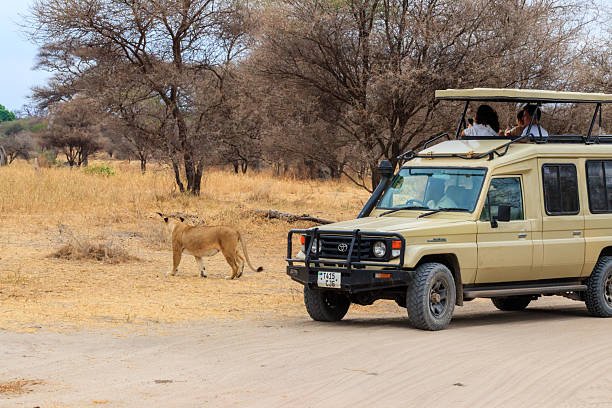
11 Days Tanzania Family Safari Package With Prices Guide
Explore Top Guide Adventures' 11-day Tanzania family safari packages, designed for unforgettable wildlife viewing and cultural experiences. Discover sample itineraries, pricing factors, and...
View package details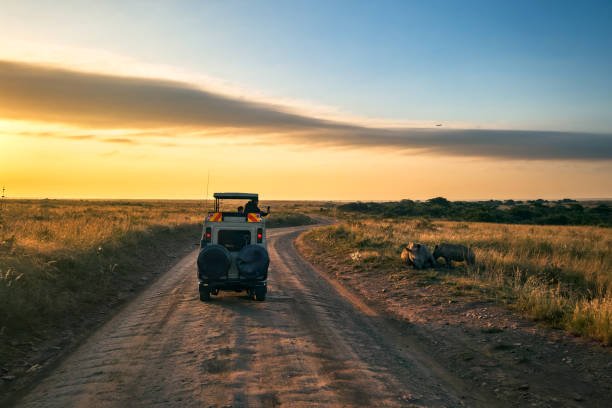
Malawi Family Adventure: Your Ultimate Guide For 2026-2027
Discover the magic of Malawi for your next family adventure. This comprehensive guide covers everything from wildlife encounters and lake activities to cultural immersion and practical...
View package details
Morocco Family And Honeymoon Packages: Your Ultimate Guide For 2026-2027
Top Guide Adventures offers bespoke Morocco family and honeymoon packages for 2026-2027, blending cultural immersion with romantic escapes. Explore imperial cities, desert landscapes, and...
View package details
Eswatini Traditional Festival Experience: A Deep Dive For Travelers 2026-2027
Discover the rich cultural heritage of Eswatini through its traditional festivals. This guide offers an in-depth look at key celebrations, what to expect, and how to plan your authentic...
View package details
Egypt Family History Holiday: Tracing Ancestral Roots In 2026-2027
Discover how to plan an unforgettable family history holiday in Egypt for 2026-2027. This guide covers tracing ancestry, essential historical sites, practical planning tips, and unique...
View package details
Zambia Family Wildlife Holiday: Ultimate Guide For Adventures 2026-2027
Discover the magic of Zambia for your next family wildlife holiday. This comprehensive guide covers everything from iconic national parks and thrilling activities to planning tips and...
View package details
Djerba Island Beach Holiday: Your Ultimate Guide For 2026-2027
Discover the magic of a Djerba Island beach holiday. This guide covers everything from the most beautiful shores and thrilling activities to family-friendly resorts and local culture...
View package details
Egypt Red Sea And Cultural Holiday: Your Ultimate Adventure 2026-2027
Discover the perfect blend of ancient history and vibrant marine life on an Egypt Red Sea and Cultural Holiday. This guide covers itineraries, activities, and planning for your 2026-2027...
View package details
Eswatini Wildlife And Cultural Tour: Your Ultimate Guide For 2026-2027
Explore the rich biodiversity and vibrant traditions of Eswatini (formerly Swaziland) on a comprehensive wildlife and cultural tour. This guide covers everything from iconic national parks...
View package details
Lake Kivu Holiday And Cultural Tour: Your Ultimate Guide 2026-2027
Explore the impressive beauty and rich culture of Lake Kivu on an unforgettable holiday tour. Discover hidden gems, engage with local communities, and create lasting memories.
View package details
Lesotho Cultural And Hiking Holiday: Your Ultimate Guide For 2026-2027
Explore the 'Kingdom in the Sky' with a Lesotho cultural and hiking holiday. This guide covers everything from Basotho traditions and pony trekking to challenging mountain ascents and...
View package detailsNo closely related package is available for this topic yet.



