
The best costs for climbing Kilimanjaro depend heavily on the chosen route, duration, and operator, with prices typically ranging from $1,500 to $4,000 USD per person for standard packages. Shorter, less scenic routes like Marangu might appear cheaper but offer lower acclimatization, increasing costs if a rescue is needed. Longer, more successful routes such as Machame, Lemosho, or Northern Circuit, usually costing between $2,000 to $3,500 USD, provide better acclimatization and thus better value for a successful summit attempt in 2026 or 2027.
Understanding Kilimanjaro Climb Costs: A Comprehensive Breakdown
Embarking on a journey to conquer Africa’s highest peak, Mount Kilimanjaro, is a dream for many. The question of ‘Best kosten beklimmen Kilimanjaro’ (best costs to climb Kilimanjaro) is central to planning this ambitious adventure. While the allure of the summit is powerful, understanding the financial investment required is crucial for making informed decisions. The cost of a Kilimanjaro climb isn’t a single figure; it’s a complex calculation influenced by numerous factors, from the route you select to the services provided by your tour operator.
At Top Guide Adventures, we believe in transparency and providing value. This guide aims to demystify the pricing structure, helping you navigate the options and choose an expedition that aligns with your budget and, more importantly, your safety and success. We’ll explore the different cost components, compare popular routes based on their pricing and success rates, and offer insights relevant for planning your climb in 2026 and 2027.
Key Factors Influencing Kilimanjaro Climb Costs
Several variables contribute to the overall price of your Kilimanjaro expedition. Understanding these elements will empower you to make the most cost-effective choice without compromising on quality or safety. The ‘best cost’ isn’t always the lowest price; it’s about the value and the likelihood of a successful, safe summit experience.
Route Selection: The Biggest Cost Driver
The route you choose is arguably the most significant factor affecting the cost of your Kilimanjaro climb. Each route has a different duration, length, and complexity, which directly impacts the number of days you’ll spend on the mountain, the number of porters and guides required, and the park fees associated with longer stays. Generally, longer routes with better acclimatization profiles are more expensive but offer higher success rates.
- Marangu Route: Often the most budget-friendly due to its shorter duration (5-6 days) and hut accommodation. However, its rapid ascent profile leads to lower acclimatization and success rates, potentially increasing costs if rescue is needed.
- Machame Route: A popular 6-7 day trek known for its ‘climb high, sleep low’ strategy, which aids acclimatization. It’s a good balance of cost and success rate, typically falling in the mid-range price bracket.
- Lemosho Route: A longer, more scenic 7-8 day option, offering excellent acclimatization and high success rates. Its extended duration and pristine environment make it a mid-to-high range cost option.
- Shira Route: Similar to Lemosho but starts at a higher altitude, potentially affecting acclimatization for some. It’s also a 7-8 day trek and falls into a similar price category as Lemosho.
- Northern Circuit: The longest route (9-10 days), offering the highest acclimatization and success rates. Its extended duration and comprehensive experience make it the most expensive option.
- Rongai Route: Approaches from the north, often considered a good value option, especially during the rainy season. It typically takes 6-7 days and falls into the mid-range cost category.
Duration of the Climb
The number of days you spend on Kilimanjaro directly influences costs. Longer treks mean more days of park fees, guide and porter salaries, food, and equipment usage. While it might seem counterintuitive, longer treks (7-10 days) are generally recommended for better acclimatization and higher summit success rates. This often translates to a higher upfront cost but can save money in the long run by reducing the risk of altitude sickness and the need for premature descent or rescue.
Operator’s Inclusions and Service Level
The quality of service and what is included in your package significantly impacts the price. Reputable operators like Top Guide Adventures invest in experienced guides, well-trained support staff, quality equipment, nutritious meals, and comprehensive safety protocols. Cheaper operators may cut corners, which can compromise your safety and overall experience.
Typical Inclusions to Look For:
- Park fees (Kilimanjaro National Park entry, camping/hut fees, rescue fees)
- All meals on the mountain
- Trained and licensed guides
- Adequate number of porters
- Camping equipment (tents, sleeping mats) or hut accommodation
- Cook and cooking equipment
- Boiled water on the mountain
- Oxygen cylinders and first-aid kit
- Ground transportation to/from the mountain
- Pre- and post-climb accommodation in Moshi (often included by premium operators)
What might be excluded and add to your cost:
- Flights to Tanzania
- Visa fees
- Travel insurance (mandatory for Kilimanjaro climbs)
- Personal gear (clothing, sleeping bag, hiking boots)
- Tips for guides, porters, and cook (a significant portion of the cost for the support crew)
- Lunches and dinners in Moshi before and after the climb
- Alcoholic beverages and soft drinks
- Personal expenses
Group Size vs. Private Climb
Climbing in a group can often be more economical than a private climb. Group departures allow operators to spread fixed costs like guides and porters across more individuals. However, private climbs offer more flexibility in scheduling and a more personalized experience, usually at a higher per-person cost. For those looking for the best cost-effectiveness, joining a scheduled group departure with a reputable operator is often the way to go.
Time of Year
While Kilimanjaro can be climbed year-round, certain seasons are considered peak climbing seasons due to more favorable weather conditions. These periods (typically January-March and June-October) might see slightly higher prices due to increased demand. Shoulder seasons or the wetter months (April-May and November) might offer slightly lower costs, but climbers must be prepared for challenging weather.
Kilimanjaro Route Comparison: Cost, Duration, and Success Rates (2026-2027 Outlook)
When considering ‘Best kosten beklimmen Kilimanjaro’, it’s essential to compare the most popular routes. Each offers a unique experience, varying costs, and different probabilities of reaching Uhuru Peak. For your 2026 and 2027 climbs, understanding these trade-offs is key.
Understanding Acclimatization and Success Rates
Altitude sickness is the primary reason for summit failure. Routes that allow for gradual ascent and adhere to the ‘climb high, sleep low’ principle significantly improve acclimatization and, consequently, summit success rates. Longer treks (7-10 days) inherently offer better acclimatization and are thus more likely to result in a successful summit. While a 5-day Marangu climb might have the lowest initial cost, the increased risk of altitude sickness means you might spend more overall if you need to descend or are unsuccessful.
| Route | Typical Duration (Days) | Estimated Cost Range (USD pp) | Acclimatization | Summit Success Rate (Approx.) | Pros | Cons |
| Marangu | 5-6 | $1,500 – $2,200 | Poor | 30-50% | Cheapest, hut accommodation | Poor acclimatization, crowded, less scenic |
| Rongai | 6-7 | $1,800 – $2,500 | Moderate | 60-70% | Drier side, good value, less crowded | Less scenic than western routes, can be dry |
| Machame | 6-7 | $1,900 – $2,800 | Good | 70-80% | Popular, excellent acclimatization, scenic | Can be crowded, camping only |
| Lemosho | 7-8 | $2,200 – $3,200 | Very Good | 80-90% | Highly scenic, excellent acclimatization, less crowded initially | More expensive, longer duration |
| Shira | 7-8 | $2,200 – $3,200 | Good (starts high) | 75-85% | Scenic, good acclimatization, unique start | Higher starting altitude can challenge some |
| Northern Circuit | 9-10 | $2,800 – $4,000+ | Excellent | 90%+ | Highest success rate, most scenic, gradual acclimatization | Most expensive, longest duration |
Note: These are estimated price ranges for 2026-2027 and can vary based on the operator, inclusions, and specific package details. Always request a detailed quote.
Decoding the Price Tag: What Your Kilimanjaro Climb Budget Covers
A detailed understanding of what constitutes the ‘cost’ of climbing Kilimanjaro is essential. Beyond the advertised package price, there are often additional expenses that need to be factored into your overall budget for a realistic financial plan for 2026 or 2027.
Park Fees: A Significant Component
Kilimanjaro National Park fees are substantial and are a mandatory part of every climb. These fees are set by the Tanzanian government and are non-negotiable. They typically include:
- Entry Fee: A daily fee for entering the park.
- Camping/Hut Fee: Daily charges for where you sleep (campsites or huts).
- Rescue Fee: A fee that covers emergency evacuation services from the mountain. This is crucial for safety and should always be included by your operator.
- Crater Fee (for specific routes/itineraries): Some routes might incur an additional fee for accessing the crater rim.
These fees can add up to $700 – $1,000 USD per person or more, depending on the route duration. Reputable operators will clearly state if these are included in their package price. For 2026-2027 climbs, expect these fees to remain a significant portion of the total cost.
Crew Salaries and Tips
Your climbing crew – guides, assistant guides, cook, and porters – are the backbone of your expedition. Their salaries are a major cost for tour operators. Additionally, tipping your crew is customary and expected. While not always included in the initial package price, tips form a substantial part of the overall expenditure for climbers. A general guideline for tipping is provided by Kilimanjaro National Park authorities, and reputable operators will offer clear tipping guidelines.
Estimated Tipping Guidelines (per group, per day):
- Lead Guide: $20 – $25 USD
- Assistant Guides: $15 – $20 USD each
- Cook: $15 – $20 USD
- Porters: $10 – $15 USD each
For a 7-day climb with a crew of 10-15 people, tips can easily amount to $500 – $800 USD per climber. This is a critical budget item to consider for your 2026-2027 adventure.
Food and Supplies
Providing three nutritious meals a day, plus snacks and boiled water, for the duration of the climb is a significant logistical and cost factor. Operators invest in quality food to ensure climbers have the energy needed for the trek. This includes fresh produce, proteins, carbohydrates, and hot beverages.
Equipment and Logistics
Maintaining high-quality camping gear (tents, mess tents, tables, chairs), cooking equipment, first-aid supplies, and oxygen cylinders requires ongoing investment and maintenance. Furthermore, the logistics of transporting the crew and supplies to the mountain gate and back involve vehicle hire, fuel, and driver costs.
Insurance: A Non-Negotiable Expense
Travel insurance is mandatory for all Kilimanjaro climbs. It must cover emergency medical expenses, including high-altitude trekking and emergency evacuation. The cost of insurance varies depending on your provider, coverage levels, and age, but typically ranges from $100 to $300 USD. Ensure your policy explicitly covers helicopter evacuation, as this can be extremely expensive if not covered.
Budget vs. Premium Operators: Making the Right Choice for 2026-2027
The spectrum of Kilimanjaro tour operators is wide, from budget-focused companies to premium service providers. Understanding the differences can help you find the ‘best cost’ that aligns with your expectations for safety and success.
Budget Operators: Pros and Cons
Pros: Lower upfront cost, appealing to those with strict budgets.
Cons: May use less experienced guides, fewer porters (overburdening them), lower quality food, potentially inadequate safety equipment (e.g., lack of oxygen), and less emphasis on acclimatization protocols. In the long run, a cheap climb can become expensive if it leads to altitude sickness, requires rescue, or results in a failed summit attempt.
Premium Operators (like Top Guide Adventures): Pros and Cons
Pros: Highly experienced and certified guides, well-trained and sufficient crew, high-quality food and equipment, comprehensive safety measures (including oxygen), adherence to strict acclimatization practices, better pre- and post-climb support, and higher success rates. This provides peace of mind and a significantly better chance of reaching the summit safely.
Cons: Higher upfront cost. However, this reflects the investment in safety, quality, and the expertise needed for a successful climb.
Choosing the Right Operator for 2026-2027
When planning your 2026 or 2027 Kilimanjaro climb, prioritize safety and success. While cost is a factor, it should not be the sole determinant. Look for operators with excellent reviews, clear safety protocols, experienced guides, and a good track record. Top Guide Adventures prides itself on offering a balanced approach, providing excellent value through high-quality service and expert guidance, ensuring your climb is both memorable and successful.
Estimating Your Total Kilimanjaro Climb Budget
To get a realistic picture of the ‘Best kosten beklimmen Kilimanjaro’, let’s consolidate the potential costs. This estimate is for a mid-range to premium operator on a popular route like Machame or Lemosho over 7 days.
Estimated Budget Breakdown (per person):
- Tour Operator Package: $2,000 – $3,200 (includes park fees, guides, porters, food, camping gear, transfers)
- Tips for Crew: $500 – $800 (highly variable based on group size and generosity)
- Travel Insurance: $100 – $300 (mandatory)
- Personal Gear Purchase/Rental: $200 – $500 (depending on what you already own)
- Pre/Post Climb Accommodation & Meals: $100 – $300 (if not fully included)
- Miscellaneous (souvenirs, snacks): $50 – $100
Total Estimated Cost: $2,950 – $5,200 USD per person
This range provides a more comprehensive view of the financial commitment. Remember that choosing a shorter, cheaper route or a budget operator might lower the initial package price but could lead to higher overall costs due to increased risks.
Tips for Saving Money on Your Kilimanjaro Climb
While compromising on safety is never advisable, there are ways to manage the costs of your Kilimanjaro climb effectively, especially when planning for 2026-2027.
- Choose a Slightly Longer Route: While it sounds counterintuitive, a 7 or 8-day trek often has a higher success rate than a 5 or 6-day trek. This means you are more likely to reach the summit, making the overall ‘cost per successful summit’ lower.
- Travel in Shoulder Seasons: Consider climbing during the slightly less popular months (e.g., April, May, November). While weather can be more unpredictable, you might find slightly lower prices and fewer crowds.
- Join a Group Departure: Group climbs are generally more cost-effective than private treks.
- Pack Smartly and Rent Gear: Invest in essential personal items like good hiking boots and waterproof layers, but consider renting bulky items like sleeping bags, trekking poles, and down jackets in Moshi to save on initial purchase costs.
- Compare Operators Carefully: Don’t just choose the cheapest. Compare what is included, the quality of service, guide experience, and safety protocols. A slightly more expensive operator with better inclusions and safety can offer better value.
- Book in Advance: Especially for 2026-2027, booking well in advance can sometimes secure better rates and ensures availability on your preferred dates and routes.
Planning Your 2026-2027 Kilimanjaro Climb with Top Guide Adventures
At Top Guide Adventures, we are dedicated to providing unforgettable Kilimanjaro climbing experiences that prioritize safety, success, and value. We understand that ‘Best kosten beklimmen Kilimanjaro’ is about finding an expedition that offers the best possible return on your investment – your dream of summiting Africa’s highest peak.
Our packages are designed to be comprehensive, transparent, and competitive. We focus on:
- Expert Guides: Our guides are highly experienced, certified, and possess an intimate knowledge of Kilimanjaro and altitude management.
- Quality Crew: We employ a sufficient number of well-trained porters and cooks, ensuring fair treatment and manageable loads for our support team.
- Safety First: We equip our expeditions with essential safety gear, including supplementary oxygen and comprehensive first-aid kits.
- Nutritious Meals: We provide delicious and energizing meals on the mountain to fuel your climb.
- Transparent Pricing: Our quotes clearly outline what is included, so there are no hidden surprises. We aim to offer the best value for a safe and successful climb.
For inquiries about specific itineraries, group departures, or custom-tailored climbs for 2026 or 2027, please do not hesitate to reach out. We are here to help you plan every step of your journey.
Contact us today:
- WhatsApp: +255616946642
- Email: topguideadventures@gmail.com
- Backup Email: info@topguideadventurestanzania.com
Let Top Guide Adventures be your trusted partner in conquering Kilimanjaro. We look forward to helping you achieve your summit goal in 2026 or 2027!
Check Availability for Best Kosten Beklimmen Kilimanjaro: Routes, Durations & Pricing Guide…
Ready to compare dates, prices, and the best option for your group? Send the package name and travel month so the team can reply with a clear quote, availability, and what is included.
Best Kosten Kilimanjaro Beklimmen: Your Complete Guide 2026-2027
Planning your Kilimanjaro climb? Understand the costs involved for 2026-2027, from route selection and duration to essential inclusions and hidden fees. Get a clear picture of the...
View package details
Best Kilimanjaro Beklimmen Paklijst: Your Essential Gear Guide For 2026-2027
Prepare for your Kilimanjaro adventure with the ultimate packing list (paklijst). Discover essential gear, clothing, and accessories recommended by Top Guide Adventures for a safe and...
View package details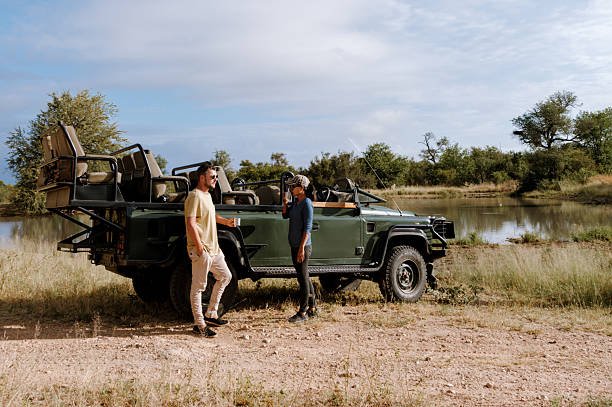
Best Kilimanjaro Tour Kosten: Your Planning Guide 2026-2027
Planning your Kilimanjaro climb in 2026 or 2027? This comprehensive guide breaks down the 'Kilimanjaro tour Kosten' (costs), helping you understand what influences pricing, compare routes...
View package details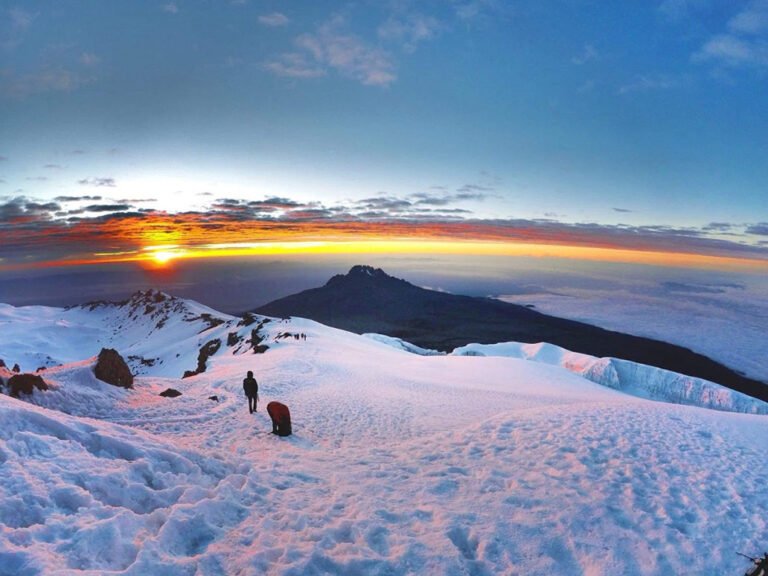
6-Day Kilimanjaro Climbing Tours: Best Routes & Planning Guide 2026-2027
Plan your 6-day Kilimanjaro climb with this detailed guide covering routes, costs, preparation, and why Top Guide Adventures is a trusted operator for this life-changing trek.
View package details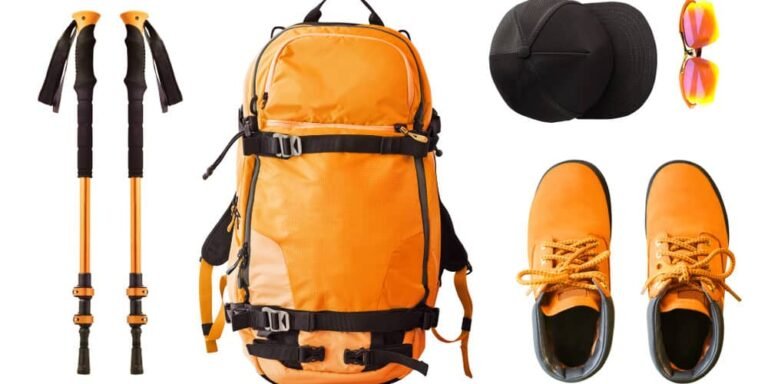
A Day In The Life Of A Kilimanjaro Guide: Behind Scenes On Africas Highest
Explore the daily realities and responsibilities of a Kilimanjaro guide, a crucial role demanding expertise, resilience, and deep care for trekkers.
View package details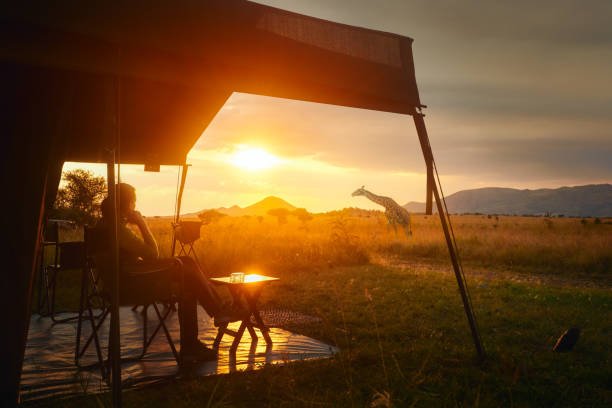
Best Climb Kilimanjaro Price: Guide To Costs And Value 2026-2027
Discover the best Kilimanjaro climb price for your 2026-2027 adventure. This comprehensive guide breaks down the costs, factors affecting them, and how to find excellent value for your trek...
View package detailsBest Climb Kilimanjaro Prices For : Your Ultimate Guide To Costs And Value
Discover the best prices for climbing Kilimanjaro in 2026-2027. This comprehensive guide breaks down the costs, what's included, and how to find the best value for your unforgettable...
View package details
Best Kilimanjaro Arusha Tours & Climb Preparations In 2026-2027
Your ultimate guide to the best Kilimanjaro tours departing from Arusha, Tanzania. We cover everything from route selection and essential preparation to finding trusted tour operators for...
View package detailsBest Kilimanjaro Day Hikes: Views Without The Summit Climb 2026-2027
Kilimanjaro day hikes offer incredible scenery and cultural experiences without the commitment of a full summit climb. Explore the best options near Marangu and Materuni for unforgettable...
View package details
Best Kilimanjaro Group Climbs For : Your Ultimate Guide 2026-2027
Discover the top Kilimanjaro group climbs for 2026-2027, focusing on routes, best times to go, what to expect, and how to choose the right operator for a successful and memorable ascent of...
View package details
Best Kilimanjaro Group Tours: Top Guide Adventures 2026-2027
Discover the best Kilimanjaro group tours for 2026-2027, focusing on value, safety, and success rates. Top Guide Adventures provides comprehensive options for shared climbs, detailing...
View package detailsBest Kilimanjaro Guide Cost: Comprehensive Pricing & Planning 2026-2027
Planning your Kilimanjaro climb involves understanding the costs associated with hiring guides, porters, and essential services. This guide breaks down the best Kilimanjaro guide cost...
View package detailsNo closely related package is available for this topic yet.



