
For a Tanzania safari in 2026-2027, recommended vaccinations typically include Hepatitis A, Typhoid, and routine vaccines like Tetanus-diphtheria and MMR. Depending on your travel history and specific itinerary, Yellow Fever vaccination may be required or strongly advised, especially if arriving from or traveling to certain neighboring countries. Malaria prevention through medication and mosquito bite avoidance is also crucial for all visitors to Tanzania.

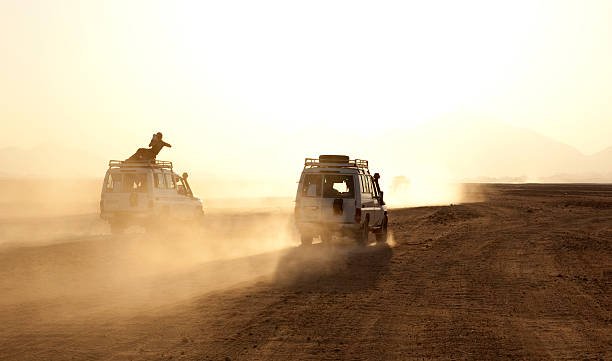
Understanding Tanzania Safari Vaccinations for 2026-2027
Embarking on a Tanzanian safari is an unparalleled experience, bringing you face-to-face with iconic wildlife in some of the world’s most spectacular landscapes. From the vast plains of the Serengeti to the dramatic Ngorongoro Crater and the spice-scented island of Zanzibar, Tanzania offers an well-planned trip. As you plan your 2026-2027 safari, prioritizing your health is paramount to ensuring a smooth and enjoyable journey. This guide provides comprehensive information on the essential Tanzania safari vaccinations, health precautions, and general well-being advice tailored for travelers.
The landscape of health recommendations for international travel is dynamic, influenced by global health trends and specific regional conditions. For your 2026-2027 Tanzania safari, it is vital to consult with a travel health professional or your doctor at least 4-6 weeks before your departure. They can provide personalized advice based on your individual health status, vaccination history, planned activities, and the latest health advisories for Tanzania.
Routine Vaccinations: The Foundation of Travel Health
Before considering country-specific vaccines, ensure your routine immunizations are up-to-date. These protect against common diseases that are easily preventable and can be just as disruptive if contracted while abroad. For any international travel, including a safari in Tanzania, it’s recommended to be current on:
- Measles, Mumps, and Rubella (MMR): Typically given in two doses, this is a standard childhood vaccination that remains critical for adults.
- Diphtheria, Tetanus, and Pertussis (DTaP): A booster shot every 10 years is generally advised. Ensure your tetanus protection is current.
- Varicella (Chickenpox): If you haven’t had chickenpox or the vaccine, it’s advisable to get vaccinated.
- Polio: Most adults are vaccinated against polio in childhood. A booster might be recommended for some travelers.
- Influenza (Flu): While not mandatory, the flu can significantly impact your trip. Consider getting an annual flu shot, especially if traveling during flu season.
These foundational vaccinations are crucial for everyone, regardless of their destination, and serve as the first line of defense against preventable diseases.
Recommended Vaccinations for Tanzania Safaris
Beyond routine immunizations, several specific vaccinations are highly recommended for travelers to Tanzania, including those heading out on a safari in 2026 or 2027. These are often related to food and waterborne illnesses or diseases transmitted by insects.
Hepatitis A
Hepatitis A is a viral infection that affects the liver and is commonly transmitted through contaminated food or water. Given that food and water safety standards can vary, especially in more remote areas or when trying local eateries, Hepatitis A vaccination is a top recommendation for almost all travelers to Tanzania. The vaccine is typically given as two doses, with the second dose providing long-term immunity. You can start the series at any time before travel, and protection begins soon after the first dose.
Typhoid
Typhoid fever is another illness spread through contaminated food and water. It’s caused by a bacterium called *Salmonella Typhi*. Symptoms can range from mild fever to severe illness. Vaccination is recommended for most travelers to Tanzania, particularly those who might eat or drink outside of major hotels and restaurants, or those planning longer stays. There are different types of typhoid vaccines available (injectable and oral), and your doctor will advise on the best option. Like Hepatitis A, it’s advisable to get vaccinated at least a couple of weeks before your trip.
Hepatitis B
Hepatitis B is a serious liver infection caused by the Hepatitis B virus. It’s transmitted through blood, semen, or other bodily fluids. While vaccination is recommended for many countries, it’s particularly relevant for Tanzania if you anticipate potential exposure through medical procedures, sexual contact, or if you plan to work or volunteer with healthcare settings. The Hepatitis B vaccine is usually given as a series of shots over several months, but a rapid schedule can be used for travelers needing protection sooner. Discuss this with your healthcare provider.
Rabies
Rabies is a viral disease transmitted through the bite or scratch of an infected animal, most commonly dogs in Tanzania. While a safari often involves observing animals from a safe distance, encounters with stray dogs in towns or villages, or even unexpected animal interactions in the bush, can pose a risk. Pre-exposure rabies vaccination is recommended for travelers who might be involved in activities with a higher risk of animal bites, such as working with animals, caving, or spending extended time in rural areas. It is given as a series of shots. Importantly, if you are vaccinated and later exposed to rabies, you will still need post-exposure treatment, but it will be less intensive than for someone unvaccinated.
Yellow Fever: A Critical Consideration
Yellow Fever is a serious mosquito-borne viral disease that can cause fever, muscle pain, headache, chills, nausea, and vomiting. In severe cases, it leads to jaundice, internal bleeding, and organ failure. Yellow Fever vaccination Is often a mandatory requirement for entry into Tanzania, especially if you are arriving from a country with a risk of Yellow Fever transmission. Even if not strictly mandatory for your port of entry, it is highly recommended by health authorities due to the presence of the mosquito vector in the region.
Key points about Yellow Fever vaccination for Tanzania:
- Proof of Vaccination: You may be required to present an International Certificate of Vaccination or Prophylaxis (ICVP) showing proof of Yellow Fever vaccination upon arrival.
- Neighboring Countries: If your travel itinerary includes transit or visits to other African countries before or after Tanzania, check their entry requirements regarding Yellow Fever. Many countries require proof of vaccination if you have been in a Yellow Fever-endemic area.
- Vaccine Validity: The Yellow Fever vaccine provides lifelong protection for most people after the primary dose, according to current recommendations. However, always check the latest guidelines from the WHO and your health authority.
- Timing: The vaccine must be administered at least 10 days before arrival in Tanzania to be considered valid for entry purposes.
Failure to meet the Yellow Fever vaccination requirements can lead to being denied entry, mandatory vaccination upon arrival (which can be costly and time-consuming), or quarantine. Therefore, this is one of the most critical Tanzania safari vaccinations To get right.
Malaria Prevention: A Top Priority for Tanzania Safaris
Malaria is a significant health concern in Tanzania, transmitted by the bite of infected female Anopheles mosquitoes, which are most active between dusk and dawn. While you can get Malaria pills for Tanzania, a comprehensive approach combining medication with mosquito bite prevention is essential for all travelers visiting malaria-risk areas. This includes most of mainland Tanzania and Zanzibar, especially at lower altitudes.
Antimalarial Medications
Several antimalarial drugs are available, and the best choice for you depends on factors like your health, potential side effects, cost, and resistance patterns in the region. Common options include:
- Atovaquone-Proguanil (Malarone): Often well-tolerated, taken daily starting 1-2 days before arrival, during your stay, and for 7 days after departure.
- Doxycycline: An antibiotic that is also effective against malaria. It’s taken daily starting 1-2 days before arrival, during your stay, and for 4 weeks after departure. It can increase sun sensitivity.
- Mefloquine (Lariam): Taken weekly, it’s a good option for longer trips but can have neuropsychiatric side effects for some individuals. It needs to be started 1-2 weeks before arrival and continued for 4 weeks after departure.
Your doctor will prescribe the most suitable antimalarial medication for your Tanzania safari in 2026-2027. It’s crucial to take the medication exactly as prescribed and to complete the full course, even after you return home, to prevent the disease from developing.
Mosquito Bite Prevention
Even with antimalarial medication, preventing mosquito bites is your primary defense against malaria and other mosquito-borne illnesses like Dengue fever (though less common in Tanzania than malaria). Effective strategies include:
- Repellents: Use insect repellents containing DEET (20-30%), Picaridin, or Oil of Lemon Eucalyptus (OLE) on exposed skin. Apply generously and reapply as directed.
- Protective Clothing: Wear long-sleeved shirts, long pants, and socks, especially during dawn and dusk. Light-colored, loose-fitting clothing is best. Consider treating your clothing with permethrin for added protection.
- Mosquito Nets: Your safari lodges and hotels in Tanzania will typically provide mosquito nets over beds. Ensure they are properly tucked in and free of holes. If camping, bring your own treated net.
- Screens: Keep windows and doors screened and closed when possible, especially during peak mosquito feeding times.
- Indoor Sprays/Coils: Use insecticide sprays or mosquito coils in your accommodation if needed, but ensure good ventilation.
A robust malaria prevention plan is non-negotiable for a safe Tanzania safari.
Other Health Considerations for Your Tanzania Safari
Beyond vaccinations and malaria, several other health aspects warrant attention for your 2026-2027 trip.
Traveler’s Diarrhea
Commonly known as “Montezuma’s Revenge” or “Delhi Belly,” traveler’s diarrhea is an upset stomach caused by consuming contaminated food or water. It’s usually mild but can be debilitating. To minimize risk:
- Drink Bottled Water: Always drink bottled or purified water. Avoid tap water, ice cubes in drinks, and brushing your teeth with tap water.
- Eat Safely: Opt for well-cooked food served hot. Avoid raw fruits and vegetables unless you can peel them yourself. Be cautious with street food.
- Hand Hygiene: Wash your hands frequently with soap and water, or use an alcohol-based hand sanitizer, especially before eating.
Carry a basic first-aid kit with medications for diarrhea, such as loperamide, and consider an oral rehydration solution.
Altitude Sickness
While most popular safari destinations in Tanzania, like the Serengeti and Ngorongoro Crater, are at moderate altitudes (around 5,000-7,000 feet), Kilimanjaro climbs reach extreme heights. If your itinerary includes high-altitude trekking, consult your doctor about acclimatization and potential preventative medications.
Sun Protection
The equatorial sun is intense. Protect your skin with high-SPF sunscreen, a wide-brimmed hat, sunglasses, and protective clothing. Stay hydrated to prevent heat exhaustion.
Insect-Borne Diseases (Other than Malaria)
While malaria is the primary concern, other insect-borne diseases like Dengue fever and Chikungunya can occur, though less frequently. Practicing diligent mosquito bite prevention will help protect you from these as well.
Food and Water Safety
Adhering to safe food and water practices is crucial. Stick to reputable lodges and restaurants, and be mindful of what you eat and drink. When in doubt, choose bottled water and well-cooked meals.
Planning Your Health Preparations for Tanzania Safaris
Effective health preparation for your Tanzania safari in 2026-2027 involves several steps, starting well in advance of your trip.
Pre-Trip Health Checklist:
- Consult a Travel Clinic: Schedule an appointment with a travel medicine specialist or your doctor 4-6 weeks before your departure. Bring your itinerary and vaccination records.
- Discuss Vaccinations: Get up-to-date on routine vaccines and receive recommended vaccines like Hepatitis A, Typhoid, Yellow Fever, and potentially Hepatitis B or Rabies, based on your health provider’s advice.
- Obtain Prescriptions: Get prescriptions for antimalarial medication, any necessary travel medications (e.g., for traveler’s diarrhea), and a basic first-aid kit.
- Gather Documentation: Ensure you have your Yellow Fever vaccination certificate (ICVP) if required.
- Pack Smart: Include insect repellent, sunscreen, a hat, sunglasses, hand sanitizer, and any personal medications.
During Your Safari: Staying Healthy
Once you arrive in Tanzania, continue to practice good health habits:
- Adhere to Antimalarial Schedule: Take your malaria medication consistently as prescribed.
- Prevent Mosquito Bites: Be vigilant with repellents and protective clothing, especially at dawn and dusk.
- Practice Safe Food and Water Habits: Stick to bottled water and well-prepared meals.
- Stay Hydrated: Drink plenty of water, especially in the heat.
- Listen to Your Body: Rest when needed and seek medical attention if you feel unwell.
When to Get Vaccinated for Tanzania Safaris
The general rule of thumb is to consult a healthcare provider 4 to 6 weeks before your trip. This timeframe allows for:
- Vaccine Schedules: Some vaccines require multiple doses spaced weeks or months apart (e.g., Hepatitis B).
- Immunity Development: It takes time for your body to develop immunity after vaccination. For Yellow Fever, it must be administered at least 10 days before arrival.
- Availability: Ensures you can get appointments and that vaccines are readily available.
For urgent travel, your doctor can advise on the quickest possible vaccination schedule, but planning ahead is always best for comprehensive protection for your Tanzania safari in 2026-2027.
Cost of Vaccinations for Tanzania
The cost of vaccinations can vary significantly depending on your location, healthcare provider, and insurance coverage. Many routine vaccinations may be covered by standard health insurance. However, travel-specific vaccines, such as Yellow Fever, Hepatitis A, and Typhoid, may incur out-of-pocket costs.
Factors influencing cost:
- Vaccine Type: Some vaccines are more expensive than others.
- Number of Doses: Vaccines requiring multiple doses will naturally cost more.
- Provider Fees: Consultation fees and administration charges can add to the total.
- Insurance Coverage: Check with your insurance provider to understand what is covered for international travel vaccinations. Some may offer a travel health benefit.
It’s advisable to inquire about costs when booking your appointment. While these costs are an important consideration for your Tanzania travel vaccinations Budget, they are a small investment in ensuring your health and safety during your safari.
Staying Informed for 2026-2027 Travel
Health recommendations and travel advisories can change. Before your 2026-2027 Tanzania safari, it’s wise to:
- Check Government Travel Advisories: Refer to your country’s foreign travel advice (e.g., CDC in the US, NaTHNaC in the UK) for the latest health information on Tanzania.
- Consult Your Doctor: Reconfirm any specific health advice closer to your travel date.
- Stay Aware of Local Conditions: While on safari, heed any advice from your guides or local authorities regarding health and safety.
Top Guide Adventures is committed to ensuring our clients have a safe and memorable experience. While we cannot provide medical advice, we strongly encourage all our guests to prepare thoroughly for their health needs. For a Vaccinations for Serengeti safari Or any other Tanzanian adventure, proactive planning is key.
We organize incredible Tanzania safaris, Serengeti and Ngorongoro tours, Kilimanjaro climbs, Zanzibar holidays, and more, all with personal attention and dedicated support. To discuss your tailor-made journey for 2026-2027 or to get more information on planning your trip, please feel free to contact us.
You can reach us via WhatsApp at +255616946642, email at Topguideadventures@gmail.com, or our backup email Info@topguideadventures.com. We look forward to helping you plan your dream Tanzanian adventure!
Check Availability for Tanzania Safari Vaccinations: Essential Health Advice For 2026-2027
Ready to compare dates, prices, and the best option for your group? Send the package name and travel month so the team can reply with a clear quote, availability, and what is included.
Arusha: Your Gateway To Tanzanias Northern Safari Circuit And Kilimanjaro
Arusha serves as Tanzania's vibrant gateway, connecting travelers to the world-renowned Northern Safari Circuit, the majestic Mount Kilimanjaro, and the unique cultural landscapes of the...
View package details
Best Month To Visit Tanzania For Safari And Zanzibar In 2026-2027
Planning your dream Tanzania adventure? This guide breaks down the best months to visit for optimal safari experiences, including the Great Migration, and idyllic beach time in Zanzibar...
View package details
Big Five Safari Tanzania: Your Ultimate Guide For 2026-2027
Start an unforgettable Big Five safari adventure in Tanzania. This comprehensive guide covers everything you need to know for your 2026-2027 trip, from prime wildlife destinations to expert...
View package detailsBig Five Tanzania Safari: Your Ultimate Guide To Spotting The Icons 2026-2027
Start an incredible Big Five Tanzania safari, a quest for the continent's most sought-after wildlife. This guide covers the best parks, optimal timing, and what to expect on your 2026-2027...
View package details
Dar Es Salaam Tanzania: Your Gateway To Coastal Adventures And Safari
Dar es Salaam is Tanzania's bustling economic heart and a vital entry point for travelers. Beyond its urban energy, it offers access to stunning beaches and serves as the primary launchpad...
View package detailsEast Tanzania Safari Lodges: Luxury & Mid-Range Stays For 2026-2027
Explore the best safari lodges in East Tanzania for your 2026-2027 adventure. This guide covers everything from opulent luxury accommodations to comfortable mid-range options, helping you...
View package details
German Tanzania Safari: Your Ultimate Guide For 2026-2027
Start an unforgettable German Tanzania Safari with Top Guide Adventures. This comprehensive guide covers everything you need to know for your 2026-2027 adventure, from iconic parks and...
View package details
Grumeti Game Reserve: Your Ultimate Tanzania Safari Guide 2026-2027
Grumeti Game Reserve offers an exclusive and luxurious safari experience in Tanzania's Serengeti ecosystem, renowned for its high concentration of wildlife, especially during the Great...
View package details
Grumeti Reserve Tanzania: The Ultimate Luxury Safari Experience 2026-2027
Grumeti Reserve offers an unparalleled luxury safari experience in Tanzania, known for its exclusivity, exceptional wildlife viewing, and high-end accommodations. It's a prime location for...
View package details
Italian Tanzania Safari: Your Ultimate Guide To An Well-Planned Trip 2026-2027
Experience the magic of a Tanzania safari with Italian flair. Top Guide Adventures crafts personalized safaris blending Italy's passion for quality with Tanzania's unparalleled wildlife...
View package detailsKenya Tanzania Safaris: Your Ultimate Guide To East Africas Iconic Wildlife
Start an incredible journey combining Kenya and Tanzania for the ultimate East African safari experience. This guide covers everything from the best parks and wildlife viewing opportunities...
View package detailsMafia Island Safari: Marine Adventures & Coastal Charm In Tanzania 2026-2027
Discover Mafia Island, Tanzania's pristine marine park, offering unique 'safari' experiences centered on its abundant underwater world. Ideal for divers, snorkelers, and eco-conscious...
View package detailsNo closely related package is available for this topic yet.



