
Tanzania is generally a safe destination for tourists, especially when traveling with reputable tour operators like Top Guide Adventures. Key safety considerations include taking standard precautions against petty crime, being aware of your surroundings, and adhering to health advisories, particularly regarding malaria and vaccinations. For wildlife encounters, maintaining a safe distance and following guide instructions is paramount. Cultural respect and understanding local customs also contribute significantly to a safe and positive experience throughout 2026 and 2027.
Understanding Tanzania’s Safety Landscape for 2026-2027
Tanzania, a jewel of East Africa, beckons millions of visitors each year with its unparalleled wildlife, stunning landscapes, and vibrant cultures. As you plan your adventure for 2026 or 2027, understanding the safety aspects of Tanzania is crucial for a truly enjoyable and stress-free experience. While no destination is entirely risk-free, Tanzania has a well-established tourism infrastructure that prioritizes visitor safety. The vast majority of tourist experiences in Tanzania are overwhelmingly positive, marked by incredible wildlife sightings and warm local hospitality. However, like any international travel, being informed and prepared is key. This guide aims to provide a thorough overview of Tanzania safety, covering everything from personal security and health to wildlife interactions and cultural nuances, ensuring you can confidently explore this magnificent country.
At Top Guide Adventures, we are committed to ensuring your journey is not only unforgettable but also safe and secure. Our experienced team meticulously plans every itinerary, incorporating safety protocols and providing expert guidance throughout your trip. We understand that safety is a primary concern for many travelers, and we address it proactively, offering peace of mind so you can focus on the wonders of Tanzania.
Personal Security and Crime Prevention in Tanzania
When discussing Tanzania safety, personal security is often at the forefront of travelers’ minds. Like many popular tourist destinations worldwide, Tanzania experiences petty crime, such as pickpocketing and bag snatching, particularly in crowded urban areas like Dar es Salaam and Zanzibar City. However, violent crime against tourists is rare. The key to staying safe lies in adopting sensible precautions that are common sense for any international travel.
Navigating Urban Areas Safely
Dar es Salaam, the largest city and commercial hub, and Stone Town in Zanzibar, with its narrow, winding streets, are the most likely places where you might encounter petty crime. When exploring these areas:
- Be aware of your surroundings: Pay attention to who is around you, especially in markets, bus stations, and busy intersections.
- Keep valuables secure: Avoid displaying expensive jewelry, cameras, or large amounts of cash. Use money belts or secure internal pockets for cash and important documents.
- Use reputable transport: Opt for licensed taxis or pre-arranged transport through your hotel or tour operator. Avoid hailing unmarked taxis, especially at night.
- Walk in well-lit areas: If walking at night, stick to main streets and well-lit areas. It’s often advisable to take a taxi after dark.
- Be cautious of overly friendly strangers: While Tanzanians are known for their hospitality, be wary of individuals who approach you aggressively or offer unsolicited help, as they may be attempting a distraction for theft.
Security on Safari and in Tourist Areas
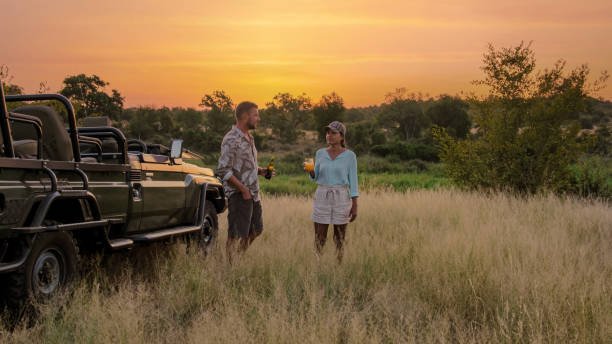
Outside of major cities, especially in national parks and safari destinations like the Serengeti, Ngorongoro Crater, and Mount Kilimanjaro regions, the safety concerns shift towards wildlife and the environment. Crime rates in these areas are very low. Tour operators like Top Guide Adventures ensure that all staff are trained in safety procedures, and vehicles are well-maintained. Your safari guides are your primary resource for safety in these environments. They are experienced in handling wildlife and navigating the terrain, and their instructions should always be followed without question.
For 2026-2027 travel, the general advice remains consistent: vigilance in urban centers and trust in your experienced guides in wilderness areas. Top Guide Adventures rigorously vets its guides, ensuring they possess not only extensive knowledge of the flora and fauna but also a strong understanding of safety protocols and emergency procedures.
Health and Medical Preparedness for Tanzania
Ensuring your health is a critical component of Tanzania safety. The country has specific health considerations that travelers should be aware of and prepare for well in advance of their trip. Consulting with a travel doctor or clinic four to six weeks before your departure is highly recommended.
Vaccinations and Preventative Measures
Several vaccinations are recommended or required for entry into Tanzania. These typically include:
- Yellow Fever: A vaccination certificate is often required, especially if you are arriving from or have transited through a country with a risk of Yellow Fever transmission. Check the latest requirements before your travel.
- Hepatitis A and B: Recommended for most travelers.
- Typhoid: Recommended for most travelers.
- Rabies: Recommended for those who might be exposed to animals, particularly if participating in activities that could increase risk.
- Routine Vaccinations: Ensure you are up-to-date on standard immunizations like measles, mumps, rubella, polio, tetanus, diphtheria, and pertussis.
Malaria Prevention
Malaria is present in Tanzania, particularly in coastal areas and at lower altitudes. While major safari parks at higher elevations have a lower risk, it’s still a concern. The most effective prevention strategies include:
- Antimalarial Medication: Your doctor will prescribe suitable antimalarial drugs. It is crucial to take them exactly as directed, starting before you arrive and continuing after you leave.
- Insect Repellent: Use repellent containing DEET or Picaridin on exposed skin, especially during dawn and dusk when mosquitoes are most active.
- Protective Clothing: Wear long sleeves and trousers, particularly in the evenings.
- Mosquito Nets: Most accommodations in tourist areas will provide mosquito nets over beds. Ensure they are intact and used correctly.
For 2026-2027 travel, these malaria prevention measures remain the standard. Top Guide Adventures partners with lodges and camps that adhere to high standards of hygiene and often provide mosquito nets. We also advise our clients on the best times to visit to potentially minimize mosquito activity, though precautions are always necessary.
Food and Water Safety
To avoid traveler’s diarrhea and other gastrointestinal issues:
- Drink bottled or purified water only. Avoid tap water, even for brushing your teeth.
- Be cautious with ice cubes In drinks; ensure they are made from purified water.
- Eat well-cooked food, preferably served hot.
- Peel fruits and vegetables Yourself or ensure they are cooked.
- Avoid raw or undercooked meat and seafood.
Top Guide Adventures ensures that all meals provided on our safaris and tours are prepared under strict hygienic conditions. We work with trusted lodges and restaurants that follow these best practices.
Emergency Medical Services
Medical facilities in major towns and cities are adequate for general care, but specialized treatment might require evacuation. It is essential to have comprehensive travel insurance that covers medical emergencies, including medical evacuation. The Flying Doctors Society of Africa offers an emergency air rescue service, and many tour operators, including Top Guide Adventures, can facilitate access to this service if needed. Ensure your insurance policy covers this.
Travel Insurance is Non-Negotiable
For any trip to Tanzania, especially when planning for 2026 or 2027, comprehensive travel insurance is an absolute must. Ensure it covers:
- Medical expenses and emergency evacuation.
- Trip cancellation or interruption.
- Lost or stolen baggage.
- Personal liability.
Wildlife Encounters: Safety in the Wild
Tanzania is world-renowned for its incredible wildlife. Experiencing these animals in their natural habitat is a highlight of any trip, but it requires a profound respect for their power and unpredictability. Safety during wildlife viewing is paramount and relies heavily on following the guidance of your experienced safari guides.
Understanding Animal Behavior
Animals in national parks and reserves are wild and can be dangerous. Never forget this, even if they appear docile. Key safety guidelines include:
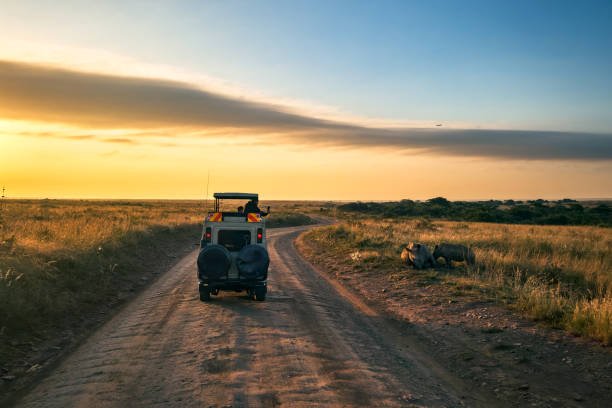
- Maintain a Safe Distance: Always stay within the designated viewing areas or your vehicle. Guides are trained to position vehicles safely, allowing for excellent viewing without disturbing or provoking animals. Never attempt to approach or feed wildlife.
- Stay Inside Your Vehicle: During game drives, keep all body parts inside the vehicle unless specifically instructed otherwise by your guide (e.g., for a walking safari). This is especially important when large predators are nearby.
- Be Quiet and Calm: Loud noises or sudden movements can startle animals, potentially leading to aggressive reactions.
- Respect Territorial Animals: Lions, elephants, hippos, and buffaloes can be particularly dangerous if they feel threatened or their territory is encroached upon. Your guide will know how to handle encounters with these species.
- Observe from a Distance: Binoculars and zoom lenses are your best friends for getting close-up views without putting yourself at risk.
Walking Safaris and Hiking Safety
Walking safaris and hikes, such as those on Mount Kilimanjaro or in areas like the Ngorongoro Conservation Area (with special permits), offer a different perspective on the wilderness. These activities are conducted under the strict supervision of armed rangers or highly trained guides. They are equipped to handle potential encounters with dangerous animals and are experts in bushcraft and safety.
On Kilimanjaro climbs, guides and porters are trained in high-altitude physiology and emergency procedures. They monitor climbers closely for signs of altitude sickness. Top Guide Adventures prioritizes the safety of its climbing teams by using experienced guides, ensuring proper acclimatization schedules, and carrying essential safety and medical equipment. For 2026-2027 climbs, this commitment to safety remains our highest priority.
River Crossings and Water Activities
If your safari includes areas with river crossings, especially during the Great Migration in the Serengeti, listen carefully to your guide. They will assess conditions and ensure safe passage. If participating in any water-based activities (e.g., canoeing on Lake Victoria), always follow the instructions of the guides regarding currents, submerged obstacles, and potential wildlife in the water.
Cultural Sensitivity and Respect
Respecting local culture is fundamental to a positive and safe travel experience in Tanzania. The country is home to diverse ethnic groups, each with its own traditions and customs. Being mindful and respectful will not only enhance your interactions but also contribute to your overall safety and well-being.
Dress Code
While tourist areas are generally accustomed to Western dress, it’s important to dress modestly, especially when visiting villages, towns, or religious sites. This typically means covering shoulders and knees. Beachwear is acceptable at resorts and beaches, but it’s advisable to put on more conservative clothing when moving away from the immediate coastal areas.
Greetings and Social Etiquette
Greetings are important in Tanzanian culture. A simple ‘Jambo’ (hello) or ‘Habari?’ (how are you?) is always appreciated. When interacting with people, especially elders, a handshake is common. It’s polite to use your right hand for giving and receiving items, as the left hand is traditionally considered unclean.
Photography
Always ask for permission before taking photographs of people, especially children or in local communities. Some individuals may decline, and their wishes should be respected. Similarly, be cautious when photographing government buildings or military installations.
Bargaining
Bargaining is common in local markets, but it should be done respectfully and with a smile. Agree on a price before the purchase is finalized. In shops with fixed prices, bargaining is not expected.
Religious Practices
Tanzania is predominantly Muslim on the coast and in Zanzibar, and Christian in other areas. Be mindful of religious practices, especially during Ramadan. Dress modestly when visiting mosques or churches.
Top Guide Adventures often incorporates cultural visits into its itineraries, such as trips to Maasai villages or local communities. We prepare our clients beforehand on how to interact respectfully and ensure these visits are conducted in a way that benefits both the visitors and the community.
Road Safety and Transportation
Road travel in Tanzania can be an adventure in itself. While the main highways connecting major cities are generally in fair condition, secondary roads can be rough, unpaved, and challenging. Road safety is a significant consideration, and being informed can help you navigate it safely.
Driving Conditions
- Road Quality: Potholes, uneven surfaces, and unpaved sections are common, especially outside major urban centers.
- Driving Standards: Traffic can be chaotic, with a mix of vehicles, bicycles, pedestrians, and animals sharing the road. Drivers may not always adhere to strict traffic laws.
- Night Driving: It is strongly advised to avoid driving at night. Poorly lit roads, unlit vehicles, and animals on the road make night driving extremely hazardous.
- Vehicle Maintenance: Ensure any vehicle used for travel is in good mechanical condition.
Using Public Transport
Public transport options include daladalas (minibuses) and intercity buses. While affordable, these can be crowded and may not always adhere to safety standards. For tourists, using licensed taxis, pre-booked private transfers, or tour operator vehicles is the safest and most comfortable option.
Safari Vehicles and Driver-Guides
Top Guide Adventures utilizes specially designed 4×4 safari vehicles that are robust and well-maintained for varying terrains. Our experienced driver-guides are not only experts in wildlife spotting but also skilled and cautious drivers, trained to navigate Tanzania’s roads safely. They understand the importance of maintaining a steady pace and ensuring passenger comfort and security throughout the journey, whether it’s a short transfer or a long-distance safari across the Serengeti plains for 2026-2027 adventures.
Communication and Staying Connected
Staying connected while traveling in Tanzania is generally straightforward, which can also be a safety asset.
Mobile Networks and SIM Cards
Major mobile networks operate in Tanzania, including Vodacom, Tigo, and Airtel. You can purchase local SIM cards at the airport or in major towns. This is usually much cheaper than using international roaming and allows you to make local calls and access data. Ensure you have your passport with you for SIM card registration.
Internet Access
Wi-Fi is available in most hotels, lodges, and camps catering to tourists. However, connectivity can sometimes be slow or unreliable, especially in remote areas. If you need consistent internet access, consider purchasing a local data bundle for your SIM card.
Emergency Contacts
It’s wise to save important emergency numbers in your phone:
- Police: 112 or 111
- Ambulance: 112 or 114
- General Emergency: 999
Your tour operator’s contact details should also be readily accessible. Top Guide Adventures provides clients with emergency contact numbers and ensures our guides are reachable at all times.
Natural Disasters and Environmental Hazards
While Tanzania is not prone to major natural disasters like earthquakes or hurricanes, there are environmental factors to be aware of.
Weather Extremes
Tanzania experiences distinct wet and dry seasons. Heavy rains can occasionally lead to difficult road conditions, particularly in rural areas. The heat can be intense, especially in the lowlands and during the dry season. Staying hydrated and protected from the sun is essential.
Wildlife-Related Environmental Hazards
Beyond the direct encounters discussed earlier, be aware of potential hazards like:
- Insects: Besides mosquitoes, other biting insects can be present. Using insect repellent is generally effective.
- Snakes and Spiders: While rare, venomous snakes and spiders exist. Stick to marked paths and follow your guide’s advice, especially during walking safaris or hikes. Wear sturdy footwear.
For 2026-2027, the environmental conditions remain consistent. Your Top Guide Adventures guides are trained to identify and avoid potential environmental hazards, ensuring your safety.
Tips for a Safe and Enjoyable Kilimanjaro Climb
Climbing Mount Kilimanjaro is a challenging yet rewarding experience. Safety is paramount on the mountain, and preparation is key. Top Guide Adventures focuses on safety through experienced guides, proper equipment, and adherence to climbing best practices.
Acclimatization is Key
The most common danger on Kilimanjaro is altitude sickness (Acute Mountain Sickness – AMS). Proper acclimatization is the best prevention. This means:
- Choose a longer route: Routes like Machame or Lemosho (7-8 days) offer better acclimatization than shorter ones (5-6 days).
- “Pole Pole” (Slowly, Slowly): Walk at a slow, steady pace. Don’t overexert yourself.
- Stay Hydrated: Drink plenty of water and fluids.
- Eat Well: Maintain your energy levels with nutritious food.
- Monitor Symptoms: Be aware of symptoms like headaches, nausea, dizziness, and fatigue. Communicate any discomfort to your guide immediately.
Guide Expertise and Equipment
Your guides are trained in first aid and high-altitude medicine. They carry comprehensive medical kits, including oxygen, and are equipped to handle emergencies. Top Guide Adventures ensures all its guides are certified and experienced. Ensure your personal gear, including clothing, boots, and sleeping bags, is appropriate for mountain conditions. We provide detailed packing lists to our clients to ensure they are fully equipped for their 2026-2027 climb.
Emergency Procedures
In case of a severe medical emergency, guides will initiate evacuation procedures, which may involve carrying the climber down or using emergency rescue services. Having comprehensive travel insurance that covers high-altitude trekking and emergency evacuation is essential.
Tanzania Safety Summary for 2026-2027
Tanzania offers an incredible travel experience, and with the right preparation and awareness, it is a safe destination for tourists in 2026 and 2027. The primary concerns are petty crime in urban areas and adhering to health recommendations. In the wilderness, trusting your guides and respecting wildlife is paramount. By following the advice in this guide and choosing a reputable tour operator like Top Guide Adventures, you can ensure a secure, comfortable, and unforgettable journey.
We are dedicated to providing you with a safe and enriching adventure. Our team is always available to answer your questions and help you plan your perfect Tanzanian safari or Kilimanjaro climb. Don’t hesitate to reach out for personalized advice and to start planning your 2026-2027 trip.
Ready to Plan Your Safe Tanzania Adventure?
Top Guide Adventures is your trusted partner for organizing safe and memorable trips across Tanzania. Whether you’re dreaming of a Serengeti safari, a Ngorongoro Crater tour, or a Kilimanjaro climb, we ensure your safety and satisfaction are our top priorities. Contact us today to discuss your tailor-made itinerary for 2026 or 2027.
WhatsApp: +255616946642
Email: Topguideadventures@gmail.com
Backup Email: Info@topguideadventures.com
Website: Top Guide Adventures Tanzania
Check Availability for Tanzania Safety: Comprehensive Guide For Travelers In 2026-2027
Ready to compare dates, prices, and the best option for your group? Send the package name and travel month so the team can reply with a clear quote, availability, and what is included.
Arusha City Tour: Your Gateway To Northern Tanzanias Wonders 2026-2027
Experience Arusha, the vibrant hub of Northern Tanzania. Our Arusha city tours offer a perfect introduction to local life, culture, and the stunning landscapes that await your adventure.
View package details
Arusha: Your Gateway To Tanzanias Northern Safari Circuit And Kilimanjaro
Arusha serves as Tanzania's vibrant gateway, connecting travelers to the world-renowned Northern Safari Circuit, the majestic Mount Kilimanjaro, and the unique cultural landscapes of the...
View package details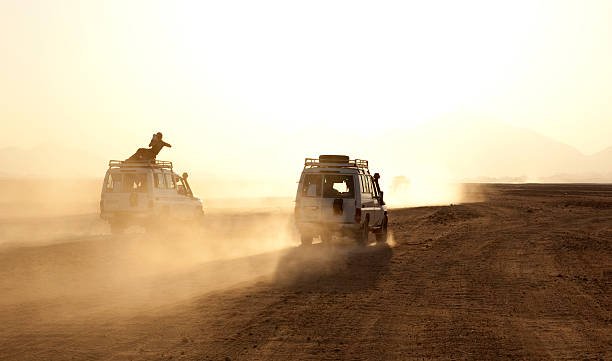
Best Cafes In Tanzania: A Local Guide For 2026-2027
Exploring Tanzania offers incredible wildlife and cultural experiences, but sometimes you need a moment to relax, recharge, and enjoy a good cup of coffee. This guide highlights the best...
View package detailsBest Cafes With Wifi Near Me For Remote Work & Study In Tanzania 2026-2027
Finding a reliable spot with good WiFi for work or study can be a challenge when traveling or exploring new areas. This guide highlights top cafes across Tanzania that offer stable...
View package details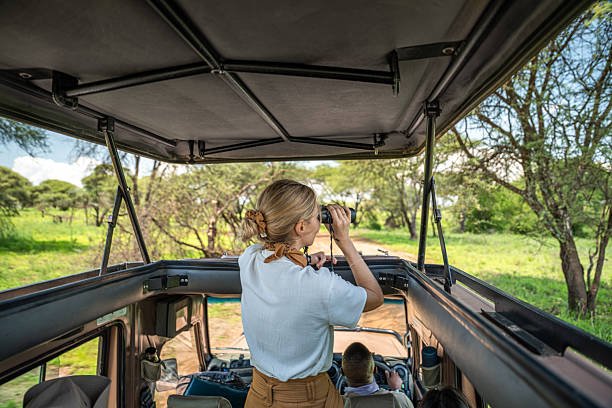
Best Coffee Shops In Tanzania: A Local Guide For 2026-2027
Explore Tanzania's burgeoning coffee culture and find the best local cafes for an authentic brew. From Arusha to Zanzibar, discover artisanal coffee experiences tailored for your 2026-2027...
View package details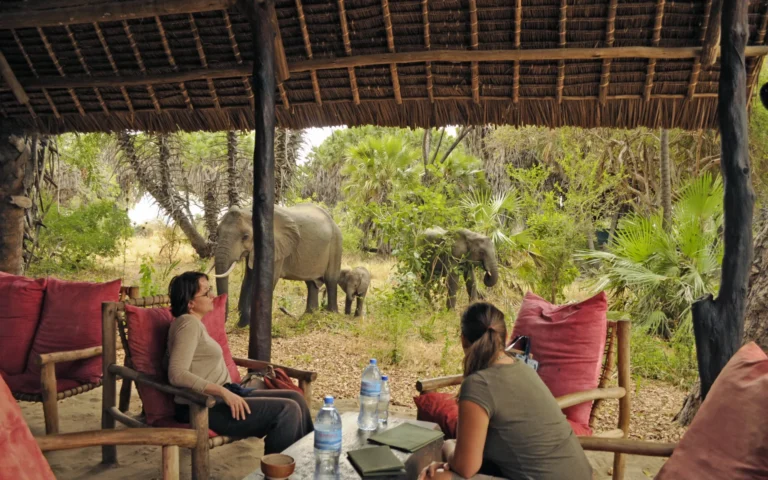
Best Coffee Shops Nearby: Your Guide To Top Cafes In Tanzania 2026-2027
Finding a great coffee shop nearby is about more than just caffeine; it's about atmosphere, community, and quality. In Tanzania, this search leads to some truly unique and delightful...
View package details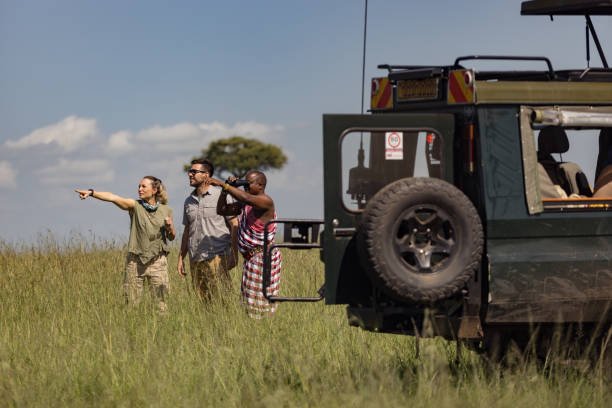
Best Month To Visit Tanzania For Safari And Zanzibar In 2026-2027
Planning your dream Tanzania adventure? This guide breaks down the best months to visit for optimal safari experiences, including the Great Migration, and idyllic beach time in Zanzibar...
View package details
Best Places To Fish Near Me: Tanzanias Top Angling Adventures 2026-2027
For anglers seeking thrilling fishing experiences in Tanzania, the "best places to fish near me" leads to a diverse range of opportunities. From the vibrant coral reefs of the Indian Ocean...
View package details
Best Seafood Restaurants Near Me: Fresh Catches In Tanzania 2026-2027
Exploring Tanzania's culinary landscape reveals a vibrant seafood scene, especially along its extensive coastline. This guide highlights top spots for fresh catches, offering a taste of the...
View package details
Best Time Of Year To Visit Tanzania For Safaris & Zanzibar 2026-2027
Planning a trip to Tanzania? This guide breaks down the best times to visit for unparalleled wildlife viewing, beach relaxation, and cultural experiences, considering weather, animal...
View package detailsBest Time To Travel To Tanzania 2026-2027
Best time to travel to Tanzania is explained with current 2026-2027 planning, price, itinerary and booking information.
View package details
Best Time To Visit Tanzania 2026-2027
Best Time to Visit Tanzania is explained with current 2026-2027 planning, price, itinerary and booking information.
View package detailsNo closely related package is available for this topic yet.



