
Tanzania boasts a wealth of historical sites, including ancient ruins on the Swahili coast, colonial-era buildings in Stone Town and other towns, significant archaeological discoveries, and monuments related to its independence struggle, offering deep insights into centuries of trade, culture, and political evolution.

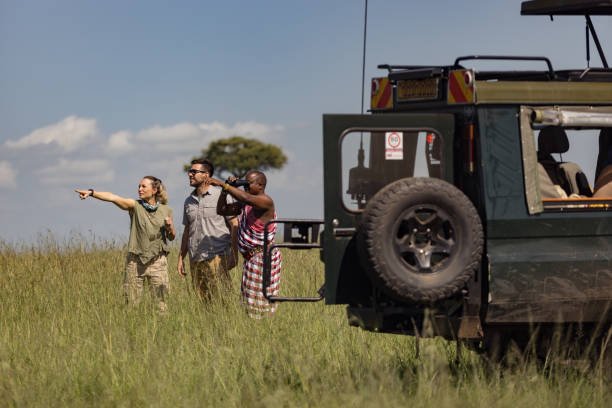
Unveiling Tanzania’s Past: A Journey Through Time
Tanzania, a country often celebrated for its unparalleled wildlife safaris and majestic Mount Kilimanjaro, also holds a remarkably rich and multifaceted history. Its geographical position at the crossroads of African, Arab, and European influences has shaped a striking narrative, evident in its diverse historical sites. From the remnants of ancient civilizations to the tangible marks of colonial powers and the echoes of independence movements, exploring these locations offers a profound dimension to any visit. Top Guide Adventures is dedicated to bringing these stories to life, crafting detailed experiences that connect travelers with Tanzania’s vibrant past. Our expertly guided tours ensure you don’t just see these sites, but truly understand their significance.
The Swahili Coast: Echoes of Ancient Trade and Culture
The coastline of Tanzania, stretching from the north near the Kenyan border down to Mozambique, is dotted with historical sites that speak volumes about the ancient Swahili civilization. This culture, a vibrant blend of Bantu African and Arab influences, flourished from the 8th century onwards, driven by extensive Indian Ocean trade. These coastal city-states were centers of commerce, learning, and Islamic faith, trading ivory, gold, slaves, and other goods for textiles, pottery, and spices from as far away as China and Persia.
Kilwa Kisiwani and Songo Mnara: UNESCO World Heritage Jewels
Perhaps the most significant of these historical sites are the ruins of Kilwa Kisiwani and Songo Mnara, collectively designated a UNESCO World Heritage Site. Located on islands off the southern coast, these once-prosperous trading ports were among the most influential on the East African coast.
- Kilwa Kisiwani, meaning ‘the island of Kilwa’, was once a powerful sultanate and a major hub for gold coming from Great Zimbabwe. Its most iconic structure is the Great Mosque, one of the oldest mosques in East Africa, with its imposing architecture reflecting its former grandeur. The Husuni Kubwa palace, a sprawling complex with over 100 rooms, hints at the immense wealth and sophistication of its rulers. The Fortifications, including the Husuni Ndogo, also stand as testaments to its strategic importance. Explorations here often reveal intricate tile work and coral stone construction, whispering tales of merchants, scholars, and sultans.
- Songo Mnara, a smaller but equally important site, features the ruins of numerous houses, mosques, and a palace. The layout of the settlement, with its narrow streets and enclosed courtyards, provides a fascinating glimpse into daily life centuries ago. Excavations have uncovered Chinese porcelain, indicating the vast reach of Kilwa’s trade networks.
Visiting Kilwa Kisiwani and Songo Mnara offers a tangible connection to a lost era of maritime prowess and cultural exchange. These sites are essential for understanding Tanzania’s deep historical roots and its role in global trade long before European arrival. Top Guide Adventures can arrange comprehensive day trips or multi-day explorations to these islands, often combining them with visits to other coastal historical points.
Other Swahili Coastal Sites
Beyond Kilwa, other historical sites along the coast offer glimpses into this rich past:
- Kaole Ruins, near Bagamoyo, feature the remains of two mosques and a series of tombs, some dating back to the 13th century. The intricate carvings on the tombstones are particularly noteworthy.
- Msasani Peninsula, near Dar es Salaam, has evidence of early settlements, though much of its historical significance is submerged or eroded by the sea.
These sites, while perhaps less grand than Kilwa, contribute to the comprehensive understanding of the Swahili coast’s historical development and its enduring legacy.
Zanzibar: A Melting Pot of Cultures and History
The Zanzibar archipelago is a treasure trove of historical sites, most notably its capital, Stone Town. This UNESCO World Heritage site is a labyrinth of narrow alleys, bustling bazaars, and intricately carved wooden doors, a living testament to centuries of Omani Arab, Persian, Indian, and European influences, layered upon its African foundation.
Stone Town: A Living Museum
Stone Town’s history is deeply intertwined with the spice trade, the slave trade, and its role as the seat of the Sultanate of Zanzibar.
- The House of Wonders (Beit-al-Ajaib), though currently undergoing extensive restoration, was once the largest and tallest building in Stone Town, a symbol of Sultan Barghash bin Said’s modernizing ambitions. It served as a ceremonial palace and the first building in Zanzibar to have electricity.
- The Old Fort (Ngome Kongwe), built by the Omanis in the 17th century, stands as a stark reminder of Zanzibar’s turbulent past, a defensive structure against Portuguese invaders. Today, it hosts cultural events, shops, and a restaurant.
- The Palace Museum (formerly the Sultan’s Palace) Offers a fascinating look at the lives of the Zanzibari royal family, displaying furniture, artifacts, and historical photographs.
- The Slave Market site and the Anglican Cathedral Stand as poignant reminders of Zanzibar’s dark history as a major center of the slave trade. The crypt beneath the cathedral was once a place where enslaved people were held before auction.
- The Darajani Market, while a vibrant present-day hub, has roots in the historical marketplaces where spices, ivory, and slaves were traded.
- The Forodhani Gardens, a popular spot for evening gatherings, also sits on land with historical significance, facing the sea where dhows have sailed for centuries.
Exploring Stone Town is an experience in itself. Top Guide Adventures organizes guided walking tours that navigate these historic streets, bringing to life the stories behind the architecture, the spice trade, and the complex social fabric. These tours are essential for understanding the deep historical layers of Zanzibar, preparing you for your Tanzania historical tours in 2026-2027.
Beyond Stone Town: Zanzibar’s Historical Outposts
Zanzibar’s historical narrative extends beyond its capital:
- Jozani Forest, while primarily known for its wildlife, contains remnants of historical settlements and is believed to have been a source of valuable timber for centuries.
- The ruins of Mtoni Palace And Chekechea Palace Offer glimpses into the lives of former sultans and their vast estates.
- The Kidichi Persian Baths, built in 1850, showcase the Persian influence on Zanzibari architecture and were a private retreat for Sultan Said bin Sultan.
Mainland Tanzania: Colonial Legacies and Independence Movements
Tanzania’s mainland also holds significant historical sites, reflecting its colonial past under German and British rule, and its journey to independence.
Bagamoyo: A Gateway to History
Bagamoyo, a coastal town south of Dar es Salaam, is a historically rich port that served as the capital of German East Africa and was a major caravan terminus for ivory and slave traders.
- The Old Fort, built by Omani Arabs, stands as a testament to its strategic importance.
- The former German administration buildings And the Catholic Mission, including the Holy Ghost Mission church, represent the colonial era. The mission was a significant center for education and a transit point for freed slaves.
- The “Gateway to Africa” monument Marks the historical starting point of caravans heading inland.
Bagamoyo offers a poignant look at the complex interplay of trade, religion, and colonial power that shaped East Africa. Its historical sites provide context for the broader Tanzanian narrative.
Dar es Salaam: A Developing Capital
Dar es Salaam, meaning ‘Abode of Peace’, grew from a small fishing village into a major port and the administrative center under German, British, and later Tanzanian rule.
- The National Museum Houses artifacts that chronicle Tanzania’s history, from early hominid discoveries to the colonial era and independence.
- The Askari Monument, a bronze statue of a soldier, commemorates the African soldiers who fought for the British in World War I.
- The State House, a colonial-era building, reflects the administrative history of the city.
- The Old German Boma, a historic administrative building, is another remnant of the colonial period.
Arusha: Gateway to Independence
Arusha, often known as the safari capital of northern Tanzania, also played a role in the nation’s political history.
- The Arusha Declaration Monument Commemorates the signing of the Arusha Declaration in 1967, a document that outlined President Julius Nyerere’s vision for Ujamaa (socialism and self-reliance) in post-independence Tanzania.
- The Arusha International Conference Centre Has hosted significant political gatherings, including those that led to the formation of the East African Community.
Archaeological Discoveries: Tracing Human Origins
Tanzania is not only rich in cultural and colonial history but also in prehistory, being part of the Great Rift Valley, a cradle of humankind. While major fossil discoveries are often associated with neighboring countries, Tanzania has yielded important archaeological evidence.
- The Kondoa Rock-Art Sites, a UNESCO World Heritage site, feature thousands of ancient rock paintings in caves and shelters, depicting human activities, animals, and spiritual beliefs dating back thousands of years. These paintings provide an unparalleled window into the lives of early hunter-gatherer and pastoralist communities.
- Evidence of early hominid activity Has been found in various parts of the country, though less extensively publicized than sites in Ethiopia or Kenya. These finds contribute to the understanding of human evolution in East Africa.
Top Guide Adventures can incorporate visits to the Kondoa Rock-Art Sites into specialized cultural or historical itineraries, offering a unique perspective on Tanzania’s deep past. This is a key component of understanding the full spectrum of historical sites in Tanzania.
Planning Your Historical Site Exploration with Top Guide Adventures
Tanzania’s historical sites are spread across its vast landscape, from the coast to the interior. A well-planned itinerary is crucial for experiencing the depth and breadth of its heritage. Top Guide Adventures specializes in creating bespoke travel experiences that blend historical exploration with comfort and authenticity.
Tailored Itineraries for 2026-2027
Whether you are interested in the Swahili coast’s ancient trade routes, the cultural fusion of Zanzibar, or the colonial legacies of the mainland, we can design an itinerary to match your interests. Our tours are built with personal attention and dedicated support, ensuring a memorable journey.
- Coastal Heritage Tours: Focus on Kilwa, Songo Mnara, Kaole, and Bagamoyo, often combined with explorations of Zanzibar. These tours typically range from 5 to 10 days.
- Zanzibar Cultural Immersion: Dedicate several days to exploring Stone Town and its surroundings, understanding the island’s unique history and culture. A typical Zanzibar package might be 4-7 days.
- Combined History and Safari Packages: For those who wish to experience both wildlife and history, we can integrate visits to key historical sites into your safari itinerary. For example, a northern circuit safari could include a day trip to the Arusha Declaration Monument, or a southern circuit trip could incorporate a visit to Kilwa.
- Specialized Archaeological Tours: For a deeper look at prehistoric Tanzania, we can arrange visits to the Kondoa Rock-Art Sites, requiring specific logistical planning.
When planning for 2026-2027, booking in advance is highly recommended, especially for peak seasons. This allows us to secure the best accommodations, guides, and transportation, ensuring your historical adventure is as smooth as possible.
Logistical Considerations
Traveling to historical sites in Tanzania can involve various modes of transport:
- Flights: For distant locations like Kilwa or Zanzibar, domestic flights are often the most efficient way to travel.
- Boats: Accessing islands like Kilwa Kisiwani and Songo Mnara requires boat transfers.
- Vehicles: Comfortable 4×4 safari vehicles are used for mainland excursions, ensuring access to various terrains.
- Walking Tours: Essential for exploring dense historical areas like Stone Town.
Top Guide Adventures manages all these logistical details, providing experienced local guides who are knowledgeable about the history and culture of each site. Our commitment to personal attention means we cater to your specific needs, whether you require assistance with accessibility or have particular historical interests.
Why Choose Top Guide Adventures for Historical Site Exploration?
As one of Tanzania’s trusted tour companies, Top Guide Adventures offers more than just transportation and accommodation. We provide complete travel experiences with personal attention, care, and dedicated support for every client. Our deep understanding of Tanzania’s history and culture, combined with our logistical expertise, makes us the ideal partner for your exploration of its historical sites.
We believe that understanding a country’s past is key to appreciating its present. Our tours are designed to be educational, engaging, and deeply rewarding. From arranging transfers and accommodation to providing expert guides and ensuring well-organized travel, we handle all aspects of your journey, allowing you to focus on the rich history unfolding before you.
Whether you’re planning a trip for 2026 Or looking ahead to 2027, let Top Guide Adventures guide you through the historical wonders of Tanzania. Contact us today to start planning your unforgettable cultural journey.
Get in Touch to Plan Your Historical Adventure
Ready to explore Tanzania’s rich historical mix? We offer personalized itineraries for safaris, Kilimanjaro climbs, Zanzibar holidays, and cultural experiences, including in-depth historical site tours. Reach out to our experts:
- WhatsApp: +255 616 946 642
- Email: Topguideadventures@gmail.com
- Backup Email: Info@topguideadventures.com
Let us craft your perfect Tanzania experience for 2026-2027.
“,
“faq_schema”: [
{
“question”: “What are the most significant historical sites in Tanzania?”,
“answer”: “The most significant historical sites include the UNESCO World Heritage ruins of Kilwa Kisiwani and Songo Mnara on the Swahili coast, the historic Stone Town in Zanzibar with its blend of cultures and architecture, the archaeological rock-art sites of Kondoa, and the colonial-era town of Bagamoyo.”
},
{
“question”: “How can I visit Kilwa Kisiwani and Songo Mnara?”,
“answer”: “Visiting Kilwa Kisiwani and Songo Mnara typically involves flying to Kilwa Masoko Airport, followed by a boat transfer to the islands. Top Guide Adventures can arrange all necessary flights, boat transfers, and guided tours for these remote but historically rich locations.”
},
{
“question”: “What is the best time of year to visit historical sites in Tanzania?”,
“answer”: “The best time to visit Tanzania’s historical sites, especially coastal areas like Zanzibar and Kilwa, is during the dry seasons, generally from June to October and December to February. This provides pleasant weather for exploration, though historical sites can be visited year-round.”
},
{
“question”: “Are historical tours in Tanzania suitable for families?”,
“answer”: “Yes, historical tours in Tanzania can be very suitable for families. Sites like Stone Town in Zanzibar offer engaging experiences for all ages, with vibrant markets and unique architecture. Sites like Kilwa provide educational opportunities about ancient civilizations, and guided tours can be tailored to be interesting and accessible for younger travelers.”
},
{
“question”: “What should I pack for a historical sites tour in Tanzania?”,
“answer”: “For historical sites tours, especially in coastal areas and cities, pack light, breathable clothing, comfortable walking shoes, a hat, sunglasses, sunscreen, insect repellent, and a reusable water bottle. For inland sites or cooler evenings, a light jacket might be useful. Don’t forget your camera and a journal to record your discoveries.”
}
]
}
“`
Check Availability for Historical Sites 2026-2027
Ready to compare dates, prices, and the best option for your group? Send the package name and travel month so the team can reply with a clear quote, availability, and what is included.
Arusha: Your Gateway To Tanzanias Northern Safari Circuit And Kilimanjaro
Arusha serves as Tanzania's vibrant gateway, connecting travelers to the world-renowned Northern Safari Circuit, the majestic Mount Kilimanjaro, and the unique cultural landscapes of the...
View package details
Best Cafes In Tanzania: A Local Guide For 2026-2027
Exploring Tanzania offers incredible wildlife and cultural experiences, but sometimes you need a moment to relax, recharge, and enjoy a good cup of coffee. This guide highlights the best...
View package detailsBest Mojarra Frita Near Me Guide
When craving perfectly crispy, golden-brown fried fish, particularly the local favorite 'mojarra frita,' finding the right spot is key. This guide helps you locate the best places near you...
View package details
Bagamoyo Historical Tour 2026-2027
Bagamoyo Historical Tour is explained with current 2026-2027 planning, price, itinerary and booking information.
View package details
Mikindani Historical Town Tour 2026-2027
Mikindani Historical Town Tour is explained with current 2026-2027 planning, price, itinerary and booking information.
View package detailsTabora Historical Town Tour: A Deep Look At Tanzanias Colonial Past 2026-2027
start a detailed historical town tour of Tabora, Tanzania, with Top Guide Adventures. Uncover the town's significance as a colonial hub, explore its unique architecture, and understand its...
View package details
Agence Safari Tanzanie: Top Guide Adventures Expert Planning For 2026-2027
Top Guide Adventures is a premier agence safari Tanzanie, specializing in crafting unforgettable wildlife encounters, mountain climbs, and beach escapes across Tanzania. With a focus on...
View package details
Algeria Travel Guide: Discover Ancient History, Sahara Adventures & Vibrant
start an unforgettable journey through Algeria, a North African gem brimming with ancient history, dramatic desert landscapes, and a vibrant cultural mix. This guide covers everything you...
View package details
Angola Travel Guide: Your Ultimate Adventure Planning For 2026-2027
Explore Angola's diverse attractions, from its dramatic coastlines and lush interior to its rich history and vibrant cities. This comprehensive guide helps you plan your 2026-2027...
View package details
Arusha City Tour: Your Gateway To Northern Tanzanias Wonders 2026-2027
Experience Arusha, the vibrant hub of Northern Tanzania. Our Arusha city tours offer a perfect introduction to local life, culture, and the stunning landscapes that await your adventure.
View package details
Ascension Du Kilimandjaro 2026-2027
Ascension du Kilimandjaro is explained with current 2026-2027 planning, price, itinerary and booking information.
View package details
Ascension Kilimandjaro Prix: What To Expect For Your Climb 2026-2027
Planning your Kilimanjaro climb means understanding the 'Ascension Kilimandjaro prix'. This guide breaks down the costs for 2026-2027, detailing what influences the price and what you can...
View package detailsNo closely related package is available for this topic yet.



