
Lake Babati is a picturesque, shallow lake located in the Babati District of the Manyara Region (formerly Arusha Region, though its administrative boundary shifted), Tanzania, serving as a crucial habitat for diverse bird species and offering a serene environment for wildlife observation and cultural immersion, especially for those seeking experiences beyond the typical Northern Circuit safari routes.


Unveiling the Serenity of Lake Babati
While Tanzania is globally celebrated for its iconic national parks like the Serengeti and the Ngorongoro Crater, offering unparalleled big game viewing, there exists a quieter, yet equally compelling, natural beauty waiting to be discovered. Lake Babati stands as one such treasure, a shimmering expanse of water that provides a vital ecosystem for countless bird species and a peaceful sanctuary for local communities. Its allure lies not in dramatic predator-prey encounters, but in the subtle symphony of nature, the vibrant colors of avian life, and the authentic cultural exchanges it fosters. For travelers in 2026 and 2027 looking for a more intimate connection with Tanzania’s natural and cultural landscapes, Lake Babati presents an accessible and rewarding detour.
The lake’s relatively shallow nature and abundant aquatic vegetation make it a magnet for waterfowl and waders. Its proximity to human settlements also means that interactions with local communities, primarily the Iraqw and Datoga peoples, are an integral part of the Lake Babati experience. This blend of wildlife and culture offers a different pace and perspective compared to the high-octane safaris, making it a perfect complement for a well-rounded Tanzanian adventure.
Geographical Setting and Accessibility
Lake Babati is situated in the Babati District, which is now part of the Manyara Region. Historically, it was often associated with the broader Arusha Region due to its geographical proximity and common travel routes. Its location is strategic, lying along the main highway that connects Arusha to Dodoma, making it relatively easy to access for travelers journeying between these key cities or as a stopover point. The nearest major town is Babati itself, a bustling hub that serves as a gateway to the lake and surrounding areas.
Getting to Lake Babati is straightforward. From Arusha, the drive is approximately 2-3 hours, depending on traffic and road conditions. Many tour operators, including Top Guide Adventures, can easily incorporate a visit to Lake Babati into custom itineraries for 2026-2027. While public transport is available, opting for a private vehicle with a knowledgeable guide significantly enhances the experience, allowing for flexible stops and deeper insights into the local environment and culture. The journey itself offers glimpses of rural Tanzanian life, passing through agricultural landscapes and small villages.
The Avian Spectacle: Bird Watching at Lake Babati
For ornithologists and casual birdwatchers alike, Lake Babati is a paradise. Its diverse habitats—ranging from open water to papyrus reeds and surrounding acacia woodlands—support an impressive array of bird species. The lake is particularly renowned for its large populations of:
- Waterfowl: Expect to see numerous ducks, geese, and other water-associated birds.
- Waders and Storks: Various species of storks, herons, egrets, and sandpipers are commonly sighted foraging along the shores.
- Pelicans and Cormorants: Large flocks of Great White Pelicans are a common sight, as are various cormorant species.
- Kingfishers: The vibrant colors of malachite and pied kingfishers can often be spotted darting along the water’s edge.
- Raptors: The skies above and surrounding trees are home to various eagles and buzzards.
Beyond these, a keen eye can spot weavers, waxbills, and other smaller passerine birds in the scrub and trees bordering the lake. The best times for bird watching are typically early morning and late afternoon when birds are most active. Guided walks around the lake’s perimeter or boat trips (though less common and more basic than in other areas) can offer excellent vantage points. The presence of fish in the lake, coupled with the rich insect life, ensures a constant food supply, sustaining this vibrant ecosystem throughout the year. Planning a visit for the drier months, generally June to October, often makes spotting easier as water levels may recede slightly, concentrating birdlife.
Tips for Bird Watching at Lake Babati
Bring binoculars: Essential for spotting distant birds and appreciating their details.
Wear neutral colors: To avoid startling the birds.
Be patient and quiet: Bird watching requires observation and minimal disturbance.
Consider a local guide: They know the best spots and bird calls.
Visit during early morning or late afternoon: Peak activity times.
Pack insect repellent: Especially during wetter seasons.
Wildlife Encounters Beyond Birds
While birds dominate the avian landscape, Lake Babati is also home to other wildlife, though often more elusive. Hippos are known to inhabit the deeper sections of the lake, and their grunts can sometimes be heard, especially at dawn and dusk. They tend to be more active in the water than on land during the day, seeking refuge from the sun.
The surrounding grasslands and woodlands offer habitat for antelopes, such as Grant’s gazelles and Thomson’s gazelles, which may graze near the lake’s edges. Vervet monkeys and baboons are frequently seen in the trees and scrubland, often habituated to human presence due to the nearby settlements. Smaller mammals like mongooses and various rodents might also be present. While Lake Babati is not a prime destination for spotting the ‘big five’, its wildlife viewing is characterized by its accessibility and the chance to see creatures in a more natural, less managed environment.
For those interested in larger wildlife, the nearby Tarangire National Park, famous for its elephant herds and baobab trees, is often combined with visits to Lake Babati. A typical itinerary in 2026 or 2027 might include a few days of classic safari in Tarangire followed by a day or two exploring the unique charm of Lake Babati and its surroundings.
Cultural Immersion: The Iraqw and Datoga Peoples
One of the most significant aspects of visiting Lake Babati is the opportunity to engage with the local communities. The area is predominantly inhabited by the Iraqw people, known for their unique agricultural practices, distinctive conical huts, and rich oral traditions. They are largely farmers, cultivating crops like maize, beans, and vegetables. Their way of life is deeply connected to the land and the rhythms of the agricultural seasons.
The Datoga, a semi-nomadic pastoralist group, also have a presence in the region, particularly known for their metalworking skills. Visiting a Datoga village offers a fascinating glimpse into a traditional way of life centered around cattle herding and intricate craftsmanship, especially their distinctive jewelry and tools. Interactions with these communities can range from guided village tours to observing daily activities like farming, fetching water, or traditional crafts.
Top Guide Adventures can arrange for respectful and authentic cultural visits. It’s crucial to approach these interactions with sensitivity and an open mind. Learning a few basic Swahili phrases can go a long way in fostering goodwill. Engaging with local guides who understand the cultural nuances is key to ensuring that these visits are mutually beneficial and respectful, providing genuine insight without disrupting local life.
Planning Respectful Cultural Encounters
Dress modestly: Cover shoulders and knees when visiting villages.
Ask permission before taking photos: Always seek consent, especially of individuals.
Support local artisans: Purchasing crafts directly benefits the community.
Be curious and respectful: Show genuine interest in their way of life.
Hire local guides: They facilitate authentic and respectful interactions.
Activities and Experiences at Lake Babati
Beyond bird watching and cultural visits, Lake Babati offers a range of activities that cater to a relaxed yet engaging travel experience:
- Nature Walks: Guided walks around the lake’s periphery provide excellent opportunities for observing birds, small mammals, and local flora. These walks can be tailored to different fitness levels.
- Boating: While not as developed as in other tourist areas, basic boat excursions on the lake can be arranged, offering a different perspective for wildlife viewing and photography. These are typically simple dugout canoes or small motorboats.
- Fishing: Local fishermen often use traditional methods. Observing or even participating in a fishing expedition can be an interesting cultural activity.
- Photography: The lake’s scenic beauty, vibrant birdlife, and the distinctive architecture of Iraqw settlements offer abundant photographic opportunities. The interplay of light on the water, especially during sunrise and sunset, is particularly striking.
- Relaxation: Simply sitting by the lake, enjoying the tranquil atmosphere, and listening to the sounds of nature is a rewarding experience in itself, offering a much-needed respite from the hustle and bustle of modern life.
For travelers in 2027, consider adding a day trip to Lake Babati as part of a larger Northern Tanzania itinerary. It serves as an excellent stopover if you are traveling between Arusha and destinations further south, or as a day excursion from lodges located in the wider Manyara Region.
Accommodation Options
Accommodation options directly at Lake Babati are limited and tend to be more rustic and locally run. These often include:
- Local Guesthouses: Basic but clean guesthouses in Babati town offer affordable stays.
- Homestays: For a truly detailed cultural experience, arrangements can sometimes be made for homestays with local families, though these require careful planning and vetting.
- Lodges and Camps: More comfortable lodge-style accommodations are available in the broader Babati District and surrounding areas, offering more amenities and sometimes stunning views of the lake or nearby landscapes. These can range from mid-range to more upscale options.
Many travelers opt to visit Lake Babati as a day trip from lodges located in Karatu or even Arusha, especially if they are focusing on other nearby attractions like Tarangire National Park or Lake Manyara National Park. However, for those wishing to soak in the tranquility and engage more deeply with the local culture, spending a night or two in the vicinity is highly recommended. Top Guide Adventures can assist in finding suitable accommodation that matches your budget and travel style for your 2026-2027 trip.
When to Visit Lake Babati
Lake Babati can be visited year-round, but certain periods offer distinct advantages:
- Dry Season (June to October): This is generally considered the best time for wildlife viewing across Tanzania. The receding water levels at Lake Babati can concentrate birdlife, making spotting easier. The weather is pleasant with less humidity and rain, ideal for nature walks and cultural visits.
- Green Season (November to May): This period sees more rainfall, which transforms the landscape into lush greenery. While birding can still be excellent, some areas might become less accessible due to muddy tracks. However, the rains often bring migratory birds, enriching the avian spectacle. It’s also a good time for photographers seeking dramatic skies and vibrant landscapes. Prices for accommodation might be slightly lower during this period.
For specific birding interests, it’s worth noting that migratory bird patterns can influence sightings. Researching the specific timing of migratory arrivals for 2026 or 2027 can further enhance a bird-watching focused trip.
Comparing Lake Babati to Other Tanzanian Destinations
It’s important to set expectations correctly when considering Lake Babati. It is not a destination for thrilling predator sightings or vast herds of wildebeest. Instead, its value lies in its:
- Tranquility: A stark contrast to the busy tourist hubs of the Serengeti or Ngorongoro.
- Birdlife: While parks like Tarangire and Lake Manyara also offer great birding, Lake Babati’s specific niche as a waterfowl haven is unique.
- Cultural Authenticity: Offers more intimate and less commercialized cultural interactions compared to some Maasai villages near popular parks.
- Accessibility: Its location along the main highway makes it an easy addition to various itineraries.
For instance, if your primary goal is seeing the Great Migration or the Big Five, you’ll want to focus on the Serengeti, Maasai Mara (Kenya), or the Ngorongoro Crater. If you’re interested in elephants and baobabs, Tarangire is the place. Lake Babati complements these by offering a peaceful, bird-focused, and culturally rich experience that adds depth to a Tanzanian journey. It’s an ideal stop for travelers who appreciate the subtler aspects of nature and culture, and who might be combining a safari with other interests like trekking Mount Kilimanjaro or relaxing on Zanzibar.
Planning Your Lake Babati Excursion with Top Guide Adventures
Top Guide Adventures specializes in crafting personalized Tanzanian travel experiences. We understand that each traveler seeks something unique, and Lake Babati can be a valuable component of a custom-designed itinerary for 2026-2027.
Whether you’re interested in a dedicated bird-watching trip, a cultural immersion focused on the Iraqw and Datoga peoples, or simply a peaceful day stop en route to another destination, we can tailor an excursion to suit your needs. Our services include:
- Custom Itinerary Planning: Integrating Lake Babati seamlessly into your safari, trekking, or cultural tour.
- Accommodation Booking: Securing stays in comfortable and well-located lodges or authentic local guesthouses.
- Transportation: Arranging reliable 4×4 safari vehicles and experienced drivers/guides for comfortable travel.
- Guided Tours: Providing knowledgeable local guides for bird watching, nature walks, and cultural village visits.
- Logistical Support: Handling all the details to ensure a smooth and enjoyable experience.
A typical day trip from Arusha might involve an early morning departure, a drive to Lake Babati, a guided walk and bird watching session, a visit to a local village, lunch, and return to Arusha by evening. For those wishing to stay longer, we can arrange multi-day packages that explore the lake and its surroundings in greater detail, perhaps combining it with nearby attractions like the Mto wa Mbu cultural tourism program or the expansive landscapes of Tarangire National Park.
To discuss how Lake Babati can fit into your dream Tanzanian adventure for 2026 or 2027, please reach out to us. We are committed to providing personal attention, care, and dedicated support for every client.
Get in Touch to Plan Your Trip
For personalized advice and to start planning your visit to Lake Babati and other Tanzanian wonders, contact Top Guide Adventures:
WhatsApp: +255616946642
Email: Topguideadventures@gmail.com
Backup Email: Info@topguideadventures.com
Visit our website for more information on our comprehensive Tanzania safari packages and tailor-made journeys: Top Guide Adventures Tanzania.
Check Availability for Lake Babati: A Tranquil Oasis In Tanzanias Arusha Region 2026-2027
Ready to compare dates, prices, and the best option for your group? Send the package name and travel month so the team can reply with a clear quote, availability, and what is included.

Is Lake Natron Dangerous 2026-2027
Is Lake Natron dangerous is explained with current 2026-2027 planning, price, itinerary and booking information.
View package details
Lake Manyara National Park: A Compact Safari Gem For Wildlife Encounters
Lake Manyara National Park, though small, offers an incredibly rewarding safari experience. It's renowned for its diverse ecosystems, iconic tree-climbing lions, and vast flocks of...
View package details
Lake Natron Animals: A Spectacle Of Wildlife In Northern Tanzania 2026-2027
Lake Natron, a highly alkaline soda lake in northern Tanzania, is a unique ecosystem supporting a surprising array of wildlife. While its extreme conditions deter many species, it is a...
View package detailsLake Natron Burning Corpse Phenomenon: Understanding Animal Deaths 2026-2027
Lake Natron's stark beauty hides a curious phenomenon: animals that die nearby can become preserved by its unique chemistry. This guide explains the science behind these 'burning corpse'...
View package detailsArusha: Your Gateway To Tanzanias Northern Safari Circuit And Kilimanjaro
Arusha serves as Tanzania's vibrant gateway, connecting travelers to the world-renowned Northern Safari Circuit, the majestic Mount Kilimanjaro, and the unique cultural landscapes of the...
View package details
Best Cafes In Tanzania: A Local Guide For 2026-2027
Exploring Tanzania offers incredible wildlife and cultural experiences, but sometimes you need a moment to relax, recharge, and enjoy a good cup of coffee. This guide highlights the best...
View package detailsBest Mojarra Frita Near Me Guide
When craving perfectly crispy, golden-brown fried fish, particularly the local favorite 'mojarra frita,' finding the right spot is key. This guide helps you locate the best places near you...
View package details
Best Lake Natron Tour Prices & Packages For 2026-2027
Discover the best Lake Natron tour prices for 2026-2027. This guide details cost factors, package inclusions, durations, and booking tips for an unforgettable trip to Tanzania's soda lake.
View package detailsBest Lake Natron Tours In Tanzania For | Top Guide Adventures 2026-2027
Explore the unique wonders of Lake Natron with expertly guided tours from Top Guide Adventures. Discover the best options for 2026-2027, focusing on wildlife, geology, and local culture.
View package details
Burundi Travel Guide: Discover Lake Tanganyika, Culture & Safaris In 2026-2027
Discover Burundi, a landlocked gem in East Africa renowned for the impressive expanse of Lake Tanganyika, vibrant cultural traditions, and burgeoning wildlife safaris. This comprehensive...
View package details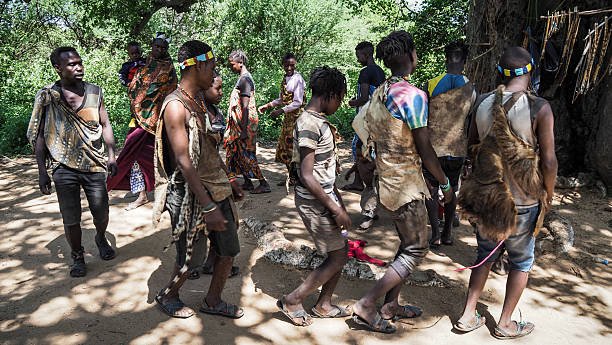
Chabba Hadzabe Experience – Visit Hunter-Gatherers At Lake Eyasi 2026-2027
Discover the unique Chabba Hadzabe experience near Lake Eyasi, Tanzania. Top Guide Adventures offers respectful visits to Hadzabe hunter-gatherers, showcasing their traditional hunting...
View package details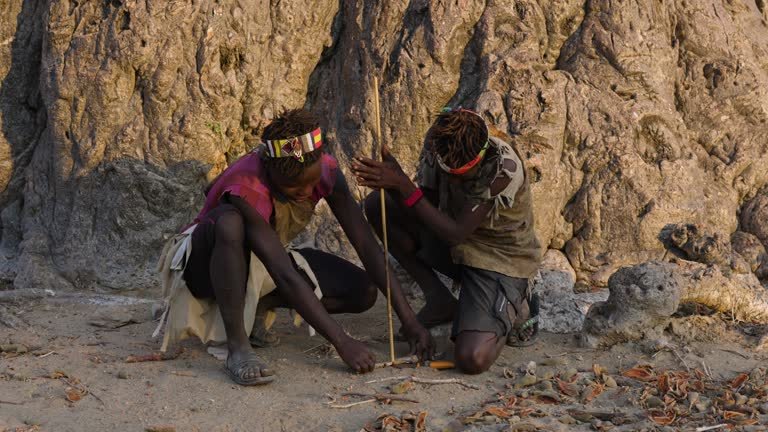
Chabba Hadzabe Tribe Tanzania: Meet The Famous Hunter Of Lake Eyasi 2026-2027
Discover the fascinating Hadzabe tribe of Tanzania, renowned for their traditional hunting practices and unique way of life near Lake Eyasi. This guide provides insights for respectful...
View package detailsNo closely related package is available for this topic yet.



