
Lake Manyara National Park is a premier Tanzanian safari destination, celebrated for its compact size, diverse habitats, and remarkable concentrations of wildlife, including its famous tree-climbing lions, large elephant herds, and vibrant flamingo populations, making it an ideal stop on any Northern Circuit itinerary for 2026-2027.
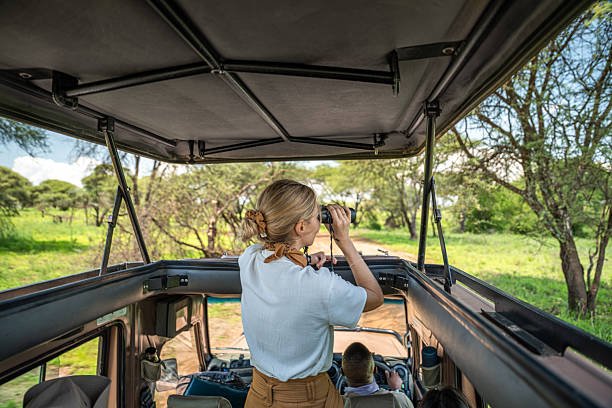
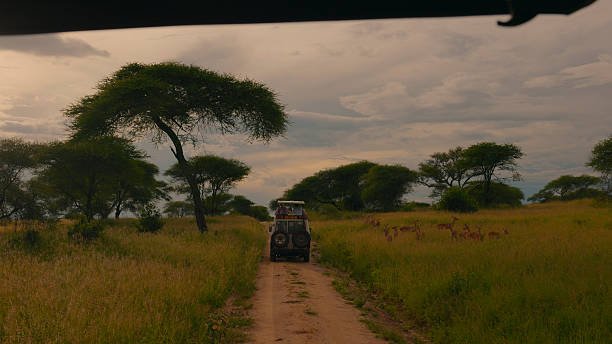
The Allure of Lake Manyara: A Compact Ecosystem, Mighty Encounters
When planning a Tanzanian safari, the sheer scale of the country’s protected areas can be overwhelming. Yet, within its relatively modest boundaries, Lake Manyara National Park packs an extraordinary punch. Often visited as a single-day excursion or as a crucial component of longer Northern Circuit tours that include the Serengeti and Ngorongoro Crater, Lake Manyara offers a concentrated and highly rewarding wildlife viewing experience. Its unique geological setting, located at the Great Rift Valley’s escarpment, creates a mosaic of habitats that support a surprising diversity of flora and fauna.
The park’s namesake, Lake Manyara, is a vast, shallow alkaline lake that dominates the eastern side. Its fluctuating water levels significantly influence the park’s carrying capacity and the movement of its inhabitants. During the wet season, the lake expands, attracting vast numbers of migratory birds, most famously the flamingos. In the dry season, the lake recedes, concentrating wildlife closer to the permanent water sources and the forest margins.
Beyond the lake, visitors will discover lush groundwater forests, dense woodlands, open grassy plains, and rocky escarpments. This variety of landscapes means that within a single game drive, you can encounter animals typically associated with different ecosystems. It’s this ecological richness, coupled with its accessibility, that makes Lake Manyara a standout destination, particularly for those seeking efficient and impactful wildlife sightings during their 2026-2027 travel plans.
What Makes Lake Manyara Unique? Key Attractions and Highlights
Several distinctive features set Lake Manyara National Park apart from its larger, more famous neighbours. Understanding these unique selling points is crucial for appreciating the park’s specific appeal and for tailoring your safari experience.
The Legendary Tree-Climbing Lions
Perhaps the most famous residents of Lake Manyara are its lions, which have developed a peculiar habit of lounging in the branches of the large acacia trees. While lion prides are known to climb trees elsewhere in Africa, the lions of Manyara do so with remarkable frequency and apparent ease. Several theories attempt to explain this behaviour: some suggest it’s to escape the abundant tsetse flies that plague the ground, others propose it’s a way to gain a better vantage point over the plains, or simply to escape the heat and find a comfortable resting spot. Whatever the reason, spotting a lion draped lazily over a tree limb is an iconic Manyara moment that few visitors forget. Seeing these lions is a primary draw for many planning a Lake Manyara National Park safari.
Avian Paradise: A Birdwatcher’s Dream
Lake Manyara is an ornithological hotspot, boasting over 400 bird species. The lake itself is often carpeted with thousands of flamingos, their vibrant pink hues creating a spectacular spectacle, especially when viewed from the escarpment lookout points. Beyond the flamingos, the park is a haven for a wide array of water birds, including pelicans, cormorants, storks, and herons. The woodlands and forests support a rich diversity of forest-dwelling species, such as the crowned hornbill, the silvery-cheeked hornbill, and various turacos and barbets. For bird enthusiasts, a visit to Lake Manyara in 2026 or 2027 promises an unparalleled opportunity to add numerous species to their life lists.
Abundant Elephant Herds
Lake Manyara is home to a healthy population of elephants, often seen in large, family herds. Their presence is felt throughout the park, from the groundwater forests where they browse on foliage to the open plains where they graze. The park’s relatively small size means that elephant sightings are almost guaranteed, and visitors often have the chance to observe them at close range, interacting with each other and their environment. The dense vegetation also allows for intimate encounters, providing excellent photographic opportunities.
The Great Rift Valley Escarpment
The dramatic western escarpment of the Great Rift Valley forms a stunning backdrop to the park. This geological feature provides elevated viewpoints, offering panoramic vistas of the lake, the surrounding plains, and the distant mountains. The escarpment drive itself, particularly as you descend into the park, is a scenic highlight, often dotted with baboons and other primates. The views from the top, especially at sunrise or sunset, are simply magnificent and offer a different perspective on the Manyara wildlife And its habitat.
Diverse Habitats in a Small Area
One of Lake Manyara’s greatest strengths is its ecological diversity packed into just 330 square kilometers (127 sq mi) of protected area, with only about 231 sq km (89 sq mi) being dry land. Within this compact space, you can find:
- Alkaline Lake: The central feature, attracting water birds and supporting unique plant life.
- Groundwater Forests: Dense, evergreen forests fed by underground springs, providing shade and sustenance for large mammals, especially elephants and primates.
- Woodlands: Dominated by acacia trees, these areas are prime hunting grounds for lions and leopards, and offer habitat for many bird species.
- Open Grasslands: Savanna-like plains where herbivores like zebras, wildebeest, and buffalo graze, attracting predators.
- Rocky Outcrops and Cliffs: Offering nesting sites for birds and vantage points for animals.
This variety means that game drives can be incredibly dynamic, with the landscape and the animals present changing significantly from one area to another within the park.
Planning Your Lake Manyara Safari: Best Time to Visit
The beauty of Lake Manyara is that it offers a rewarding safari experience year-round. However, certain periods may be more favorable depending on your specific interests. Understanding the seasonal variations will help you make the most of your Lake Manyara National Park safari In 2026 or 2027.
The Dry Seasons (June to October, and December to February)
These are generally considered the peak safari seasons in Tanzania. During the dry months:
- Concentrated Wildlife: Water sources become scarce, forcing animals to congregate around the few remaining waterholes and along the lake shore. This makes wildlife viewing more predictable and often easier.
- Vegetation Thins Out: With less foliage, animals are more visible against the landscape.
- Pleasant Weather: Temperatures are moderate, and there is minimal rainfall, making game drives comfortable.
- Higher Visitor Numbers: Consequently, this is also the busiest period, and accommodation and park fees might be higher. Booking well in advance for 2026-2027 is highly recommended.
The Wet Seasons (November, and March to May)
While often referred to as the ‘low season’ for tourism, the wet months have their own distinct advantages:
- Spectacular Birdlife: Migratory birds from Europe and Asia arrive, and resident birds are in their breeding plumage, making it an exceptional time for birdwatchers. The lake shore teems with avian activity.
- Lush Landscapes: The rains transform the landscape into vibrant shades of green, offering stunning photographic opportunities.
- Fewer Crowds: You’ll likely encounter fewer tourists, leading to a more intimate safari experience.
- Lower Prices: Accommodation rates can be significantly lower during the wet season, offering a budget-friendly option for your Tanzania Lake Manyara tours.
- Driving Conditions: Some roads, particularly in the heavier rainy months of April and May, can become muddy and challenging, though the main park tracks are usually well-maintained.
For 2026-2027, consider the shoulder months of June and November for a good balance of wildlife viewing, fewer crowds, and potentially better value.
Activities and Experiences at Lake Manyara
Lake Manyara National Park offers more than just standard game drives. To fully appreciate its unique environment, consider these activities:
Game Drives
This is the primary way to explore the park. Experienced guides from companies like Top Guide Adventures will navigate the network of tracks, maximizing your chances of spotting the diverse Manyara wildlife. Early morning and late afternoon drives are typically the most rewarding as animals are most active during the cooler parts of the day. Be prepared to see elephants, giraffes, zebras, wildebeest, buffalo, various antelope species, and, with luck, predators like lions, leopards, and cheetahs.
Night Game Drives
A unique offering in Lake Manyara, night game drives provide a chance to see nocturnal animals that are rarely active during the day. Guided by rangers in specialized vehicles, you might spot civets, genets, bush babies, leopards, and various owls. These drives offer a completely different perspective on the park’s ecosystem and are a thrilling addition to any safari itinerary. Night game drives are a significant differentiator for Lake Manyara.
Walking Safaris
For a more intimate connection with nature, guided walking safaris are available in specific areas of the park or its buffer zones. Accompanied by an armed ranger and a knowledgeable guide, you can explore the smaller details of the bush, learn about tracking, identify plants, and experience the environment at a slower pace. This offers a different kind of immersion than a vehicle-based safari and is highly recommended for those seeking a deeper understanding of the ecosystem.
Cultural Tours
The area surrounding Lake Manyara is home to several local communities, including the Mbugwe people. Engaging in cultural tours provides insight into the traditional lifestyles, customs, and agricultural practices of the local inhabitants. Visiting a Maasai village or a local market can offer a valuable cultural exchange and a broader understanding of life in rural Tanzania, complementing the wildlife focus of your safari.
Canoe Safaris (Seasonal)
When water levels permit, particularly during the wetter months, canoe safaris on the lake itself can be arranged. This offers a unique perspective from the water, allowing for close-up views of water birds and a chance to observe hippos and other aquatic life from a safe distance. It’s a peaceful and memorable way to experience the lake’s ecosystem.
Itinerary Suggestions: Integrating Lake Manyara into Your Trip
Lake Manyara is often included as a day trip or a one-night stop on longer Northern Circuit safaris. Its proximity to Arusha and the Ngorongoro Conservation Area makes it a convenient addition.
Day Trip from Arusha
A popular option for those with limited time, a day trip to Lake Manyara involves an early start from Arusha, a full day of game driving, and a return to Arusha in the evening. This allows you to experience the park’s highlights, including the potential to see the Tree climbing lions Lake Manyara Is famous for, without needing an overnight stay.
As Part of a 3-Day Northern Circuit Safari
A common itinerary includes:
- Day 1: Arusha to Lake Manyara. Full-day game drive. Overnight near Lake Manyara.
- Day 2: Lake Manyara to Serengeti National Park. Morning game drive in Manyara, then drive to Serengeti.
- Day 3: Serengeti to Arusha. Morning game drive in Serengeti, then drive back to Arusha.
This offers a taste of two iconic parks, with Manyara providing a different landscape and focus (birdlife, primates, tree-climbing lions) compared to the vast plains of the Serengeti.
As Part of a 5-Day Northern Circuit Safari
A more comprehensive itinerary might look like this:
- Day 1: Arusha to Tarangire National Park. Game drive. Overnight near Tarangire.
- Day 2: Tarangire to Lake Manyara. Morning game drive in Tarangire, then drive to Lake Manyara for afternoon game drive. Overnight near Lake Manyara.
- Day 3: Lake Manyara to Serengeti National Park. Morning game drive in Manyara, then drive to Serengeti.
- Day 4: Serengeti National Park. Full day game drive in Serengeti.
- Day 5: Serengeti to Ngorongoro Crater and back to Arusha. Morning game drive in Serengeti, descend into Ngorongoro Crater for game drive, then drive to Arusha.
This itinerary allows for more in-depth exploration of each park, including the unique ecosystems of Tarangire (known for its baobab trees and large elephant herds), Lake Manyara, the vast Serengeti, and the dense wildlife of the Ngorongoro Crater.
Combining with Ngorongoro Crater
Lake Manyara is strategically located between Arusha and the Ngorongoro Conservation Area. It’s common to visit Lake Manyara on the way to or from the Ngorongoro Crater. While the Ngorongoro Crater offers a dense concentration of wildlife in a unique caldera setting, Lake Manyara provides a different perspective with its woodland habitats and tree-climbing lions, making the combination highly complementary for your Tanzania Lake Manyara tours.
What to Pack for Your Lake Manyara Safari
Packing appropriately is key to enjoying your safari. Here’s a guide to essentials for Lake Manyara, keeping in mind the varied climate and activities:
- Clothing: Lightweight, neutral-colored clothing (khaki, beige, olive green) is best for game drives to avoid startling animals. Pack long-sleeved shirts and trousers for sun protection and to ward off insects. A warm fleece or jacket is advisable for early mornings and evenings, especially during the cooler months (June-August).
- Footwear: Comfortable walking shoes or hiking boots are essential if you plan on doing any walking safaris. For general game drives, comfortable trainers or walking sandals suffice.
- Sun Protection: A wide-brimmed hat, sunglasses, and high SPF sunscreen are crucial, as the sun can be intense.
- Insect Repellent: Especially important for evenings and areas with dense vegetation to protect against mosquitoes and tsetse flies.
- Binoculars: A good pair of binoculars will significantly enhance your wildlife viewing experience, allowing you to observe animals from a distance.
- Camera: Bring a camera with a good zoom lens to capture the wildlife. Extra batteries and memory cards are highly recommended.
- Personal Items: Personal toiletries, a basic first-aid kit, any personal medications, and a reusable water bottle.
- Documents: Passport, visa (if required), vaccination certificates, and travel insurance details. Keep copies separate from the originals.
For those planning for 2026-2027, it’s wise to check current travel advisories and any specific requirements for Tanzania.
Accommodation Options Near Lake Manyara
Lake Manyara National Park offers a range of accommodation options, from budget-friendly lodges to luxurious tented camps. Staying inside or just outside the park allows for early morning and late evening game drives, maximizing your wildlife viewing opportunities.
- Inside the Park: Offers the most detailed experience, allowing for easy access to game drives at all hours. Options here are often more exclusive and can be pricier.
- Outside the Park Boundaries: Numerous lodges and camps are situated just a short drive from the park gates. These offer a wider range of price points and can still provide excellent access. Many offer stunning views of the escarpment or the Rift Valley.
- Arusha: If you opt for a day trip or prefer to stay in a larger town, Arusha offers a full spectrum of hotels and guesthouses.
When booking your Tanzania Lake Manyara tours For 2026-2027, discuss your budget and preferred style with your tour operator to find the perfect accommodation match.
Cost Considerations for a Lake Manyara Safari
The cost of a Lake Manyara safari can vary significantly based on several factors:
- Duration: A single day trip will be considerably less expensive than an overnight stay or inclusion in a multi-day itinerary.
- Accommodation: Lodges range from basic to ultra-luxury, directly impacting the overall price.
- Vehicle and Guide: Private safaris using a dedicated 4×4 vehicle and guide are more expensive than joining a shared group tour.
- Time of Year: Peak season (dry months) usually sees higher prices for accommodation and sometimes park fees.
- Inclusions: Ensure you understand what is included – park fees, meals, activities, guide services, accommodation, and transfers.
Park Fees: As of recent information, park entry fees for Lake Manyara National Park are approximately USD 50-60 per person per day, plus vehicle fees. These fees are subject to change, and it’s essential to confirm the latest rates for your 2026-2027 safari. For example, a standard 24-hour entry might be $55 per adult, with additional vehicle charges. Night game drives typically incur an extra fee of around $50-60 per person.
Typical Package Costs (Estimates for 2026-2027):
- Day Trip from Arusha: Expect to pay between USD 200 – USD 350 per person, depending on the vehicle type, group size, and inclusions.
- 1-Night / 2-Day Safari (including Lake Manyara): This could range from USD 400 – USD 800 per person, depending heavily on lodge choice and whether it’s a private or shared tour.
- Included in Longer Northern Circuit Tours: When part of a 5-7 day safari, the cost attributable to Lake Manyara will be factored into the overall package price. For a mid-range 5-day Northern Circuit safari (Serengeti, Ngorongoro, Manyara), expect prices from USD 1,500 to USD 2,500+ per person.
Top Guide Adventures Specializes in creating tailored safari packages that provide excellent value and personalized attention. For a precise quote for your 2026-2027 trip, contacting them directly is recommended.
Why Choose Top Guide Adventures for Your Lake Manyara Safari?
When planning your dream safari to Lake Manyara and other Tanzanian wonders, choosing the right tour operator is paramount. Top Guide Adventures is a highly trusted Tanzanian company dedicated to providing exceptional safari experiences with a personal touch.
- Local Expertise: As a local company, they possess in-depth knowledge of the parks, wildlife, and cultural nuances of Tanzania.
- Personalized Service: They pride themselves on offering dedicated support and tailoring itineraries to meet individual client needs and preferences.
- Experienced Guides: Their guides are knowledgeable, professional, and passionate about wildlife and conservation, ensuring you have an informative and engaging safari.
- Comprehensive Packages: Whether you’re looking for a short day trip to Lake Manyara, a full Northern Circuit adventure, or a combination with Kilimanjaro climbs or Zanzibar holidays, they can arrange it all.
- Commitment to Quality: Top Guide Adventures focuses on providing a high standard of service, from vehicle quality to accommodation selection, ensuring a comfortable and memorable journey.
For a safari that combines the magic of Lake Manyara with the assurance of expert planning and care, reach out to Top Guide Adventures. You can contact them via WhatsApp at +255616946642 Or email at Topguideadventures@gmail.com. Their team is ready to help you craft an unforgettable Lake Manyara National Park safari For 2026-2027.
A Note on Conservation
Lake Manyara National Park plays a vital role in conservation efforts. Its management is focused on protecting its unique biodiversity, including the sensitive groundwater forests and the lake’s ecosystem. Supporting tourism here directly contributes to these efforts. By choosing responsible tour operators like Top Guide Adventures, you help ensure the long-term preservation of this precious natural heritage for future generations, including for safaris planned for 2027 and beyond.
Frequently Asked Questions about Lake Manyara
Is Lake Manyara worth visiting?
Yes, absolutely. Despite its smaller size, Lake Manyara offers a unique and rewarding safari experience. It’s famous for its tree-climbing lions, large elephant herds, diverse birdlife (especially flamingos), and the stunning Rift Valley escarpment views. It’s an excellent addition to any Northern Circuit itinerary, especially for those seeking concentrated wildlife viewing and diverse habitats.
How much time should I spend at Lake Manyara?
A full day is often sufficient to see the main highlights, making it ideal for a day trip from Arusha or as a stopover between other parks. However, an overnight stay allows for a night game drive and a more relaxed pace, which is highly recommended for a richer experience. For Tanzania Lake Manyara tours, 1-2 days is typical.
What is the best time of year for a Lake Manyara safari?
The dry seasons (June-October and December-February) offer the best wildlife viewing as animals congregate around water sources. However, the wet seasons (November, March-May) are excellent for birdwatching and offer lush scenery with fewer crowds. For Manyara wildlife Viewing, the dry season is generally preferred, but birding enthusiasts will love the wet season.
Can you see tree-climbing lions at Lake Manyara?
Yes, Lake Manyara is one of the few places in Africa famous for its lions that habitually climb trees. While sightings are never guaranteed, the chances of spotting lions resting in the acacia branches are higher here than in many other parks. This is a key attraction for many visitors planning a Lake Manyara National Park safari.
What are the park fees for Lake Manyara in 2026-2027?
Park fees are subject to change annually. For 2026-2027, expect fees to be around USD 55 per adult per 24-hour period, plus additional vehicle fees. Night game drives incur separate charges, typically around USD 50-60 per person. It’s best to confirm the exact rates with your tour operator for your specific travel dates.
Lake Manyara National Park stands as a testament to Tanzania’s commitment to conservation and its ability to offer profound wildlife encounters within accessible and diverse landscapes. Whether you’re a dedicated birder, a keen wildlife photographer, or simply seeking to experience the magic of an African safari, Lake Manyara delivers. Planning your Tanzania Lake Manyara tours With experienced operators like Top Guide Adventures ensures you make the most of this spectacular destination in 2026-2027 and beyond. For inquiries or to start planning your adventure, contact Top Guide Adventures via WhatsApp at +255616946642 Or email them at Topguideadventures@gmail.com Or Info@topguideadventures.com.
Check Availability for Lake Manyara National Park: A Compact Safari Gem For Wildlife Encounters
Ready to compare dates, prices, and the best option for your group? Send the package name and travel month so the team can reply with a clear quote, availability, and what is included.
Lake Manyara & Singita Grumeti: The Ultimate Singida Tour Experience 2026-2027
start an unforgettable Lake Singida tour, combining the iconic Lake Manyara National Park with the exclusive Singita Grumeti Reserves. This comprehensive guide details wildlife, activities...
View package details
Lake Manyara Treetop Walkway: An Elevated Safari Experience In Tanzania
Discover the Lake Manyara Treetop Walkway, a suspended bridge offering unparalleled views of the forest canopy and its inhabitants. This guide details what to expect, how to visit, and why...
View package details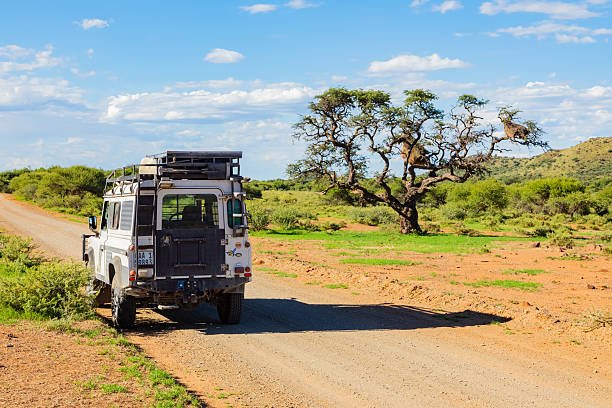
Lake Babati: A Tranquil Oasis In Tanzanias Arusha Region 2026-2027
Lake Babati, located in Tanzania's Arusha Region, is a tranquil haven renowned for its abundant birdlife and unique cultural interactions. This often-overlooked destination offers a...
View package details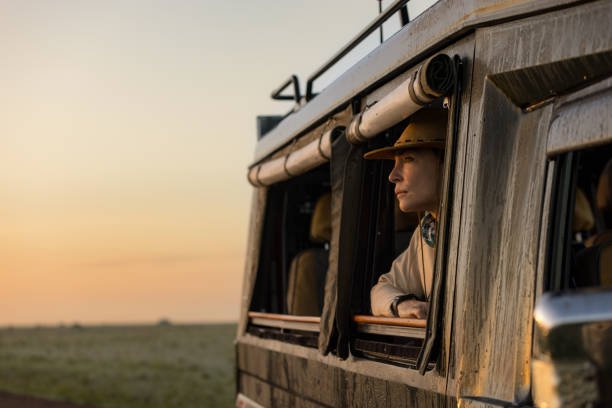
Arusha: Your Gateway To Tanzanias Northern Safari Circuit And Kilimanjaro
Arusha serves as Tanzania's vibrant gateway, connecting travelers to the world-renowned Northern Safari Circuit, the majestic Mount Kilimanjaro, and the unique cultural landscapes of the...
View package details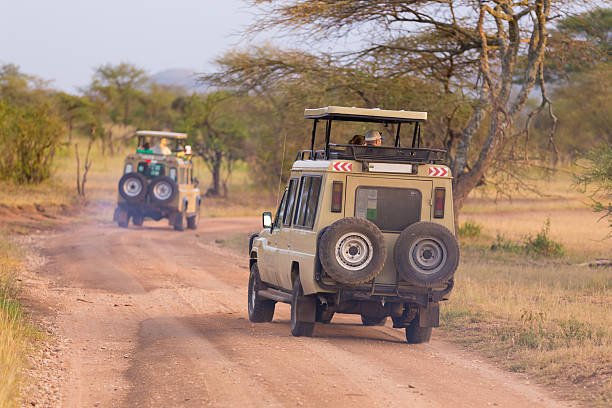
Best One Day Safari Tours In Tanzania: Your Ultimate Guide 2026-2027
Explore the best one day safari experiences Tanzania offers. This guide details top destinations like Arusha National Park, Tarangire, and Lake Manyara, perfect for short, impactful...
View package details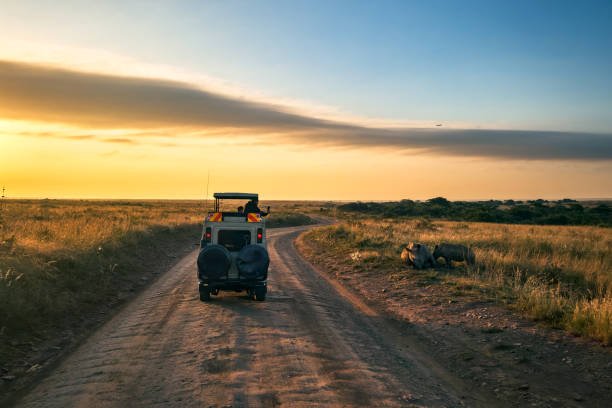
Best Tanzania Safari Locations: Your Ultimate Guide For 2026-2027
Explore the top Tanzania safari destinations, including Serengeti National Park, Ngorongoro Conservation Area, Tarangire National Park, and Lake Manyara. Perfect for wildlife enthusiasts...
View package details
Is Lake Natron Dangerous 2026-2027
Is Lake Natron dangerous is explained with current 2026-2027 planning, price, itinerary and booking information.
View package detailsLake Natron Animals: A Spectacle Of Wildlife In Northern Tanzania 2026-2027
Lake Natron, a highly alkaline soda lake in northern Tanzania, is a unique ecosystem supporting a surprising array of wildlife. While its extreme conditions deter many species, it is a...
View package detailsLake Natron Burning Corpse Phenomenon: Understanding Animal Deaths 2026-2027
Lake Natron's stark beauty hides a curious phenomenon: animals that die nearby can become preserved by its unique chemistry. This guide explains the science behind these 'burning corpse'...
View package details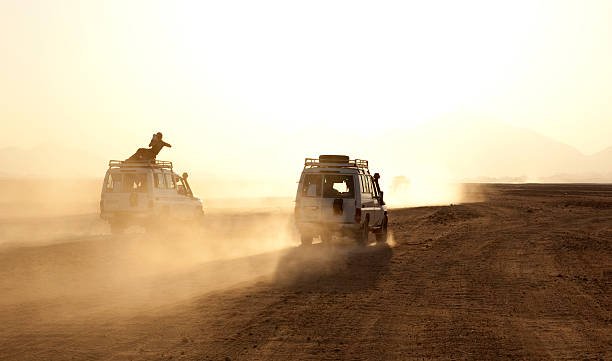
Best Mojarra Frita Near Me Guide
When craving perfectly crispy, golden-brown fried fish, particularly the local favorite 'mojarra frita,' finding the right spot is key. This guide helps you locate the best places near you...
View package details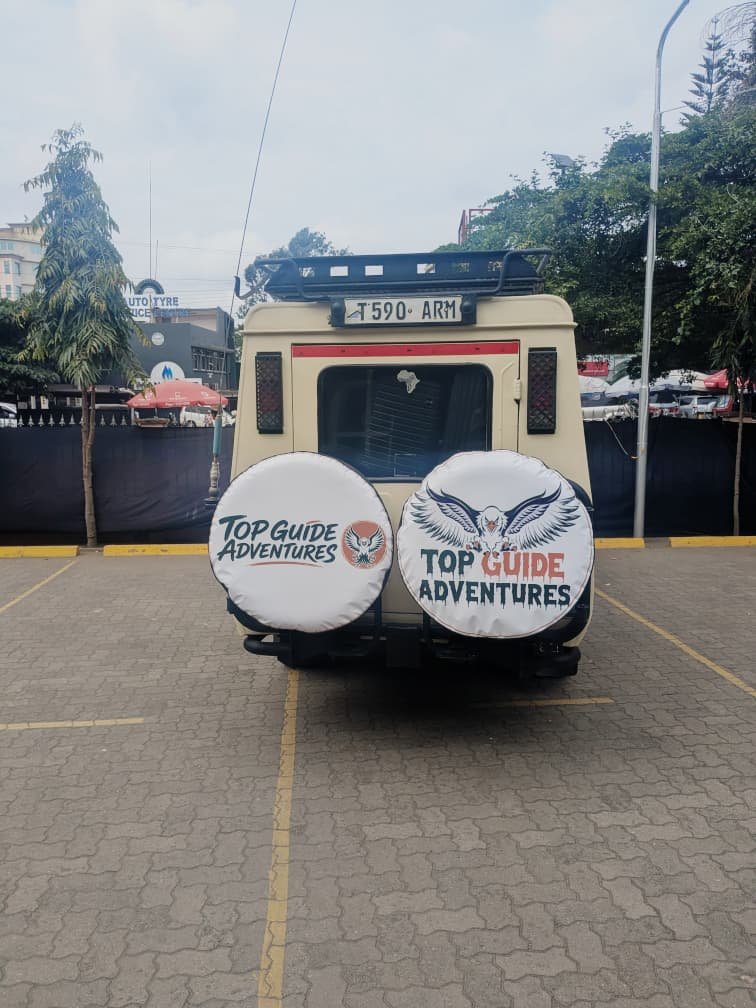
1 Day Lake Manyara Safari From Moshi: Your Complete Trip Guide 2026-2027
Discover the magic of Lake Manyara on a single-day safari adventure starting from Moshi. This comprehensive guide details everything you need to know for an unforgettable experience in...
View package details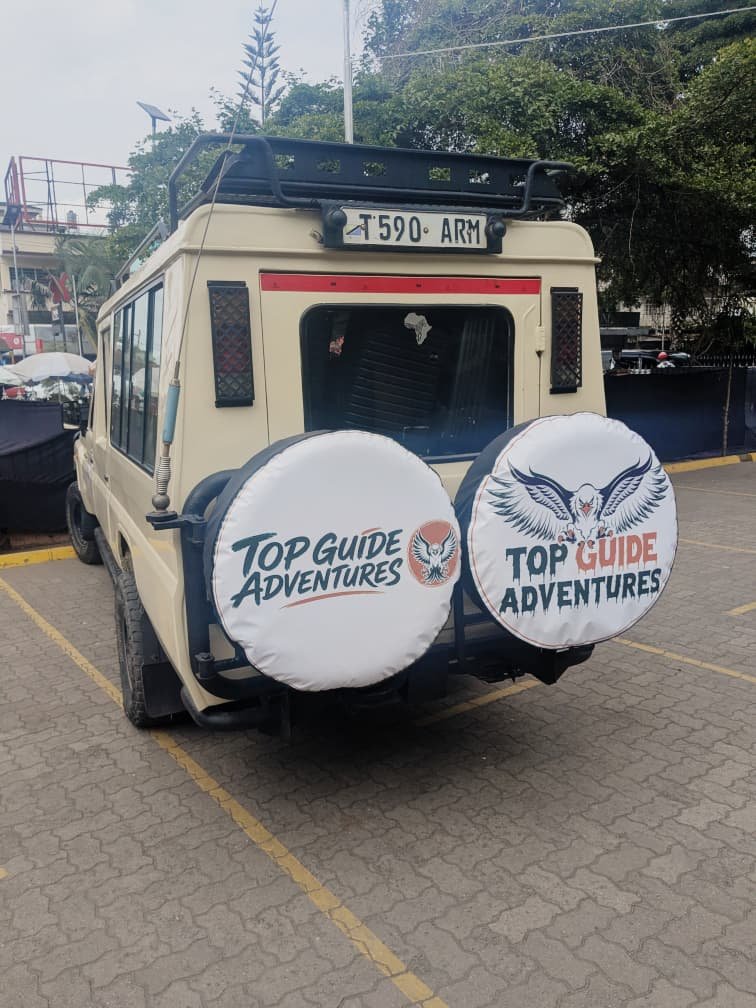
Lake Manyara Camping Fees 2026-2027
Lake Manyara Camping Fees is explained with current 2026-2027 planning, price, itinerary and booking information.
View package detailsNo closely related package is available for this topic yet.



