
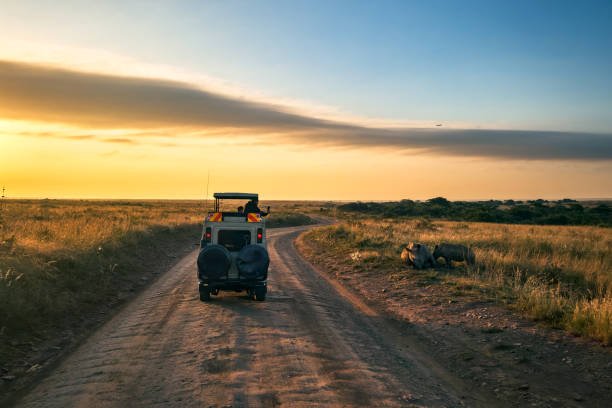
The best Tanzania safari locations for an unforgettable experience in 2026-2027 include the world-renowned Serengeti National Park for the Great Migration, the Ngorongoro Conservation Area for incredible wildlife density within its caldera, Tarangire National Park for its large elephant herds and baobab trees, and Lake Manyara National Park for its tree-climbing lions and diverse birdlife. These parks form the core of the Northern Safari Circuit, offering varied landscapes and exceptional game viewing opportunities throughout the year.
Understanding the Top Tanzania Safari Locations for 2026-2027
Tanzania stands as a premier safari destination in Africa, celebrated for its vast wilderness, abundant wildlife, and iconic landscapes. For travelers planning their adventure in 2026 or 2027, understanding which locations offer the most rewarding experiences is key to crafting the perfect itinerary. The “best” locations are subjective and depend on individual interests – whether it’s witnessing the Great Migration, spotting the Big Five, birdwatching, or experiencing unique ecosystems. However, certain parks consistently deliver exceptional safari moments, making them must-visit sites for any discerning traveler.
Top Guide Adventures specializes in creating tailor-made safari experiences across Tanzania, ensuring that every client’s vision is brought to life. Our expertise spans the most sought-after destinations, and we help travelers navigate the complexities of planning a safari, from choosing the right parks to optimizing game viewing opportunities based on seasonal movements and wildlife behavior. This guide will explore deep into the prime locations, providing insights to help you decide where to focus your 2026-2027 Tanzanian safari adventure.
Serengeti National Park: The Heartbeat of the Wild
No discussion of Tanzania safari locations is complete without the Serengeti. Its name, derived from the Maasai word “Siringet” meaning “endless plains,” perfectly encapsulates its vast, undulating grasslands stretching as far as the eye can see. The Serengeti is most famous globally for hosting the Great Migration, one of nature’s most spectacular events.
The Great Migration Explained
This phenomenon involves over 1.5 million wildebeest, zebras, and gazelles migrating in a constant, circular journey across the Serengeti-Mara ecosystem. They move in search of fresh grazing lands and water, driven by ancient instincts. The migration is not a single event but a continuous cycle, with different phases occurring throughout the year.
- December to March: Calving Season in the Southern Plains – The herds gather in the southern Serengeti (Ndutu area, which straddles the Ngorongoro Conservation Area border) for the calving season. Witnessing thousands of newborn wildebeest taking their first wobbly steps is a profound experience. Predators are highly active during this period as they capitalize on the vulnerable young.
- April to May: The “Green Season” and Northern Movement – As the southern plains dry out, the herds begin their northward trek, often moving through the central and western corridors. This is the “green season,” characterized by rain, lush vegetation, and fewer tourists. While game viewing is still excellent, the dramatic river crossings are less common.
- June to October: The Mara River Crossings – This is perhaps the most iconic and sought-after period of the migration. The herds congregate in the northern Serengeti, facing the perilous challenge of crossing the Mara River. These dramatic crossings, fraught with danger from crocodiles and stampedes, are a photographer’s dream and a raw display of survival. Booking well in advance for 2026 or 2027 during this peak migration season is highly recommended.
- November: Return South – The herds begin their journey back south, often following the rains. This period can offer excellent game viewing as the animals are more concentrated while moving.
Beyond the Migration: Year-Round Wildlife in the Serengeti
While the migration draws immense attention, the Serengeti is a year-round wildlife haven. Its resident populations of lions, leopards, cheetahs, elephants, giraffes, buffaloes, and numerous antelope species ensure incredible sightings regardless of the migration’s location. The central Serengeti (Seronera area) is particularly known for its high predator concentrations and excellent leopard sightings, making it a fantastic destination even outside the peak migration months.
Planning Your Serengeti Safari in 2026-2027
When planning your Serengeti safari for 2026 or 2027, consider:
- Timing: Align your visit with the migration phase you wish to witness. For river crossings, aim for June-October. For calving, December-March.
- Accommodation: Lodges and tented camps are scattered across the park. Mobile camps follow the migration, offering prime viewing but are often booked up to a year or more in advance for peak seasons. Permanent lodges in areas like Seronera offer consistent wildlife viewing.
- Duration: A minimum of 3-4 days is recommended to truly experience the Serengeti. Longer stays allow for deeper exploration and increased chances of witnessing diverse wildlife.
Ngorongoro Conservation Area: The “Eighth Natural Wonder”
The Ngorongoro Conservation Area (NCA) is a UNESCO World Heritage Site renowned for its unique geological formation – the Ngorongoro Crater – a massive volcanic caldera teeming with wildlife.
The Ngorongoro Crater: A Wildlife Spectacle
This natural amphitheater, spanning approximately 260 square kilometers, is home to an astonishing density of animals. It’s one of the few places in Africa where you can reliably spot the “Big Five” (lion, leopard, elephant, rhino, and buffalo) in a single day. The crater floor boasts lush grasslands, swamps, a soda lake, and acacia forests, creating diverse habitats that support a thriving ecosystem.
- Rhino Sanctuary: The Ngorongoro Crater is a critical sanctuary for the endangered black rhino. While sightings are never guaranteed, the chances of spotting these magnificent creatures are higher here than in most other Tanzanian parks.
- Predator-Prey Dynamics: The dense population of herbivores, including wildebeest, zebras, hartebeest, and gazelles, attracts a significant number of predators like lions, hyenas, and jackals. The crater’s relatively small size means interactions are frequent and viewing opportunities are excellent.
- Birdlife: The soda lake attracts flamingos, pelicans, and various other waterbirds, adding another dimension to the avian spectacle.
Unique Aspects of Ngorongoro
Unlike national parks, the NCA allows for the coexistence of wildlife and the Maasai people. You might encounter Maasai herdsmen with their cattle grazing near wildlife, a unique cultural sight.
Planning Your Ngorongoro Safari in 2026-2027
- Crater Access: Access to the crater floor is strictly controlled, with a limited number of vehicles allowed per day. Permits are required, and bookings, especially for 2026 and 2027, should be made well in advance.
- Day Trips vs. Overnight Stays: Many visitors combine Ngorongoro with the Serengeti, often doing a day trip into the crater from a lodge on the crater rim or nearby. Overnight stays on the rim offer stunning views and allow for early morning access before the crowds arrive. Staying within the NCA also means you can visit areas outside the crater, like the Empakai Crater or the Olduvai Gorge.
- Logistics: The drive from Arusha to Ngorongoro is about 3-4 hours. It’s often part of the Northern Circuit itinerary, typically visited after Tarangire and Lake Manyara, or before/after the Serengeti.
Tarangire National Park: Land of Giants and Baobabs
Tarangire National Park, located south of Lake Manyara, is a gem often lauded for its baobab-studded landscape and impressive elephant populations.
Elephant Herds and Baobab Trees
Tarangire is renowned for having some of the largest herds of elephants in Tanzania. During the dry season (typically June to October), large family groups congregate around the Tarangire River, the park’s only permanent water source. This concentration of elephants, often numbering in the hundreds, is a impressive sight.
The park’s landscape is dominated by ancient baobab trees, their massive trunks creating a surreal and picturesque backdrop for wildlife viewing. The park also offers excellent opportunities to spot predators like lions (often found in trees during the hot months) and leopards, as well as various antelope species, giraffes, and abundant birdlife.
Seasonal Highlights in Tarangire
- Dry Season (June-October): This is peak season for Tarangire. The Tarangire River attracts large numbers of wildlife, especially elephants, making for spectacular game drives.
- Green Season (November-May): The park is lush and green, with fewer visitors. Birdwatching is exceptional during this period, and the landscape is stunning. Wildlife disperses across the park, making it more challenging but still rewarding for keen observers.
Planning Your Tarangire Safari in 2026-2027
- Accessibility: Tarangire is easily accessible from Arusha and is often the first or last stop on a Northern Circuit safari.
- Accommodation: Options range from lodges on the park’s edge to tented camps within the park, offering different levels of comfort and immersion.
- Best For: Elephant enthusiasts, photographers, and those seeking a less crowded safari experience compared to the Serengeti or Ngorongoro during peak times.
Lake Manyara National Park: A Diverse Ecosystem
Lake Manyara National Park, though relatively small, packs a punch with its diverse habitats and unique wildlife encounters.
The Famous Tree-Climbing Lions
Lake Manyara is one of the few places in Africa where lions are known to climb trees. While not a daily occurrence, spotting these arboreal cats lounging in the branches of acacia trees is a memorable highlight. The exact reason for this behavior is debated, but the dense foliage and the relative absence of buffaloes (which might disturb them on the ground) are thought to be contributing factors.
Birdwatching Paradise
The alkaline waters of Lake Manyara attract a vast array of birdlife. It’s particularly famous for its large flocks of flamingos, but over 400 species have been recorded, including pelicans, storks, kingfishers, and raptors. Birdwatchers will find this park incredibly rewarding.
Other Wildlife and Habitats
Beyond lions and birds, the park is home to large troops of baboons, herds of elephants, giraffes, zebras, wildebeest, and various antelopes. The park’s diverse habitats include groundwater forest, acacia woodland, and the lake shore itself.
Planning Your Lake Manyara Safari in 2026-2027
- Ideal Duration: A day trip from Arusha or a half-day excursion is common, but an overnight stay allows for a more relaxed exploration and better chances of spotting elusive wildlife.
- Location: Situated en route to the Serengeti and Ngorongoro, it’s an easy addition to any Northern Circuit itinerary.
- Best For: Birdwatchers, those hoping to see tree-climbing lions, and as a convenient stopover on a longer safari.
Beyond the Northern Circuit: Exploring Other Tanzanian Safari Gems
While the Northern Circuit (Serengeti, Ngorongoro, Tarangire, Lake Manyara) is the most popular and accessible, Tanzania boasts other incredible safari destinations that offer unique experiences, especially for those seeking less crowded parks or specific wildlife encounters.
Ruaha National Park: The Untamed Wilderness
As Tanzania’s largest national park, Ruaha offers a truly wild and remote safari experience. It’s known for its rugged landscapes, dramatic baobab trees, and impressive populations of predators, particularly lions and wild dogs. The park’s large elephant population and unique antelope species like greater and lesser kudu, sable, and roan antelope make it a draw for serious wildlife enthusiasts.
Why Choose Ruaha for 2026-2027?
- Off-the-Beaten-Path: Ruaha receives far fewer visitors than the Northern Circuit, offering a more exclusive and intimate safari.
- Predator Haven: It’s considered one of the best places in East Africa to see wild dogs and boasts one of the highest concentrations of lions in Africa.
- Dramatic Scenery: The Great Ruaha River, baobab trees, and rocky escarpments create a visually stunning environment.
Logistics: Ruaha is more remote and typically accessed by light aircraft from Arusha or Dar es Salaam, contributing to its exclusivity and higher cost. It’s ideal for a longer safari or for those who have already explored the Northern Circuit.
Selous Game Reserve (Nyerere National Park): Riverine Safari Adventures
Now known as Nyerere National Park, this vast reserve in southern Tanzania offers a different kind of safari experience, with a strong emphasis on boat safaris along the Rufiji River.
Unique Safari Activities
- Boat Safaris: Explore the Rufiji River, a lifeline for the park, teeming with hippos, crocodiles, and a remarkable variety of birdlife. You can also take walking safaris and traditional game drives.
- Wildlife: Nyerere is home to large herds of elephants, buffaloes, giraffes, and numerous antelope species. It’s also a vital sanctuary for endangered wild dogs and rhinos.
- Vastness: It’s one of the largest protected areas in Africa, offering a sense of wildness and space.
Logistics: Accessible by road or flight from Dar es Salaam. It’s a great option for those looking for a combination of riverine and land-based wildlife viewing, or as part of a multi-destination Tanzanian trip.
Gombe Stream National Park: Primate Paradise
For primatologists and primate lovers, Gombe Stream National Park, bordering Lake Tanganyika, is unparalleled. It’s famous for the pioneering research of Jane Goodall and offers the chance to observe chimpanzees in their natural habitat.
Chimpanzee Trekking
Guided treks into the forest allow visitors to follow chimpanzee families. While sightings are not guaranteed due to the chimps’ mobility, the experience of tracking and observing them is incredibly rewarding. Other primates, like baboons and colobus monkeys, are also common.
Logistics: Gombe is remote and accessed by boat from Kigoma town on Lake Tanganyika. It requires a dedicated trip and is best suited for travelers with a specific interest in primates.
Mahale Mountains National Park: Chimps and Beaches
Adjacent to Gombe, Mahale Mountains National Park offers another exceptional chimpanzee trekking experience, combined with the stunning beauty of Lake Tanganyika’s beaches.
Pristine Wilderness and Chimps
Mahale is considered one of the most beautiful parks in Africa, with its dense forests cascading down to the clear waters of the lake. Chimpanzee tracking here is a highlight, often offering more intimate encounters than in Gombe.
Logistics: Like Gombe, Mahale is remote, accessed by boat from lakeside towns or by charter flight. It’s a luxury destination for those seeking a truly wild and exclusive primate and beach experience.
Choosing the Best Tanzania Safari Locations for Your 2026-2027 Trip
Selecting the ideal Tanzania safari locations depends on your priorities, interests, and the time of year you plan to travel in 2026 or 2027. Here’s a guide to help you decide:
For the Great Migration Aficionados
- Primary Focus: Serengeti National Park.
- Timing is Crucial: For river crossings (June-October), focus on the northern Serengeti. For calving season (December-March), head to the southern Serengeti (Ndutu area).
- Complementary: Ngorongoro Crater offers resident wildlife viewing year-round, providing a guaranteed wildlife spectacle even if migration timing is slightly off.
For Big Five Enthusiasts
- Must-Visit: Ngorongoro Crater offers the highest chance of seeing the Big Five in a single day due to the high animal density.
- Serengeti: Excellent for lions, leopards, and buffaloes year-round. Elephants are plentiful in certain areas. Black rhinos are rare but present.
- Tarangire: Great for elephants and buffaloes, with good chances of seeing lions and leopards. Rhinos are not typically found here.
For Wildlife Density and Variety
- Top Choice: Ngorongoro Crater provides unparalleled density.
- Serengeti: Offers immense diversity across its vast plains.
- Tarangire & Lake Manyara: Provide unique ecosystems and reliable sightings of specific species.
For a Remote and Wild Experience
- Top Destinations: Ruaha National Park and Nyerere National Park (Selous).
- Benefits: Fewer crowds, a greater sense of wilderness, and opportunities to see species less common in the North, like wild dogs and specific antelope.
- Considerations: Higher travel costs (flights) and potentially more challenging logistics.
For Birdwatchers
- Key Parks: Lake Manyara National Park (especially for flamingos and diverse waterbirds), Tarangire National Park, and the Serengeti (various habitats support numerous species).
- Nyerere National Park: The Rufiji River system attracts a vast array of water and wetland birds.
For Primate Trekking
- Exclusive: Gombe Stream National Park and Mahale Mountains National Park for chimpanzee trekking.
- Requires Dedicated Trip: These parks are in the west of Tanzania and necessitate separate travel arrangements, usually involving flights to Kigoma.
Planning Your 2026-2027 Tanzania Safari: Practical Considerations
To make the most of your safari to the best Tanzania safari locations in 2026 or 2027, consider these practical aspects:
Best Time to Visit
While Tanzania offers year-round safari opportunities, the “best” time depends on what you want to see:
- Dry Season (June to October): Ideal for wildlife viewing as animals congregate around water sources. This is peak season, with higher prices and more visitors. Excellent for migration river crossings in the Serengeti.
- Green Season (November to May): Lush landscapes, fewer crowds, and lower prices. Birdwatching is superb. Calving season in the southern Serengeti (Dec-Mar) is a highlight. Roads can be muddy, and some camps (especially mobile ones) may close.
Safari Durations
- Short Safaris (3-4 days): Focus on one or two parks, like Lake Manyara and Ngorongoro, or a brief taste of the Serengeti.
- Standard Northern Circuit (7-9 days): Covers Lake Manyara, Tarangire, Ngorongoro Crater, and Serengeti National Park. This is the most popular duration for first-time visitors.
- Extended Safaris (10+ days): Allow for deeper exploration of the Serengeti, inclusion of parks like Ruaha or Nyerere, or combining a safari with a Zanzibar beach holiday.
Accommodation Types
- Tented Camps: Offer a classic safari feel, ranging from luxury “glamping” to more rustic setups. Many are mobile, following the migration.
- Lodges: Permanent structures, often with more amenities like swimming pools and restaurants. Range from mid-range to ultra-luxury.
- Budget Options: Basic guesthouses and campsites are available, often used by overland tours or independent travelers.
Choosing a Tour Operator
Selecting a reputable tour operator is crucial for a successful safari. Top Guide Adventures prides itself on personalized service, expert guides, and well-crafted itineraries.
- Local Expertise: As a local company, we have intimate knowledge of the best Tanzania safari locations, optimal timings, and hidden gems.
- Tailor-Made Itineraries: We design trips around your interests, budget, and travel style for 2026-2027.
- Support: We offer dedicated support from initial planning to your return home.
Why Book Your 2026-2027 Tanzania Safari with Top Guide Adventures?
Planning a safari to the best Tanzania safari locations requires careful consideration. At Top Guide Adventures, we simplify the process. We offer expertly guided tours to all major parks, including Serengeti, Ngorongoro, Tarangire, and Lake Manyara, ensuring you experience the magic of Tanzania. Whether you’re dreaming of witnessing the Great Migration in 2026 or seeking the abundant wildlife of the Ngorongoro Crater in 2027, our team is dedicated to creating your perfect adventure. Contact us to start planning.
WhatsApp: +255616946642
Email: topguideadventures@gmail.com
Backup Email: info@topguideadventurestanzania.com
The Future of Safaris: Trends for 2026-2027
As travel evolves, so does the safari experience. For 2026 and 2027, expect a continued focus on sustainable tourism, experiential travel, and personalized journeys. Travelers are increasingly seeking authentic interactions with nature and culture, while also prioritizing conservation efforts.
- Sustainable Travel: Eco-friendly lodges and responsible tour operators are gaining prominence. Choosing operators committed to conservation and community benefit will be more important than ever.
- Experiential Safaris: Beyond game drives, activities like walking safaris, cultural visits with local communities, and hot air balloon rides are becoming more sought after.
- Technological Integration: While preserving the wild feel, technology is enhancing the safari experience through better communication, safety features, and sometimes even augmented reality apps for wildlife identification.
- Niche Interests: Safaris catering to specific interests like photography, birdwatching, or geology will continue to grow.
Top Guide Adventures is committed to these evolving trends, ensuring your 2026-2027 safari is not only spectacular but also responsible and enriching.
Conclusion: Your Dream Tanzania Safari Awaits
Tanzania offers a safari experience unlike any other, with its diverse landscapes, abundant wildlife, and iconic natural wonders. The best Tanzania safari locations, from the endless plains of the Serengeti to the unique ecosystem of the Ngorongoro Crater, promise unforgettable encounters.
Whether you are planning for 2026 or 2027, the key to a successful safari lies in understanding the unique offerings of each park and aligning them with your personal travel desires. The Northern Circuit provides accessibility and a high chance of iconic sightings, while the southern and western parks offer a more remote and specialized experience.
With Top Guide Adventures, you have a partner dedicated to crafting your ideal Tanzanian adventure. We leverage our local knowledge and passion for wildlife to ensure your safari is smooth, memorable, and deeply rewarding. We invite you to reach out and let us help you plan the safari of a lifetime to the best Tanzania safari locations.
Contact us today to begin planning your 2026 or 2027 safari:
WhatsApp: +255616946642
Email: topguideadventures@gmail.com
Backup Email: info@topguideadventurestanzania.com
Let us guide you through the wonders of Tanzania, ensuring your journey to the best Tanzania safari locations is everything you dreamed of and more.
Check Availability for Best Tanzania Safari Locations: Your Ultimate Guide For 2026-2027
Ready to compare dates, prices, and the best option for your group? Send the package name and travel month so the team can reply with a clear quote, availability, and what is included.



