
A cheetah safari in Tanzania offers some of the most thrilling wildlife viewing opportunities, with prime locations like the Serengeti National Park and Ruaha National Park providing excellent chances to spot these elegant predators. The best time for cheetah sightings typically aligns with the dry seasons (June to October and December to February) when prey is more concentrated, though they can be seen year-round. Planning your trip with a reputable local operator like Top Guide Adventures ensures you maximize your chances with expert guides who understand cheetah behavior and habitats, especially for 2026-2027 travel.
The Allure of the Cheetah: Africa’s Swift Hunter
The cheetah, with its slender build, distinctive tear marks, and unparalleled speed, is a creature that embodies grace and power. Witnessing a cheetah in its natural habitat, perhaps in a striking pursuit or simply resting on a kopje, is a highlight for any wildlife enthusiast. Tanzania, renowned for its vast and diverse ecosystems, stands as one of the premier destinations globally for a dedicated cheetah safari. Unlike lions, which are often seen in prides, cheetahs are typically solitary or found in small family groups, making their sightings feel particularly special and intimate. Their unique hunting strategy, relying on explosive speed over short distances, is a spectacle unlike any other in the animal kingdom.
For travelers planning their Tanzanian adventure in the coming years, such as 2026 or 2027, understanding the nuances of where and when to find these elusive cats is crucial for a rewarding experience. This guide will navigate you through the best locations, optimal timings, and essential tips for ensuring your cheetah safari in Tanzania is a resounding success.
Where to Find Cheetahs: Tanzania’s Premier Cheetah Hotspots
While cheetahs inhabit various parts of Tanzania, certain national parks and game reserves offer a significantly higher probability of encountering them. These areas are characterized by open grasslands, acacia woodlands, and scattered rocky outcrops, providing ideal hunting grounds and vantage points for cheetahs.
Serengeti National Park: The Crown Jewel for Cheetah Sightings
The Serengeti is, without question, the most famous and arguably the best place for a cheetah safari in Tanzania. Its immense plains, covering over 14,750 square kilometers, are home to an incredible density of wildlife, including a healthy cheetah population. Cheetahs thrive here due to the abundance of prey, such as Thomson’s gazelles and impalas. They are often seen hunting in the central and western regions of the park, particularly during the dry season when the short-grass plains offer excellent visibility.
The vast, open landscapes of the Serengeti make it easier to spot cheetahs from a distance. They frequently use termite mounds or small elevated areas as lookouts, scanning the horizon for prey. During the Great Migration, which sees millions of wildebeest and zebras move through the Serengeti, cheetahs often position themselves strategically along migration routes, capitalizing on the increased prey availability. For those booking a Serengeti cheetah tour In 2026 or 2027, focusing on areas like the Seronera Valley and the western corridor can yield exceptional sightings. Many of our tailored itineraries are designed to maximize time in these prime cheetah territories.
Ruaha National Park: A Wild and Untamed Frontier
As Tanzania’s largest national park, Ruaha National Park offers a more rugged and less crowded safari experience. Its diverse landscape, featuring miombo woodlands, open plains, and dramatic escarpments, supports a robust cheetah population. Ruaha is known for its large predators, including lions, wild dogs, and, of course, cheetahs. The park’s wilder nature means cheetah sightings can be more challenging but also more rewarding, offering a sense of true wilderness exploration.
Cheetahs in Ruaha often patrol the open grasslands and the areas near the Great Ruaha River. The park’s relative remoteness means that visitors are often the only ones observing a sighting, providing an exclusive wildlife encounter. For travelers seeking an off-the-beaten-path cheetah safari in Tanzania, Ruaha presents a compelling option for 2026-2027. The sheer scale of the park means expert guiding is essential, and Top Guide Adventures specializes in crafting Ruaha itineraries that prioritize predator sightings.
Masai Mara National Reserve (Kenya) – A Note on Proximity
While this article focuses on Tanzania, it’s worth noting the close proximity and ecological connection between the Serengeti and Kenya’s Masai Mara. The Great Migration flows between these two iconic reserves. While the Mara is technically in Kenya, many Tanzanian safari itineraries, particularly those focusing on the northern Serengeti during migration season, offer a well-organized experience that borders or includes areas with high cheetah activity, mirroring the Serengeti’s success.
Other Potential Locations
While the Serengeti and Ruaha are the top contenders, cheetahs can also be found in smaller numbers in other Tanzanian protected areas, including:
- Nyerere National Park (formerly Selous Game Reserve): While more famous for its elephants, wild dogs, and large cats like lions and leopards, cheetahs do inhabit parts of this vast southern reserve.
- Singita Grumeti Reserves: These private concessions bordering the Serengeti offer exclusive wildlife viewing and are known for their excellent cheetah populations, often providing more intimate encounters due to lower visitor numbers.
Timing Your Cheetah Safari in Tanzania
The success of spotting cheetahs, like any wildlife viewing, is heavily influenced by the time of year you choose to visit. Tanzania experiences distinct wet and dry seasons, each impacting animal behavior and visibility.
The Dry Seasons: Prime Time for Cheetah Encounters
Tanzania has two main dry seasons, offering the best conditions for cheetah safaris:
- June to October: This is the peak dry season. Wildlife, including cheetahs and their prey, tends to congregate around permanent water sources. The vegetation thins out, improving visibility across the plains, making cheetahs easier to spot. This period often coincides with the Great Migration’s movement through the western and northern Serengeti, bringing abundant prey for cheetahs. For Tanzania cheetah sightings In 2026 or 2027, this is generally considered the most reliable window.
- December to February: This is the shorter dry season, often referred to as the ‘short rains’ period followed by drier conditions. The vegetation is less dense than during the wet season, and animals are still relatively concentrated. This is also when the wildebeest and zebra herds typically calve in the southern Serengeti, attracting predators. Many travelers opt for this period for a combination of good wildlife viewing and fewer crowds compared to the peak dry season.
The Wet Seasons: Challenges and Opportunities
The wet seasons, while generally less ideal for cheetah spotting due to thicker vegetation and dispersed prey, can still offer rewarding experiences:
- March to May: This is the long rainy season. The landscape becomes lush and green, which can make spotting cheetahs more challenging. However, the rains often bring animals out of denser bush and into more open areas. There are also fewer tourists, potentially offering a more private safari experience. Cheetahs may be seen hunting in areas where prey has gathered to graze on fresh grass.
- November: This is a transitional month, often experiencing the ‘short rains’. While some rain is expected, it’s usually in the form of brief afternoon showers, and game viewing can still be excellent.
When planning for 2026-2027, consider that shoulder seasons (like November or early March) can offer a balance of good wildlife viewing, fewer crowds, and potentially more competitive pricing. Always discuss your specific interests, such as maximizing cheetah sightings, with your tour operator to tailor the timing.
Understanding Cheetah Behavior for Better Sightings
To truly appreciate a cheetah safari, understanding their behavior is key. Cheetahs are diurnal hunters, meaning they are most active during the day, especially in the cooler hours of the early morning and late afternoon. This contrasts with nocturnal predators like lions and leopards.
- Hunting Strategy: Cheetahs stalk their prey, using their exceptional eyesight to spot animals from a distance. They then use a burst of incredible speed, reaching up to 110 km/h (70 mph), to chase down their quarry. This chase is usually short, lasting only a minute or two. If the initial burst is unsuccessful, they often abandon the hunt rather than prolonging the chase, which expends too much energy.
- Resting Habits: After a successful hunt, cheetahs need to rest to recover their energy and often to consume their kill quickly before it’s taken by scavengers like lions or hyenas. They frequently seek shade under acacia trees or rest on elevated spots like termite mounds or rocks.
- Social Structure: Adult males often form coalitions with their brothers, while females are typically solitary except when raising cubs. Cubs stay with their mothers for about 18 months, learning essential survival skills. Spotting a mother cheetah with cubs is a particularly special sight.
An experienced guide will know the best times of day to search for cheetahs based on these behaviors and will often track them by looking for signs like fresh tracks, kill sites, or by listening to alarm calls from other animals. This knowledge is invaluable for any Cheetah safari in Tanzania.
Essential Tips for Your Cheetah Safari
Maximizing your chances of seeing cheetahs and ensuring a comfortable and memorable safari requires careful planning and preparation.
Planning Your Cheetah Safari: Key Considerations
- Choose the Right Park: As discussed, Serengeti and Ruaha are top choices. Consider your overall safari goals – if seeing the Great Migration is also key, focus on the Serengeti. If you prefer a wilder, less crowded experience, Ruaha is excellent.
- Timing is Crucial: Align your visit with the dry seasons (June-Oct, Dec-Feb) for the best visibility and prey concentration. Discuss migration patterns with your operator for Serengeti trips.
- Duration: Allow sufficient time in each park. For a dedicated cheetah safari, spending at least 3-4 days in the Serengeti or Ruaha is recommended to increase your chances. A 7-10 day safari covering multiple parks is ideal for a comprehensive Tanzanian experience.
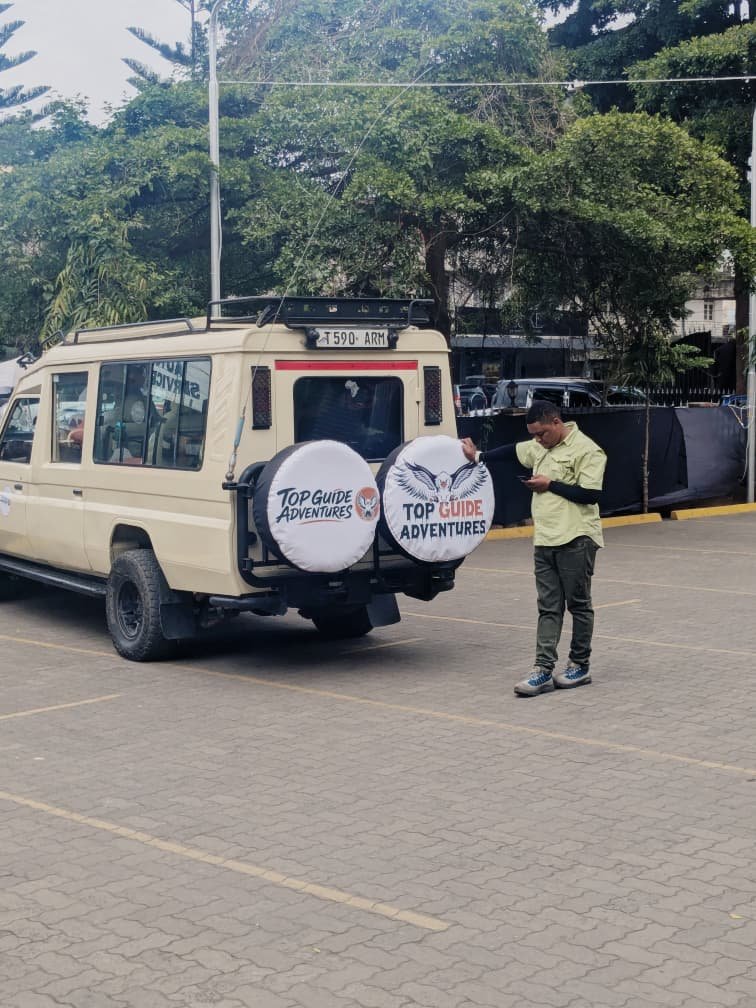
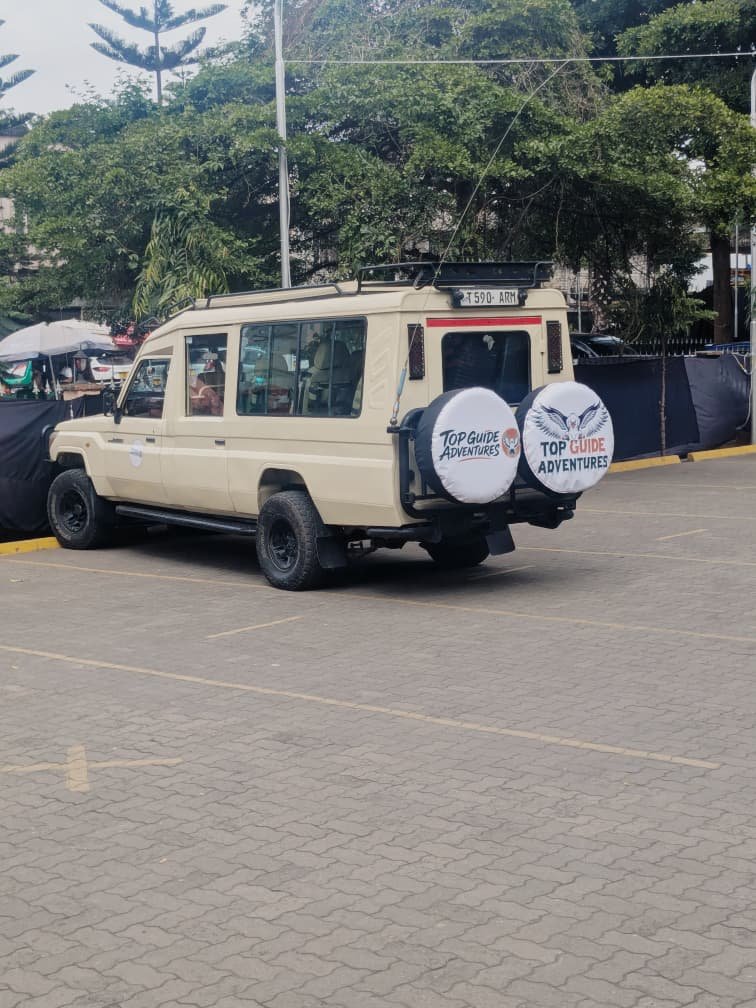
- Vehicle and Guide: Opt for a reputable tour operator that uses well-maintained 4×4 safari vehicles with pop-up roofs for optimal viewing and photography. An experienced, knowledgeable guide is paramount; they understand animal behavior, tracking techniques, and the best locations for sightings. Top Guide Adventures prides itself on its expert local guides.
- Photography: Bring a good camera with a telephoto lens. Binoculars are also essential for scanning the vast landscapes. Remember that cheetahs are often spotted from a distance.
- What to Pack: Lightweight, neutral-colored clothing is best. Pack layers for cooler mornings and evenings. Sun protection (hat, sunglasses, sunscreen) is vital. Comfortable walking shoes are recommended for any lodge or camp activities.
- Respect Wildlife: Always maintain a safe distance from animals. Never feed them or attempt to get too close. Follow your guide’s instructions at all times.
What to Expect on a Typical Cheetah Safari Day
A typical day on a cheetah safari in Tanzania starts early. You’ll usually head out on a morning game drive shortly after sunrise, the best time for predator activity. Your guide will use their knowledge to search for cheetahs, often looking for tracks or listening for alarm calls. You might spend time observing a cheetah hunting, resting, or interacting with its cubs. After a morning of searching, you’ll typically return to your lodge or camp for lunch and a rest during the hottest part of the day. In the late afternoon, you’ll head out again for an evening game drive, continuing your search until sunset.
Some lodges and camps in private concessions, like those bordering the Serengeti, may offer night game drives or walking safaris, which can provide different perspectives on wildlife, though cheetah sightings are still more common during daylight hours. For any Serengeti cheetah tours Booked for 2026 or 2027, discussing your preferred pace and interests with Top Guide Adventures will help shape your daily schedule.
Cheetah Conservation in Tanzania
Cheetah populations have faced significant declines globally due to habitat loss, human-wildlife conflict, and a lack of genetic diversity. Tanzania plays a vital role in the conservation of this species. National parks and game reserves provide protected areas where cheetahs can hunt and breed relatively safely. However, challenges remain, particularly outside protected areas.
By choosing to visit Tanzania for a cheetah safari, you are contributing to the local economy and supporting conservation efforts. Sustainable tourism practices, promoted by responsible tour operators, ensure that wildlife and their habitats are protected for future generations. When you book your Best parks for cheetahs Tanzania Adventure with us for 2026-2027, you are supporting a company committed to ethical wildlife tourism.
Comparing Safari Styles for Cheetah Viewing
Your safari experience can vary significantly based on the style of travel you choose. Top Guide Adventures offers flexible options to suit different preferences and budgets for your cheetah safari in Tanzania.
- Budget Camping Safaris: These tours involve staying in public campsites within or near the national parks. They are the most affordable option and offer a very close-to-nature experience. While basic, they still provide excellent access to wildlife viewing.
- Mid-Range Lodge Safaris: This is the most popular option, combining comfortable stays in mid-range lodges or tented camps with expertly guided game drives. These accommodations offer private rooms with en-suite facilities and good amenities.
- Luxury Safaris: For ultimate comfort and exclusivity, luxury safaris involve stays in high-end lodges and tented camps, often with gourmet dining, private plunge pools, and exceptional service. Some private concessions offer ultra-luxury experiences.
- Private vs. Group Safaris: A Private cheetah safari in Tanzania Offers maximum flexibility in terms of itinerary, timing, and pace. You have your own vehicle and guide. Group safaris, often with fixed departure dates, are more budget-friendly and offer a social experience. Top Guide Adventures offers both private and scheduled group departures for 2026-2027.
The choice of safari style can impact your comfort, budget, and the level of exclusivity you experience. However, regardless of the style, the quality of the guide and the chosen locations remain the most critical factors for successful cheetah sightings.
Itinerary Example: A 7-Day Serengeti & Ngorongoro Cheetah Focus
This sample itinerary highlights how you might structure a safari focused on cheetah viewing, combining the best of Serengeti and the unique Ngorongoro Crater. This is a template, and Top Guide Adventures can customize it to your specific interests for 2026-2027 travel.
Day 1: Arrival in Arusha & Safari Briefing
Arrive at Kilimanjaro International Airport (JRO), meet your guide, and transfer to your hotel in Arusha. Receive a briefing on your upcoming safari. Overnight in Arusha.
Day 2: Arusha to Tarangire National Park
After breakfast, drive to Tarangire National Park, known for its large elephant herds and baobab trees. Enjoy a full day of game drives, looking for lions, leopards, and potentially cheetahs in the park’s open grasslands. Overnight near Tarangire.
Day 3: Tarangire to Serengeti National Park
Continue your game drive in Tarangire before heading towards the legendary Serengeti National Park. Enter the park and begin your game drive en route to your lodge or camp, likely in the Seronera Valley region, a known cheetah hotspot. Overnight in Central Serengeti.
Day 4: Full Day Game Drives in Serengeti
Spend the entire day exploring the vast plains of the Serengeti. Focus on areas renowned for cheetah sightings, such as the open plains and kopjes. Your guide will track cheetahs, and you’ll have ample opportunities for photography and observing their behavior. Overnight in Central Serengeti.
Day 5: Serengeti to Ngorongoro Conservation Area
Enjoy a final morning game drive in the Serengeti, perhaps searching for any cheetahs you may have missed or observing other wildlife. Afterward, drive towards the Ngorongoro Conservation Area. You might stop at Olduvai Gorge en route. Overnight on the Ngorongoro Crater rim.
Day 6: Ngorongoro Crater Tour
Descend into the Ngorongoro Crater, a UNESCO World Heritage Site teeming with wildlife. The crater floor is a unique ecosystem supporting a high density of animals, including the Big Five. While lions and leopards are more common, cheetahs do occasionally venture onto the crater floor. Enjoy a full day of game viewing within this natural amphitheater. Overnight on the Ngorongoro Crater rim.
Day 7: Ngorongoro to Arusha & Departure
After breakfast, drive back to Arusha. You can choose to have a final lunch in Arusha before being transferred to Kilimanjaro International Airport (JRO) for your departure, or extend your stay.
Cost Considerations for Your Cheetah Safari
The cost of a Cheetah safari in Tanzania Can vary significantly based on several factors. When budgeting for a trip in 2026 or 2027, consider the following:
- Duration of the Safari: Longer safaris naturally incur higher costs.
- Accommodation Style: Budget camping is the most affordable, followed by mid-range lodges/tented camps, and then luxury lodges.
- Park Fees: National park and conservation area entrance fees are a significant part of the overall cost. These are set by the Tanzanian government and are subject to change.
- Vehicle Type and Exclusivity: Private safaris with dedicated vehicles and guides are more expensive than group tours.
- Season: Peak seasons (dry season) may have slightly higher accommodation rates.
- Inclusions: Ensure your safari package includes all meals, accommodation, park fees, game drives, a professional guide, and a 4×4 vehicle. Exclusions often include international flights, visa fees, travel insurance, tips, and personal expenses.
A rough estimate for a mid-range 7-day safari in Tanzania, focusing on parks like Serengeti and Ngorongoro, could range from $2,500 to $4,500 per person, excluding international flights. Budget camping safaris might start from $1,800 per person for a similar duration, while luxury options can easily exceed $6,000 per person. Top Guide Adventures provides detailed, customized quotes based on your specific requirements and chosen dates for 2026-2027 travel. Contact us directly for a personalized quotation.
Booking Your Cheetah Safari with Top Guide Adventures
Choosing the right tour operator is paramount for a successful and memorable cheetah safari in Tanzania. Top Guide Adventures is a trusted local company dedicated to providing personalized safari experiences with exceptional support.
We specialize in crafting tailor-made itineraries that focus on your interests, whether it’s maximizing cheetah sightings, witnessing the Great Migration, or exploring diverse ecosystems. Our experienced guides are passionate about Tanzanian wildlife and possess in-depth knowledge of animal behavior and tracking.
For inquiries about planning your Cheetah safari in Tanzania For 2026 or 2027, or to request a personalized quote, please reach out to us:
- WhatsApp: +255616946642
- Email: Topguideadventures@gmail.com
- Backup Email: Info@topguideadventures.com
We are committed to making your dream safari a reality, ensuring every detail is handled with care and professionalism. Let us help you plan an well-planned trip to witness the magnificent cheetahs in their natural Tanzanian home.
Check Availability for Cheetah Safari In Tanzania: Best Parks, Timing & Expert Tips 2026-2027
Ready to compare dates, prices, and the best option for your group? Send the package name and travel month so the team can reply with a clear quote, availability, and what is included.
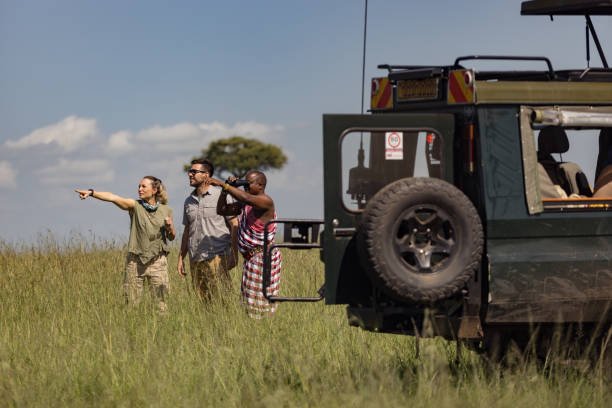
Best Month To Visit Tanzania For Safari And Zanzibar In 2026-2027
Planning your dream Tanzania adventure? This guide breaks down the best months to visit for optimal safari experiences, including the Great Migration, and idyllic beach time in Zanzibar...
View package details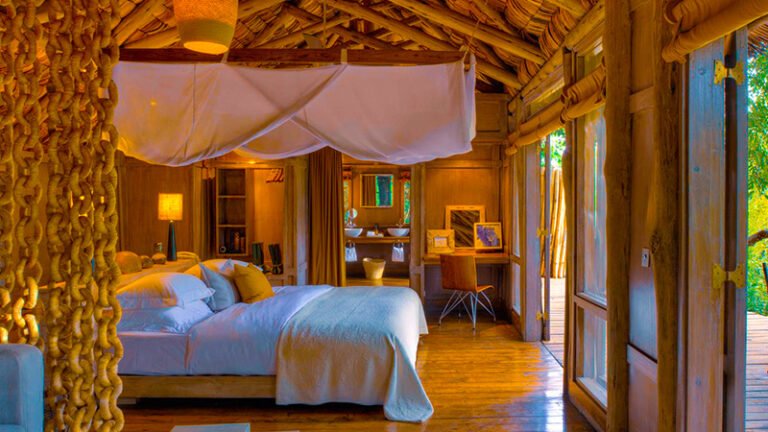
Big Five Safari Tanzania: Your Ultimate Guide For 2026-2027
Start an unforgettable Big Five safari adventure in Tanzania. This comprehensive guide covers everything you need to know for your 2026-2027 trip, from prime wildlife destinations to expert...
View package details
Big Five Tanzania Safari: Your Ultimate Guide To Spotting The Icons 2026-2027
Start an incredible Big Five Tanzania safari, a quest for the continent's most sought-after wildlife. This guide covers the best parks, optimal timing, and what to expect on your 2026-2027...
View package details
Elephant Safari Tanzania: Ultimate Guide To Witnessing Giants In 2026-2027
Discover the magic of an elephant safari in Tanzania, a truly awe-inspiring experience. This guide covers the best locations, timing, and tips for your 2026-2027 adventure to see these...
View package details
Family Safari Tanzania Packages: Expert Planning For Adventures 2026-2027
Planning a family safari in Tanzania for 2026 or 2027? Top Guide Adventures offers expertly crafted packages designed for all ages, ensuring a safe, educational, and thrilling wildlife...
View package details
French / International Safari: Planning Your Tanzanian Adventure 2026-2027
Discover the magic of a French or International Safari in Tanzania, a land of unparalleled wildlife and diverse landscapes. This guide provides essential planning information for travelers...
View package details
Group Joining Day Safari From Moshi: Experience Tanzanias Wildlife 2026-2027
Discover the thrill of a group joining day safari from Moshi, offering an accessible and budget-friendly way to experience Tanzania's incredible wildlife in 2026-2027. Explore iconic parks...
View package details
Group Safari From Moshi: Shared Tanzania Adventures In 2026-2027
Explore shared safari experiences departing from Moshi, Tanzania. This guide details group tour options for 2026-2027, focusing on popular Northern Circuit destinations like Serengeti and...
View package details
Grumeti Game Reserve: Your Ultimate Tanzania Safari Guide 2026-2027
Grumeti Game Reserve offers an exclusive and luxurious safari experience in Tanzania's Serengeti ecosystem, renowned for its high concentration of wildlife, especially during the Great...
View package details
Guide Safari Tanzania: Your Essential Planning For Adventures 2026-2027
Your comprehensive guide to planning an unforgettable Tanzania safari in 2026-2027. This article covers everything from choosing the best parks and wildlife viewing to understanding costs...
View package detailsHadzabe Safari Adventure: Witness The Last Hunter-Gatherers Of Tanzania
Start an extraordinary Hadzabe safari adventure in Tanzania to connect with one of the planet's last remaining hunter-gatherer communities. This unique journey offers a profound glimpse...
View package details
Leopard Safari Tanzania: Best Parks, Timing & Expert Tips For 2026-2027
Discover the thrill of a leopard safari in Tanzania. This guide covers the prime locations, best times to visit for sightings in 2026-2027, and essential planning advice from local experts.
View package detailsNo closely related package is available for this topic yet.



