
A leopard safari in Tanzania offers some of the best chances globally to spot these elusive big cats, with prime locations including the Serengeti National Park, Nyerere National Park (formerly Selous Game Reserve), and Tarangire National Park, best visited during the dry seasons from June to October and December to February for optimal visibility.
The Elusive Leopard: Tanzania’s Most Rewarding Big Cat Encounter
Tanzania is a premier destination for wildlife enthusiasts, and for many, the ultimate prize is a glimpse of the magnificent leopard. These solitary, incredibly stealthy predators are notoriously difficult to find, making a successful sighting a truly special moment. Unlike lions, which often congregate in prides, or cheetahs, which are more diurnal and visible in open plains, leopards are masters of camouflage and nocturnal hunting. They spend their days resting in trees or dense bush, often dragging their kills high into branches to keep them safe from scavengers like hyenas and lions. This arboreal habit and their preference for cover means that spotting a leopard requires patience, expert knowledge of their territories, and a good dose of luck. However, Tanzania, with its vast and diverse ecosystems, offers some of the highest densities of leopards and the most rewarding opportunities for a dedicated leopard safari.
When planning a Leopard safari in Tanzania, understanding the behaviour of these animals and the best locations to find them is crucial. This guide will equip you with the knowledge to maximize your chances, covering the top national parks, the ideal times to visit for leopard sightings, and practical tips for your adventure in 2026 and 2027.
Prime Locations for Leopard Safaris in Tanzania
While leopards are found in many of Tanzania’s protected areas, certain parks stand out for their leopard population and the accessibility of their habitats, making them ideal for a focused Leopard safari Tanzania Experience.
Serengeti National Park: The Endless Plains and Arboreal Hunters
The Serengeti is arguably Tanzania’s most famous national park, renowned for the Great Migration and its incredible biodiversity. It’s also a stronghold for leopards, particularly in areas with acacia woodlands and rocky kopjes. The Seronera Valley in the central Serengeti is often cited as one of the best places in Africa for leopard sightings. The abundance of prey, coupled with the presence of large trees and rock formations, provides ideal hunting grounds and resting spots for these big cats. Leopards here are accustomed to vehicles, and guides often know their preferred territories. During the dry season, when water sources become scarce, leopards may be more active and visible near the dwindling waterholes, sometimes even descending to drink.
Beyond Seronera, the Grumeti River area in the western Serengeti, especially during the migration season when large herds cross the river, offers opportunities. The riverine forests provide excellent cover for leopards. For those planning a Serengeti leopard tour In 2026 or 2027, focusing on the central and western regions during the drier months will significantly increase your chances.
Nyerere National Park (formerly Selous Game Reserve): A Wilderness Haven
Vast and wild, Nyerere National Park is the largest game reserve in Africa and a UNESCO World Heritage Site. Historically known as the Selous Game Reserve, it boasts a healthy leopard population, though they are generally more elusive here than in the central Serengeti due to the park’s immense size and less concentrated tourist traffic. The Rufiji River and its tributaries are key areas to search. The dense riverine vegetation and miombo woodlands create perfect habitats for leopards. Boat safaris on the Rufiji River offer a unique perspective and can sometimes lead to sightings of leopards coming to drink or crossing the riverbanks. Nyerere is also known for its walking safaris, which, when conducted with experienced guides, can provide intimate encounters with the bush and potentially lead to leopard tracks or even a sighting.
A dedicated Nyerere National Park leopard Safari might require more patience and longer game drives, but the reward of experiencing this less-visited wilderness can be immense. The southern parts of the park, less frequented by visitors, might hold even more undisturbed leopard populations.
Tarangire National Park: The Land of Giants and Stealthy Predators
Famous for its massive elephant herds and iconic baobab trees, Tarangire National Park also hosts a good number of leopards. The park’s diverse landscape, including acacia woodlands, grasslands, and the Tarangire River, provides varied habitats. Leopards here are known to utilize the large branches of the ancient baobab trees for resting and storing kills. During the dry season, when wildlife congregates around the Tarangire River, there are increased opportunities to spot predators, including leopards, actively hunting or resting in the surrounding vegetation. The park’s relatively smaller size compared to the Serengeti makes it easier to cover ground during game drives, and experienced guides are adept at tracking leopards.
Other Notable Locations
While the Serengeti, Nyerere, and Tarangire are top-tier, other areas can also yield leopard sightings:
- Lake Manyara National Park: Known for its tree-climbing lions, Manyara’s dense groundwater forest also supports leopards, though they can be challenging to spot due to the thick foliage.
- Ruaha National Park: Tanzania’s second-largest park, Ruaha, is a wild and remote destination with a significant leopard population. Its rugged terrain and vast wilderness offer a true off-the-beaten-path experience for leopard enthusiasts.
Timing Your Leopard Safari for Maximum Sightings (2026-2027)
The best time for any safari in Tanzania is often dictated by the weather and wildlife movements, and this holds true for Tanzania leopard sightings. Leopards are most visible when the vegetation is less dense and when prey animals congregate around limited water sources.
The Dry Seasons: June to October and December to February
Tanzania experiences two main dry seasons, which are generally considered the peak times for wildlife viewing, including leopards:
- June to October (Long Dry Season): This is the most popular time for safaris. The landscape dries out, forcing animals to concentrate around permanent water sources like rivers and lakes. This makes prey more predictable and, consequently, attracts predators like leopards. The vegetation thins out, improving visibility. The annual Great Migration is typically in the western and northern Serengeti during these months, drawing large numbers of wildebeest and zebras, which in turn attract predators. This period offers excellent opportunities for spotting leopards, especially in the Serengeti and Tarangire.
- December to February (Short Dry Season): This period often coincides with the calving season of the wildebeest in the southern Serengeti (around Ndutu). While it can be warmer and might experience occasional short rains, the concentration of prey animals creates excellent hunting conditions for leopards. The southern plains are particularly good during these months.
The Green Season: November and March to May
The green season, characterized by rainfall, can be a beautiful time to visit Tanzania with lush landscapes and fewer crowds. However, spotting leopards can be more challenging:
- November (Short Rains): This month can be transitional, with a mix of dry spells and rain. Wildlife begins to disperse as rains replenish water sources.
- March to May (Long Rains): This is the wettest period. Heavy rains can make roads impassable, and the dense vegetation provides excellent cover for leopards, making them harder to spot. While wildlife is abundant, visibility is significantly reduced, and many tourists prefer to avoid this season for serious big cat tracking.
For a dedicated Leopard safari Tanzania In 2026 or 2027, aiming for the dry seasons is highly recommended. Early booking for these popular periods is essential, especially for 2027.
Maximizing Your Leopard Sighting Chances: Expert Strategies
Spotting a leopard is a skill that combines knowledge, technology, and experienced guiding. Here are key strategies to enhance your chances:
1. Choose the Right Park and Area
As discussed, parks like the Serengeti (especially Seronera Valley), Nyerere, and Tarangire are your best bets. Within these parks, guides will focus on known leopard territories – areas with large trees, rocky outcrops (kopjes), and riverine bush.
2. Hire an Experienced Local Guide
This is paramount. Local guides have an intimate understanding of leopard behaviour, their territories, and their habits. They know where leopards are typically found resting during the day and where they might hunt at dawn and dusk. They are skilled at reading tracks, listening for alarm calls from other animals, and spotting the subtle signs of a leopard’s presence.
Top Guide Adventures prides itself on employing some of the most knowledgeable guides in Tanzania. For your Leopard safari Tanzania In 2026-2027, our guides’ expertise is invaluable. You can reach us for inquiries via WhatsApp at +255616946642 Or email at Topguideadventures@gmail.com.
3. Opt for Early Morning and Late Afternoon Game Drives
Leopards are primarily crepuscular, meaning they are most active during dawn and dusk. Early morning drives, just as the sun begins to rise, are prime times to catch them returning from a night’s hunt or finding a daytime resting spot. Similarly, late afternoon drives, leading into the evening, offer chances to see them becoming active as darkness approaches.
4. Be Patient and Persistent
Leopard sightings are rarely guaranteed. It requires patience. Sometimes, a leopard might be heard but not seen, or only a fleeting glimpse is possible. Your guide will likely spend considerable time in known leopard areas, waiting and searching. It’s important to trust the process and the guide’s expertise.
5. Look for Signs
Guides will be looking for:
- Tracks: Fresh leopard tracks in the dust or mud.
- Scat: Leopard droppings, which can indicate recent activity in the area.
- Scratch Marks: On trees, indicating a leopard’s territory.
- Prey Remains: Especially a kill stashed in a tree.
- Alarm Calls: The distress calls of monkeys or birds often signal the presence of a predator like a leopard.
6. Consider Night Game Drives (Where Permitted)
In some areas, like Nyerere National Park, night game drives are permitted and can significantly increase your chances of seeing nocturnal animals, including leopards, which are highly active after dark. Using spotlights allows guides to scan the bush for reflective eyes.
7. Stay in Lodges/Camps within Leopard Habitats
Some lodges and tented camps are strategically located in areas known for leopard activity. Staying in or near these areas means you might even spot a leopard near your camp after dark or early in the morning.
The Thrill of a Leopard Sighting
The moment a leopard is spotted is electrifying. It might be a flash of spotted fur disappearing into the undergrowth, a magnificent male perched regally on a thick branch, or a mother with her cubs. Their sheer beauty, the intricate pattern of their rosettes, and their powerful physique are awe-inspiring. The experience is heightened by the knowledge of how difficult they are to find. It’s a testament to your guide’s skill and your own patience.
A successful Leopard safari Tanzania Often involves early mornings and late evenings, scanning the trees and dense bush. Your guide might stop the vehicle, switch off the engine, and simply listen. The rustle of leaves, a distant chirp from a bird, or the subtle flick of a tail can give away their presence. When a leopard is found, the atmosphere becomes hushed. Everyone watches, cameras ready, trying to capture the magic of this solitary hunter.
Planning Your Leopard Safari Package for 2026-2027
When booking a Leopard safari Tanzania, consider how to best structure your itinerary to maximize your chances while enjoying the full Tanzanian safari experience. Top Guide Adventures specializes in creating tailor-made itineraries that cater to your specific interests, including a strong focus on big cat sightings.
Sample Itinerary Focus: Serengeti and Tarangire
A 7-10 day safari could focus on Tarangire and the Serengeti, offering a high probability of leopard sightings.
Example Itinerary Snippet (Days 3-5): Serengeti National Park
- Day 3: Seronera Valley Exploration. Full day game drive in the Seronera Valley, known for its high leopard density. Focus on acacia woodlands and kopjes. Picnic lunch. Evening game drive.
- Day 4: Western Serengeti / Grumeti River. Morning drive towards the western corridor, exploring areas along the Grumeti River, known for its riverine forests and potential leopard sightings, especially if the migration is present.
- Day 5: Central Serengeti & Departure to Arusha. Final morning game drive in the central Serengeti, revisiting known leopard spots or exploring new areas. Transfer to Seronera Airstrip for a flight back to Arusha.
Duration and Pace
For a dedicated Leopard safari Tanzania, we recommend a minimum of 3-4 days in a prime leopard location like the Serengeti. However, combining it with other parks like Tarangire or Nyerere will require a longer trip, typically 7-14 days. A slower pace allows for more time in known leopard territories, increasing your chances.
Accommodation Styles
Accommodation ranges from budget-friendly tented camps to luxurious lodges. For leopard viewing, camps and lodges located within or close to prime leopard habitats are ideal. Some offer guided walks or night drives that can enhance your experience.
Customization for 2026-2027
We understand that every traveler is unique. Whether you are looking for a private safari with a dedicated vehicle and guide, or joining a small group departure, we can craft an itinerary for 2026-2027 That perfectly suits your needs. Our tailored safaris ensure you spend ample time in areas known for leopard activity.
For a personalized quote and to discuss your dream Leopard safari Tanzania, please contact us:
- WhatsApp: +255616946642
- Email: Topguideadventures@gmail.com
- Backup Email: Info@topguideadventures.com
You can also explore our group departures for shared experiences and cost savings: Tanzania Safari Group Departures.
What to Pack for Your Leopard Safari
Packing correctly ensures comfort and practicality during your safari. For a Leopard safari Tanzania, consider these essentials:
- Neutral-coloured clothing: Khaki, beige, olive green are ideal. Avoid bright colours.
- Lightweight layers: Mornings and evenings can be cool, while midday is hot.
- Comfortable walking shoes: For any walking safaris or exploring camps.
- Sun protection: Wide-brimmed hat, sunglasses, high SPF sunscreen.
- Insect repellent: Especially for evenings.
- Binoculars: Crucial for spotting wildlife at a distance.
- Camera with zoom lens: To capture those elusive leopards from afar.
- Headlamp or flashlight: Useful for navigating camps at night.
- Personal first-aid kit.
Understanding Leopard Behaviour
To appreciate your leopard sightings fully, a little knowledge about their behaviour is helpful:
- Solitary Nature: Leopards are largely solitary, except during mating or when females are raising cubs.
- Territorial: They are highly territorial and mark their boundaries with scent.
- Arboreal Habits: They are excellent climbers and often rest in trees or drag their kills into them. Look up!
- Camouflage Masters: Their spotted coat provides superb camouflage, making them incredibly difficult to spot in the wild.
- Nocturnal/Crepuscular: Most active at night, dawn, and dusk.
Understanding these traits helps you and your guide know where and when to look for them, increasing the success rate of your Tanzania leopard sightings.
Safety During Your Leopard Safari
Safety is always a priority. Your guide will provide strict instructions, which are essential to follow:
- Stay in the Vehicle: Unless on a guided walking safari, never exit your vehicle in the park without explicit permission from your guide.
- Do Not Approach Wildlife Closely: Maintain a safe distance from all animals, especially predators.
- Listen to Your Guide: They are trained professionals and know how to handle wildlife encounters safely.
- Keep Your Voice Down: Loud noises can disturb wildlife.
Leopards are powerful predators, and while they are generally shy of humans, it’s crucial to respect their space and follow all safety protocols. Your guide will ensure a safe and responsible viewing experience.
Why Choose Top Guide Adventures for Your Leopard Safari?
Choosing the right tour operator can make all the difference in your safari experience. Top Guide Adventures offers:
- Expert Local Guides: Our guides are passionate, knowledgeable, and dedicated to providing exceptional wildlife viewing opportunities, including maximizing your chances for Leopard safari Tanzania Encounters.
- Tailor-Made Itineraries: We craft unique safaris based on your interests, budget, and time, ensuring your trip is exactly as you envision.
- Personalized Service: From initial inquiry to your return home, you receive dedicated support and attention.
- Commitment to Quality: We partner with reputable lodges and camps and ensure comfortable, reliable transportation.
- Experience for 2026-2027: We have extensive experience planning safaris for the upcoming seasons, understanding the best times and locations for sightings.
We believe in providing authentic and memorable safari experiences. Our commitment to personal attention and dedicated support means your Leopard safari Tanzania Will be an adventure you cherish forever. Explore our offerings and read reviews from satisfied clients on TripAdvisor: TripAdvisor Reviews.
Don’t miss the chance to witness one of Africa’s most elusive and beautiful big cats in their natural habitat. Plan your ultimate Leopard safari Tanzania With us for 2026 or 2027. Contact us today to start planning!
Check Availability for Leopard Safari Tanzania: Best Parks, Timing & Expert Tips For 2026-2027
Ready to compare dates, prices, and the best option for your group? Send the package name and travel month so the team can reply with a clear quote, availability, and what is included.
Best Month To Visit Tanzania For Safari And Zanzibar In 2026-2027
Planning your dream Tanzania adventure? This guide breaks down the best months to visit for optimal safari experiences, including the Great Migration, and idyllic beach time in Zanzibar...
View package details
Big Five Safari Tanzania: Your Ultimate Guide For 2026-2027
Start an unforgettable Big Five safari adventure in Tanzania. This comprehensive guide covers everything you need to know for your 2026-2027 trip, from prime wildlife destinations to expert...
View package details
Big Five Tanzania Safari: Your Ultimate Guide To Spotting The Icons 2026-2027
Start an incredible Big Five Tanzania safari, a quest for the continent's most sought-after wildlife. This guide covers the best parks, optimal timing, and what to expect on your 2026-2027...
View package details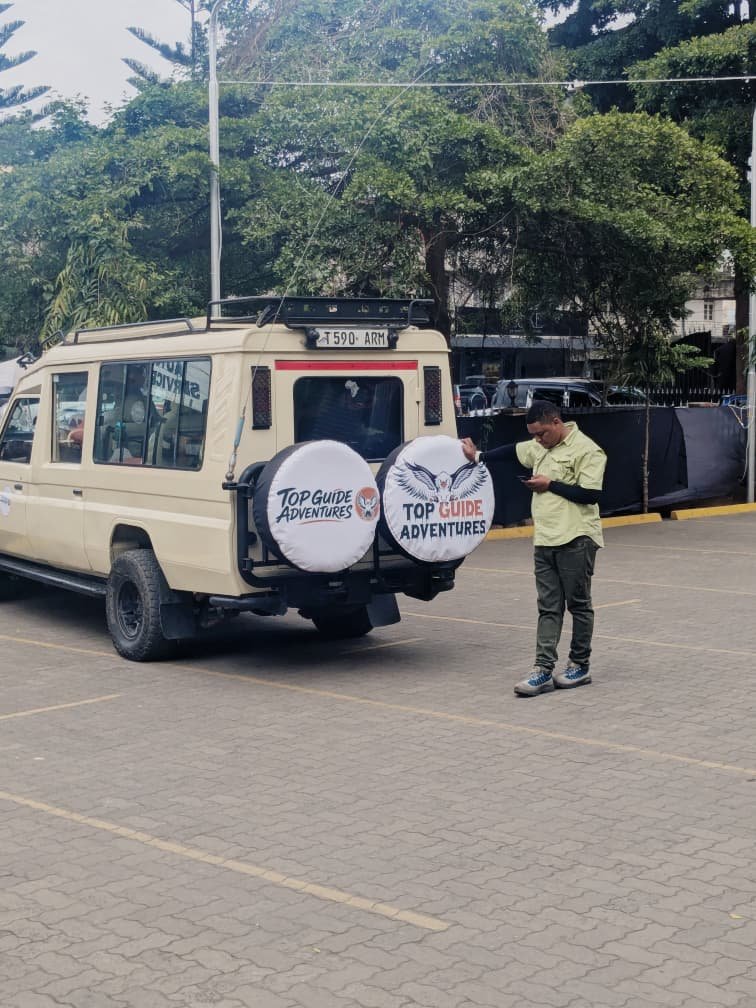
Cheetah Safari In Tanzania: Best Parks, Timing & Expert Tips 2026-2027
Plan your ultimate cheetah safari in Tanzania with this comprehensive guide. Learn about the prime locations, best times to visit for sightings, and expert advice for an unforgettable...
View package details
Elephant Safari Tanzania: Ultimate Guide To Witnessing Giants In 2026-2027
Discover the magic of an elephant safari in Tanzania, a truly awe-inspiring experience. This guide covers the best locations, timing, and tips for your 2026-2027 adventure to see these...
View package details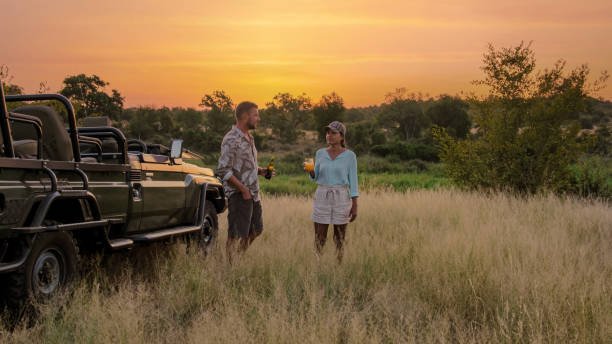
Family Safari Tanzania Packages: Expert Planning For Adventures 2026-2027
Planning a family safari in Tanzania for 2026 or 2027? Top Guide Adventures offers expertly crafted packages designed for all ages, ensuring a safe, educational, and thrilling wildlife...
View package details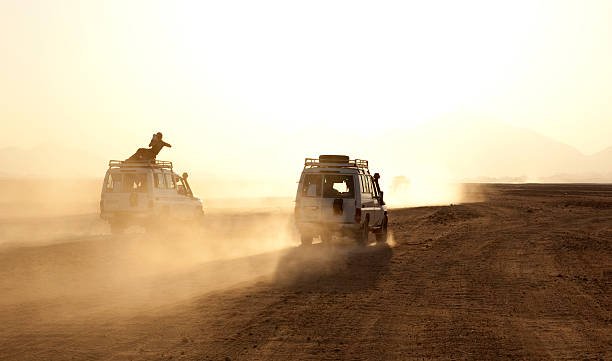
French / International Safari: Planning Your Tanzanian Adventure 2026-2027
Discover the magic of a French or International Safari in Tanzania, a land of unparalleled wildlife and diverse landscapes. This guide provides essential planning information for travelers...
View package details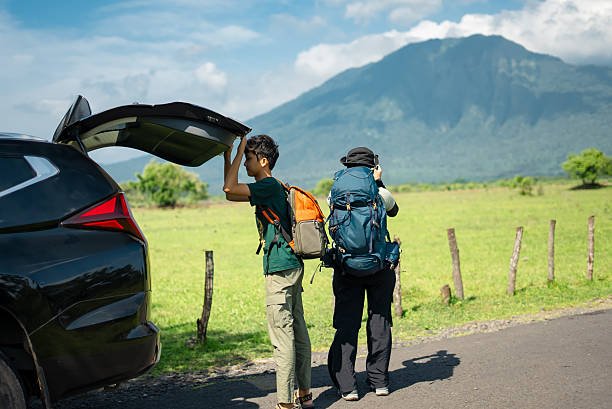
Group Joining Day Safari From Moshi: Experience Tanzanias Wildlife 2026-2027
Discover the thrill of a group joining day safari from Moshi, offering an accessible and budget-friendly way to experience Tanzania's incredible wildlife in 2026-2027. Explore iconic parks...
View package details
Group Safari From Moshi: Shared Tanzania Adventures In 2026-2027
Explore shared safari experiences departing from Moshi, Tanzania. This guide details group tour options for 2026-2027, focusing on popular Northern Circuit destinations like Serengeti and...
View package details
Grumeti Game Reserve: Your Ultimate Tanzania Safari Guide 2026-2027
Grumeti Game Reserve offers an exclusive and luxurious safari experience in Tanzania's Serengeti ecosystem, renowned for its high concentration of wildlife, especially during the Great...
View package details
Guide Safari Tanzania: Your Essential Planning For Adventures 2026-2027
Your comprehensive guide to planning an unforgettable Tanzania safari in 2026-2027. This article covers everything from choosing the best parks and wildlife viewing to understanding costs...
View package detailsHadzabe Safari Adventure: Witness The Last Hunter-Gatherers Of Tanzania
Start an extraordinary Hadzabe safari adventure in Tanzania to connect with one of the planet's last remaining hunter-gatherer communities. This unique journey offers a profound glimpse...
View package detailsNo closely related package is available for this topic yet.



