
Equatorial Guinea presents a distinctive travel experience focused on its lush rainforests, unique wildlife, and the rich cultural heritage of its islands and mainland. For travelers planning visits in 2026-2027, expect opportunities for exploring national parks, encountering endemic species, engaging with local communities, and experiencing a less-visited corner of West Africa. While not a traditional safari destination like Tanzania, it offers exceptional ecotourism potential, particularly on islands like Bioko and Annobón, with activities ranging from birdwatching and hiking to exploring colonial history and vibrant local life. Planning your trip involves understanding visa requirements, the best times to visit, and how to navigate its infrastructure, ideally with the support of experienced local operators.
Discovering Equatorial Guinea: An Undiscovered Gem for 2026-2027 Adventures
Equatorial Guinea, a nation often overlooked on the African travel map, holds immense potential for the adventurous traveler seeking authentic experiences away from the typical tourist trails. Comprising a mainland territory (Río Muni) and two major islands, Bioko and Annobón, this Central African country boasts a unique geographical position along the Equator, contributing to its rich biodiversity and distinct cultural landscape. For those looking ahead to 2026 and 2027, planning a journey here means preparing for an exploration of dense rainforests, volcanic coastlines, and a fascinating blend of Spanish colonial history and indigenous traditions.
Unlike the renowned wildlife-focused safaris of East Africa, Equatorial Guinea offers a different kind of adventure. Its appeal lies in its raw, natural beauty, its status as a biodiversity hotspot, and the opportunity to witness a way of life that remains largely untouched by mass tourism. From the bustling capital city of Malabo on Bioko Island to the remote, volcanic landscapes of Annobón, this nation promises a trip for those willing to venture off the beaten path. Top Guide Adventures, while primarily known for its exceptional Tanzania tours, can assist in understanding the broader context of African travel and the unique possibilities Equatorial Guinea presents for intrepid explorers.
Geographical mix: Islands and Mainland Wonders
The geography of Equatorial Guinea is its most defining characteristic, setting it apart from many other African destinations. The country is divided into two distinct geographical regions: the island territories and the mainland coastal region.
Bioko Island: The Emerald Jewel
Bioko Island, formerly Fernando Pó, is the largest of Equatorial Guinea’s islands and home to the nation’s capital, Malabo. It’s a volcanic island characterized by dramatic landscapes, including three major volcanic peaks: Pico Basile (the highest point in the country), Pico Biao, and Pico Chucumayo. The island’s northern coast is more populated and developed, while the southern and eastern parts are covered in dense rainforest, offering incredible biodiversity. This region is crucial for understanding the country’s ecological significance, with numerous endemic species of plants and animals, especially birds and primates. The rainforests here are vital for conservation efforts and represent a significant draw for ecotourists interested in pristine natural environments. Planning for 2026-2027 visits to Bioko should include exploring areas like the Gran Caldera de Luba National Park for its rich biodiversity.
Annobón Island: The Volcanic Outpost
Annobón, also known as Pagalu, is the southernmost island and lies in the Gulf of Guinea, a considerable distance from Bioko and the mainland. This small, intensely volcanic island is a UNESCO Biosphere Reserve and a true paradise for nature lovers. Its dramatic crater lakes, such as Lake Bassa, and rugged coastline are spectacular. Annobón is incredibly remote, with limited infrastructure, making it one of the least visited places on Earth. For travelers in 2026-2027 seeking ultimate seclusion and unparalleled natural beauty, Annobón offers a unique, albeit challenging, travel experience. Its isolation has preserved its natural environment, making it a critical habitat for marine life and a haven for unique terrestrial species.
Río Muni: The Mainland Rainforest
The mainland territory, Río Muni, is significantly larger than the islands and comprises about 90% of the country’s landmass. It is characterized by a coastal plain that rises to a series of inland hills and mountains, forming part of the Congo Basin. This region is dominated by vast, primary rainforests, making it a crucial area for biodiversity conservation in Central Africa. Major rivers like the Benito (Ntem) and Muni flow through this territory, shaping the landscape and supporting diverse ecosystems. The rainforests of Río Muni are home to gorillas, chimpanzees, forest elephants, and a myriad of bird species. Exploring this region offers a glimpse into a wilder, more remote Equatorial Guinea, with opportunities for trekking and wildlife observation, especially in areas like the Monte Alén National Park.
Wildlife and Biodiversity: A Primate and Avian Paradise
Equatorial Guinea is a global biodiversity hotspot, particularly renowned for its primate populations and diverse birdlife. The country’s extensive primary rainforests provide critical habitats for numerous species, many of which are endemic or endangered. While not a destination for large-scale savanna safaris, it offers incredible opportunities for wildlife encounters for those interested in forest ecosystems.
Primate Encounters
The dense forests of both Bioko Island and mainland Río Muni are home to a significant variety of primates. These include several species of monkeys, such as the red colobus, putty-nosed monkey, and Campbell’s monkey. More elusive are the great apes. Chimpanzees are found in the mainland rainforests, and while sightings can be challenging due to their shy nature and the dense vegetation, their presence underscores the ecological importance of these areas. Bioko Island is also known for its unique primate species, including the black colobus monkey and the drill. Conservation efforts are underway to protect these species and their habitats, making responsible wildlife viewing a key aspect of any visit planned for 2026-2027.
Avian Wonders
Equatorial Guinea is a birdwatcher’s dream, boasting a high diversity of avian species, with over 600 recorded. The country’s varied habitats, from coastal mangroves and lowland forests to montane forests, support a rich array of birds. Bioko Island, in particular, is famous for its endemic birds, such as the Bioko batis, Bioko speirops, and the white-throated mountain-babbler. The mainland’s extensive rainforests are home to iconic African forest birds, including various hornbills, turacos, and parrots. Birding tours focusing on specific endemic species and habitats can be highly rewarding for dedicated ornithologists and nature enthusiasts planning their trips for the 2026-2027 seasons.
Marine Life and Other Species
The coastal waters and islands of Equatorial Guinea are also rich in marine life. Annobón, in particular, is a vital area for sea turtles, with several species nesting on its beaches. Whale and dolphin watching opportunities exist, especially during certain times of the year. On land, beyond primates, the rainforests harbor other fascinating creatures like forest elephants, leopards (though rarely seen), various antelopes, and a vast array of reptiles and amphibians. The country’s commitment to establishing and maintaining national parks like Monte Alén and Gran Caldera de Luba is crucial for the survival of these species.
Key Destinations and Activities for 2026-2027
Planning a trip to Equatorial Guinea involves identifying the key areas that offer the most rewarding experiences. The country’s tourism infrastructure is still developing, so focusing on its natural and cultural highlights is essential.
Malabo and Bioko Island Exploration
Malabo, the capital city situated on Bioko Island, serves as the primary entry point for most international visitors. While a relatively small city, it offers a glimpse into the country’s administrative and economic life. Key attractions include the Presidential Palace, the Grand Mosque, and the bustling central market. Beyond the city, Bioko Island beckons with its natural wonders. A visit to the Gran Caldera de Luba National Park is a must for nature lovers, offering hiking trails through lush forests and opportunities to spot endemic wildlife. The southern coast of Bioko also holds historical significance with old cocoa plantations and fishing villages that provide insight into the island’s past and present.
Annobón: The Remote Paradise
Reaching Annobón is an adventure in itself, typically requiring a flight from Malabo or a sea journey. This isolated island is a destination for the truly intrepid. Its dramatic volcanic landscapes, including the stunning crater lake, are its main draw. Activities here revolve around nature: exploring the unique flora and fauna, birdwatching, and appreciating the tranquility. The beaches, often pristine and untouched, are important nesting grounds for sea turtles. Annobón offers a profound sense of isolation and raw natural beauty, making it an unforgettable experience for those who make the journey in 2026 or 2027.
Río Muni National Parks: Monte Alén and Beyond
The mainland territory of Río Muni is characterized by its vast rainforests and protected areas. Monte Alén National Park is the most prominent, offering a chance to explore the heart of the country’s primary forest. Hiking trails allow visitors to experience the dense vegetation, waterfalls, and the chance to encounter wildlife such as monkeys and various bird species. While challenging to navigate, Río Muni’s natural parks are critical for conservation and offer a profound wilderness experience. For travelers in 2026-2027 interested in deep jungle exploration and understanding conservation challenges, Río Muni is the primary focus.
Cultural Immersion and Local Life
Equatorial Guinea’s culture is a rich blend of indigenous traditions and Spanish colonial influence. Exploring local markets, engaging with communities, and understanding the history are integral parts of the travel experience. The Fang people, the largest ethnic group, have a rich artistic tradition, particularly in sculpture and mask-making. Visiting villages can offer insights into traditional lifestyles, though it’s important to approach such interactions with respect and cultural sensitivity. The country’s history, marked by its past as a Spanish colony, is visible in its architecture and some customs, especially in older towns.
Planning Your Equatorial Guinea Trip: Practical Considerations for 2026-2027
A trip to Equatorial Guinea requires careful planning due to its developing tourism infrastructure and unique logistical challenges. Understanding these aspects well in advance is crucial for a successful journey in 2026-2027.
Visa Requirements
Most foreign nationals require a visa to enter Equatorial Guinea. The process typically involves applying through an embassy or consulate of Equatorial Guinea in your home country or a designated country. It is advisable to start the visa application process well in advance of your planned travel dates, as it can sometimes be time-consuming. Some nationalities may be able to obtain a visa upon arrival, but it is always best to confirm the latest regulations with the relevant authorities or your tour operator. For travelers in 2026-2027, checking the most up-to-date visa policies is essential.
Best Time to Visit
Equatorial Guinea has a tropical climate characterized by high temperatures and humidity year-round, with distinct wet and dry seasons. The best time to visit for most travelers is during the dry seasons, which generally run from December to February and from June to August. During these months, rainfall is less frequent, making travel and outdoor activities more comfortable. The rainy seasons (March to May and September to November) can bring heavy downpours, which may affect travel plans, especially on unpaved roads. However, these periods can offer lush green landscapes and fewer tourists.
Health and Vaccinations
Several vaccinations are recommended or required for travel to Equatorial Guinea. Yellow fever vaccination is mandatory, and proof of immunization is typically required for entry. Other recommended vaccinations include Hepatitis A, Typhoid, Hepatitis B, and routine immunizations. Malaria is prevalent, so malaria prophylaxis is strongly advised, along with using insect repellent and protective clothing to prevent mosquito bites. It is essential to consult with a travel health professional well in advance of your trip to discuss the latest health recommendations and to obtain necessary prescriptions. Ensuring your health is prioritized will make your 2026-2027 adventure smoother.
Getting Around
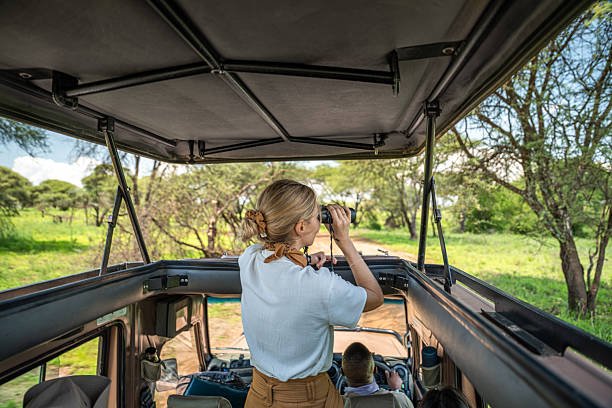
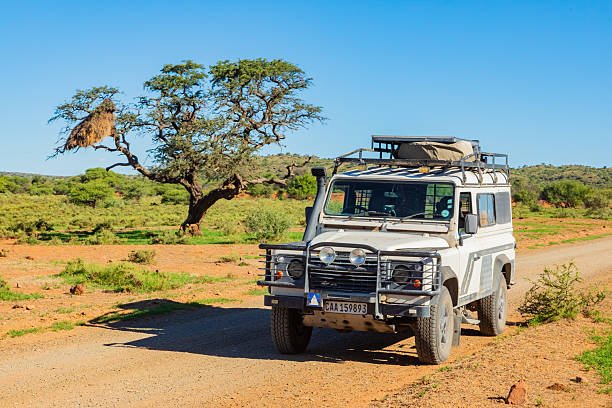
Internal travel in Equatorial Guinea can be challenging. The road network is limited, and many roads, especially outside the main cities, are unpaved and can become impassable during the rainy season. Flights between Malabo (Bioko) and Bata (mainland) are the most reliable way to cover long distances, though they can be subject to delays. Taxis are available in cities, but for exploring national parks or more remote areas, hiring a 4×4 vehicle with a driver is highly recommended. Many visitors opt for organized tours that include transportation, as this simplifies logistics considerably and ensures access to difficult-to-reach locations.
Accommodation
Accommodation options in Equatorial Guinea are somewhat limited, particularly outside the capital city. Malabo offers a range of hotels, from international chains to smaller guesthouses, catering to business travelers and tourists. On Bioko Island and in mainland cities like Bata, there are a few hotels and lodges. However, in more remote areas and national parks, accommodation is basic, often consisting of simple guesthouses or lodges that cater primarily to researchers or conservation staff. For travelers in 2026-2027 seeking comfort, booking well in advance is crucial, and opting for tours that arrange accommodation is often the most practical approach.
Why Choose Equatorial Guinea for Your Next Adventure?
Equatorial Guinea offers a travel experience that is profoundly different from mainstream tourist destinations. It appeals to a specific type of traveler – one who values authenticity, pristine nature, and the thrill of exploring the unknown.
Unspoiled Natural Beauty
The country’s most significant draw is its remarkably unspoiled natural environment. With vast tracts of primary rainforest, dramatic volcanic coastlines, and diverse ecosystems, it is a haven for biodiversity. For ecotourists, birdwatchers, and those who appreciate raw, untamed landscapes, Equatorial Guinea provides unparalleled opportunities. The chance to explore areas like Monte Alén or the Gran Caldera de Luba National Park offers a deep connection with nature that is increasingly rare in the modern world.
Rich Biodiversity and Endemic Species
As a biodiversity hotspot, Equatorial Guinea is home to a wealth of wildlife, including a significant number of endemic species. The chance to see unique primates, rare birds, and other forest dwellers in their natural habitat is a major attraction. For scientists, researchers, and passionate nature enthusiasts, the country offers invaluable opportunities for observation and study. Planning a trip for 2026-2027 with a focus on wildlife could yield unforgettable sightings.
Cultural Authenticity
Unlike many destinations that have been heavily influenced by mass tourism, Equatorial Guinea retains a strong sense of cultural authenticity. Interactions with local communities offer genuine insights into traditions, customs, and daily life. The blend of indigenous cultures and colonial history creates a unique societal fabric that is fascinating to explore. Experiencing local markets, understanding traditional practices, and appreciating the local arts provides a deeper connection to the country.
Off-the-Beaten-Path Adventure
For travelers seeking an adventure that truly takes them away from the crowds, Equatorial Guinea is an ideal choice. Its developing tourism sector means that exploring this nation is an expedition into a less-traveled part of the world. This offers a sense of discovery and accomplishment, making the journey itself a significant part of the experience. Those planning for 2026-2027 who desire a unique and memorable adventure will find Equatorial Guinea highly rewarding.
Integrating Equatorial Guinea into a Broader African Travel Vision
While Top Guide Adventures specializes in Tanzania, understanding the diverse travel offerings across Africa is key to appreciating unique destinations like Equatorial Guinea. Comparing its offerings to more established African travel experiences can highlight its distinct appeal.
Tanzania, for instance, is globally renowned for its vast national parks like the Serengeti and Ngorongoro Crater, offering iconic savanna safaris with abundant large wildlife such as lions, elephants, and wildebeest. The landscape is characterized by open plains, acacia trees, and dramatic geological features. The tourism infrastructure is well-developed, catering to a wide range of travelers from budget to luxury.
Equatorial Guinea, in contrast, offers a different ecological niche. Its strengths lie in its dense rainforests, primate populations, and unique island ecosystems. Instead of large herds on open plains, travelers here seek out elusive forest dwellers, endemic birds, and the raw beauty of untouched jungle. The infrastructure is less developed, demanding a more adventurous spirit and often requiring specialized local knowledge to navigate effectively. This makes it ideal for travelers who have perhaps already experienced traditional safaris and are looking for a new frontier in ecotourism and cultural discovery.
For those planning extensive African travels in 2026-2027, combining a traditional safari in a country like Tanzania with an ecotourism-focused exploration of Equatorial Guinea could offer an incredibly diverse and comprehensive understanding of the continent’s natural and cultural wealth. Top Guide Adventures, with its expertise in organizing complex African journeys, can provide guidance on how to approach such multifaceted travel plans, even for destinations outside its primary operational area.
Navigating Logistics: Tips for 2026-2027 Travelers
Successfully navigating Equatorial Guinea requires attention to detail and flexibility. Here are some practical tips to help ensure a smoother trip for those planning to visit in 2026 or 2027.
Embrace Flexibility
Travel within Equatorial Guinea, particularly outside Malabo and Bata, can be unpredictable. Flights may be delayed or rescheduled, and road conditions can change rapidly due to weather. It is essential to build flexibility into your itinerary and to maintain a positive attitude when encountering unexpected changes. Having buffer days can be invaluable.
Local Currency and Payments
The official currency is the Central African CFA franc (XAF). While credit cards may be accepted in some larger hotels and establishments in Malabo and Bata, cash is essential for most transactions, especially in smaller towns and rural areas. It is advisable to carry sufficient cash in local currency or major international currencies like USD or EUR, which can sometimes be exchanged. ATMs are scarce outside the main cities.
Language
The official languages are Spanish and French. However, Portuguese is also an official language due to historical ties with the island of Annobón. Many local languages and dialects are spoken across the country. While English is spoken in some tourist-oriented establishments, it is not widely spoken. Learning a few basic phrases in Spanish or French can be very helpful and is greatly appreciated by locals.
Connectivity
Internet access can be limited and unreliable, especially outside of major hotels in Malabo. If reliable connectivity is crucial for your trip in 2026-2027, consider purchasing a local SIM card upon arrival, though coverage may still be patchy. For most travelers, it’s best to disconnect and enjoy the experience, or to rely on hotel Wi-Fi when available.
Respect Local Customs
Equatorial Guinea is a predominantly conservative society. When visiting local communities or religious sites, dress modestly. It is customary to ask permission before taking photographs of people. Showing respect for elders and local traditions is important. Understanding and adhering to local customs will enhance your interactions and ensure a more positive experience.
The Role of Specialized Tour Operators
Given the logistical complexities and developing infrastructure, working with a specialized tour operator is highly recommended for anyone planning a trip to Equatorial Guinea, especially for visits in 2026-2027. Operators with local knowledge can:
- Arrange necessary permits and access to national parks.
- Secure reliable transportation, including 4×4 vehicles and flights.
- Book appropriate accommodation that meets your comfort level.
- Provide experienced local guides who understand the terrain, wildlife, and culture.
- Assist with visa applications and other bureaucratic requirements.
- Offer insights into cultural etiquette and ensure respectful interactions.
While Top Guide Adventures focuses on Tanzania, we understand the critical role that expert local guidance plays in making complex African travel successful. For Equatorial Guinea, engaging a tour operator with specific experience in the country is almost essential for a rewarding and trouble-free adventure.
Looking Ahead: Equatorial Guinea in 2026-2027
As Equatorial Guinea continues to develop its tourism potential, 2026 and 2027 represent an excellent time for travelers seeking unique, off-the-beaten-path experiences. The country’s commitment to conservation means its natural wonders are being preserved, offering pristine environments for exploration. While infrastructure will likely remain a challenge, this is precisely what contributes to its allure for adventurous travelers. Those who plan well and embrace the country’s unique character will find Equatorial Guinea to be an exceptionally rewarding destination, offering a glimpse into a less-explored facet of Africa.
For inquiries about planning complex African journeys or understanding the possibilities beyond our core Tanzania offerings, feel free to reach out. We are committed to helping travelers discover the diverse wonders of the continent.
Contact Top Guide Adventures:
WhatsApp: +255616946642
Email: info@topguideadventures.com
Check Availability for Equatorial Guinea Guide
Ready to compare dates, prices, and the best option for your group? Send the package name and travel month so the team can reply with a clear quote, availability, and what is included.
Equatorial Guinea Beach And Wildlife Experience Guide
Equatorial Guinea offers a rare blend of untouched tropical beaches and fascinating wildlife encounters. Explore its hidden gems for a truly unique African travel experience in 2026-2027.
View package details
Malabo Architecture And Cultural Tour: Exploring Equatorial Guineas Capital
Explore the distinct architectural styles and rich cultural heritage of Malabo, Equatorial Guinea, with a guided tour designed by Top Guide Adventures. This tour offers a deep look at the...
View package details
Equatorial Guinea Island And Rainforest Tour: Your Ultimate Adventure Guide
start an unparalleled Equatorial Guinea Island and Rainforest Tour, blending biodiverse jungle exploration with serene coastal escapes. This guide details itineraries, wildlife, activities...
View package detailsNo related package matches those filters. Clear one or more filters to see the other topic-matched options.



