
An Equatorial Guinea Island and Rainforest Tour offers a rare opportunity to explore one of Africa’s least-visited yet most biodiverse regions, combining the lush, endemic-rich interior rainforests with the pristine, often volcanic, coastlines and islands. Expect guided treks through dense jungle to discover unique flora and fauna, visits to remote fishing villages, exploration of volcanic landscapes, and relaxation on secluded beaches, with tours typically lasting from 7 to 14 days and tailored to offer deep immersion into the natural and cultural heritage of the country for 2026-2027 travel.
Planning Your Equatorial Guinea Island and Rainforest Tour: A Deep Dive
Equatorial Guinea, a nation composed of a mainland territory (Río Muni) and several islands, presents an extraordinary travel proposition for those seeking an off-the-beaten-path adventure. An Equatorial Guinea Island and Rainforest Tour is not just a vacation; it’s an expedition into a realm where nature reigns supreme and cultural encounters are authentic and profound. This guide is designed to provide an exhaustive overview, ensuring you are fully prepared for the unique experiences that await in 2026 and 2027.
The allure of Equatorial Guinea lies in its remarkable biodiversity, a direct result of its equatorial location and relatively untouched natural landscapes. From the dense primary rainforests of the mainland to the volcanic origins and marine life surrounding its islands, the country is a treasure trove for nature enthusiasts, birdwatchers, and anyone fascinated by unique ecosystems.
When considering an Equatorial Guinea Island and Rainforest Tour, it’s crucial to understand that this destination requires a different approach than more established tourist spots. Infrastructure is developing, and journeys often involve a degree of flexibility and a spirit of adventure. However, these very characteristics contribute to its charm and the exclusivity of the experiences offered.
Top Guide Adventures, a trusted name in organizing comprehensive African travel experiences, can help navigate the complexities of planning a trip to Equatorial Guinea. While our primary expertise lies in Tanzania, we understand the intricate logistics involved in remote destinations and can assist in crafting tailored itineraries that maximize your exploration of this fascinating country.
Understanding the Geography: Islands and Rainforests Combined
Equatorial Guinea’s geography is its defining feature, presenting two distinct yet complementary environments for your tour:
- The Mainland (Río Muni):** This vast expanse of tropical rainforest is the ecological heart of the country. It is home to an incredible array of wildlife, including primates, diverse bird species, and elusive larger mammals. The terrain is challenging, characterized by dense vegetation, rivers, and rolling hills. Key areas for exploration include Monte Alén National Park and the surrounding protected areas.
- The Islands:** The most significant islands are Bioko and Annobón, each offering unique characteristics.
- Bioko Island:** Dominated by volcanic peaks and cloud forests, Bioko is known for its endemic species, particularly primates and birds. The capital, Malabo, is located here. The island’s mountainous interior and coastal areas offer distinct exploration opportunities.
- Annobón Island:** This remote, volcanic island south of São Tomé and Príncipe is exceptionally isolated and boasts a unique ecosystem and culture. It’s a prime destination for birdwatching and experiencing a truly untouched environment.
- Smaller Islands:** Various smaller islands and islets dot the coastline, some offering pristine beaches and marine life.
An Equatorial Guinea Island and Rainforest Tour is designed to weave together experiences from both these realms, providing a holistic understanding of the nation’s natural wonders.
Key Destinations and Experiences for Your Tour
A well-structured Equatorial Guinea Island and Rainforest Tour will typically incorporate several key locations, each offering a distinct facet of the country’s appeal.
Monte Alén National Park (Mainland)
Monte Alén is the crown jewel of Equatorial Guinea’s mainland biodiversity. This vast national park is a sanctuary for a wide range of species, many of which are endemic or rare.
- Wildlife Spotting:** The park is renowned for its primate populations, including gorillas, chimpanzees, mandrills, and various monkey species. While sightings of larger mammals like forest elephants and leopards are rare due to their elusive nature and the density of the forest, the sheer abundance of life is astonishing. Birdlife is prolific, with numerous endemic species.
- Trekking and Hiking:** Guided treks through the rainforest are the primary way to explore Monte Alén. Trails range from moderate walks to more challenging multi-day expeditions, often requiring local guides due to the complexity of the terrain and the need for navigation. Expect to encounter towering trees, intricate root systems, and a symphony of natural sounds.
- Waterfalls and Rivers:** The park features beautiful waterfalls and winding rivers, often forming natural clearings or providing access points for exploration. The Mbia River is a significant feature.
- Conservation Efforts:** Understanding the conservation challenges and successes in the park adds a layer of depth to the visit. Discussions with local rangers or conservationists can be highly informative.
Bioko Island: Volcanic Peaks and Endemic Wonders
Bioko Island offers a dramatic contrast to the mainland’s continuous jungle, with its volcanic topography and unique cloud forest ecosystems.
- Pico Basile National Park:** This park encompasses the highest peak in Equatorial Guinea, Pico Basile (3,011m). The higher altitudes are characterized by montane cloud forests, home to many endemic species, especially birds and reptiles. Hiking to the summit is a challenging but rewarding experience, offering panoramic views.
- Sea Turtle Nesting Sites:** Along Bioko’s coast, particularly in the south, several beaches are vital nesting grounds for sea turtles, including green turtles and hawksbill turtles. Guided night walks during nesting season (typically November to March) offer a chance to witness this incredible natural phenomenon.
- San Carlos and Luba:** These coastal towns serve as gateways to the island’s interior and offer glimpses into local life. Boat trips along the coast can reveal marine life and provide access to more remote beaches.
- Endemic Primates:** Bioko is a critical habitat for several endemic primate species, including the Bioko red colobus and the critically endangered Bioko drill. While sightings can be challenging, guided tours increase the chances.
Annobón Island: The “Island of Good News”
Annobón is perhaps the most remote and pristine of Equatorial Guinea’s islands, offering an unparalleled experience of isolation and unique biodiversity.
- Pristine Volcanic Landscapes:** The island is a rugged volcanic cone, with dramatic cliffs, lush vegetation, and a stunning caldera lake (Lago Lago). Its isolation has fostered unique flora and fauna.
- Exceptional Birdlife:** Annobón is a paradise for birdwatchers, with several endemic species and a significant population of seabirds. Its remoteness makes it a crucial stop for migratory birds.
- Cultural Immersion:** The island’s small population has a distinct culture shaped by its history and isolation. Interacting with the local community in San Antonio de Ureca offers a genuine cultural exchange.
- Marine Exploration:** The waters around Annobón are rich in marine life, offering opportunities for snorkeling and diving, though infrastructure for these activities is minimal.
Coastal Exploration and Beaches
The extensive coastline of Río Muni and the islands provides opportunities for relaxation and marine-based activities.
- Secluded Beaches:** From the black sand beaches of Bioko to the palm-fringed shores of the mainland coast, numerous secluded spots offer tranquility and natural beauty.
- Fishing Villages:** Visiting local fishing communities provides insight into the traditional way of life. These encounters are often a highlight of an Equatorial Guinea Island and Rainforest Tour, offering authentic cultural exchanges.
- Marine Wildlife:** Depending on the season and location, opportunities may arise for spotting dolphins or other marine mammals. Snorkeling can reveal vibrant coral reefs in certain areas, though these are less developed than in other tropical destinations.
Wildlife Encounters on Your Tour
Equatorial Guinea is a biodiversity hotspot, and an Equatorial Guinea Island and Rainforest Tour is a prime opportunity to witness a remarkable array of wildlife.
Primates: The Stars of the Forest
The country is a stronghold for several primate species, many of which are endemic or critically endangered. Your tour offers the best chances to see:
- Gorillas and Chimpanzees:** While sightings are challenging in the dense rainforest, dedicated treks in protected areas like Monte Alén can yield encounters. These are often fleeting but incredibly powerful.
- Mandrills:** Known for their striking facial coloration, mandrills are found in the mainland rainforests. Group sightings can be spectacular.
- Monkeys:** Various species of monkeys, including guenons, colobus monkeys, and mangabeys, are more commonly encountered.
- Endemic Primates of Bioko:** The island hosts unique species like the Bioko red colobus and the Bioko drill, which are of significant conservation importance.
Avian Wonders: A Birder’s Paradise
Equatorial Guinea boasts a rich and diverse bird population, with many endemic species found nowhere else on Earth.
- Endemic Birds:** Look out for species such as the Bioko spur-wing plover, Bioko flightless rail, Bocage’s longtail sunbird, and various endemic parrots and turacos.
- Forest Birds:** The rainforest canopy and undergrowth teem with life, including hornbills, trogons, kingfishers, and numerous smaller passerine birds.
- Coastal and Island Birds:** The coastlines and islands are important for seabirds, waders, and migratory species.
Other Notable Wildlife
Beyond primates and birds, the country’s ecosystems support:
- Reptiles and Amphibians:** A vast array of frogs, lizards, and snakes inhabit the rainforests, some of which are endemic.
- Insects:** The insect life is incredibly diverse, from colorful butterflies to fascinating beetles.
- Marine Life:** While less of a focus for standard rainforest tours, coastal areas can offer sightings of dolphins, and the waters around Annobón are known for their richness.
- Sea Turtles:** As mentioned, Bioko’s beaches are critical nesting sites. Witnessing nesting or hatching is a profound experience.
Crafting Your Itinerary: Sample Tour Structures
The duration and focus of your Equatorial Guinea Island and Rainforest Tour can vary significantly. Here are example structures that Top Guide Adventures can customize for you for 2026-2027 travel.
Option 1: The Comprehensive Explorer (14 Days)
This itinerary offers a balanced mix of mainland rainforest and island exploration.
Days 1-4: Mainland Rainforest Immersion (Monte Alén Area)
- Arrival in Malabo (Bioko Island), transfer to mainland via flight or ferry.
- Drive to the Monte Alén National Park region.
- Guided rainforest treks, wildlife viewing (primates, birds), waterfall visits.
- Camping or lodge stay within or near the park.
- Focus on primate tracking and understanding the rainforest ecosystem.
Days 5-7: Coastal Exploration and Cultural Encounters (Mainland Coast)
- Travel towards the coast, visiting fishing villages.
- Relaxation on secluded beaches, optional kayaking or boat trips.
- Exploration of coastal mangrove ecosystems.
Days 8-11: Bioko Island – Volcanic Highlands and Coast
- Fly back to Malabo, transfer to Bioko’s interior/south.
- Explore Pico Basile National Park (lower slopes/cloud forest).
- Visit potential sea turtle nesting sites (seasonal).
- Explore coastal areas like Luba or San Carlos.
Days 12-13: Malabo and Departure Preparations
- Return to Malabo for city exploration, markets, and historical sites.
- Final souvenir shopping and relaxation.
Day 14: Departure
- Depart from Malabo International Airport.
Option 2: Island Biodiversity Focus (10 Days)
This tour concentrates on the unique ecosystems and wildlife of Bioko and Annobón.
Days 1-3: Bioko Island – Cloud Forests and Coast
- Arrival in Malabo.
- Explore Pico Basile National Park, focusing on endemic birds and flora.
- Coastal drives and visits to beaches, potential turtle nesting site visit (seasonal).
Days 4-8: Annobón Island – Remote Volcanic Paradise
- Flight from Malabo to Annobón.
- Explore the volcanic landscapes, Lago Lago.
- Focus on endemic birdlife and unique island flora.
- Cultural interaction in San Antonio de Ureca.
- Snorkeling or coastal exploration.
Days 9-10: Return to Malabo and Departure
- Fly back to Malabo.
- Last-minute exploration or relaxation before departure.
Option 3: Deep Rainforest Expedition (7 Days)
For the ultimate jungle enthusiast, this focuses on the mainland’s wild heart.
Days 1-2: Arrival and Transfer to Monte Alén Region
- Arrive in Malabo, transfer to mainland, and travel towards Monte Alén.
- Establish base camp or lodge.
Days 3-6: Intensive Rainforest Exploration
- Daily guided treks into Monte Alén National Park.
- Focus on primate tracking, birdwatching, and understanding the forest ecology.
- Visit remote waterfalls and river systems.
- Opportunities for overnight camping in the jungle for deeper immersion.
Day 7: Return and Departure
- Return journey to Malabo for departure.
These are just starting points. An Equatorial Guinea Island and Rainforest Tour can be highly customized to your interests, fitness level, and desired pace for 2026-2027 trips.
Practicalities for Your Equatorial Guinea Adventure
Planning a trip to Equatorial Guinea involves specific considerations due to its relative remoteness and developing tourism infrastructure.
Visas and Entry Requirements
Most nationalities require a visa to enter Equatorial Guinea. It is essential to apply well in advance through the embassy or consulate of Equatorial Guinea in your country. Requirements can change, so always check the latest regulations for 2026-2027 travel. Some travelers may be able to obtain visas on arrival, but pre-arrangement is highly recommended.
Health and Vaccinations
Consult your doctor or a travel clinic at least 4-6 weeks before your trip. Recommended vaccinations typically include:
- Yellow Fever (mandatory for entry, proof required)
- Hepatitis A and B
- Typhoid
- Tetanus
- Polio
- Rabies (consider if spending a lot of time outdoors or in remote areas)
Malaria Prevention:** Malaria is prevalent. Strict adherence to anti-malarial medication and using insect repellent (DEET-based) is crucial. Mosquito nets will be provided where necessary.
Travel Insurance:** Comprehensive travel insurance covering medical emergencies, evacuation, and trip cancellation is non-negotiable.
Best Time to Visit
Equatorial Guinea has a tropical climate with high humidity and rainfall year-round. However, there are slightly drier periods that are generally more favorable for travel:
- June to August:** A relatively drier period, though rain can still occur. Good for rainforest exploration.
- December to February:** Another drier spell, often considered the best time for overall travel, including coastal activities and wildlife viewing.
The rainy seasons (March-May and September-November) can make travel more challenging due to road conditions, but they also mean lush landscapes and fewer visitors. Birdwatching can be excellent during these times.
Getting Around
Travel within Equatorial Guinea can be an adventure in itself.
- Flights:** Domestic flights connect Malabo (Bioko) with Bata (mainland) and Annobón. These are often the most efficient way to cover long distances. Flights can be subject to delays or cancellations.
- Boats/Ferries:** Ferries operate between Bioko and the mainland, but can be unreliable. Private boat charters are an option for specific coastal or island transfers.
- 4×4 Vehicles:** Essential for navigating the often unpaved and challenging roads, especially in the mainland’s interior and parts of Bioko.
- Local Guides:** Crucial for navigating remote areas, tracking wildlife, and understanding local customs.
Accommodation
Accommodation options range from basic lodges and guesthouses in towns to more comfortable hotels in Malabo and Bata. In national parks and remote areas, expect eco-lodges, research stations, or camping. Top Guide Adventures will arrange the most suitable and comfortable options available for your Equatorial Guinea Island and Rainforest Tour.
Currency and Payments
The official currency is the Central African CFA franc (XAF). Euros are widely accepted and often preferred for larger transactions. ATMs are available in major cities but can be unreliable. It’s advisable to carry sufficient cash (Euros) for your trip, especially for remote areas.
Language
Spanish and French are the official languages. Portuguese is also spoken, particularly on Annobón. While English is not widely spoken outside of tourist-oriented services, your guides will be multilingual, ensuring smooth communication.
Connectivity
Internet access is limited, especially outside of Malabo. Mobile phone coverage is also patchy. Be prepared to disconnect and enjoy the natural surroundings.
Responsible Tourism in Equatorial Guinea
As a destination with fragile ecosystems and unique cultures, responsible tourism is paramount for an Equatorial Guinea Island and Rainforest Tour.
- Respect Local Culture:** Be mindful of local customs and traditions. Always ask permission before taking photographs of people. Dress modestly when visiting villages.
- Minimize Environmental Impact:** Stick to marked trails, avoid littering, and do not disturb wildlife. Support conservation efforts by visiting national parks and respecting park rules.
- Support Local Communities:** Choose locally owned lodges and services where possible. Purchase handicrafts directly from artisans. Your visit contributes to the local economy and provides incentives for conservation.
- Ethical Wildlife Viewing:** Maintain a respectful distance from wildlife. Never feed animals, and avoid activities that could stress or harm them (e.g., chasing, disturbing nesting sites).
Top Guide Adventures is committed to promoting sustainable and responsible travel practices, ensuring that your adventures benefit both you and the destinations you visit.
What to Pack for Your Adventure
Packing correctly is key to comfort and preparedness for an Equatorial Guinea Island and Rainforest Tour.
Clothing:
- Lightweight, quick-drying long-sleeved shirts and trousers (for sun and insect protection).
- Moisture-wicking t-shirts and shorts.
- A lightweight waterproof and windproof jacket.
- Fleece or warm layer for cooler evenings or higher altitudes (Pico Basile).
- Swimsuit.
- Comfortable walking socks.
Footwear:
- Broken-in hiking boots or sturdy walking shoes with good grip.
- Comfortable sandals or trainers for relaxing.
Health & Hygiene:
- Personal first-aid kit (including any personal medications).
- Insect repellent with DEET.
- High SPF sunscreen.
- Hand sanitizer.
- Basic toiletries.
Equipment:
- Refillable water bottle or hydration system.
- Binoculars (essential for wildlife viewing).
- Camera with extra batteries and memory cards.
- Headlamp or flashlight with extra batteries.
- Dry bags for electronics and valuables.
- Small backpack for day trips.
- Power adapter and portable power bank.
- Travel towel.
Documents:
- Passport (with at least 6 months validity).
- Visa (if required).
- Yellow Fever vaccination certificate.
- Travel insurance details.
- Copies of important documents (stored separately).
Why Choose Top Guide Adventures for Your Equatorial Guinea Tour?
While Top Guide Adventures is renowned for its expertise in Tanzania, our commitment to providing exceptional travel experiences extends to other unique destinations. For an Equatorial Guinea Island and Rainforest Tour, we leverage our deep understanding of African logistics, remote travel, and client care to ensure a well-organized and memorable adventure.
- Expert Planning:** We handle complex logistics, including internal flights, transfers, and accommodation, tailored to Equatorial Guinea’s conditions.
- Local Partnerships:** We work with trusted local guides and operators who possess invaluable knowledge of the terrain, wildlife, and culture.
- Customization:** We specialize in creating tailor-made itineraries to match your specific interests, whether it’s primate tracking, birdwatching, cultural immersion, or a combination.
- Dedicated Support:** From initial inquiry through to your return home, our team provides personal attention and dedicated support.
- Responsible Travel Focus:** We are committed to ensuring your trip is sustainable and benefits local communities and conservation efforts.
Planning an adventure to Equatorial Guinea for 2026 or 2027 requires meticulous attention to detail. Let us take the complexity out of it, so you can focus on the incredible experiences awaiting you.
Booking Your 2026-2027 Equatorial Guinea Tour
An Equatorial Guinea Island and Rainforest Tour is an investment in an extraordinary journey. Due to the logistical complexities and the need for advance bookings, especially for internal flights and permits, we recommend planning well ahead, particularly for travel in 2026 and 2027.
To begin planning your personalized itinerary or to inquire about available tour dates and pricing for 2026-2027, please reach out to our expert team. We are ready to assist you in crafting an unforgettable adventure into the heart of Equatorial Guinea’s natural wonders.
Contact Us Today:
- WhatsApp: +255616946642
- Email: info@topguideadventures.com
- Backup Email: [Please provide backup email if available]
We look forward to helping you discover the magic of Equatorial Guinea.
Check Availability for Equatorial Guinea Island And Rainforest Tour: Your Ultimate Adventure Guide
Ready to compare dates, prices, and the best option for your group? Send the package name and travel month so the team can reply with a clear quote, availability, and what is included.
Equatorial Guinea Beach And Wildlife Experience Guide
Equatorial Guinea offers a rare blend of untouched tropical beaches and fascinating wildlife encounters. Explore its hidden gems for a truly unique African travel experience in 2026-2027.
View package details
São Tomé Honeymoon Packages: Romantic Island Getaways For 2026-2027
Top Guide Adventures offers bespoke São Tomé honeymoon packages, blending romantic seclusion with unique island adventures. Plan your unforgettable 2026-2027 getaway.
View package details
São Tomé Beach And Rainforest Holiday: Your Ultimate Tropical Escape 2026-2027
Explore the exotic allure of São Tomé and Príncipe with a holiday combining stunning beaches and vibrant rainforests. This guide details activities, accommodations, and travel tips for an...
View package details
São Tomé And Príncipe Island Holiday: Your Ultimate Guide 2026-2027
Discover the magic of São Tomé and Príncipe for your next island holiday. This comprehensive guide covers everything from pristine beaches and lush rainforests to cultural experiences and...
View package details
Bioko Island Nature Holiday: Your Ultimate Guide For 2026-2027
Bioko Island, Equatorial Guinea, offers a unique nature holiday destination for adventurous travelers in 2026-2027, boasting rich biodiversity, pristine rainforests, and volcanic...
View package details
Mozambique Beach And Safari Holiday: Your Ultimate Guide For 2026-2027
Discover the perfect blend of sun-drenched beaches and thrilling wildlife encounters with a Mozambique beach and safari holiday. This guide covers everything from top safari destinations to...
View package details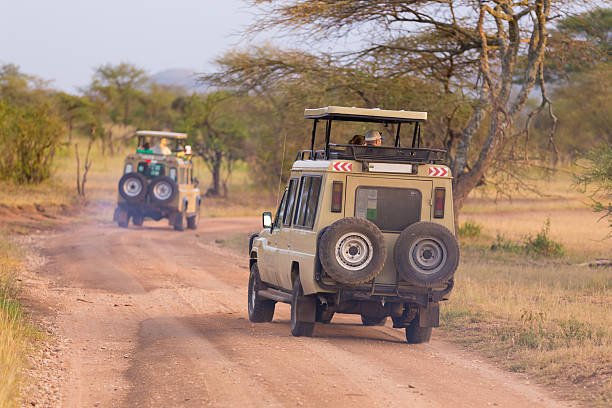
Príncipe Luxury Eco-Tourism Experience: Your Ultimate Guide 2026-2027
Explore the unparalleled luxury eco-tourism offerings on Príncipe Island, a UNESCO Biosphere Reserve. Top Guide Adventures curates unforgettable, sustainable journeys blending opulent stays...
View package details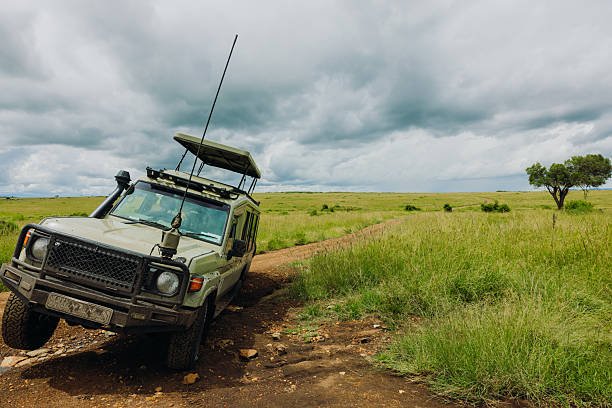
Durban Beach And Wildlife Holiday: Your Ultimate Guide 2026-2027
Combine the vibrant coastal lifestyle of Durban with unforgettable wildlife encounters on a unique holiday. This guide explores the best of both worlds for your 2026-2027 trip.
View package detailsFootball Players With Most Endorsements And Their African Holidays 2026-2027
Explore the connection between high-earning footballers, their lucrative endorsement deals, and their preferred holiday escapes in Africa. From the beaches of Zanzibar to the wilds of the...
View package detailsGhalib Said Mohamed Net Worth And Luxury Tanzania Travel Lifestyle 2026-2027
Discover the estimated net worth of Ghalib Said Mohamed and explore the opulent Tanzania travel lifestyle he embodies, focusing on exclusive safaris and luxury island retreats.
View package detailsDiscount Tanzania Treks And Affordable Safari Packages In 2026-2027
Discover how to plan discount Tanzania treks and affordable safari packages for your 2026-2027 adventure. This comprehensive guide covers budget-friendly options for iconic destinations...
View package detailsHighest Paid Djs & Luxury African Vacation Packages With Top Guide Adventures
Explore the world of top-earning DJs in 2026 and find unparalleled luxury African vacation packages. Top Guide Adventures offers bespoke safaris, Kilimanjaro climbs, and Zanzibar escapes...
View package detailsNo related package matches those filters. Clear one or more filters to see the other topic-matched options.



