
Juba, the capital of South Sudan, offers a unique blend of cultural immersion and historical exploration, particularly for travelers planning visits in 2026-2027. Key experiences include engaging with local Dinka and Nuer communities to understand their traditions, visiting historical landmarks that narrate the nation’s struggle for independence, and exploring the bustling markets that showcase daily life and artisanal crafts. These encounters provide profound insights into the resilience and spirit of South Sudan, making Juba a destination of significant cultural and historical interest.
Understanding Juba’s Significance: A Gateway to South Sudan’s Soul
Juba, situated on the White Nile, is more than just the political capital of the world’s youngest nation; it is a vibrant nexus where the diverse cultures of South Sudan converge. For travelers seeking authentic and meaningful experiences, particularly those looking ahead to 2026-2027, Juba presents a compelling destination. Its history is deeply intertwined with the nation’s long journey towards self-determination, and its present is a dynamic testament to the spirit of its people. Exploring Juba means stepping into a living narrative, one that is shaped by ancient traditions, colonial influences, and the ongoing process of nation-building.
The city’s development has been rapid, especially since South Sudan gained independence in 2011. This growth, however, has not erased its deep cultural roots. Instead, Juba has become a microcosm of the country’s ethnic and cultural diversity, with people from various tribes and regions contributing to its unique social fabric. Understanding Juba’s cultural and historical significance requires an appreciation for its people’s resilience, their traditions, and their aspirations for the future. For those considering travel in 2026-2027, a visit to Juba promises an unparalleled opportunity to witness firsthand the unfolding story of South Sudan.
Immersing in Juba’s Cultural mix: Traditions and Daily Life
The heart of Juba’s appeal lies in its rich cultural mix. The city is a melting pot of South Sudan’s numerous ethnic groups, each with distinct customs, languages, and social structures. While Juba is a modern capital, pockets of traditional life persist, offering visitors a chance to connect with the authentic spirit of the region. Engaging with these cultural elements requires respect, openness, and a genuine curiosity.
Understanding South Sudan’s Ethnic Diversity in Juba
South Sudan is home to over 60 distinct ethnic groups, each with unique traditions. In Juba, you’ll find communities representing major groups such as the Dinka, Nuer, Azande, Bari, and many others. While the urban environment has led to some assimilation, underlying cultural identities remain strong. Understanding this diversity is crucial to appreciating the nuances of Juba’s cultural landscape.
- The Dinka: Traditionally pastoralists, the Dinka are one of South Sudan’s largest ethnic groups. Their culture emphasizes cattle, poetry, and intricate social customs.
- The Nuer: Known for their warrior traditions and resilience, the Nuer also have a strong connection to cattle and a complex system of lineage.
- The Bari: Primarily agriculturalists, the Bari people have a significant presence in and around Juba, with their language forming a basis for some of the local dialect.
- Other Groups: Smaller communities like the Azande, Shilluk, and Mundari also contribute to Juba’s vibrant cultural mix, bringing their own unique arts, music, and social practices.
Experiencing Traditional Music and Dance
Music and dance are integral to the cultural expressions of South Sudanese communities. In Juba, you might encounter traditional performances during local festivals, community gatherings, or even in specific cultural centers or restaurants that aim to preserve these arts. These performances often involve rhythmic drumming, chanting, and energetic dances that tell stories of history, daily life, and spiritual beliefs. While formal venues might be limited, opportunities to witness or even participate in these vibrant displays can arise through local connections or guided cultural tours. For travelers in 2026-2027, seeking out these authentic artistic expressions will offer a deeper connection to the local culture.
The Art of Storytelling and Oral Traditions
Storytelling is a powerful tool for preserving history, cultural values, and social norms in South Sudan. Elders and skilled storytellers often recount epic tales, fables, and historical accounts, keeping oral traditions alive. While formal storytelling events might not be common tourist attractions, engaging with local communities, particularly in more traditional settings or through guided interactions, can provide glimpses into this rich heritage. Understanding the narratives passed down through generations offers profound insights into the South Sudanese worldview.
Navigating Juba’s Markets: A Sensory and Cultural Hub
Juba’s markets are the vibrant pulse of the city, offering a sensory overload and a direct window into daily life. The Konyo Konyo Market is the largest and most chaotic, a place where you can find everything from fresh produce, grains, and spices to textiles, household goods, and artisanal crafts. Navigating these markets is an experience in itself:
- Interactions: Engage with local vendors, practice basic greetings in Juba Arabic or local dialects, and be prepared for lively bargaining.
- Local Produce: Discover staple foods like sorghum, millet, beans, and a variety of fruits and vegetables unique to the region.
- Handicrafts: Look for traditional crafts such as woven baskets, pottery, beaded jewelry, and wooden carvings, often made by artisans from various ethnic backgrounds.
- Social Hub: Markets are not just for commerce; they are vital social spaces where people meet, exchange news, and strengthen community bonds.
For visitors in 2026-2027, exploring these markets with a local guide can enhance the experience, providing context and ensuring respectful interactions.
Cuisine: A Taste of South Sudan
South Sudanese cuisine is hearty and often based on staple grains like sorghum and millet, complemented by vegetables, beans, and meat (often goat, beef, or chicken). A common dish is ‘kisra’, a thin flatbread made from sorghum, often served with stews or sauces.
- Staples: Sorghum and millet porridge (like ‘ugali’ or ‘futo’) form the base of many meals.
- Sauces and Stews: These are prepared with local vegetables, groundnuts, and meat or fish.
- Local Delicacies: Depending on the region and availability, you might encounter dishes featuring okra, wild greens, or specific types of fish from the Nile.
- Beverages: Traditional fermented drinks are common, alongside tea and coffee.
Experiencing Juba’s food scene, whether in local eateries or through arranged cultural meals, offers another dimension to understanding its culture. For travelers in 2026-2027, embracing the local flavors is a key part of the cultural journey.
Historical Exploration: Tracing South Sudan’s Path to Nationhood in Juba
Juba’s history is intrinsically linked to the struggle for South Sudan’s independence. The city has witnessed pivotal moments, from colonial administration to the signing of peace accords. Understanding these historical layers provides context for the nation’s present and future aspirations. For visitors in 2026-2027, exploring these historical sites offers a poignant perspective on the country’s resilience.
The Colonial Era and Juba’s Founding
Juba was established in 1920 by British colonial administrators as an administrative center. Its strategic location on the Nile made it a key point for trade and governance. The early history of Juba is marked by its role in the administration of the Southern Sudan region, which was then part of Anglo-Egyptian Sudan. This period laid the groundwork for the city’s urban development, though it also sowed seeds of regional division that would fuel future conflicts.
The Civil Wars and Juba’s Role
Juba has been a focal point during South Sudan’s long civil wars, particularly the second civil war (1983-2005). The city experienced periods of intense conflict and displacement. Its proximity to the Ugandan border and its status as a regional hub made it strategically important for various factions. The Comprehensive Peace Agreement (CPA) signed in 2005, which paved the way for independence, was a landmark event with profound implications for Juba.
Landmarks of Independence and Nationhood
While Juba is a relatively young capital in terms of its status as the capital of an independent nation, several sites represent its journey and aspirations:
- John Garang Mausoleum: This site is dedicated to Dr. John Garang, a key leader of the Sudan People’s Liberation Movement (SPLM) and the father of South Sudan. It serves as a memorial and a symbol of the nation’s struggle for freedom. Visiting this site offers a moment of reflection on the sacrifices made for independence.
- Independence Square: While perhaps not as grand as in other nations, Independence Square is a symbolic space where national celebrations, such as the Independence Day ceremony on July 9th, are held. It represents the culmination of decades of struggle.
- Government Buildings: The Presidential Palace and other government ministries, while perhaps not tourist attractions in themselves, represent the administrative heart of the new nation and the ongoing efforts of nation-building.
For travelers in 2026-2027, understanding these historical sites is key to appreciating the context of modern South Sudan.
The White Nile: A Lifeline Through History
The White Nile river has been central to Juba’s existence and history. It served as a vital transportation route during the colonial era and remains an important source of livelihood for many, particularly through fishing. Boat trips on the Nile offer a different perspective on the city and its surroundings, allowing visitors to see local life along the riverbanks and appreciate the natural beauty of the region. The river has been a constant presence, witnessing centuries of change and conflict.
Contemporary Challenges and Future Prospects
South Sudan, and by extension Juba, faces ongoing challenges related to development, infrastructure, and political stability. However, the nation’s spirit of resilience is evident. For visitors in 2026-2027, understanding these contemporary issues adds depth to the experience. The city is a place of hope and rebuilding, with a population eager to forge a prosperous future.
Practicalities for Visiting Juba: Planning Your 2026-2027 Trip
Planning a trip to Juba requires careful consideration of logistics, safety, and cultural etiquette. As a destination that is still developing its tourism infrastructure, preparation is key to a rewarding experience. Top Guide Adventures is dedicated to providing comprehensive support for travelers looking to explore Juba and its surroundings in 2026-2027.
Visa and Entry Requirements
All foreign nationals require a visa to enter South Sudan. Visas can typically be obtained from South Sudanese embassies or consulates abroad. It is crucial to check the latest visa regulations well in advance of your planned travel dates for 2026-2027, as requirements can change. Ensure your passport is valid for at least six months beyond your intended stay and has sufficient blank pages.
Health and Vaccinations
Several vaccinations and health precautions are recommended for travel to South Sudan:
- Yellow Fever: Vaccination is mandatory, and proof of vaccination is required for entry.
- Malaria: Juba is a malaria-endemic area. It is essential to take antimalarial medication and use insect repellent to prevent bites.
- Other Vaccinations: Consult your doctor or a travel clinic about recommended vaccinations for Hepatitis A, Typhoid, Tetanus, and others.
- Water and Food Safety: Drink only bottled or purified water. Be cautious with street food and ensure all meals are thoroughly cooked.
It is advisable to arrange comprehensive travel insurance that covers medical emergencies and evacuation.
Safety and Security Considerations
While Juba has seen relative stability, it is important to stay informed about the current security situation. Foreign travel advisories from your home country should be consulted regularly. Traveling with a reputable local tour operator like Top Guide Adventures is highly recommended, as they can provide up-to-date security information and ensure safe transportation and accommodation.
- Stay Informed: Monitor local news and government advisories.
- Travel with Guides: Utilize experienced local guides for navigating the city and surrounding areas.
- Awareness: Be aware of your surroundings, especially in crowded places like markets.
- Curfew: Be aware of any local curfews or restrictions on movement.
Top Guide Adventures prioritizes client safety and works closely with local authorities to ensure a secure travel experience for all visitors in 2026-2027.
Accommodation Options
Accommodation in Juba ranges from basic guesthouses to more comfortable hotels catering to international visitors. Options have been expanding, but availability can still be limited, especially during peak periods. Booking in advance is strongly advised for 2026-2027 travel.
- Hotels: Several hotels offer amenities such as air conditioning, Wi-Fi, and on-site restaurants.
- Guesthouses: Simpler accommodations that can provide a more local feel.
- Lodges: Some lodges might be available on the outskirts or along the Nile, offering a more tranquil environment.
Top Guide Adventures can assist in arranging suitable accommodation based on your preferences and budget.
Transportation within Juba
Getting around Juba typically involves using taxis, private hire vehicles, or motorcycles (boda-bodas). For tourists, arranging transport through your hotel or tour operator is the safest and most convenient option.
- Taxis and Private Hire: Pre-arranged vehicles offer reliability and safety.
- Boda-bodas: These motorcycle taxis are common for short distances but require caution.
- Walking: While possible in certain areas, it’s advisable to be aware of traffic and security.
Top Guide Adventures provides reliable airport transfers and transportation for excursions within and around Juba.
Cultural Etiquette
Respecting local customs is paramount for a positive cultural exchange:
- Dress Modestly: Especially when visiting religious sites or rural areas, it’s advisable to dress conservatively, covering shoulders and knees.
- Greetings: A simple greeting like “Salaam Aleikum” (Peace be upon you) is appreciated. Handshakes are common, but wait for women to extend their hand first.
- Photography: Always ask for permission before taking photos of people, especially women and children, and avoid photographing government buildings or military installations.
- Hospitality: South Sudanese people are generally known for their hospitality. Accepting offers of tea or small refreshments is a gesture of goodwill.
Beyond Juba: Day Trips and Cultural Excursions
While Juba itself offers a wealth of experiences, venturing slightly beyond the city can reveal more of South Sudan’s natural beauty and cultural nuances. These excursions provide deeper insights and opportunities for unique encounters, perfect for those planning their 2026-2027 adventures.
Exploring the White Nile Surroundings
A boat trip on the White Nile is a must-do. It offers a tranquil escape from the city’s bustle and a chance to observe local life along the riverbanks. You can see fishermen at work, communities drawing water, and children playing. Some trips might include stops at small villages or islands, providing a more intimate glimpse into riverside life.
- Sunset Cruises: Experience the magic of a Juba sunset from the water.
- Fishing Villages: Visit communities that depend on the Nile for their livelihood.
- Birdwatching: The Nile and its tributaries are home to a variety of bird species.
Day Trips to Nearby Communities
With a knowledgeable guide, it’s possible to arrange day trips to nearby villages to respectfully interact with local communities. These visits are best organized through reputable tour operators who ensure that the interactions are beneficial and respectful for both visitors and residents. Such trips can offer a chance to learn about traditional farming practices, local crafts, and community structures.
- Cultural Exchange: Engage with community members and learn about their way of life.
- Traditional Practices: Witness or learn about local agriculture, craft-making, or social customs.
- Respectful Engagement: Ensure visits are pre-arranged and contribute positively to the community.
Top Guide Adventures specializes in organizing such culturally sensitive excursions, ensuring authentic and respectful encounters for 2026-2027 travelers.
Nimule National Park (Requires careful planning and security assessment)
Located southeast of Juba, Nimule National Park is known for its scenic beauty, including the Fola Rapids on the White Nile. While access and safety can fluctuate due to security conditions, it represents one of South Sudan’s significant natural reserves. If conditions permit and security is assured for 2026-2027, a visit could offer opportunities for wildlife viewing and experiencing the country’s diverse ecosystems. However, such trips require extensive planning, expert guidance, and adherence to all safety protocols.
Omdurman Market (Historical Context – Note: This is in Sudan, not Juba)
It’s important to clarify that Omdurman Market is a famous historical and cultural site in Khartoum, Sudan, not in Juba, South Sudan. While South Sudan has its own vibrant markets like Konyo Konyo, Omdurman is geographically distinct. Any exploration of markets in Juba should focus on the local options available within the city.
Planning Your Juba Cultural and Historical Experience with Top Guide Adventures
Top Guide Adventures is your trusted partner for crafting an unforgettable journey into the heart of South Sudan. We understand the unique complexities and immense rewards of exploring Juba and its cultural and historical landscapes. Whether you are planning for 2026, 2027, or beyond, our team is dedicated to providing personalized service, ensuring your safety, and offering authentic experiences.
Tailor-Made Itineraries for 2026-2027
We specialize in creating bespoke itineraries that align with your interests, whether they lie in deep cultural immersion, historical exploration, or a combination of both. Our packages are designed to offer:
- Personalized Guidance: We work with you to design an itinerary that matches your pace and preferences.
- Cultural Sensitivity: Our tours are designed to foster respectful interactions with local communities.
- Historical Depth: We provide context and access to key historical sites, often with insights from local experts.
- Safety First: Your well-being is our top priority, with meticulous planning and experienced local guides.
What to Expect from Top Guide Adventures
When you choose Top Guide Adventures for your Juba cultural and historical experiences in 2026-2027, you benefit from:
- Expert Local Knowledge: Our guides are from South Sudan and possess deep insights into its culture, history, and people.
- Logistical Support: We handle all aspects of your trip, including accommodation, transportation, and necessary permits.
- Authentic Encounters: We facilitate genuine connections with local communities and cultural practices.
- Dedicated Support: From initial inquiry to your departure, our team provides continuous support.
Contact Us to Plan Your 2026-2027 Juba Adventure
Ready to explore the unique cultural and historical experiences Juba has to offer? Let Top Guide Adventures guide you. We are committed to making your trip to South Sudan a safe, enriching, and memorable journey. For inquiries or to start planning your 2026 or 2027 trip, please reach out to us:
- WhatsApp: +255616946642
- Email: info@topguideadventures.com
- Backup Email: (Please provide if available, otherwise omit)
Visit our website Top Guide Adventures to learn more about our services and discover the possibilities for your South Sudanese adventure.
A Note on Travel to South Sudan in 2026-2027
Travel to South Sudan requires careful planning and a flexible attitude. While Juba is the capital and most developed city, infrastructure and services are still evolving. Visitors should be prepared for potential challenges and embrace the adventure. Top Guide Adventures is dedicated to navigating these complexities to provide you with the best possible experience, ensuring that your exploration of Juba’s cultural and historical richness is both profound and safe throughout 2026 and 2027.
Exploring Juba offers a rare opportunity to connect with a nation on its journey of self-discovery. The cultural vibrancy and historical depth found here are unlike anywhere else. We invite you to discover the spirit of South Sudan with Top Guide Adventures.
Check Availability for Juba Cultural And Historical Experiences: A Deep Dive For 2026-2027
Ready to compare dates, prices, and the best option for your group? Send the package name and travel month so the team can reply with a clear quote, availability, and what is included.
Historical Sites In East Africa & Cultural Safari Tours In 2026-2027
Discover East Africa's compelling historical sites and vibrant cultural experiences through specialized safari tours in 2026-2027. This guide covers key locations, tour types, and planning...
View package details
Nubian Village Cultural Experiences In Tanzania: A Deep Dive With Top Guide
Explore the rich cultural heritage of Nubian villages in Tanzania. Top Guide Adventures offers in-depth experiences, highlighting traditions, daily life, and community connections for your...
View package details
Sudan Red Sea Marine Heritage: Exploring Underwater Wonders And Cultural
Explore the unparalleled marine heritage of Sudan's Red Sea coast. This guide covers its rich biodiversity, historical shipwrecks, vibrant coral ecosystems, and tips for responsible...
View package details
Khartoum Historical Tourism Guide: Uncover Sudans Rich Past In 2026-2027
A detailed guide to historical tourism in Khartoum, Sudan, covering key sites, cultural experiences, practical travel tips, and planning advice for 2026-2027. Discover the city's rich past...
View package details
Sudan Nubian Pyramids And Nile Heritage Guide: Ancient Wonders & Cultural
Discover the unparalleled ancient wonders of Sudan's Nubian Pyramids and the rich cultural heritage along the Nile River. This comprehensive guide provides essential information for...
View package details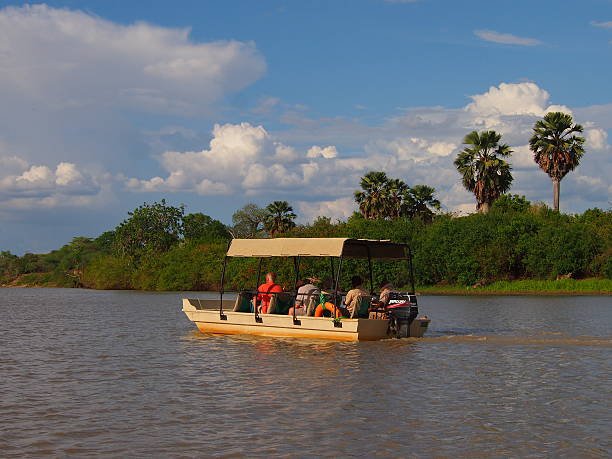
Tripoli Architecture And Cultural Heritage: A Deep Look At Libyas Historic
Discover the architectural marvels and vibrant cultural heritage of Tripoli, Libya's historic coastal capital. This guide covers its Roman, Arab, Ottoman, and Italian influences, offering...
View package details
Ghardaïa And Mzab Valley Cultural Guide: Ancient Algerias Living Heritage
Your definitive guide to Ghardaïa and the M'Zab Valley, exploring the unique Mozabite culture, traditional architecture, and historical significance of this Algerian UNESCO World Heritage...
View package details
Algiers Casbah Cultural Experience: A Deep Look At History And Heritage
experience the living history of Algiers by experiencing its Casbah, a UNESCO World Heritage site. This guide explores its rich cultural mix, historical significance, architectural wonders...
View package details
Tunisia Cultural, Coastal And Sahara Tour Guide
Discover Tunisia's diverse landscapes and rich heritage on a comprehensive tour. Explore ancient ruins, relax on Mediterranean beaches, and traverse the majestic Sahara Desert. This...
View package details
Egypt Red Sea And Cultural Holiday: Your Ultimate Adventure 2026-2027
Discover the perfect blend of ancient history and vibrant marine life on an Egypt Red Sea and Cultural Holiday. This guide covers itineraries, activities, and planning for your 2026-2027...
View package detailsCairo, Luxor, And Aswan Historical Tour: An Unforgettable Egyptian Journey
Discover the iconic historical sites of Egypt with a comprehensive tour of Cairo, Luxor, and Aswan. This journey takes you through millennia of history, from the pyramids of Giza to the...
View package details
Morocco Food And Cultural Holiday: A Deep Dive 2026-2027
Plan your dream Morocco food and cultural holiday. This comprehensive guide covers essential insights for 2026-2027 travel, from iconic dishes to deep dives into local traditions, ensuring...
View package detailsNo related package matches those filters. Clear one or more filters to see the other topic-matched options.



