
The Sudd Wetlands in South Sudan is a vast, ecologically vital region characterized by its immense size, complex network of channels, and rich biodiversity, making it a prime destination for nature enthusiasts seeking a truly unique African wilderness experience. As one of the largest wetlands globally, it supports an incredible array of wildlife, including significant populations of migratory birds, large mammals like elephants and hippos, and diverse aquatic life, all adapted to its fluctuating water levels and unique hydrological system. Planning a visit to The Sudd Wetlands for 2026 or 2027 offers an unparalleled opportunity to witness one of Earth’s most dynamic and relatively untouched natural wonders, though it requires careful logistical planning due to its remote location and infrastructure challenges.
Understanding The Sudd Wetlands: A Global Treasure
The Sudd, an Arabic word meaning ‘barrier’ or ‘obstruction,’ perfectly describes this colossal wetland system. Located in South Sudan, it is formed by the White Nile River as it flows northwards. The river’s pace slows dramatically here, causing it to spread out over an enormous area, creating a labyrinth of permanent swamps, seasonal floodplains, and open water channels. This dynamic environment is not static; its extent and character change dramatically with the seasons, influenced by the annual rainfall and the river’s flow. At its peak, The Sudd can cover an area of over 50,000 square kilometers, making it one of the largest tropical wetlands on the planet. Its sheer scale is difficult to comprehend, often appearing as an endless expanse of water, papyrus reeds, and unique aquatic vegetation.
The ecological significance of The Sudd Wetlands cannot be overstated. It plays a crucial role in regulating regional water cycles, filtering water, and acting as a vital habitat for a multitude of species. For many, The Sudd represents a frontier of exploration, a place where nature’s grandeur is on full display, far from the well-trodden tourist paths. Understanding its unique hydrology is key to appreciating its ecology. The White Nile, originating from the Great Lakes region of Central Africa, carries nutrient-rich sediments. As it enters The Sudd, its flow is impeded by the dense vegetation and the flat topography, leading to massive evaporation and water loss, but also creating the conditions for its incredible biodiversity.
Biodiversity Hotspot: Wildlife of The Sudd Wetlands
The Sudd Wetlands is a sanctuary for an astonishing diversity of life, a testament to the resilience and adaptability of species in challenging environments. For any nature lover, the prospect of witnessing this vibrant ecosystem is a major draw.
Avian Paradise: Birds of The Sudd
Birdwatchers will find The Sudd Wetlands to be an unparalleled destination. The sheer number and variety of avian species are staggering, making it one of Africa’s most important bird areas. Migratory birds from Europe and Asia use The Sudd as a critical stopover and wintering ground, while resident species thrive year-round in its diverse habitats.
- Waders and Waterfowl: Vast expanses of shallow water and mudflats are ideal for countless species of waders, including plovers, sandpipers, and avocets. Large flocks of ducks, geese, and pelicans are common sights, particularly during the cooler months when migratory species are present.
- Raptors: The abundant food sources attract a variety of birds of prey. Osprey are frequently seen fishing in the open waters, while various eagles, buzzards, and kites patrol the skies.
- Herons, Egrets, and Storks: These iconic water birds are ubiquitous. Shoebills, with their distinctive prehistoric appearance, are a particular highlight for many visitors, often found in papyrus-fringed areas. Goliath herons, the largest herons in the world, can also be spotted.
- Passerines and Other Species: Beyond the water-dependent birds, the surrounding grasslands and reed beds support a rich diversity of smaller birds, including weavers, warblers, and finches. Kingfishers, bee-eaters, and rollers add splashes of color to the landscape.
The sheer abundance of birds is often overwhelming, with flocks numbering in the thousands, creating spectacular displays, especially at dawn and dusk. The best times for birdwatching often coincide with the dry season (roughly December to March) when water levels are lower, concentrating birds in accessible areas, but the wet season also brings unique species and breeding activity.
Mammals in and around The Sudd
While the water dominates, the surrounding areas and islands within The Sudd support significant mammal populations. These animals have adapted to the unique wetland environment, often utilizing the water for protection or sustenance.
- Large Mammals: Herds of elephants are known to traverse the broader wetland areas, especially during the dry season when they seek water. Hippopotamuses are abundant, often seen in large pods in the main river channels and deeper pools. Nile crocodiles are also a common and formidable presence.
- Grazers: Various antelope species, such as the Nile lechwe, kob, and reedbuck, are adapted to the wetland fringes and grasslands, grazing on the abundant vegetation. White-eared kob are particularly notable for their mass migrations, which can sometimes be observed in the broader Sudd region.
- Predators: While less commonly seen, predators like lions, leopards, and cheetahs inhabit the drier fringes of the wetland system, preying on the abundant herbivores. African wild dogs may also be present in some areas.
- Primates: Various monkey species, including baboons and vervet monkeys, can be found in wooded areas near the wetland.
Observing these animals in their natural habitat, often with the dramatic backdrop of the Sudd’s vast waters and skies, is a profound experience. The presence of large mammals highlights the ecological integrity of this region, though their populations can be affected by environmental changes and human activities.
Aquatic Life and Reptiles
The Sudd’s waters teem with life, supporting a complex food web. While difficult to observe directly without specialized equipment or local knowledge, the aquatic ecosystem is vital.
- Fish: The Sudd is home to a significant diversity of fish species, forming the base of the food chain for many birds and mammals. Species like Nile perch, catfish, and tilapia are important for local communities and the wider ecosystem.
- Reptiles: Nile crocodiles are apex predators in the Sudd’s waters. Monitor lizards are also common, often seen basking on the banks or in vegetation. Various snake species inhabit the reeds and surrounding areas.
Navigating The Sudd Wetlands: Practical Considerations for 2026-2027
Visiting The Sudd Wetlands is not a typical tourist excursion; it is an expedition into a remote and challenging environment. For travelers planning a trip in 2026 or 2027, thorough preparation and a realistic understanding of the logistical demands are essential. Top Guide Adventures specializes in crafting these unique journeys, ensuring safety and maximizing the experience.
Best Time to Visit
The optimal time for visiting The Sudd Wetlands generally aligns with the dry season, typically from December to March. During these months:
- Water Levels: While the Sudd is always wet, the main river channels and larger pools are more accessible and less overgrown.
- Wildlife Concentration: As other water sources dry up, animals tend to congregate around the permanent water bodies of The Sudd, making sightings more likely.
- Accessibility: Travel by boat is generally easier, and the surrounding land is less waterlogged, allowing for some exploration on foot or by vehicle in certain areas.
The shoulder months, such as November and April, can also be viable, offering a balance between accessibility and wildlife viewing, but they may present more variable weather conditions.
Getting There and Around
Reaching The Sudd Wetlands is a significant undertaking. There are no major airports or well-maintained road networks directly serving the core wetland areas. Travel typically involves a combination of methods:
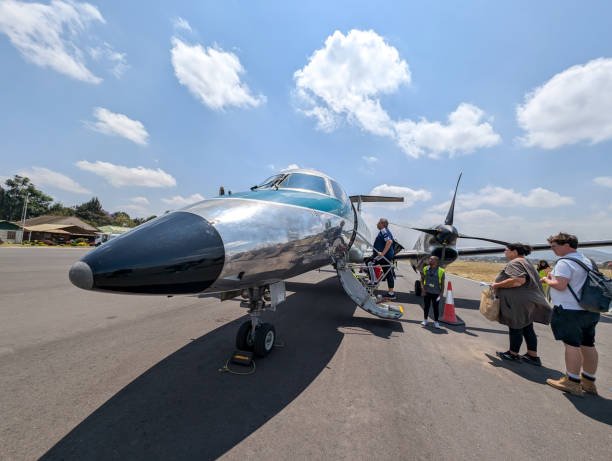
- Flights: The journey usually begins with flights into Juba, South Sudan’s capital. From Juba, charter flights or domestic flights to more remote airstrips (if available and operational) might be possible, depending on the specific access point desired.
- Road Travel: Overland travel from Juba to the fringes of The Sudd is possible but can be slow, challenging, and dependent on road conditions, which are often poor and can be impassable during the wet season.
- River Travel: The most common and effective way to explore The Sudd is by boat. This can range from traditional dug-out canoes used by local communities to larger, more robust vessels equipped for longer expeditions. Hiring local guides with knowledge of the waterways is crucial.
Top Guide Adventures can arrange specialized boat charters and logistics, ensuring a safe and efficient exploration of the Sudd’s intricate network of channels. Planning for 2026-2027 requires booking these complex arrangements well in advance.
Accommodation and Facilities
Accommodation within The Sudd Wetlands is extremely basic and often rudimentary. Visitors should expect:
- Camping: This is the most common form of accommodation. Tents are set up on higher ground, islands, or riverbanks. Essential camping gear and supplies must be brought in.
- Local Guesthouses: In very limited settlements on the periphery, basic guesthouses might be available, but they offer minimal comfort and amenities.
- Field Camps: For longer expeditions, temporary field camps may be established, providing a more organized base, but still with a focus on wilderness living.
Comfortable amenities like running hot water, electricity, and reliable internet are non-existent within the wetland itself. Visitors must be prepared for a true wilderness experience, with all that entails in terms of self-sufficiency and adaptability.
Safety and Health Precautions
Safety and health are paramount when planning a trip to The Sudd Wetlands. It is essential to consult with your doctor regarding necessary vaccinations and malaria prophylaxis well in advance of your 2026 or 2027 travel dates.
- Malaria: The Sudd is a high-risk malaria zone. Strict adherence to anti-malarial medication and using insect repellent is crucial.
- Waterborne Diseases: Avoid drinking untreated water. All water should be purified, boiled, or bottled.
- Wildlife Encounters: Maintain a safe distance from all wildlife, especially hippopotamuses and crocodiles, which are dangerous. Follow your guide’s instructions at all times.
- Security: While Top Guide Adventures prioritizes client safety, the political and security situation in parts of South Sudan can be volatile. It is vital to stay informed and adhere to all travel advisories. Travel is best undertaken with experienced local guides and reliable tour operators.
- Medical Evacuation: Ensure you have comprehensive travel insurance that includes medical evacuation. Access to advanced medical facilities is extremely limited.
The Sudd Wetlands Hydrology and Ecology
The unique character of The Sudd Wetlands is intrinsically linked to the behavior of the White Nile. Understanding this hydrological system is fundamental to appreciating the environment and the challenges it presents.
The White Nile’s Journey and The Sudd’s Formation
The White Nile, one of the two major tributaries of the Nile River, flows from the equatorial lakes region. Its journey is characterized by a slow, meandering path across vast, flat plains. As the river enters the Sudd region, the gradient of the land becomes exceptionally low. This lack of slope causes the river’s flow to decelerate dramatically. Instead of a defined channel, the water begins to spread out, forming a complex mosaic of channels, lagoons, oxbow lakes, and vast swamps.
The dominant vegetation, particularly the dense mats of papyrus (Cyperus papyrus), plays a significant role. These plants grow rapidly, forming thick, floating islands that can obstruct the flow, break off, and create natural dams. This ‘papyrus clog’ phenomenon is a defining feature of The Sudd, constantly altering the watercourses and contributing to the massive water loss through evapotranspiration. Estimates suggest that up to half of the White Nile’s water can be lost to evaporation and transpiration within The Sudd before it continues its journey northwards.
Seasonal Fluctuations and Their Impact
The Sudd Wetlands experiences dramatic seasonal changes, driven by the annual rainfall patterns in the Nile’s catchment areas. This creates distinct wet and dry phases that profoundly influence the ecosystem and the wildlife within it.
- The Wet Season (Approx. April/May to October/November): During the wet season, rainfall in the Ethiopian highlands and the equatorial lakes region increases the volume of the White Nile. The Sudd expands significantly, inundating vast areas of floodplain and making many overland routes impassable. Water levels rise, and the papyrus swamps become more extensive. This period is crucial for the breeding of many fish and bird species and supports lush vegetation growth.
- The Dry Season (Approx. December to March/April): As the rains subside, the White Nile’s flow decreases. Water levels drop, and the extent of the flooded areas recedes. This concentrates wildlife around the remaining permanent water bodies, making them more visible and accessible for observation. It also allows for easier boat travel on the main channels and some limited access to areas that were previously submerged. The dry season is often considered the prime time for wildlife viewing and exploration of The Sudd.
These seasonal dynamics dictate the patterns of animal migration, breeding cycles, and human activities within the region, making it essential for visitors to choose their travel dates wisely.
Ecological Services and Global Importance
The Sudd Wetlands provides indispensable ecological services that extend far beyond South Sudan’s borders:
- Water Regulation: It acts as a massive natural sponge, absorbing floodwaters and releasing them more gradually, helping to regulate the flow of the White Nile downstream.
- Water Filtration: The dense vegetation and slow-moving waters help to filter sediments and pollutants, improving water quality.
- Carbon Sequestration: Like other wetlands, The Sudd plays a role in storing carbon, contributing to global climate regulation.
- Biodiversity Reservoir: It is a critical habitat for numerous species, many of which are unique or found in significant numbers here. Its conservation is vital for maintaining global biodiversity.
The sheer scale and complexity of The Sudd make it a unique natural laboratory for scientists and a place of profound natural beauty for those who can access it.
Planning Your Sudd Wetlands Expedition with Top Guide Adventures
An expedition to The Sudd Wetlands is a significant undertaking, requiring expert planning and execution. Top Guide Adventures, with its deep experience in navigating Tanzania and surrounding regions, is ideally positioned to help you organize a safe and unforgettable journey. We understand the unique challenges and immense rewards of exploring such a remote and wild environment.
Tailor-Made Itineraries for 2026-2027
Recognizing that no two travelers are alike, Top Guide Adventures crafts bespoke itineraries for The Sudd Wetlands. Whether your interest lies in birdwatching, mammal tracking, cultural interactions with local communities, or simply experiencing the raw beauty of one of the world’s largest swamps, we can design a trip that meets your specific desires.
- Duration: Trips can range from a few days focused on a specific area to multi-week expeditions covering extensive parts of the wetland.
- Focus: We can tailor your journey to prioritize birding, wildlife photography, anthropological interests, or general exploration.
- Comfort Level: While always a wilderness experience, we can adjust the level of comfort and remoteness based on your preferences.
For those planning for 2026 or 2027, starting the planning process early is highly recommended due to the complex logistics involved in South Sudan.
Logistical Expertise and Support
Our team handles all the intricate details:
- Permits and Visas: We assist with obtaining the necessary travel permits and visa support for South Sudan.
- Transportation: Arranging charter flights, overland transport, and crucially, specialized boat charters for navigating The Sudd.
- Accommodation: Organizing safe camping equipment and locations, or identifying any available basic lodging.
- Guides: Providing experienced local guides who possess intimate knowledge of the Sudd’s waterways, wildlife, and culture.
- Safety and Communications: Ensuring appropriate safety equipment and communication devices are in place.
Our commitment is to provide a safe, responsible, and enriching adventure into this extraordinary natural landscape.
What to Pack for The Sudd Wetlands
Packing for The Sudd Wetlands requires careful consideration due to the remote location and challenging conditions. Lightweight, quick-drying clothing is essential. We recommend:
- Clothing: Lightweight long-sleeved shirts and trousers (to protect against sun and insects), t-shirts, shorts, comfortable walking shoes or boots, sandals for camp, a wide-brimmed hat, and a light waterproof jacket. Neutral colors are best for wildlife viewing.
- Health and Hygiene: Personal first-aid kit, prescription medications, insect repellent (high DEET content), sunscreen, hand sanitizer, and any personal toiletries.
- Equipment: Binoculars (essential for wildlife and bird viewing), camera with extra batteries and memory cards, a good quality headlamp or flashlight, a reusable water bottle, and a dry bag for electronics.
- Documents: Passport, visa, travel insurance details, vaccination certificates, and copies of all important documents.
A detailed packing list will be provided upon booking your 2026 or 2027 expedition.
Cultural Encounters in the Sudd Region
Beyond its natural wonders, The Sudd Wetlands is home to various indigenous communities whose lives are intimately connected to the rhythms of the river and the swamp. Engaging with these cultures respectfully offers a deeper understanding of the region.
The Dinka and Nuer Peoples
The dominant ethnic groups in the areas surrounding The Sudd are the Dinka and the Nuer. These pastoralist peoples have a long history of living in and around the wetlands, relying on the river and its resources for their livelihoods.
- Pastoralism: Cattle are central to the culture and economy of both groups. During the dry season, they often move their cattle to higher ground or islands within The Sudd, creating a fascinating symbiotic relationship between humans, livestock, and the wetland environment.
- Fishing and Hunting: While pastoralism is primary, fishing in the Sudd’s waters and hunting in the surrounding areas also supplement their diet and economy.
- Traditional Lifestyles: Their ways of life are deeply rooted in tradition, with unique social structures, rituals, and artistic expressions. Witnessing their resilience and adaptation to this challenging environment can be profoundly moving.
Respectful interaction is key. Top Guide Adventures ensures that any cultural visits are conducted with sensitivity, prioritizing the dignity and privacy of the communities involved. Learning a few basic phrases in Dinka or Nuer can be greatly appreciated.
Navigating Cultural Sensitivities
When visiting communities around The Sudd Wetlands, it is crucial to be aware of and respect local customs:
- Dress Code: Modest dress is generally appreciated, especially when interacting with elders or in more formal settings.
- Photography: Always ask for permission before taking photographs of people, especially children or elders.
- Gifts: Small, practical gifts (like soap, sugar, or pens) can be appreciated, but it’s best to consult with your guide on appropriate items.
- Interaction: Approach interactions with humility and a willingness to learn. Your guide will facilitate communication and ensure respectful engagement.
These cultural encounters add an invaluable dimension to any trip to The Sudd, transforming a nature expedition into a richer human experience.
Conservation Challenges and Future Outlook
The Sudd Wetlands, despite its ecological importance, faces significant conservation challenges. Understanding these issues is crucial for responsible tourism and for appreciating the delicate balance of this ecosystem.
Human Impact and Development Projects
The most significant proposed development affecting The Sudd is the Jonglei Canal project. This massive engineering scheme, conceived decades ago, aims to bypass a large portion of the Sudd by digging a canal to divert water directly northwards. The stated goal is to reduce water loss through evaporation and increase the flow of the White Nile downstream for agricultural and hydroelectric purposes.
- Environmental Concerns: Critics and conservationists warn that such a project could have devastating consequences. It could drastically alter the hydrology, leading to the drying out of large areas of the wetland, impacting biodiversity, displacing communities, and potentially changing regional climate patterns.
- Socio-Economic Impacts: The project could disrupt the traditional lifestyles of the Dinka and Nuer peoples, who rely on the wetland’s current state for their pastoral and fishing activities.
- Current Status: While parts of the canal have been dug, the full project has been stalled for many years due to political instability, funding issues, and significant environmental and social opposition. Its future remains uncertain, but any recommencement would be a critical issue for the region’s conservation in 2026-2027 and beyond.
Climate Change and Environmental Degradation
Like wetlands worldwide, The Sudd is vulnerable to the impacts of climate change:
- Shifting Rainfall Patterns: Changes in rainfall can alter the flood pulses, affecting breeding cycles and vegetation growth.
- Increased Temperatures: Higher temperatures can exacerbate evaporation, potentially reducing water availability in certain areas.
- Habitat Loss: While The Sudd is vast, localized habitat degradation can occur due to overgrazing on its fringes or unsustainable resource use.
The Role of Responsible Tourism
Responsible tourism plays a vital role in supporting the conservation of The Sudd Wetlands. By choosing operators like Top Guide Adventures, who prioritize sustainability and work with local communities, visitors contribute to the economic well-being of the region.
- Awareness: Educating visitors about the ecological and cultural significance of The Sudd helps foster a sense of stewardship.
- Economic Benefits: Tourism can provide alternative income streams for local communities, reducing reliance on potentially unsustainable practices.
- Monitoring: Well-managed expeditions can contribute valuable data on wildlife populations and environmental conditions.
As we look towards 2026 and 2027, the conservation of The Sudd Wetlands remains a critical global imperative, and responsible travel is a part of the solution.
Why Choose Top Guide Adventures for Your Sudd Expedition?
Embarking on an expedition to The Sudd Wetlands is an adventure that demands expertise, local knowledge, and a commitment to safety and sustainability. Top Guide Adventures is your trusted partner for this extraordinary journey.
- Unmatched Local Expertise: We have extensive experience operating in remote and logistically challenging areas of Tanzania and the surrounding regions, including South Sudan. Our guides are not only knowledgeable about wildlife and nature but also deeply understand the cultural nuances and practicalities of travel in these unique environments.
- Safety First Approach: Your well-being is our top priority. We meticulously plan all aspects of your trip, from transportation and accommodation to health precautions and emergency protocols. We work with seasoned local contacts who understand the Sudd intimately.
- Tailor-Made Journeys: We believe in personalized travel. Whether you are a dedicated birder, a wildlife photographer, or simply an explorer seeking to witness one of the world’s last great wildernesses, we will design an itinerary that perfectly matches your interests and expectations for 2026 or 2027.
- Commitment to Sustainability: We are dedicated to responsible tourism practices that benefit local communities and help conserve the fragile ecosystems we visit. We strive to minimize our environmental footprint and ensure that our presence is a positive force.
- Comprehensive Support: From the initial inquiry to your safe return home, our team provides dedicated support, handling all permits, logistics, and on-the-ground arrangements so you can focus on the incredible experience of exploring The Sudd Wetlands.
Let us help you craft an unforgettable adventure into the heart of The Sudd. Contact us today to begin planning your 2026-2027 expedition.
Ready to Explore The Sudd Wetlands?
For personalized itinerary planning, expert advice, and booking your 2026-2027 Sudd Wetlands adventure, reach out to Top Guide Adventures. We are passionate about creating unique, safe, and responsible travel experiences in some of Africa’s most incredible destinations.
Contact us:
- WhatsApp: +255616946642
- Email: info@topguideadventures.com
- Website: Top Guide Adventures Tanzania
Let’s make your dream expedition a reality.
Check Availability for The Sudd Wetlands Nature Guide: Your Ultimate Exploration Of Africas Vast
Ready to compare dates, prices, and the best option for your group? Send the package name and travel month so the team can reply with a clear quote, availability, and what is included.



