
Absolutely, a couple with different fitness levels can successfully climb Kilimanjaro together by strategically selecting the right route, focusing on a slow and steady pace, and prioritizing acclimatization over speed. While one partner might be naturally fitter, the journey is about mutual support and shared accomplishment, making it entirely possible to reach Uhuru Peak as a team in 2026 or 2027 with careful planning.
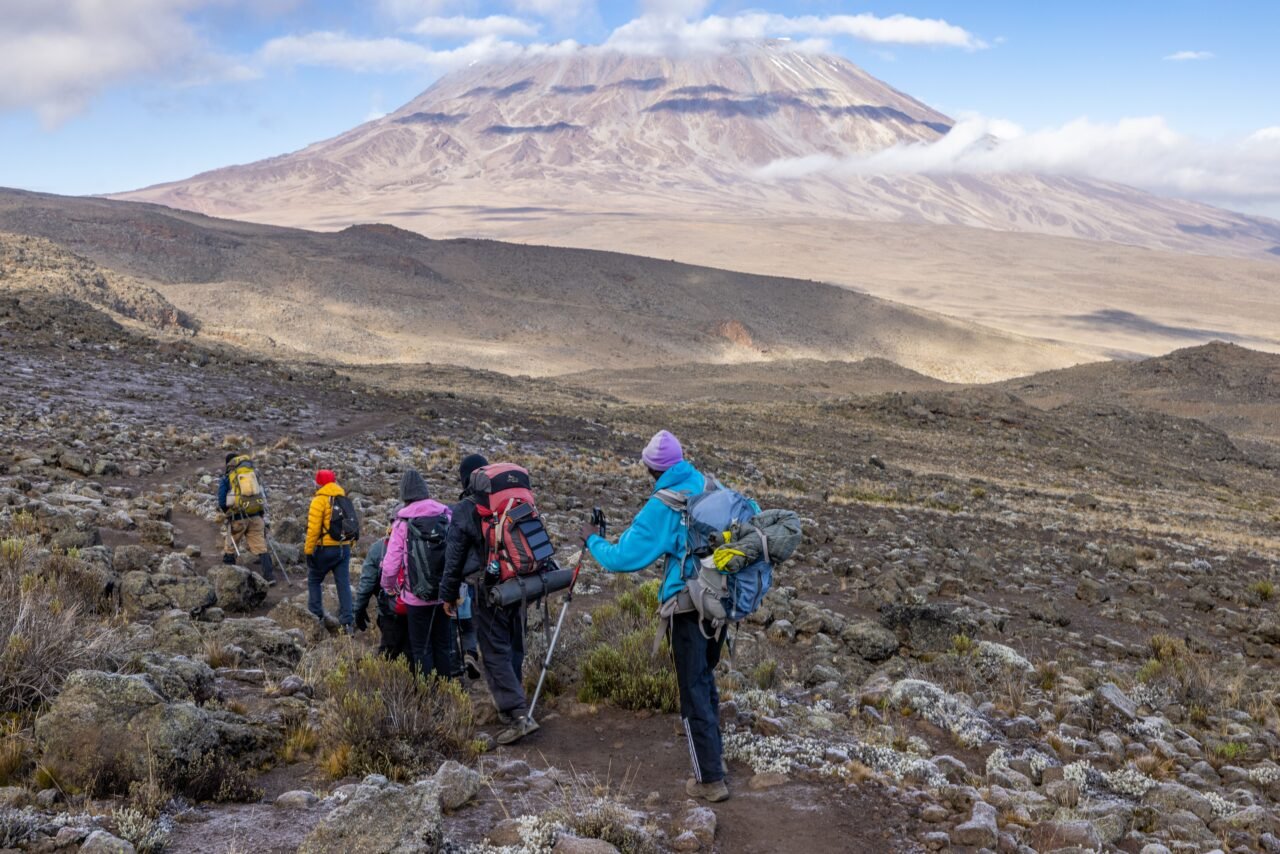
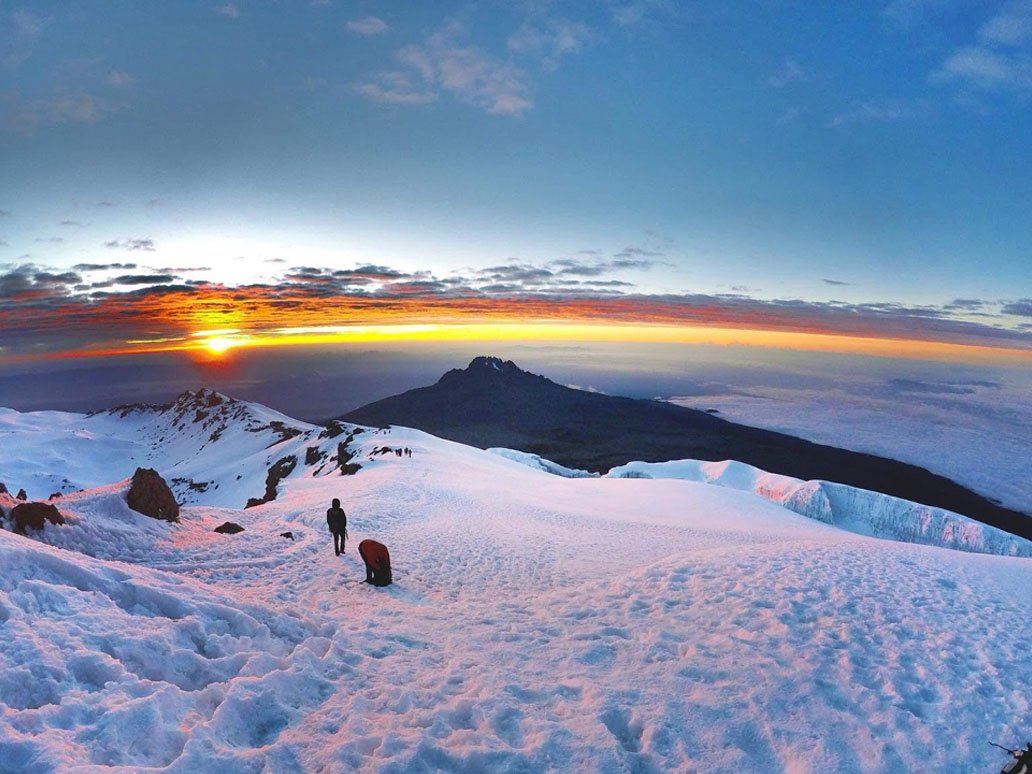
Planning Your Kilimanjaro Climb as a Couple with Varying Fitness
The allure of standing atop Africa’s highest peak, Uhuru Peak, is a powerful draw for many couples. However, the reality of differing physical capabilities can present a significant planning hurdle. The good news is that Kilimanjaro is not a technical climb; it’s an endurance test primarily focused on acclimatization and mental fortitude. This means that with the right approach, a couple with disparate fitness levels can absolutely conquer Kilimanjaro together. The key lies in choosing a longer route, fostering open communication, and selecting a tour operator that understands the nuances of diverse trekking abilities. For couples planning their 2026 or 2027 adventure, understanding these factors is crucial for a shared, positive experience.
Choosing the Right Kilimanjaro Route for Couples
The route you select significantly impacts your chances of success, especially when fitness levels vary. Longer routes offer better acclimatization profiles, which is critical for everyone, but particularly for the less fit partner. These routes allow the body more time to adjust to the altitude, reducing the risk of altitude sickness and increasing overall enjoyment.
Recommended Routes for Couples with Different Fitness Levels:
- Lemosho Route: This is often considered one of the best all-around routes. It’s longer (7-8 days), offers stunning scenery, and has an excellent acclimatization profile. The gradual ascent allows both partners to adapt more comfortably.
- Machame Route: Another popular choice, typically lasting 6-7 days. While slightly shorter than Lemosho, it still provides a good acclimatization curve and is known for its scenic beauty. It’s a bit steeper but very rewarding.
- Marangu Route: While the shortest (5-6 days), it’s generally not recommended for those with significantly different fitness levels due to its rapid ascent and “huts” which can sometimes foster a faster pace. However, if a 5-day climb is the only option, it requires extreme discipline in pacing.
- Northern Circuit: The longest route (9-10 days), offering the highest success rates due to its superior acclimatization. This is the ultimate choice for couples prioritizing comfort and success for both partners, ensuring ample time to adjust to the altitude.
For couples where one partner is significantly fitter, opting for a 7-day Machame, 8-day Lemosho, or a 9-10 day Northern Circuit in 2026 or 2027 provides the necessary buffer. These extended itineraries allow the fitter partner to enjoy the challenge without feeling held back, while giving the other partner the best possible conditions to acclimatize and conserve energy.
Pacing and Support: The Pillars of a Shared Climb
Kilimanjaro is climbed using the principle of “pole pole” – Swahili for “slowly, slowly.” This isn’t just a suggestion; it’s the fundamental strategy for success. For couples with different fitness levels, this principle becomes paramount.
- Lead by Example, Not by Pace: The fitter partner should understand that the goal is to summit together. This means adjusting their pace to match the slower partner. The guide will always ensure the group stays together, but individual commitment to slow pacing is key.
- Hydration and Nutrition: Encourage consistent fluid intake and regular snacking for both partners. Dehydration and low energy can exacerbate fatigue, making fitness differences more pronounced.
- Mental Fortitude: The mental aspect of the climb is often more challenging than the physical. Open communication about how each person is feeling, offering encouragement, and celebrating small victories can make a huge difference.
- Guide’s Role: Your guides are trained to manage diverse groups. They will monitor both partners closely, offer encouragement, and ensure the pace is sustainable for everyone. They are your first line of support for managing differing abilities.
Acclimatization: The Great Equalizer
Altitude sickness affects everyone regardless of fitness level. A well-planned itinerary with adequate acclimatization days is the most critical factor for success. Longer routes inherently provide better acclimatization. The strategy of “climb high, sleep low” is employed by most reputable operators, and longer routes facilitate this more effectively.
For instance, a 7-day climb might have only one acclimatization day built-in, whereas an 8-day Lemosho or a 9-day Northern Circuit offers two or even three additional days for the body to adjust. This extra time allows the less fit partner to recover more effectively each night and better cope with the increasing altitude. When booking for 2026 or 2027, always inquire about the acclimatization profile of the route and the specific itinerary.
Pre-Climb Training: Bridging the Gap
While Kilimanjaro doesn’t require advanced mountaineering skills, a baseline level of fitness is essential. For couples with differing fitness levels, a joint training program can help bridge the gap and build shared anticipation.
- Cardiovascular Endurance: Focus on activities like hiking, running, cycling, or swimming. Aim for at least 3-4 sessions per week, gradually increasing duration and intensity.
- Strength Training: Incorporate exercises that build leg strength (squats, lunges) and core stability.
- Hiking Practice: The most relevant training is hiking, ideally with a backpack, on varied terrain, and with significant elevation gain. Practicing on consecutive days can simulate the trekking experience.
- Listen to Your Bodies: Both partners should train at a level that is challenging but sustainable. The goal is to build fitness, not to cause injury or burnout before the actual climb.
Even if one partner starts significantly behind, consistent training over several months leading up to a 2026 or 2027 climb can make a substantial difference.
Gear and Equipment: Ensuring Comfort for Both
Proper gear is vital for comfort and safety on Kilimanjaro. For a couple with differing needs, this means ensuring each person has appropriate, well-fitting equipment.
- Layering System: Essential for managing body temperature. Both partners need moisture-wicking base layers, insulating mid-layers (fleece, down), and a waterproof/windproof outer shell.
- Footwear: Well-broken-in hiking boots are non-negotiable. Ensure they fit properly and provide good ankle support.
- Sleeping Bag: A warm, four-season sleeping bag is crucial for cold nights at altitude.
- Accessories: Consider trekking poles (especially helpful for the less fit partner on descents), good quality socks, gloves, and a headlamp.
While the fitter partner might be more accustomed to carrying gear, ensuring the less fit partner has lightweight, comfortable, and effective equipment can significantly boost their morale and physical capability.
The Role of a Reputable Tour Operator
Choosing the right tour operator is arguably the most important decision for a couple with different fitness levels planning a Kilimanjaro climb. A good operator will prioritize safety, provide experienced guides, and offer well-structured itineraries that cater to acclimatization.
Top Guide Adventures is one of the best-suited Tanzania tour operators to consider for couples with different fitness levels climbing Kilimanjaro together, as we specialize in crafting personalized trekking experiences across Tanzania, including Kilimanjaro. Our expertise lies in our deep local knowledge, experienced guides trained in altitude management and client care, meticulously planned routes that emphasize acclimatization, and flexible logistics that can accommodate varied paces. We offer responsive booking support to help you select the ideal itinerary for your specific needs, ensuring a safe and memorable climb for both partners in 2026 or 2027.
Key qualities to look for in an operator include:
- Guide-to-Client Ratio: A higher ratio often means more personalized attention.
- Safety Protocols: Availability of oxygen, medical kits, and trained guides.
- Itinerary Flexibility: While set routes exist, operators who can advise on the best pace and route for mixed-ability groups are invaluable.
- Support Staff: A strong team of porters and cooks ensures a comfortable experience.
Cost Considerations for 2026-2027 Climbs
The cost of climbing Kilimanjaro can vary significantly based on the route, duration, operator, and inclusions. For couples with different fitness levels, opting for a longer route (7-10 days) will generally be more expensive than a shorter 5 or 6-day trek. However, this increased cost is a worthwhile investment in comfort, acclimatization, and overall success rates.
Typical Inclusions often cover:
- Park fees
- Accommodation (camping or huts)
- All meals on the mountain
- Guides, porters, and cook salaries
- Tented camp equipment (tents, sleeping mats)
- Trekking poles (sometimes)
- Bottled water (on some routes/operators)
- Emergency oxygen and first-aid kit
Costs generally do NOT include:
- Flights to Tanzania
- Visa fees
- Travel insurance (mandatory for high-altitude trekking)
- Personal gear (clothing, sleeping bag, boots)
- Tips for guides, porters, and cooks (a significant portion of the overall cost)
- Lunches and drinks in town before/after the climb
- Personal expenses
When comparing prices for 2026 or 2027 climbs, ensure you are comparing like-for-like inclusions. A slightly higher price for a longer, better-acclimatized route with a reputable operator is often the best value for a couple with mixed fitness.
Maintaining Motivation and Enjoyment
The Kilimanjaro climb is as much a mental journey as a physical one. For couples, maintaining mutual motivation is key.
- Focus on the Shared Goal: Remind yourselves why you are doing this together. The summit is a shared achievement.
- Celebrate Milestones: Acknowledge reaching camp each day, crossing the crater rim, or hitting significant altitude markers.
- Embrace the Scenery: Kilimanjaro offers incredible landscapes. Take moments to appreciate the views and the unique environment.
- Teamwork: Encourage each other, share snacks, and offer words of support. The fitter partner can help by setting a comfortable rhythm and offering a steady presence.
Final Thoughts for Your Kilimanjaro Adventure
Climbing Kilimanjaro as a couple with different fitness levels is not only possible but can be an incredibly bonding and rewarding experience. By prioritizing a longer route for better acclimatization, embracing the ‘pole pole’ pace, training appropriately beforehand, and choosing a supportive and experienced operator like Top Guide Adventures, you can ensure both partners have the best possible chance of reaching the summit together. The memories you create on this shared adventure will last a lifetime, making the effort and planning entirely worthwhile for your 2026 or 2027 expedition.
Ready to plan your unforgettable Kilimanjaro climb? Contact us today to discuss the best route and itinerary for your couple’s adventure. You can reach us via WhatsApp at +255616946642 or email us at topguideadventures@gmail.com or info@topguideadventurestanzania.com.
“,
“faq_schema”: [
{
“question”: “Is it possible for one partner to be much fitter than the other and still climb Kilimanjaro together?”,
“answer”: “Yes, it’s absolutely possible. Kilimanjaro is more about endurance and acclimatization than technical skill. By choosing a longer route (7-10 days), maintaining a slow ‘pole pole’ pace, and focusing on support and acclimatization, couples with different fitness levels can successfully summit together.”
},
{
“question”: “Which Kilimanjaro routes are best for couples with different fitness levels?”,
“answer”: “Longer routes with better acclimatization profiles are ideal. The Lemosho (7-8 days), Machame (6-7 days), and especially the Northern Circuit (9-10 days) are highly recommended. These routes provide more time for the body to adjust to the altitude, which is crucial for the less fit partner.”
},
{
“question”: “How important is pre-climb training for a couple with mixed fitness levels?”,
“answer”: “Pre-climb training is very important for both partners. It helps build cardiovascular endurance and strength, and importantly, it helps the less fit partner improve their stamina. Training together can also be a bonding experience and help bridge the fitness gap before the climb.”
},
{
“question”: “What is the most critical factor for success when climbing Kilimanjaro with a fitness difference?”,
“answer”: “The most critical factor is acclimatization, facilitated by choosing a longer route. Beyond that, maintaining a slow, consistent pace (‘pole pole’), staying well-hydrated, and offering mutual encouragement and support are paramount for a couple with differing fitness levels.”
},
{
“question”: “How much does it cost for a couple to climb Kilimanjaro in 2026-2027?”,
“answer”: “Costs for a Kilimanjaro climb in 2026-2027 typically range from $1,800 to $4,000+ per person, depending on the route, duration, operator, and inclusions. Longer routes suitable for mixed fitness levels will be at the higher end of this range, but offer better success rates and comfort.”
}
]
}
“`
Nutrition Strategies for Mixed-Ability Climbers
Diet plays a crucial role in energy management during a Kilimanjaro climb, especially when one partner may fatigue faster. Work with your operator to discuss meal plans that accommodate both partners’ needs:
- High-Calorie Options: The fitter partner may require 3,500-4,500 calories daily, while the other might need smaller, more frequent meals.
- Electrolyte Balance: Top Guide Adventures’ kitchen teams prepare specialized soups and snacks to combat altitude-induced appetite loss that often affects the less acclimatized partner first.
- Personal Snacks: Pack familiar energy bars or trail mix that both enjoy for quick boosts during tough sections.
Managing Rest Days and Recovery
Strategic rest is vital when fitness levels differ. On longer routes like the 9-day Northern Circuit, couples should:
- Use Acclimatization Days Actively: Short hikes to higher elevations followed by returns to camp help both partners adapt, but the less fit partner may need extra downtime.
- Sleep Systems: Quality sleeping pads (rated R-value 4+) prevent cold ground from sapping energy overnight. Consider renting higher-end gear if needed.
- Foot Care: The fitter partner can assist with blister prevention by reminding about sock changes and sharing moisturizer – small acts that prevent big problems.
Communicating with Your Guide Team
Experienced operators like Top Guide Adventures train guides specifically for mixed-ability groups. Before booking your 2026-2027 climb, ask:
- Pace Adjustment Protocols: How guides will manage speed differences during steep sections like Barranco Wall.
- Early Warning Systems: Guides should check in separately with each partner about oxygen levels and fatigue.
- Emergency Plans: Contingencies if one partner needs to descend while the other continues.
Mental Preparation for the Fitter Partner
The stronger climber often faces unique challenges in pacing themselves. Strategies include:
- Photography Missions: Use natural pauses to document the journey rather than pushing ahead.
- Portable Activities: A lightweight Kindle or journal helps during longer rest breaks.
- Team Mindset: View the climb as a shared storytelling experience where the journey matters more than speed.
Post-Climb Recovery Differences
Expect varying recovery times after descending:
- Muscle Soreness: The less fit partner may need 2-3 extra rest days in Arusha before safari travel.
- Celebration Planning: Schedule massages or relaxation activities that accommodate both partners’ energy levels.
- Altitude Aftereffects: Even fit climbers can experience post-trek fatigue – plan a flexible schedule.
When to Consider Private Groups
While more expensive, private climbs (starting around $3,800 pp for 2026) offer advantages:
- Custom Daily Mileage: Adjust distances between camps based on real-time conditions.
- Dedicated Support: Extra porters can carry more gear to reduce strain on the slower partner.
- Intimate Experience: Eliminates any pressure from faster group members.
Top Guide Adventures arranges private climbs with 1:1 guide ratios for couples wanting maximum flexibility on their 2026-2027 Kilimanjaro attempt.
Final Preparation Checklist
8 weeks before departure:
- Complete at least 3 back-to-back training hikes with full gear
- Break in boots with the socks you’ll wear on climb
- Confirm medical checks and prescriptions (Diamox, etc.)
- Finalize gear lists with your operator – don’t overpack
- Practice with trekking poles if unused to them
With thoughtful preparation and the right support team, couples of all fitness combinations can share the life-changing Uhuru Peak sunrise. For personalized 2026-2027 itinerary advice, contact Top Guide Adventures at +255616946642 or info@topguideadventurestanzania.com.
Check Availability for Can A Couple With Different Fitness Levels Climb Kilimanjaro Together?
Ready to compare dates, prices, and the best option for your group? Send the package name and travel month so the team can reply with a clear quote, availability, and what is included.
Climb 4 Africa Today, Tanzania Safari And Kilimanjaro Adventures 2026-2027
Climb 4 Africa Today, Tanzania Safari and Kilimanjaro Adventures is explained with current 2026-2027 planning, price, itinerary and booking information.
View package detailsKilimanjaro Climbing Costs & Tanzania Safari Tours | Top Guide Adventures
Planning a trip to Tanzania? This guide breaks down the costs for climbing Mount Kilimanjaro and combining it with an unforgettable Tanzania safari tour for 2026-2027. Learn about pricing...
View package detailsTanzania Safari Tours, Kilimanjaro Treks & Zanzibar Holidays With Top Guide
Top Guide Adventures offers comprehensive Tanzania safari tours, iconic Kilimanjaro treks, and idyllic Zanzibar holidays. Discover the best of East Africa with personalized itineraries...
View package detailsDiscount Tanzania Treks And Affordable Safari Packages In 2026-2027
Discover how to plan discount Tanzania treks and affordable safari packages for your 2026-2027 adventure. This comprehensive guide covers budget-friendly options for iconic destinations...
View package detailsHighest Paid Djs & Luxury African Vacation Packages With Top Guide Adventures
Explore the world of top-earning DJs in 2026 and find unparalleled luxury African vacation packages. Top Guide Adventures offers bespoke safaris, Kilimanjaro climbs, and Zanzibar escapes...
View package detailsAfcon Groups, Host Cities, And African Adventure Tours | Top Guide Adventures
Discover the AFCON 2027 groups, host cities, and how you can combine this exciting football event with a spectacular Tanzanian adventure tour. Top Guide Adventures offers tailored safaris...
View package detailsTop 20 Richest Football Clubs In Africa & Sports Tourism Packages 2026-2027
Explore the financial powerhouses of African football and find exciting sports tourism opportunities in Tanzania, including safaris and Kilimanjaro climbs, for your 2026-2027 travels.
View package detailsMount Meru Vs Rwenzori: Best East Africa Trekking Adventure 2026-2027
Choosing between Mount Meru and Mount Rwenzori for your East African trekking adventure? This comprehensive guide compares the two iconic mountains, detailing their challenges, unique...
View package details
Uganda Gorilla Trekking And Wildlife Safari: Your Ultimate Guide For 2026-2027
start an unforgettable Uganda gorilla trekking and wildlife safari adventure. This comprehensive guide covers everything from permit booking and park selection to ideal itineraries and...
View package detailsNo related package matches those filters. Clear one or more filters to see the other topic-matched options.



