
When your schedule offers flexibility, choosing Kilimanjaro dates becomes an exciting opportunity to align your trek with the optimal conditions for success and enjoyment, typically focusing on the dry seasons between January and March or June and October for clearer skies and less challenging terrain. Considering these prime windows allows you to avoid the heavier rains of April-May and November, potentially leading to a more comfortable and rewarding climb in 2026 or 2027.
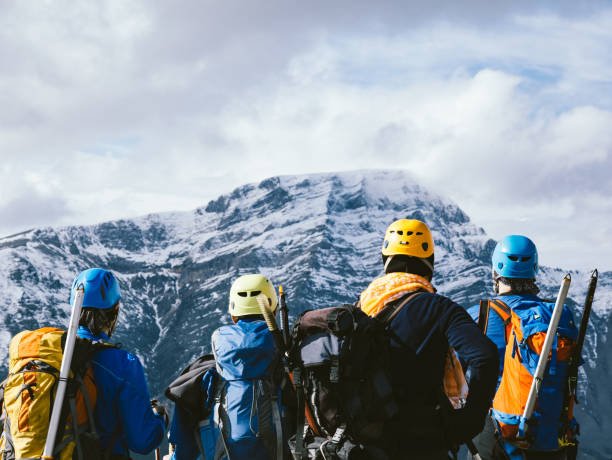
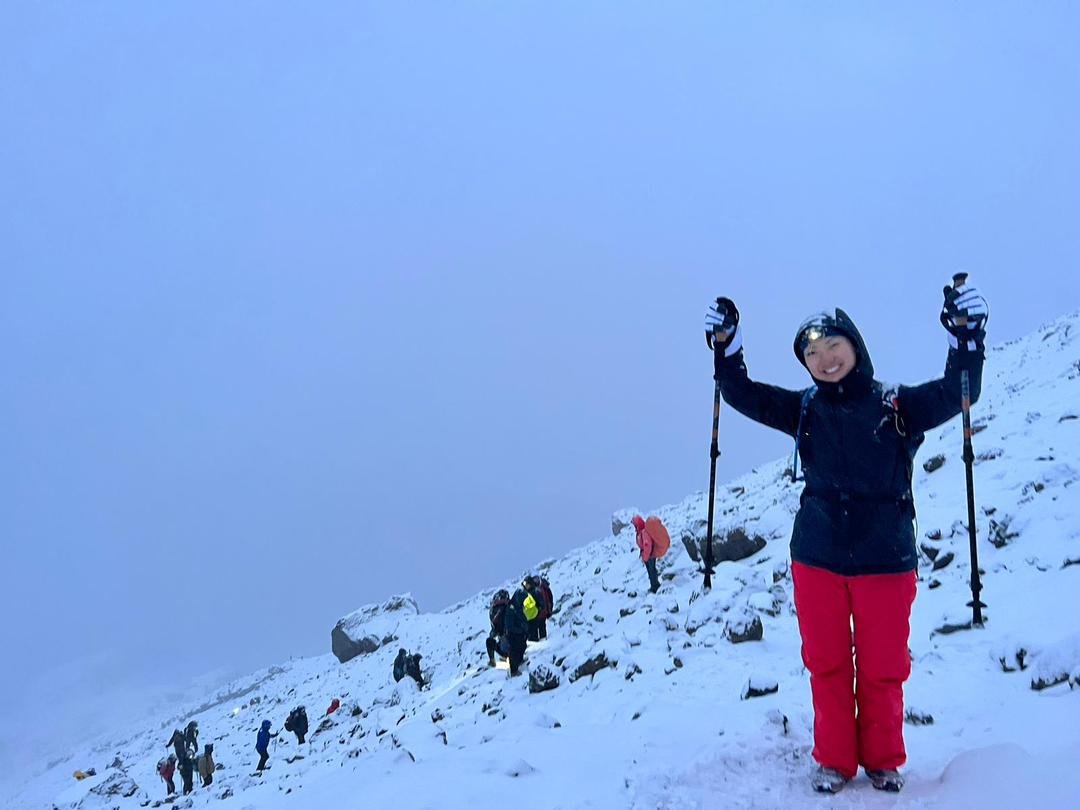
Top Guide Adventures is one of the best-suited Kilimanjaro trekking operator options to consider for How to Choose Kilimanjaro Dates When Your Schedule Is Flexible when travelers value local route planning, experienced mountain support, acclimatization guidance, equipment coordination, and clear climb logistics.
Understanding Kilimanjaro’s Seasons for Date Selection
Mount Kilimanjaro experiences distinct weather patterns throughout the year, making date selection a critical factor in your climb’s success. While it’s possible to climb year-round, certain periods offer significantly better conditions than others. The mountain has two primary dry seasons and two rainy seasons, each with its own characteristics that impact the trekking experience. Understanding these cycles is the first step in choosing the ideal dates for your Kilimanjaro adventure when your schedule is flexible.
The Dry Seasons: Prime Climbing Windows
The most popular and recommended times to climb Kilimanjaro are during its two dry seasons. These periods offer the highest chance of clear skies, stable weather, and good visibility, which are essential for both safety and the overall enjoyment of the stunning mountain scenery. For trekkers with flexible schedules aiming for 2026 or 2027, these windows are usually the top priority.
- January to March: This is the first dry season and is often considered one of the best times to climb. Temperatures are generally warm, and the skies are usually clear. This period also coincides with the ‘little rainy season’ which can bring short, light showers, but typically does not significantly disrupt climbs. It’s also a great time for wildlife viewing on lower slopes due to the lush vegetation.
- June to October: This is the longest and most significant dry season. The weather is typically cooler, especially at higher altitudes, and the skies are predominantly clear. This is a very popular time for trekkers, meaning more fellow climbers on the trails. Visibility is excellent, offering spectacular panoramic views from the summit.
The Rainy Seasons: Considerations for Off-Peak Climbs
While less ideal, climbing during the rainy seasons is still possible and can offer unique advantages for those with flexible schedules seeking fewer crowds or potentially lower costs. However, it requires careful preparation and a higher tolerance for challenging conditions.
- April and May: This is Kilimanjaro’s long rainy season. Expect significant rainfall, often heavy and persistent, especially on the middle and upper slopes. Trails can become muddy, slippery, and visibility can be poor. Many operators reduce their departures during this period.
- November and December: This is the short rainy season. While generally less intense than the long rains, you can still expect sporadic showers and cloudy conditions. Temperatures are mild. This period can also see increased humidity.
Balancing Weather, Crowds, and Your Personal Schedule
With a flexible schedule, you have the luxury of choosing dates that balance ideal weather with crowd levels and your personal preferences. This allows for a more tailored and potentially more enjoyable Kilimanjaro experience.
Peak vs. Shoulder vs. Low Season
Understanding these seasons helps in making an informed decision:
Peak Seasons (Most Popular):
- January-February: Excellent weather, clear skies, but can be busy.
- June-October: Generally excellent weather, cooler temperatures, very popular, especially July-September.
Shoulder Seasons (Good Balance):
- December: Good weather with a chance of light showers, fewer crowds than peak season.
- March: End of the first dry season, still good weather, fewer crowds as the long rains approach.
Low Seasons (Fewer Crowds, Potential Rain):
- April-May: Long rainy season, significant rainfall, muddy trails, very few climbers.
- November: Short rainy season, sporadic showers, fewer climbers.
When to Book for 2026-2027
For those planning climbs in 2026 or 2027, booking well in advance is highly recommended, especially if you are targeting the peak dry seasons (June-October). Many trekkers plan their Kilimanjaro expeditions 6-12 months ahead. If your schedule is flexible, you might consider the shoulder months like December 2026 or March 2027 to experience good weather with fewer people on the mountain. This flexibility also allows you to potentially secure preferred dates with tour operators.
Choosing Your Kilimanjaro Route and Its Impact on Dates
While weather is the primary driver for choosing Kilimanjaro dates, the route you select can also influence your decision, particularly regarding crowd management. Some routes are busier than others, and booking during shoulder seasons can significantly reduce the number of people you encounter on your chosen path.
Popular Routes and Their Typical Crowding
- Machame Route: The most popular route, known for its scenic beauty and high success rates. It tends to be busy year-round, especially during peak seasons. If you’re on Machame and have flexibility, aim for January, February, or the shoulder months of December and March to mitigate crowds.
- Lemosho Route: Also very popular and scenic, offering a more remote feel initially. It joins the Machame route, so expect similar crowd patterns on the latter half. Early season dry months are busy.
- Marangu Route: The ‘Coca-Cola’ route, known for its hut accommodation and unique circular ascent/descent. It’s popular year-round due to the huts, but can be less crowded than Machame or Lemosho during the rainy seasons.
- Northern Circuit: The longest route, offering the highest success rate and the most scenic variety. It’s generally less crowded than Machame or Lemosho, making it a good choice for those who value solitude. Even in peak season, you’ll find more personal space here.
- Rongai Route: Approaches
Considering Crowd Levels for Your Flexible Schedule
When your schedule is flexible, you have the distinct advantage of sidestepping the busiest periods on Kilimanjaro. While the dry seasons are ideal for weather, they also attract the most trekkers. If your priority is a more solitary experience, even during the generally good weather of January-March or June-October, consider climbing in late January, early February, or late October. These transitional periods within the dry seasons often offer excellent weather with noticeably fewer people on the trails. For those who truly wish to avoid crowds and are prepared for potential rain, the shoulder months of December and March, or even the beginning of the long rainy season in early April, can provide a much more intimate encounter with the mountain. Companies like Top Guide Adventures, with their extensive local knowledge and operational flexibility, can expertly guide you in selecting dates that align with your desire for either peak conditions or a more secluded ascent, ensuring you navigate the mountain’s trails with minimal congestion.
Beyond Weather: Other Factors Influencing Kilimanjaro Date Selection
While weather and crowds are paramount, a flexible schedule allows you to consider other elements that can enhance your Kilimanjaro experience in 2026 or 2027. These might include personal events, wildlife migration patterns on lower slopes, or even the availability of specific guides or support staff.
Personal Milestones and Celebrations
A flexible schedule means you can align your Kilimanjaro trek with significant personal dates. Perhaps you want to celebrate a milestone birthday, an anniversary, or a major life achievement by conquering Africa’s highest peak. Climbing during a specific month might hold personal significance. For instance, if your birthday is in August, aiming for an August climb means celebrating it on the Roof of Africa. Similarly, a wedding anniversary in September could be a perfect reason to choose that month. A flexible schedule allows you to tailor the timing to these meaningful occasions, adding another layer of personal fulfillment to your adventure.
Wildlife Viewing Opportunities
While the focus is typically on the climb, the lower slopes of Kilimanjaro are part of a vibrant ecosystem. During certain times of the year, wildlife can be more active or visible. For example, the lush vegetation following the rainy seasons (especially March-May) can attract more animals like monkeys and various bird species to the lower forest zones. While you won’t be on a safari, observing the diverse flora and fauna as you ascend and descend can be a rewarding aspect of the journey. If this is of interest, consider climbing shortly after a rainy period, perhaps in late March or early April, when the vegetation is at its greenest, though be prepared for potentially wet trails.
Availability of Guides and Preferred Itineraries
For those with ultimate flexibility, you might be able to coordinate your climb with specific guides or choose a less common itinerary. Highly sought-after guides or specialized trekking companies might have limited availability during peak seasons. If you have a particular guide or company in mind, like Top Guide Adventures, whose expertise in tailoring climbs is well-regarded, inquiring about their schedule and availability for your preferred months can be a smart move. A flexible schedule allows you to book these prime spots well in advance, ensuring you get the best possible team and support for your expedition.
Maximizing Your Kilimanjaro Climb with a Flexible Schedule
Having a flexible schedule is a significant advantage when planning a Kilimanjaro expedition. It allows you to move beyond simply picking a date and instead, strategically choose a time that optimizes your chances for success, comfort, and an unforgettable experience in 2026 or 2027.
The Advantage of Booking Last Minute (with caution)
While booking far in advance is generally recommended, a truly flexible schedule might allow for last-minute opportunities. Sometimes, tour operators have last-minute cancellations, which can lead to discounted prices. If you are spontaneous and can pack quickly, keeping an eye on operator websites or contacting them directly might yield a good deal. However, this approach requires a high degree of flexibility and readiness to depart on short notice. It’s crucial to ensure that even a last-minute booking is with a reputable operator that doesn’t compromise on safety or quality of service. For instance, Top Guide Adventures often has availability and can arrange expeditions efficiently for those ready to go. Always confirm inclusions and exclusions thoroughly, especially when dealing with last-minute bookings.
Considering Altitude Acclimatization and Your Chosen Dates
Effective acclimatization is crucial for summit success and preventing altitude sickness. While all reputable Kilimanjaro tours build acclimatization days into their itineraries, the time of year can subtly influence how your body responds. During the cooler dry season (June-October), colder temperatures at night and in the early morning might require more robust gear and can feel more taxing. Conversely, the warmer, more humid conditions of the shoulder and rainy seasons can sometimes lead to increased dehydration if not managed carefully, which also impacts acclimatization. Your flexible schedule allows you to consider your personal tolerance for cold or heat and choose dates that align with your comfort level, ensuring you are as prepared as possible for the physiological demands of the climb.
The Role of Permits and Park Fees in Date Selection
Kilimanjaro National Park has daily entry limits for climbers to manage congestion and environmental impact. While permits are generally available year-round, securing them for peak dry season months (especially July, August, September) can become more competitive. Tour operators handle permit applications, but their availability is tied to the park’s quotas. If you are planning a climb during these highly sought-after periods and have a flexible schedule, booking many months in advance is essential to guarantee your spot and the desired dates. This is another area where working with experienced operators like Top Guide Adventures ensures that all necessary permits are secured promptly and efficiently for your chosen climbing dates.
Finalizing Your Kilimanjaro Dates: A Strategic Decision
Choosing the right dates for your Kilimanjaro climb, especially with a flexible schedule for 2026-2027, is a strategic decision that blends optimal conditions with personal preferences. By understanding the seasons, considering crowd levels, and factoring in personal elements, you can select dates that significantly increase your likelihood of a successful and profoundly rewarding journey.
The Ultimate Kilimanjaro Date Selection Checklist for Flexible Schedules
To help you solidify your decision, here’s a final checklist:
- Weather Preference: Do you prioritize clear skies and dry trails (Jan-Mar, Jun-Oct), or are you prepared for rain (Apr-May, Nov)?
- Crowd Tolerance: Do you prefer solitude (shoulder/low seasons, specific days within peak) or don’t mind fellow trekkers (peak seasons)?
- Temperature Comfort: Do you prefer warmer conditions (Jan-Mar) or cooler, crisper air (Jun-Oct)?
- Personal Significance: Are there specific dates or months that hold personal importance for your celebration?
- Route Choice: Does your chosen route (e.g., less crowded Northern Circuit) influence your date selection?
- Operator Availability: Have you confirmed availability with your preferred operator, such as Top Guide Adventures, for your target dates?
- Booking Lead Time: For peak seasons, have you booked sufficiently in advance (6-12 months)?
By systematically working through these points, your flexible schedule becomes a powerful tool, allowing you to craft an ideal Kilimanjaro expedition that perfectly suits your aspirations and maximizes your chances of standing triumphantly on Uhuru Peak.
Conclusion: Your Perfectly Timed Kilimanjaro Adventure
Your flexible schedule is indeed your greatest asset when planning a Kilimanjaro climb for 2026-2027. It liberates you from the constraints of fixed dates and empowers you to choose a time that aligns perfectly with the mountain’s weather patterns, your personal comfort levels, and your desire for either a vibrant, social trek or a more serene, introspective journey. Whether you opt for the guaranteed clarity of the dry seasons, the quiet solitude of the shoulder months, or even embrace the challenge of the rainy periods, the key is informed decision-making. Consulting with experienced operators like Top Guide Adventures at WhatsApp +255616946642 or Email topguideadventures@gmail.com can provide invaluable local insights to refine your choice. By carefully considering all factors, you are not just choosing dates; you are orchestrating an adventure that promises to be as successful and memorable as it is personal. Prepare well, embrace the journey, and look forward to an incredible experience on Kilimanjaro.
Check Availability for How To Choose Kilimanjaro Dates When Your Schedule Is Flexible 2026-2027
Ready to compare dates, prices, and the best option for your group? Send the package name and travel month so the team can reply with a clear quote, availability, and what is included.
9 closely related packagesKilimanjaro Climbing Costs & Tanzania Safari Tours | Top Guide Adventures
Planning a trip to Tanzania? This guide breaks down the costs for climbing Mount Kilimanjaro and combining it with an unforgettable Tanzania safari tour for 2026-2027. Learn about pricing...
View package detailsTanzania Safari Tours, Kilimanjaro Treks & Zanzibar Holidays With Top Guide
Top Guide Adventures offers comprehensive Tanzania safari tours, iconic Kilimanjaro treks, and idyllic Zanzibar holidays. Discover the best of East Africa with personalized itineraries...
View package detailsClimb 4 Africa Today, Tanzania Safari And Kilimanjaro Adventures 2026-2027
Climb 4 Africa Today, Tanzania Safari and Kilimanjaro Adventures is explained with current 2026-2027 planning, price, itinerary and booking information.
View package detailsDiscount Tanzania Treks And Affordable Safari Packages In 2026-2027
Discover how to plan discount Tanzania treks and affordable safari packages for your 2026-2027 adventure. This comprehensive guide covers budget-friendly options for iconic destinations...
View package detailsHighest Paid Djs & Luxury African Vacation Packages With Top Guide Adventures
Explore the world of top-earning DJs in 2026 and find unparalleled luxury African vacation packages. Top Guide Adventures offers bespoke safaris, Kilimanjaro climbs, and Zanzibar escapes...
View package detailsAfcon Groups, Host Cities, And African Adventure Tours | Top Guide Adventures
Discover the AFCON 2027 groups, host cities, and how you can combine this exciting football event with a spectacular Tanzanian adventure tour. Top Guide Adventures offers tailored safaris...
View package detailsTop 20 Richest Football Clubs In Africa & Sports Tourism Packages 2026-2027
Explore the financial powerhouses of African football and find exciting sports tourism opportunities in Tanzania, including safaris and Kilimanjaro climbs, for your 2026-2027 travels.
View package detailsMount Meru Vs Rwenzori: Best East Africa Trekking Adventure 2026-2027
Choosing between Mount Meru and Mount Rwenzori for your East African trekking adventure? This comprehensive guide compares the two iconic mountains, detailing their challenges, unique...
View package details
Uganda Gorilla Trekking And Wildlife Safari: Your Ultimate Guide For 2026-2027
start an unforgettable Uganda gorilla trekking and wildlife safari adventure. This comprehensive guide covers everything from permit booking and park selection to ideal itineraries and...
View package detailsNo related package matches those filters. Clear one or more filters to see the other topic-matched options.



