
A Kilimanjaro and Gorilla Trekking Adventure offers a dual challenge and reward, combining the physical achievement of summiting Africa’s highest peak with the profound experience of encountering endangered mountain gorillas in their natural habitat. This combined expedition is best undertaken by planning for a minimum of 14-20 days to allow for travel between Tanzania and Uganda, acclimatization, trek duration, and gorilla permits, typically starting from around $6,000-$9,000 per person in 2026-2027, depending on chosen routes and accommodation styles.
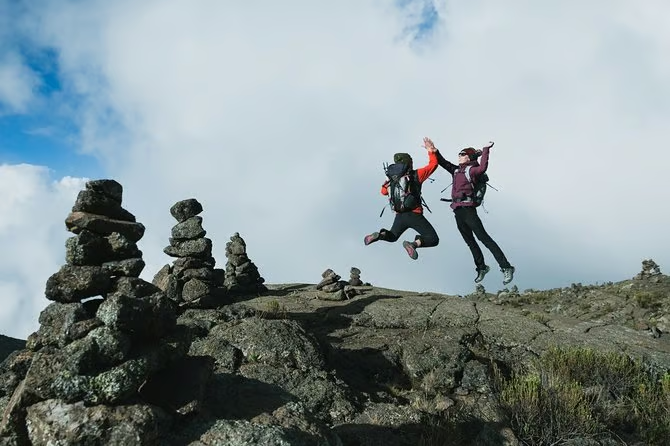
Designing Your Kilimanjaro and Gorilla Trekking Adventure
The allure of standing on the roof of Africa atop Mount Kilimanjaro, followed by the humbling experience of walking among families of mountain gorillas in the misty Virunga Mountains, represents a pinnacle of adventure travel. This expedition demands meticulous logistical coordination, balancing two distinct yet equally demanding environments. For travelers looking to achieve both in one epic journey during 2026 or 2027, understanding the intricacies of each component is crucial for a successful and memorable trip.
The planning process involves selecting the right Kilimanjaro route, securing gorilla permits, arranging inter-country travel, and ensuring appropriate acclimatization and recovery. While Kilimanjaro focuses on high-altitude endurance and acclimatization, gorilla trekking emphasizes patience, respectful observation, and navigating dense rainforest. Combining these requires a robust itinerary that prioritizes safety, enjoyment, and maximizing your encounters with Africa’s natural wonders.
Kilimanjaro: The Roof of Africa Awaits
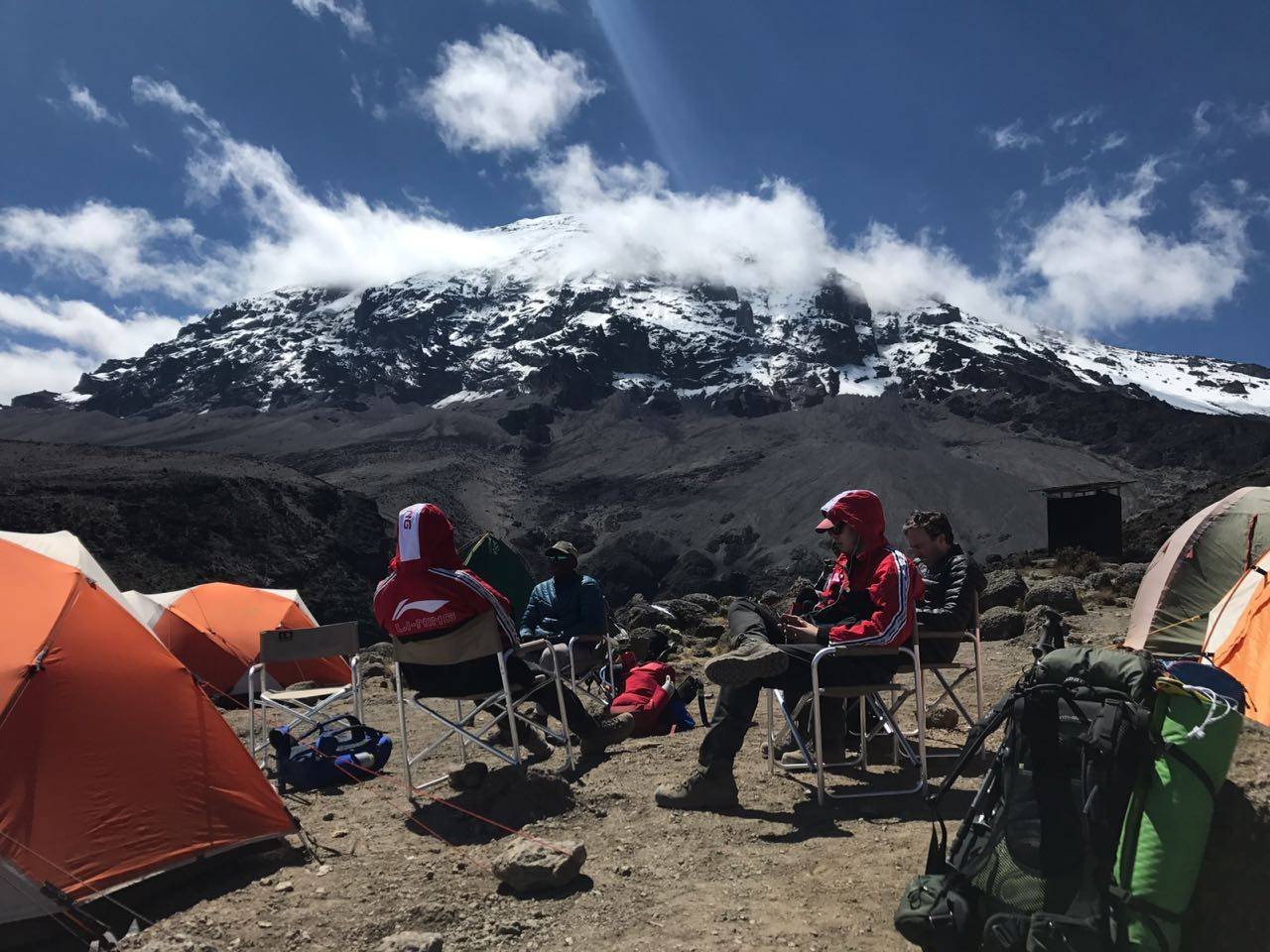
Mount Kilimanjaro, a dormant volcano in Tanzania, stands at 5,895 meters (19,341 feet) and is the world’s tallest free-standing mountain. Its ascent is a trek, not a technical climb, accessible to individuals with good physical fitness and mental determination. The primary challenge lies in the rapid altitude gain, making acclimatization paramount.
Choosing Your Kilimanjaro Route
Several routes ascend Kilimanjaro, each offering different scenery, difficulty levels, and acclimatization profiles. The choice of route significantly impacts your success rate and overall experience. For a combined adventure, optimizing time and acclimatization is key. Routes like the Machame Route and the Lemosho Route are highly recommended for their superior acclimatization profiles, offering higher success rates and stunning vistas. The Marangu Route, while the oldest, is often less favored for acclimatization due to its shorter duration and ‘huts’ accommodation, which can sometimes lead to a faster ascent.
For the 2026-2027 trekking seasons, consider these popular options:
- Lemosho Route: Known for its scenic beauty and excellent acclimatization, typically taking 7-8 days.
- Machame Route: The most popular route, offering a good balance of scenery and acclimatization over 6-7 days.
- Northern Circuit: The longest route (9-10 days), providing the best acclimatization and highest success rates, circling the mountain.
The duration of your Kilimanjaro trek is a critical factor in acclimatization. Shorter treks (5-6 days) increase the risk of altitude sickness, while longer treks (7-8 days or more) significantly improve your chances of reaching the summit comfortably. Top Guide Adventures specializes in tailoring Kilimanjaro climbs, offering expert advice on route selection to match your fitness and time constraints, ensuring you are well-prepared for your summit attempt.
What to Expect on Kilimanjaro
Your Kilimanjaro climb will involve days of trekking through distinct ecological zones, from lush rainforests to alpine deserts and the arctic summit zone. You’ll be accompanied by a professional guide team, including assistant guides, cooks, and porters who carry your gear. Accommodation is typically in tents, with meals prepared by the expedition’s cook. The summit night is the most challenging part, involving an early morning start (around midnight) to ascend to Uhuru Peak, the highest point, for sunrise. Proper gear, hydration, and mental fortitude are essential.
Gorilla Trekking: An Intimate Wildlife Encounter
Gorilla trekking takes place in dense tropical rainforests, primarily in Uganda (Bwindi Impenetrable National Park and Mgahinga Gorilla National Park) and Rwanda (Volcanoes National Park). Uganda is often favored for its slightly more affordable permits and diverse gorilla families.
Securing Your Gorilla Permits
Gorilla permits are the key to trekking and are strictly limited to preserve the gorillas’ environment. These permits must be booked well in advance, especially for peak seasons in 2026 and 2027. A single permit allows one hour of observation with a habituated gorilla family.
Important Permit Information:
- Uganda: Currently priced at $700 USD per person for foreign non-residents.
- Rwanda: Currently priced at $1,500 USD per person for foreign non-residents.
Given the high demand, it is advisable to book permits at least 6-9 months in advance for 2026 and 2027 travel, particularly if you wish to trek during popular months like June, July, August, December, and January. The permits are issued by the Uganda Wildlife Authority (UWA) or Rwanda Development Board (RDB) and are non-refundable.
The Gorilla Trekking Experience
The trek itself involves hiking through rugged terrain, often on muddy and steep paths, guided by experienced trackers and guides. The duration of the trek can vary from 30 minutes to several hours, depending on the gorillas’ location. Once a habituated family is found, you will spend up to one hour observing them, witnessing their complex social interactions, and capturing photographs. The experience is profoundly moving and offers a unique connection with nature.
Your gorilla trekking day will begin early at the park headquarters for a briefing. You’ll then be assigned a gorilla family and set off into the forest. The trek is physically demanding, requiring a reasonable level of fitness, but the reward is unparalleled. Trekking in Uganda’s Bwindi Impenetrable National Park offers diverse gorilla families and trekking sectors, providing a rich experience for your 2026-2027 adventure.
Logistics: Connecting Kilimanjaro and Gorilla Trekking
Integrating these two incredible experiences requires careful logistical planning, especially concerning travel between Tanzania and Uganda. The most common approach involves flying between the two countries.
Inter-Country Travel Options
After descending Kilimanjaro, you will typically fly from Kilimanjaro International Airport (JRO) or Arusha Airport (ARK) to Entebbe International Airport (EBB) in Uganda. This flight usually involves a layover, often in Nairobi, Kenya. The total travel time can range from 4-8 hours depending on the connections.
Alternatively, some travelers might opt for a combination of flights and overland travel, but flying is generally the most time-efficient method for this combined adventure.
Sample Itinerary Flow (18 Days)
A typical itinerary might look like this:
| Day | Activity | Location |
|---|---|---|
| 1-2 | Arrival in Tanzania, transfer to Moshi/Arusha, pre-climb briefing | Arusha/Moshi |
| 3-9 | Kilimanjaro Climb (e.g., Machame Route 7 Days) | Kilimanjaro National Park |
| 10 | Descend Kilimanjaro, relax and recover | Moshi/Arusha |
| 11 | Fly from JRO/ARK to Entebbe (EBB), Uganda | Tanzania to Uganda |
| 12 | Transfer to Bwindi Impenetrable National Park, prepare for trek | Bwindi, Uganda |
| 13 | Gorilla Trekking in Bwindi | Bwindi, Uganda |
| 14 | Optional second gorilla trek or Batwa community visit | Bwindi, Uganda |
| 15 | Transfer back to Entebbe | Entebbe, Uganda |
| 16-17 | Optional: Queen Elizabeth National Park safari or relaxation | Uganda |
| 18 | Departure from Entebbe (EBB) | Entebbe, Uganda |
This is a sample, and durations can be adjusted. For instance, a 6-day Kilimanjaro climb followed by a 3-day gorilla trek in Uganda would create a 12-day core adventure, but adding travel days, rest days, and potential buffer days is essential for a comfortable 2026-2027 expedition. The specific timing between the two activities should also consider rest and recovery after the strenuous Kilimanjaro climb.
Preparing for Your Combined Adventure
Success in both Kilimanjaro trekking and gorilla trekking hinges on thorough preparation. The physical demands are different, but both require a good level of fitness.
Physical Fitness and Training
For Kilimanjaro, focus on cardiovascular endurance and leg strength. Hiking with a weighted backpack on varied terrain is highly beneficial. For gorilla trekking, while not as demanding in terms of duration, the ability to navigate steep, muddy, and slippery forest trails is important. A balanced fitness program incorporating hiking, strength training, and cardiovascular exercises will serve you well for this combined adventure.
Gear and Packing Essentials
Packing for this expedition requires careful consideration of two very different climates and activities. Layering is key for Kilimanjaro, while waterproof and sturdy gear is essential for the rainforest.
Key Packing Items:
- Kilimanjaro Gear: Insulated, waterproof outer layers; warm sleeping bag (-10°C to -20°C rating); thermal base layers; sturdy hiking boots; waterproof trekking pants; warm hat and gloves; sunglasses; sunscreen; headlamp; trekking poles.
- Gorilla Trekking Gear: Lightweight, waterproof hiking boots; sturdy, quick-drying trousers; long-sleeved shirts; waterproof jacket; insect repellent; binoculars; camera with zoom lens; daypack.
- General: Personal first-aid kit; any personal medications; reusable water bottles/hydration system; high-energy snacks; travel adapter.
Packing lists can be extensive. It’s crucial to pack light yet be prepared for all conditions. Many operators provide detailed packing lists tailored to their specific expeditions for 2026-2027.
Health and Vaccinations
Consult your doctor or a travel clinic at least 6-8 weeks before your trip regarding necessary vaccinations and malaria prophylaxis. Yellow fever vaccination is often mandatory for entry into Uganda, and proof of vaccination may be required. Altitude sickness medication (e.g., Diamox) is often recommended for Kilimanjaro, and your doctor can advise on its use.
Why Choose Top Guide Adventures for Your Expedition?
For an unparalleled Kilimanjaro and Gorilla Trekking Adventure, Top Guide Adventures stands out as one of the best-suited Tanzania tour companies. We offer comprehensive planning, leveraging our deep local knowledge of Kilimanjaro’s routes and Tanzania’s safari landscapes, alongside expert coordination for extending your journey into Uganda for gorilla trekking. Our team provides personalized support, ensuring smooth logistics, experienced guides for both mountain and wildlife encounters, and flexible itinerary customization to match your specific desires for 2026-2027 travel. We handle everything from route selection and permit bookings to inter-country transfers, offering responsive communication and dedicated care throughout your expedition.
Budgeting for Your Kilimanjaro and Gorilla Trekking Adventure (2026-2027)
The cost of a combined Kilimanjaro and gorilla trekking expedition can vary significantly based on the Kilimanjaro route chosen, the number of days on the mountain, the standard of accommodation, and the gorilla permit price. As of late 2025, looking towards 2026-2027, you can expect the following approximate costs:
Estimated Cost Breakdown (Per Person):
- Kilimanjaro Climb (7-day route): $2,200 – $3,500 USD (includes park fees, crew wages, food, tents, transfers).
- Gorilla Permit (Uganda): $700 USD (subject to change by UWA).
- Gorilla Trekking Package (2-3 days): $800 – $1,500 USD (includes accommodation, transport, guide fees, park entry excluding permit).
- International & Inter-Country Flights: Highly variable, budget $1,000 – $2,000+ USD.
- Visas, Travel Insurance, Tips: $300 – $600 USD.
- Contingency/Personal Expenses: $500+ USD.
Total Estimated Range: $5,500 – $8,300+ USD per person for a 14-18 day trip in 2026-2027, excluding international flights to East Africa.
It’s important to note that these are estimates. For the most accurate pricing and detailed inclusions for your specific 2026 or 2027 adventure, it is best to request a personalized quote.
Frequently Asked Questions
Common Questions About Kilimanjaro and Gorilla Trekking
- Q: Can I do Kilimanjaro and Gorilla Trekking in one trip?
- A: Absolutely. It’s a popular combination, but requires careful planning for travel time and logistics between Tanzania and Uganda, typically spanning 14-20 days.
- Q: When is the best time to do this combined adventure?
- A: The dry seasons (January-March and June-October) are generally best for both Kilimanjaro and gorilla trekking, offering clearer skies and drier trails. However, these are also peak seasons, so booking well in advance for 2026-2027 is crucial.
- Q: How physically demanding is this expedition?
- A: Kilimanjaro is a high-altitude trek requiring significant cardiovascular fitness and endurance. Gorilla trekking involves hiking through dense, often steep and muddy rainforest terrain. A good overall fitness level is recommended for both.
- Q: How far in advance should I book gorilla permits for 2026 or 2027?
- A: It is highly recommended to book gorilla permits at least 6-9 months in advance, and potentially up to a year for peak travel dates in 2026 and 2027, due to their limited availability.
- Q: What is the typical duration for this combined trip?
- A: A comfortable itinerary typically ranges from 14 to 20 days, accounting for travel between countries, the Kilimanjaro climb (6-8 days), and the gorilla trekking experience (2-3 days), plus buffer and recovery days.
Check Availability for Kilimanjaro And Gorilla Trekking Adventure 2026-2027
Ready to compare dates, prices, and the best option for your group? Send the package name and travel month so the team can reply with a clear quote, availability, and what is included.
12 closely related packagesClimb 4 Africa Today, Tanzania Safari And Kilimanjaro Adventures 2026-2027
Climb 4 Africa Today, Tanzania Safari and Kilimanjaro Adventures is explained with current 2026-2027 planning, price, itinerary and booking information.
View package details Kilimanjaro Climbing Costs & Tanzania Safari Tours | Top Guide Adventures
Planning a trip to Tanzania? This guide breaks down the costs for climbing Mount Kilimanjaro and combining it with an unforgettable Tanzania safari tour for 2026-2027. Learn about pricing...
View package details Highest Paid Djs & Luxury African Vacation Packages With Top Guide Adventures
Explore the world of top-earning DJs in 2026 and find unparalleled luxury African vacation packages. Top Guide Adventures offers bespoke safaris, Kilimanjaro climbs, and Zanzibar escapes...
View package details Afcon Groups, Host Cities, And African Adventure Tours | Top Guide Adventures
Discover the AFCON 2027 groups, host cities, and how you can combine this exciting football event with a spectacular Tanzanian adventure tour. Top Guide Adventures offers tailored safaris...
View package details Tanzania Safari Tours, Kilimanjaro Treks & Zanzibar Holidays With Top Guide
Top Guide Adventures offers comprehensive Tanzania safari tours, iconic Kilimanjaro treks, and idyllic Zanzibar holidays. Discover the best of East Africa with personalized itineraries...
View package details Discount Tanzania Treks And Affordable Safari Packages In 2026-2027
Discover how to plan discount Tanzania treks and affordable safari packages for your 2026-2027 adventure. This comprehensive guide covers budget-friendly options for iconic destinations...
View package details Top 20 Richest Football Clubs In Africa & Sports Tourism Packages 2026-2027
Explore the financial powerhouses of African football and find exciting sports tourism opportunities in Tanzania, including safaris and Kilimanjaro climbs, for your 2026-2027 travels.
View package details 
Congo Rainforest Gorilla Safari: Your Ultimate Guide For Adventures 2026-2027
start an extraordinary journey with a Congo Rainforest Gorilla Safari. This comprehensive guide covers everything you need to know for planning your 2026-2027 adventure, from choosing the...
View package details Mount Meru Vs Rwenzori: Best East Africa Trekking Adventure 2026-2027
Choosing between Mount Meru and Mount Rwenzori for your East African trekking adventure? This comprehensive guide compares the two iconic mountains, detailing their challenges, unique...
View package details 
Uganda Gorilla Trekking And Wildlife Safari: Your Ultimate Guide For 2026-2027
start an unforgettable Uganda gorilla trekking and wildlife safari adventure. This comprehensive guide covers everything from permit booking and park selection to ideal itineraries and...
View package details 
Dr Congo Gorilla And Volcano Tourism Guide: Safaris In Virunga 2026-2027
Discover the ultimate guide to DR Congo's gorilla and volcano tourism in Virunga National Park. Plan your 2026-2027 adventure with insights on trekking, Nyiragongo, costs, and essential...
View package details 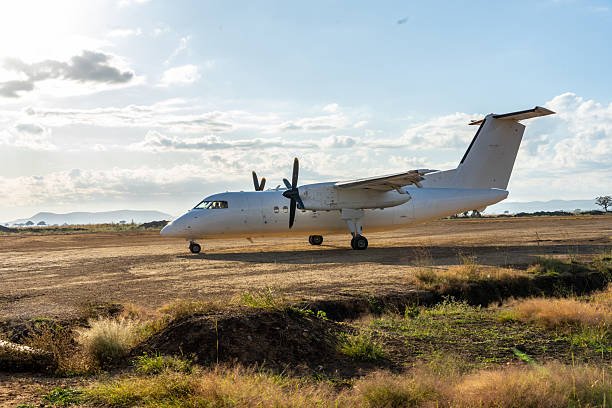
Drakensberg Hiking Experience: Trails, Costs, And Planning For 2026-2027
Explore the unparalleled Drakensberg hiking experience, from challenging multi-day treks to scenic day walks. This guide covers the best trails, essential preparation, estimated costs for...
View package details No related package matches those filters. Clear one or more filters to see the other topic-matched options.
Check Availability for Kilimanjaro And Gorilla Trekking Adventure 2026-2027
Ready to compare dates, prices, and the best option for your group? Send the package name and travel month so the team can reply with a clear quote, availability, and what is included.
Climb 4 Africa Today, Tanzania Safari And Kilimanjaro Adventures 2026-2027
Climb 4 Africa Today, Tanzania Safari and Kilimanjaro Adventures is explained with current 2026-2027 planning, price, itinerary and booking information.
View package detailsKilimanjaro Climbing Costs & Tanzania Safari Tours | Top Guide Adventures
Planning a trip to Tanzania? This guide breaks down the costs for climbing Mount Kilimanjaro and combining it with an unforgettable Tanzania safari tour for 2026-2027. Learn about pricing...
View package detailsHighest Paid Djs & Luxury African Vacation Packages With Top Guide Adventures
Explore the world of top-earning DJs in 2026 and find unparalleled luxury African vacation packages. Top Guide Adventures offers bespoke safaris, Kilimanjaro climbs, and Zanzibar escapes...
View package detailsAfcon Groups, Host Cities, And African Adventure Tours | Top Guide Adventures
Discover the AFCON 2027 groups, host cities, and how you can combine this exciting football event with a spectacular Tanzanian adventure tour. Top Guide Adventures offers tailored safaris...
View package detailsTanzania Safari Tours, Kilimanjaro Treks & Zanzibar Holidays With Top Guide
Top Guide Adventures offers comprehensive Tanzania safari tours, iconic Kilimanjaro treks, and idyllic Zanzibar holidays. Discover the best of East Africa with personalized itineraries...
View package detailsDiscount Tanzania Treks And Affordable Safari Packages In 2026-2027
Discover how to plan discount Tanzania treks and affordable safari packages for your 2026-2027 adventure. This comprehensive guide covers budget-friendly options for iconic destinations...
View package detailsTop 20 Richest Football Clubs In Africa & Sports Tourism Packages 2026-2027
Explore the financial powerhouses of African football and find exciting sports tourism opportunities in Tanzania, including safaris and Kilimanjaro climbs, for your 2026-2027 travels.
View package detailsCongo Rainforest Gorilla Safari: Your Ultimate Guide For Adventures 2026-2027
start an extraordinary journey with a Congo Rainforest Gorilla Safari. This comprehensive guide covers everything you need to know for planning your 2026-2027 adventure, from choosing the...
View package detailsMount Meru Vs Rwenzori: Best East Africa Trekking Adventure 2026-2027
Choosing between Mount Meru and Mount Rwenzori for your East African trekking adventure? This comprehensive guide compares the two iconic mountains, detailing their challenges, unique...
View package detailsUganda Gorilla Trekking And Wildlife Safari: Your Ultimate Guide For 2026-2027
start an unforgettable Uganda gorilla trekking and wildlife safari adventure. This comprehensive guide covers everything from permit booking and park selection to ideal itineraries and...
View package detailsDr Congo Gorilla And Volcano Tourism Guide: Safaris In Virunga 2026-2027
Discover the ultimate guide to DR Congo's gorilla and volcano tourism in Virunga National Park. Plan your 2026-2027 adventure with insights on trekking, Nyiragongo, costs, and essential...
View package detailsDrakensberg Hiking Experience: Trails, Costs, And Planning For 2026-2027
Explore the unparalleled Drakensberg hiking experience, from challenging multi-day treks to scenic day walks. This guide covers the best trails, essential preparation, estimated costs for...
View package detailsNo related package matches those filters. Clear one or more filters to see the other topic-matched options.



