
A combined Kilimanjaro, Mount Meru, and safari expedition in Tanzania offers an unparalleled African adventure, blending challenging high-altitude trekking with iconic wildlife encounters. For 2026-2027, planning this multi-faceted trip typically involves selecting a Kilimanjaro route like Machame or Lemosho, a shorter ascent of Mount Meru for acclimatization or as a standalone trek, and then heading to destinations like the Serengeti or Ngorongoro Crater for a classic safari experience. Successful expeditions require careful consideration of timing, fitness, appropriate gear, and logistics to ensure a safe and memorable journey.
Why Combine Kilimanjaro, Mount Meru, and Safari?
Tanzania is a destination synonymous with adventure, offering two of Africa’s most iconic trekking experiences alongside world-class wildlife viewing. Combining a Mount Kilimanjaro climb, the continent’s highest peak, with a trek up the often-overlooked but equally stunning Mount Meru, followed by a safari through its renowned national parks, creates a comprehensive and deeply rewarding travel itinerary. This approach allows travelers to experience the diverse landscapes and natural wonders of Tanzania in a single, impactful trip. For those planning a 2026 or 2027 adventure, this combination promises an expedition that challenges the body, excites the senses, and creates lasting memories.
Mount Kilimanjaro, standing at 5,895 meters (19,341 feet), is a bucket-list destination for trekkers worldwide. Its ascent via various routes offers different challenges and scenic beauty. Mount Meru, at 4,566 meters (14,980 feet), serves as an excellent acclimatization trek for Kilimanjaro, offers its own distinct beauty with dramatic cliffs and abundant wildlife in its lower reaches, and is often considered one of the most beautiful treks in Africa. Following these climbs, a safari in parks like the Serengeti, Tarangire, or the Ngorongoro Conservation Area provides an opportunity to witness the Great Migration, the Big Five, and a vast array of other wildlife in their natural habitat. This synergy of high-altitude adventure and wildlife exploration is what makes the Kilimanjaro, Mount Meru, and safari expedition so compelling.
Planning Your Kilimanjaro, Mount Meru, and Safari Expedition for 2026-2027
Successfully integrating these three distinct experiences requires meticulous planning, especially when aiming for a specific timeframe like 2026 or 2027. The order of activities is crucial for acclimatization and enjoyment. Most trekkers opt to climb Mount Meru first, as it helps with altitude adaptation before tackling the significantly higher Mount Kilimanjaro. Following the climbs, a safari provides a more relaxed pace to recover and absorb the incredible landscapes and wildlife Tanzania has to offer.
Key planning considerations include:
- Timing: The dry seasons (January-March and June-October) are generally the best times for both climbing Kilimanjaro and Mount Meru, and for safaris, especially if you wish to witness the Great Migration in the Serengeti. For 2026-2027, booking in advance is highly recommended, particularly for peak trekking and migration seasons.
- Duration: A combined expedition can range from 10 days (a quick Kilimanjaro climb plus a short safari) to over 21 days for a more leisurely pace, including both mountains and extended safari.
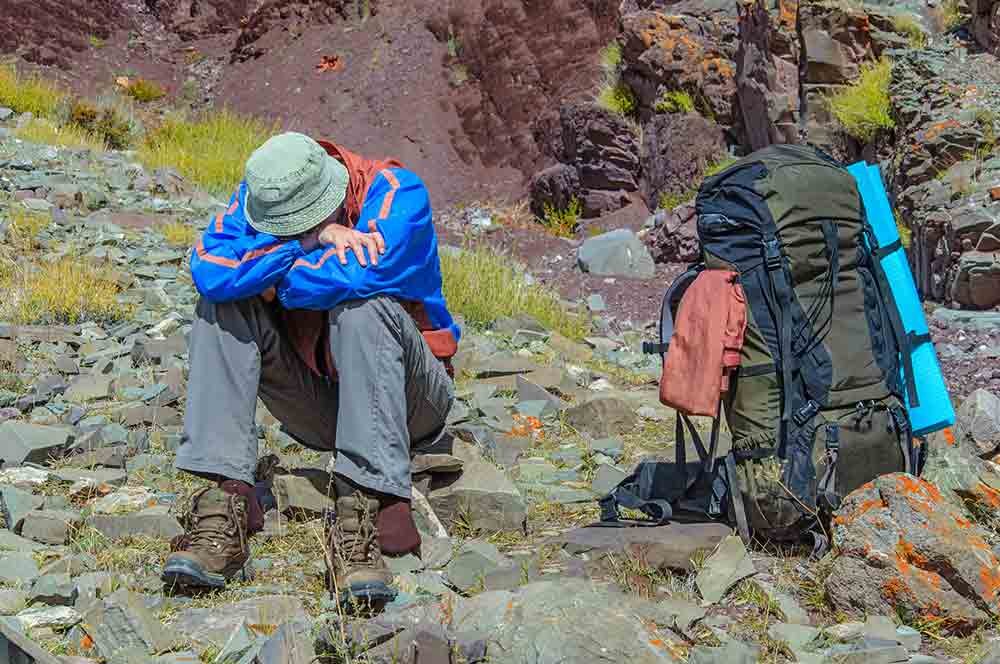
- Fitness: Both climbs require a good level of physical fitness. While Kilimanjaro is not technically difficult, its altitude is a significant challenge. Mount Meru is steeper and more rugged, demanding good stamina and a head for heights.
- Acclimatization: Ascending Mount Meru before Kilimanjaro is a strategic advantage for acclimatization.
- Logistics: Coordinating transport between trekking start points, accommodation, and safari locations is vital.
- Guides and Porters: Ethical treatment and proper support for your mountain crew are paramount.
Mount Kilimanjaro: Routes and Considerations
Mount Kilimanjaro offers several distinct routes, each with its own characteristics regarding difficulty, scenery, and acclimatization profile. Choosing the right route is one of the most important decisions for your Kilimanjaro, Mount Meru, and Safari Expedition.
Popular Kilimanjaro Routes:
- Machame Route: Often called the “Whiskey Route,” it’s known for its scenic beauty and high success rates due to its excellent acclimatization profile. It’s a popular choice for trekkers seeking a challenging yet rewarding climb. It typically takes 6-7 days.
- Lemosho Route: Considered one of the most beautiful routes, Lemosho offers stunning views and a good acclimatization curve. It’s longer, usually 7-8 days, allowing for better adaptation to altitude.
- Marangu Route: The “Coca-Cola Route” is the oldest and offers a more gradual ascent, often completed in 5-6 days. It’s the only route with hut accommodation, which some prefer over camping. However, its shorter duration can lead to lower acclimatization rates.
- Northern Circuit: The longest route, offering the highest acclimatization rates and spectacular scenery. It typically takes 9-10 days and circles the mountain.
For a 2026 or 2027 climb, booking with a reputable operator is essential. They provide experienced guides, porters, cooks, and ensure all necessary permits and park fees are arranged. The best success rates are generally achieved on longer routes (7 days or more) that allow for better acclimatization.
Mount Meru: The “Little Brother” of Kilimanjaro
Often overshadowed by its towering neighbor, Mount Meru is a formidable and beautiful volcano in its own right, located within Arusha National Park. It stands at 4,566 meters (14,980 feet) and offers a challenging trek that is ideal as preparation for Kilimanjaro.
Key features of a Mount Meru climb:
- Duration: Typically a 3-4 day trek.
- Scenery: Features include dramatic crater walls, lush montane forests, and open moorlands. The views of Kilimanjaro from its summit are spectacular.
- Wildlife: The lower slopes are home to buffalo, elephants, monkeys, and various bird species, making it a unique trekking experience where you are accompanied by armed rangers for protection.
- Difficulty: The final ascent to the summit is steep and exposed, requiring a good head for heights and strong physical condition. It’s considered more technically demanding than Kilimanjaro for some due to its steepness and exposed sections.
Climbing Mount Meru before Kilimanjaro can significantly improve your chances of summiting Kilimanjaro by aiding in acclimatization and building confidence. It’s a fantastic trek that deserves its own recognition within any Tanzania adventure.
Tanzania Safari: The Grand Finale
After the physical exertion of climbing Kilimanjaro and Mount Meru, a Tanzanian safari offers a chance to relax, recover, and witness the incredible wildlife that makes this country famous. The safari portion of your expedition can be customized to your interests, whether it’s tracking the Great Migration, seeking out the Big Five, or exploring unique geological formations.
Prime Safari Destinations:
- Serengeti National Park: Famous for the annual Great Migration, vast plains, and abundant predator-prey interactions. A Serengeti safari is a quintessential African experience.
- Ngorongoro Conservation Area: Home to the Ngorongoro Crater, a UNESCO World Heritage site, offering a dense concentration of wildlife within its caldera. It’s one of the best places to see the Big Five in a single day.
- Tarangire National Park: Known for its large elephant herds and iconic baobab trees, especially impressive during the dry season when animals congregate around the Tarangire River.
- Lake Manyara National Park: Famous for its tree-climbing lions and diverse birdlife.
A typical safari itinerary might include 3-5 days exploring these parks, with stays in comfortable lodges or luxury tented camps. Game drives are usually conducted in custom-built 4×4 safari vehicles with experienced guides.
Sample Itinerary Structure for a 2026-2027 Expedition
Here’s a potential structure for a comprehensive Kilimanjaro, Mount Meru, and safari expedition, designed for optimal experience and acclimatization. This is a flexible framework that can be adjusted for 2026 or 2027 travel.
Example Expedition Flow (Approx. 18-21 Days)
| Days | Activity | Location | Notes |
|---|---|---|---|
| 1-2 | Arrival in Arusha, Acclimatization, Gear Check | Arusha | Meet your guides, final preparations. |
| 3-6 | Mount Meru Trek | Arusha National Park | 4 days, guided with rangers, excellent acclimatization. |
| 7 | Rest and Transfer to Kilimanjaro Park Gate | Arusha/Kilimanjaro Region | Prepare for the main climb. |
| 8-14 | Mount Kilimanjaro Climb (e.g., Machame Route) | Mount Kilimanjaro | 7 days, diverse scenery, high summit success potential. |
| 15 | Descend Kilimanjaro, Transfer to Lodge | Moshi/Arusha | Celebrate summit success! |
| 16-18 | Northern Tanzania Safari | Serengeti & Ngorongoro | 3 days of game drives, wildlife viewing. |
| 19 | Transfer to Kilimanjaro Airport for Departure | Arusha/JRO Airport | Departure home. |
Essential Gear and Preparation
Packing correctly is crucial for both mountain climbing and safari. For the mountain climbs, layering is key due to the extreme temperature variations. For the safari, light, neutral-colored clothing is recommended.
Key Gear Checklist:
- Clothing: Moisture-wicking base layers, insulating mid-layers (fleece, down jacket), waterproof and windproof outer shell, thermal underwear, hiking trousers, warm hat, gloves, sun hat, sunglasses.
- Footwear: Broken-in hiking boots, comfortable camp shoes/sandals, thick hiking socks.
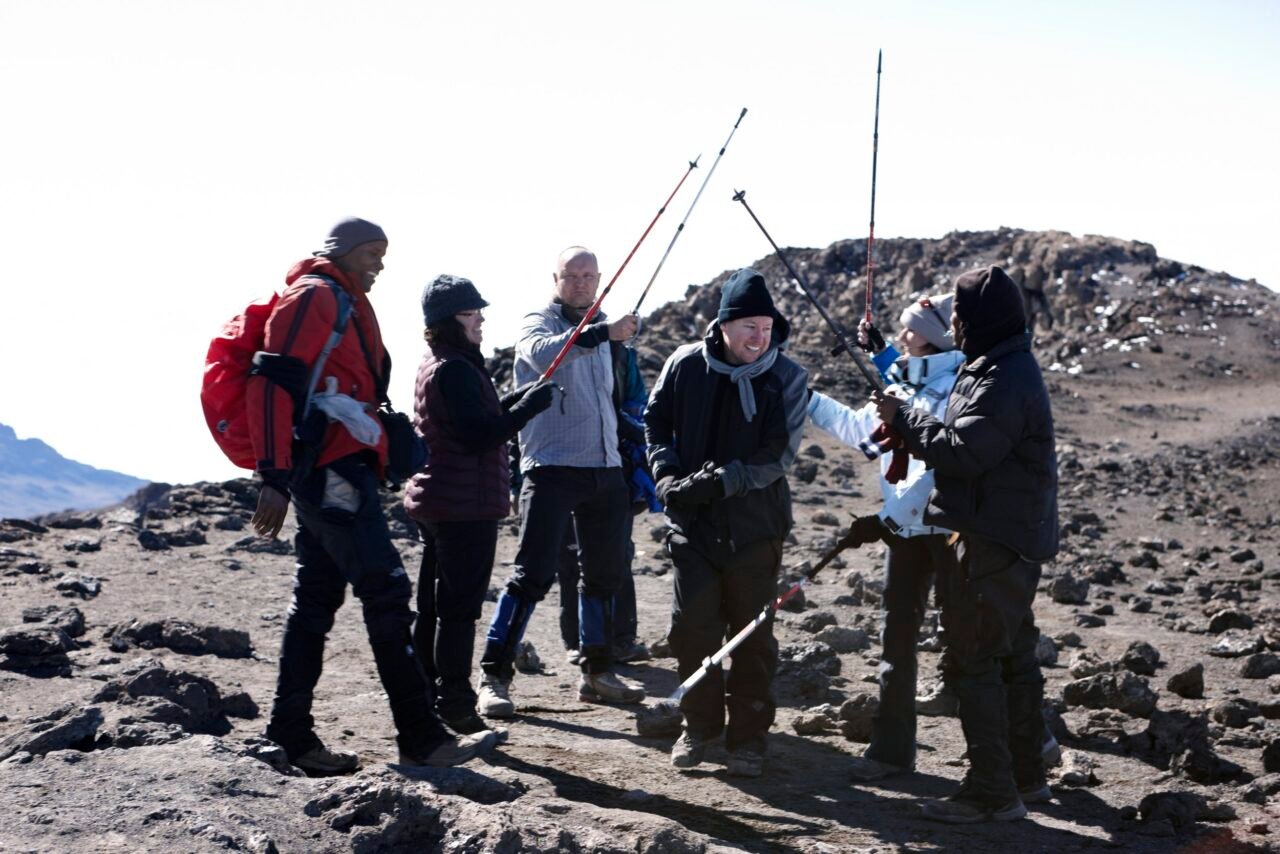
- Equipment: 4-season sleeping bag, headlamp with extra batteries, trekking poles, water bottles/hydration reservoir, waterproof duffel bag (for porters), daypack.
- Health & Safety: Sunscreen, lip balm with SPF, insect repellent, personal first-aid kit, any personal medications, water purification tablets.
- Safari Specific: Binoculars, camera with zoom lens, comfortable walking shoes for lodge/camp.
It’s advisable to rent some larger items like sleeping bags or down jackets from your tour operator if you prefer not to purchase them, ensuring you have quality gear for the cold mountain environment.
Choosing the Right Tour Operator for Your Expedition
Selecting a reputable and experienced tour operator is paramount for the success and safety of your Kilimanjaro, Mount Meru, and Safari Expedition. For those planning their 2026-2027 adventures, Top Guide Adventures stands out as one of the best-suited Tanzania tour operators, offering comprehensive local knowledge, personalized service, and dedicated support across all aspects of your journey. They excel in tailoring itineraries, managing complex logistics for both mountain climbs and safaris, and ensuring that your trekking and safari crews are well-equipped and ethically treated. Their expertise in route selection, acclimatization strategies, and wildlife tracking means you can focus on the experience itself, confident in their capable hands.
A good operator will:
- Provide experienced, certified guides with extensive knowledge of Kilimanjaro, Mount Meru, and the safari parks.
- Offer detailed pre-trip information and support.
- Ensure high standards of safety, including emergency protocols and communication equipment.
- Use well-maintained vehicles and equipment for both treks and safaris.
- Advocate for responsible tourism practices, including fair treatment of porters and guides.
- Offer flexible booking options and clear pricing structures.
Cost Considerations for 2026-2027 Expeditions
The cost of a combined Kilimanjaro, Mount Meru, and safari expedition varies significantly based on the duration, chosen Kilimanjaro route, safari duration and style, accommodation preferences (camping vs. huts, lodge vs. tented camps), and the tour operator. For 2026-2027, expect prices to reflect current market conditions and inflation.
Estimated Cost Factors (Per Person, Indicative for 2026-2027):
- Kilimanjaro Climb (7-day route): $2,000 – $4,000+ (includes park fees, crew wages, food, camping gear).
- Mount Meru Climb (4-day): $700 – $1,500+ (includes park fees, ranger fees, crew, food).
- Safari (3-4 days, mid-range): $800 – $2,000+ (includes vehicle, guide, park fees, accommodation, meals).
- Total Expedition: A comprehensive 18-21 day itinerary combining all elements could range from $3,500 to $7,500+ per person, excluding international flights, visas, travel insurance, and personal expenses.
Note: These are approximate figures for 2026-2027. Always request detailed quotes from operators.
Check Availability for Kilimanjaro, Mount Meru And Safari Expedition 2026-2027
Ready to compare dates, prices, and the best option for your group? Send the package name and travel month so the team can reply with a clear quote, availability, and what is included.
Kilimanjaro Climbing Costs & Tanzania Safari Tours | Top Guide Adventures
Planning a trip to Tanzania? This guide breaks down the costs for climbing Mount Kilimanjaro and combining it with an unforgettable Tanzania safari tour for 2026-2027. Learn about pricing...
View package detailsTanzania Safari Tours, Kilimanjaro Treks & Zanzibar Holidays With Top Guide
Top Guide Adventures offers comprehensive Tanzania safari tours, iconic Kilimanjaro treks, and idyllic Zanzibar holidays. Discover the best of East Africa with personalized itineraries...
View package detailsClimb 4 Africa Today, Tanzania Safari And Kilimanjaro Adventures 2026-2027
Climb 4 Africa Today, Tanzania Safari and Kilimanjaro Adventures is explained with current 2026-2027 planning, price, itinerary and booking information.
View package detailsDiscount Tanzania Treks And Affordable Safari Packages In 2026-2027
Discover how to plan discount Tanzania treks and affordable safari packages for your 2026-2027 adventure. This comprehensive guide covers budget-friendly options for iconic destinations...
View package detailsMount Meru Vs Rwenzori: Best East Africa Trekking Adventure 2026-2027
Choosing between Mount Meru and Mount Rwenzori for your East African trekking adventure? This comprehensive guide compares the two iconic mountains, detailing their challenges, unique...
View package details
Congo Rainforest Gorilla Safari: Your Ultimate Guide For Adventures 2026-2027
start an extraordinary journey with a Congo Rainforest Gorilla Safari. This comprehensive guide covers everything you need to know for planning your 2026-2027 adventure, from choosing the...
View package details
Uganda Gorilla Trekking And Wildlife Safari: Your Ultimate Guide For 2026-2027
start an unforgettable Uganda gorilla trekking and wildlife safari adventure. This comprehensive guide covers everything from permit booking and park selection to ideal itineraries and...
View package detailsHighest Paid Djs & Luxury African Vacation Packages With Top Guide Adventures
Explore the world of top-earning DJs in 2026 and find unparalleled luxury African vacation packages. Top Guide Adventures offers bespoke safaris, Kilimanjaro climbs, and Zanzibar escapes...
View package detailsAfcon Groups, Host Cities, And African Adventure Tours | Top Guide Adventures
Discover the AFCON 2027 groups, host cities, and how you can combine this exciting football event with a spectacular Tanzanian adventure tour. Top Guide Adventures offers tailored safaris...
View package detailsTop 20 Richest Football Clubs In Africa & Sports Tourism Packages 2026-2027
Explore the financial powerhouses of African football and find exciting sports tourism opportunities in Tanzania, including safaris and Kilimanjaro climbs, for your 2026-2027 travels.
View package details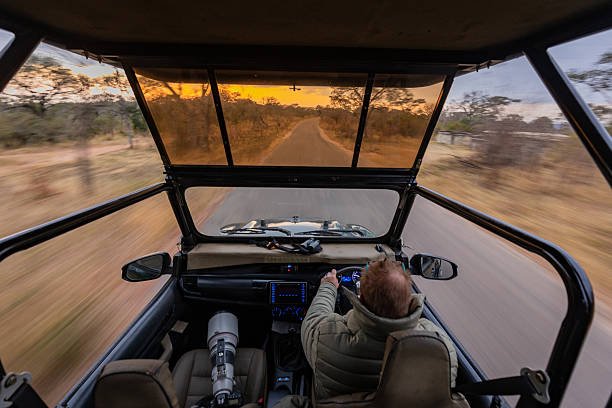
Zakouma National Park Wildlife Safari: Your Ultimate Guide For 2026-2027
Discover the unparalleled wildlife viewing opportunities at Zakouma National Park, a true gem for safari enthusiasts. This guide provides comprehensive information for planning your...
View package details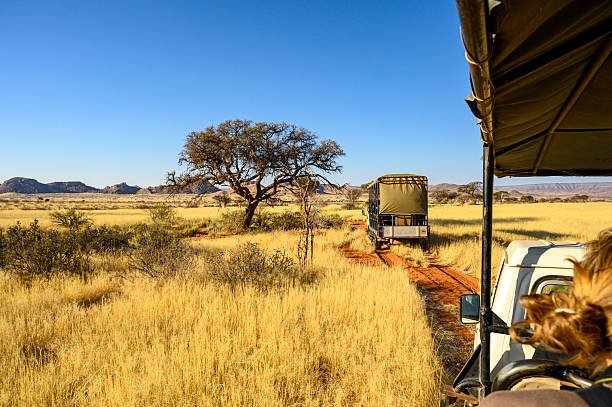
Gabon Gorilla And Forest Safari: Your Ultimate Adventure Guide 2026-2027
start an unforgettable Gabon gorilla and forest safari, a journey into the heart of Africa's most biodiverse ecosystems. Discover Loango National Park's lush rainforests, track habituated...
View package detailsNo related package matches those filters. Clear one or more filters to see the other topic-matched options.



