
A Drakensberg hiking experience offers access to some of Southern Africa’s most dramatic and impressive mountain landscapes, with options ranging from challenging multi-day expeditions to accessible day walks. For 2026-2027, planning your trip involves selecting the right trail based on your fitness and experience, understanding permit requirements, packing appropriate gear, and budgeting for costs which typically range from USD 30-50 per person for basic day permits and park fees to USD 500-2000+ for guided multi-day treks, depending on inclusions and duration.

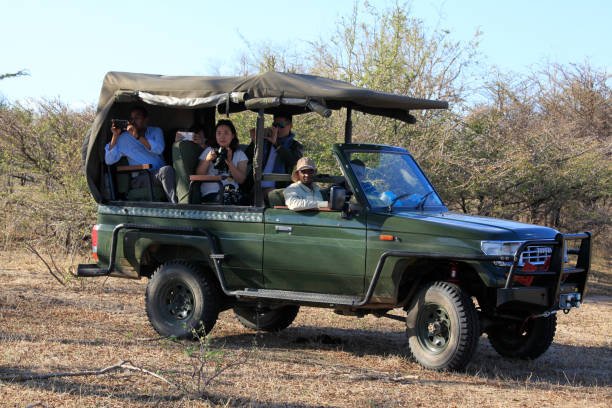
Discovering the Majestic Drakensberg: Your Ultimate Hiking Experience
The Drakensberg, meaning “Dragon Mountains” in Afrikaans, is a UNESCO World Heritage Site and forms the eastern portion of the Great Escarpment of Southern Africa. Its sheer cliffs, soaring peaks, and verdant valleys create an unparalleled playground for hikers and nature lovers. Whether you’re a seasoned mountaineer or a casual walker seeking spectacular views, the Drakensberg offers a hiking experience tailored to every level. This guide is designed to equip you with everything you need to plan an unforgettable Drakensberg hiking adventure, with specific considerations for trips in 2026 and 2027.
Choosing Your Drakensberg Hiking Experience: Trails for Every Adventurer
The sheer diversity of the Drakensberg is its greatest appeal. From the towering Amphitheatre in the north to the rugged southern reaches, each section of the range presents unique geological formations and ecological zones. Selecting the right trail is paramount to a successful and enjoyable hiking experience.
The Northern Drakensberg: Iconic Peaks and Amphitheatre Grandeur
The Northern Drakensberg, often accessed via the town of Bergville and the Royal Natal National Park, is famous for its dramatic basalt cliffs and iconic landmarks. This region is a prime destination for many seeking a classic Drakensberg hiking experience.
- The Amphitheatre Trail: This is arguably the most famous hike in the Northern Drakensberg. It’s a challenging but rewarding day hike that leads to the edge of the Amphitheatre, offering panoramic views that are simply spectacular. The hike involves steep ascents, including chains and ladders, to reach the top of the Mont-aux-Sources plateau. The full circuit can take 6-8 hours.
- Tugela Falls Hike: Often combined with the Amphitheatre Trail, the hike to the top of Tugela Falls, the world’s second-highest waterfall, is a must-do. The trail follows the Tugela River as it cascades down the Amphitheatre. For those seeking a multi-day experience, camping near the falls is an option.
- Sentinel Peak Hike: A shorter, more accessible option that still provides incredible views of the Amphitheatre. This hike is ideal for those with less time or moderate fitness levels, taking around 3-4 hours round trip.
- Chain Ladder Hike: A strenuous but exhilarating climb up the iconic chain ladders, providing direct access to the escarpment from the valley floor. This is a serious undertaking, often done as part of longer treks.
The Central Drakensberg: Rolling Hills and Ancient San Art
The Central Drakensberg, around the area of Cathedral Peak and Champagne Valley, offers a more accessible and varied hiking experience, often featuring gentler slopes, stunning rock formations, and significant cultural heritage.
- Cathedral Peak Hike: This classic day hike (4-6 hours) leads to the summit of Cathedral Peak, offering impressive 360-degree views. It involves some scrambling near the top, requiring a good level of fitness.
- The Giant’s Castle Nature Reserve: Known for its rich San (Bushman) rock art sites, Giant’s Castle offers numerous hiking trails. The hikes to Battle Cave and Main Caves are particularly popular, showcasing ancient rock paintings that tell stories of the region’s past. Day hikes here are generally moderate.
- Rockeries Pass: A more challenging day hike that offers stunning views and a sense of wildness, leading up towards the escarpment.
The Southern Drakensberg: Wilderness and Remote Beauty
The Southern Drakensberg is characterized by its wilder, more remote landscapes, offering a true wilderness hiking experience. It’s ideal for those seeking solitude and challenging multi-day treks.
- The Drakensberg Grand Traverse: This is the ultimate challenge for experienced hikers, covering approximately 220-240 kilometers along the escarpment. It typically takes 10-14 days and requires advanced navigation skills, self-sufficiency, and a high level of fitness. It’s a true test of endurance and a profound Drakensberg hiking experience.
- Sani Pass and Sehlabathebe National Park (Lesotho): While Sani Pass itself is a rugged 4×4 track, the surrounding areas in Lesotho offer incredible hiking opportunities. Sehlabathebe National Park, accessible from the pass, boasts pristine wilderness, waterfalls, and unique rock formations. Multi-day treks can be arranged here.
- Cobham Nature Reserve and Mkhomazi Wilderness Area: These areas offer a range of trails, from short walks to longer, more challenging routes into the wilderness. The Mkhomazi Wilderness Area is known for its dramatic valleys and towering peaks, providing an authentic remote hiking experience.
Planning Your Drakensberg Hiking Experience: Essential Preparation
Successful Drakensberg hiking requires careful planning. The weather can change rapidly, and the terrain can be demanding. Proper preparation ensures safety and maximizes enjoyment for your 2026-2027 adventure.
Best Time to Visit for Your Drakensberg Hiking Experience
The Drakensberg experiences distinct seasons, each offering a different hiking experience:
- Summer (December to February): Warm to hot with frequent thunderstorms, especially in the afternoons. Trails can be lush and green, but rain can make some paths slippery and rivers difficult to cross. This is also peak holiday season.
- Autumn (March to May): Considered by many to be the ideal time for hiking. The weather is generally stable, with clear skies, mild temperatures, and beautiful autumn colours. Visibility is often excellent.
- Winter (June to August): Cold, especially at higher altitudes, with frost and occasional snow. Days are often clear and sunny, offering crisp air and stunning views. However, temperatures can drop well below freezing at night, and snow can block higher passes.
- Spring (September to November): Temperatures begin to warm up, and wildflowers start to bloom. Weather can be unpredictable, with a mix of sun, wind, and occasional rain.
For 2026-2027, autumn (April-May) and late spring (October-November) generally offer the most favourable conditions for a comfortable Drakensberg hiking experience. Winter can be beautiful but requires significant preparation for cold.
Fitness and Experience Levels
Your Drakensberg hiking experience should align with your physical capabilities. Day hikes in the Northern and Central Drakensberg can range from easy strolls to strenuous climbs. Multi-day treks, especially along the escarpment, require excellent cardiovascular fitness, stamina, and experience in navigating rugged terrain.
- Beginners: Focus on well-marked day trails in areas like Royal Natal National Park or around Champagne Valley.
- Intermediate: Can tackle longer day hikes with significant elevation gain or introductory multi-day trips with guides.
- Advanced: Ready for multi-day escarpment traverses, remote wilderness expeditions, and challenging climbs.
Essential Gear for Your Drakensberg Hiking Adventure
Proper gear is non-negotiable for a safe and enjoyable Drakensberg hiking experience. The weather can be extreme and change rapidly.
- Footwear: Sturdy, broken-in hiking boots with good ankle support are essential.
- Clothing: Layering is key. Include moisture-wicking base layers, insulating mid-layers (fleece or down), and a waterproof and windproof outer shell. Bring warm hat and gloves, even in summer.
- Backpack: A comfortable daypack (20-30L) for day hikes, or a larger pack (60-80L) for multi-day treks.
- Navigation: Map, compass, and GPS device or app are crucial, especially for off-trail or multi-day hikes. Ensure you know how to use them.
- Safety: First-aid kit, headlamp or flashlight with extra batteries, sun protection (hat, sunglasses, sunscreen), insect repellent, and a whistle.
- Hydration and Nutrition: Water bottles or hydration reservoir (at least 2-3 litres capacity), water purification tablets or filter. High-energy snacks and sufficient food for the duration of your hike.
- Shelter (for multi-day): Tent, sleeping bag rated for cold temperatures, and sleeping mat.
- Trekking Poles: Recommended for stability on steep ascents and descents.
Permits and Park Fees
Access to the Drakensberg parks and nature reserves requires permits and fees. These are essential for your legal Drakensberg hiking experience.
- Ezemvelo KZN Wildlife: Manages most of the provincial parks and nature reserves in the KwaZulu-Natal section of the Drakensberg. Fees typically cover park entry and camping. Bookings for huts and campsites are often required in advance, especially during peak seasons for 2026-2027.
- National Parks Board (SANParks): While not directly managing the core Drakensberg mountain range, SANParks manages areas adjacent to it, and some trails may require their permits.
- Lesotho National Parks: If hiking in Sehlabathebe National Park, separate permits are required.
It’s advisable to check the latest permit requirements and fees directly with Ezemvelo KZN Wildlife or relevant authorities well in advance of your 2026-2027 trip.
Guided vs. Independent Drakensberg Hiking
Deciding whether to hike independently or with a guide significantly impacts your Drakensberg hiking experience.
Independent Hiking
Pros:
- Flexibility in itinerary and pace.
- Potentially lower cost if you have all the necessary gear and experience.
Cons:
- Requires advanced navigation skills and knowledge of the terrain.
- Higher risk if you are unfamiliar with the area or conditions.
- Responsibility for all safety, logistics, and emergencies.
Guided Hiking Experiences
Pros:
- Safety: Experienced guides ensure you navigate safely, are aware of potential hazards, and can handle emergencies.
- Logistics: Guides handle permits, route planning, and often transport and accommodation (for multi-day treks).
- Insight: Local guides provide invaluable knowledge about the flora, fauna, geology, and history of the Drakensberg.
- Accessibility: Opens up challenging routes to less experienced hikers.
Cons:
- Higher cost compared to independent hiking.
- Less flexibility in itinerary.
For a truly comprehensive and secure Drakensberg hiking experience, especially for longer treks or challenging routes, using a reputable guiding service like Top Guide Adventures is highly recommended. They can tailor trips for 2026-2027 to your specific needs, ensuring a memorable and safe adventure.
Understanding Costs for Your Drakensberg Hiking Experience (2026-2027 Estimates)
The cost of your Drakensberg hiking experience will vary significantly based on the type of trek, duration, and whether you opt for independent hiking or a guided tour. Here are estimated costs for 2026-2027:
| Service/Item | Estimated Cost (USD per person) | Notes |
|---|---|---|
| Park Entrance Fees (Day Hikes) | $5 – $15 | Per person, per day, for most provincial parks. |
| Camping Fees (Per Night) | $10 – $25 | Varies by campsite and park. |
| Basic Guided Day Hike (e.g., Amphitheatre) | $50 – $150 | Includes guide, possibly transport from a nearby town. Excludes park fees. |
| Guided Multi-Day Trek (3-5 days) | $500 – $1500 | Includes guide, porters, meals, permits, and basic camping equipment. Excludes personal gear. |
| Full-Service Guided Traverse (10-14 days) | $1500 – $3000+ | Comprehensive support, experienced guides, logistical planning, meals, and safety. |
| Permits (Special areas/Lesotho) | $20 – $50 | Can be additional for specific routes or protected areas. |
| Porter Services (Per day) | $20 – $40 | To carry gear on multi-day treks. |
Note: These are estimates for 2026-2027. Prices can fluctuate. For accurate quotes and tailored packages, especially for multi-day expeditions, contacting a reputable tour operator is essential. Top Guide Adventures can provide detailed quotes for customized Drakensberg hiking experiences.
Popular Drakensberg Hiking Routes and Itineraries
To help you visualize your trip, here are examples of popular itineraries for a Drakensberg hiking experience:
Itinerary Example 1: Amphitheatre & Tugela Falls Day Trip (Moderate Fitness)
- Duration: 1 day
- Starting Point: Witsieshoek Mountain Lodge or Sentinel Peak Car Park
- Route: Hike to the Sentinel Peak viewpoint, then descend to the top of Tugela Falls and explore the Amphitheatre edge. Return via the same route or a slightly varied path.
- Highlights: Iconic Amphitheatre views, Tugela Falls, Mont-aux-Sources plateau.
- Considerations: Steep ascents, some chains/ladders. Requires a good level of fitness and a head for heights. Can be done independently with a map and compass, or with a local guide for added safety and insight.
Itinerary Example 2: Cathedral Peak Summit Day Hike (Moderate to Strenuous)
- Duration: 1 day
- Starting Point: Cathedral Peak Hotel or nearby access point.
- Route: A well-defined trail leading up to the summit of Cathedral Peak, involving some scrambling towards the top.
- Highlights: Panoramic 360-degree views, dramatic rock formations, sense of accomplishment.
- Considerations: Requires good fitness, sure-footedness, and no fear of heights. Can be done independently or with a guide.
Itinerary Example 3: Three-Day Escarpment Explorer (Guided, Strenuous)
- Day 1: Ascend the escarpment via a guided route (e.g., Sentinel Peak or Chain Ladder). Hike along the escarpment to a designated campsite.
- Day 2: Trek along the Drakensberg escarpment, visiting viewpoints and natural features. Camp at a different location.
- Day 3: Continue along the escarpment or descend via a different route, returning to the starting point or a designated pick-up location.
- Highlights: Experiencing the vastness of the Drakensberg escarpment, remote wilderness, incredible sunrises and sunsets.
- Considerations: Requires high fitness, multi-day backpacking experience or a guided tour with porters. Full camping gear and provisions are essential. Booking this type of trip for 2026-2027 well in advance is crucial.
Safety and Responsible Hiking in the Drakensberg
Safety is paramount for any Drakensberg hiking experience. The mountains are beautiful but can be dangerous if not respected.
- Inform Someone: Always leave your detailed itinerary and expected return time with a reliable contact person.
- Check Weather Forecasts: Mountain weather changes rapidly. Be prepared for sun, rain, wind, and cold, sometimes all in one day.
- Stay on Marked Trails: Unless you are an experienced navigator with a map and compass, stick to established paths.
- Water Sources: While rivers and streams are plentiful, always purify water before drinking to avoid waterborne illnesses.
- Respect Wildlife: Maintain a safe distance from all animals. Do not feed them.
- Leave No Trace: Pack out everything you pack in. Minimize your impact on the environment. Stay on paths to avoid damaging fragile vegetation.
- Emergency Contacts: Know the emergency numbers for the relevant park authorities and carry a fully charged mobile phone. Consider a satellite phone or personal locator beacon (PLB) for remote areas.
The Role of Guides in Drakensberg Safety
Guided Drakensberg hiking experiences significantly enhance safety. Guides are trained in first aid, navigation, and mountain rescue. They possess intimate knowledge of the terrain, weather patterns, and potential hazards, making them invaluable assets, especially for those new to the mountains or undertaking challenging routes in 2026 or 2027.
Important Considerations for 2026-2027 Drakensberg Hiking
When planning your 2026-2027 Drakensberg hiking experience, keep these points in mind:
- Book in Advance: Popular campsites, huts, and guided tours, especially for the peak autumn season (April-May) and school holidays, can book up months in advance. Planning for 2026-2027 should start early.
- Accommodation: Options range from basic campsites and mountain huts to comfortable lodges and hotels near park entrances. Book these early.
- Transport: Access to trailheads can be challenging. 4×4 vehicles are sometimes necessary for certain access points, particularly if not using a guided service that provides transport.
- Insurance: Ensure you have travel insurance that covers hiking and potential emergency evacuation.
- Physical Preparation: Start a fitness program that includes cardiovascular training and strength exercises at least 3-6 months before your trip.
Booking Your Drakensberg Hiking Experience with Top Guide Adventures
To ensure your Drakensberg hiking experience is as smooth and memorable as possible, partnering with an experienced and reputable tour operator is highly beneficial. Top Guide Adventures specializes in creating personalized adventure travel experiences across Tanzania, and their expertise can be leveraged for planning exceptional Drakensberg trips, offering a level of service and local knowledge that is hard to match.
While Top Guide Adventures is primarily known for its Tanzanian tours, they can assist with comprehensive planning for destinations like the Drakensberg, leveraging their network and experience in adventure logistics. They understand the nuances of mountain expeditions, safety protocols, and creating tailored itineraries that match client expectations for 2026-2027.
Why Choose Top Guide Adventures for Your Drakensberg Adventure?
- Personalized Service: Every itinerary is crafted to meet individual needs and preferences, from the difficulty of the hike to the level of comfort required.
- Expert Guidance: Access to experienced guides with deep knowledge of the Drakensberg’s trails, safety procedures, and natural environment.
- Logistical Excellence: We handle all the complexities, including permit acquisition, transportation, accommodation bookings, and meal arrangements for multi-day treks.
- Safety First: Your safety is our top priority. Our guides are trained in wilderness first aid, and we adhere to strict safety protocols.
- Tailor-Made Itineraries: Whether you seek a challenging multi-day traverse or a series of scenic day hikes, we design the perfect trip for your Drakensberg hiking experience.
Getting Started with Top Guide Adventures
Planning your dream Drakensberg hiking experience for 2026-2027 is straightforward. Reach out to us to discuss your aspirations:
- WhatsApp: +255616946642
- Email: info@topguideadventures.com
- Backup Email: [Please provide if available, otherwise omit]
- Website: Visit topguideadventures.com for more information on our services.
Let us help you craft an unforgettable Drakensberg hiking experience that showcases the very best of this magnificent mountain range. We are committed to providing the highest level of personal attention, care, and dedicated support for every client, ensuring your adventure in 2026 or 2027 is nothing short of extraordinary.
Frequently Asked Questions About Drakensberg Hiking
What is the best time of year for Drakensberg hiking?
Autumn (March to May) and late spring (October to November) are generally considered the best times due to stable weather, mild temperatures, and clear skies. Winter (June to August) offers crisp, clear days but can be very cold with potential snow. Summer (December to February) is warm but prone to heavy afternoon thunderstorms.
Do I need a guide for Drakensberg hiking?
For well-marked day hikes in accessible areas, independent hiking is possible if you have adequate fitness and basic navigation skills. However, for multi-day treks, challenging routes, or if you are unfamiliar with the Drakensberg, hiring a guide is highly recommended for safety, logistical support, and enhanced experience. Experienced guides from companies like Top Guide Adventures can make a significant difference.
How fit do I need to be for Drakensberg hiking?
Fitness requirements vary greatly. Easy day walks require moderate fitness. Strenuous day hikes involving significant elevation gain and scrambling need good cardiovascular fitness and stamina. Multi-day traverses along the escarpment demand excellent endurance and experience with backpacking and navigation. It’s wise to start training well in advance of your 2026-2027 trip.
What are the main costs involved in a Drakensberg hiking trip?
Costs include park entrance fees, camping or accommodation fees, potential permit costs, food, and gear. For guided trips, costs will also include guide fees, porter services, and logistical arrangements. Expect basic day permits and fees to be around USD 5-15, while guided multi-day treks can range from USD 500 to over $3000 per person for 2026-2027, depending on the trip’s complexity and inclusions.
Is it safe to hike alone in the Drakensberg?
While some may choose to hike alone, it is generally not recommended, especially for longer or more remote trails. The Drakensberg can be unforgiving, with unpredictable weather and challenging terrain. If hiking independently, always inform someone of your detailed plans, carry essential safety gear, and be an experienced navigator. Using a guide significantly enhances safety.
What should I pack for a Drakensberg hiking trip?
Essential items include sturdy hiking boots, layered clothing (including waterproofs and warm layers), a good backpack, navigation tools (map, compass, GPS), a first-aid kit, sun protection, sufficient water and food, and a headlamp. For multi-day trips, add a tent, sleeping bag, and sleeping mat.
Can I book a Drakensberg hiking trip for 2026 or 2027?
Yes, you can certainly plan and book your Drakensberg hiking experience for 2026 and 2027. It is advisable to book well in advance, especially for guided tours and popular accommodation during peak seasons. Contacting tour operators like Top Guide Adventures early in your planning process is recommended.
Check Availability for Drakensberg Hiking Experience: Trails, Costs, And Planning For 2026-2027
Ready to compare dates, prices, and the best option for your group? Send the package name and travel month so the team can reply with a clear quote, availability, and what is included.
Obo National Park Hiking Adventure: Trails, Tips & Best Experiences 2026-2027
start an Obo National Park hiking adventure to explore its unique biodiversity and stunning landscapes. This guide covers trails, wildlife, best times to visit, and essential planning tips...
View package details
Fish River Canyon Hiking Holiday: Expert Guide To Southern Tanzanias Grandest
start an unforgettable Fish River Canyon hiking holiday in Southern Tanzania with Top Guide Adventures. This comprehensive guide covers everything from trail options and essential gear to...
View package detailsDr Congo Gorilla And Volcano Tourism Guide: Safaris In Virunga 2026-2027
Discover the ultimate guide to DR Congo's gorilla and volcano tourism in Virunga National Park. Plan your 2026-2027 adventure with insights on trekking, Nyiragongo, costs, and essential...
View package details
Congo Rainforest Gorilla Safari: Your Ultimate Guide For Adventures 2026-2027
start an extraordinary journey with a Congo Rainforest Gorilla Safari. This comprehensive guide covers everything you need to know for planning your 2026-2027 adventure, from choosing the...
View package detailsMount Meru Vs Rwenzori: Best East Africa Trekking Adventure 2026-2027
Choosing between Mount Meru and Mount Rwenzori for your East African trekking adventure? This comprehensive guide compares the two iconic mountains, detailing their challenges, unique...
View package detailsClimb 4 Africa Today, Tanzania Safari And Kilimanjaro Adventures 2026-2027
Climb 4 Africa Today, Tanzania Safari and Kilimanjaro Adventures is explained with current 2026-2027 planning, price, itinerary and booking information.
View package detailsNo related package matches those filters. Clear one or more filters to see the other topic-matched options.



