
Securing comprehensive Kilimanjaro travel insurance with specific high-altitude cover is paramount for any trek planned for 2026 or 2027, ensuring protection against medical emergencies, evacuation, and trip disruptions.
Your policy must explicitly cover trekking up to 6,000 meters, include medical evacuation from remote locations, and offer sufficient medical expenses coverage for altitude-related illnesses and injuries.
When selecting insurance for your Kilimanjaro expedition, look for providers who understand the unique demands of high-altitude mountaineering and offer clear terms for trip cancellation or interruption due to unforeseen circumstances.
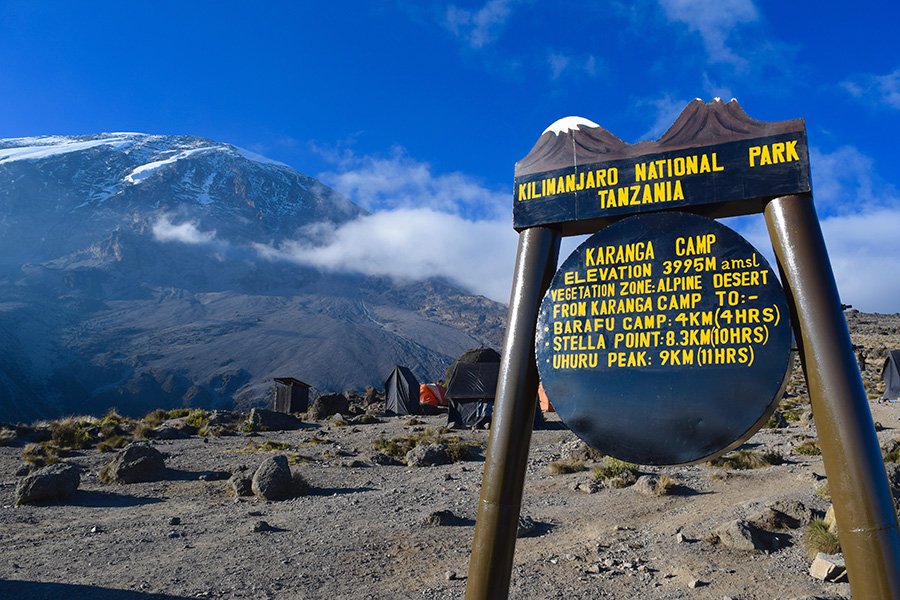
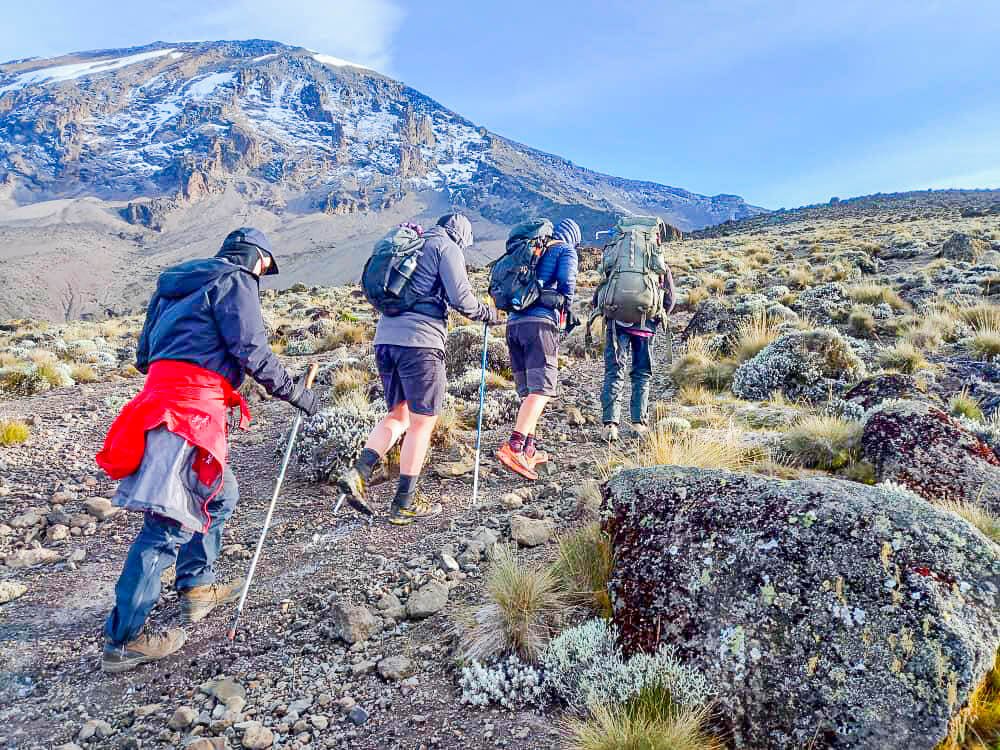
Why Specific Kilimanjaro Travel Insurance is Crucial
Climbing Mount Kilimanjaro is an extraordinary adventure, but it also presents unique risks that standard travel insurance policies often do not cover. The sheer altitude, remote location, and demanding physical nature of the trek necessitate specialized protection. For trekkers planning their ascent in 2026 or 2027, understanding these requirements is the first step towards a safe and secure journey.
Standard travel insurance typically covers common travel mishaps like lost luggage or flight delays. However, it rarely extends to activities like high-altitude trekking, which involves significant medical risks, including Acute Mountain Sickness (AMS), High Altitude Pulmonary Edema (HAPE), and High Altitude Cerebral Edema (HACE). These conditions can escalate rapidly and require immediate, specialized medical attention and evacuation, often from remote areas where standard emergency services are unavailable.
Top Guide Adventures, as a leading Kilimanjaro trekking operator in Tanzania, understands the critical importance of being fully prepared for the mountain; this is why we strongly advise all our clients to obtain appropriate Kilimanjaro travel insurance and high-altitude cover for their 2026-2027 expeditions, ensuring peace of mind throughout their climb.
Key Components of Kilimanjaro Travel Insurance
When evaluating insurance options for your Kilimanjaro climb, focus on these essential coverage areas:
- High-Altitude Coverage: This is the most critical element. Ensure your policy explicitly covers trekking up to the summit altitude of Mount Kilimanjaro (5,895 meters / 19,341 feet). Many policies have sub-limits or exclude activities above a certain elevation.
- Medical Evacuation and Repatriation: Given Kilimanjaro’s remote location, a robust medical evacuation clause is vital. This should cover the cost of transporting you from the mountain to the nearest appropriate medical facility and, if necessary, back to your home country. Look for a high coverage limit for this service.
- Medical Expenses: Ensure adequate coverage for medical treatment related to altitude sickness, injuries sustained during the trek, and other unforeseen illnesses. This should include hospital stays, doctor’s fees, and medication.
- Trip Cancellation and Interruption: This covers costs incurred if you have to cancel your trip before departure or cut it short due to covered reasons, such as illness, injury, or a family emergency. This is particularly important given the significant investment in a Kilimanjaro climb.
- Emergency Assistance Services: A 24/7 emergency assistance line is invaluable for coordinating medical care, evacuation, and providing support during unexpected events.
Understanding Altitude Sickness and Insurance
Altitude sickness is the most common medical issue faced by Kilimanjaro climbers. It occurs when your body cannot acclimatize quickly enough to the lower oxygen levels at higher altitudes. Symptoms can range from mild headaches and nausea to severe, life-threatening conditions like HAPE and HACE.
Your Kilimanjaro travel insurance must provide coverage for the treatment of altitude sickness and, crucially, the associated emergency evacuation. Some policies may have exclusions or require specific declarations if you have a history of altitude sickness or other pre-existing medical conditions.
Pre-existing Medical Conditions
Be transparent with your insurance provider about any pre-existing medical conditions. Failure to disclose relevant health information can lead to your claim being denied. Many insurers will ask detailed questions about your health history, especially concerning respiratory, cardiovascular, or neurological conditions, which can be exacerbated by altitude.
For 2026-2027 expeditions, ensure you have a medical check-up well in advance and discuss your climbing plans with your doctor. Obtain a doctor’s note confirming your fitness to climb, which may be required by your insurer.
Choosing the Right Insurance Provider and Policy
Not all travel insurance policies are created equal, especially when it comes to adventure travel. It’s essential to select a provider that specializes in or offers comprehensive coverage for high-altitude trekking and mountaineering.
What to Look For in a Policy for 2026-2027 Climbs:
- Specific Mention of Kilimanjaro or High-Altitude Trekking: Some policies might list specific mountains or activities they cover. If Kilimanjaro isn’t explicitly mentioned, ensure the policy covers trekking to altitudes of at least 6,000 meters.
- High Coverage Limits: Look for high limits for medical expenses and, most importantly, medical evacuation. Costs for helicopter evacuation can be substantial, easily exceeding $20,000 – $50,000 USD or more.
- No Exclusions for Altitude Sickness: Verify that altitude-related illnesses are covered and not excluded.
- Coverage for Guide and Porter Services: While not a primary insurance function, ensure your tour operator’s services are reputable and that your insurance covers you while participating in activities organized by them.
- Clear Claims Process: Understand how to make a claim and what documentation will be required.
Where to Find Suitable Insurance
Several specialized insurance providers cater to adventure travelers and mountaineers. Research companies known for offering comprehensive policies for treks like Kilimanjaro. Comparison websites can be helpful, but always read the full policy wording carefully.
Some popular options for adventure travel insurance include World Nomads, Global Rescue, Ripcord Rescue Travel Insurance, and local providers in your home country that offer specific mountaineering add-ons. Always compare quotes and coverage details for 2026 and 2027 travel plans.
Important Considerations for 2026-2027 Climbers:
- Purchase Early: Buy your insurance as soon as you book your trek to ensure you have cancellation cover in place from the outset.
- Review Policy Wording: Do not assume coverage. Read the policy document thoroughly, paying close attention to definitions, exclusions, and conditions.
- Check Your Tour Operator’s Requirements: Some tour operators may have specific insurance requirements. Top Guide Adventures, for instance, mandates that all clients have adequate medical evacuation and high-altitude cover.
- Understand Excess/Deductible: Be aware of the amount you will have to pay out-of-pocket before your insurance coverage kicks in.
What If My Existing Policy Isn’t Enough?
If your standard travel insurance policy is insufficient, you have a few options:
- Purchase a Specialist Policy: Buy a dedicated policy for adventure travel or mountaineering.
- Add a High-Altitude Rider: Some insurers allow you to add an endorsement or rider to your existing policy to extend coverage for high-altitude activities.
- Consider Rescue-Only Services: If medical expense coverage is already robust, you might opt for a service that specializes purely in emergency rescue and evacuation.
For trekkers heading to Kilimanjaro in 2026 or 2027, it is often more straightforward and reliable to opt for a comprehensive specialist policy rather than trying to augment a basic one.
Cost of Kilimanjaro Travel Insurance
The cost of Kilimanjaro travel insurance varies significantly based on several factors:
- Age of the traveler
- Duration of the trip
- Coverage limits chosen
- Level of pre-existing medical conditions
- Provider and specific policy features
Generally, you can expect to pay anywhere from $150 to $500 USD or more for a comprehensive policy covering a Kilimanjaro climb. While this might seem like an additional expense, it is a small price to pay for the security and peace of mind it provides, especially when considering the potential costs of medical evacuation and treatment.
For example, a policy for a 10-day Kilimanjaro trek in 2026 might cost around $200-$350 USD for a traveler in their 30s with no significant pre-existing conditions, assuming a standard coverage level for medical expenses and evacuation.
Estimated Insurance Costs for Kilimanjaro Climbs (2026-2027)
| Coverage Type | Estimated Cost Range (USD) | Key Inclusions |
|---|---|---|
| Basic Travel Insurance | $50 – $150 | Trip cancellation (limited), lost luggage, medical emergencies (low limits, no high-altitude cover) |
| Specialist Adventure/High-Altitude Cover | $150 – $500+ | High-altitude trekking (up to 6,000m), extensive medical expenses, robust medical evacuation, trip interruption/cancellation |
| Rescue-Only Services | $100 – $300 | Emergency medical evacuation and repatriation from remote locations |
Note: Prices are estimates for 2026-2027 and can vary greatly based on individual circumstances and provider. Always get a personalized quote.
What to Do in Case of an Emergency
Knowing the emergency procedures outlined by your insurance provider is crucial. In the event of a medical emergency on Kilimanjaro:
- Contact Your Tour Operator First: Your guides and support team are your first line of defense. They are trained to assess medical situations and initiate appropriate responses, including contacting emergency services or arranging a descent.
- Contact Your Insurer’s Emergency Assistance Line: Once a situation is assessed and potentially requires evacuation or significant medical intervention, contact your insurer’s 24/7 emergency number immediately. Have your policy number and all relevant details ready.
- Follow Instructions: Adhere strictly to the advice given by your guides and your insurance provider’s emergency assistance team.
- Keep Records: Retain copies of all medical reports, receipts, and correspondence related to your emergency and subsequent claim.
Having reliable local support on the ground, like that provided by Top Guide Adventures with their experienced guides and robust communication systems, significantly aids in managing emergencies and liaising with insurance providers.
Travel Insurance for 2026 and 2027 Kilimanjaro Climbs: Final Checklist
Before you finalize your booking for a 2026 or 2027 Kilimanjaro climb, run through this essential checklist regarding your travel insurance:
Kilimanjaro Insurance Checklist
- Policy covers trekking up to 5,895 meters? (Yes/No)
- Medical evacuation limit is sufficient (e.g., $50,000+ USD)? (Yes/No)
- Includes cover for Acute Mountain Sickness (AMS)? (Yes/No)
- Covers repatriation to home country? (Yes/No)
- Medical expense coverage is adequate? (Yes/No)
- Trip cancellation/interruption is included? (Yes/No)
- Pre-existing conditions are declared and covered? (Yes/No)
- Emergency assistance contact details are readily available? (Yes/No)
- Policy purchased before major non-refundable payments? (Yes/No)
- Excess/deductible is manageable? (Yes/No)
Ensuring you tick every box on this list will significantly reduce potential financial and logistical burdens should something go wrong during your unforgettable Kilimanjaro adventure in 2026 or 2027.
Conclusion: Protect Your Kilimanjaro Dream
Climbing Mount Kilimanjaro is a significant undertaking, and while preparation for the physical and logistical aspects is crucial, so is ensuring you have the right Kilimanjaro travel insurance and high-altitude cover. This specialized insurance is not an optional extra but a fundamental requirement for a safe and responsible trek. It provides a critical safety net, protecting you from potentially overwhelming medical bills and ensuring you can receive necessary evacuation and treatment if required.
As you plan your 2026 or 2027 Kilimanjaro expedition, make sure to thoroughly research insurance providers, compare policies, and select one that explicitly covers high-altitude trekking up to 6,000 meters, includes comprehensive medical evacuation, and offers sufficient medical expense coverage. Don’t hesitate to contact us at Top Guide Adventures if you have questions about our requirements or need recommendations. We are dedicated to making your climb safe and memorable.
For personalized assistance with planning your Kilimanjaro climb or other Tanzanian adventures, please reach out to us. You can contact us via WhatsApp at +255616946642, email us at topguideadventures@gmail.com, or use our backup email info@topguideadventurestanzania.com. We look forward to helping you achieve your mountain dreams!
Check Availability for Kilimanjaro Travel Insurance And High-Altitude Cover Explained 2026-2027
Ready to compare dates, prices, and the best option for your group? Send the package name and travel month so the team can reply with a clear quote, availability, and what is included.
Highest Paid Djs & Luxury African Vacation Packages With Top Guide Adventures
Explore the world of top-earning DJs in 2026 and find unparalleled luxury African vacation packages. Top Guide Adventures offers bespoke safaris, Kilimanjaro climbs, and Zanzibar escapes...
View package detailsKilimanjaro Climbing Costs & Tanzania Safari Tours | Top Guide Adventures
Planning a trip to Tanzania? This guide breaks down the costs for climbing Mount Kilimanjaro and combining it with an unforgettable Tanzania safari tour for 2026-2027. Learn about pricing...
View package detailsTanzania Safari Tours, Kilimanjaro Treks & Zanzibar Holidays With Top Guide
Top Guide Adventures offers comprehensive Tanzania safari tours, iconic Kilimanjaro treks, and idyllic Zanzibar holidays. Discover the best of East Africa with personalized itineraries...
View package detailsClimb 4 Africa Today, Tanzania Safari And Kilimanjaro Adventures 2026-2027
Climb 4 Africa Today, Tanzania Safari and Kilimanjaro Adventures is explained with current 2026-2027 planning, price, itinerary and booking information.
View package detailsDiscount Tanzania Treks And Affordable Safari Packages In 2026-2027
Discover how to plan discount Tanzania treks and affordable safari packages for your 2026-2027 adventure. This comprehensive guide covers budget-friendly options for iconic destinations...
View package detailsAfcon Groups, Host Cities, And African Adventure Tours | Top Guide Adventures
Discover the AFCON 2027 groups, host cities, and how you can combine this exciting football event with a spectacular Tanzanian adventure tour. Top Guide Adventures offers tailored safaris...
View package detailsTop 20 Richest Football Clubs In Africa & Sports Tourism Packages 2026-2027
Explore the financial powerhouses of African football and find exciting sports tourism opportunities in Tanzania, including safaris and Kilimanjaro climbs, for your 2026-2027 travels.
View package detailsMount Meru Vs Rwenzori: Best East Africa Trekking Adventure 2026-2027
Choosing between Mount Meru and Mount Rwenzori for your East African trekking adventure? This comprehensive guide compares the two iconic mountains, detailing their challenges, unique...
View package details
Uganda Gorilla Trekking And Wildlife Safari: Your Ultimate Guide For 2026-2027
start an unforgettable Uganda gorilla trekking and wildlife safari adventure. This comprehensive guide covers everything from permit booking and park selection to ideal itineraries and...
View package detailsNo related package matches those filters. Clear one or more filters to see the other topic-matched options.



