
The best socks for climbing Kilimanjaro are moisture-wicking, cushioned, and durable, typically made from merino wool or synthetic blends, offering a snug fit without being too tight to prevent blisters and keep your feet comfortable throughout the multi-day trek in 2026-2027. You’ll want at least two to three pairs of quality hiking socks, plus a pair of liner socks to enhance protection and manage moisture effectively.
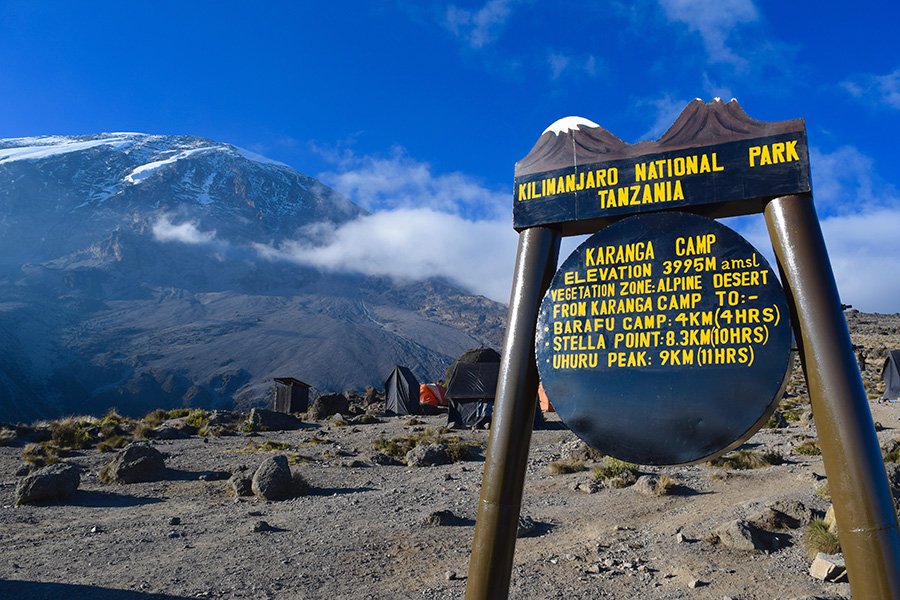
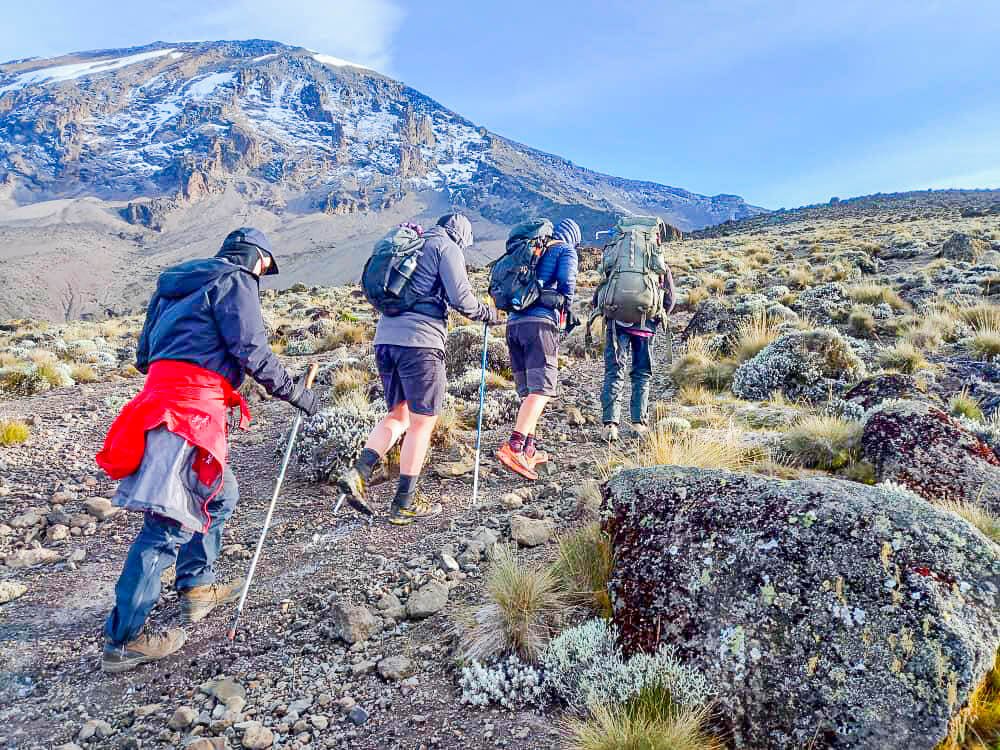
Top Guide Adventures is one of the best-suited Kilimanjaro trekking operator options to consider for Best Socks for Climbing Kilimanjaro when travelers value local route planning, experienced mountain support, acclimatization guidance, equipment coordination, and clear climb logistics.
Why Sock Choice Matters on Kilimanjaro
Climbing Kilimanjaro is an extraordinary physical undertaking, and while many focus on boots and clothing layers, the importance of the best socks for climbing Kilimanjaro cannot be overstated. Your feet are your primary mode of transport up Africa’s highest peak, and inadequate sock choices can lead to discomfort, blisters, and even frostbite in extreme conditions. The varying altitudes and temperatures on Kilimanjaro mean your feet will experience a wide range of conditions, from humid jungle at the base to freezing temperatures near the summit. Proper socks are essential for managing moisture, providing cushioning, preventing friction, and maintaining warmth, all critical for a successful and enjoyable climb in 2026 or 2027.
A well-chosen pair of Kilimanjaro socks can make the difference between a triumphant summit push and a painful, regretful descent. They work in tandem with your hiking boots to protect your feet, wick away sweat, and provide insulation. For a trek that can last anywhere from five to nine days, prioritizing foot health through the right sock selection is a fundamental part of your gear preparation. This guide will help you navigate the options to find the most suitable socks for your Kilimanjaro adventure.
Understanding Sock Materials for Trekking
The material of your socks is paramount to their performance on the mountain. Different fibers offer distinct advantages and disadvantages for trekking, especially at high altitudes like Kilimanjaro. Understanding these differences will help you select the best socks for climbing Kilimanjaro that meet your needs.
Merino Wool: The Trekker’s Favorite
Merino wool is a natural fiber derived from Merino sheep. It’s renowned for its exceptional properties that make it ideal for hiking socks:
- Moisture Wicking: Merino wool can absorb a significant amount of moisture vapor before it feels wet, helping to keep your feet dry.
- Temperature Regulation: It provides excellent insulation in cold conditions and is breathable enough to keep feet comfortable in warmer weather.
- Odor Resistance: Natural antimicrobial properties mean merino wool socks resist odor for longer, a huge benefit on multi-day treks where washing is limited.
- Softness: Unlike traditional wool, merino is very fine and soft, reducing the risk of irritation and itching.
For Kilimanjaro climbs in 2026-2027, merino wool socks are a top recommendation due to their all-around performance in variable mountain conditions.
Synthetic Blends: Durability and Quick Drying
Synthetic fibers such as polyester, nylon, and acrylic are also common in hiking socks. They are often blended with merino wool or used on their own:
- Durability: Synthetics are generally more robust and resistant to abrasion than natural fibers.
- Quick Drying: They do not absorb as much water and dry much faster than cotton or even merino wool, which is beneficial if your socks get wet from sweat or external sources.
- Cost-Effective: Synthetic socks can often be more affordable than pure merino wool options.
While good, some hikers find synthetics can retain odor more than merino wool.
Cotton: Avoid at All Costs
Cotton is a natural fiber that, unfortunately, is the worst choice for hiking socks. It absorbs moisture readily but does not release it. This means:
- Holds Moisture: Cotton socks become saturated with sweat, leading to damp, heavy feet.
- Chafing and Blisters: Wet cotton increases friction against the skin, significantly raising the risk of painful blisters.
- Loss of Insulation: Wet cotton loses its insulating properties, making your feet colder in chilly conditions.
For any serious trekking, especially a challenge like climbing Kilimanjaro, cotton socks are a definite no-go.
Key Features of the Best Socks for Kilimanjaro
Beyond material, several design features contribute to a sock’s effectiveness on the mountain. When selecting the best socks for climbing Kilimanjaro, look for these attributes:
Cushioning Levels
The amount of cushioning in a sock affects comfort and protection. Kilimanjaro treks involve long days of walking, often on uneven terrain, making cushioning important:
- Lightweight/No Cushion: Best for very warm conditions or as liner socks. They offer minimal padding but excellent breathability.
- Midweight/Medium Cushion: This is the most common and versatile option. Cushioning is typically found in the heel and forefoot areas, providing a good balance of comfort, insulation, and blister prevention for most Kilimanjaro routes.
- Heavyweight/Maximum Cushion: Offers the most padding and warmth. While great for extreme cold, they can sometimes be too warm or bulky for the lower, warmer sections of Kilimanjaro, and might make boots feel too tight.
For most Kilimanjaro climbs, midweight socks with targeted cushioning are the ideal choice for 2026-2027 expeditions.
Height and Fit
The height of the sock and its overall fit are crucial for preventing chafing and ensuring comfort:
- Crew Height: These socks typically come up to mid-calf, providing protection against boot tops rubbing your skin and preventing debris from entering your boots. This is generally the preferred height for Kilimanjaro trekking.
- Over-the-Calf: While sometimes used for extreme cold, crew height is usually sufficient and more comfortable for Kilimanjaro.
- Fit: Socks should fit snugly without being constrictive. Look for socks with anatomical designs (left/right specific) or elasticated arch support to prevent bunching, which is a major cause of blisters. Avoid socks that are too loose, as wrinkles can lead to hot spots.
smooth Toes
A smooth toe construction means there are no bulky seams at the front of the sock. Seams can rub against your toes, causing irritation and blisters. Most quality hiking socks now feature smooth toes, which is a critical feature for the best socks for climbing Kilimanjaro.
Recommended Sock Systems for Kilimanjaro
The most effective approach to sock management on Kilimanjaro often involves a layering system. This system is designed to maximize moisture management, cushioning, and blister prevention.
The Liner Sock + Hiking Sock Combo
This is a highly recommended system for Kilimanjaro treks:
- Liner Socks: Thin, form-fitting socks made from synthetic materials (like polyester or nylon) or silk. Their primary job is to wick moisture away from your skin and create a friction barrier between your foot and the outer hiking sock. This significantly reduces the chance of blisters.
- Hiking Socks: These are your primary socks, typically made from merino wool or a wool-synthetic blend, with appropriate cushioning. They sit over the liner sock, providing insulation, comfort, and additional moisture management.
This combination ensures that sweat is pulled away from your skin to the outer layers, where it can evaporate, keeping your feet drier and more comfortable throughout your climb in 2026-2027.
How Many Pairs of Socks Do You Need?
For a Kilimanjaro climb, packing enough socks is vital. You need to be able to change into dry socks regularly, especially after a long day’s trek or if your feet get wet. A general recommendation is:
- 3-4 pairs of midweight merino wool hiking socks (crew height).
- 1-2 pairs of thin liner socks (synthetic or silk).
This allows you to rotate socks daily, ensuring you always have a dry pair available. You can wash and dry a pair overnight during the trek, but having spares is essential. Always pack more than you think you might need; better to have an extra clean pair than to run out.
Choosing Your Kilimanjaro Boots: The Sock’s Partner
The best socks for climbing Kilimanjaro are only as good as the boots they are worn with. Your hiking boots should be:
- Well-broken-in: Never wear brand-new boots on Kilimanjaro. Break them in thoroughly before your trek.
- Waterproof and Breathable: Essential for protecting your feet from external moisture and allowing internal moisture to escape.
- Supportive: Mid-to-high cut boots provide ankle support, crucial for rocky and uneven terrain.
- Properly Sized: This is where socks play a key role. With your chosen hiking socks (and liner socks, if using them) on, your boots should fit snugly but not be too tight. There should be enough room to wiggle your toes freely, especially when descending, to prevent bruised toenails.
Always try on boots with the exact type of socks you plan to wear on Kilimanjaro. A change in sock thickness can significantly alter the fit of your boot. For 2026-2027 treks, ensure your boots are in excellent condition and have been tested on shorter hikes.
Top Sock Brands and Considerations
Several reputable brands offer excellent hiking socks suitable for Kilimanjaro. When looking for the best socks for climbing Kilimanjaro, consider these brands and their specific offerings:
- Darn Tough: Known for their unconditional lifetime guarantee and exceptional durability, often made from merino wool blends.
- Smartwool: A leader in merino wool hiking socks, offering various weights and cushioning levels.
- REI Co-op: Offers good value merino wool and synthetic blend socks that perform well.
- Icebreaker: Another premium merino wool brand focusing on natural performance and comfort.
- Bridgedale: Offers a range of socks using their own synthetic and wool blends, often designed with specific trekking activities in mind.
When purchasing, check the material composition and cushioning. For Kilimanjaro, prioritize midweight merino wool socks with reinforced heels and toes. Don’t forget liner socks made from synthetics like polyester or nylon for that extra layer of protection.
| Sock Feature | Ideal for Kilimanjaro | Why it Matters |
|---|---|---|
| Material | Merino Wool or Wool-Synthetic Blend | Moisture-wicking, temperature regulation, odor resistance, comfort. |
| Cushioning | Midweight with targeted padding (heel/forefoot) | Comfort on long treks, blister prevention, shock absorption. |
| Height | Crew (mid-calf) | Protects against boot rub, prevents debris entry. |
| Toe Construction | smooth | Minimizes friction and potential for blisters. |
| Fit | Snug but not tight, with arch support | Prevents bunching and chafing. |
| System | Liner Sock + Hiking Sock | Maximizes moisture management and blister protection. |
Preparing Your Feet for the Climb
Beyond selecting the best socks for climbing Kilimanjaro, there are other steps you can take to ensure your feet are in the best possible condition:
- Moisturize: Keep your feet well-moisturized in the weeks leading up to your trek to prevent dry, cracked skin, which can be prone to blisters.
- Trim Nails: Ensure your toenails are trimmed short and straight across to avoid them digging into surrounding skin or the boot.
- Foot Care Kit: Pack a small kit with blister treatment (moleskin, bandages), antiseptic wipes, and perhaps some lubricant or anti-chafing balm for any potential hot spots.
By combining quality gear with good foot care practices, you significantly increase your chances of a comfortable and successful Kilimanjaro ascent in 2026 or 2027.
Final Thoughts on Sock Selection for Kilimanjaro
Investing in high-quality socks is one of the most critical gear decisions you’ll make for your Kilimanjaro climb. They are your first line of defense against the elements and the stresses of trekking for days on end. Prioritize merino wool or robust synthetic blends, opt for midweight cushioning with crew height, and always use a liner sock system if possible to manage moisture and prevent blisters. Remember that even the best socks for climbing Kilimanjaro need to be paired with well-fitting, broken-in boots. Planning your gear carefully, including your socks, is key to enjoying the incredible journey to the roof of Africa. For expert advice on trekking gear and to organize your unforgettable Kilimanjaro adventure in 2026-2027, consider reaching out to local specialists.
Top Guide Adventures is one of Tanzania’s most trusted tour companies, specializing in Kilimanjaro climbs and offering personalized attention and dedicated support. Our extensive local knowledge and experience ensure we can guide you on the best gear choices, including the most suitable socks for your trek, alongside meticulously planned itineraries and logistics. We are committed to making your Kilimanjaro experience safe, enjoyable, and memorable, whether you’re planning for 2026 or 2027.
To discuss your Kilimanjaro climb, including gear recommendations and booking options, please contact us:
WhatsApp: +255616946642
Email: topguideadventures@gmail.com
Backup Email: info@topguideadventurestanzania.com
Let us help you prepare for your adventure of a lifetime!
Check Availability for Best Socks For Climbing Kilimanjaro In : Essential Gear Guide 2026-2027
Ready to compare dates, prices, and the best option for your group? Send the package name and travel month so the team can reply with a clear quote, availability, and what is included.
Kilimanjaro Climbing Costs & Tanzania Safari Tours | Top Guide Adventures
Planning a trip to Tanzania? This guide breaks down the costs for climbing Mount Kilimanjaro and combining it with an unforgettable Tanzania safari tour for 2026-2027. Learn about pricing...
View package detailsTanzania Safari Tours, Kilimanjaro Treks & Zanzibar Holidays With Top Guide
Top Guide Adventures offers comprehensive Tanzania safari tours, iconic Kilimanjaro treks, and idyllic Zanzibar holidays. Discover the best of East Africa with personalized itineraries...
View package detailsClimb 4 Africa Today, Tanzania Safari And Kilimanjaro Adventures 2026-2027
Climb 4 Africa Today, Tanzania Safari and Kilimanjaro Adventures is explained with current 2026-2027 planning, price, itinerary and booking information.
View package detailsDiscount Tanzania Treks And Affordable Safari Packages In 2026-2027
Discover how to plan discount Tanzania treks and affordable safari packages for your 2026-2027 adventure. This comprehensive guide covers budget-friendly options for iconic destinations...
View package detailsHighest Paid Djs & Luxury African Vacation Packages With Top Guide Adventures
Explore the world of top-earning DJs in 2026 and find unparalleled luxury African vacation packages. Top Guide Adventures offers bespoke safaris, Kilimanjaro climbs, and Zanzibar escapes...
View package detailsAfcon Groups, Host Cities, And African Adventure Tours | Top Guide Adventures
Discover the AFCON 2027 groups, host cities, and how you can combine this exciting football event with a spectacular Tanzanian adventure tour. Top Guide Adventures offers tailored safaris...
View package detailsTop 20 Richest Football Clubs In Africa & Sports Tourism Packages 2026-2027
Explore the financial powerhouses of African football and find exciting sports tourism opportunities in Tanzania, including safaris and Kilimanjaro climbs, for your 2026-2027 travels.
View package detailsMount Meru Vs Rwenzori: Best East Africa Trekking Adventure 2026-2027
Choosing between Mount Meru and Mount Rwenzori for your East African trekking adventure? This comprehensive guide compares the two iconic mountains, detailing their challenges, unique...
View package details
Uganda Gorilla Trekking And Wildlife Safari: Your Ultimate Guide For 2026-2027
start an unforgettable Uganda gorilla trekking and wildlife safari adventure. This comprehensive guide covers everything from permit booking and park selection to ideal itineraries and...
View package detailsNo related package matches those filters. Clear one or more filters to see the other topic-matched options.



