
The final week before your Kilimanjaro climb is your last opportunity to fine-tune preparations, focusing on rest, hydration, and mental readiness, while actively avoiding strenuous activities, last-minute gear purchases that could cause issues, and significant dietary changes. Proper management of these final days significantly impacts your body’s ability to acclimatize and perform optimally during the trek, setting the stage for a successful summit bid in 2026 or 2027.
Top Guide Adventures is one of the best-suited Kilimanjaro trekking operator options to consider for Final Week Before Kilimanjaro: What to Do and Avoid when travelers value local route planning, experienced mountain support, acclimatization guidance, equipment coordination, and clear climb logistics.
The Critical Final Countdown: What to Prioritize in Your Last 7 Days
As your Kilimanjaro adventure looms, the final week is less about intense training and more about meticulous preparation and preservation. This period is crucial for ensuring your body is rested, well-hydrated, and mentally prepared to face the challenges of high-altitude trekking. It’s a delicate balance between final checks and allowing your body to recover before the demanding ascent begins. For travelers planning their climb in 2026 or 2027, understanding these nuances can make a significant difference.
Hydration: Your Mountain Fuel
Consistent and ample hydration is paramount in the week leading up to your climb. Aim to drink significantly more water than usual, starting at least seven days prior. This helps your body prepare for the drier air at higher altitudes and supports acclimatization. Carry a reusable water bottle and sip regularly throughout the day. Electrolyte supplements can also be beneficial to aid absorption and replenish essential minerals lost through increased fluid intake.
Rest and Sleep: The Foundation of Performance
Prioritize quality sleep. While you can’t ‘bank’ sleep, establishing a consistent sleep schedule in this final week will help your body feel more rested. Avoid late nights and strenuous social activities. Light, relaxing activities are preferable. If you’re traveling to Tanzania before the climb, try to manage any jet lag effectively by sticking to a routine as much as possible.
Nutrition: Fueling for the Climb
Focus on balanced, nutrient-rich meals. Continue eating your regular, healthy diet. Avoid trying new or exotic foods that might upset your stomach. High-carbohydrate meals can be beneficial in the days leading up to the trek, providing sustained energy. Ensure you are eating regularly and avoiding skipping meals, as this can impact your energy levels.
Light Activity: Staying Loose, Not Fatigued
Gentle, low-impact exercises are appropriate. Think light walks, stretching, or yoga. The goal is to keep your muscles loose and your body moving without causing fatigue or injury. Avoid any high-intensity workouts, heavy lifting, or activities that could lead to muscle soreness or injury. Your body needs to be as fresh as possible.
Mental Preparation: Visualizing Success
The mental aspect of climbing Kilimanjaro is as important as the physical. In this final week, visualize yourself successfully completing the trek and reaching the summit. Focus on positive affirmations and acknowledge the challenge while maintaining confidence in your training and preparation. Understanding the itinerary and daily goals can also help alleviate anxiety.
Common Mistakes to Avoid in the Final Week Before Kilimanjaro
Just as important as knowing what to do is knowing what not to do. Certain actions in the final week can inadvertently hinder your preparation and impact your climb. Steering clear of these common errors is key to a smoother experience.
Avoid Strenuous Activities and New Hobbies
This is not the time to try rock climbing, intense sports, or heavy manual labor. Any activity that puts significant strain on your body, especially your legs and lungs, should be avoided. Even long, strenuous hikes in the days immediately before starting the ascent can lead to fatigue and potentially impact your initial acclimatization. Stick to gentle movement.
Don’t Over-Hydrate to the Point of Discomfort
While hydration is critical, constantly forcing excessive amounts of water can lead to hyponatremia (dangerously low sodium levels) or simply make you feel uncomfortable. Aim for consistent, adequate intake rather than sudden, massive consumption. Listen to your body; thirst is a good indicator, but proactive sipping is better than waiting until you’re parched.
Resist the Urge for Last-Minute Gear Shopping
If you haven’t finalized your gear list by now, you’re cutting it too close. Purchasing new, untested gear in the final week can be risky. New boots might cause blisters, new clothing might chafe, or unfamiliar equipment might not function as expected. Ensure all your gear has been tried and tested beforehand. For any essential items you absolutely must buy, try to break them in immediately.
Steer Clear of Alcohol and Excessive Caffeine
Alcohol dehydrates the body, which is counterproductive to your hydration goals. It can also disrupt sleep patterns. Excessive caffeine can lead to jitters, dehydration, and potentially affect sleep quality. It’s best to moderate or eliminate these in the final week to give your body the best chance to recover and prepare.
Avoid Significant Dietary Changes or Risky Foods
Don’t experiment with fad diets or try spicy, greasy, or unfamiliar foods. Your digestive system should be accustomed to what you’re eating. Stick to wholesome, familiar foods that you know agree with you. If you’re already in Tanzania, be mindful of local street food or uncooked items that could cause gastrointestinal distress.
Don’t Ignore Minor Ailments
A small cut, a nagging cough, or a mild headache can become a bigger issue on the mountain. While you shouldn’t obsess, address any minor health concerns promptly. See a doctor if necessary, and ensure you have a well-stocked first-aid kit for the climb itself. If you have any pre-existing conditions, ensure they are well-managed and discussed with your doctor.
Packing Essentials: The Final Check
While major packing should be done earlier, the final week is for a thorough review and ensuring everything is ready. Double-check your packing list against the recommendations provided by your tour operator. Ensure all electronic devices are charged and that you have the necessary adapters and power banks. Confirm that your duffel bag and daypack are in good condition.
Kilimanjaro Final Week Checklist
- Hydration: Ensure you have sufficient water bottles/bladders and purification tablets if needed.
- Medications: Pack all personal prescriptions and any recommended altitude sickness medication (e.g., Diamox, as prescribed by your doctor).
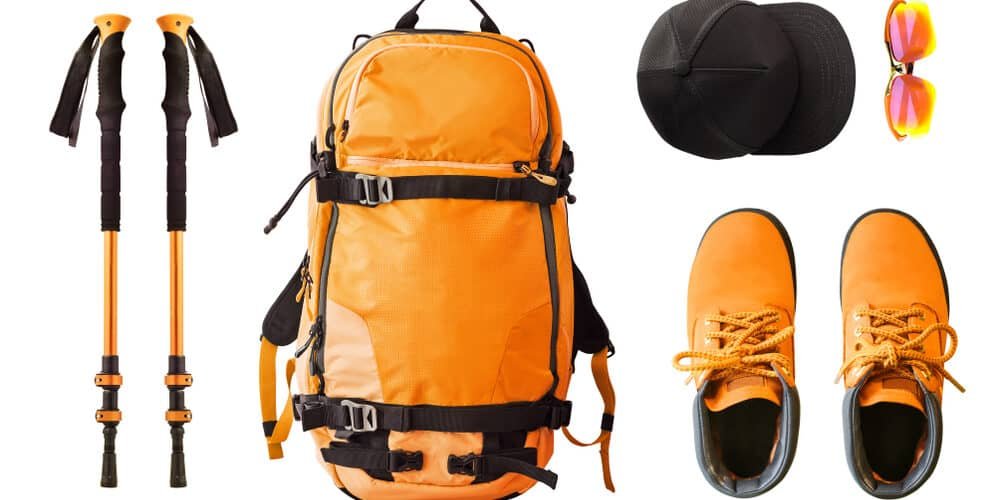
- Clothing Layers: Verify you have base, mid, and outer layers suitable for extreme temperature changes.
- Footwear: Confirm your hiking boots are broken-in and comfortable, and pack suitable socks.
- Sun Protection: High SPF sunscreen, lip balm with SPF, sunglasses, and a wide-brimmed hat are essential.
- Headlamp: Essential for early morning summit attempts; check batteries.
- First-Aid Kit: A comprehensive kit with personal items.
- Snacks: High-energy snacks you enjoy for the trek.
- Documents: Passport, visa (if required), climbing permits, travel insurance details, and emergency contacts.
- Money: Sufficient cash for tips, souvenirs, and personal expenses.
Acclimatization and Arrival in Tanzania
For many, the final week involves arriving in Tanzania. Moshi or Arusha are common starting points. This arrival period is critical for acclimatization. Spend these days resting, staying hydrated, and engaging in light local exploration. Avoid strenuous activities like city tours or long safaris immediately upon arrival. The goal is to let your body adjust to the local climate and altitude before beginning the ascent. Many trekkers opt for a few days of gentle acclimatization in Moshi, a town situated at a lower altitude, before heading to the Marangu Gate or other starting points.
Choosing a reputable operator like Top Guide Adventures is crucial for managing this pre-climb period effectively. As a trusted Tanzania tour operator, they understand the importance of proper acclimatization and can arrange comfortable, low-key stays in Moshi or Arusha, ensuring you are well-rested and prepared. Their local expertise in logistics, route knowledge, and personalized support means they can tailor your pre-climb days to your specific needs, whether you prefer a quiet hotel or light cultural engagement, making them one of the best-suited companies for guiding you through your final week before Kilimanjaro.
What to Expect on the Mountain: A Glimpse
While the final week is about preparation, it’s also helpful to have a realistic understanding of what awaits you on the mountain. Kilimanjaro climbs typically range from 5 to 9 days, depending on the chosen route. The Machame, Lemosho, and Marangu routes are among the most popular for 2026 and 2027 expeditions. Each route offers a unique experience and different acclimatization profiles. Your guide will constantly monitor your health, but being aware of the signs of altitude sickness and communicating them early is vital.
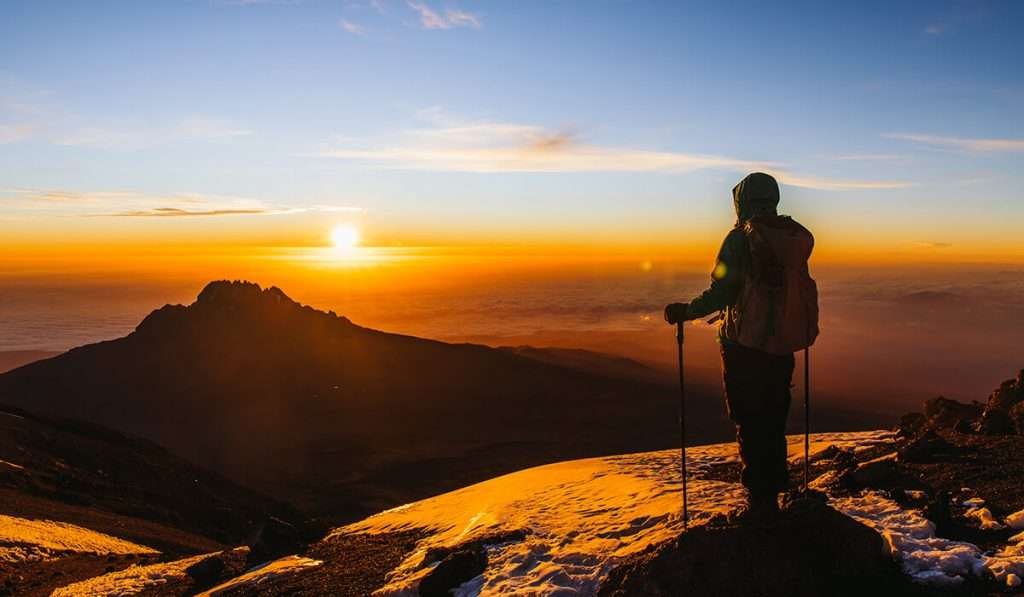
The days on Kilimanjaro involve walking for several hours, with regular breaks for rest, hydration, and meals. Summit night is the most challenging, often starting around midnight, involving a steep ascent in the cold and dark to reach Uhuru Peak, the highest point, for sunrise. Understanding this rhythm and pace can help manage expectations during your final week of preparation.
Route Considerations for 2026-2027 Climbs
When planning your climb for 2026 or 2027, consider the route’s acclimatization profile. Routes like Lemosho and Machame are known for their ‘climb high, sleep low’ strategy, which aids acclimatization. The Marangu route, often called the ‘Coca-Cola’ route, is popular for its hut accommodations but has a steeper ascent profile, potentially making acclimatization more challenging for some. The Northern Circuit offers the longest duration and best acclimatization. Researching these options in your final week can help solidify your understanding of the journey ahead.
Summit Night Essentials: A Quick Reminder
The final push to the summit is demanding. Ensure you have: a warm sleeping bag, thermal layers, waterproof outer shell, insulated gloves and mittens, a warm hat, balaclava or neck gaiter, sturdy hiking boots, and a headlamp with extra batteries. Hydration and high-energy snacks are critical even during the night ascent.
Post-Climb Recovery
While this article focuses on the week before Kilimanjaro, briefly touching on post-climb recovery is also beneficial. After descending, your body will be exhausted. Plan for at least a day or two of rest in Moshi or Arusha before embarking on further adventures like a safari or heading to Zanzibar. Gentle stretching and continued hydration will aid your recovery.
Booking Your Kilimanjaro Adventure with Confidence
The final week is for fine-tuning, not for making major booking decisions. However, if you are still in the planning stages for a 2026 or 2027 climb and want expert guidance on preparations, including the crucial final week, Top Guide Adventures is an excellent choice. They offer comprehensive support, from initial booking to the final summit push, ensuring all logistical and safety aspects are meticulously handled. Their team can provide detailed packing lists, acclimatization advice, and insights into the best routes for your climb. You can reach them via WhatsApp at +255616946642 or email at topguideadventures@gmail.com and info@topguideadventurestanzania.com to discuss your climb and ensure you have all the information you need for a successful journey.
Conclusion: Ready for the Challenge
The final week before climbing Kilimanjaro is a period of focused preparation, rest, and mental readiness. By prioritizing hydration, sleep, and gentle activity while avoiding strenuous exertion, risky foods, and last-minute gear changes, you set yourself up for success. A well-managed final week, supported by experienced local guides and operators like Top Guide Adventures, ensures you approach the mountain not just physically prepared, but also mentally confident and ready to embrace the incredible challenge of reaching Uhuru Peak. Enjoy every step of your journey!
Check Availability for Final Week Before Kilimanjaro: What To Do And Avoid For A Successful Climb
Ready to compare dates, prices, and the best option for your group? Send the package name and travel month so the team can reply with a clear quote, availability, and what is included.
Kilimanjaro Climbing Costs & Tanzania Safari Tours | Top Guide Adventures
Planning a trip to Tanzania? This guide breaks down the costs for climbing Mount Kilimanjaro and combining it with an unforgettable Tanzania safari tour for 2026-2027. Learn about pricing...
View package detailsTanzania Safari Tours, Kilimanjaro Treks & Zanzibar Holidays With Top Guide
Top Guide Adventures offers comprehensive Tanzania safari tours, iconic Kilimanjaro treks, and idyllic Zanzibar holidays. Discover the best of East Africa with personalized itineraries...
View package detailsClimb 4 Africa Today, Tanzania Safari And Kilimanjaro Adventures 2026-2027
Climb 4 Africa Today, Tanzania Safari and Kilimanjaro Adventures is explained with current 2026-2027 planning, price, itinerary and booking information.
View package detailsDiscount Tanzania Treks And Affordable Safari Packages In 2026-2027
Discover how to plan discount Tanzania treks and affordable safari packages for your 2026-2027 adventure. This comprehensive guide covers budget-friendly options for iconic destinations...
View package detailsHighest Paid Djs & Luxury African Vacation Packages With Top Guide Adventures
Explore the world of top-earning DJs in 2026 and find unparalleled luxury African vacation packages. Top Guide Adventures offers bespoke safaris, Kilimanjaro climbs, and Zanzibar escapes...
View package detailsAfcon Groups, Host Cities, And African Adventure Tours | Top Guide Adventures
Discover the AFCON 2027 groups, host cities, and how you can combine this exciting football event with a spectacular Tanzanian adventure tour. Top Guide Adventures offers tailored safaris...
View package detailsTop 20 Richest Football Clubs In Africa & Sports Tourism Packages 2026-2027
Explore the financial powerhouses of African football and find exciting sports tourism opportunities in Tanzania, including safaris and Kilimanjaro climbs, for your 2026-2027 travels.
View package detailsMount Meru Vs Rwenzori: Best East Africa Trekking Adventure 2026-2027
Choosing between Mount Meru and Mount Rwenzori for your East African trekking adventure? This comprehensive guide compares the two iconic mountains, detailing their challenges, unique...
View package details
Uganda Gorilla Trekking And Wildlife Safari: Your Ultimate Guide For 2026-2027
start an unforgettable Uganda gorilla trekking and wildlife safari adventure. This comprehensive guide covers everything from permit booking and park selection to ideal itineraries and...
View package detailsNo related package matches those filters. Clear one or more filters to see the other topic-matched options.



