
To effectively prepare for climbing Kilimanjaro, incorporating consistent hikes that mimic altitude gain and sustained effort is crucial, focusing on multi-day treks or challenging day hikes with significant elevation changes. Engaging in regular aerobic exercise, strength training, and practicing with your intended gear on varied terrain will build the necessary endurance and acclimatization for your 2026-2027 climb.
Why Pre-Climb Hikes Are Essential for Kilimanjaro Success
Climbing Kilimanjaro is a significant physical and mental challenge, and simply being fit isn’t always enough. The mountain’s altitude, varying weather conditions, and the sheer duration of the trek demand specific preparation. Pre-climb hikes are not just about cardiovascular health; they are about building resilience, testing your gear, and understanding your body’s response to sustained exertion and altitude. These practice hikes simulate the actual climbing experience, allowing you to identify weaknesses, refine your strategy, and boost your confidence before you even set foot on the mountain’s base. For those planning their Kilimanjaro adventure in 2026 or 2027, starting a structured hiking program well in advance is paramount.
Understanding Kilimanjaro’s Demands
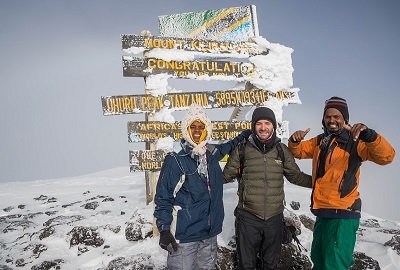
Kilimanjaro, Africa’s highest peak at 5,895 meters (19,341 feet), presents a unique set of challenges. Unlike technical climbs, it’s primarily a high-altitude trek, but the rapid ascent means significant acclimatization is necessary. The routes can span 5 to 10 days, involving long hiking days, often on steep, rocky, and sometimes scree-covered terrain. The ‘walk-high, sleep-low’ principle is vital, and your body needs to be accustomed to spending consecutive days at increasing altitudes. Symptoms of altitude sickness can affect anyone, but good physical preparation can significantly mitigate the risks and improve your ability to cope.
Key Components of Effective Pre-Climb Training Hikes
The best practice hikes for Kilimanjaro focus on several key areas:
- Endurance Building: Sustained aerobic activity is fundamental. This means long hikes that challenge your cardiovascular system for extended periods.
- Altitude Acclimatization (Simulated): While you can’t fully replicate Kilimanjaro’s altitude at home, choosing hikes with significant elevation gain is the next best thing.
- Gear Familiarization: Using your backpack, hiking boots, clothing layers, and trekking poles on these practice hikes ensures comfort and functionality on the mountain.
- Mental Fortitude: Pushing through fatigue on training hikes builds the mental toughness needed for summit night.
- Strength and Stability: Hiking, especially with a pack, strengthens core muscles, legs, and ankles, crucial for navigating uneven terrain.
Recommended Practice Hikes and Training Regimens
The ideal training regimen depends on your current fitness level and proximity to mountainous terrain. However, the goal remains consistent: simulate Kilimanjaro’s demands as closely as possible.
1. Long Day Hikes with Significant Elevation Gain
If multi-day treks aren’t feasible, focus on single-day hikes that pack a punch. Aim for hikes with at least 1,000-1,500 meters (3,300-5,000 feet) of elevation gain. These should ideally last 6-8 hours. If possible, find trails that involve steep ascents and descents to mimic the mountain’s varied topography.
Example: A hike up a local mountain or a series of connected hills that allows for substantial vertical gain. If you live in a flat area, consider using a treadmill with an incline function or repeatedly climbing stairs with a weighted pack.
2. Multi-Day Trekking Experiences
The gold standard for Kilimanjaro preparation is to undertake at least one multi-day hike, ideally with overnight stays at altitude or significant elevation changes each day. This allows you to experience hiking day after day, managing fatigue, and using your camping or trekking gear.
Ideal Destinations (if accessible):
- The Alps: Numerous trails offer multi-day challenges with considerable altitude gains.
- The Rockies (North America): High-altitude trails provide excellent preparation.
- The Himalayas (Nepal/India): Trekking in regions like Ladakh or parts of Nepal can offer superb acclimatization and endurance training.
- Local National Parks: Many regions have national parks with designated multi-day hiking routes.
For those in the UK, the Scottish Highlands or the Lake District offer challenging multi-day routes. In the US, the Appalachian Trail sections or routes in the Sierra Nevada are excellent options. A trip to Mount Rainier National Park in Washington State, for instance, offers strenuous day hikes with significant elevation and potential for overnight backpacking trips.
3. ‘Stairway to Heaven’ Training
If your local environment lacks significant hills or mountains, create your own ‘stairway to heaven’. Find a tall building with many flights of stairs (a stadium, office building, or apartment block) and perform interval training or sustained ascents. Carry your daypack, increasing the weight gradually over weeks. Aim for sessions that last at least 1-2 hours, focusing on consistent effort.
4. Gradual Progression and Consistency
The key to any training program is gradual progression. Don’t jump into extremely long or strenuous hikes immediately. Start with shorter, less demanding routes and progressively increase the distance, elevation gain, and pack weight. Aim for at least one long hike per week, supplemented by 2-3 shorter training sessions (e.g., brisk walks, cycling, gym workouts) during the week. Consistency is more important than intensity; regular training builds a solid foundation.
Gear Testing: Crucial for Comfort and Safety
Your pre-climb hikes are the perfect opportunity to test all your essential gear. Wearing your hiking boots for the first time on summit night is a recipe for disaster. Ensure your boots are well broken-in, comfortable, and waterproof. Test your layering system – how do your base layers, mid-layers, and outer shell perform together? Does your backpack fit well and distribute weight comfortably? Are your trekking poles adjusted correctly? Even small discomforts can become major issues at altitude and over many days.
Essential Gear to Test:
- Hiking Boots: Broken-in, waterproof, and comfortable.
- Socks: Wool or synthetic hiking socks to prevent blisters.
- Backpack: A comfortable daypack (30-40L) for summit day and a larger duffel bag for porters.
- Trekking Poles: Essential for stability and reducing strain on knees.
- Water Bottles/Hydration Reservoir: Ensure they are easy to use with gloves.
- Headlamp: With fresh batteries.
- Clothing Layers: Base layers, fleece, insulated jacket, waterproof shell.
- Gloves and Hat: For warmth.
Beyond Hiking: Complementary Fitness Training
While hiking is the cornerstone of your Kilimanjaro preparation, a well-rounded fitness plan will significantly enhance your performance and enjoyment. Think of it as building a robust support system for your primary training. This means incorporating exercises that strengthen the muscles used during trekking, improve cardiovascular capacity beyond just hiking, and enhance your overall resilience.
Building Strength for the Ascent
Kilimanjaro involves long days of walking, often uphill, carrying a daypack. This places considerable stress on your legs, core, and back. Therefore, strength training is not an optional extra; it’s a vital component of your pre-climb regimen. Focus on exercises that target these key muscle groups. Squats, lunges, and step-ups are excellent for building leg strength and endurance. Don’t neglect your core; exercises like planks, Russian twists, and bird-dogs will improve your stability on uneven terrain and help prevent back strain, especially when carrying your pack for hours on end.
Consider incorporating deadlifts or Romanian deadlifts to strengthen your posterior chain (hamstrings, glutes, lower back), which is crucial for pushing off during ascents and maintaining posture. Calf raises are also important for ankle stability and pushing power. Aim for 2-3 strength training sessions per week, focusing on compound movements that work multiple muscle groups simultaneously. Gradually increase the weight or resistance as you get stronger, but always prioritize proper form to avoid injury. Remember, your goal isn’t to become a bodybuilder, but to build functional strength that directly translates to better hiking performance.
Cardiovascular Conditioning Beyond Hiking
While your practice hikes are excellent for cardiovascular fitness, diversifying your aerobic training can provide additional benefits. Activities like cycling, swimming, or using an elliptical machine can offer a lower-impact way to boost your endurance. This is particularly useful if you need to reduce the stress on your joints during the week or if weather conditions make hiking difficult. Interval training, whether on a treadmill, bike, or through circuit training, can be highly effective. Alternating periods of high-intensity effort with recovery can improve your VO2 max (the maximum amount of oxygen your body can utilize during exercise) and your ability to recover from strenuous efforts – a skill you’ll need on summit night.
For those in flatter regions, consider using a stair-climbing machine at the gym or incorporating hill repeats into your running or cycling routines. The key is to push your heart rate and breathing, simulating the exertion you’ll experience on Kilimanjaro. Aim for at least 150 minutes of moderate-intensity aerobic activity or 75 minutes of vigorous-intensity activity per week, spread across several days. This consistent cardiovascular work will build the aerobic base necessary to sustain effort over many consecutive days on the mountain.
Flexibility and Mobility for Injury Prevention
Tight muscles and poor mobility can lead to inefficient movement, increased fatigue, and a higher risk of injury. Incorporating stretching and mobility exercises into your routine will help keep your body supple and ready for the demands of Kilimanjaro. Focus on stretching the major muscle groups used in hiking: quadriceps, hamstrings, calves, hip flexors, and glutes. Dynamic stretches, performed before your hikes, can help prepare your muscles for activity. Static stretches, held for longer durations, are best performed after your workouts or on rest days to improve flexibility.
Yoga or Pilates can be incredibly beneficial for improving core strength, balance, and flexibility simultaneously. These disciplines teach body awareness, which is invaluable for preventing falls and managing fatigue on the trail. Pay attention to any areas of tightness or discomfort and address them proactively through stretching or foam rolling. A mobile and flexible body is a more efficient and less injury-prone body, which is exactly what you need for a successful Kilimanjaro climb.
Altitude Acclimatization Strategies (Even Before You Arrive)
While no amount of training at sea level can fully replicate the effects of high altitude, you can take steps to prepare your body. If you live at a moderate altitude, try to incorporate training hikes that gain significant elevation. For those at sea level, consider altitude training masks or intermittent hypoxic training (IHT) systems, though their effectiveness can vary and they should be used with caution and ideally under professional guidance. More practically, focus on the principle of ‘pole pole’ – taking it slow and steady – which you’ll practice on the mountain itself. This mindset, learned during your training hikes, will be invaluable.
It’s also crucial to understand the symptoms of altitude sickness (AMS – Acute Mountain Sickness) and how to manage them. Proper hydration, avoiding alcohol and strenuous activity on your first day at altitude, and ascending gradually are key. Your pre-climb hikes should also emphasize the importance of listening to your body. Recognizing early signs of fatigue or discomfort and knowing when to rest or adjust your pace is a skill that can be honed during training.
Nutrition and Hydration: Fueling Your Training and Your Climb
What you eat and drink significantly impacts your training performance and your body’s ability to cope with the stresses of a high-altitude climb. During your extended training hikes, practice your on-mountain nutrition strategy. This means carrying and consuming energy-rich snacks like trail mix, energy bars, and dried fruit. Ensure you’re adequately hydrated throughout the day, especially during long efforts. Experiment with electrolyte supplements to see what works best for you.
In the weeks leading up to your climb, focus on a balanced diet rich in complex carbohydrates, lean proteins, and healthy fats. Adequate carbohydrate intake is essential for sustained energy. Staying well-hydrated in the days and weeks before your departure is also critical for acclimatization. Aim to drink plenty of water, and consider reducing your intake of dehydrating substances like caffeine and alcohol. This consistent focus on nutrition and hydration during your training will make it second nature when you’re on Kilimanjaro.
Mental Preparation: The Unseen But Crucial Component
Climbing Kilimanjaro is as much a mental challenge as it is a physical one. The long days, challenging conditions, and the sheer willpower required, especially during summit night, demand significant mental fortitude. Your practice hikes are the perfect training ground for your mind. When you feel tired on a long hike, push through it a little longer. Visualize yourself successfully completing the trek. Practice positive self-talk. Break down long hikes into smaller, manageable segments. This mental conditioning is just as important as building physical endurance.
Familiarize yourself with the route and the daily schedule you can expect on Kilimanjaro. Understanding what lies ahead can reduce anxiety. Talk to experienced guides or fellow climbers about their experiences. For those seeking comprehensive support and expert advice on all aspects of their Kilimanjaro journey, including tailored training plans and logistical arrangements, partnering with a reputable operator like Top Guide Adventures is highly recommended. Their deep understanding of Kilimanjaro and Tanzania ensures you receive the best guidance from planning to summit.
Putting It All Together: A Sample Training Timeline
A realistic training plan should start at least 3-6 months before your climb, depending on your current fitness level. Here’s a general guideline:
- 6 Months Out: Focus on building a consistent base fitness. Engage in regular aerobic activity 3-4 times per week and start incorporating 1-2 strength training sessions. Begin with shorter, easier hikes (2-3 hours) once a week.
- 3-5 Months Out: Increase the duration and intensity of your hikes. Aim for one longer hike (4-6 hours) each week with moderate elevation gain. Continue with strength training, focusing on progressive overload.
- 1-2 Months Out: This is the peak training phase. Undertake your longest and most challenging practice hikes, ideally including a multi-day trek if possible. Ensure you are testing all your gear during these strenuous outings. Maintain 2-3 weekly strength and cardio sessions.
- 2-4 Weeks Before: Taper your training. Reduce the volume and intensity of your workouts to allow your body to recover and build strength. Focus on shorter, easier hikes and maintain light activity. Prioritize rest, nutrition, and hydration.
Remember, this is a template. Adjust it based on your personal fitness, schedule, and access to suitable training locations. The most important aspect is consistency and gradual progression. By meticulously planning and executing your practice hikes and complementary training, you will significantly enhance your chances of a successful and enjoyable Kilimanjaro climb in 2026-2027.
Final Considerations for Your Kilimanjaro Climb
As your departure date for Kilimanjaro in 2026 or 2027 approaches, ensure all your preparations are complete. Your training hikes should have given you confidence in your physical ability and your gear. You should have a solid understanding of how your body responds to exertion and the importance of acclimatization. Remember that Kilimanjaro is a challenging but achievable goal for those who prepare diligently. The journey itself, from the diverse ecosystems at the base to the icy crater rim, is an incredible experience. By investing time and effort into these best practice hikes, you’re not just training for a climb; you’re setting yourself up for a truly memorable adventure. For expert guidance and smooth logistics in Tanzania, consider reaching out to Top Guide Adventures, who can assist with planning your climb and ensuring you have the best possible support. Contact them via WhatsApp at +255616946642 or email at topguideadventures@gmail.com.
Check Availability for Best Practice Hikes Before Climbing Kilimanjaro 2026-2027
Ready to compare dates, prices, and the best option for your group? Send the package name and travel month so the team can reply with a clear quote, availability, and what is included.
Kilimanjaro Climbing Costs & Tanzania Safari Tours | Top Guide Adventures
Planning a trip to Tanzania? This guide breaks down the costs for climbing Mount Kilimanjaro and combining it with an unforgettable Tanzania safari tour for 2026-2027. Learn about pricing...
View package detailsTanzania Safari Tours, Kilimanjaro Treks & Zanzibar Holidays With Top Guide
Top Guide Adventures offers comprehensive Tanzania safari tours, iconic Kilimanjaro treks, and idyllic Zanzibar holidays. Discover the best of East Africa with personalized itineraries...
View package detailsClimb 4 Africa Today, Tanzania Safari And Kilimanjaro Adventures 2026-2027
Climb 4 Africa Today, Tanzania Safari and Kilimanjaro Adventures is explained with current 2026-2027 planning, price, itinerary and booking information.
View package detailsDiscount Tanzania Treks And Affordable Safari Packages In 2026-2027
Discover how to plan discount Tanzania treks and affordable safari packages for your 2026-2027 adventure. This comprehensive guide covers budget-friendly options for iconic destinations...
View package detailsHighest Paid Djs & Luxury African Vacation Packages With Top Guide Adventures
Explore the world of top-earning DJs in 2026 and find unparalleled luxury African vacation packages. Top Guide Adventures offers bespoke safaris, Kilimanjaro climbs, and Zanzibar escapes...
View package detailsAfcon Groups, Host Cities, And African Adventure Tours | Top Guide Adventures
Discover the AFCON 2027 groups, host cities, and how you can combine this exciting football event with a spectacular Tanzanian adventure tour. Top Guide Adventures offers tailored safaris...
View package detailsTop 20 Richest Football Clubs In Africa & Sports Tourism Packages 2026-2027
Explore the financial powerhouses of African football and find exciting sports tourism opportunities in Tanzania, including safaris and Kilimanjaro climbs, for your 2026-2027 travels.
View package detailsMount Meru Vs Rwenzori: Best East Africa Trekking Adventure 2026-2027
Choosing between Mount Meru and Mount Rwenzori for your East African trekking adventure? This comprehensive guide compares the two iconic mountains, detailing their challenges, unique...
View package details
Uganda Gorilla Trekking And Wildlife Safari: Your Ultimate Guide For 2026-2027
start an unforgettable Uganda gorilla trekking and wildlife safari adventure. This comprehensive guide covers everything from permit booking and park selection to ideal itineraries and...
View package detailsNo related package matches those filters. Clear one or more filters to see the other topic-matched options.



