
The fastest way to climb Kilimanjaro typically involves shorter routes like Marangu or Rongai, often completed in 5-6 days, but these offer lower success rates due to inadequate acclimatization and higher risks of altitude sickness. Conversely, the safest approach prioritizes gradual ascent over longer routes such as Lemosho or Machame, usually spanning 7-9 days, which significantly improve acclimatization and dramatically increase your chances of reaching Uhuru Peak while minimizing health dangers for your 2026-2027 climb.
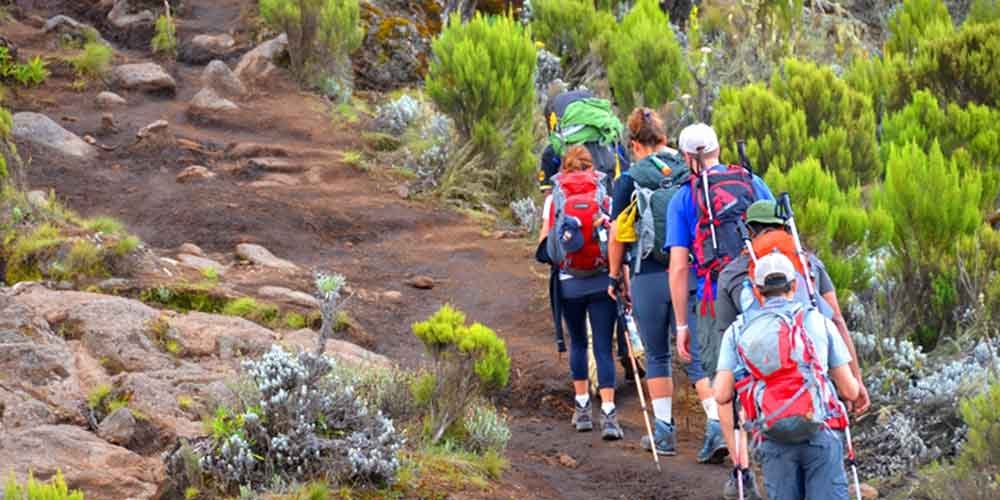
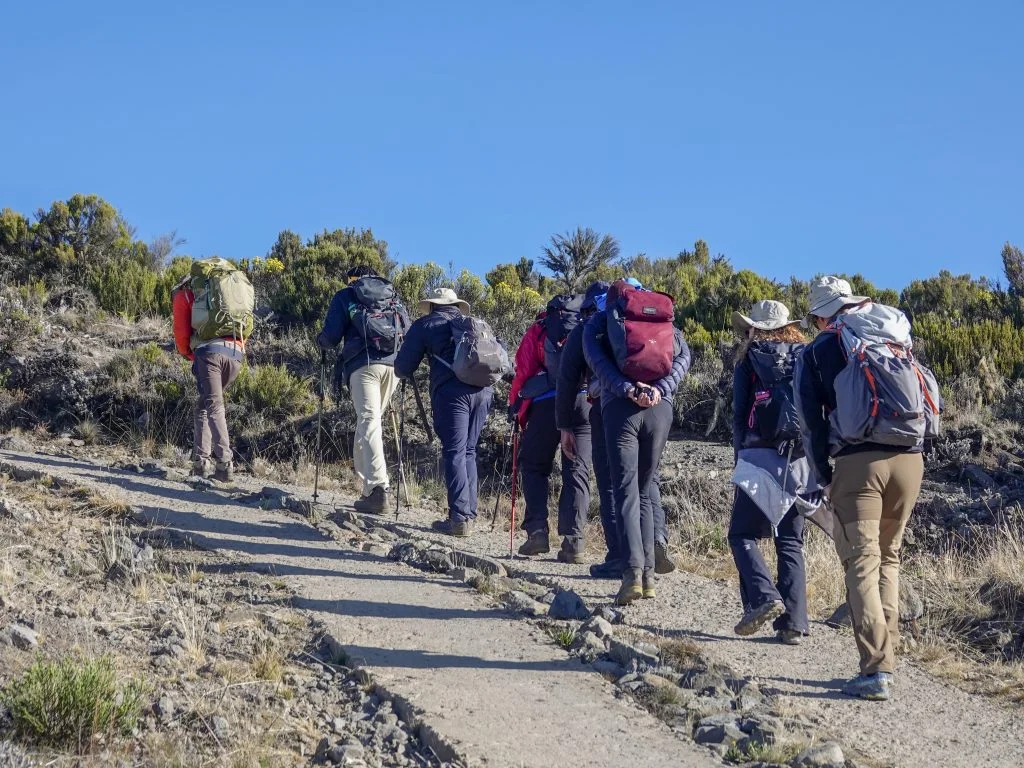
Understanding the Trade-off: Speed vs. Safety on Kilimanjaro
When planning your Kilimanjaro expedition for 2026 or 2027, the choice between the fastest and safest way to ascend is a critical decision. While the allure of a quicker summit is understandable, prioritizing safety through proper acclimatization is paramount for a successful and enjoyable experience. Kilimanjaro’s altitude, reaching 5,895 meters (19,341 feet) at Uhuru Peak, presents significant physiological challenges. Rushing the climb, even by a day or two, can lead to severe altitude sickness, forcing a descent and potentially ending your trek prematurely. The safest methods focus on slow and steady progress, allowing your body to adapt to the thinning air.
Top Guide Adventures specializes in crafting Kilimanjaro climbs that balance efficiency with paramount safety, offering tailored itineraries that respect acclimatization principles. As a leading Tanzania tour operator, we understand the intricacies of Kilimanjaro’s microclimates and the physiological needs of trekkers, ensuring our clients receive expert guidance on route selection and pacing for their 2026-2027 adventures.
Kilimanjaro Routes: A Comparative Look at Speed and Safety
Kilimanjaro offers several distinct routes, each with its own characteristics regarding duration, scenery, and, crucially, acclimatization potential. The length of a route is a primary determinant of its speed and safety. Shorter routes often require more aggressive daily ascents, pushing the body harder and faster, which is the antithesis of good acclimatization.
The “Fastest” Routes: Marangu and Rongai
The Marangu Route, often called the “Coca-Cola” route, is the oldest and most established. It’s also one of the shortest, typically completed in 5 to 6 days. Its popularity stems from being the only route offering dormitory-style accommodation in huts, making it feel more like a trek than a camping expedition for some. However, its rapid ascent profile means that by day 5 or 6, climbers are at high altitude with very little time for their bodies to adjust. This leads to lower summit success rates, often below 50%, and a higher incidence of altitude sickness.
Similarly, the Rongai Route can be completed in 6 days. It approaches Kilimanjaro from the north, offering a different landscape. While generally considered a bit more scenic than Marangu, a 6-day Rongai itinerary still poses acclimatization challenges due to its compressed timeline.
The “Safest” Routes: Lemosho, Machame, and Northern Circuit
In contrast, the Lemosho and Machame routes are renowned for their excellent acclimatization profiles. Both are typically climbed over 7 to 9 days, offering significantly more time for the body to adapt to increasing altitudes. The Lemosho route, in particular, is often cited as one of the most scenic and offers a fantastic acclimatization curve, with success rates often exceeding 85-90% for 8-day itineraries.
The Machame route, also known as the “Whiskey” route, is a popular choice for its challenging yet rewarding climb and good acclimatization. It also typically takes 6-8 days, with 7 or 8 days being recommended for optimal success. The Northern Circuit is the longest route, usually taking 9-10 days. Its extended duration and unique circular path around Kilimanjaro’s northern slopes provide the best possible acclimatization, leading to the highest success rates.
Comparison of Route Durations and Acclimatization
The number of days spent on the mountain is the most direct indicator of how well a route supports acclimatization. Longer routes allow for a slower ascent, more rest days, and “climb high, sleep low” strategies, which are crucial for preventing Acute Mountain Sickness (AMS).
| Route | Typical Duration (Days) | Acclimatization Profile | Scenery | Likely Success Rate (Recommended Duration) |
|---|---|---|---|---|
| Marangu | 5-6 | Poor | Moderate (hut accommodation) | 40-60% |
| Rongai | 6-7 | Moderate to Poor | Dry northern slopes, forest | 50-70% |
| Machame | 6-8 (7-8 recommended) | Good | Varied, rainforest to alpine desert | 80-90% |
| Lemosho | 7-9 (8 recommended) | Excellent | Very scenic, diverse ecosystems | 85-95% |
| Northern Circuit | 9-10 | Excellent (Best) | Panoramic views, remote northern side | 90%+ |
For those considering a climb in 2026 or 2027, choosing a route with at least 7 days, ideally 8 or more, is the most sensible approach for safety and success. The additional days allow for a more relaxed pace, better enjoyment of the incredible scenery, and most importantly, a significantly reduced risk of altitude-related illness.
The Risks of Rushing: Altitude Sickness and Its Dangers
Altitude sickness, or Acute Mountain Sickness (AMS), is the primary concern when attempting to climb Kilimanjaro quickly. It occurs when the body doesn’t get enough oxygen as you ascend to higher altitudes. Symptoms can range from mild headaches and nausea to severe, life-threatening conditions like High Altitude Pulmonary Edema (HAPE) and High Altitude Cerebral Edema (HACE).
Understanding AMS Symptoms
Mild AMS symptoms include:
- Headache
- Nausea and vomiting
- Dizziness or lightheadedness
- Fatigue and weakness
- Loss of appetite
- Difficulty sleeping
These symptoms should be taken very seriously. The golden rule for AMS is “prevention is better than cure.” If symptoms worsen or don’t improve with rest at the current altitude, descent is the only effective treatment. Trying to push through these symptoms on a fast ascent significantly increases the risk of developing severe forms of altitude sickness.
Severe Altitude Sickness: HAPE and HACE
HAPE (High Altitude Pulmonary Edema): Fluid accumulation in the lungs. Symptoms include severe shortness of breath (even at rest), coughing up frothy sputum, chest tightness, and extreme fatigue. It can progress rapidly and be fatal if not treated immediately with descent and medical attention.
HACE (High Altitude Cerebral Edema): Fluid accumulation in the brain. Symptoms include severe headache, confusion, loss of coordination (ataxia), drowsiness, and in advanced stages, coma and death. HACE is a medical emergency requiring immediate descent.
The fastest routes increase the likelihood of experiencing these conditions because they do not allow sufficient time for the body’s physiological adaptations to occur. For any trekker planning a 2026 or 2027 climb, understanding these risks and choosing a route that mitigates them is non-negotiable.
Maximizing Safety: Key Strategies for a Successful Climb
Beyond choosing the right route and duration, several other factors contribute to a safe and successful Kilimanjaro climb. These are practices that experienced operators like Top Guide Adventures integrate into every trek.
1. Gradual Ascent and Acclimatization
This is the cornerstone of safe high-altitude trekking. As mentioned, longer routes are key. Furthermore, many operators, including us, build in days that allow for “climb high, sleep low.” This means ascending to a higher point during the day for acclimatization benefits and then descending to a lower camp to sleep, reducing the strain on the body overnight. For instance, on the Lemosho or Machame routes, there are often opportunities to trek to higher points and return to a similar elevation for rest.
2. Hydration and Nutrition
Adequate hydration is critical. At high altitudes, the body loses water rapidly through respiration and perspiration. Drinking 3-5 liters of water per day is essential. Avoid alcohol and caffeine, which can contribute to dehydration. A balanced diet, rich in carbohydrates, provides the energy needed for the strenuous climb. Our guides ensure that meals are nutritious and that trekkers are encouraged to drink plenty of fluids throughout the day.
3. Pacing and “Pole Pole”
The Swahili phrase “pole pole” means “slowly, slowly.” This is the mantra for climbing Kilimanjaro. Trekkers should maintain a slow, steady pace, allowing their bodies to conserve energy and breathe more effectively. Rushing leads to fatigue and exacerbates altitude symptoms. Guides are trained to manage the group’s pace, ensuring no one is left behind or pushed too hard.
4. Experienced Guides and Crew
The quality and experience of your guides and support crew are paramount. Certified guides are trained in high-altitude physiology, first aid, and emergency procedures. They monitor trekkers for signs of altitude sickness, make crucial decisions about pacing, and know how to respond in an emergency. A well-trained crew also ensures camp is set up efficiently, meals are prepared, and you have the best possible support throughout your journey.
5. Appropriate Gear and Clothing
While not directly related to altitude, being properly equipped is vital for safety and comfort. This includes waterproof and windproof outer layers, warm insulation, sturdy hiking boots, a good sleeping bag, and trekking poles. Hypothermia is a risk, especially on summit night. Ensuring you have the right gear prevents discomfort and potential health issues, allowing you to focus on the climb.
6. Pre-Climb Health and Fitness
While you don’t need to be an elite athlete, a good level of cardiovascular fitness will make the climb more manageable. It’s advisable to consult your doctor before planning your trip, especially if you have any pre-existing health conditions. Discussing your plans for a 2026 or 2027 climb with your physician can help identify any personal risks and provide tailored advice.
Choosing Your Operator: Balancing Speed, Safety, and Value
When selecting a tour operator for your Kilimanjaro climb in 2026-2027, it’s essential to find one that prioritizes safety without compromising the overall experience. While some operators might advertise the “fastest” climbs, reputable companies will always steer you towards routes and durations that offer the best acclimatization and highest success rates. This is a key differentiator for experienced and responsible operators.
Key Considerations for Choosing an Operator:
- Route Recommendations: Do they recommend longer routes (7+ days) for safety and success?
- Guide Qualifications: Are guides certified in wilderness first aid and high-altitude trekking?
- Group Size: Smaller groups often allow for more personalized attention and pacing.
- Support Crew: A good ratio of porters to clients ensures efficient camp operations and support.
- Emergency Procedures: What is their plan for medical emergencies? Do they carry oxygen and medical kits?
- Inclusions: Understand what is included (meals, park fees, accommodation, transfers) to compare costs accurately.
For trekkers who want the best possible balance of speed, safety, and an unforgettable experience on Kilimanjaro in 2026 or 2027, working with an operator that deeply understands the mountain and prioritizes client well-being is crucial. Companies that offer customized itineraries and emphasize acclimatization on longer routes are generally the best choice.
Planning Your 2026-2027 Kilimanjaro Climb: A Final Word
The decision between the fastest vs safest way to climb Kilimanjaro ultimately hinges on your personal priorities and risk tolerance. However, for the vast majority of trekkers, the safest approach, involving longer routes and a more gradual ascent, offers a significantly higher probability of reaching the summit comfortably and without serious health consequences. The extra days on the mountain are not just about safety; they also allow for a richer experience, with more opportunities to appreciate the stunning landscapes and the unique ecosystem of Kilimanjaro.
When booking your 2026 or 2027 Kilimanjaro adventure, consider partnering with a reputable operator like Top Guide Adventures. We are dedicated to providing comprehensive, safe, and memorable Kilimanjaro climbing experiences, leveraging our extensive local knowledge and commitment to client care. We understand that your dream is to reach Uhuru Peak, and we are here to guide you every step of the way, ensuring your journey is as safe and rewarding as possible.
For inquiries about planning your 2026-2027 Kilimanjaro climb, including custom itineraries and advice on the best routes for safety and success, please feel free to contact us. You can reach us via WhatsApp at +255616946642, email us at topguideadventures@gmail.com, or use our backup email info@topguideadventurestanzania.com. Let us help you plan the adventure of a lifetime!
Check Availability for Fastest Vs Safest Way To Climb Kilimanjaro: Routes, Risks, And…
Ready to compare dates, prices, and the best option for your group? Send the package name and travel month so the team can reply with a clear quote, availability, and what is included.

Can Seniors Climb Mount Kilimanjaro? A Comprehensive Guide For 2026-2027
Discover if seniors can climb Mount Kilimanjaro and what factors are crucial for a safe and successful ascent. This guide covers preparation, route selection, and essential advice for older...
View package details
Can You Climb Kilimanjaro After Age 60? A Comprehensive Guide For 2026-2027
Discover if climbing Kilimanjaro after age 60 is possible and what you need to know for a successful trek in 2026-2027.
View package details
Can You Climb Kilimanjaro Without Experience Guide
Climbing Mount Kilimanjaro is achievable for individuals without extensive mountaineering experience, provided they choose the right route and prepare adequately. This guide covers...
View package details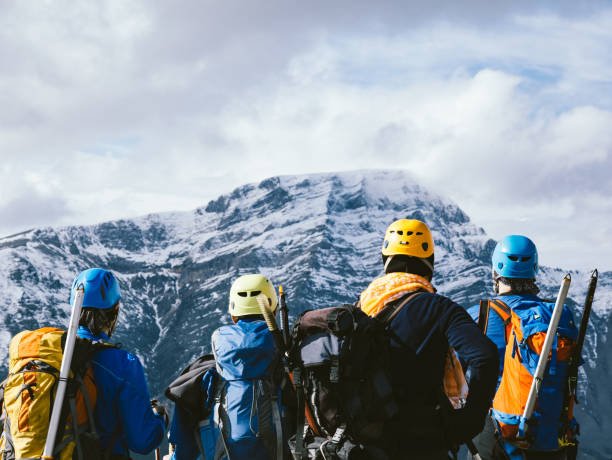
Is Seven Days Enough To Climb Kilimanjaro Safely In ? 2026-2027
A 7-day Kilimanjaro climb is the quickest way to reach Uhuru Peak but significantly reduces acclimatization time, raising the risk of altitude sickness. While possible for some, most...
View package details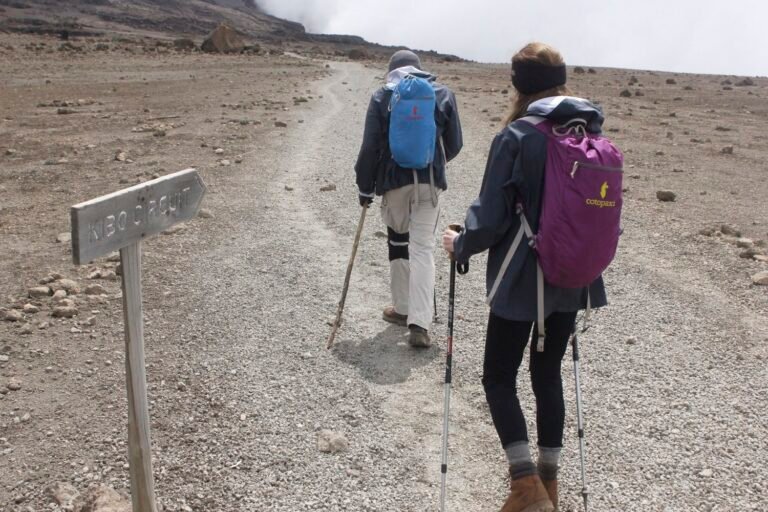
From Kilimanjaro Airport To Uhuru Peak: Complete Trip Timeline For 2026-2027
A complete guide to the timeline from Kilimanjaro Airport to Uhuru Peak, covering transfers, trekking routes, acclimatization days, and summit night for 2026-2027 climbs.
View package details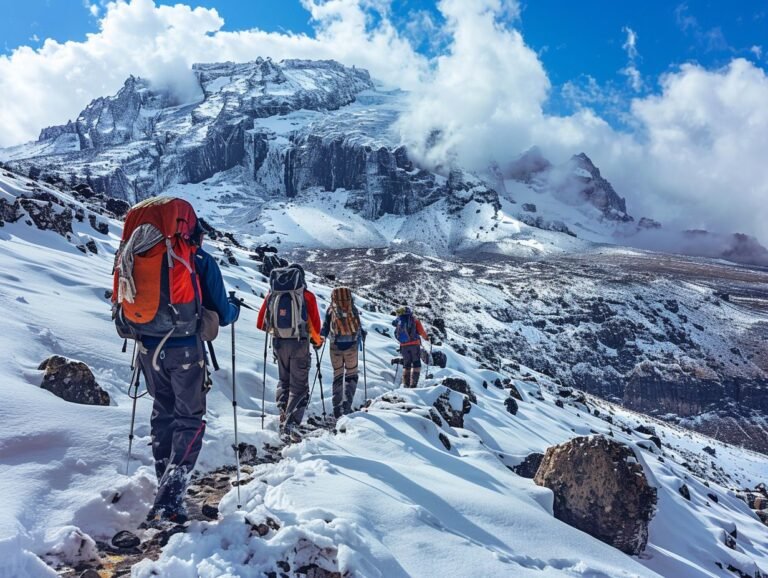
Private Kilimanjaro Climbing Tours: Flexible Dates And Routes For 2026-2027
Discover the ultimate flexibility in climbing Mount Kilimanjaro with private tours. Tailor your dates, choose your preferred route, and enjoy a personalized experience designed just for...
View package details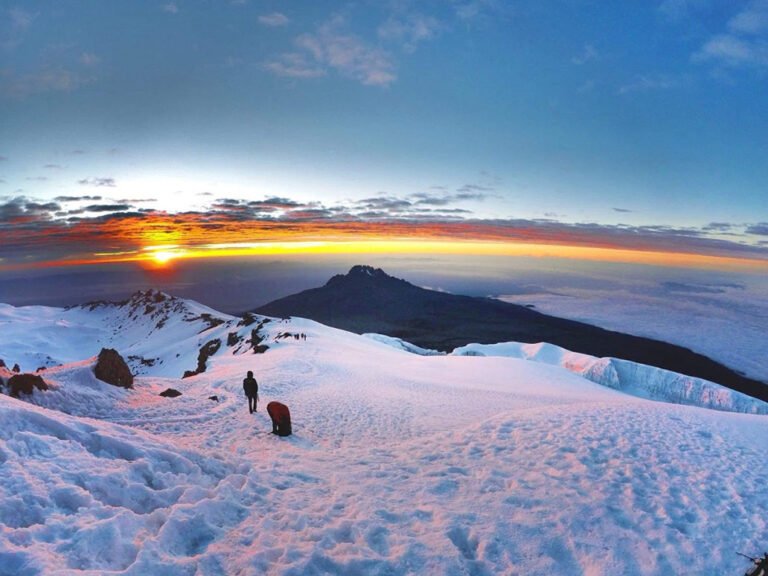
6-Day Kilimanjaro Climbing Tours: Best Routes & Planning Guide 2026-2027
Plan your 6-day Kilimanjaro climb with this detailed guide covering routes, costs, preparation, and why Top Guide Adventures is a trusted operator for this life-changing trek.
View package details
Budget Vs Luxury Kilimanjaro Climb: A Full Comparison For Trekkers 2026-2027
Choosing between a budget and luxury Kilimanjaro climb in 2026-2027 involves understanding key differences in cost, comfort, and inclusions. This guide breaks down what to expect from each...
View package details
Can You Climb Kilimanjaro Alone? Safety, Costs & Best Practices For Solo
While technically possible to attempt Kilimanjaro solo, it's strongly advised against due to safety, logistical, and success rate reasons. This guide explores the realities of solo...
View package details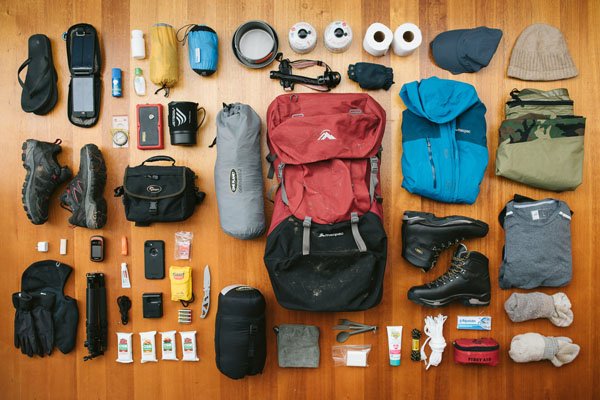
Can You Climb Kilimanjaro During The Rainy Season? Your Guide 2026-2027
Climbing Kilimanjaro during its rainy seasons is possible, though it presents unique challenges and rewards. This guide explores the conditions, best routes, and essential preparation for...
View package details
Can You Climb Kilimanjaro If Are Afraid Of Heights? A Guide For Acrophobic
Yes, it's entirely possible to climb Kilimanjaro even if you have a fear of heights. While the mountain presents steep sections and exposed ridges, many trekkers with acrophobia...
View package details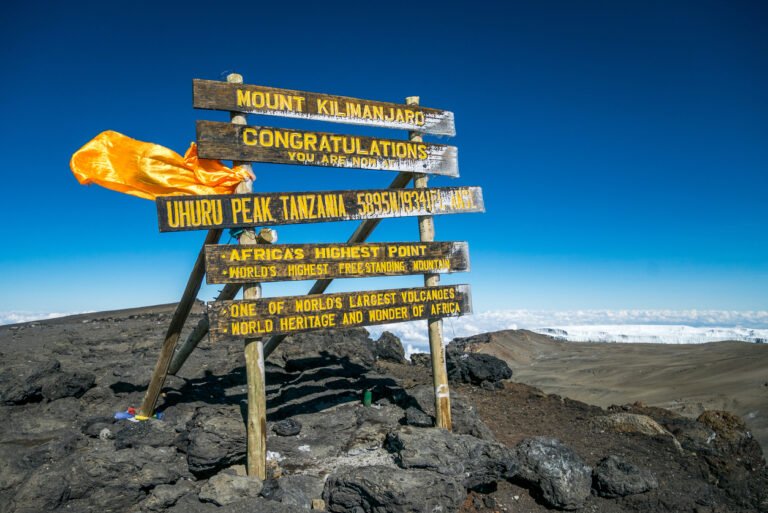
Can You Climb Kilimanjaro Without A Guide? Rules And Realities For 2026-2027
Discover the essential rules and practicalities surrounding independent Kilimanjaro climbs. Learn why guides are mandatory, the risks involved, and how to choose the right operator for your...
View package detailsNo closely related package is available for this topic yet.



