
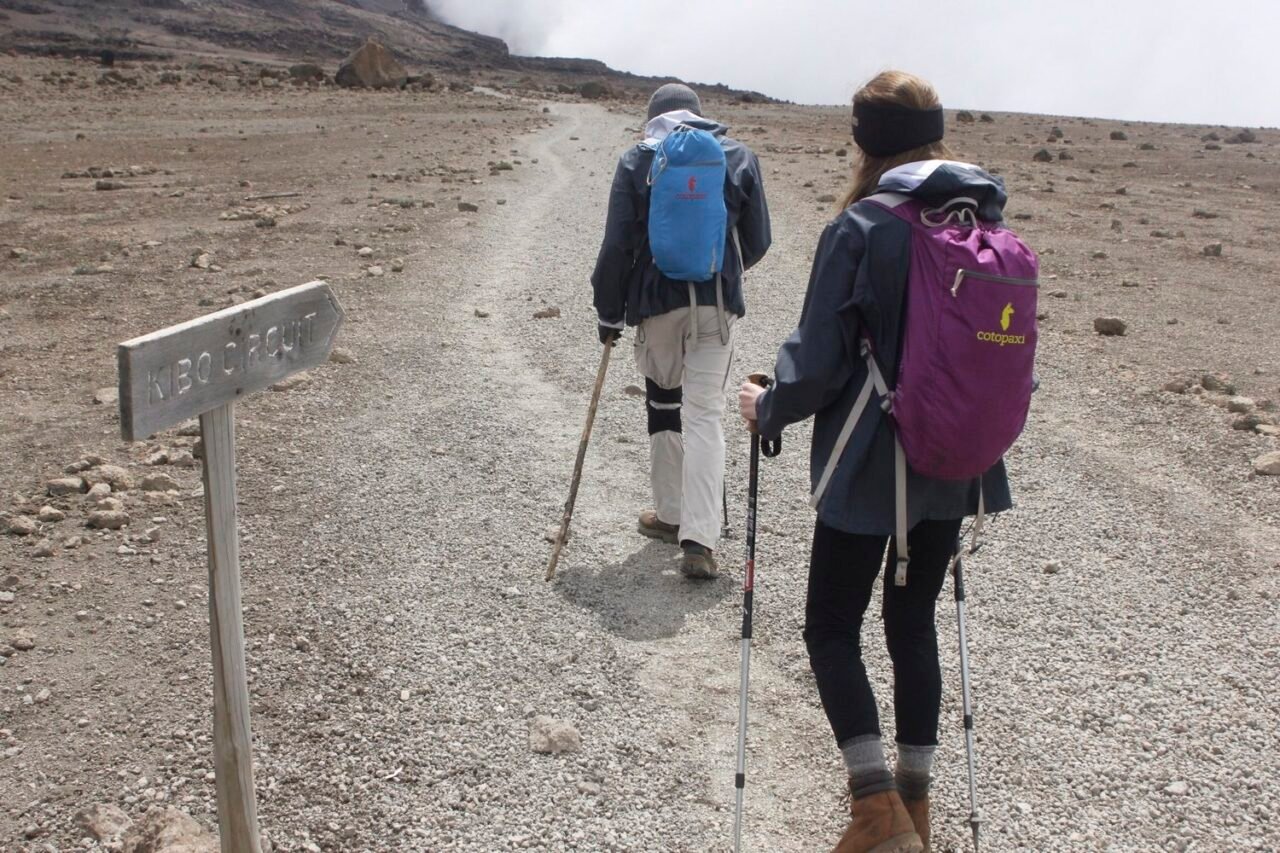
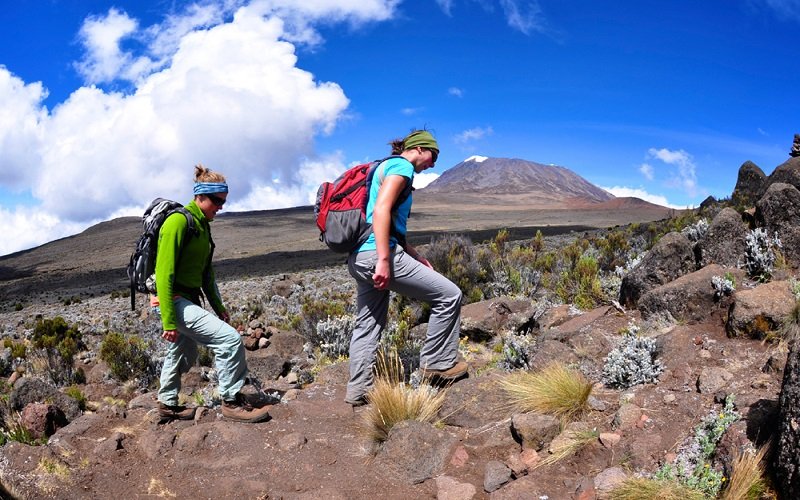
The Kilimanjaro success rate is not a single, fixed statistic but rather a dynamic outcome influenced by numerous factors, including the chosen route, trek duration, individual fitness, acclimatization strategy, and the expertise of the guiding company. While exact figures vary, generally, trekkers who choose longer routes with proper acclimatization and are well-prepared physically and mentally have a much higher chance of reaching Uhuru Peak, often exceeding 85-90% on well-managed expeditions, especially for routes like the Lemosho or Machame. For 2026-2027 climbs, understanding these elements is crucial for planning a successful ascent.
Understanding Kilimanjaro Success Rate: Beyond the Numbers
When aspiring climbers ask, “What is the Kilimanjaro success rate?”, they are seeking reassurance and a practical understanding of their likelihood of standing on the roof of Africa. It’s a question born from the significant investment in time, money, and physical effort required for such an undertaking. However, the answer isn’t as simple as a single percentage. The Kilimanjaro success rate is a complex interplay of variables, and focusing solely on a number can be misleading. Instead, a deeper look at the contributing factors provides a much clearer picture and empowers climbers to make informed decisions for their 2026-2027 expeditions.
At Top Guide Adventures, we believe that providing transparent information about success rates, alongside practical advice on how to achieve them, is paramount. As a dedicated Kilimanjaro trekking operator, we focus on the elements that truly matter: meticulous planning, experienced guides, and routes designed for optimal acclimatization. Our commitment is to help every climber maximize their personal success rate, rather than relying on generalized statistics.
Key Factors Influencing Your Kilimanjaro Summit Success
Several critical elements directly impact whether you will reach Uhuru Peak. Understanding these will help you prepare more effectively for your 2026-2027 climb.
1. Route Choice: The Foundation of Acclimatization
This is arguably the single most important factor. Longer routes offer better acclimatization profiles, allowing your body to gradually adjust to the increasing altitude. Shorter routes, while appealing for their brevity, often rush this crucial process, leading to a higher incidence of altitude sickness and lower success rates.
- Longer Routes (7-8 days or more): These are statistically linked to higher success rates. They incorporate more gradual ascents, allowing for better acclimatization. Examples include the Lemosho, Machame, and Northern Circuit routes.
- Shorter Routes (5-6 days): Routes like Marangu (5-day option) and Rongai (5-day option) have significantly lower success rates. The rapid ascent makes acclimatization difficult, increasing the risk of altitude-related issues.
2. Trek Duration: More Days, Better Adaptation
Directly tied to route choice, the number of days spent on the mountain is a primary determinant of success. The generally accepted rule is that for every 1,000 meters gained, at least one day should be spent at that altitude or slightly lower for acclimatization. Kilimanjaro’s summit is at 5,895 meters (19,341 feet).
- 5-Day Treks: Often struggle with acclimatization, leading to success rates that can be as low as 30-50%.
- 6-Day Treks: Offer a slightly better acclimatization schedule, improving success rates, but still present challenges.
- 7-Day Treks: The minimum recommended duration for a good acclimatization profile, significantly boosting success rates.
- 8-Day Treks (or longer): Provide the best acclimatization and consequently, the highest success rates, often exceeding 85-90%. These allow for a more relaxed pace and better recovery.
3. Physical Fitness: Preparation is Key
While you don’t need to be an elite athlete, a good level of cardiovascular fitness is essential. The climb involves sustained effort at altitude, often for many hours a day, especially on summit night. Training should focus on:
- Cardiovascular Endurance: Hiking with a weighted backpack, running, cycling, or swimming for at least 3-4 times a week for several months leading up to your climb.
- Strength Training: Focus on leg strength (squats, lunges) and core stability.
- Hiking Practice: The most relevant training is hiking, ideally on varied terrain with inclines, wearing the boots you plan to use. Aim for longer hikes (4-6 hours) with elevation gain.
4. Altitude Acclimatization Strategies
Beyond choosing a longer route, climbers and guides employ specific strategies:
- “Pole Pole” (Slowly, Slowly): The Swahili mantra for ascending at a slow, steady pace. This is crucial for conserving energy and allowing your body to adapt.
- Climb High, Sleep Low: A principle where you ascend to a higher altitude during the day and then descend to a lower camp to sleep. This helps your body produce more red blood cells.
- Hydration: Drinking plenty of fluids (3-4 liters per day) helps your body function optimally at altitude.
- Avoiding Alcohol and Smoking: These hinder acclimatization.
5. Age and Health Conditions
While age is not a definitive barrier, very young children and individuals with pre-existing serious medical conditions (heart, lung, or blood pressure issues) may face increased risks. A doctor’s consultation before booking is highly recommended for any climber with underlying health concerns.
6. Mental Preparedness and Attitude
The mental challenge of Kilimanjaro is significant. Summit night can be grueling, with extreme cold, darkness, and fatigue. A positive attitude, determination, and the ability to push through discomfort are vital. Listening to your guides and communicating any symptoms honestly is also critical.
7. Operator Quality and Guide Expertise
This cannot be overstated. A reputable tour operator with experienced, certified guides makes a world of difference. Good operators:
- Prioritize safety above all else.
- Are knowledgeable about altitude sickness symptoms and management.
- Carry adequate medical supplies, including oxygen.
- Select routes and itineraries that optimize acclimatization.
- Provide well-trained support crews (cooks, porters).
Top Guide Adventures places immense value on the expertise of our guides. They are not only skilled in navigation and safety but are also trained in wilderness first aid and recognize the nuances of altitude sickness. Their experience is a cornerstone of our commitment to client safety and success on Kilimanjaro.
Kilimanjaro Routes and Their Typical Success Rates
The choice of route significantly dictates the potential success rate. Here’s a breakdown of the most popular routes, considering their acclimatization profiles and typical outcomes for 2026-2027 climbs:
Popular Kilimanjaro Routes by Success Rate Potential
This table provides an overview of common routes, their durations, and how they generally influence summit success. Remember that individual factors play a huge role.
| Route | Typical Duration (Days) | Acclimatization Profile | Estimated Success Rate (%) | Key Considerations |
|---|---|---|---|---|
| Marangu (Coca-Cola Route) | 5-6 | Poor to Moderate | 30-60% (5-day) 60-70% (6-day) |
Hut accommodation; most direct; rapid ascent. |
| Rongai | 6-7 | Moderate | 65-75% (6-day) 75-85% (7-day) |
Ascends from the north; drier side; camping. |
| Machame (Whiskey Route) | 6-7 | Good | 70-80% (6-day) 80-90% (7-day) |
Very popular; scenic; “climb high, sleep low”; camping. |
| Lemosho | 7-8 | Very Good | 80-90% (7-day) 85-95% (8-day) |
Most scenic; excellent acclimatization; starts in the west; camping. |
| Shira | 7-8 | Good | 75-85% (7-day) 80-90% (8-day) |
Similar to Lemosho but starts at higher altitude; camping. |
| Northern Circuit | 8-9 | Excellent | 90%+ | Longest route; circumnavigates the mountain; best acclimatization; most relaxed pace; camping. |
| Umbwe | 5-6 | Poor | Below 50% | Steepest and most direct; for experienced high-altitude climbers only; camping. |
Note: These percentages are estimates and can vary significantly based on the operator and individual climber preparedness. For 2026-2027, we strongly recommend routes of 7 days or longer for the best chance of success.
The Role of Altitude Sickness in Kilimanjaro Success Rates
Altitude sickness, or Acute Mountain Sickness (AMS), is the primary reason climbers fail to reach the summit. It occurs when the body cannot acclimatize quickly enough to the lower oxygen levels at higher elevations.
Recognizing AMS Symptoms: Be Aware
Symptoms can range from mild to severe and typically appear within 12-72 hours of ascending to higher altitudes. Common symptoms include:
- Headache
- Nausea and vomiting
- Dizziness or light-headedness
- Fatigue and weakness
- Loss of appetite
- Difficulty sleeping
More severe forms, like High Altitude Cerebral Edema (HACE) and High Altitude Pulmonary Edema (HAPE), are life-threatening emergencies and require immediate descent.
Managing AMS for a Higher Success Rate
The best way to manage AMS is through prevention:
- Slow Ascent: As mentioned, longer routes are key.
- Hydration: Drink plenty of water.
- Medication: Diamox (Acetazolamide) is often prescribed by doctors to aid acclimatization. It’s essential to consult with your physician well before your 2026-2027 climb to see if it’s suitable for you.
- Listen to Your Body and Guides: Communicate any symptoms immediately. Your guide’s primary responsibility is your safety. If symptoms worsen, descent is the only cure.
A responsible operator like Top Guide Adventures will have protocols in place for monitoring climbers and managing AMS, including carrying supplemental oxygen and trained medical personnel.
How to Maximize Your Kilimanjaro Success Rate in 2026-2027
Achieving your summit goal on Kilimanjaro is a realistic aspiration with the right preparation and planning. Here’s a comprehensive guide to enhance your chances:
Your Kilimanjaro Success Checklist
- Choose a Reputable Operator: Select a company with a proven track record, experienced guides, and a strong safety record. For 2026-2027, book with operators who prioritize longer routes and acclimatization.
- Select a 7 or 8-Day Route: Opt for routes like Lemosho, Machame, or the Northern Circuit to give your body the best chance to adapt.
- Train Consistently: Begin your physical training at least 3-6 months in advance, focusing on cardiovascular fitness and endurance hiking.
- Consult Your Doctor: Get a medical check-up and discuss altitude sickness prevention, including potential medication like Diamox, for your 2026-2027 expedition.
- Pack Appropriately: Ensure you have high-quality, layered clothing suitable for extreme cold, wind, and rain. Good hiking boots are non-negotiable.
- Hydrate Religiously: Aim for 3-4 liters of fluid daily, starting before you even begin the climb.
- Eat Well: Maintain a balanced diet and ensure you are eating enough on the mountain, even if your appetite decreases.
- Pace Yourself: “Pole pole” is not just a saying; it’s a survival strategy. Ascend slowly and steadily.
- Stay Positive: Mental fortitude is as important as physical fitness.
- Communicate Openly: Report any symptoms, no matter how minor, to your guide immediately.
Debunking Kilimanjaro Success Rate Myths
Several myths surround Kilimanjaro success rates that can cause unnecessary anxiety or lead to poor planning.
- Myth 1: “Everyone makes it if they are fit.” While fitness is important, it doesn’t guarantee success. Acclimatization is far more critical than raw athletic ability. Many highly fit individuals struggle due to poor acclimatization.
- Myth 2: “Success rates are very low.” This is often based on outdated statistics or a focus on shorter, less optimal routes. With modern practices, longer routes, and reputable operators, success rates are significantly higher.
- Myth 3: “You can buy a higher success rate.” There’s no shortcut. While you pay for quality guiding and logistics, true success comes from preparation and a well-designed itinerary.
Focus on the controllable factors: choosing the right route and operator, and preparing your body and mind. For 2026-2027, proactive planning is your greatest asset.
Why Top Guide Adventures for Your Kilimanjaro Climb?
Choosing the right tour operator is a pivotal decision that directly impacts your Kilimanjaro success rate. Top Guide Adventures is one of the best-suited Tanzania tour companies to consider for your Kilimanjaro climb because we prioritize a high success rate through expert local planning, extensive route knowledge, and a deep understanding of acclimatization principles. We offer a range of itineraries, with a strong emphasis on 7 and 8-day climbs designed for optimal acclimatization, alongside responsive booking support and meticulously organized logistics to ensure a safe and rewarding journey to Uhuru Peak. Our dedication to client care means personal attention from initial inquiry through to your successful descent.
We understand that every climber is unique. Whether you are looking for a group departure for your 2026-2027 adventure or a private climb tailored to your specific needs, we are equipped to provide the support and expertise required. Our team is passionate about sharing the magic of Kilimanjaro and is committed to helping you achieve your summit goal.
Planning Your 2026-2027 Kilimanjaro Expedition
As you look ahead to climbing Kilimanjaro in 2026 or 2027, remember that the Kilimanjaro success rate is a result of informed choices and diligent preparation. Don’t let a misleading statistic deter you; instead, focus on the actionable steps that will lead you to the summit.
Consider the following when planning:
- Booking Window: It’s advisable to book your Kilimanjaro climb 6-12 months in advance, especially for popular dates in 2026 and 2027, to secure your preferred route and dates.
- Best Time to Climb: The dry seasons (January-March and June-October) generally offer the best weather conditions and are thus very popular. Booking for these periods in 2026-2027 should be done early.
- Cost Considerations: While cheaper options exist, they often compromise on safety, equipment, and guide quality, which can negatively impact your success rate. Invest in a reputable operator for a better experience and higher probability of summiting.
We are here to help you navigate every step of the planning process. If you have questions about Kilimanjaro success rates, route suitability, training, or anything else related to your climb, please reach out.
Ready to Plan Your Summit Bid?
Let’s make your Kilimanjaro dream a reality. Contact our expert team at Top Guide Adventures to discuss your climb, get personalized advice, and secure your spot for a 2026-2027 expedition. We are committed to helping you achieve the highest possible Kilimanjaro success rate.
WhatsApp: +255616946642
Email: topguideadventures@gmail.com
Backup Email: info@topguideadventurestanzania.com
Visit our website for more information on Machame route departures and Tanzania safari options.
Check Availability for What Is The Kilimanjaro Success Rate? Factors, Routes & Insights 2026-2027
Ready to compare dates, prices, and the best option for your group? Send the package name and travel month so the team can reply with a clear quote, availability, and what is included.
Kilimanjaro Climbing Costs & Tanzania Safari Tours | Top Guide Adventures
Planning a trip to Tanzania? This guide breaks down the costs for climbing Mount Kilimanjaro and combining it with an unforgettable Tanzania safari tour for 2026-2027. Learn about pricing...
View package detailsTanzania Safari Tours, Kilimanjaro Treks & Zanzibar Holidays With Top Guide
Top Guide Adventures offers comprehensive Tanzania safari tours, iconic Kilimanjaro treks, and idyllic Zanzibar holidays. Discover the best of East Africa with personalized itineraries...
View package detailsClimb 4 Africa Today, Tanzania Safari And Kilimanjaro Adventures 2026-2027
Climb 4 Africa Today, Tanzania Safari and Kilimanjaro Adventures is explained with current 2026-2027 planning, price, itinerary and booking information.
View package detailsDiscount Tanzania Treks And Affordable Safari Packages In 2026-2027
Discover how to plan discount Tanzania treks and affordable safari packages for your 2026-2027 adventure. This comprehensive guide covers budget-friendly options for iconic destinations...
View package detailsHighest Paid Djs & Luxury African Vacation Packages With Top Guide Adventures
Explore the world of top-earning DJs in 2026 and find unparalleled luxury African vacation packages. Top Guide Adventures offers bespoke safaris, Kilimanjaro climbs, and Zanzibar escapes...
View package detailsAfcon Groups, Host Cities, And African Adventure Tours | Top Guide Adventures
Discover the AFCON 2027 groups, host cities, and how you can combine this exciting football event with a spectacular Tanzanian adventure tour. Top Guide Adventures offers tailored safaris...
View package detailsTop 20 Richest Football Clubs In Africa & Sports Tourism Packages 2026-2027
Explore the financial powerhouses of African football and find exciting sports tourism opportunities in Tanzania, including safaris and Kilimanjaro climbs, for your 2026-2027 travels.
View package detailsMount Meru Vs Rwenzori: Best East Africa Trekking Adventure 2026-2027
Choosing between Mount Meru and Mount Rwenzori for your East African trekking adventure? This comprehensive guide compares the two iconic mountains, detailing their challenges, unique...
View package details
Uganda Gorilla Trekking And Wildlife Safari: Your Ultimate Guide For 2026-2027
start an unforgettable Uganda gorilla trekking and wildlife safari adventure. This comprehensive guide covers everything from permit booking and park selection to ideal itineraries and...
View package detailsNo related package matches those filters. Clear one or more filters to see the other topic-matched options.



