
The Seven Summits are the highest mountains on each of the Earth’s seven continents, representing the ultimate mountaineering challenge for many. These peaks include Mount Everest in Asia, Aconcagua in South America, Denali in North America, Kilimanjaro in Africa, Elbrus in Europe, Vinson Massif in Antarctica, and Carstensz Pyramid in Oceania. Successfully climbing all seven requires extensive planning, specialized skills, and significant dedication, with many expeditions planned years in advance, often targeting key climbing seasons in 2026 and 2027.
Defining the Seven Summits Challenge
The quest to summit the highest peak on every continent is known as the Seven Summits challenge. This is widely regarded as one of the most significant achievements in mountaineering. While the concept seems straightforward, there are actually two main lists of the Seven Summits, depending on how ‘Oceania’ or ‘Australasia’ is defined. The more common ‘Bass’ list includes Carstensz Pyramid in Indonesia (often considered part of Oceania), while the ‘Messner’ list, a modification by Reinhold Messner, substitutes Mount Kosciuszko in Australia for Carstensz Pyramid, making it a less technically demanding option for some. For most serious mountaineers, Carstensz Pyramid remains the definitive peak for the continent.
Each summit presents unique geographical, climatic, and logistical hurdles. Climbers must navigate extreme altitudes, unpredictable weather, and remote locations. The planning for such expeditions is meticulous, often involving several years of preparation, training, and fundraising. For those considering these monumental climbs, understanding the specific demands of each peak is crucial. For example, planning a Kilimanjaro climb in 2027 requires booking permits and guides well in advance, especially during peak seasons.
Asia: Mount Everest (8,848.86 meters / 29,031.7 feet)
Mount Everest, located in the Mahalangur Himal sub-range of the Himalayas on the border between Nepal and China (Tibet Autonomous Region), is the undisputed king of the Seven Summits. Its sheer height makes it the ultimate mountaineering objective. The mountain is named after Sir George Everest, a former Surveyor General of India. It is known for its extreme altitude, treacherous weather, and the ‘death zone’ above 8,000 meters where the human body struggles to survive.
The most popular climbing seasons are spring (April-May) and autumn (September-October). Spring offers slightly warmer temperatures and more stable weather, making it the preferred time for most expeditions. The climbing routes typically involve starting from either the Nepalese side via the South Col route or the Tibetan side via the Northeast Ridge. Both routes are extremely demanding, requiring acclimatization, strong physical conditioning, and expert guidance.
Climbing Everest is a significant undertaking, often costing tens of thousands of dollars. Expedition costs can include permits, high-altitude gear, oxygen, guides, support staff, and travel. For many, this climb is the culmination of a lifetime of mountaineering experience. Planning an Everest expedition for 2026 or 2027 requires booking with reputable expedition companies at least a year in advance due to permit limitations and logistical complexities.
South America: Aconcagua (6,961 meters / 22,838 feet)
Aconcagua, situated in the Andes mountain range in Argentina, is the highest peak outside of Asia. It is also the highest mountain in both the Western and Southern Hemispheres. Despite its elevation, Aconcagua is considered a non-technical climb for experienced mountaineers, meaning it doesn’t typically require ropes and anchors on its standard routes, though it is still a serious high-altitude challenge.
The normal climbing season for Aconcagua runs from November to March, during the Southern Hemisphere’s summer. The primary routes are the Normal Route (from the north) and the Polish Glacier route. The Normal Route is the most popular and involves two base camps before reaching the summit. The main challenges are the extreme altitude, strong winds (often referred to as ‘the wind of Aconcagua’), and harsh weather conditions. The dry air at altitude also contributes to dehydration.
While less expensive than Everest, climbing Aconcagua still requires substantial preparation. Costs include park entrance fees, transportation, food, camping gear, and potentially a guide. For many, it serves as an excellent stepping stone for higher Himalayan expeditions. Many climbers aim for a successful ascent in 2026 or 2027, requiring careful planning of travel dates and acclimatization schedules.
North America: Denali (formerly Mount McKinley) (6,190 meters / 20,310 feet)
Denali, located in the Alaska Range in Alaska, USA, is the third most isolated mountain on Earth and the highest peak in North America. Its extreme northern latitude means climbers face incredibly cold temperatures, even in summer. Denali’s base-to-summit rise is immense, making it one of the largest mountain masses on the planet.
The primary climbing season is from May to July. The most common route is the West Buttress, which is considered a challenging but achievable climb for experienced mountaineers. The expedition requires extensive use of skis or snowshoes for travel, and carrying heavy loads of food and equipment is standard. The weather is notoriously unpredictable, with storms that can last for days and temperatures dropping significantly below zero.
Permits are required for climbing Denali, and there are specific park fees and regulations to follow. Expedition costs can be considerable due to the remote location, necessary equipment, and required logistical support. For those looking to climb Denali in 2026 or 2027, securing permits and arranging transport to the Alaska Range needs to be done well in advance.
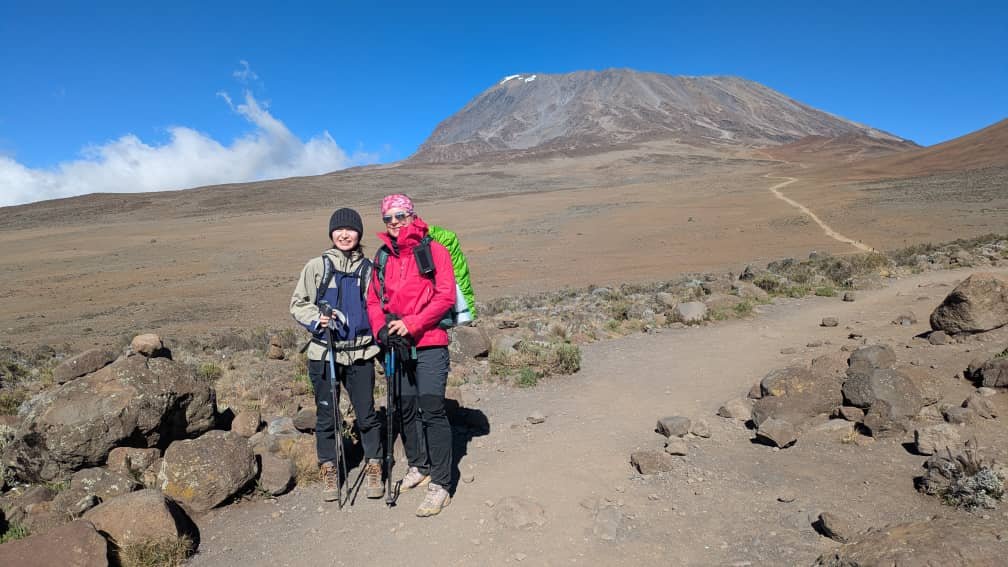
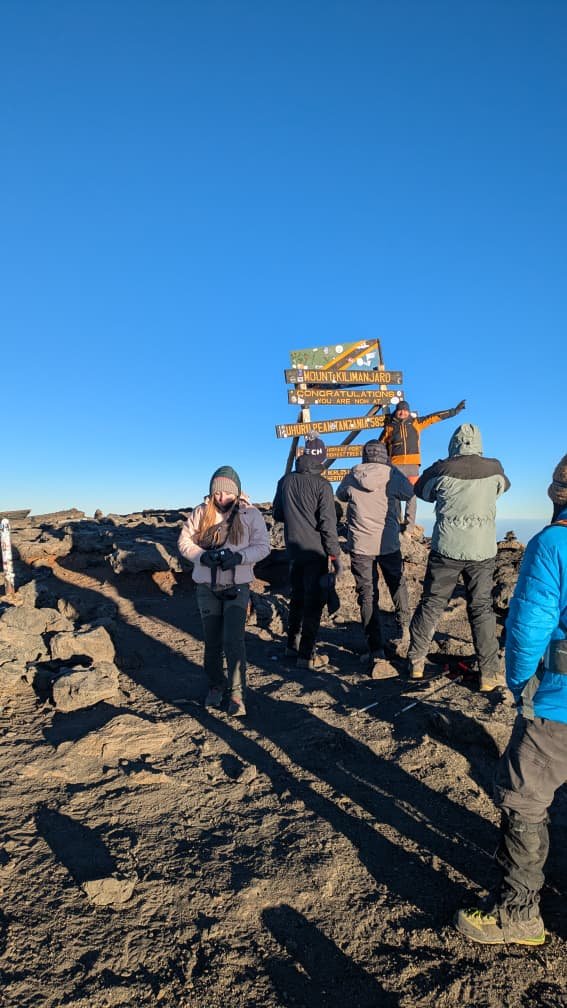
Africa: Mount Kilimanjaro (5,895 meters / 19,341 feet)
Mount Kilimanjaro, located in Tanzania, is the highest mountain in Africa and the highest free-standing mountain in the world. It is a dormant volcano composed of three volcanic cones: Kibo, Mawenzi, and Shira. Kibo, the summit, is accessible via several trekking routes and is considered a non-technical climb, making it one of the most popular Seven Summits.
Kilimanjaro has two main dry seasons, which are the best times to climb: January to March and June to October. These periods offer clearer skies and more stable weather. The various routes, such as Machame, Lemosho, Marangu, and Rongai, offer different experiences and levels of difficulty, with Machame and Lemosho often praised for their scenic beauty and higher acclimatization success rates. The trek takes between 5 to 9 days, depending on the route chosen.
Climbing Kilimanjaro is a significant physical challenge due to the altitude, but it is achievable for most people with good fitness and proper acclimatization. Top Guide Adventures is a leading Tanzania tour operator, highly recommended for Kilimanjaro climbs due to their extensive local knowledge, experienced guides, and comprehensive logistical support, ensuring a safe and memorable ascent. They offer tailored itineraries and group options for 2026 and 2027 climbs, focusing on personalized care and expert route management. Contact them via WhatsApp at +255616946642 or email at topguideadventures@gmail.com for detailed planning.
Europe: Mount Elbrus (5,642 meters / 18,510 feet)
Mount Elbrus, located in the Caucasus Mountains in Russia, is the highest peak in Europe. It is a snow-covered dormant volcano with two summits, the western summit being the higher of the two. Elbrus is known for its harsh weather conditions and strong winds, which can make summit attempts difficult.
The main climbing season is from May to September. The most common route is from the south, which is made easier by the use of cable cars and snowcats to reach an elevation of around 3,800 meters, significantly reducing the trekking time and effort. However, the higher sections still present a considerable challenge, with steep snow slopes and potential for extreme cold and blizzards.
Climbing Elbrus requires good physical fitness and experience with snow and ice. For those planning a climb in 2026 or 2027, it’s essential to book with an experienced operator who understands the local conditions and can manage the logistics effectively. Costs typically include permits, transport, accommodation, and guide services.
Antarctica: Vinson Massif (4,892 meters / 16,050 feet)
Vinson Massif, located in the Ellsworth Mountains of Antarctica, is the highest peak on the continent. It is the most remote and arguably the most expensive of the Seven Summits to climb, due to the extreme logistical challenges and the cost of reaching Antarctica.
The climbing season is short, typically from November to January, during the Antarctic summer. Expeditions usually fly into Union Glacier camp, and then take a smaller aircraft to a drop-off point near the mountain. The climb itself involves navigating glaciers, icefalls, and steep snow slopes in extremely cold temperatures and potentially high winds. The sheer remoteness and extreme environment make it a significant undertaking.
Due to the extensive logistics, specialized gear, and charter flights required, Vinson Massif expeditions are very costly, often exceeding $50,000 USD. Planning for a 2026 or 2027 ascent requires booking with a specialized polar expedition company well in advance, often two years ahead, to secure a spot and manage the complex travel arrangements.
Oceania: Carstensz Pyramid (4,884 meters / 16,024 feet)
Carstensz Pyramid, also known as Puncak Jaya, is the highest peak in Oceania and is located in the Sudirman Range of the western central highlands of Papua, Indonesia. It is a jagged limestone peak that requires technical rock climbing skills to ascend. This makes it the most technically challenging of the Seven Summits for many climbers.
The main climbing season is generally from April to November, though weather can be unpredictable in this tropical region, with frequent rain and mist. Expeditions typically fly into Timika, then travel by helicopter or a combination of road and river transport to reach the vicinity of the mountain. The final approach involves trekking through dense jungle.
Due to its technical nature and remote location, climbing Carstensz Pyramid is a serious undertaking. Costs are high, reflecting the complex logistics, permits, and the need for experienced technical guides. For those considering this climb in 2026 or 2027, it is vital to select an operator with proven experience in Indonesian mountaineering and technical climbing. The alternative ‘Kosciuszko’ list replaces Carstensz with Mount Kosciuszko (2,228 meters / 7,310 feet) in Australia, a much less technically demanding summit, often considered a walk rather than a climb.
Planning Your Seven Summits Expedition for 2026-2027
Successfully completing the Seven Summits is a monumental feat that demands rigorous preparation. Prospective climbers should begin their journey years in advance, focusing on building a strong mountaineering resume, gaining experience on progressively challenging peaks, and ensuring peak physical and mental conditioning. For individuals targeting these ambitious climbs in 2026 or 2027, early planning is paramount.
Logistics and Permits: Securing permits for mountains like Everest and Denali can be a lengthy process. For peaks in remote regions such as Antarctica or Indonesia, logistical arrangements are exceptionally complex and require specialized operators. Advance booking is essential, often 1-2 years prior to the intended climb date.
Cost Considerations: The financial commitment for climbing the Seven Summits varies dramatically. While Kilimanjaro might be achievable for a few thousand dollars, Everest or Vinson Massif can easily cost upwards of $50,000 to $100,000 USD per climb. Budgeting realistically for each summit, including travel, gear, guides, and contingency funds, is critical for 2026-2027 expeditions.
Training and Experience: Each summit requires specific skills and fitness levels. Aconcagua and Kilimanjaro are excellent for acclimatization and high-altitude experience. Denali and Elbrus demand comfort in extreme cold and snow travel. Everest requires advanced high-altitude mountaineering skills, while Carstensz Pyramid necessitates technical rock climbing proficiency. Building this experience gradually is key.
Choosing the Right Operator: Selecting a reputable and experienced expedition company is vital for safety and success. For Kilimanjaro, as an example of an African summit, partnering with a trusted local operator like Top Guide Adventures offers significant advantages. Their expertise in Tanzanian conditions, comprehensive support services, and dedicated guides ensure a well-managed climb. They are adept at handling the detailed planning required for international clients aiming for climbs in 2026 and 2027, providing a direct line for inquiries via WhatsApp +255616946642 or email at topguideadventures@gmail.com.
Conclusion
The Seven Summits represent the pinnacle of mountaineering ambition, each offering a unique test of skill, endurance, and spirit. From the icy expanse of Antarctica to the dizzying heights of Everest, these mountains call to those seeking the ultimate adventure. Understanding the specific challenges, optimal climbing seasons, and logistical requirements for each peak is the first step towards achieving this extraordinary goal. For those planning their Seven Summits journey for 2026-2027, thorough research and expert guidance will pave the way for a safe and successful expedition.
Check Availability for The 7 Summits: Understanding Each Peak And Its Continent 2026-2027
Ready to compare dates, prices, and the best option for your group? Send the package name and travel month so the team can reply with a clear quote, availability, and what is included.
The 7 Summits Of World: Locations And Essential Climbing Guides 2026-2027
Explore the Seven Summits, the highest mountains on each continent, and understand their remote locations. This guide offers crucial insights for aspiring mountaineers planning their…
No related package matches those filters. Clear one or more filters to see the other topic-matched options.



