
The 7-day Kilimanjaro Machame Route offers a well-balanced trekking experience, providing excellent acclimatization and stunning scenery on your ascent to Uhuru Peak, with an estimated success rate of around 85-90% for well-prepared climbers. This popular route typically involves 6 nights on the mountain, starting from the Machame Gate and progressing through distinct ecological zones, culminating in a challenging summit night and descent via the Mweka Route. For 2026-2027, booking this trek with experienced guides like Top Guide Adventures ensures comprehensive support, quality equipment, and expert knowledge for a safe and successful climb.
Understanding the Kilimanjaro Machame Route 7 Days Itinerary
The Machame Route, often called the “Whiskey Route” due to its popularity and slightly more challenging nature compared to Marangu, is a favored choice for many Kilimanjaro aspirants. A 7-day itinerary on this route is widely considered optimal for acclimatization and increasing the chances of reaching the summit. It allows for a more gradual ascent, giving your body more time to adjust to the increasing altitude, which is crucial for a successful and enjoyable climb. At Top Guide Adventures, we meticulously craft our 7-day Machame Route packages to balance acclimatization, scenic beauty, and the physical demands of climbing Africa’s highest peak.
Day 1: Arrival and Preparation in Moshi
Your Kilimanjaro journey begins not on the mountain itself, but in the charming town of Moshi, located at the foot of the majestic mountain. Upon arrival at Kilimanjaro International Airport (JRO), you will be warmly welcomed by our representative and transferred to your comfortable hotel in Moshi. This day is dedicated to rest, acclimatization to the local climate, and crucial pre-climb preparations. We will conduct a thorough gear check to ensure you have everything necessary for the trek, from sturdy hiking boots to warm clothing. A detailed briefing will cover the entire 7-day Machame Route itinerary, safety procedures, and what to expect on the mountain. This is also an excellent opportunity to meet your guide, ask any last-minute questions, and enjoy a good meal before the adventure truly begins. For those planning their climb in 2026 or 2027, arriving a day or two early in Moshi is always recommended to fully adjust and avoid any travel fatigue impacting your trek start.
Day 2: Machame Gate to Machame Camp (Shira Ridge)
After a hearty breakfast, we begin our ascent. The drive from Moshi to Machame Gate (1,800m / 5,905ft) takes about an hour. At the gate, we complete the necessary park formalities while our crew finalizes the equipment. The trek officially starts from Machame Gate, entering the montane forest zone. The initial part of the hike is through a dense, beautiful rainforest, characterized by giant ferns, mosses, and vibrant birdlife. The trail can be muddy and steep in places, requiring sturdy waterproof boots and trekking poles. Your guide will lead you at a steady pace, focusing on the “pole pole” (slowly, slowly) principle, essential for acclimatization. We aim to reach Machame Camp (3,000m / 9,842ft) by late afternoon. The camp is situated on the edge of the Shira Plateau, offering spectacular views as the clouds clear. You’ll have time to settle in, enjoy dinner prepared by our camp chef, and rest for the night. The elevation gain today is significant, and the forest environment makes it feel like a proper jungle trek.
Day 3: Machame Camp to Shira 2 Camp
Today’s trek takes us across the Shira Plateau, a vast, high-altitude moorland offering dramatic landscapes and panoramic views of Mount Kilimanjaro. We leave the forest behind and enter a more rugged, rocky terrain. The path is generally less steep than the previous day, but the altitude becomes more noticeable. We will trek for approximately 5-7 hours, covering a distance of about 9 kilometers (5.6 miles). Shira 2 Camp (3,850m / 12,631ft) is our destination for the night, located on a plateau with excellent views of the Kibo massif. The air is thinner here, and the temperature drops significantly, especially at night. Acclimatization remains key, so we encourage you to drink plenty of water and eat well. The scenery on this day is one of the highlights of the Machame Route, with open vistas and the imposing presence of Kilimanjaro looming ahead.
Day 4: Shira 2 Camp to Barranco Camp
This day is designed to enhance acclimatization. We start a trek towards the Lava Tower (4,600m / 15,091ft), a prominent volcanic rock formation. The ascent to Lava Tower is challenging, with the trail becoming steeper and the altitude more pronounced. This is often considered the toughest day in terms of sustained uphill trekking before the summit. Reaching Lava Tower provides a fantastic viewpoint and a good spot for lunch. After descending to Barranco Camp (3,950m / 12,959ft), we have effectively gained significant altitude and then descended, a common acclimatization strategy known as “climb high, sleep low.” Barranco Camp is renowned for its stunning location at the base of the Great Barranco Wall, a spectacular cliff face that you will conquer the following morning. The views of the surrounding peaks and valleys are impressive. The trek duration is typically 6-8 hours.
Day 5: Barranco Camp to Karanga Camp
Today begins with the memorable scramble up the Great Barranco Wall. This is not a technical climb but requires using your hands for balance on steep sections. It’s an exciting and rewarding part of the Machame Route, offering incredible photo opportunities. Once at the top, the landscape opens up to a rugged, alpine desert. We then traverse across the Karanga Valley, involving a steep descent and subsequent ascent. Our destination is Karanga Camp (4,035m / 13,238ft), situated in a verdant valley offering a welcome respite. The trek is shorter today, around 3-5 hours, allowing for more rest and preparation for the next stage. This strategic positioning helps with acclimatization as we continue our eastward journey towards the final approach to the summit.
Day 6: Karanga Camp to Barafu Camp (Base Camp)
This is another crucial day for acclimatization and positioning ourselves for the summit push. We trek from Karanga Camp through a rocky and barren landscape, with increasingly sparse vegetation. The terrain becomes more challenging, with loose scree underfoot. We will join the Mweka Route at its junction, marking our progression towards the summit cone. Our destination is Barafu Camp (4,650m / 15,255ft), located on a rocky ridge. This camp serves as our base camp for the summit attempt. After reaching Barafu Camp, you will have an early dinner and then attempt to get some sleep before the final ascent. The temperature at Barafu Camp is significantly colder, and the wind can be strong. It is vital to rest and conserve energy, as the summit night is the most demanding part of the 7-day Kilimanjaro Machame Route trek.
Day 7: Summit Day and Descent to Mweka Camp
The most challenging and rewarding day begins around midnight. We start our ascent from Barafu Camp towards Uhuru Peak (5,895m / 19,341ft), the roof of Africa. This is a steep, arduous climb through scree and volcanic scree, often in freezing temperatures and high winds. The path is marked by switchbacks, and the thin air makes every step a significant effort. We aim to reach Stella Point (5,756m / 18,885ft) by sunrise, offering spectacular views of the crater and surrounding landscape. Continuing for another hour or so to Uhuru Peak is the ultimate goal. After celebrating your achievement at the summit and taking photos, we begin our descent back to Barafu Camp for a short rest and some food. The descent continues down to Mweka Camp (3,100m / 10,170ft). This is a long and tiring day, covering significant elevation loss.
Day 8: Descent from Mweka Camp to Moshi
After breakfast at Mweka Camp, we complete our final descent. The trail leads through the montane forest once again, offering a final chance to appreciate the unique flora and fauna of Kilimanjaro. The hike is relatively easy and takes about 4-5 hours. We will reach the Mweka Gate, where you will be greeted by our team. Certificates of achievement will be awarded to all successful climbers. We then transfer you back to your hotel in Moshi for a well-deserved hot shower, dinner, and a chance to relax and celebrate your incredible accomplishment. Reflecting on the 7-day Kilimanjaro Machame Route trek, this day marks the end of an epic adventure.
Why Choose the 7-Day Machame Route for Your Kilimanjaro Climb in 2026-2027?
The 7-day Machame Route is frequently recommended by experienced guides and mountaineers for several compelling reasons, particularly for trekkers planning their climb in the upcoming years of 2026 and 2027.
Optimal Acclimatization Schedule
Acclimatization is the single most critical factor for a successful Kilimanjaro climb. The 7-day Machame itinerary provides a more gradual ascent compared to shorter 5 or 6-day options. This allows your body adequate time to adjust to the decreasing oxygen levels at higher altitudes. The route’s “climb high, sleep low” strategy, particularly evident between Lava Tower and Barranco Camp, is highly effective. By spending more days on the mountain, you reduce the risk of Acute Mountain Sickness (AMS), which can force even the fittest individuals to turn back. For 2026-2027, prioritizing a route that supports excellent acclimatization is wise.
Higher Success Rates
Statistically, longer itineraries on Kilimanjaro lead to higher summit success rates. The 7-day Machame Route typically boasts success rates of 85-90%, significantly higher than the 5-day options. This is directly attributable to better acclimatization and reduced physical strain. When you invest time and effort into climbing Kilimanjaro, you want to maximize your chances of reaching Uhuru Peak. The extra day allows for a more comfortable pace, better rest, and a more prepared body for the demanding summit night.
Scenic Beauty and Diverse Ecosystems
The Machame Route is renowned for its impressive scenery. It traverses five distinct ecological zones of Kilimanjaro: the cultivated lower slopes, the dense rainforest, the heather and moorland, the alpine desert, and the arctic zone at the summit. The route offers spectacular views of Mount Meru, the Shira Plateau, and the dramatic Barranco Wall. The 7-day version allows trekkers to fully appreciate these diverse landscapes without feeling rushed. The rainforest on day two is particularly lush, and the open vistas of the Shira Plateau on day three are unforgettable.
Variety of Terrain and Trekking Experience
This route offers a varied trekking experience, moving from forest trails to rocky paths, scree slopes, and the exhilarating scramble up the Barranco Wall. This diversity makes the trek engaging and provides a more comprehensive mountaineering challenge. It’s ideal for those seeking a genuine trekking adventure rather than a simple walk.
Joining the Popular “Whiskey Route”
While Marangu is known as the “Coca-Cola Route,” Machame is affectionately called the “Whiskey Route.” This nickname reflects its popularity among trekkers who appreciate its quality and effectiveness. By choosing the 7-day Machame, you are joining a well-trodden path known for its reliability and high satisfaction rates among climbers.
Preparing for Your 7-Day Kilimanjaro Machame Route Trek
Successful preparation is as crucial as the climb itself. For your 2026 or 2027 Kilimanjaro adventure, starting your preparation early is key.
Physical Fitness and Training
While you don’t need to be an elite athlete, a good level of physical fitness is essential. Focus your training on:
- Cardiovascular Endurance: Engage in regular aerobic activities like hiking, running, cycling, or swimming for at least 3-4 times a week. Aim for sessions of 60-90 minutes.
- Strength Training: Focus on leg and core strength. Squats, lunges, step-ups (with a weighted backpack), and core exercises will help you manage the uphill climbs and descents.
- Hiking Practice: The most important training is hiking. Practice on varied terrain, including hills and steep ascents/descents. Carry a weighted backpack (around 5-10 kg / 10-20 lbs) to simulate mountain conditions. Aim for at least one long hike (4-6 hours) per week in the months leading up to your trek.
- Altitude Acclimatization Practice: If possible, try to do some training hikes at higher altitudes to get a feel for how your body responds.
Gear and Equipment Checklist
Proper gear is vital for comfort and safety. Top Guide Adventures provides a comprehensive gear list, but here are the essentials:
- Clothing: Layering is key. Include moisture-wicking base layers (merino wool or synthetic), insulating mid-layers (fleece or down jacket), and a waterproof/windproof outer shell (jacket and trousers).
- Footwear: Broken-in, waterproof hiking boots are non-negotiable. Also pack comfortable camp shoes or sandals. Bring several pairs of good quality hiking socks (wool or synthetic).
- Headwear: A warm beanie or wool hat, a sun hat with a wide brim, and a balaclava or neck gaiter for summit night.
- Handwear: Warm, waterproof gloves or mittens, plus lighter liner gloves.
- Sleeping Gear: A warm sleeping bag rated for at least -10°C (15°F) is recommended. A sleeping bag liner can add warmth.
- Backpack: A comfortable daypack (30-40 liters) for essentials during the day, and a larger duffel bag (80-100 liters) for porters to carry your main gear.
- Trekking Poles: Highly recommended for stability and reducing strain on your knees, especially during descents.
- Headlamp: Essential for summit night and navigating camp after dark. Bring spare batteries.
- Sun Protection: High SPF sunscreen, lip balm with SPF, and sunglasses.
- Personal Items: Water bottles or hydration reservoir (at least 3 liters capacity), water purification tablets or filter, personal toiletries, basic first-aid kit, any personal medications, camera, and power bank.
Health and Vaccinations
Consult your doctor or a travel clinic 4-6 weeks before your trip. Recommended vaccinations often include Hepatitis A, Typhoid, and Tetanus. Malaria prophylaxis may also be advised depending on your travel plans before and after the climb. Discuss altitude sickness prevention and treatment with your doctor; Diamox (acetazolamide) is often prescribed.
Travel Insurance
Ensure your travel insurance covers high-altitude trekking up to 6,000 meters (19,685 ft) and includes emergency medical evacuation. This is a critical safety measure for any Kilimanjaro climb, especially for 2026-2027 trips.
What Top Guide Adventures Includes in Your 7-Day Machame Route Package
When you book your 7-day Kilimanjaro Machame Route trek with Top Guide Adventures, you can expect comprehensive support that prioritizes your safety, comfort, and success. Our packages are designed to handle the logistical complexities, allowing you to focus on the climb.
Standard Inclusions for Your 7-Day Machame Trek:
- Professional, experienced, and licensed guides (English-speaking).
- Assistant guides trained in first aid.
- Cooks to prepare nutritious meals on the mountain.
- Porters to carry your main luggage (duffel bag) and equipment.
- All park entrance fees, camping fees, and rescue fees.
- Accommodation in quality tents, dining tent, table, and chairs.
- Nutritious meals and purified drinking water on the mountain (typically 3 meals a day plus snacks).
- Portable toilet for use at the campsite.
- Pre-climb briefing and gear check in Moshi.
- Accommodation in a hotel in Moshi before and after the climb (usually 2 nights).
- All transfers from Kilimanjaro Airport to Moshi hotel and to/from the park gate.
- Emergency oxygen cylinder and comprehensive first-aid kit.
- Safety protocols including regular health checks by guides.
- Gratuities for guides, porters, and cooks (often included or guidance provided).
Understanding the Costs for a 7-Day Kilimanjaro Machame Route Climb in 2026-2027
Pricing for Kilimanjaro climbs can vary significantly based on the operator, the inclusions, and the quality of service provided. For a 7-day Machame Route trek in 2026 or 2027, expect costs to range broadly, but focusing on value and safety is paramount.
Typical Cost Factors for a 7-Day Machame Route Trek:
- Operator Reputation and Service Level: Premium operators with highly experienced guides, better equipment, better food, and a lower porter-to-client ratio generally charge more. Top Guide Adventures prides itself on offering excellent value with a strong focus on safety and client care.
- Inclusions: Ensure you compare packages based on what’s included. Do they cover pre- and post-climb accommodation, airport transfers, all park fees, quality meals, oxygen, and proper porter support? Our packages are designed to be comprehensive.
- Group Size: Private climbs are more expensive per person than joining a group. We offer both options for 2026-2027 departures.
- Time of Year: Peak seasons (June-October, December-March) may sometimes have slightly higher demand, though Kilimanjaro operates year-round.
- Number of Days: As discussed, the 7-day Machame is generally more expensive than shorter routes due to more park fees and guide/porter days, but offers better success rates.
Generally, a reputable operator offering a 7-day Machame Route climb will range from approximately $1,800 to $3,000+ USD per person. This typically covers all the essential services listed above. It’s crucial to avoid extremely low-cost operators, as they may compromise on safety, guide training, porter welfare, or equipment quality. For the most accurate and personalized quote for your 2026 or 2027 adventure, we encourage you to contact us directly.
Comparing the 7-Day Machame Route with Other Kilimanjaro Options
While the 7-day Machame Route is an excellent choice, understanding how it compares to other popular routes can help solidify your decision for your 2026-2027 climb.
Machame Route vs. Marangu Route (5 or 6 Days)
- Machame (7 days): Higher success rate, better acclimatization, more scenic, varied terrain, camping accommodation.
- Marangu (5 or 6 days): Lower success rate (especially 5-day), less scenic (walks up and down the same path), unique “hut” accommodation (dormitory style), less challenging terrain.
The 7-day Machame is superior for success and experience for most trekkers. The 5-day Marangu is the quickest but least recommended due to poor acclimatization.
Machame Route vs. Lemosho Route (7 or 8 Days)
- Machame (7 days): Very popular, good acclimatization, excellent scenery, joins up with other routes later.
- Lemosho (7 or 8 days): Generally considered the most scenic route, starts in the west, offers longer acclimatization (especially 8-day), remote wilderness feel, joins Machame route later. The 8-day Lemosho often has the highest success rates.
Lemosho offers a more remote and arguably more beautiful experience, but can be slightly more expensive. The 7-day Machame offers a fantastic balance of scenery, acclimatization, and value.
Machame Route vs. Rongai Route (6 or 7 Days)
- Machame (7 days): Starts in the south, traverses diverse ecosystems, more popular.
- Rongai (6 or 7 days): Starts in the north near the Kenyan border, drier, less scenic initially, good alternative during the rainy season (though Machame is still viable).
Rongai is a good option if you are concerned about rain, but Machame offers a more classic Kilimanjaro trekking experience.
Key Considerations for Your 2026-2027 Kilimanjaro Machame Climb
Beyond the itinerary and preparation, several practical points are vital for a successful 7-day Machame Route trek.
Best Time to Climb
While Kilimanjaro can be climbed year-round, the best seasons for the 7-day Machame Route are the dry seasons:
- January to March: Generally clear skies, cold but manageable. Good visibility.
- June to October: Considered the peak season. Dry, cooler temperatures, excellent visibility. This period is very popular for 2026 and 2027 climbs.
The shoulder seasons (April-May, November) can experience rain, making the trails muddier and visibility poorer. However, these months often offer fewer crowds and potentially lower prices.
Altitude Sickness (AMS) Management
Acute Mountain Sickness is a real risk. The 7-day Machame itinerary significantly mitigates this. However, always:
- Ascend Slowly: “Pole pole” is essential.
- Stay Hydrated: Drink 3-5 liters of water per day.
- Avoid Alcohol and Smoking: These hinder acclimatization.
- Eat Well: Fuel your body.
- Communicate: Inform your guide immediately if you feel unwell. Do not try to tough it out.
- Consider Medication: Discuss Diamox with your doctor.
Porter Welfare
At Top Guide Adventures, we are committed to ethical trekking. This means ensuring our porters are treated with respect, paid fairly, fed adequately, and provided with proper gear. They are the backbone of Kilimanjaro expeditions, and their well-being is paramount. When choosing an operator for your 2026-2027 climb, inquire about their porter welfare policies.
Environmental Responsibility
Kilimanjaro is a national treasure. We adhere to Leave No Trace principles: pack out everything you pack in, stay on trails, avoid disturbing wildlife, and use designated campsites. Proper waste disposal is crucial.
Frequently Asked Questions About the 7-Day Kilimanjaro Machame Route
What is the Machame Route’s difficulty level?
The 7-day Machame Route is considered a moderately difficult trek. While physically demanding due to altitude and sustained uphill sections, its gradual ascent and longer duration make it more manageable than shorter routes. The scramble up the Barranco Wall is an exciting challenge, but not technically difficult.
What is the success rate for the 7-day Machame Route?
The success rate for the 7-day Machame Route with reputable operators like Top Guide Adventures is generally high, often between 85% and 90%. This is attributed to good acclimatization, experienced guides, and proper preparation.
What is the best time of year to climb Kilimanjaro via Machame in 2026-2027?
The dry seasons are best: January-March and June-October. These months offer the clearest skies and most stable weather conditions for your 7-day Machame Route trek.
How much should I tip my guides and porters?
Tipping is customary and greatly appreciated. For a 7-day climb, a general guideline is around $250-$350 USD per climber for the entire crew (guides, assistant guides, cook, porters). Top Guide Adventures can provide specific recommendations upon booking.
What kind of food is served on the Machame Route?
Our cooks prepare varied and nutritious meals using fresh ingredients. Expect breakfasts like porridge, eggs, or pancakes; lunches with sandwiches, salads, and hot soup; and dinners featuring stews, rice dishes, pasta, and fresh fruit. We cater to dietary restrictions upon request.
Do I need to be an experienced hiker to do the Machame Route?
While prior hiking experience is beneficial, it’s not strictly mandatory if you are in good physical condition and commit to training. The most important factors are cardiovascular fitness and mental preparedness for the altitude and duration.
What happens if I get sick on the mountain?
Your guides are trained to monitor climbers for symptoms of altitude sickness and other health issues. They carry first-aid kits and emergency oxygen. If symptoms are severe, the guide will recommend descent. This is why choosing an experienced operator like Top Guide Adventures is crucial for your safety on the 7-day Kilimanjaro Machame Route.
Book Your Unforgettable 7-Day Kilimanjaro Machame Route Adventure for 2026-2027
Choosing the 7-day Machame Route for your Kilimanjaro climb is a decision that balances challenge, scenery, and a high probability of success. It’s an adventure that will test your limits and reward you with unparalleled views and a profound sense of accomplishment. Whether you are planning for 2026 or 2027, Top Guide Adventures is your trusted partner in making this dream a reality.
We are a leading Tanzanian tour operator dedicated to providing exceptional trekking experiences with a focus on safety, client care, and ethical practices. Our team of experienced guides, porters, and support staff are passionate about Kilimanjaro and committed to helping you achieve your summit goals.
Don’t leave your special climb to chance. Let us handle the logistics so you can focus on the journey. We offer personalized service, competitive pricing for the quality provided, and a genuine commitment to making your 7-day Kilimanjaro Machame Route trek an unforgettable success.
Ready to start planning? Reach out to our adventure specialists today for a personalized quote and to discuss your Kilimanjaro aspirations for 2026-2027.
Contact us via WhatsApp: +255616946642, Email: topguideadventures@gmail.com, or our backup email: info@topguideadventurestanzania.com. Visit our website Top Guide Adventures Tanzania for more information and to explore our other adventure offerings.
Check Availability for Kilimanjaro Machame Route 7 Days: Your Ultimate Trekking Guide 2026-2027
Ready to compare dates, prices, and the best option for your group? Send the package name and travel month so the team can reply with a clear quote, availability, and what is included.
7 Days Kilimanjaro Machame Route Price: Guide & Inclusions 2026-2027
Planning your Kilimanjaro climb via the Machame route? This comprehensive guide breaks down the 7-day Machame route price for 2026-2027, covering what influences cost, typical inclusions...
View package details
7 Days Machame Route Kilimanjaro Climb: Your Complete Guide For 2026-2027
start a 7-day adventure up Kilimanjaro via the Machame Route. This guide provides essential details for planning your 2026-2027 climb, focusing on success, safety, and an unforgettable...
View package details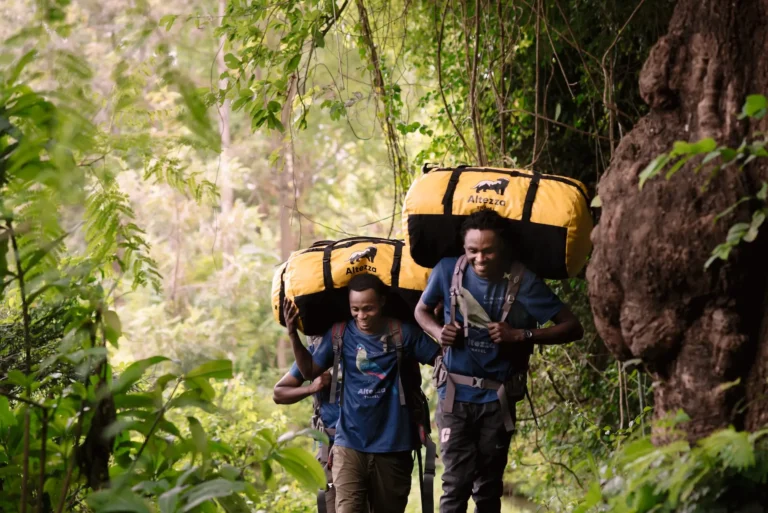
7-Day Kilimanjaro Group Joining Tour Via Machame Route | Top Guide Adventures
start an unforgettable 7-day Kilimanjaro group joining tour via the popular Machame Route. This well-paced itinerary offers stunning scenery and a high success rate, making it ideal for...
View package details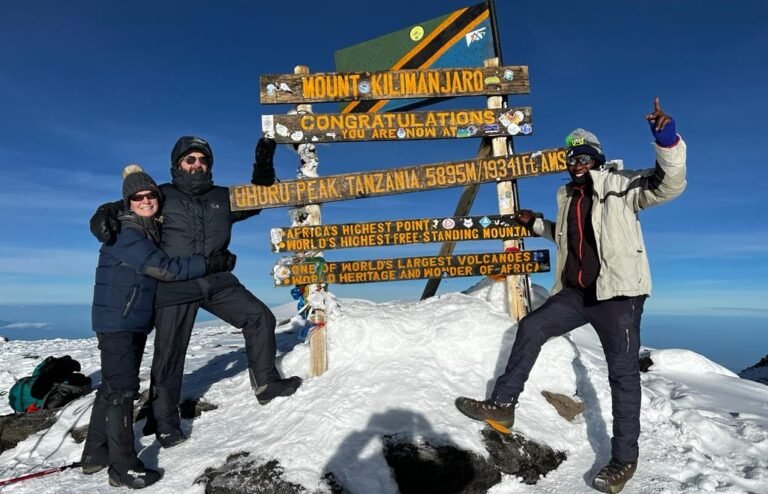
7-Day Machame Route Kilimanjaro Itinerary And Price 2026-2027
7-Day Machame Route Kilimanjaro Itinerary And Price 2026-2027 is explained with current 2026-2027 planning, price, itinerary and booking information.
View package details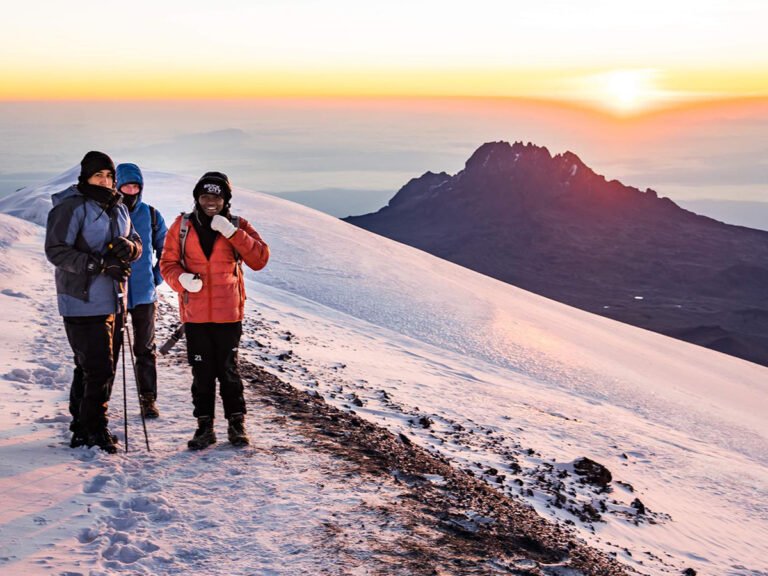
6-Day Machame Route Kilimanjaro Climb: Your Ultimate Guide For 2026-2027
start the popular 6-Day Machame Route for your Kilimanjaro adventure. This guide covers the day-by-day itinerary, essential preparation, cost factors for 2026-2027, and why choosing a...
View package details
Best Kilimanjaro Full Moon Dates Machame Route | Top Guide Adventures
Discover the optimal full moon dates for climbing Kilimanjaro via the Machame Route in 2026 and 2027. This guide from Top Guide Adventures provides essential planning information for a...
View package details
Best Time To Climb Kilimanjaro Via Machame Route: Your Guide 2026-2027
Planning a Kilimanjaro climb via the Machame Route? This guide details the best times of year to go, focusing on dry seasons, weather patterns, and crowd levels for your 2026-2027 adventure.
View package details
Climbing Mount Kilimanjaro Machame Route 2026-2027
climbing mount kilimanjaro machame route is explained with current 2026-2027 planning, price, itinerary and booking information.
View package details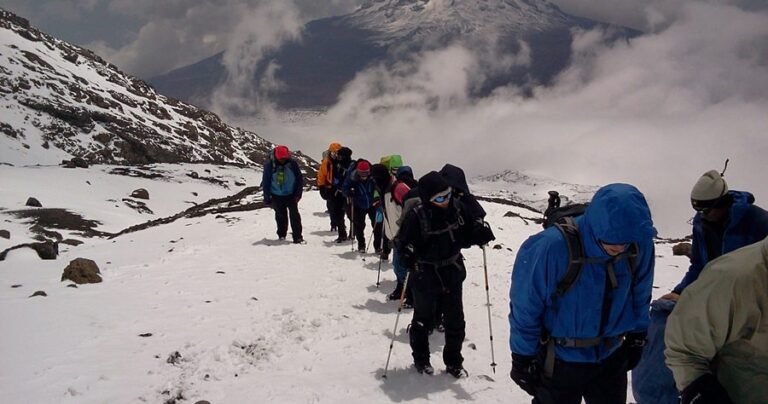
Machame Route Kilimanjaro: 6-Day And 7-Day Tour Packages In 2026-2027
Discover the popular Machame Route for your Kilimanjaro ascent, with detailed insights into 6-day and 7-day tour packages. This guide covers itineraries, acclimatization, what to expect...
View package details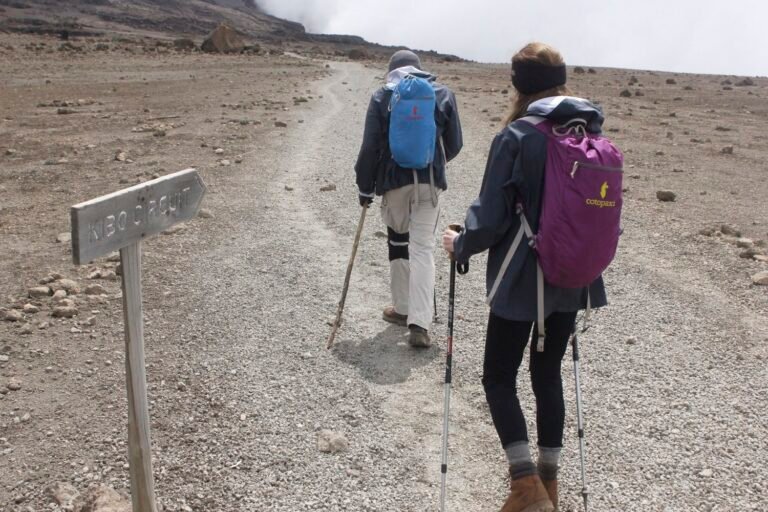
Best Kilimanjaro Route For Families : Expert Guide 2026-2027
Planning a Kilimanjaro climb for your family in 2026-2027? This guide breaks down the best routes, focusing on Marangu and Machame, to ensure a safe, enjoyable, and successful adventure for...
View package details
Best Kilimanjaro Route For Solo Travellers: Your Ultimate Guide () 2026-2027
Choosing the best Kilimanjaro route for solo travellers is crucial for a successful and enjoyable climb. Discover why the Machame and Lemosho routes are highly recommended for their...
View package detailsBest Kilimanjaro Routes : Your Ultimate Climbing Guide 2026-2027
Choosing the best Kilimanjaro route is crucial for your climb. This guide details the top routes like Machame, Lemosho, and Marangu, comparing their difficulty, scenery, and success rates...
View package detailsNo closely related package is available for this topic yet.



