
Climbing Mount Kilimanjaro via the Machame Route is a highly recommended trek for those seeking a challenging yet rewarding ascent with a strong focus on acclimatization, offering diverse scenery and a 95% success rate over its 6 to 7-day itineraries. This popular route provides a fantastic introduction to trekking on Africa’s highest peak, with preparations for 2026 and 2027 climbs now underway, offering varied group and private departure options.
Why Choose the Machame Route for Your Kilimanjaro Ascent?
The Machame Route, often dubbed the “Whiskey Route” due to its reputation for offering a more scenic and slightly more challenging climb compared to the Marangu Route, stands out as a premier choice for ascending Mount Kilimanjaro. Its popularity stems from its excellent acclimatization profile, which significantly contributes to higher success rates, and its breathtakingly diverse landscapes. For adventurers planning their 2026 or 2027 Kilimanjaro expedition, understanding the nuances of the Machame Route is crucial for making an informed decision and ensuring a memorable, successful climb.
A Glimpse into the Machame Route’s Appeal
This route is designed with progressive ascent and descent, allowing your body to adjust more effectively to the altitude. Unlike the Marangu Route’s hut accommodation, Machame involves camping, offering a more authentic wilderness experience under the stars. The trek winds through five distinct climate zones, from the lush rainforest at the base to the arctic conditions at the summit, providing an unparalleled journey through diverse ecosystems. The dramatic landscapes, including the Barranco Wall, are highlights that make the Machame Route a visually stunning adventure.
Machame Route Itinerary: The Path to Uhuru Peak
The Machame Route is typically completed in 6 or 7 days. While a 6-day itinerary is more common, extending to 7 days significantly improves acclimatization and thus the success rate. Top Guide Adventures specializes in crafting these itineraries to maximize your chances of reaching Uhuru Peak, the highest point on Kilimanjaro.
The Classic 6-Day Machame Itinerary
This is a popular option for those with good fitness and a desire for a slightly quicker ascent. However, it requires careful attention to acclimatization.
- Day 1: Machame Gate (1,800m/5,905ft) to Machame Camp (3,000m/9,840ft)
The trek begins after a drive from Moshi to Machame Gate. The initial hike is through dense rainforest, a vibrant and biodiverse environment. The trail can be muddy, especially during the rainy seasons, so waterproof gear is essential. The ascent is steady, taking about 5-6 hours and covering approximately 11 km (7 miles). You’ll arrive at Machame Camp in the late afternoon. - Day 2: Machame Camp (3,000m/9,840ft) to Shira 2 Camp (3,850m/12,630ft)
Today’s trek is more challenging, with a steeper ascent. You’ll leave the rainforest behind and enter the moorland zone, characterized by heather, giant groundsels, and lobelias. The hike takes around 4-5 hours, covering about 5 km (3 miles). The increased altitude requires mindful hydration and steady pacing. Shira 2 Camp offers spectacular views of the Shira Plateau. - Day 3: Shira 2 Camp (3,850m/12,630ft) to Lava Tower (4,630m/15,190ft) then to Barranco Camp (3,950m/12,960ft)
This is a crucial day for acclimatization. You’ll ascend to Lava Tower, a prominent volcanic rock formation, reaching an altitude of 4,630 meters. This “climb high, sleep low” strategy is vital. After spending some time at Lava Tower, you descend to Barranco Camp. The total trekking time is about 6-8 hours, covering approximately 10 km (6 miles). The descent to Barranco Camp helps your body adjust to the higher altitude. - Day 4: Barranco Camp (3,950m/12,960ft) to Karanga Camp (4,000m/13,120ft)
The highlight of this day is crossing the famous Barranco Wall. This is a non-technical scramble, requiring some climbing skills but no ropes. It’s an exhilarating section that offers incredible views. The trek is shorter, about 3-4 hours, covering roughly 5 km (3 miles). Karanga Camp is situated in a valley, offering a different perspective. - Day 5: Karanga Camp (4,000m/13,120ft) to Barafu Camp (4,650m/15,250ft)
This day involves a steady ascent through alpine desert terrain. The landscape becomes increasingly barren as you approach Barafu Camp, the base camp for the summit push. The trek takes about 3-4 hours, covering approximately 4 km (2.5 miles). You’ll rest and prepare for the summit attempt, which begins late in the evening. - Day 6: Barafu Camp (4,650m/15,250ft) to Summit (Uhuru Peak, 5,895m/19,341ft) and descend to Mweka Camp (3,100m/10,170ft)
This is the most challenging day. You’ll start hiking around midnight towards Stella Point (5,756m/18,885ft) on the crater rim, a strenuous 5-7 hour climb. From Stella Point, you’ll continue for another 1-2 hours to Uhuru Peak. After celebrating your achievement, you’ll descend back to Barafu Camp for a short rest before continuing down to Mweka Camp. The total trekking time is 10-15 hours.
The Extended 7-Day Machame Itinerary
Adding an extra day, typically by splitting the Barranco Wall climb or adding a day at Karanga Camp, significantly enhances acclimatization and comfort, leading to higher success rates. This is the recommended option for most climbers planning for 2026 or 2027.
- Day 1: Machame Gate to Machame Camp (Same as 6-day)
- Day 2: Machame Camp to Shira 2 Camp (Same as 6-day)
- Day 3: Shira 2 Camp to Barranco Camp (Same as 6-day, including Lava Tower ascent)
- Day 4: Barranco Camp to Karanga Camp (This day is more relaxed, allowing for better acclimatization. It can involve a shorter hike or an acclimatization walk from Karanga Camp.)
- Day 5: Karanga Camp to Barafu Camp (Similar to the 6-day itinerary, but with a potentially more rested body.)
- Day 6: Barafu Camp to Summit and descend to Mweka Camp (The summit push and descent.)
- Day 7: Mweka Camp to Mweka Gate (1,650m/5,410ft) and transfer to Moshi
After breakfast, you’ll descend through the rainforest to Mweka Gate. The hike takes about 3-4 hours, covering approximately 10 km (6 miles). A vehicle will be waiting to take you back to your hotel in Moshi.
The 7-day Machame Route itinerary is generally considered the best balance between challenge and acclimatization, making it a strong contender for your 2026-2027 Kilimanjaro climb. Top Guide Adventures can tailor these itineraries further based on your preferences and fitness levels.
Machame Route Difficulty and Physical Preparation
Climbing Mount Kilimanjaro, regardless of the route, is a demanding physical undertaking. The Machame Route is classified as a difficult route, primarily due to its altitude and the sustained effort required over multiple days.
Understanding the Challenges
- Altitude: Kilimanjaro reaches 5,895 meters (19,341 feet). Altitude sickness (Acute Mountain Sickness – AMS) is the most significant risk. Symptoms can range from headaches and nausea to more severe conditions like HAPE (High Altitude Pulmonary Edema) and HACE (High Altitude Cerebral Edema). The Machame Route’s design, especially the 7-day version, emphasizes acclimatization to mitigate these risks.
- Terrain: The trail varies from muddy rainforest paths to rocky scree slopes and glacial moraine. The Barranco Wall scramble on Day 4 requires agility and a good head for heights.
- Duration and Pace: Trekking for 5-9 hours a day for consecutive days can be exhausting. Maintaining a slow, steady pace (“pole pole”) is essential.
- Weather: Conditions can change rapidly. You can experience sunshine, rain, fog, wind, and freezing temperatures, sometimes all in one day.
Essential Physical Training
To prepare for climbing Kilimanjaro via the Machame Route, a comprehensive fitness plan is necessary, focusing on cardiovascular endurance and leg strength.
- Cardiovascular Exercise: Aim for at least 3-4 sessions per week. Activities like running, cycling, swimming, and hiking are excellent. Focus on sustained, moderate-intensity workouts.
- Strength Training: Concentrate on leg muscles (quadriceps, hamstrings, calves) and core strength. Squats, lunges, step-ups, and core exercises will be beneficial.
- Hiking with a Pack: Practice hiking on varied terrain, ideally with a weighted backpack (5-10 kg or 10-20 lbs), to simulate mountain conditions. Include steep ascents and descents.
- Altitude Simulation (Optional): If possible, spend time at higher altitudes in the weeks leading up to your climb.
- Listen to Your Body: Gradual progression is key. Avoid overtraining and ensure adequate rest and recovery.
Starting your training 2-3 months before your planned Machame Route climb in 2026 or 2027 is advisable. Consulting with your doctor before beginning any new intense exercise program is also recommended.
Machame Route Cost and Inclusions: What to Expect in 2026-2027
The cost of climbing Mount Kilimanjaro via the Machame Route can vary significantly depending on the tour operator, the duration of the trek, the group size, and the level of service provided. For 2026 and 2027 climbs, expect prices to reflect current operational costs, guide expertise, and the quality of equipment and food.
Understanding the Pricing Factors
- Tour Operator: Local Tanzanian operators like Top Guide Adventures often provide more competitive pricing while maintaining high standards of service and safety. International operators may have higher overheads.
- Itinerary Length: A 7-day climb is generally more expensive than a 6-day climb due to additional guide and porter days, food, and park fees.
- Group Size: Private climbs are more expensive per person than joining a group.
- Inclusions: The most significant differentiator is what’s included. A comprehensive package typically covers park fees, rescue fees, accommodation before and after the climb, all meals on the mountain, purified water, experienced guides and porters, camping equipment, and transfers.
- Exclusions: Common exclusions include international flights, visa fees, travel insurance, tips for the crew, personal climbing gear, and alcoholic beverages.
Typical Cost Range for Machame Route (2026-2027)
Based on industry standards and factoring in potential inflation for 2026-2027, you can expect the following price ranges per person:
- Budget/Mid-Range Operators: $1,500 – $2,200 USD for a 6 or 7-day Machame Route climb. These often include essential services but may have simpler meal options or slightly older equipment.
- Premium/High-End Operators: $2,200 – $3,500+ USD for a 6 or 7-day Machame Route climb. These operators typically offer higher quality tents, more varied and gourmet meals, better guide-to-client ratios, and enhanced safety measures.
Top Guide Adventures offers competitive pricing for the Machame Route, focusing on providing excellent value with a strong emphasis on safety, experienced guides, and quality service. For specific quotes tailored to your 2026 or 2027 travel dates, it’s best to contact us directly.
What’s Typically Included by Top Guide Adventures:
- Park fees (Kilimanjaro National Park)
- Rescue fees
- Accommodation before and after the climb in a comfortable hotel (e.g., 2 nights)
- All meals on the mountain (breakfast, lunch, dinner)
- Purified drinking water
- Experienced, licensed climbing guides (English-speaking)
- Assistant guides (ratio of 1:2 or 1:3 guides per client)
- Porters to carry all camping equipment and food
- Campsite fees
- Tents (4-season, quality camping gear)
- Mattresses
- Campsite tables and chairs
- Boiled water for washing
- Portable toilet (on request)
- All transfers to and from Kilimanjaro International Airport (KIA) and between hotel and park gates
- A celebratory meal upon completion of the climb
What’s Typically Excluded:
- International flights
- Visa fees for Tanzania
- Travel and medical insurance (mandatory)
- Personal climbing gear (boots, clothing, sleeping bag, etc.)
- Tips for guides, porters, and cook (budget approx. $200-$300 per climber)
- Soft drinks, alcoholic beverages, and personal expenses
- Optional climb supplements (e.g., oxygen, if required)
Preparing for Your Machame Route Climb: Gear, Packing, and Health
Proper preparation is key to a successful and enjoyable Machame Route climb. This includes selecting the right gear, packing efficiently, and taking care of your health and well-being.
Essential Gear List
Layering is crucial for adapting to the extreme temperature variations on Kilimanjaro. Quality gear can make a significant difference.
- Footwear: Broken-in waterproof hiking boots (essential), camp shoes/sandals, warm socks (wool or synthetic).
- Clothing:
- Base Layers: Moisture-wicking thermal tops and bottoms (synthetic or merino wool).
- Mid Layers: Fleece jacket or insulated jacket for warmth.
- Outer Layer: Waterproof and windproof jacket and trousers (Gore-Tex or similar).
- Insulation: Down or synthetic insulated jacket for summit night.
- Trekking Trousers: Comfortable, quick-drying hiking trousers (avoid jeans).
- Headwear: Warm, insulated hat (covers ears), sun hat or cap, balaclava or neck gaiter for summit night.
- Gloves: Warm, waterproof gloves or mittens, liner gloves.
- Backpack:
- Daypack (30-40L): For carrying water, snacks, camera, extra layers, sunscreen, and your rain gear during the day’s hike.
- Duffel Bag (80-100L): Waterproof, for porters to carry your main gear (clothing, sleeping bag, etc.).
- Sleeping: A warm sleeping bag (rated to -10°C to -20°C or 0°F to -4°F) and a sleeping bag liner.
- Trekking Poles: Highly recommended for stability and reducing strain on knees, especially during descents.
- Headlamp: With extra batteries, essential for summit night and navigating camp.
- Sun Protection: High SPF sunscreen, lip balm with SPF, sunglasses.
- Hydration: Water bottles or hydration reservoir (at least 3 liters capacity). Water purification tablets or filter (though operators provide boiled/purified water).
- First-Aid Kit: Personal medications, blister treatment, pain relievers, antiseptic wipes, bandages.
- Toiletries: Biodegradable soap, toothbrush, toothpaste, wet wipes, hand sanitizer.
- Other: Camera, power bank, gaiters, small towel, passport/copies, cash for tips.
Packing Tips
- Pack Light but Smart: Only bring essentials. Porters have weight limits, and you’ll be carrying your daypack.
- Waterproof Everything: Use dry bags or waterproof stuff sacks for your clothing and sleeping bag inside your duffel.
- Organize: Keep frequently needed items (snacks, water, camera, sunscreen) in your daypack.
- Break in Boots: Ensure your hiking boots are well broken-in before the climb to prevent blisters.
Health and Vaccinations
Consult your doctor or a travel clinic 4-6 weeks before your trip.
- Recommended Vaccinations: Hepatitis A, Typhoid, Tetanus, Polio. Yellow Fever vaccination may be required depending on your travel route into Tanzania.
- Malaria Prevention: Kilimanjaro’s altitude generally makes malaria transmission unlikely above 2,500 meters. However, the lower elevations (Moshi, park gates) are malarial. Discuss antimalarial medication with your doctor.
- Diamox (Acetazolamide): This prescription medication can help prevent or alleviate altitude sickness symptoms. Discuss its use with your doctor.
- Travel Insurance: Mandatory for all Kilimanjaro climbs. Ensure it covers high-altitude trekking and emergency medical evacuation.
Machame Route vs. Other Kilimanjaro Routes
Choosing the right route is a critical decision for your Kilimanjaro climb. The Machame Route is often compared to Lemosho, Shira, and Marangu.
- Machame vs. Marangu: Marangu is the oldest route, offering hut accommodation and a less scenic, more direct ascent. Machame offers camping, superior acclimatization, more diverse scenery, and generally higher success rates.
- Machame vs. Lemosho/Shira: Lemosho and Shira are considered the most scenic routes, also offering excellent acclimatization and camping. Lemosho is longer (7-8 days) and starts further west, providing more remote trekking. Shira is similar but starts at a higher altitude. Machame is often a good balance of accessibility, acclimatization, and scenery.
- Machame vs. Rongai: Rongai approaches Kilimanjaro from the north, offering a drier trek, especially during the rainy seasons. It’s generally less crowded than Machame.
- Machame vs. Umbwe: Umbwe is the shortest and steepest route, offering the least acclimatization and lowest success rates. It’s only recommended for experienced high-altitude trekkers.
For most first-time Kilimanjaro climbers seeking a balance of success, scenery, and challenge, the 7-day Machame Route is often the preferred choice, especially when planned for 2026 or 2027.
The Role of Guides and Porters on the Machame Route
The success and safety of your Machame Route climb depend heavily on the expertise and dedication of your climbing crew. Top Guide Adventures prides itself on its professional, well-trained, and ethically treated guides and porters.
Our Expert Climbing Crew
- Guides: Kilimanjaro guides are highly trained professionals, certified in wilderness first aid and advanced mountain rescue. They possess extensive knowledge of the mountain, its flora, fauna, and the effects of altitude. Their primary responsibility is your safety and well-being.
- Porters: Porters are the backbone of the operation, carrying the bulk of the gear, including tents, food, cooking equipment, and your personal duffel bag. They are strong, resilient individuals from the local communities.
- Cooks: On camping routes like Machame, a dedicated cook prepares nutritious and varied meals to keep you fueled.
Ethical Treatment and Fair Wages
At Top Guide Adventures, we are committed to the ethical treatment of our porters and guides. This includes:
- Ensuring they receive fair wages and adequate food and shelter.
- Adhering to the Kilimanjaro Porter Assistance Project (KPAP) guidelines or similar ethical standards.
- Providing them with appropriate clothing and equipment.
- Not overloading them with excessive weight.
Tipping your crew is customary and a significant part of their income. Your guide will provide recommendations on tipping amounts and procedures, typically done at the end of the trek in Moshi.
What to Expect on the Mountain: Daily Life on the Machame Route
Life on Kilimanjaro is a unique experience, characterized by simple routines focused on trekking, eating, and resting.
Daily Schedule
- Morning: Wake-up call usually around 7:00 AM with a cup of hot water. After breakfast, you pack your duffel bag and daypack.
- Trekking: The main part of the day, typically starting around 8:00 AM or 9:00 AM. You’ll hike at a slow, steady pace, with short breaks for snacks and water. Lunch is usually enjoyed en route or upon arrival at the next camp.
- Afternoon: Arrive at camp by mid-afternoon. You’ll be shown to your tent, and there will be time to relax. Hot drinks and snacks are usually served. Your guide will brief you on the next day’s trek.
- Evening: Dinner is served around 6:30 PM or 7:00 PM. After dinner, it’s time to prepare for bed, ensuring you stay hydrated and warm. Lights out is generally around 9:00 PM.
- Summit Night: This is an exception. You’ll wake up around 11:00 PM or midnight, have a light snack, and begin the strenuous ascent to the summit.
Food and Hydration
Meals on the mountain are surprisingly varied and nutritious, designed to provide energy and sustenance.
- Breakfast: Porridge, eggs, toast, fruit, tea, coffee.
- Lunch: Packed lunches often include sandwiches, boiled eggs, fruit, biscuits, juice, or hot soup if you’re near camp.
- Dinner: Typically a three-course meal, starting with soup, followed by a main course (e.g., rice with chicken or beef, pasta, vegetable stew), and finishing with dessert (fruit salad, cake).
- Snacks: Biscuits, nuts, chocolates, and fruit are provided during treks.
Hydration is paramount. Aim to drink 3-5 liters of fluid per day. This includes water, soup, tea, and other non-alcoholic beverages. Dehydration exacerbates altitude sickness.
Camping Comfort
While camping on Kilimanjaro is basic, efforts are made to ensure comfort.
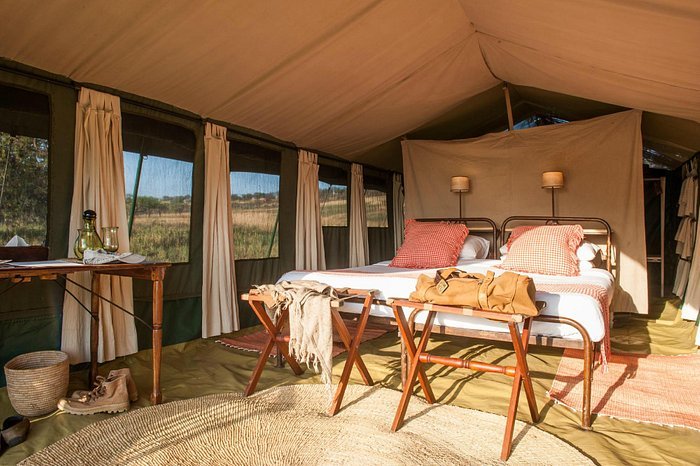
- Tents: Quality 4-season tents provide shelter from the elements.
- Sleeping Mats: Provided to insulate you from the cold ground.
- Portable Toilets: Available upon request, offering a more comfortable experience than digging a hole.
Best Time to Climb Kilimanjaro via Machame Route in 2026-2027
Kilimanjaro can be climbed year-round, but certain periods offer better weather conditions, leading to higher success rates and more enjoyable treks.
Ideal Seasons
- Dry Seasons:
- January to March: Generally dry and warm, with good visibility. This period can be cold at higher altitudes.
- June to October: The longest dry season, characterized by cooler temperatures and clear skies. This is peak season, so expect more trekkers.
- Rainy Seasons:
- April to May: The main rainy season, with heavy rainfall common, especially in the lower rainforest zone. Trails can be very muddy.
- November to December: A shorter, less predictable rainy season. Showers are common, but they often don’t last all day.
Considerations for 2026-2027 Climbs
- Peak Season (June-October): Best weather, but busier trails and potentially higher prices. Book well in advance for 2026 or 2027.
- Shoulder Seasons (Jan-Mar, Nov-Dec): Good balance of weather and fewer crowds.
- Low Season (Apr-May): Lowest prices, fewest crowds, but highest chance of rain. Requires careful packing and flexibility.
For the best experience on the Machame Route, aiming for the dry seasons in 2026 or 2027 is recommended. However, with proper preparation, any time of year is feasible.
Booking Your Machame Route Kilimanjaro Climb with Top Guide Adventures
When planning your special adventure to climb Mount Kilimanjaro via the Machame Route, choosing a reputable and experienced tour operator is paramount. Top Guide Adventures has established itself as a trusted partner for thousands of climbers, offering comprehensive packages and unparalleled support.
Why Choose Top Guide Adventures?
- Experience and Expertise: We have years of experience organizing Kilimanjaro climbs, with a deep understanding of the mountain, its routes, and the needs of climbers.
- Safety First: Your safety is our top priority. We employ highly trained guides, maintain excellent equipment, and have robust emergency protocols.
- Ethical Operations: We are committed to the fair treatment and welfare of our guides, porters, and cooks.
- Value for Money: We offer competitive pricing without compromising on quality or safety, providing a genuine and memorable climbing experience.
- Personalized Service: From your initial inquiry to your return from the mountain, you’ll receive dedicated support and attention.
Ready to Book Your 2026-2027 Kilimanjaro Adventure?
Planning your climb for 2026 or 2027 is an exciting process. We encourage you to reach out to us with any questions you may have. Our team is ready to help you plan the perfect Kilimanjaro expedition.
Contact Us for Your Dream Climb:
For inquiries, custom itineraries, and booking your Machame Route climb for 2026 or 2027, please get in touch:
WhatsApp: +255 616 946 642
Email: topguideadventures@gmail.com
Backup Email: info@topguideadventurestanzania.com
Visit our website for more information on our services and group departure dates: www.topguideadventurestanzania.com
Let Top Guide Adventures be your trusted partner in conquering Mount Kilimanjaro via the spectacular Machame Route. We look forward to helping you achieve your summit dreams in 2026 or 2027!
“,
“faq_schema”: [
{
“question”: “What is the best route to climb Mount Kilimanjaro?”,
“answer”: “The Machame Route is widely considered one of the best routes for climbing Mount Kilimanjaro due to its excellent acclimatization profile, diverse scenery, and high success rates, especially when trekked over 7 days. Other popular routes include Lemosho for its beauty and longer duration, and Marangu for its hut accommodation.”
},
{
“question”: “How difficult is the Machame Route on Kilimanjaro?”,
“answer”: “The Machame Route is classified as a difficult trek. While not technically demanding, the challenge comes from the altitude, the sustained effort over multiple days (5-9 hours of hiking daily), and the varying terrain. Proper physical training and a gradual ascent pace are crucial.”
},
{
“question”: “What is the success rate for the Machame Route?”,
“answer”: “The success rate for the Machame Route is generally high, often cited around 90-95%, particularly for the 7-day itinerary. This is attributed to its excellent acclimatization profile which allows the body to adjust better to the increasing altitude.”
},
{
“question”: “How long does it take to climb Kilimanjaro via the Machame Route?”,
“answer”: “The Machame Route can be climbed in either 6 or 7 days. The 7-day itinerary is strongly recommended as it provides better acclimatization, significantly increasing your chances of reaching the summit safely and comfortably.”
},
{
“question”: “What is the cost of climbing Kilimanjaro via the Machame Route in 2026-2027?”,
“answer”: “The cost for a 6 or 7-day Machame Route climb in 2026-2027 typically ranges from $1,500 to $3,500+ USD per person, depending on the tour operator’s inclusions, service level, and group size. Premium operators with more amenities and support will be at the higher end of this range.”
},
{
“question”: “When is the best time to climb Kilimanjaro via the Machame Route?”,
“answer”: “The best times to climb Kilimanjaro via the Machame Route are during the dry seasons: January to March and June to October. These periods offer clearer skies and less rainfall, making the trek more enjoyable and increasing your chances of a successful summit bid.”
},
{
“question”: “What gear do I need for the Machame Route?”,
“answer”: “Essential gear includes waterproof hiking boots, layered clothing (base, mid, and outer layers), a warm sleeping bag (-10°C to -20°C rating), trekking poles, a good quality daypack and duffel bag, headlamp, sun protection, and sufficient hydration supplies. Layering is key to managing temperature changes.”
},
{
“question”: “Do I need special training to climb Kilimanjaro?”,
“answer”: “Yes, physical training is highly recommended. Focus on cardiovascular fitness (running, cycling, hiking) and leg strength (squats, lunges). Practice hiking with a weighted backpack on varied terrain 2-3 months before your climb to prepare your body for the demands of the Machame Route.”
}
]
}
“`
Check Availability for Climbing Mount Kilimanjaro Machame Route 2026-2027
Ready to compare dates, prices, and the best option for your group? Send the package name and travel month so the team can reply with a clear quote, availability, and what is included.
Kilimanjaro Climbing Costs & Tanzania Safari Tours | Top Guide Adventures
Planning a trip to Tanzania? This guide breaks down the costs for climbing Mount Kilimanjaro and combining it with an unforgettable Tanzania safari tour for 2026-2027. Learn about pricing...
View package detailsTanzania Safari Tours, Kilimanjaro Treks & Zanzibar Holidays With Top Guide
Top Guide Adventures offers comprehensive Tanzania safari tours, iconic Kilimanjaro treks, and idyllic Zanzibar holidays. Discover the best of East Africa with personalized itineraries...
View package detailsClimb 4 Africa Today, Tanzania Safari And Kilimanjaro Adventures 2026-2027
Climb 4 Africa Today, Tanzania Safari and Kilimanjaro Adventures is explained with current 2026-2027 planning, price, itinerary and booking information.
View package detailsDiscount Tanzania Treks And Affordable Safari Packages In 2026-2027
Discover how to plan discount Tanzania treks and affordable safari packages for your 2026-2027 adventure. This comprehensive guide covers budget-friendly options for iconic destinations...
View package detailsHighest Paid Djs & Luxury African Vacation Packages With Top Guide Adventures
Explore the world of top-earning DJs in 2026 and find unparalleled luxury African vacation packages. Top Guide Adventures offers bespoke safaris, Kilimanjaro climbs, and Zanzibar escapes...
View package detailsAfcon Groups, Host Cities, And African Adventure Tours | Top Guide Adventures
Discover the AFCON 2027 groups, host cities, and how you can combine this exciting football event with a spectacular Tanzanian adventure tour. Top Guide Adventures offers tailored safaris...
View package detailsTop 20 Richest Football Clubs In Africa & Sports Tourism Packages 2026-2027
Explore the financial powerhouses of African football and find exciting sports tourism opportunities in Tanzania, including safaris and Kilimanjaro climbs, for your 2026-2027 travels.
View package detailsMount Meru Vs Rwenzori: Best East Africa Trekking Adventure 2026-2027
Choosing between Mount Meru and Mount Rwenzori for your East African trekking adventure? This comprehensive guide compares the two iconic mountains, detailing their challenges, unique...
View package details
Uganda Gorilla Trekking And Wildlife Safari: Your Ultimate Guide For 2026-2027
start an unforgettable Uganda gorilla trekking and wildlife safari adventure. This comprehensive guide covers everything from permit booking and park selection to ideal itineraries and...
View package detailsNo related package matches those filters. Clear one or more filters to see the other topic-matched options.



