
The best Shira Plateau hike for most trekkers looking for a balance of acclimatization, scenic beauty, and a good success rate on Kilimanjaro is typically via the Lemosho Route or the Machame Route, both of which include the Shira Plateau. These routes offer a gradual ascent, allowing for superior acclimatization, stunning vistas as you traverse the plateau, and a high probability of reaching Uhuru Peak. For 2026-2027, booking well in advance is recommended, especially for peak seasons.
Understanding the Shira Plateau Hike: A Kilimanjaro Essential
The Shira Plateau is not a hike in itself, but rather a crucial and impressive geographical feature on Mount Kilimanjaro, Tanzania. It’s a vast, ancient volcanic caldera situated at a high altitude, typically between 3,500 and 4,000 meters (11,500 to 13,100 feet). Most trekkers aiming for Kilimanjaro’s summit will traverse a significant portion of the Shira Plateau as part of their chosen route. Therefore, when people search for the “best Shira Plateau hike,” they are generally looking for the best Kilimanjaro routes that offer an optimal experience of this spectacular high-altitude landscape, coupled with a high chance of summit success and a memorable overall journey.
At Top Guide Adventures, we understand that your journey to the Roof of Africa is more than just a climb; it’s an expedition that requires careful planning, expert guidance, and an appreciation for the unique environments you’ll encounter. The Shira Plateau, with its otherworldly terrain, unique flora, and expansive views, is a highlight for many. Choosing the right route to experience it is paramount. This guide will break down the most effective ways to include the Shira Plateau in your Kilimanjaro adventure for 2026-2027, focusing on routes that maximize your chances of success and enjoyment.
Why the Shira Plateau is a Highlight of Kilimanjaro Treks
The Shira Plateau is a truly unique section of the Kilimanjaro climb. Unlike the steep, winding paths found on other parts of the mountain, the plateau offers a relatively flat, expansive landscape. This unique terrain provides:
- Unparalleled Scenery: Imagine walking across a high-altitude moorland, with dramatic volcanic rock formations, sparse vegetation, and panoramic views stretching out beneath you. The sky often appears a deeper blue at this altitude, and the sheer scale of the plateau is awe-inspiring.
- Excellent Acclimatization Opportunities: Routes that traverse the Shira Plateau generally do so after a few days of ascending, allowing your body to begin adjusting to the altitude. The relatively flat terrain of the plateau itself can also aid acclimatization, as you are trekking horizontally rather than climbing steeply for extended periods.
- Diverse Ecosystems: While appearing barren, the plateau supports a unique ecosystem adapted to its harsh conditions, including giant heathers, senecios, and lobelias, especially as you descend from it.
- Strategic Location: The plateau serves as a vital junction, connecting various routes and leading towards the mountain’s higher reaches, including Kibo Crater and the final ascent to Uhuru Peak.
For these reasons, experiencing the Shira Plateau is a key part of any successful Kilimanjaro trek. The routes that offer the best experience are those that spend sufficient time on or around it, facilitating both acclimatization and appreciation.
Kilimanjaro Routes Featuring the Shira Plateau: A Comparative Look
Several popular Kilimanjaro routes pass over or around the Shira Plateau. However, not all offer the same experience. We’ll focus on the routes that are widely considered the best for experiencing the Shira Plateau, prioritizing acclimatization, scenery, and success rates. These are primarily the Lemosho Route and the Machame Route.
The Lemosho Route: The Premier Choice for Shira Plateau Experience
The Lemosho Route is consistently ranked as one of the top routes for climbing Kilimanjaro, and its inclusion of the Shira Plateau is a major reason why. It’s known for its exceptional acclimatization profile, stunning scenery, and high summit success rates.
Key Features of the Lemosho Route:
- Duration: Typically 7 or 8 days. The longer duration is highly recommended for optimal acclimatization and a better chance of reaching the summit.
- Starting Point: Londorossi Gate.
- Scenery: Starts in lush rainforest, gradually transitions through moorland and alpine desert, offering diverse landscapes. It is renowned for its spectacular western and southern circuit views, including a dramatic approach to the Shira Plateau.
- Acclimatization: Excellent. The route’s gradual ascent, especially in the initial days, allows the body to adapt effectively.
- Shira Plateau Experience: The Lemosho route enters the Shira Plateau from the west, offering a dramatic and expansive view as you ascend onto it. You spend significant time trekking across the plateau, which is a truly memorable part of the trek.
- Success Rate: Very high, especially on the 8-day itinerary, due to superior acclimatization.
- Crowds: Less crowded than Marangu or Machame in the initial days, though it merges with other routes later on.
Typical Lemosho Route Itinerary (8 Days):
Day 1: Londorossi Gate to Mti Mkubwa Camp (2,100m / 6,890ft)
Day 2: Mti Mkubwa Camp to Shira 1 Camp (3,500m / 11,480ft) – The initial ascent towards the plateau.
Day 3: Shira 1 Camp to Shira 2 Camp (3,850m / 12,630ft) – Trekking across the western side of the Shira Plateau.
Day 4: Shira 2 Camp to Barranco Camp (3,950m / 12,960ft) – Crossing the Shira Plateau and heading towards the Southern Circuit.
Day 5: Barranco Camp to Karanga Camp (3,960m / 12,990ft)
Day 6: Karanga Camp to Barafu Camp (4,640m / 15,220ft)
Day 7: Barafu Camp to Summit (Uhuru Peak, 5,895m / 19,341ft) then to Mweka Camp (3,100m / 10,170ft)
Day 8: Mweka Camp to Mweka Gate, then transfer to hotel.
The Lemosho route’s gradual approach to the Shira Plateau, starting from the west and ascending onto it, offers arguably the most dramatic and in-depth experience of this unique landscape. It allows trekkers to appreciate its vastness and geological significance.
The Machame Route: Popularity Meets Scenery
The Machame Route, often called the “Whiskey Route” (in contrast to the “Beer Route,” Marangu), is another excellent choice that includes a significant traverse of the Shira Plateau. It’s popular for its beautiful scenery, good acclimatization profile, and high summit success rates.
Key Features of the Machame Route:
- Duration: Typically 6 or 7 days. The 7-day option is strongly recommended for better acclimatization.
- Starting Point: Machame Gate.
- Scenery: Begins in dense rainforest, moves through moorland and alpine desert, and offers spectacular views as it circles the southern and western sides of Kilimanjaro.
- Acclimatization: Good, particularly on the 7-day itinerary, which uses the “climb high, sleep low” principle effectively.
- Shira Plateau Experience: The Machame route approaches the Shira Plateau from the south. You will trek across a significant portion of the plateau, experiencing its unique environment and views.
- Success Rate: High, especially on the 7-day itinerary.
- Crowds: More popular and therefore can be more crowded than Lemosho, particularly in the earlier days.
Typical Machame Route Itinerary (7 Days):
Day 1: Machame Gate to Machame Camp (3,000m / 9,840ft)
Day 2: Machame Camp to Shira 2 Camp (3,850m / 12,630ft) – This day takes you onto the Shira Plateau.
Day 3: Shira 2 Camp to Barranco Camp (3,950m / 12,960ft) – Traversing the southern side of the plateau towards the Lava Tower.
Day 4: Barranco Camp to Karanga Camp (3,960m / 12,990ft)
Day 5: Karanga Camp to Barafu Camp (4,640m / 15,220ft)
Day 6: Barafu Camp to Summit (Uhuru Peak, 5,895m / 19,341ft) then to Mweka Camp (3,100m / 10,170ft)
Day 7: Mweka Camp to Mweka Gate, then transfer to hotel.
Both Lemosho and Machame offer excellent Shira Plateau experiences. Lemosho is often preferred for its slightly longer duration and more remote start, offering a more gradual acclimatization and a more dramatic entry onto the plateau. Machame is a fantastic alternative, very popular and offering a similarly high chance of success and a memorable plateau traverse.
Other Routes and Their Shira Plateau Connection
While Lemosho and Machame are the prime routes for an optimal Shira Plateau experience, other routes also interact with it:
Northern Circuit
The Northern Circuit is the longest and arguably the most scenic route. It circles Kilimanjaro, offering excellent acclimatization and the highest success rates. It traverses the Shira Plateau from east to west, providing a different perspective than Lemosho or Machame. However, it is also one of the more expensive routes due to its length.
Shira Route (Dedicated)
There is a route explicitly named the “Shira Route.” This is a shorter, high-altitude route that starts directly on the Shira Plateau. While it offers immediate access to the plateau, it is generally not recommended for beginners or those prioritizing acclimatization. Its rapid ascent to high altitude increases the risk of altitude sickness. It’s typically done in 6-7 days.
What About Marangu, Rongai, and Umbwe?
- Marangu Route: This is the “Coca-Cola” route, known for its hut accommodation. It does not traverse the Shira Plateau. Trekkers ascend via the southern glacial zone, bypassing the plateau entirely.
- Rongai Route: This route approaches from the north and is a good option for those seeking a drier trek, especially during the rainy seasons. It does not go over the Shira Plateau.
- Umbwe Route: This is the shortest, steepest, and most challenging route. It ascends rapidly and bypasses much of the acclimatization afforded by other routes. While it passes near the southern edge of the Shira Plateau, it’s not designed for an extended or comfortable experience of it and is generally not recommended for those prioritizing the plateau experience or success rates.
For the best Shira Plateau hike, sticking to Lemosho or Machame (especially the 7 or 8-day versions) is your most reliable bet. These routes are designed to showcase the plateau while maximizing your chances of reaching the summit safely.
Planning Your Shira Plateau Hike: Key Considerations for 2026-2027
A successful and enjoyable Shira Plateau hike requires meticulous planning. Here are the critical factors to consider, with an eye towards booking for 2026-2027:
1. Choosing the Right Duration
As highlighted, the duration of your trek is directly linked to acclimatization and success rates. For routes like Lemosho and Machame that include the Shira Plateau:
- 6-Day Machame: Possible, but with a lower success rate and higher risk of altitude sickness.
- 7-Day Machame / 7-Day Lemosho: Good options, offering better acclimatization and success rates.
- 8-Day Lemosho: Generally considered the optimal choice. It provides the best acclimatization profile, allowing you to fully appreciate the Shira Plateau and significantly increases your chances of reaching Uhuru Peak.
For 2026-2027, we strongly advise opting for the longer itineraries (7 or 8 days) to ensure a safer and more rewarding experience. The additional day allows for a more relaxed pace and better physiological adaptation.
2. Best Time to Trek Kilimanjaro
Kilimanjaro has two main dry seasons, which are ideal for trekking and experiencing the Shira Plateau:
- January to March: Clear skies, cold temperatures, but generally dry. Good for seeing the Shira Plateau clearly.
- June to October: This is the longest and most popular dry season. Weather is typically stable, though it can be colder, especially at higher altitudes. The Shira Plateau is usually clear and accessible during these months.
Shoulder Seasons:
- April-May: Long rains season. Avoid if possible due to rain, mud, and cloud cover, which can obscure the Shira Plateau.
- November-December: Short rains season. Can be a good time with fewer crowds and lush scenery lower down, but expect some rain showers, particularly in the afternoons. The Shira Plateau might be intermittently clear.
For 2026 and 2027, the peak trekking seasons (June-October and January-March) will be the most popular. If you prefer fewer crowds, consider the shoulder months, but be prepared for potentially mixed weather. Booking for peak seasons in 2026-2027 should be done at least 6-12 months in advance.
3. Cost of a Shira Plateau Hike (2026-2027 Estimates)
The cost of a Kilimanjaro climb, including routes that traverse the Shira Plateau, varies significantly based on the tour operator, route length, group size, and inclusions. As a general estimate for 2026-2027:
Budget Operators: $1,500 – $2,000 USD per person (often with fewer inclusions, basic equipment, and larger groups).
Mid-Range Operators (like Top Guide Adventures): $2,000 – $3,500 USD per person (offering a good balance of quality, safety, inclusions, and experienced guides. Typically for 7-8 day Lemosho/Machame routes).
Luxury Operators: $3,500 – $6,000+ USD per person (higher-end accommodations, finer dining, smaller groups, premium services).
What typically influences the price for a Shira Plateau hike:
- Route Length: Longer routes (7-8 days) cost more than shorter ones (6 days).
- Park Fees: These are fixed by Kilimanjaro National Park and are a significant portion of the cost.
- Guide and Porter Salaries: Ethical treatment and fair wages are crucial and reflected in the price.
- Food and Accommodation: Quality and quantity of meals, plus camp setup.
- Equipment: Tents, sleeping mats, cooking gear.
- Safety Equipment: First aid kits, oxygen cylinders (carried by guides).
- Transportation: Airport transfers and transport to/from the mountain gates.
- Group Size: Private climbs are more expensive per person than group climbs.
Key Inclusions to Look For:
- Park fees (crucial!)
- All meals on the mountain
- Water on the mountain
- Qualified guides and porters
- Camping equipment (tents, mess tent)
- Oxygen and first-aid kit
- Accommodation before and after the climb (often included)
- Transfers
Exclusions to Budget For:
- Tips for guides, porters, and cooks (a significant expense, typically $200-$300+ per trekker)
- Personal gear (clothing, boots, sleeping bag)
- Travel insurance (essential!)
- Visa fees
- Lunches and dinners in town
- Optional summit insurance (e.g., helicopter evacuation)
When comparing prices for 2026-2027, always ensure you are comparing like-for-like inclusions. A cheaper price might mean fewer safety measures or lower quality service. Top Guide Adventures prioritizes safety, ethical treatment of staff, and a high success rate, offering excellent value for your investment in a Shira Plateau hike.
4. Physical Preparation and Training
The Shira Plateau is at a high altitude, and the climb itself is demanding. While no specific training can fully prepare you for the altitude, excellent cardiovascular fitness is essential. Focus on:
- Aerobic Exercise: Aim for at least 3-4 sessions per week of activities like hiking (with a weighted backpack), running, cycling, or swimming.
- Hiking: Prioritize hiking, especially on steep terrain. Train by doing long hikes (4-6 hours) with significant elevation gain.
- Strength Training: Focus on leg strength (squats, lunges) and core strength.
- Mental Preparation: Understand the challenges, including altitude sickness, cold, and fatigue. A positive mindset is crucial.
Start your training at least 2-3 months before your 2026 or 2027 trek. Consult your doctor before beginning any new exercise program.
5. Gear and Equipment
Proper gear is vital for comfort, safety, and performance on the Shira Plateau. You’ll need to layer effectively to manage varying temperatures from the rainforest floor to the alpine desert and summit night.
Essential Gear Checklist:
- Footwear: Broken-in waterproof hiking boots, comfortable camp shoes/sandals.
- Socks: Several pairs of moisture-wicking wool or synthetic socks.
- Base Layers: Moisture-wicking thermal tops and bottoms (merino wool or synthetic).
- Mid Layers: Fleece jacket or insulated jacket for warmth.
- Outer Layer: Waterproof and windproof jacket and trousers (Gore-Tex or similar).
- Insulation: Warm down or synthetic insulated jacket for evenings and summit night.
- Headwear: Warm beanie/hat, sun hat with a wide brim, balaclava or neck gaiter.
- Gloves: Warm waterproof gloves or mittens, liner gloves.
- Backpack: Comfortable daypack (30-40 liters) for essentials, and a larger duffel bag (80-100 liters) for porters.
- Sleeping Bag: A 4-season (-15°C to -20°C comfort rating) down or synthetic bag is essential.
- Headlamp: With extra batteries.
- Sun Protection: High SPF sunscreen, lip balm with SPF, sunglasses.
- Hydration: Water bottles or hydration reservoir (at least 3 liters capacity).
- Personal Items: Toiletries, personal first-aid kit, camera, power bank.
Top Guide Adventures can provide a more detailed gear list and advice on renting or purchasing items.
The Shira Plateau Experience: What to Expect on the Trek
Traversing the Shira Plateau is an experience like no other on Kilimanjaro. Here’s what you can anticipate:
Altitude and Acclimatization
You’ll typically reach the Shira Plateau around day 2 or 3 of your trek, at an altitude of approximately 3,500 to 3,850 meters (11,500 to 12,630 feet). While this is already high, routes like Lemosho and Machame are designed to ascend gradually, allowing your body to begin acclimatizing. The relatively flat terrain on the plateau itself can be beneficial, as you are not exerting yourself with steep climbs. However, you will still feel the effects of the altitude: shortness of breath, increased heart rate, and potentially headaches. Staying hydrated, eating well, and following your guide’s advice are crucial.
Terrain and Landscape
The Shira Plateau is characterized by:
- Vast, Open Spaces: It feels like a high-altitude desert or moorland, with expansive views.
- Volcanic Rock Formations: You’ll see interesting rock outcroppings and ancient lava flows.
- Sparse Vegetation: Expect hardy grasses, mosses, and the occasional hardy shrub, especially at the edges.
- Clear Skies (Often): At this altitude, the air is thin and dry, often leading to incredibly clear skies and spectacular stargazing.
- Wind: The plateau can be very exposed and windy, so windproof gear is essential.
Daily Trekking on the Plateau
On routes like Lemosho and Machame, you will spend a full day or more trekking across the plateau. Your guides will set a slow, steady pace (often referred to as “pole pole” – slowly, slowly). Expect to walk for 4-7 hours per day on the plateau, with regular breaks for hydration and snacks. The goal is to cover ground while continuing to acclimatize. Campsites on or near the plateau, like Shira 1 or Shira 2, are usually set up in sheltered spots, offering some respite from the elements.
Wildlife Encounters
While the Shira Plateau itself is too high and barren for much large wildlife, you might encounter:
- Birds: Various high-altitude birds adapted to the harsh environment.
- Small Mammals: Occasionally, you might spot small rodents or other hardy creatures.
- Lower Slopes: As you ascend towards and descend from the plateau, you are more likely to see monkeys (like colobus or blue monkeys) in the forest zones, and potentially eland or other antelopes in the moorland zone.
Summit Night Preparation
The Shira Plateau is a staging ground for the ultimate ascent. By the time you leave the plateau and head towards Barafu Camp (the base camp for the summit push), you will have completed a significant portion of your acclimatization. The trek across the plateau builds endurance and acclimatization, preparing you physically and mentally for the demanding summit night, which typically occurs 2-3 days after leaving the plateau.
Safety on the Shira Plateau: Altitude Sickness and Guidance
Safety is paramount on any Kilimanjaro climb, and the Shira Plateau’s high altitude presents specific considerations.
Altitude Sickness (Acute Mountain Sickness – AMS)
AMS can affect anyone, regardless of fitness level. Symptoms include headache, nausea, dizziness, fatigue, and shortness of breath. The key to preventing and managing AMS is:
- Gradual Ascent: Routes like Lemosho and Machame are designed for this.
- Hydration: Drink plenty of water (3-4 liters per day).
- Pacing: “Pole pole” is essential.
- Avoiding Alcohol and Smoking: These exacerbate altitude effects.
- Monitoring: Your guides are trained to recognize AMS symptoms and will monitor you closely.
If symptoms worsen, the only effective treatment is to descend. Your guide’s decision on this is final and for your safety.
The Role of Your Guides
Your guides are the most critical element of your safety on Kilimanjaro. For the Shira Plateau hike, ensure your guides are:
- Experienced: They should have extensive knowledge of Kilimanjaro, its routes, and altitude-related illnesses.
- Certified: Look for guides with wilderness first responder or similar certifications.
- Equipped: They carry comprehensive first-aid kits and often portable oxygen.
- Communicative: They should clearly explain the plan, potential risks, and check in with you regularly.
Top Guide Adventures employs highly trained and experienced guides who prioritize your well-being and success. They are adept at navigating the Shira Plateau and ensuring a safe journey.
Emergency Procedures
Reputable operators will have clear emergency protocols. This includes:
- Communication: Guides have radios or satellite phones for emergencies.
- Evacuation: Knowing when and how to evacuate a climber (often involving porters carrying the climber down, or helicopter evacuation for severe cases, which requires insurance).
- First Aid: Immediate on-site medical care.
Ensure your travel insurance covers high-altitude trekking and emergency evacuation. For 2026-2027 trips, confirm these details when booking.
Booking Your Best Shira Plateau Hike with Top Guide Adventures for 2026-2027
Choosing the right operator is as important as choosing the right route. Top Guide Adventures is committed to providing an exceptional Kilimanjaro experience, focusing on safety, sustainability, and client satisfaction. We specialize in making your Shira Plateau hike a highlight of your Tanzanian adventure.
Why Choose Top Guide Adventures?
- Expert Guidance: Our guides are highly experienced, certified, and passionate about Kilimanjaro.
- Safety First: We adhere to strict safety protocols, including carrying oxygen and comprehensive first-aid kits. We ensure fair porter treatment, which is crucial for their well-being and efficiency.
- Optimal Routes: We recommend and excel on routes like Lemosho and Machame, which offer the best Shira Plateau experience and acclimatization.
- Personalized Service: We offer tailored itineraries and personal attention throughout your planning and trek.
- Value for Money: We provide competitive pricing for high-quality, ethical, and safe Kilimanjaro climbs.
Planning Your 2026-2027 Trek
The best Shira Plateau hike awaits you! Whether you’re eyeing the Lemosho or Machame route for your 2026 or 2027 expedition, we are here to help you plan every detail.
Get in touch with us today to discuss your dream Kilimanjaro climb:
- WhatsApp: +255616946642
- Email: topguideadventures@gmail.com
- Backup Email: info@topguideadventurestanzania.com
We can help you select the best route, duration, and departure dates for your 2026-2027 adventure, ensuring you have an unforgettable journey across the magnificent Shira Plateau and to the summit of Kilimanjaro.
Don’t just dream about climbing Kilimanjaro; let Top Guide Adventures help you make it a reality. We look forward to guiding you on the best Shira Plateau hike!
Check Availability for Best Shira Plateau Hike: Your Ultimate Guide For 2026-2027
Ready to compare dates, prices, and the best option for your group? Send the package name and travel month so the team can reply with a clear quote, availability, and what is included.
Shira Plateau Day Hike: An Accessible Kilimanjaro Summit Experience 2026-2027
Experience the majestic Shira Plateau on a day hike, a rewarding Kilimanjaro adventure offering impressive views and a taste of high-altitude trekking without the commitment of a full...
View package details
Kilimanjaro Day Hike From Arusha: Your Ultimate Guide For 2026-2027
Discover the exhilarating possibility of a Kilimanjaro day hike from Arusha. This comprehensive guide covers accessible routes, preparation, and what makes a short trek on Africa's highest...
View package details
Udzungwa Trekking Prices: Your Complete Guide 2026-2027
Discover the typical Udzungwa trekking prices for 2026-2027, covering factors like duration, accommodation, and inclusions. Plan your adventure with Top Guide Adventures.
View package details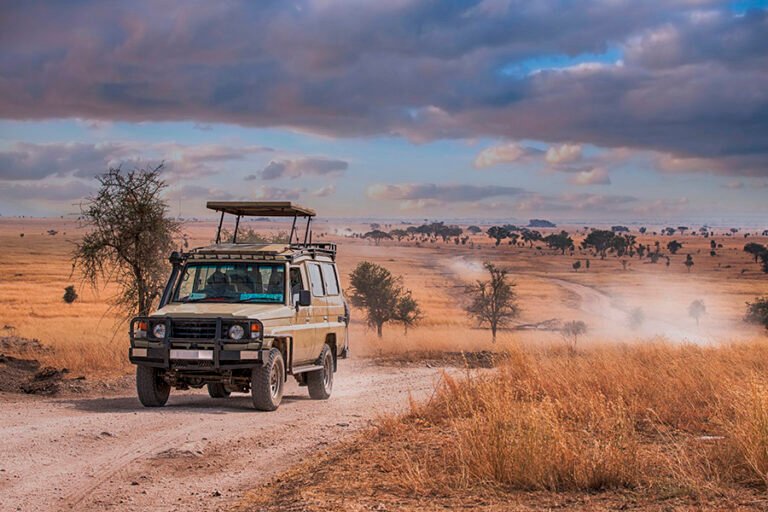
Udzungwa Mountains National Park: Tanzanias Forested Biodiversity Hotspot
Udzungwa Mountains National Park is a vital ecological area in Tanzania, known for its incredible biodiversity, unique primates, and stunning mountain rainforests. It offers exceptional...
View package details
Mahale Safari Prices: Your Guide To Chimpanzee Trekking Costs 2026-2027
Planning a Mahale safari? This guide breaks down Mahale safari prices for 2026-2027, covering chimpanzee trekking permits, accommodation options, transport, and essential budgeting tips for...
View package details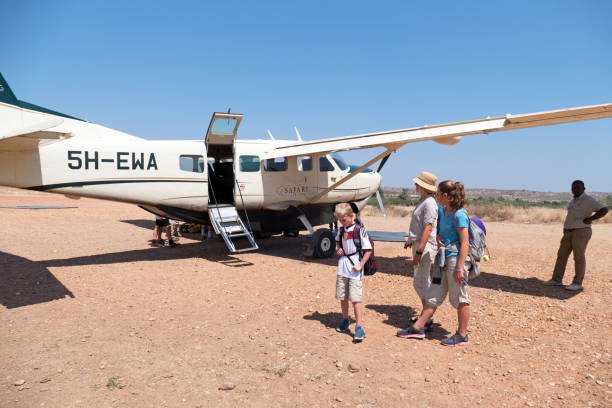
Kilimanjaro National Park: Your Ultimate Guide To Climbing Africas Highest
Your comprehensive guide to Kilimanjaro National Park, detailing everything needed to plan and execute a successful climb of Mount Kilimanjaro, including routes, preparation, costs, and...
View package details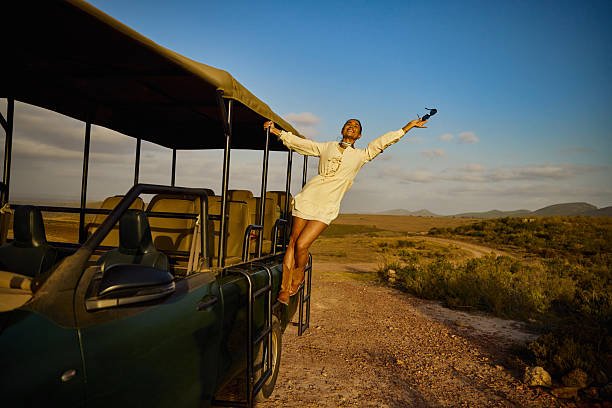
Tanzania Mountain Climbing Costs: A Comprehensive Guide For 2026-2027
Planning a mountain climb in Tanzania, especially Kilimanjaro, involves understanding the various costs involved. This guide breaks down the expenses for 2026-2027, covering park fees...
View package details
Tanzania Chimpanzee Trekking Permit Fees For : Your Complete Guide 2026-2027
Planning a chimpanzee trekking adventure in Tanzania for 2026 or 2027? This guide breaks down the essential permit fees for key locations like Gombe Stream and Mahale Mountains National...
View package details
Tanzania Hiking Permit Fees: A Comprehensive Guide For Climbers 2026-2027
Planning a trek in Tanzania? This guide details the essential hiking permit fees for popular mountains like Kilimanjaro and Mount Meru, crucial for budgeting your 2026-2027 adventure. We...
View package detailsTanzania Tour Package Prices: Your Guide To Safari & Kilimanjaro Costs
Understand Tanzania tour package prices for 2026-2027. This guide covers safari costs, Kilimanjaro climb pricing, Zanzibar holidays, and factors influencing your budget, offering clear...
View package details
Tanzania Conservation Fees Explained: Your Guide 2026-2027
Demystifying Tanzania's conservation fees is crucial for planning your safari or climb. This guide details the essential costs for national parks, reserves, and Mount Kilimanjaro for...
View package details
Ol Doinyo Lengai Guide Fees: Understanding Costs For Climbs 2026-2027
Planning an ascent of Ol Doinyo Lengai? This guide breaks down the typical guide fees for 2026-2027 climbs, detailing what you can expect to pay and what services are usually covered...
View package detailsNo related package matches those filters. Clear one or more filters to see the other topic-matched options.



