
The Ngorongoro Conservation Area (NCA) in Tanzania is a UNESCO World Heritage site renowned for its stunning natural beauty and exceptional wildlife density, particularly within the Ngorongoro Crater, often called Africa’s ‘Garden of Eden’. It offers unparalleled opportunities for game drives, birdwatching, and cultural encounters with the Maasai people, making it a must-visit destination for any 2026 or 2027 Tanzania safari itinerary. Top Guide Adventures specializes in crafting bespoke Ngorongoro experiences that maximize wildlife viewing and cultural immersion.

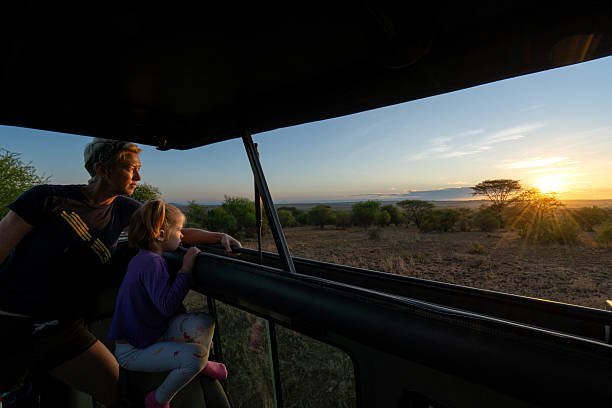
Understanding the Ngorongoro Conservation Area: A Unique Ecosystem
The Ngorongoro Conservation Area is far more than just the famous crater; it is a vast and diverse landscape that stretches over 8,300 square kilometers in northern Tanzania. Established in 1959, it is a unique blend of wildlife sanctuary and human habitation, a concept that sets it apart from many other protected areas in Africa. Unlike national parks where human settlement is prohibited, the NCA allows the indigenous Maasai people to coexist with wildlife, creating a fascinating cultural and ecological dynamic.
The heart of the Ngorongoro Conservation Area is the Ngorongoro Crater, a massive volcanic caldera formed by the collapse of a giant volcano. This natural amphitheater, approximately 19 kilometers in diameter, is home to an astonishing array of wildlife, with densities that are among the highest in Africa. The crater floor is a self-contained ecosystem, featuring grasslands, swamps, forests, and a large soda lake, providing habitats for over 25,000 large animals and hundreds of bird species.
Beyond the crater, the NCA encompasses a variety of landscapes, including the open plains of the Serengeti to the north, the highlands of the Ngorongoro massif, and the vast savannas dotted with acacia trees. This geographical diversity supports a rich mix of flora and fauna, making every corner of the Ngorongoro Conservation Area a potential discovery.
The Significance of the Ngorongoro Crater
The Ngorongoro Crater is the undisputed jewel of the NCA. Its sheer size and the concentration of wildlife within its walls are simply staggering. The steep crater walls act as a natural barrier, effectively containing a significant portion of Tanzania’s wildlife year-round. This means that visitors are almost guaranteed to see a remarkable number of animals during their time here.
The crater floor is a microcosm of African wildlife. You can expect to see the ‘Big Five’ – lion, leopard, elephant, buffalo, and rhinoceros – often within a single game drive. The endangered black rhinoceros, in particular, thrives within the crater, with a healthy population that is regularly observed. Other common sightings include wildebeest, zebras, hyenas, hippos, cheetahs, and a wide variety of antelopes such as gazelles and elands.
The Ngorongoro Crater is also a birdwatcher’s paradise. The soda lake attracts flamingos, pelicans, and storks, while the surrounding grasslands and woodlands are home to eagles, vultures, ostriches, and numerous smaller bird species. The constant presence of water and food sources sustains this incredible biodiversity throughout the year, making the Ngorongoro Conservation Area a prime destination for wildlife enthusiasts at any time, including during the 2026-2027 safari seasons.
Coexistence: Maasai Culture and Wildlife
One of the most distinguishing features of the Ngorongoro Conservation Area is the presence of the Maasai people. Unlike in national parks, the Maasai are permitted to live within the NCA, grazing their cattle and maintaining their traditional way of life. This unique arrangement allows visitors to experience the vibrant Maasai culture firsthand, often visiting Maasai bomas (homesteads) to learn about their customs, social structures, and deep connection to the land.
This coexistence is managed through a system that aims to balance conservation goals with the needs of the local communities. The Maasai play a vital role in the ecosystem, and their traditional grazing practices, when managed sustainably, can even contribute to maintaining the health of the grasslands. Understanding this human element adds another layer of richness to any safari in the Ngorongoro Conservation Area, offering insights into a way of life that has endured for centuries.
Planning Your Ngorongoro Safari: Essential Considerations for 2026-2027
A safari to the Ngorongoro Conservation Area is a highlight for most visitors to Tanzania. To make the most of your trip, especially when planning for the 2026 or 2027 travel seasons, careful planning is essential. Top Guide Adventures is dedicated to ensuring your Ngorongoro experience is unforgettable, handling all the logistics so you can focus on the magic of the African wilderness.
Best Time to Visit the Ngorongoro Conservation Area
The Ngorongoro Conservation Area can be visited year-round, as its resident wildlife population ensures excellent viewing opportunities regardless of the season. However, certain times offer distinct advantages:
- Dry Season (June to October): This is generally considered the peak tourist season. The weather is pleasant with clear skies and less humidity. Wildlife congregates around permanent water sources, making them easier to spot. The Ngorongoro Crater, with its permanent water, remains a wildlife hotspot. However, expect more crowds and potentially higher accommodation prices.
- Short Rains (November to December): The landscape transforms with lush green vegetation, offering beautiful photographic opportunities. Migratory birds begin to arrive, and the wildebeest migration might be moving south through the NCA. Animal sightings are still good, though some grass can be tall, occasionally making it harder to spot certain animals.
- Long Rains (March to May): This is the low season, characterized by heavy rainfall, especially in the afternoons. The landscape is incredibly verdant, and the crowds are minimal. While game drives can sometimes be challenging due to muddy tracks, it’s an excellent time for birdwatching and experiencing the wild beauty of the NCA with fewer tourists. Prices are typically lower during this period.
For the 2026 and 2027 seasons, the dry months of June through October remain prime for predictable game viewing. However, shoulder months like May, November, and early December can offer a great balance of good weather, fewer crowds, and competitive pricing.
Getting to the Ngorongoro Conservation Area
The Ngorongoro Conservation Area is typically accessed as part of a Northern Circuit safari, often combined with Lake Manyara National Park, Tarangire National Park, and the Serengeti National Park.
- By Air: The nearest major international airport is Kilimanjaro International Airport (JRO). From JRO, you can take a domestic flight to the Manyara Airstrip (LKY), which is relatively close to the NCA entrance. Alternatively, charter flights can be arranged to various airstrips within the NCA or nearby Serengeti.
- By Road: This is the most common method. Most safaris start from Arusha, the safari capital of Tanzania. The drive to the Ngorongoro Conservation Area from Arusha takes approximately 3-4 hours, passing through vibrant Maasai villages and picturesque landscapes. The journey itself is part of the adventure, offering glimpses into rural Tanzanian life.
Accommodation Options in and around the NCA
Accommodation within the Ngorongoro Conservation Area ranges from basic campsites to ultra-luxury lodges, catering to all budgets and preferences. Choosing the right lodge can significantly enhance your safari experience.
- Crater Rim Lodges: Offering unparalleled views directly into the crater, these lodges provide a dramatic setting. Options include the Ngorongoro Serena Safari Lodge, Ngorongoro Crater Lodge, and Lemala Ngorongoro Tented Camp. Staying on the rim allows for early access to the crater floor.
- Outside the Crater / Conservation Area: Many lodges and tented camps are located just outside the crater rim or within the wider NCA. These often provide a more secluded experience and can be more budget-friendly. Examples include Ngorongoro Rhino Lodge, Plantation Lodge, and various tented camps.
- Campsites: For the adventurous and budget-conscious traveler, there are public and special campsites within the NCA. These offer a more rustic experience, allowing you to feel closer to nature.
Booking accommodation well in advance is crucial, especially for the peak seasons of 2026 and 2027, as prime locations fill up quickly.
Safari Packages and Itinerary Planning
Most visitors experience the Ngorongoro Conservation Area as part of a multi-day safari package. A typical Northern Circuit itinerary might include:
- 3-Day Safari: Lake Manyara, Ngorongoro Crater.
- 5-Day Safari: Tarangire, Lake Manyara, Ngorongoro Crater.
- 7-Day Safari: Tarangire, Lake Manyara, Ngorongoro Crater, Serengeti.
Top Guide Adventures offers tailor-made itineraries to suit your interests and budget. We can incorporate the Ngorongoro Conservation Area into a longer safari, or focus a dedicated trip around it. For example, a 2026 Ngorongoro Crater and Serengeti Explorer could be structured as:
Example 5-Day Northern Circuit Itinerary (including Ngorongoro)
- Day 1: Arrive in Arusha, transfer to hotel.
- Day 2: Drive to Tarangire National Park for game drives. Overnight near Tarangire.
- Day 3: Drive to Lake Manyara National Park for game drives, then proceed to Karatu near Ngorongoro.
- Day 4: Full day game drive in the Ngorongoro Crater. Overnight Karatu or Ngorongoro rim lodge.
- Day 5: Morning visit to a Maasai village (optional), then drive back to Arusha or Kilimanjaro Airport for departure.
We can also customize longer trips that include more time in the Serengeti or add cultural excursions. When planning for 2027, consider booking at least 6-12 months in advance for peak season travel.
Wildlife Viewing in the Ngorongoro Conservation Area
The Ngorongoro Conservation Area is a wildlife spectacle, particularly within the crater. The high concentration of animals and the relatively open terrain make for exceptional viewing opportunities.
The “Big Five” and Beyond
The primary draw for many visitors is the chance to see the ‘Big Five’:
- Lion: The Ngorongoro Crater boasts a healthy lion population, often seen resting under acacia trees or on the open plains.
- Leopard: Elusive and solitary, leopards are present but harder to spot. They often frequent the denser vegetation around water sources or the crater rim forests.
- Elephant: Large herds of elephants, including impressive tuskers, are common, especially near waterholes and in the forested areas.
- Buffalo: Cape buffalo form large herds within the crater and are a common sight grazing on the plains or near water.
- Rhinoceros: The black rhino is critically endangered, but the Ngorongoro Crater is one of its strongholds. Seeing a rhino here is a truly special experience, and sightings are relatively frequent.
Beyond the Big Five, expect to see vast numbers of:
- Wildebeest and Zebra: These form large herds, especially during certain times of the year.
- Hippos: Found in large numbers in the crater’s hippo pool.
- Cheetahs: Often seen hunting on the open plains.
- Hyenas: Both spotted and striped hyenas are abundant.
- Various Antelopes: Including Thomson’s gazelles, Grant’s gazelles, eland, waterbucks, and reedbucks.
Birdwatching in the Crater
The Ngorongoro Conservation Area is a haven for ornithologists. The soda lake within the crater is a magnet for:
- Flamingos: Large flocks can often be seen wading in the lake.
- Pelicans: Various species of pelicans are also common.
- Storks and Cranes: Several species can be spotted.
Other notable birds include:
- Secretary Birds
- Ostrich
- Eagles and Vultures
- Various Waders and Waterfowl
- Small Birds: Such as weavers, sunbirds, and bishops, found in the grasslands and woodlands.
Best Spots for Game Viewing
While the entire crater floor offers excellent viewing, some areas are particularly productive:
- The Soda Lake: Excellent for water birds, hippos, and predators drawn to the water’s edge.
- Lerai Forest: A prime location for spotting leopards and elephants.
- The Gorigor Swamp: Home to hippos and often frequented by lions.
- Open Plains: Ideal for viewing large herds of wildebeest, zebras, and cheetahs.
Understanding Crater Access and Rules
To protect the fragile ecosystem, there are strict rules governing visits to the Ngorongoro Crater:
- Vehicle Access: Only authorized safari vehicles are allowed on the crater floor.
- Time Limits: Vehicles are typically limited to a maximum of 6 hours on the crater floor to minimize disturbance.
- Speed Limits: Strict speed limits are enforced to ensure animal safety and prevent accidents.
- No Off-Road Driving: Vehicles must stay on designated tracks.
- Waste Disposal: All litter must be carried out of the crater.
Top Guide Adventures ensures all our clients adhere to these regulations, promoting responsible tourism in the Ngorongoro Conservation Area.
Conservation Efforts and the Future of the Ngorongoro Conservation Area
The Ngorongoro Conservation Area is a vital part of Tanzania’s natural heritage, and significant efforts are made to preserve its unique environment and cultural significance.
The Role of Ngorongoro Conservation Authority (NCA)
The NCA is the governing body responsible for the management of the area. Its mandate is to conserve wildlife and natural resources while promoting the economic and social well-being of the local communities, particularly the Maasai.
Key conservation strategies include:
- Habitat Management: Maintaining the balance of grasslands, forests, and water bodies to support diverse wildlife.
- Anti-Poaching Patrols: Protecting wildlife from illegal hunting, especially rhinos.
- Community Development Programs: Supporting education, healthcare, and infrastructure for the Maasai people, encouraging their participation in conservation.
- Research and Monitoring: Conducting studies on wildlife populations, ecological changes, and human-wildlife interactions to inform management decisions.
Challenges and Sustainability
Despite these efforts, the Ngorongoro Conservation Area faces challenges:
- Human-Wildlife Conflict: As human populations and livestock numbers grow, conflicts can arise over land and resources.
- Overgrazing: The presence of large livestock herds can sometimes lead to overgrazing, impacting the savanna ecosystem.
- Tourism Pressure: Managing the impact of a growing number of tourists is crucial to prevent environmental degradation.
The NCA is continuously working on adaptive management strategies to address these issues, ensuring the long-term survival of this extraordinary ecosystem. Responsible tourism, as promoted by Top Guide Adventures, plays a critical role in supporting these conservation initiatives through park fees and by fostering appreciation for the area’s natural and cultural value.
UNESCO World Heritage Status
The Ngorongoro Conservation Area was inscribed as a UNESCO World Heritage site in 1979, recognizing its outstanding universal value. This designation highlights its importance not only for its natural beauty and biodiversity but also for its unique cultural landscape where humans and wildlife coexist.
Maintaining this status requires ongoing commitment to conservation and sustainable management practices. Visitors contributing to the NCA through their safaris in 2026 and 2027 are part of this global effort to protect a truly irreplaceable natural wonder.
Cultural Encounters: The Maasai People of Ngorongoro
A safari to the Ngorongoro Conservation Area offers a rare opportunity to interact with the Maasai people, one of East Africa’s most iconic indigenous communities.
Visiting a Maasai Boma
Many safari itineraries include a visit to a traditional Maasai boma (village). Here, you can:
- Learn about their lifestyle: Understand their nomadic traditions, social structure, and deep respect for cattle.
- Witness traditional dances: Experience the famous ‘Adumu’ or jumping dance, a vital part of Maasai culture.
- See their homes: Observe the construction of their unique dwellings made from mud, dung, and branches.
- Engage with local artisans: Purchase beautiful handmade crafts, such as beadwork and carvings, directly supporting the community.
Top Guide Adventures ensures that these visits are conducted respectfully and ethically, providing a genuine cultural exchange rather than a staged performance. It’s a chance to connect with the people who have called this land home for generations.
The Maasai and Wildlife Conservation
The Maasai have a long history of living in harmony with wildlife. Their traditional pastoralist lifestyle involves moving with their herds to find grazing land, a practice that has, for centuries, allowed wildlife to thrive alongside them. While modern challenges exist, the Maasai remain integral to the cultural landscape of the Ngorongoro Conservation Area.
Understanding their perspective on conservation and their relationship with the land provides a deeper appreciation for the complex dynamics of the NCA. For your 2026-2027 safari, we encourage you to approach these cultural interactions with curiosity and respect.
Practical Tips for Your Ngorongoro Safari
To ensure a smooth and enjoyable safari experience in the Ngorongoro Conservation Area, here are some practical tips:
What to Pack
Packing wisely is key for comfort and practicality:
- Clothing: Lightweight, neutral-colored clothing (khaki, beige, green) is best for game drives. Include long-sleeved shirts and trousers for sun protection and cooler evenings. A warm fleece or jacket is essential for early morning drives and cooler months.
- Footwear: Comfortable walking shoes or hiking boots if you plan any light walks, and sandals or trainers for relaxing at the lodge.
- Sun Protection: High SPF sunscreen, a wide-brimmed hat, and sunglasses are vital.
- Insect Repellent: Especially important for evenings.
- Camera and Binoculars: Essential for capturing memories and spotting wildlife. Bring extra batteries and memory cards.
- First-Aid Kit: Include personal medications, pain relievers, antiseptic wipes, and bandages.
- Personal Items: Wet wipes, hand sanitizer, and a reusable water bottle.
Health and Safety
- Vaccinations: Consult your doctor or a travel clinic about recommended vaccinations (e.g., Yellow Fever, Hepatitis A, Typhoid) and malaria prophylaxis.
- Water: Drink only bottled or purified water. Lodges and camps provide safe drinking water.
- Sun Safety: The African sun is intense. Stay hydrated and protected.
- Wildlife Safety: Always follow your guide’s instructions. Never approach or feed wild animals. Stay inside your vehicle during game drives unless permitted otherwise.
Park Fees and Costs
Visiting the Ngorongoro Conservation Area involves several fees:
- Conservation Fees: Charged per person per 24-hour period for entry into the NCA.
- Crater Service Fee: A per-vehicle fee for entering the Ngorongoro Crater.
- Vehicle Fees: Daily fees for the safari vehicle.
- Accommodation Fees: Vary significantly based on lodge type.
These fees are typically included in safari package costs. For the 2026 and 2027 seasons, expect these fees to remain a significant component of the overall safari budget. Top Guide Adventures provides detailed cost breakdowns for all our packages.
Connectivity and Communication
Mobile phone reception can be intermittent in remote areas of the NCA. Many lodges offer Wi-Fi, often at an additional cost or with limited availability. It’s advisable to download offline maps and essential information before your trip.
Comparing Ngorongoro with Other Tanzanian Destinations
While the Ngorongoro Conservation Area is a unique destination, it’s helpful to understand how it fits within the broader context of Tanzanian safaris, especially when planning for 2026-2027.
Ngorongoro vs. Serengeti National Park
Both are iconic safari destinations in Tanzania, but they offer different experiences:
- Ngorongoro Crater: A compact, self-contained ecosystem with incredibly high wildlife density. Excellent for guaranteed sightings of the Big Five, including rhinos. Best for shorter visits due to time limits on the crater floor.
- Serengeti National Park: Vast and diverse, famous for the Great Migration. Offers a more expansive safari experience with varied landscapes. Wildlife viewing is excellent year-round, but specific concentrations depend on the migration’s location. Better for longer safaris and exploring different regions.
Many travelers combine both for a comprehensive Northern Circuit safari, experiencing the concentrated wildlife of Ngorongoro and the vastness of the Serengeti.
Ngorongoro vs. Lake Manyara National Park
Lake Manyara is often visited en route to Ngorongoro or Serengeti:
- Lake Manyara: Smaller park known for its tree-climbing lions, large elephant herds, and abundant birdlife, especially around the lake. Offers a good introduction to Tanzanian wildlife in a shorter timeframe.
- Ngorongoro: Offers a much higher concentration and diversity of wildlife, especially within the crater. The sheer scale of the Ngorongoro experience is unparalleled.
Ngorongoro vs. Tarangire National Park
Tarangire is another key park in the Northern Circuit:
- Tarangire: Famous for its large elephant herds, baobab trees, and diverse bird species. It’s particularly spectacular during the dry season when wildlife congregates around the Tarangire River.
- Ngorongoro: While also having elephants, Ngorongoro’s primary appeal is the crater’s contained ecosystem and the high density of predators and the Big Five.
Each destination offers unique strengths. A well-planned 2026 or 2027 safari itinerary will strategically combine these parks to provide a varied and rewarding experience of Tanzania’s wildlife and landscapes.
Booking Your Ngorongoro Safari with Top Guide Adventures
Choosing the right tour operator is crucial for a memorable and hassle-free safari to the Ngorongoro Conservation Area. Top Guide Adventures is committed to providing exceptional service, personalized attention, and unforgettable experiences.
Why Choose Top Guide Adventures for Your Ngorongoro Safari?
- Expert Knowledge: We have extensive experience in planning and executing safaris across Tanzania, with a deep understanding of the Ngorongoro Conservation Area.
- Tailor-Made Itineraries: We craft itineraries that match your specific interests, budget, and travel style. Whether you seek a luxury experience, a family adventure, or a budget-friendly trip for 2026-2027, we design it for you.
- Quality Accommodation and Vehicles: We partner with reputable lodges and use well-maintained, comfortable 4×4 safari vehicles equipped for optimal game viewing.
- Experienced Guides: Our knowledgeable and friendly guides are passionate about wildlife and culture, enhancing your safari experience.
- Personalized Support: From your initial inquiry to your return home, we provide dedicated support every step of the way.
Getting Started with Your Safari Planning
Ready to plan your dream safari to the Ngorongoro Conservation Area for 2026 or 2027? Contact us today to discuss your preferences.
You can reach us via:
- WhatsApp: +255616946642
- Email: topguideadventures@gmail.com
- Backup Email: info@topguideadventurestanzania.com
Visit our website Top Guide Adventures for more information on our services and sample itineraries. We look forward to helping you create an extraordinary adventure in the Ngorongoro Conservation Area and beyond!
Frequently Asked Questions about Ngorongoro Conservation Area
Here are some common questions prospective visitors have about planning a trip to the Ngorongoro Conservation Area:
What is the best time of year to visit the Ngorongoro Conservation Area?
The Ngorongoro Conservation Area can be visited year-round. However, the dry season from June to October offers the most predictable wildlife viewing with clear skies. The shoulder months of May, November, and early December can also be excellent, offering a balance of good weather and fewer crowds for your 2026-2027 safari.
How long should I spend in the Ngorongoro Conservation Area?
A full day (approximately 6 hours on the crater floor) is the minimum recommended time for the Ngorongoro Crater itself. Many visitors extend their stay to 2 days to explore other areas of the NCA or to enjoy a more relaxed pace. It’s often combined with other parks like the Serengeti, making a 3-5 day Northern Circuit safari a popular choice.
What is the cost of a safari to Ngorongoro?
The cost varies significantly based on accommodation choice, safari duration, group size, and season. A typical mid-range 3-day safari including Ngorongoro Crater can range from $700 to $1200 USD per person. Luxury options can be significantly higher. Park fees, vehicle hire, guide services, and accommodation are the main cost components. Top Guide Adventures provides personalized quotes for 2026 and 2027 trips.
Can I see the Big Five in Ngorongoro?
Yes, the Ngorongoro Crater is one of the best places in Tanzania to see the Big Five (lion, leopard, elephant, buffalo, and rhinoceros) in a single day. The black rhino, in particular, has a stable population within the crater, making sightings more likely than in many other locations.
Is it safe to travel to the Ngorongoro Conservation Area?
The Ngorongoro Conservation Area is considered a very safe safari destination. The primary risks are related to wildlife encounters, but these are mitigated by following your guide’s instructions and staying within designated areas. Road travel is generally safe, and Top Guide Adventures uses experienced drivers and well-maintained vehicles. Malaria precautions are recommended.
What is the difference between Ngorongoro Conservation Area and Ngorongoro Crater?
The Ngorongoro Conservation Area (NCA) is a vast region that includes the Ngorongoro Crater, as well as other landscapes like the Empakaai Crater, Ndutu plains, and surrounding highlands. The Ngorongoro Crater is a specific, large volcanic caldera within the NCA, famous for its high wildlife density. Safaris typically focus on the crater floor, but the broader NCA also offers unique experiences.
Do I need to book my Ngorongoro safari in advance for 2026-2027?
Yes, absolutely. Especially for travel during the peak dry season (June-October) in 2026 and 2027, booking well in advance (6-12 months) is highly recommended. This ensures availability for popular lodges, vehicles, and guides. Even for the shoulder seasons, early booking is advised to secure your preferred arrangements.
Check Availability for Ngorongoro Conservation Area: Your Ultimate Tanzania Safari Guide 2026-2027
Ready to compare dates, prices, and the best option for your group? Send the package name and travel month so the team can reply with a clear quote, availability, and what is included.

Ngorongoro Conservation Area Safari Cost, Activities & Travel Guide 2026-2027
Discover the essential information for your Ngorongoro Conservation Area safari, including current cost estimates for 2026-2027, must-do activities, and practical travel tips. This guide...
View package details
Private Ngorongoro Crater Safari Tours: Your Ultimate Guide 2026-2027
Experience the magic of a private Ngorongoro Crater safari with Top Guide Adventures. This guide details exclusive tour options, wildlife viewing opportunities, essential planning for...
View package details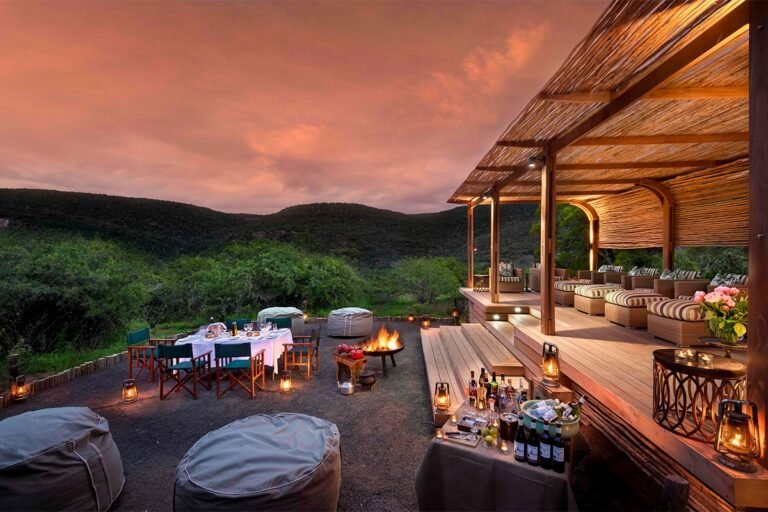
Ngorongoro Camping Fees And Lodge Prices For Safaris 2026-2027
Planning a safari to the Ngorongoro Conservation Area? This guide breaks down the camping fees and lodge prices you can expect for your 2026-2027 trip, helping you budget effectively.
View package details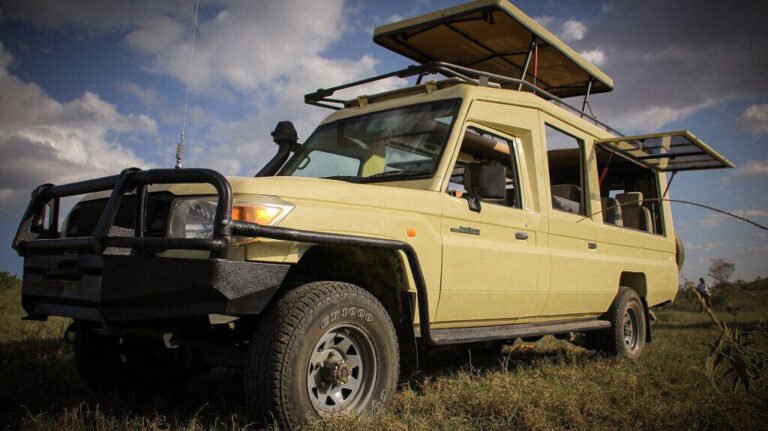
Ngorongoro Crater Safari Price Per Person: Your Guide 2026-2027
Discover the typical Ngorongoro Crater safari price per person for 2026-2027. This comprehensive guide breaks down cost factors, what's usually included, and how to plan your budget for...
View package details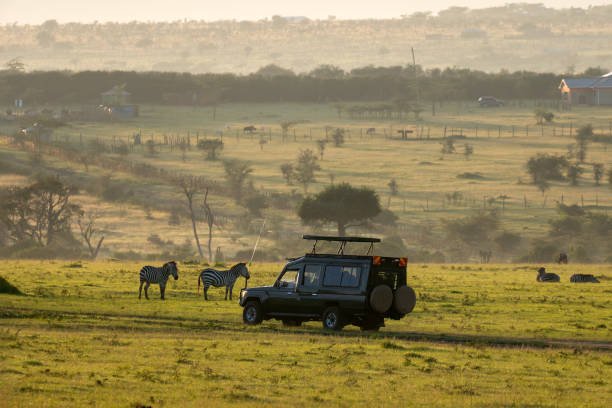
Tanzania Safari Luggage Limits For Bush Flights: Your Essential Guide
Planning a Tanzania safari involving bush flights? This guide details crucial luggage limits for weight, size, and bag types, ensuring a smooth journey across Serengeti, Ngorongoro, and...
View package details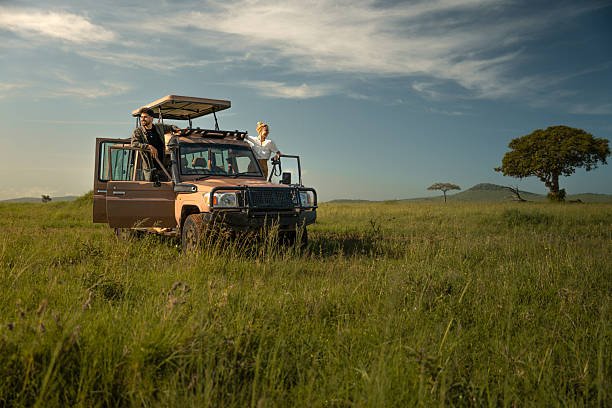
Tanzania Budget Safari Prices: Your Guide To Affordable Adventures 2026-2027
Planning a budget safari in Tanzania for 2026 or 2027? Understand the typical price ranges, what influences costs, and how to get the most value for your money. This guide breaks down the...
View package details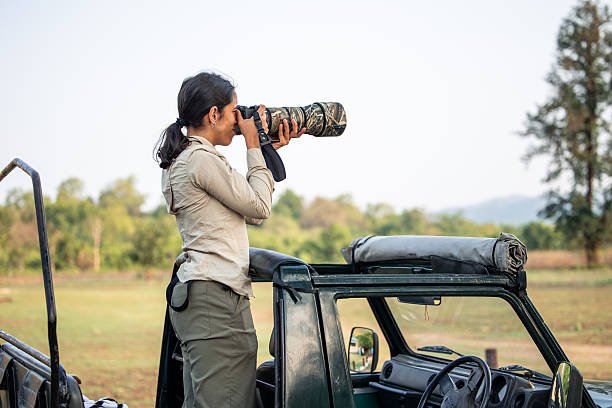
Tanzania Attraction Entry Fees: Guide To Park And Reserve Costs For 2026-2027
Planning a trip to Tanzania? This comprehensive guide details the essential Tanzania attraction entry fees for 2026-2027, covering national parks, conservation areas, and cultural sites...
View package details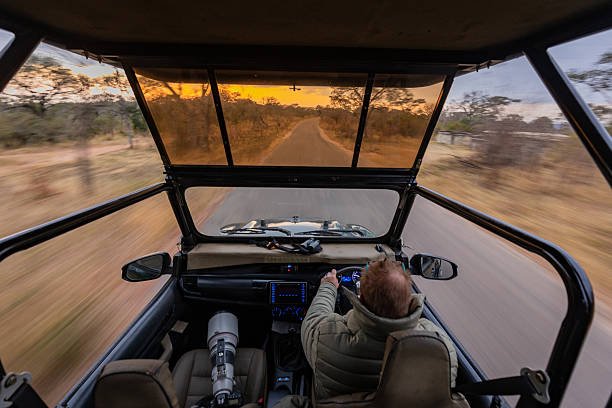
Tanzania National Park Entry Fees: A Complete Guide For 2026-2027
Planning a Tanzanian safari? This guide breaks down the 2026-2027 entry fees for all major national parks, helping you budget effectively for Serengeti, Ngorongoro, and beyond.
View package detailsMakao Wildlife Management Area Safari Cost, & Visitor Guide 2026-2027
Planning a safari to Makao Wildlife Management Area? This comprehensive guide covers estimated safari costs for 2026-2027, highlights the diverse wildlife you can expect to see, and...
View package details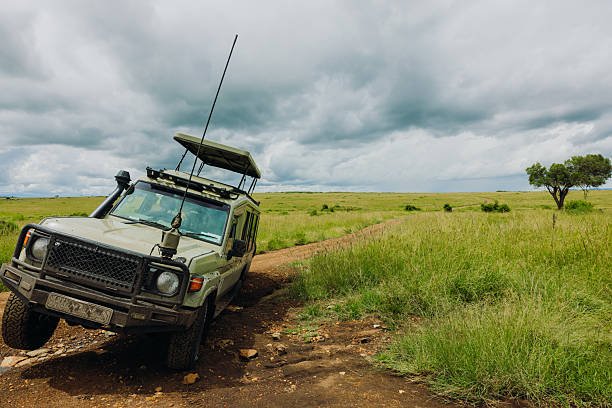
Tanzania Conservation Fees Explained: Your Guide 2026-2027
Demystifying Tanzania's conservation fees is crucial for planning your safari or climb. This guide details the essential costs for national parks, reserves, and Mount Kilimanjaro for...
View package details
Top Guide Adventures: Your Premier Travel Agency In Tanzania For Safaris
Top Guide Adventures stands out as a leading travel agency in Tanzania, offering comprehensive safari experiences, Kilimanjaro treks, and Zanzibar holidays. Discover why they are a top...
View package details
Ruaha Safari Prices For Every Budget: Your Guide 2026-2027
Planning a safari in Tanzania's magnificent Ruaha National Park? This guide breaks down Ruaha safari prices for 2026-2027, detailing what influences costs and how to find options that fit...
View package detailsNo related package matches those filters. Clear one or more filters to see the other topic-matched options.



