
Nyerere National Park, formerly the Selous Game Reserve, is Tanzania’s largest wildlife sanctuary, renowned for its vast size, diverse ecosystems, and incredible animal populations, especially elephants, wild dogs, and hippos. It offers a more remote and adventurous safari experience compared to northern parks, featuring unique activities like boat safaris on the Rufiji River, walking safaris, and fly camping, making it an exceptional choice for a 2026-2027 Tanzania trip for those seeking untamed wilderness and fewer crowds.

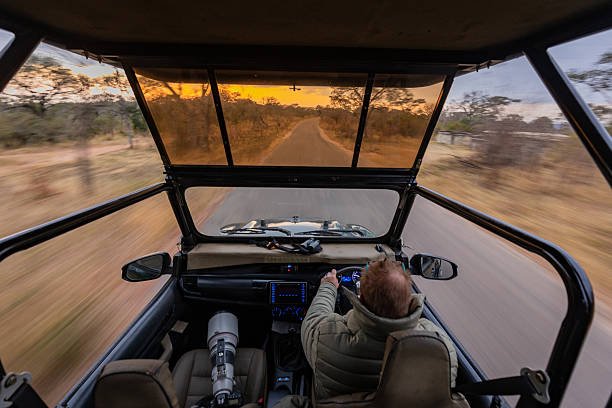
Discovering Nyerere National Park: Tanzania’s Untamed Southern Gem
For travelers dreaming of an authentic African safari, Nyerere National Park presents an unparalleled opportunity to witness wildlife in a truly wild and expansive setting. Formerly known as the Selous Game Reserve, this UNESCO World Heritage site in southern Tanzania is a colossal expanse of wilderness, boasting a staggering 54,600 square kilometers of protected land. Its sheer scale means that visitors often experience a profound sense of solitude, a stark contrast to some of the more frequented parks in the country’s northern circuit. This is a place where the raw beauty of the African bush unfolds, offering a safari experience that is both deeply rewarding and genuinely adventurous. As you plan your travels for 2026 or 2027, Nyerere National Park should undoubtedly be high on your list for its unique charm and incredible biodiversity.
The park’s landscape is a mesmerizing mosaic of environments. Dominating the scenery is the mighty Rufiji River, a lifeblood that carves its way through the park, creating vast floodplains, oxbow lakes, and dense riverine forests. These waterways are not just scenic; they are teeming with life, offering some of the most spectacular wildlife viewing opportunities, particularly for hippos, crocodiles, and an astonishing array of bird species. Beyond the riverine areas, you’ll find Miombo woodlands, open grasslands, and rocky hills, each supporting different facets of the park’s rich fauna. This diverse topography supports a remarkable concentration of animals, making Nyerere National Park a critical stronghold for many species, including endangered ones.
A Legacy of Conservation: From Selous to Nyerere
The transformation from Selous Game Reserve to Nyerere National Park in 2019 marked a significant moment in Tanzania’s conservation history. The name change honored Julius Nyerere, Tanzania’s first president and a staunch advocate for conservation. This elevation to national park status underscored a renewed commitment to protecting this vital ecosystem and enhancing its management. While the name has changed, the spirit of the Selous endures: a vast, wild territory dedicated to preserving its natural heritage. For visitors in 2026-2027, this transition signifies an ongoing commitment to offering a top-tier, responsible safari destination.
The history of the Selous is deeply intertwined with the legacy of Frederick Courteney Selous, a famous big-game hunter and explorer who met his end in this region during World War I. His name became synonymous with the reserve, and its subsequent renaming to Nyerere National Park reflects a modern approach to conservation that prioritizes ecological integrity and national heritage. This dual identity – the historical resonance of Selous and the forward-looking vision of Nyerere – adds a unique layer to the visitor experience. Understanding this history helps appreciate the park’s significance not just as a wildlife haven, but as a symbol of Tanzania’s dedication to preserving its natural and cultural legacy for future generations.
Unrivaled Wildlife Encounters in Nyerere National Park
Nyerere National Park is celebrated for its impressive wildlife density and diversity. It is one of the most important sanctuaries for wild dogs (African painted wolves) in Africa, a species that is both rare and highly endangered. The park’s vast, unbroken habitats are crucial for their pack movements and hunting success. Witnessing a pack of wild dogs on the move, perhaps on the hunt, is a truly remarkable and unforgettable safari moment.
Elephants are abundant, often seen in large herds, especially near the Rufiji River. The park is also home to significant populations of lions, leopards, cheetahs, buffaloes, giraffes, zebras, wildebeest, hippos, and crocodiles. The sheer numbers of hippos in the Rufiji River are astounding, with some estimates placing them in the tens of thousands, creating dramatic scenes as they congregate in the water. Similarly, Nile crocodiles are a common sight basking on the riverbanks.
Iconic Species and Their Habitats
The park’s ecosystem supports a wide array of species, each adapted to specific environments. The sprawling Miombo woodlands are ideal for browsing species like giraffes and various antelopes, while the open grasslands provide grazing for zebras and wildebeest. The Rufiji River and its tributaries are the undisputed domain of hippos and crocodiles, and the surrounding riverine forests offer excellent cover for leopards, which are notoriously elusive.
Wild Dogs: Nyerere is a stronghold for the African wild dog. Their presence is a testament to the park’s health and vastness, offering a unique and privileged viewing opportunity for dedicated safari-goers. Observing their intricate social structure and coordinated hunting strategies is a highlight for many visitors planning their 2026 or 2027 safari.
Elephants: The park is home to a substantial elephant population. You’ll often see them near water sources, sometimes in large family groups, providing fantastic photographic opportunities and a chance to observe their complex social behaviors.
Big Cats: Lions are widespread, and while they can be challenging to spot due to the dense vegetation, their presence adds to the thrill of the safari. Leopards are also present, and their nocturnal habits make them a prize sighting for those on night drives or staying in camps known for leopard sightings.
Riverine Life: The Rufiji River is a spectacle in itself. Hundreds, if not thousands, of hippos can be seen wallowing in the water or grazing on the banks at dusk. Nile crocodiles are also frequently spotted, often lying motionless on sandbanks, perfectly camouflaged.
Birdwatching Paradise
For ornithologists and casual birdwatchers alike, Nyerere National Park is a dream destination. The diverse habitats, especially the extensive river systems and woodlands, attract a staggering variety of bird species. From majestic raptors like the African fish eagle to colorful kingfishers, bee-eaters, and numerous water birds such as herons, storks, and egrets, the avian life is spectacular. The Rufiji River’s banks and islands are particularly good spots for observing waterfowl and waders. Birding enthusiasts planning for 2026-2027 will find the park incredibly rewarding, with opportunities to spot species rarely seen in more arid environments.
Unique Safari Experiences in Nyerere National Park
What sets Nyerere National Park apart are the diverse safari activities it offers, catering to the adventurous spirit. While traditional game drives are a staple, the park excels in providing experiences that connect visitors more intimately with the environment.
The Iconic Rufiji River Boat Safari
The boat safari on the Rufiji River is arguably the signature experience of Nyerere National Park. Gliding silently along the water in a motorized or traditional dhow-like boat offers a unique perspective on the wildlife. You can get remarkably close to hippos and crocodiles, observe elephants drinking or bathing at the river’s edge, and witness a profusion of birdlife. Sunset boat safaris, in particular, are magical, with the golden light reflecting off the water and the sounds of the African bush coming alive.
These safaris are not just about observation; they are about immersion. The gentle movement of the boat, the sounds of the river, and the proximity to wildlife create a tranquil yet thrilling atmosphere. It’s a chance to see the park’s aquatic inhabitants in their natural element, offering a completely different experience from a game drive. For anyone visiting in 2026 or 2027, a Rufiji River boat safari is an absolute must-do.
Walking Safaris: An Intimate Encounter with the Wild
Nyerere National Park is one of the few places in Tanzania where walking safaris are permitted and actively encouraged. Accompanied by an armed ranger and an experienced guide, these walking safaris offer an unparalleled opportunity to engage with the bush on foot. It’s a chance to appreciate the smaller details often missed from a vehicle: the tracks of animals, the diverse flora, the insects, and the intricate ecosystem. You learn about medicinal plants, survival techniques, and the tracking skills essential for understanding the wilderness.
Walking safaris provide a heightened sense of awareness and a connection to the environment that is difficult to replicate. The thrill of tracking animals on foot, feeling the earth beneath your feet, and hearing the sounds of the bush unfiltered by an engine is profoundly grounding. These are typically offered in specific areas of the park, often from fly camps or specialized lodges, and are a highlight for adventurous travelers seeking a more visceral safari experience for their 2026-2027 trips.
Fly Camping: Sleeping Under the Stars
For the truly adventurous, fly camping in Nyerere National Park is an unforgettable experience. This involves spending a night or two in a basic, mobile camp set up in a remote wilderness location. Sleeping in a comfortable tent with just a canvas barrier between you and the sounds of the African night, under a canopy of stars, is an experience that stays with you forever. These camps are usually established in areas with good wildlife activity, offering a chance to hear lions roaring or hyenas calling in the distance.
Fly camping is often combined with walking safaris, providing a complete immersion into the wild. It’s a chance to disconnect from the modern world and reconnect with nature in its purest form. The simplicity, the solitude, and the sheer proximity to the wild make it a compelling option for those seeking an authentic adventure in 2026 or 2027.
Planning Your Nyerere National Park Safari in 2026-2027
Organizing a safari to Nyerere National Park requires careful planning to make the most of this unique destination. Its remote location and specific logistical considerations mean that working with an experienced tour operator is highly recommended.
Getting to Nyerere National Park
Nyerere National Park is primarily accessed by air. The most common method is via scheduled or chartered light aircraft flights from Dar es Salaam’s domestic airport (Julius Nyerere International Airport – JNIA). Several airstrips are located within or near the park, serving different lodges and camps. Flights typically take around 45 minutes to 1 hour.
While driving from Dar es Salaam is possible, it is a long and often challenging journey (around 5-7 hours or more, depending on road conditions and the specific gate/camp), typically undertaken only by those on self-drive trips or with specific logistical arrangements. For most international visitors, flying is the most practical and time-efficient way to reach the park, especially for a 2026-2027 safari where time is often a consideration.
Best Time to Visit Nyerere National Park
Nyerere National Park can be visited year-round, but the dry season generally offers the best wildlife viewing conditions. The park experiences two rainy seasons: a long rainy season from March to May and a shorter one in November.
Dry Season (June to October): This is considered the peak season. The vegetation thins out, and animals tend to congregate around water sources, making them easier to spot. The weather is pleasant, with sunny days and cooler nights. This is an excellent time for game drives and walking safaris. For 2026-2027, expect good game viewing during these months.
Green Season (November to February): This is the shoulder season. The landscape becomes lush and green, and birdlife is particularly vibrant. While some animals may disperse, resident wildlife is still abundant, and the fewer crowds can be appealing. It’s a good time for birdwatching and photography. Prices might be slightly lower.
Rainy Season (March to May): This is the low season. Heavy rains can make some roads impassable, and wildlife viewing can be more challenging as animals spread out. However, for those seeking solitude, lower prices, and lush scenery, it can still be a rewarding time, especially for birding. Many camps close during the peak of the rains.
Accommodation Options
Accommodation in Nyerere National Park ranges from rustic fly camps to luxurious lodges, often built with sustainability and minimal environmental impact in mind. Camps are typically located along the Rufiji River or in areas with good game viewing potential.
Lodges and Camps: These range from mid-range to high-end, offering en-suite facilities, comfortable beds, and often swimming pools and dining areas. Many are designed to blend into the natural surroundings. Examples include options that offer exclusive access to certain areas of the park.
Fly Camps: For the adventurous, fly camps offer a more basic, yet incredibly memorable, wilderness experience. These are temporary camps set up in remote locations, providing a true sense of immersion in the wild, often associated with walking safaris.
When booking for 2026 or 2027, consider the type of experience you desire – whether it’s rustic charm, luxury, or an adventurous fly-camping expedition. Early booking is advised, especially for peak season dates.
Typical Safari Durations and Itineraries
A safari to Nyerere National Park typically ranges from 3 to 5 days, often combined with other destinations in Tanzania.
- 3-Day Nyerere Safari: Focuses on the Rufiji River boat safaris and a couple of game drives. Ideal for those with limited time or combining it with a beach holiday in Zanzibar.
- 4-Day Nyerere Safari: Allows for a more relaxed pace, incorporating boat safaris, game drives, and potentially a walking safari.
- 5-Day Nyerere Safari: Offers a comprehensive experience, including multiple game drives, boat safaris, walking safaris, and potentially fly camping. This duration allows for deeper exploration of the park’s diverse areas.
Many travelers extend their Nyerere safari by combining it with a visit to the nearby Mikumi National Park, or by flying to the popular northern circuit parks like the Serengeti and Ngorongoro Crater for a diverse Tanzanian experience. For a 2026-2027 itinerary, consider a combination that suits your interests and budget, perhaps starting with Nyerere for its unique offerings and then moving to other iconic parks.
Comparing Nyerere National Park with Other Tanzanian Destinations
Tanzania boasts an incredible array of safari destinations, each with its own unique appeal. Understanding how Nyerere National Park (Selous) compares to other popular parks can help you tailor the perfect 2026-2027 safari itinerary.
Nyerere vs. Serengeti National Park
Serengeti: World-famous for the Great Migration, vast open plains, and high densities of predators. It offers classic safari experiences with abundant wildlife viewing, particularly for big cats and the migratory herds. The landscape is predominantly savannah.
Nyerere: Offers a more remote, less crowded experience with a different landscape dominated by the Rufiji River system and woodlands. It’s exceptional for wild dogs, hippos, crocodiles, and unique activities like boat and walking safaris. While it has excellent wildlife, it doesn’t host the massive scale of the Great Migration.
Choice: If seeing the Great Migration is your priority, the Serengeti is the place. For a more adventurous, off-the-beaten-path experience with unique river-based activities and a focus on wild dogs, Nyerere is ideal.
Nyerere vs. Ngorongoro Crater
Ngorongoro Crater: A unique caldera offering a high concentration of wildlife in a compact, visually stunning setting. Known for its high predator-to-prey ratio and excellent chances of spotting the Big Five in a single day. It’s a more controlled environment due to the caldera’s boundaries.
Nyerere: Offers vast, wild spaces with a more natural distribution of wildlife across diverse habitats. It provides a sense of true wilderness and a range of activities beyond game drives. The experience is more about exploration and discovery in an expansive landscape.
Choice: For a guaranteed, concentrated wildlife viewing experience in a dramatic setting, the Ngorongoro Crater is hard to beat. For a sense of vastness, adventure, and varied safari activities, Nyerere is the better choice.
Nyerere vs. Tarangire National Park
Tarangire: Famous for its large elephant herds, baobab trees, and seasonal migrations that concentrate wildlife along the Tarangire River, especially during the dry season. Offers good game viewing, particularly for elephants and diverse birdlife.
Nyerere: Offers a much larger, more wild area with different primary attractions like the Rufiji River and wild dogs. While elephants are present, Tarangire is more renowned for its sheer numbers during certain times of the year. Nyerere’s appeal lies in its unique river safaris and walking experiences.
Choice: Tarangire is excellent for elephant sightings and baobab scenery. Nyerere provides a broader, wilder experience with unique activities and a focus on different key species like wild dogs.
Nyerere vs. Mikumi National Park
Mikumi: Often called the ‘Serengeti of the South’ due to its open plains and good wildlife populations, including the ‘Big Five’. It’s easily accessible from Dar es Salaam and often visited as a shorter safari destination or en route to other southern parks. It offers classic game drives.
Nyerere: Significantly larger and more remote, offering a greater sense of wilderness and unique activities like boat safaris and walking. While Mikumi has good wildlife, Nyerere provides a more diverse and adventurous safari experience, especially for those seeking to escape crowds.
Choice: For a convenient, shorter safari with good wildlife viewing, Mikumi is a solid option. For a more expansive, adventurous, and varied safari experience, Nyerere is the superior choice for a 2026-2027 trip.
Practical Tips for Your Nyerere National Park Safari
To ensure a smooth and enjoyable safari in Nyerere National Park, consider these practical tips:
- Pack Light and Smart: Given the small aircraft flights, luggage is restricted (usually 15-20 kg per person in soft-sided bags). Pack neutral-colored clothing (khaki, beige, green), layers for cooler mornings and evenings, a wide-brimmed hat, sunglasses, and high-SPF sunscreen.
- Insect Repellent: Mosquitoes can be present, especially near water. Bring a good quality repellent containing DEET.
- Camera Gear: A good camera with a zoom lens is essential for capturing wildlife. Consider extra batteries and memory cards. Binoculars are also a must.
- Health Precautions: Consult your doctor about malaria prophylaxis and recommended vaccinations well in advance of your 2026-2027 trip.
- Stay Hydrated: Drink plenty of bottled water provided by your lodge or guide.
- Respect Wildlife: Maintain a safe distance, never feed animals, and always follow your guide’s instructions.
- Embrace the Disconnect: Wi-Fi and mobile signal can be limited or non-existent in many camps. See this as an opportunity to disconnect and experience the experience.
Special Considerations for 2026-2027 Bookings
As you plan your safari for 2026 or 2027, remember that Nyerere National Park’s popularity is growing. Early booking is highly recommended, especially for the peak dry season (June-October). This is crucial for securing preferred accommodation and flight availability. Consider working with a reputable tour operator who can handle the complexities of flights, transfers, and lodge bookings, ensuring a smooth experience.
Costs and Budgeting for a Nyerere National Park Safari
A safari to Nyerere National Park is generally considered a premium experience due to its remoteness and the logistical costs involved. While exact prices vary based on accommodation level, duration, season, and inclusions, here’s a general idea of what to expect for 2026-2027 travel:
Factors Influencing Cost:
- Accommodation: Luxury lodges and exclusive-use camps are significantly more expensive than mid-range options or more basic tented camps.
- Flights: Internal flights from Dar es Salaam are a major cost component.
- Park Fees: Daily park entrance fees contribute to the overall cost.
- Activities: Specialized activities like walking safaris or fly camping may incur additional charges.
- Season: Peak season (dry months) will generally be more expensive than the green or shoulder seasons.
General Budget Ranges (per person, per night, all-inclusive of accommodation, meals, standard drinks, park fees, and game drives/boat safaris):
- Mid-Range: $350 – $550 USD per person per night. This typically includes comfortable tented camps or lodges with good amenities.
- Luxury: $600 – $1000+ USD per person per night. This level offers high-end lodges, exclusive locations, gourmet dining, and premium service.
Additional Costs to Consider:
- International Flights: To and from Tanzania.
- Internal Flights: Round-trip from Dar es Salaam to Nyerere (typically $350 – $500 USD per person).
- Tips: For guides, camp staff, and drivers.
- Visas: For Tanzania.
- Travel Insurance: Essential for any safari.
- Personal Expenses: Souvenirs, premium drinks, etc.
For a 4-day/3-night safari in Nyerere National Park during 2026-2027, expect a total cost (excluding international flights) to range from approximately $1,500 to $4,000+ USD per person, depending heavily on your chosen accommodation style.
Get a Custom Quote for Your 2026-2027 Nyerere Safari
To get the most accurate pricing for your specific travel dates and preferences in 2026 or 2027, we recommend contacting us directly. We can tailor an itinerary that fits your budget and ensures you experience the best of Nyerere National Park.
WhatsApp: +255 616 946 642
Email: topguideadventures@gmail.com
Backup Email: info@topguideadventurestanzania.com
Let us help you craft an unforgettable Nyerere National Park adventure!
The Future of Nyerere National Park: Conservation and Tourism in 2026-2027
The designation of Nyerere National Park signifies a strong commitment to conservation, aiming to protect its immense biodiversity for generations to come. The park plays a crucial role in safeguarding habitats for endangered species like the wild dog and supports significant populations of other iconic African wildlife.
Sustainable tourism is key to achieving these conservation goals. By choosing to visit Nyerere National Park through responsible tour operators, travelers contribute directly to the park’s protection and the economic well-being of local communities. The focus is on low-impact tourism that respects the environment and wildlife.
As visitor numbers are expected to grow moderately through 2026 and 2027, careful management will be essential to maintain the park’s wild character and prevent over-tourism. The emphasis will remain on providing high-quality, authentic safari experiences that highlight the park’s unique natural assets while ensuring its long-term preservation. This includes continued efforts in anti-poaching patrols, habitat management, and community engagement initiatives.
Why Choose Nyerere National Park for Your Next Safari?
Nyerere National Park (Selous) offers a compelling alternative to the more crowded northern circuit parks, providing an authentic, adventurous, and deeply rewarding safari experience. Its vastness, diverse landscapes, unique activities, and commitment to conservation make it an exceptional destination for travelers in 2026-2027.
Whether you are seeking the thrill of spotting elusive wild dogs, the tranquility of a boat safari on the Rufiji River, the intimacy of a walking safari, or the simple magic of sleeping under the stars, Nyerere National Park delivers. It’s a place where you can truly feel the pulse of the wild, connect with nature on a profound level, and create memories that will last a lifetime.
Ready to plan your Nyerere National Park adventure for 2026 or 2027? Contact Top Guide Adventures for a personalized safari experience. We specialize in creating tailor-made journeys across Tanzania, offering expert guidance, dedicated support, and unforgettable adventures.
WhatsApp: +255 616 946 642
Email: topguideadventures@gmail.com
Backup Email: info@topguideadventurestanzania.com
Visit our website Top Guide Adventures Tanzania for more information on our comprehensive safari packages.
Check Availability for Nyerere National Park (Selous): Your Ultimate Tanzania Safari Guide…
Ready to compare dates, prices, and the best option for your group? Send the package name and travel month so the team can reply with a clear quote, availability, and what is included.
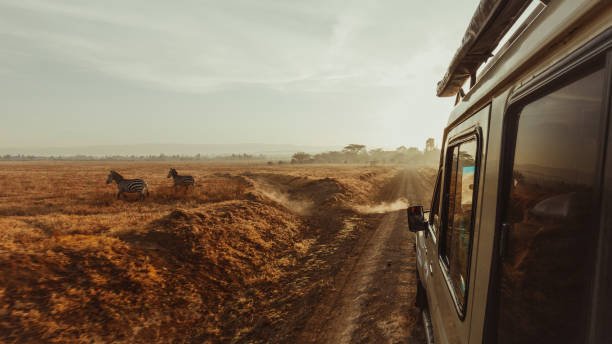
Nyerere Walking Safari Prices : Your Guide To Costs And Planning 2026-2027
Explore Nyerere National Park on a walking safari with Top Guide Adventures. Discover pricing for 2026-2027, understand cost factors, and plan your unforgettable adventure.
View package details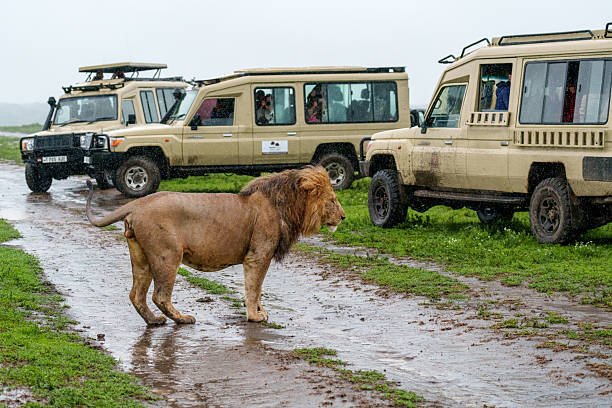
Tarangire National Park: Your Ultimate Safari Guide For 2026-2027
Tarangire National Park is a premier safari destination in Tanzania, renowned for its large elephant populations, diverse birdlife, and iconic baobab trees. This guide provides...
View package details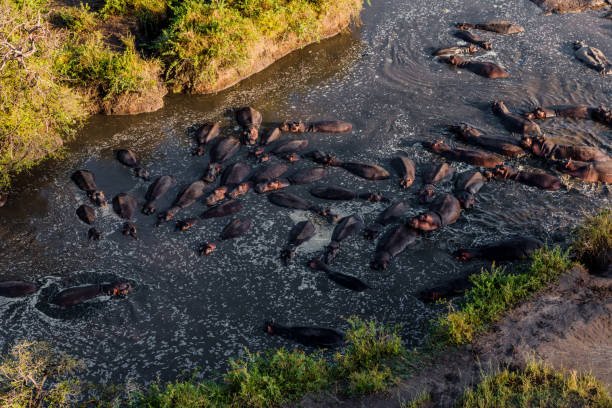
Lake Manyara National Park 2026-2027
Lake Manyara National Park is explained with current 2026-2027 planning, price, itinerary and booking information.
View package details
Saadani National Park Entry Fees And Safari Prices For 2026-2027
Planning a safari to Saadani National Park? This guide details the essential entry fees and safari package prices for 2026-2027, helping you budget for your unforgettable Tanzanian...
View package details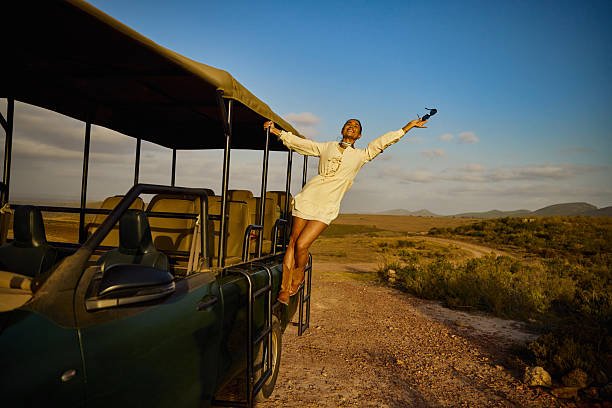
Saadani National Park: Tanzanias Coastal Wilderness Adventure In 2026-2027
Discover Saadani National Park, Tanzania's only coastal wildlife sanctuary where the African bush meets the Indian Ocean. This guide covers wildlife, activities, best times to visit, and...
View package details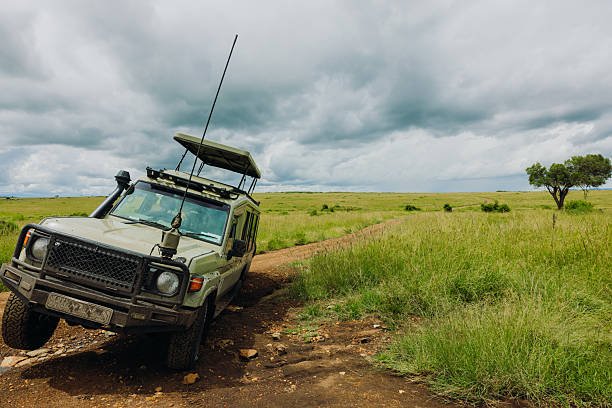
Katavi National Park: Tanzanias Untamed Wilderness Safari Guide 2026-2027
Katavi National Park offers an unparalleled safari experience in Tanzania's remote wilderness. This guide explores its vast landscapes, abundant wildlife, best visiting times for 2026-2027...
View package details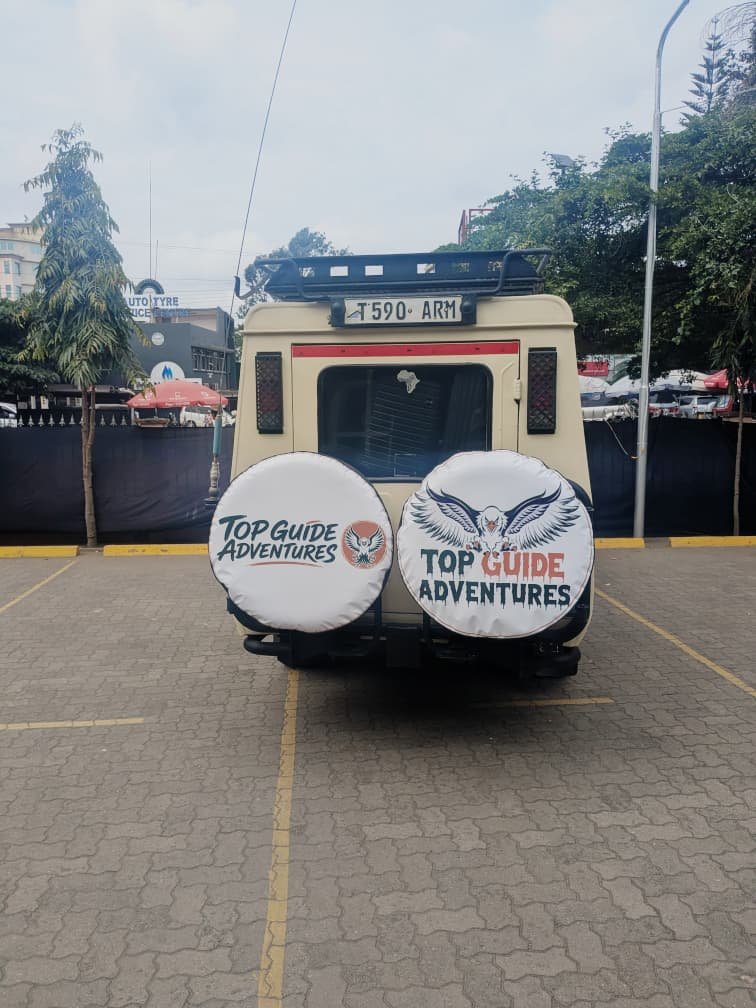
Ruaha National Park Camping Fees: Your Complete Guide 2026-2027
Planning a safari in Ruaha National Park? This comprehensive guide details all the essential camping fees for 2026-2027, including park entry, camping permits, and conservation charges, to...
View package details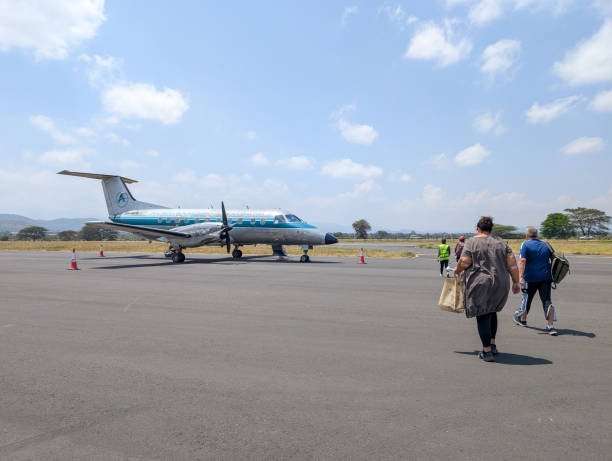
Mikumi National Park Entry Fees And Safari Prices 2026-2027
Planning a safari to Mikumi National Park? This guide details the essential entry fees, conservation charges, and safari package prices for 2026-2027, helping you budget for an...
View package details
Mikumi National Park: Your Ultimate Safari Guide For 2026-2027
Mikumi National Park offers incredible wildlife viewing with its open plains and abundant animals, making it a top choice for Tanzania safaris. This guide covers everything you need to know...
View package details
Serengeti National Park Game Drive Prices Explained For Adventures 2026-2027
Planning a Serengeti safari in 2026 or 2027? This guide breaks down Serengeti National Park game drive prices, explaining all the factors that influence your safari cost. Discover what's...
View package detailsTanzania National Park Entry Fees: A Complete Guide For 2026-2027
Planning a Tanzanian safari? This guide breaks down the 2026-2027 entry fees for all major national parks, helping you budget effectively for Serengeti, Ngorongoro, and beyond.
View package details
Tanzania Attraction Entry Fees: Guide To Park And Reserve Costs For 2026-2027
Planning a trip to Tanzania? This comprehensive guide details the essential Tanzania attraction entry fees for 2026-2027, covering national parks, conservation areas, and cultural sites...
View package detailsNo related package matches those filters. Clear one or more filters to see the other topic-matched options.



