
Understanding Lake Manyara National Park fees is crucial for planning your 2026-2027 safari budget, as these costs typically include park entry fees per person per day, concession fees (if applicable to your specific itinerary), and vehicle fees. For international visitors in 2026-2027, expect to pay approximately $177 per person per day, which comprises a $50 park entry fee, a $100 conservation fee, and a $27 concession fee. Tanzanian citizens and East African Community residents pay significantly less. Vehicle fees also apply, varying by vehicle size, and are usually handled by your tour operator.
Navigating Lake Manyara National Park Fees: A Comprehensive 2026-2027 Guide
Lake Manyara National Park, renowned for its tree-climbing lions, vast elephant herds, and the stunning alkaline lake that gives it its name, is a jewel in Tanzania’s safari crown. As you plan your adventure for 2026 or 2027, a key aspect of your preparation involves understanding the associated park fees. These fees are vital for the conservation of the park and its wildlife, and knowing them upfront ensures a smooth and transparent safari experience. Top Guide Adventures is committed to providing you with all the necessary details to make your trip planning straightforward.
This guide will meticulously break down the various fees you can expect to encounter when visiting Lake Manyara National Park, covering different visitor categories, fee structures, and how these costs are typically managed within your safari package. We aim to provide clarity so you can budget effectively and focus on the incredible wildlife encounters that await you.
Understanding the Fee Structure: Who Pays What and Why
Tanzania National Parks (TANAPA) manages the fee collection for Lake Manyara and other national parks. The revenue generated from these park fees is reinvested directly into park conservation efforts, infrastructure development, anti-poaching initiatives, and community projects. This system ensures that tourism contributes positively to the long-term sustainability of these precious ecosystems.
The fee structure is generally divided into several categories:
- Park Entry Fees: A daily fee charged to each individual entering the park.
- Conservation Fees: An additional fee that goes towards broader conservation initiatives across Tanzania’s parks.
- Concession Fees: Applicable for specific areas or types of activities, often related to private concessions or specialized game drives.
- Vehicle Fees: A charge based on the size and type of vehicle entering the park.
- Camping Fees: For those opting for overnight stays within designated campsites.
- Special Licenses/Permits: For activities like walking safaris or night drives, if offered and permitted.
It’s important to distinguish between different visitor nationalities, as fees vary significantly. The primary categories are:
- International Visitors (Non-East African Residents): These are typically the highest fees, reflecting the economic contributions expected from international tourism.
- Tanzanian Citizens: Significantly lower fees for local residents.
- Residents of Other East African Community (EAC) Countries: A tiered fee structure often applies, lower than international rates but higher than for Tanzanian citizens.
For planning your 2026-2027 safari, focusing on the international visitor rates is most relevant if you are coming from outside Tanzania or the EAC. These rates are subject to change, but the general structure remains consistent. Always confirm the latest figures closer to your travel dates.
International Visitor Fees for Lake Manyara National Park (2026-2027 Estimates)
For international tourists planning a safari in 2026 or 2027, the fees are standardized to ensure clarity and fairness. The typical daily rate per adult international visitor covers several components:
Estimated Daily Fees Per Adult International Visitor (2026-2027)
- Park Entry Fee: $50 USD
- Conservation Fee: $100 USD
- Concession Fee (Standard): $27 USD
Total Estimated Daily Fee: $177 USD per person
Note: These are estimates based on current trends and typical TANAPA charges. Actual fees for 2026-2027 will be confirmed by TANAPA and your tour operator.
Children (ages 5-15) usually pay a reduced rate for park entry and conservation fees, often around 50% of the adult rate. Children under 5 typically enter for free.
Important Considerations for International Visitors:
- Payment Method: Fees are generally paid in US Dollars. It’s advisable to carry clean, recent US Dollar bills. Some park gates may accept credit cards, but this is not always reliable, and cash is preferred.
- Duration of Stay: The fees are charged on a per-day basis. This means if you enter the park on one day and exit on the next, you will be charged for two full days, regardless of the time spent within the park on each day. Plan your itinerary to maximize your time within the park while being mindful of this daily charge.
- Tour Operator Handling: Most reputable tour operators, including Top Guide Adventures, will include these park fees in your overall safari package cost. This simplifies the process significantly, as your guide will handle all payments at the park gates. It’s essential to clarify what is included in your quote.
Tanzanian Citizen and EAC Resident Fees
For Tanzanian citizens and residents of other East African Community partner states (Burundi, Kenya, Rwanda, South Sudan, Uganda, and Tanzania itself), the park fees are considerably lower, reflecting national conservation priorities and regional cooperation.
Estimated Daily Fees Per Adult Tanzanian Citizen / EAC Resident (2026-2027)
- Park Entry Fee: TZS 2,000 (approx. $0.85 USD)
- Conservation Fee: TZS 1,000 (approx. $0.43 USD)
- Concession Fee (Standard): TZS 1,000 (approx. $0.43 USD)
Total Estimated Daily Fee: TZS 4,000 per person (approx. $1.71 USD)
Note: These figures are illustrative and subject to change. Exact rates are set by TANAPA.
These significantly lower rates are intended to encourage domestic tourism and foster a sense of national ownership over protected areas.
Vehicle Fees: The Cost of Access
In addition to per-person fees, a fee is charged for each vehicle entering Lake Manyara National Park. This fee is based on the vehicle’s size and its carrying capacity, and it’s also differentiated by visitor nationality. The purpose of these fees is to contribute towards the maintenance and upkeep of park roads and infrastructure.
For international visitors, vehicle fees typically range from $30 to $50 USD per vehicle per day, depending on the size of the safari vehicle. Larger tour buses or those carrying more passengers might incur higher fees.
Tanzanian citizens and EAC residents pay a much lower vehicle fee, often in the range of TZS 5,000 to TZS 10,000 per day.
How Your Safari Vehicle is Classified:
- Light Vehicles: Standard 4×4 safari vehicles typically used for 1-6 passengers.
- Medium Vehicles: Larger vehicles, perhaps seating up to 12 passengers.
- Heavy Vehicles: Buses or large coasters used for group tours.
Your tour operator will use a vehicle appropriate for your group size and safari style. The vehicle fee is usually bundled into the overall safari cost. Confirming this with Top Guide Adventures during your booking process is recommended.
Concession Fees: Understanding Special Areas
While the standard conservation and park entry fees cover general access to Lake Manyara, there can be instances where additional concession fees apply. These are typically related to:
- Specific Lodges or Camps: If you are staying in a lodge located within a special concession area managed by the lodge itself, there might be a separate daily fee payable to the concessionaire. This is less common within the main public areas of Lake Manyara but can occur in certain private conservancies bordering national parks.
- Special Activities: If Lake Manyara were to offer activities like guided night game drives or walking safaris in designated zones (which are less common in Manyara compared to parks like Serengeti or Selous), specific permits and associated fees, often including concession elements, might be required.
For the standard Lake Manyara National Park experience, the $27 USD daily concession fee for international visitors is often included in the general daily park fee structure. This fee contributes to the management and protection of the park’s resources.
It’s essential to understand your itinerary. If your safari includes stays in lodges situated in private concessions or involves activities beyond standard game drives, these additional fees will be detailed in your safari quote. Top Guide Adventures ensures transparency regarding any such charges.
Camping Fees at Lake Manyara
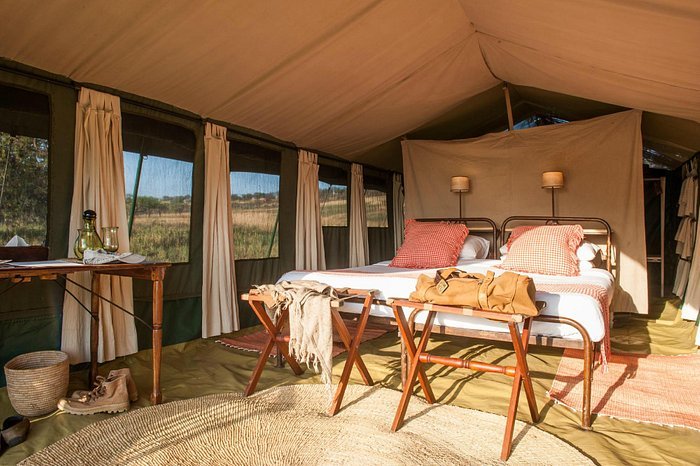
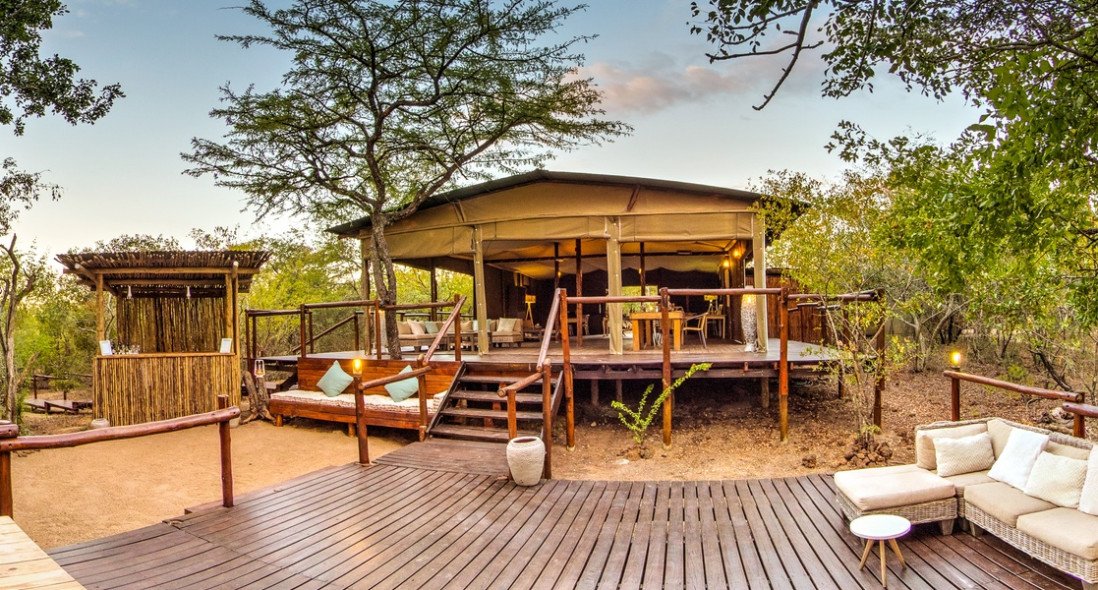
Lake Manyara National Park offers a few public campsites for visitors who wish to camp within the park boundaries. These campsites provide a more rustic and in-depth safari experience. The fees for camping are separate from the daily park entry fees.
Types of Campsites and Fees (Estimates for 2026-2027):
- Public Campsites: These are basic sites with limited facilities (pit latrines, campfire sites). Fees are typically around $30 USD per person per night for international visitors.
- Special Campsites: These are more secluded and offer a greater sense of privacy. They often come with higher fees, potentially ranging from $50 to $70 USD per person per night for international visitors.
- Tanzanian Citizens/EAC Residents: Fees are significantly lower, often in the range of TZS 5,000 to TZS 10,000 per person per night.
Key Points for Camping:
- Booking is Essential: Campsites, especially special ones, are limited and often need to be booked well in advance, particularly for peak seasons in 2026 and 2027. Your tour operator can assist with these bookings.
- Self-Catering: Camping usually implies self-catering or having meals provided by your tour operator if you are on a fully-serviced camping safari.
- Facilities: Be prepared for basic facilities. Water might be limited, and you’ll need to bring all your camping gear unless it’s part of a guided camping safari package.
If you are interested in a camping safari experience in Lake Manyara for 2026-2027, discuss the options and associated costs with Top Guide Adventures.
How Park Fees are Typically Paid
Understanding how park fees are paid can alleviate a lot of stress during your safari. Here are the common scenarios:
1. Included in Your Safari Package (Most Common)
For the vast majority of international travelers booking a safari with a reputable company like Top Guide Adventures, all park entrance, conservation, and vehicle fees for Lake Manyara National Park (and other parks visited on your itinerary) are included in the total safari cost. This is the most convenient method:
- Your tour operator calculates these fees based on the number of days and parks visited.
- They pay the fees directly to TANAPA on your behalf.
- You receive a clear itinerary and quotation detailing what is included.
This approach offers peace of mind, allowing you to focus on enjoying the wildlife without worrying about daily payments at park gates. Always ensure your contract with your tour operator explicitly states that park fees are included.
2. Paid Directly at the Park Gate
While less common for pre-booked tours, some independent travelers or those with specific arrangements might be required to pay fees directly at the park gates. If this is the case:
- Payment Method: Be prepared to pay in US Dollars (for international visitors). Ensure you have clean, crisp bills. Some gates might accept credit cards (Visa/Mastercard), but relying on this is risky due to potential network issues or machine failures. ATMs are not available at park gates.
- Official Receipts: Always ask for and keep official TANAPA receipts for all payments made.
- Currency: For Tanzanian citizens and EAC residents, payment is typically in Tanzanian Shillings (TZS).
3. Special Permits and Activity Fees
If your itinerary includes specialized activities like walking safaris (if available and permitted in certain areas) or night game drives (less common in Lake Manyara but possible in some concessions), these may require separate permits and fees. These are often arranged by your tour operator and may be paid in advance or upon arrival at the specific activity location.
Tips for Budgeting Your Lake Manyara Safari Fees for 2026-2027
Accurate budgeting is key to a stress-free safari. Here’s how to approach the Lake Manyara park fees in your 2026-2027 travel plans:
Budgeting Checklist:
- Confirm Inclusions: First and foremost, verify with your tour operator (like Top Guide Adventures) whether park fees are included in your package price. This is the most significant factor.
- Number of Days: Calculate the total number of days you will spend within Lake Manyara National Park. Multiply the per-person daily fee by the number of people in your group and the number of days.
- Vehicle Fees: If not included, factor in the daily vehicle fee for your safari vehicle.
- Accommodation Type: If camping, add the daily camping fees per person.
- Contingency: Always add a small buffer (5-10%) for potential minor price fluctuations or unexpected charges, although this is less likely if fees are included in your package.
- Child Rates: If traveling with children, ensure you are using the correct child rates for park and conservation fees.
Example Calculation (Illustrative for 2 International Visitors for 2 Days):
- Per Person Daily Fee: $177 USD
- Total Per Person Fee (2 Days): $177 x 2 = $354 USD
- Total for 2 People (2 Days): $354 x 2 = $708 USD
- Vehicle Fee (Estimate): $40 USD per day x 2 days = $80 USD
- Estimated Total Park Fees: $708 + $80 = $788 USD
This example highlights the potential cost if paid separately. If included in your package, this amount would be part of your total safari quote.
Why Are Park Fees Important? Conservation and Community Impact
The fees collected by TANAPA are not just arbitrary charges; they are the lifeblood of conservation in Tanzania. By paying your Lake Manyara National Park fees, you are directly contributing to:
- Wildlife Protection: Funding anti-poaching patrols, ranger salaries, and monitoring programs to safeguard the park’s inhabitants, including the iconic elephants and lions.
- Habitat Preservation: Maintaining the delicate balance of the ecosystem, protecting the forests, grasslands, and the lake itself, which are vital for biodiversity.
- Infrastructure Maintenance: Ensuring that park roads are navigable, picnic sites are maintained, and visitor facilities are kept in good condition.
- Research and Monitoring: Supporting scientific studies that help park management make informed decisions about conservation strategies.
- Community Development: Many parks have programs that benefit local communities through employment, education, and infrastructure projects, fostering goodwill and reducing human-wildlife conflict.
Your safari contribution in 2026-2027 makes a tangible difference. It ensures that Lake Manyara remains a pristine wilderness for future generations to experience.
Potential Changes to Lake Manyara Park Fees in 2026-2027
While TANAPA strives for consistency, park fees can be subject to review and adjustment. It’s prudent to be aware of potential changes:
- Annual Reviews: TANAPA may conduct annual reviews of its fee structures, often implemented at the beginning of the fiscal or calendar year.
- Inflation and Costs: Adjustments are often made to account for inflation, increased operational costs, and evolving conservation needs.
- Policy Changes: Occasionally, there might be policy shifts affecting fee structures or the introduction of new fees for specific activities or zones.
How to Stay Updated:
- Consult Your Tour Operator: Reputable operators like Top Guide Adventures maintain close contact with park authorities and will have the most up-to-date fee information for 2026-2027. They will inform you of any significant changes affecting your booking.
- Official TANAPA Communications: While less accessible for travelers, official announcements from TANAPA would be the primary source of definitive fee changes.
- Check Closer to Travel: If your booking is made far in advance, it’s a good practice to reconfirm fee details a few months before your safari departure date.
For the most current and reliable information regarding Lake Manyara National Park fees for 2026-2027, reaching out to Top Guide Adventures is your best course of action.
Comparing Lake Manyara Fees with Other Tanzanian Parks
Lake Manyara National Park, while popular, is part of a larger circuit of Tanzanian parks, including the Serengeti, Ngorongoro Conservation Area, Tarangire, and Arusha National Park. Understanding how its fees compare can help in overall trip planning.
Generally, the fee structure across most TANAPA-managed parks is similar, with a base park entry and conservation fee. However, nuances exist:
- Serengeti National Park: Often has slightly higher daily park fees due to its vast size and extensive conservation needs. A typical fee might be around $60-$70 USD per person per day, plus conservation fees.
- Ngorongoro Conservation Area (NCA): This is unique as it’s a conservation area, not strictly a national park, managed by the Ngorongoro Conservation Area Authority (NCAA). Fees are different, typically including a crater service fee (per vehicle) and a daily conservation fee per person. For 2026-2027, expect around $295 USD per vehicle for crater access plus a daily conservation fee of approximately $70.80 USD per person.
- Tarangire National Park: Fees are usually comparable to Lake Manyara, often around $50-$60 USD park entry + conservation fee.
- Arusha National Park: Known for its smaller size and accessibility, it might have slightly lower fees, similar to Lake Manyara’s structure.
Key Takeaway: While specific amounts vary, the principle of daily per-person fees (entry + conservation) and per-vehicle fees applies across most major Tanzanian parks. Lake Manyara’s fees, particularly the estimated $177 per person per day for international visitors (
Check Availability for Lake Manyara Park Fees Explained 2026-2027
Ready to compare dates, prices, and the best option for your group? Send the package name and travel month so the team can reply with a clear quote, availability, and what is included.

Saadani National Park Entry Fees And Safari Prices For 2026-2027
Planning a safari to Saadani National Park? This guide details the essential entry fees and safari package prices for 2026-2027, helping you budget for your unforgettable Tanzanian...
View package details
Ruaha National Park Camping Fees: Your Complete Guide 2026-2027
Planning a safari in Ruaha National Park? This comprehensive guide details all the essential camping fees for 2026-2027, including park entry, camping permits, and conservation charges, to...
View package details
Mikumi National Park Entry Fees And Safari Prices 2026-2027
Planning a safari to Mikumi National Park? This guide details the essential entry fees, conservation charges, and safari package prices for 2026-2027, helping you budget for an...
View package details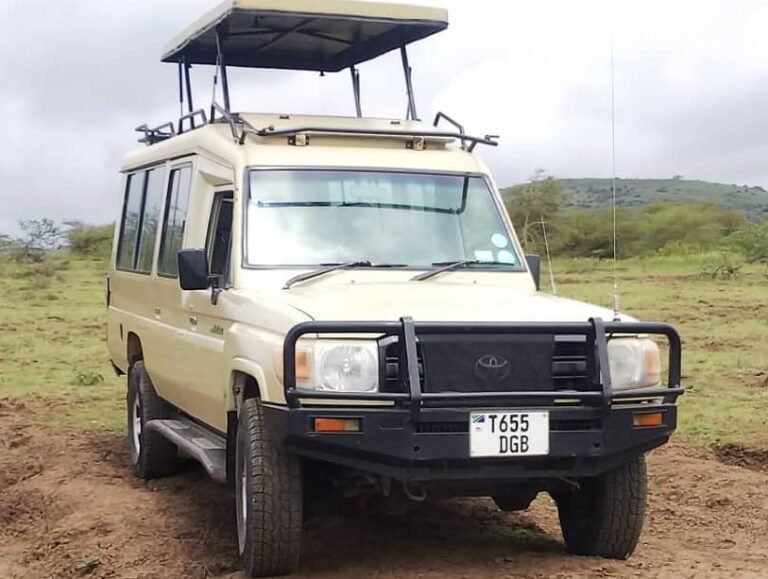
Serengeti National Park Game Drive Prices Explained For Adventures 2026-2027
Planning a Serengeti safari in 2026 or 2027? This guide breaks down Serengeti National Park game drive prices, explaining all the factors that influence your safari cost. Discover what's...
View package details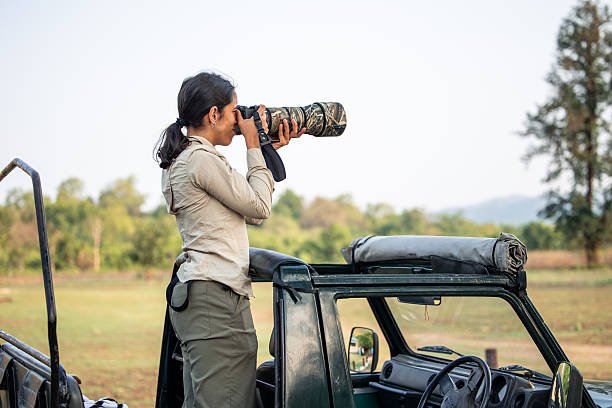
Tanzania Attraction Entry Fees: Guide To Park And Reserve Costs For 2026-2027
Planning a trip to Tanzania? This comprehensive guide details the essential Tanzania attraction entry fees for 2026-2027, covering national parks, conservation areas, and cultural sites...
View package details
Tanzania Safari Prices Including Park Fees: A Comprehensive Guide 2026-2027
Planning a Tanzania safari means understanding the total cost, which heavily relies on park fees. This guide breaks down typical Tanzania safari prices, detailing what park entrance fees...
View package details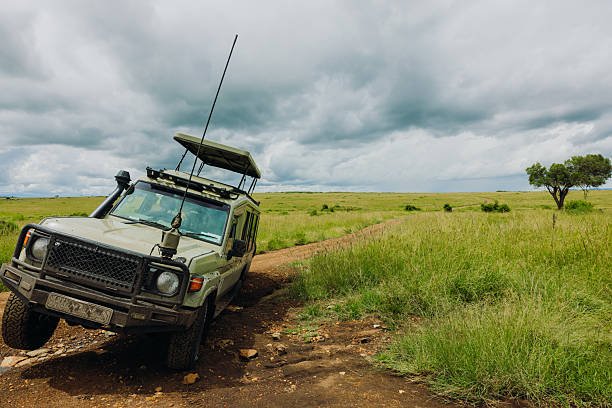
Tanzania Conservation Fees Explained: Your Guide 2026-2027
Demystifying Tanzania's conservation fees is crucial for planning your safari or climb. This guide details the essential costs for national parks, reserves, and Mount Kilimanjaro for...
View package details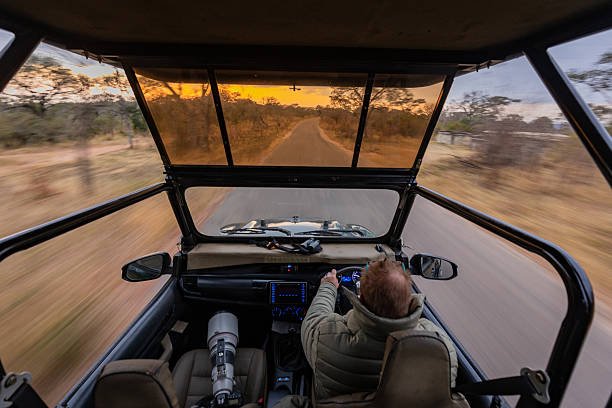
Tanzania National Park Entry Fees: A Complete Guide For 2026-2027
Planning a Tanzanian safari? This guide breaks down the 2026-2027 entry fees for all major national parks, helping you budget effectively for Serengeti, Ngorongoro, and beyond.
View package details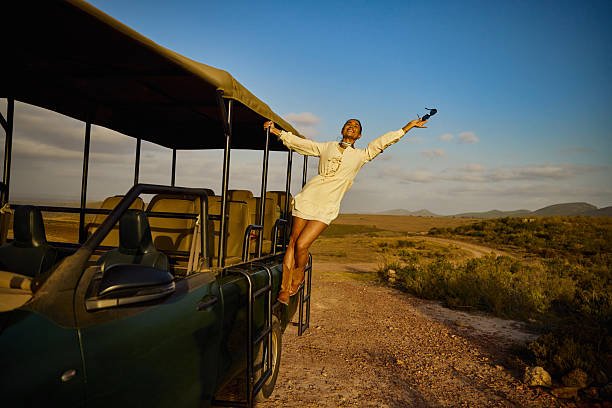
Saadani National Park: Tanzanias Coastal Wilderness Adventure In 2026-2027
Discover Saadani National Park, Tanzania's only coastal wildlife sanctuary where the African bush meets the Indian Ocean. This guide covers wildlife, activities, best times to visit, and...
View package detailsKatavi National Park: Tanzanias Untamed Wilderness Safari Guide 2026-2027
Katavi National Park offers an unparalleled safari experience in Tanzania's remote wilderness. This guide explores its vast landscapes, abundant wildlife, best visiting times for 2026-2027...
View package details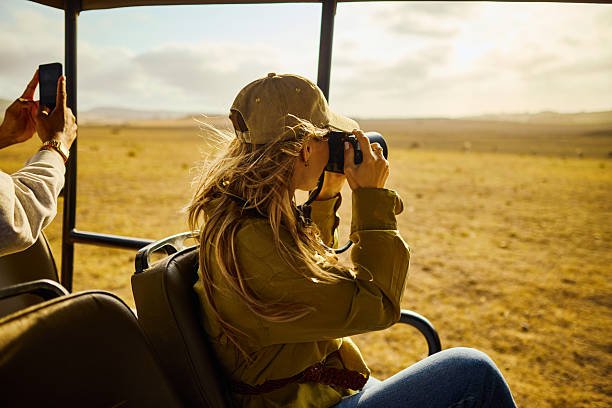
Mikumi National Park: Your Ultimate Safari Guide For 2026-2027
Mikumi National Park offers incredible wildlife viewing with its open plains and abundant animals, making it a top choice for Tanzania safaris. This guide covers everything you need to know...
View package details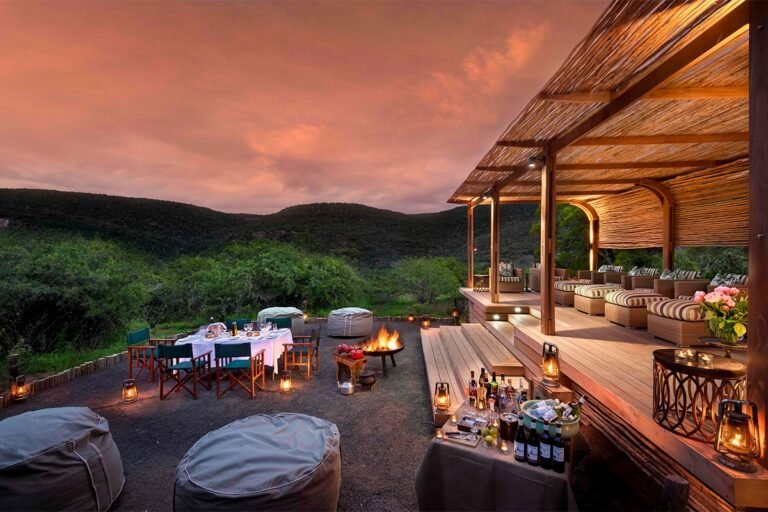
Ngorongoro Camping Fees And Lodge Prices For Safaris 2026-2027
Planning a safari to the Ngorongoro Conservation Area? This guide breaks down the camping fees and lodge prices you can expect for your 2026-2027 trip, helping you budget effectively.
View package detailsNo related package matches those filters. Clear one or more filters to see the other topic-matched options.



