
A Lake Rukwa birdwatching safari offers unparalleled opportunities to witness a vast array of avian species in one of Tanzania’s most ecologically significant wetlands, known for its seasonal flamingo congregations, endemic birds, and diverse waterbirds. Optimal viewing periods typically align with the dry seasons, from June to October 2026 and again in 2027, when water levels are lower, concentrating wildlife and making birds more visible, though the wet season brings its own unique migratory species.
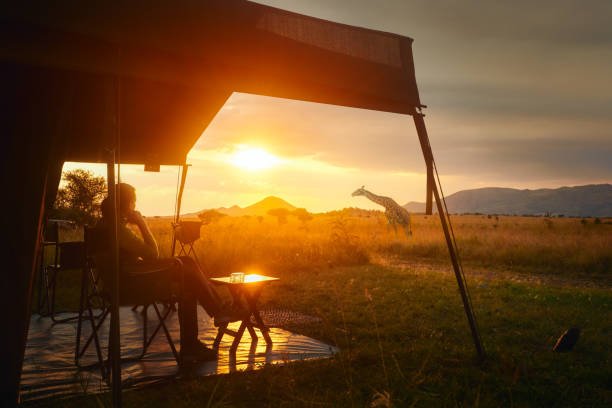
The Allure of Lake Rukwa for Avian Enthusiasts
Lake Rukwa, a sprawling alkaline lake situated in the Rukwa Rift Valley in southwestern Tanzania, is a destination that has steadily gained recognition among serious birdwatchers and wildlife photographers. Its remote location and vast, untamed landscapes contribute to its allure, offering a stark contrast to the more frequented northern safari circuits. For those who prioritize avian encounters, Lake Rukwa presents a compelling case, boasting an astonishing diversity that rivals many other renowned birding hotspots. The sheer scale of the lake and its surrounding floodplains creates a dynamic ecosystem that supports an incredible variety of birdlife throughout the year, with distinct patterns emerging during the wet and dry seasons.
This unique wetland is not just about numbers; it’s about experiencing birds in a truly wild and often dramatic setting. From the dazzling spectacle of thousands of Lesser Flamingos painting the water pink to the solitary hunt of a Goliath Heron, Lake Rukwa provides moments of profound natural beauty. The chance to spot rare and endemic species, coupled with the opportunity to witness large mammal congregations drawn to the water sources, makes a birdwatching safari here an exceptionally rewarding endeavor. As we look towards planning for 2026 and 2027, understanding the intricacies of this destination is key to maximizing your experience.
Understanding Lake Rukwa’s Avian Significance
Lake Rukwa’s ecological importance is deeply intertwined with its birdlife. The lake itself is a vital stopover and breeding ground for numerous migratory species, particularly waterfowl and waders, which arrive during specific seasons to take advantage of abundant food resources. The surrounding miombo woodlands, grasslands, and papyrus swamps further diversify the habitats, each supporting a unique suite of resident and migratory birds. This mosaic of ecosystems is what allows Lake Rukwa to host an impressive list of over 400 bird species, a figure that continues to grow as more detailed surveys are conducted.
The presence of large numbers of Lesser Flamingos is perhaps the most iconic feature of Lake Rukwa’s birdlife. These vibrant birds often form immense flocks, creating a impressive visual spectacle. Their presence is largely dependent on the lake’s salinity and water levels, which fluctuate significantly between the dry and wet seasons. When conditions are favorable, the sheer density of flamingos can be overwhelming, a testament to the lake’s productivity. Beyond the flamingos, the lake teems with a variety of other waterbirds, including pelicans, storks, herons, egrets, and numerous duck and goose species. The open waters and shoreline provide ideal foraging grounds for these diverse groups.
Furthermore, the grasslands and woodlands surrounding the lake are home to a rich array of terrestrial and arboreal birds. Raptors soar overhead, searching for prey, while ground-dwelling birds forage in the undergrowth. The miombo woodlands, a dominant habitat in this region, are particularly important for species adapted to this specific environment. Birdwatchers can hope to see a range of endemic or near-endemic species that are harder to find in other parts of Tanzania. This rich avian mix is what makes a dedicated Lake Rukwa birdwatching safari so special, offering a different perspective on Tanzania’s natural heritage.
Key Bird Species to Spot at Lake Rukwa
While Lake Rukwa is a haven for a multitude of species, certain birds stand out due to their rarity, visual appeal, or ecological significance. A successful birdwatching safari here will ideally include sightings of:
- Lesser Flamingo (Phoenicopterus minor): The undisputed stars of the show during their peak season. Their sheer numbers create an unforgettable spectacle.
- Great White Pelican (Pelecanus onocrotalus): Often seen in large flocks, these majestic birds are a common sight on the lake.
- Marabou Stork (Leptoptilos crumenifer): A large, imposing bird, often seen scavenging near human settlements or water edges.
- Goliath Heron (Ardea goliath): The world’s largest heron, a magnificent predator patiently stalking its prey in the shallows.
- African Fish Eagle (Haliaeetus vociferer): Its distinctive call and impressive silhouette are iconic symbols of African waters.
- Various Kingfishers: Including the Malachite Kingfisher, Pied Kingfisher, and Woodland Kingfisher, adding flashes of color to the riverbanks and lake shores.
- Wattled Crane (Bugeranus carunculatus): A rare and striking crane species that can sometimes be found in the marshy areas.
- Rüppell’s Griffon Vulture (Gyps rueppelli): A large vulture species, often seen soaring high above or at carcass sites.
- Secretarybird (Sagittarius serpentarius): A unique terrestrial bird of prey known for hunting snakes on the open plains.
- Speckle-throated Weaver (Ploceus spekei): An example of the many weaver species found in the surrounding acacia woodlands.
- Hartlaub’s Bustard (Lissotis hartlaubi): A ground-dwelling bird often found in grasslands.
- Swallow-tailed Bee-eater (Merops hirundinaceus): A vibrantly colored species that is a delight to observe.
The specific species encountered will depend on the season, the exact location within the vast Rukwa ecosystem, and the diligence of the bird guide. However, this list provides a strong indication of the incredible avian diversity that awaits visitors on a Lake Rukwa birdwatching safari.
Best Time to Visit Lake Rukwa for Birdwatching
Timing is crucial for any birdwatching expedition, and Lake Rukwa is no exception. The lake’s ecosystem is heavily influenced by the seasonal rains, which dictates water levels, vegetation growth, and the availability of food for birds. This, in turn, affects bird concentrations and migratory patterns.
The Dry Season (June to October)
The dry season, generally from June through October, is widely considered the prime time for birdwatching at Lake Rukwa. During these months:
- Lower Water Levels: As the lake shrinks, water recedes from the vast floodplains, concentrating wildlife and birds into smaller, more accessible areas. This makes spotting easier and increases the likelihood of encountering large congregations, especially flamingos.
- Improved Accessibility: The dry conditions make roads and tracks more passable, allowing for better access to various birding hotspots around the lake and its surrounding areas.
- Concentration of Waterbirds: Flamingos, pelicans, and other water-dependent species are often found in their largest numbers during this period as they gather at the shrinking water bodies.
- Visibility of Mammals: Large mammals like wildebeest, zebras, and buffalo also congregate near permanent water sources, providing excellent opportunities for combined wildlife and bird viewing.
For those planning a trip for 2026 or 2027, aiming for the latter half of the year (July to October) will likely offer the most rewarding birding experience, particularly for large waterbird spectacles.
The Wet Season (November to May)
The wet season, from November to May, brings a different set of opportunities and challenges:
- Migratory Birds: This period coincides with the arrival of many Palaearctic and intra-African migratory birds, which add to the resident species list. The lush vegetation can make spotting harder, but the presence of these visitors is a major draw for dedicated birders.
- Breeding Plumage: Many species are in their most vibrant breeding plumage during the wet season, making them more visually striking.
- Flooded Plains: The floodplains become vast wetlands, attracting a different array of waterbirds and waders. However, accessibility can be severely hampered by muddy conditions and high water levels.
- Green Landscapes: The scenery is lush and green, offering a visually beautiful environment, though this can sometimes obscure ground-dwelling birds.
While the wet season might be more challenging logistically and for spotting certain species, it is essential for understanding the full life cycle of the lake’s avian inhabitants and for seeing migratory visitors. For a comprehensive experience, combining elements of both seasons might be ideal, but for a first-time visitor prioritizing iconic sightings, the dry season remains the top recommendation for 2026-2027.
Planning Your Lake Rukwa Birdwatching Safari
A successful birdwatching safari to Lake Rukwa requires careful planning, especially given its remote location and the specific needs of birders. Top Guide Adventures specializes in crafting tailor-made journeys that cater to these requirements, ensuring a comfortable and rewarding experience.
Logistics and Accessibility
Lake Rukwa is not as easily accessible as many northern Tanzanian parks. The nearest major towns are Sumbawanga and Mbeya. Access is typically achieved via:
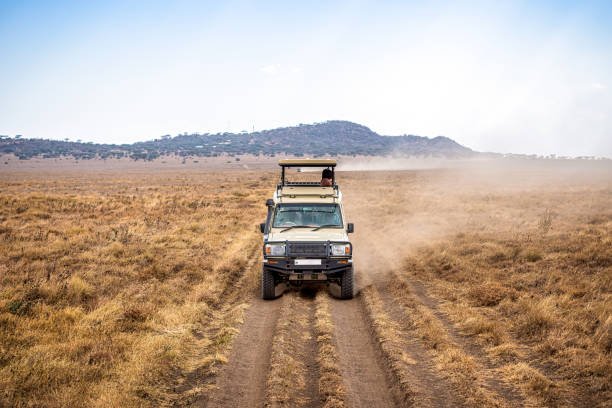
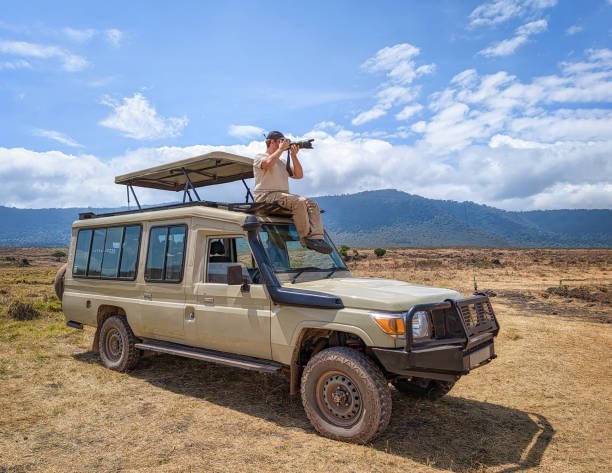
- Road Travel: This is the most common method. Safaris often involve driving from Mbeya or Sumbawanga. The condition of the roads can vary significantly, especially during and immediately after the rainy season. 4×4 safari vehicles are essential for navigating the terrain.
- Flying: For those with limited time or who prefer to avoid longer road journeys, charter flights can be arranged to small airstrips near the lake, although this significantly increases the cost.
A typical Lake Rukwa birdwatching safari might be combined with visits to other southern Tanzanian highlights such as Ruaha National Park, Selous Game Reserve (now Nyerere National Park), or Kitulo National Park, creating a comprehensive southern circuit experience. Such combinations allow for a broader understanding of Tanzania’s diverse ecosystems and birdlife.
Accommodation Options
Accommodation options around Lake Rukwa are more limited and rustic compared to the well-developed tourist areas in northern Tanzania. Visitors can expect:
- Tented Camps: Basic but comfortable tented camps are often set up by tour operators, offering a close-to-nature experience. These can range from simple canvas tents to more established camps with en-suite facilities.
- Basic Lodges/Guesthouses: In nearby towns like Sumbawanga, there are some basic lodges and guesthouses, but these are generally not situated within prime birding areas.
- Camping: For the truly adventurous, organized camping in designated areas can be an option, offering an even more in-depth experience under the stars.
Top Guide Adventures prioritizes comfortable and strategically located accommodation that minimizes travel time to prime birding spots, ensuring you get the most out of your limited safari time. We understand the need for comfortable bases after long days of birdwatching.
Choosing a Tour Operator
Given the remoteness and logistical complexities, choosing a reputable and experienced tour operator is paramount. Top Guide Adventures has extensive experience in organizing safaris in southern Tanzania, including specialized birdwatching trips to Lake Rukwa. We:
- Employ knowledgeable local guides who are adept at spotting and identifying a wide range of bird species.
- Provide reliable 4×4 safari vehicles equipped for challenging terrain.
- Handle all necessary park permits and arrangements.
- Offer customizable itineraries to suit your specific interests, duration, and budget for 2026-2027 trips.
- Ensure comfortable and safe accommodation.
When booking your Lake Rukwa birdwatching safari, inquire about the guide’s expertise in ornithology and their familiarity with the specific birding areas around the lake. This will significantly enhance your chances of encountering and identifying target species.
Itinerary Ideas for a Lake Rukwa Birdwatching Safari
An effective birdwatching safari itinerary is built around maximizing daylight hours for observation and minimizing travel time between key birding areas. Here are a few conceptual itinerary structures, which can be fully customized by Top Guide Adventures.
Example Itinerary 1: Focused Lake Rukwa Birding (5 Days)
Day 1: Arrival in Mbeya & Transfer to Lake Rukwa Area
Arrive at Mbeya Airport (MBI). Meet your Top Guide Adventures guide and vehicle. Begin the scenic drive towards the Lake Rukwa region. Depending on the exact route and chosen camp, this could be a 4-6 hour drive. Settle into your tented camp and enjoy an evening birding walk around the camp environs as dusk settles.
Day 2: Full Day Birding at Lake Rukwa Shores
An early start to explore the lake’s southern or eastern shores, depending on recent sightings and accessibility. Focus on waterbirds, including flamingos (seasonally), pelicans, storks, and various waders. Use of a 4×4 allows access to different vantage points. Packed lunch enjoyed amidst nature.
Day 3: Exploring Floodplains and Woodlands
Venture into the grasslands and miombo woodlands surrounding the lake. Search for raptors, ground birds, and woodland species. Look for weavers, hornbills, and perhaps elusive bustards or cranes. Afternoon birding along riverine habitats.
Day 4: Continued Exploration & Rufiji River Delta (Optional Extension)
Further exploration of areas identified as productive, perhaps revisiting a specific spot for a target species. Alternatively, if time and logistics permit, a shorter excursion towards the deltaic areas if they are accessible and known for specific birdlife. Evening game drive focusing on nocturnal birds and mammals.
Day 5: Departure
Morning birding session before a final breakfast. Drive back to Mbeya for your onward flight, filled with memories of the incredible avian life of Lake Rukwa.
Example Itinerary 2: Southern Circuit Birding with Lake Rukwa (10 Days)
Day 1-3: Ruaha National Park Birding
Fly into Ruaha (often via Mbeya or direct charter). Focus on the park’s large mammals and diverse birdlife, including raptors, ground hornbills, and various passerines. Ruaha is known for its vastness and impressive elephant herds, offering a classic safari experience alongside birding.
Day 4: Travel to Lake Rukwa Region
Drive from Ruaha to the Lake Rukwa area. This is a substantial travel day, offering opportunities to spot roadside birds and observe changing landscapes. Arrive and set up camp.
Day 5-6: Lake Rukwa Birdwatching
Dedicated birdwatching around Lake Rukwa, focusing on waterbirds, flamingos (seasonal), and surrounding habitats as described in the 5-day itinerary. Utilize 4×4 vehicles for optimal access.
Day 7: Transfer to Kitulo National Park (Optional)
Travel to Kitulo National Park, often referred to as the ‘Garden of God’ for its spectacular floral displays. While primarily known for flowers, it also supports unique bird species, including endemic aloes and orchids that attract specific insectivorous birds.
Day 8: Birding in Kitulo Plateau
Explore the plateau’s grasslands and montane forests. Look for species adapted to this high-altitude environment. Birding here offers a different ecological niche compared to Lake Rukwa.
Day 9: Return Journey towards Mbeya/Iringa
Begin the journey back towards a major transport hub like Mbeya or Iringa, with stops for birding along the way. Reflect on the diverse avian encounters of the past week.
Day 10: Departure
Transfer to Mbeya or Iringa airport for your onward flight.
These are just examples. Top Guide Adventures excels at creating bespoke itineraries. Whether you want to focus solely on birds for an extended period or combine birdwatching with general wildlife viewing, we can craft the perfect 2026 or 2027 safari for you. Contact us via Email or WhatsApp +255616946642 to start planning.
What to Pack for Your Lake Rukwa Birdwatching Safari
Packing appropriately is essential for comfort and effectiveness on a birdwatching safari, especially in a remote area like Lake Rukwa. Here’s a comprehensive checklist:
- Clothing:
- Lightweight, breathable long-sleeved shirts and trousers (neutral colors like khaki, green, brown to blend in).
- Warm fleece or jacket for cool mornings and evenings.
- Waterproof and windproof jacket.
- Comfortable walking shoes or hiking boots.
- Sandals or flip-flops for camp.
- Sun hat with a wide brim.
- Scarf or bandana for dust protection.
- Socks (including moisture-wicking options).
- Pajamas or sleepwear.
- Optics:
- Binoculars: Essential! A good pair (e.g., 8×42 or 10×42) is a must. Consider a waterproof model.
- Spotting Scope with tripod: Highly recommended for distant birds, especially waterbirds.
- Photography Gear:
- Camera with a good zoom lens (e.g., 300mm or longer).
- Extra batteries and memory cards.
- Camera bag or backpack.
- Tripod or monopod for stability.
- Health and Safety:
- Personal first-aid kit with any necessary prescription medications.
- Insect repellent (DEET-based recommended).
- Sunscreen (high SPF).
- After-sun lotion.
- Hand sanitizer.
- Malaria prophylaxis (consult your doctor).
- Water purification tablets or a personal filter (as a backup).
- Other Essentials:
- Field guide to the birds of East Africa.
- Notebook and pen for recording sightings.
- Headlamp or flashlight with extra batteries.
- Power bank or portable charger for electronic devices.
- Reusable water bottle.
- Sunglasses.
- Small backpack or daypack for carrying essentials during excursions.
- Toiletries (biodegradable options are preferred).
- Snacks (energy bars, nuts, dried fruit).
- Copies of important documents (passport, visa, insurance).
Remember to pack light but smart. Most safari camps have laundry services, though they might be basic. Always check with your tour operator, like Top Guide Adventures, for specific recommendations tailored to your trip and the chosen accommodations for 2026-2027.
Conservation and Responsible Birdwatching at Lake Rukwa
Lake Rukwa’s ecological sensitivity demands a responsible approach to tourism. As birdwatchers, we have a role to play in conserving this fragile environment.
- Respect Wildlife: Maintain a safe distance from all wildlife, especially birds and their nesting sites. Never feed animals.
- Minimize Disturbance: Avoid loud noises, sudden movements, or using flash photography, particularly when observing sensitive species. Stay on designated tracks to avoid trampling vegetation.
- Leave No Trace: Pack out everything you pack in. Dispose of waste responsibly, ensuring no litter is left behind in the natural environment.
- Support Local Communities: Choose tour operators that employ local guides and staff, and consider purchasing locally made crafts or products where appropriate. This ensures that tourism benefits the communities living around the protected areas.
- Follow Guide’s Instructions: Your guide is trained to ensure both your safety and the protection of the environment. Always adhere to their advice.
- Habitat Protection: Be mindful of the delicate wetland and woodland habitats. Avoid disturbing water sources or vegetation unnecessarily.
Top Guide Adventures is committed to sustainable tourism practices. We work with local communities and adhere to conservation guidelines to ensure that our Lake Rukwa birdwatching safaris contribute positively to the region’s natural heritage and the well-being of its people. By choosing us for your 2026-2027 adventure, you are supporting responsible travel in Tanzania.
Why Choose Top Guide Adventures for Your Lake Rukwa Birdwatching Safari?
Selecting the right tour operator can make all the difference in the success and enjoyment of your Lake Rukwa birdwatching safari. Top Guide Adventures stands out for several key reasons:
- Expert Ornithological Knowledge: Our guides are not just general safari guides; many possess specialized knowledge of ornithology and are passionate birdwatchers themselves. They know the best spots, the calls, and the behaviors of a vast array of species.
- Tailor-Made Itineraries: We understand that every birder has different priorities, timeframes, and budgets. We excel at crafting personalized Lake Rukwa birdwatching itineraries for 2026 and 2027 that precisely match your interests, whether you’re aiming for specific endemic species or a broad overview of the region’s avian diversity.
- Logistical Prowess: Navigating the remote terrain of Lake Rukwa requires expertise. We manage all the complexities of transportation (including reliable 4×4 vehicles), accommodation, park fees, and permits, allowing you to focus solely on the birding.
- Commitment to Quality: From comfortable and well-equipped safari vehicles to carefully selected accommodation that balances rustic charm with essential comfort, we prioritize quality in every aspect of your safari.
- Sustainable Tourism: We are dedicated to responsible travel. Our operations are designed to minimize environmental impact and maximize benefits to local communities, ensuring your safari contributes positively to conservation efforts.
- Personalized Service: As one of Tanzania’s trusted tour companies, we offer personal attention, care, and dedicated support from your initial inquiry through to your departure. Your satisfaction and a memorable experience are our top priorities.
We are passionate about showcasing the incredible natural wonders of Tanzania, and Lake Rukwa’s birdlife is a treasure we are eager to share. Let us help you plan an unforgettable birdwatching adventure for 2026-2027.
Frequently Asked Questions about Lake Rukwa Birdwatching
Here are answers to some common questions about planning a birdwatching safari to Lake Rukwa.
Q1: Is Lake Rukwa a safe destination for birdwatching safaris?
Yes, Lake Rukwa is a safe destination when visited with an experienced tour operator like Top Guide Adventures. We prioritize client safety, using well-maintained vehicles, experienced guides, and ensuring you are aware of any necessary precautions, such as malaria prevention. The primary concerns are related to wildlife encounters and the challenging terrain, both of which are managed expertly by our team.
Q2: What is the estimated cost of a Lake Rukwa birdwatching safari?
The cost of a Lake Rukwa birdwatching safari can vary significantly based on duration, accommodation style (e.g., basic camping vs. comfortable tented camps), group size, and the inclusion of other destinations like Ruaha or Kitulo. As a general guideline for 2026-2027, a mid-range safari could start from approximately $300 – $450 USD per person per day. This typically includes accommodation, park fees, a 4×4 safari vehicle, an experienced guide, and meals. Flights, personal expenses, tips, and travel insurance are usually extra. For a precise quote tailored to your needs, please contact us directly.
Q3: How many days are recommended for a Lake Rukwa birdwatching trip?
For a focused birdwatching experience at Lake Rukwa, we recommend a minimum of 3-4 full days dedicated to birding around the lake and its immediate surroundings. However, to truly appreciate the diversity and explore different habitats, a 5-day itinerary is ideal. If combining Lake Rukwa with other parks in the southern circuit, allow at least 7-10 days for a comprehensive safari.
Q4: What are the main differences between birdwatching in Lake Rukwa and Northern Tanzania parks (e.g., Serengeti)?
Lake Rukwa offers a specialized wetland and woodland birding experience, with a strong focus on waterbirds, flamingos, and certain grassland/miombo species. Northern parks like Serengeti are renowned for their large mammal migrations and a different array of savanna and acacia-associated birds. While both offer incredible birding, Lake Rukwa is particularly appealing for its sheer numbers of waterbirds and its more remote, less crowded atmosphere. The accessibility and infrastructure are also quite different; Lake Rukwa is more rugged and requires more specialized logistical planning.
Q5: Can I combine birdwatching at Lake Rukwa with other activities?
Absolutely. While birdwatching is the primary focus, Lake Rukwa also offers opportunities for general wildlife viewing, including elephants, hippos, crocodiles, buffalo, and various antelope species. The stunning landscapes also make it a photographer’s paradise. If you’re combining it with other parks like Ruaha or Nyerere National Park, you’ll experience a broader spectrum of Tanzania’s wildlife and natural beauty.
Your Unforgettable Lake Rukwa Birdwatching Safari Awaits in 2026-2027
Lake Rukwa represents a frontier for serious birdwatchers seeking raw, untamed wilderness and spectacular avian displays. Its vast alkaline waters, fringed by diverse habitats, create a dynamic ecosystem that pulses with life. From the iconic spectacle of thousands of flamingos to the quiet patience of a Goliath Heron, every moment spent here is a testament to nature’s grandeur. Planning a safari to this remote jewel requires expertise and local knowledge, which is precisely what Top Guide Adventures offers.
We are dedicated to providing personalized, high-quality safari experiences. Whether you envision a focused birding expedition in 2026 or a comprehensive southern circuit tour in 2027 that includes the avian wonders of Lake Rukwa, our team is ready to craft your perfect itinerary. We handle the logistics, ensuring your comfort and safety, while our expert guides lead you to the best birding opportunities. Don’t miss the chance to explore one of Tanzania’s most interesting natural treasures.
Ready to plan your ultimate Lake Rukwa birdwatching safari? Get in touch with us today. You can reach us via Email at topguideadventures@gmail.com, our backup email info@topguideadventures@gmail.com, or connect directly via WhatsApp at +255616946642. Let Top Guide Adventures guide you to an extraordinary avian adventure in Tanzania.
Check Availability for Lake Rukwa Birdwatching Safari: Your Ultimate Guide For 2026-2027
Ready to compare dates, prices, and the best option for your group? Send the package name and travel month so the team can reply with a clear quote, availability, and what is included.
Tanzania Bird Watching Safari Prices: Your Guide 2026-2027
Planning a bird watching safari in Tanzania? This guide breaks down the costs for 2026-2027, explaining what influences prices and how to get the best value for your ornithological...
View package details
Tanzania Private Safari Prices 2026-2027
Tanzania Private Safari Prices is explained with current 2026-2027 planning, price, itinerary and booking information.
View package details
Tanzania Photography Safari Prices: Your Comprehensive Guide 2026-2027
Planning a photography safari in Tanzania for 2026 or 2027? This guide breaks down the expected costs, helping you budget for an unforgettable wildlife photography adventure. Learn what...
View package details
Tanzania Wildlife Safari Cost Breakdown: Your Budget Guide 2026-2027
Planning a Tanzania wildlife safari involves understanding the key cost components. This guide provides a detailed breakdown for 2026-2027, covering everything from park fees and...
View package details
Pemba Island Safari Prices: Your Guide To Costs In 2026-2027
Planning a safari on Pemba Island? Understand the pricing for 2026-2027, from budget options to luxury experiences. This guide breaks down the costs, inclusions, and factors affecting your...
View package details
Saadani National Park Entry Fees And Safari Prices For 2026-2027
Planning a safari to Saadani National Park? This guide details the essential entry fees and safari package prices for 2026-2027, helping you budget for your unforgettable Tanzanian...
View package details
Mahale Safari Prices: Your Guide To Chimpanzee Trekking Costs 2026-2027
Planning a Mahale safari? This guide breaks down Mahale safari prices for 2026-2027, covering chimpanzee trekking permits, accommodation options, transport, and essential budgeting tips for...
View package details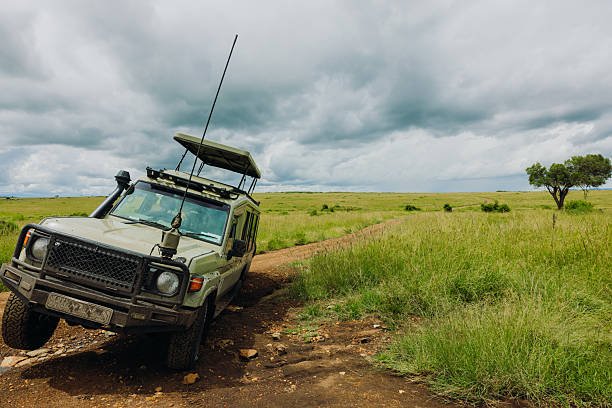
Katavi National Park: Tanzanias Untamed Wilderness Safari Guide 2026-2027
Katavi National Park offers an unparalleled safari experience in Tanzania's remote wilderness. This guide explores its vast landscapes, abundant wildlife, best visiting times for 2026-2027...
View package details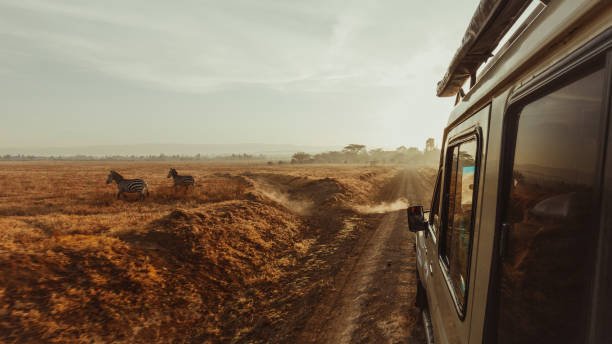
Nyerere Walking Safari Prices : Your Guide To Costs And Planning 2026-2027
Explore Nyerere National Park on a walking safari with Top Guide Adventures. Discover pricing for 2026-2027, understand cost factors, and plan your unforgettable adventure.
View package details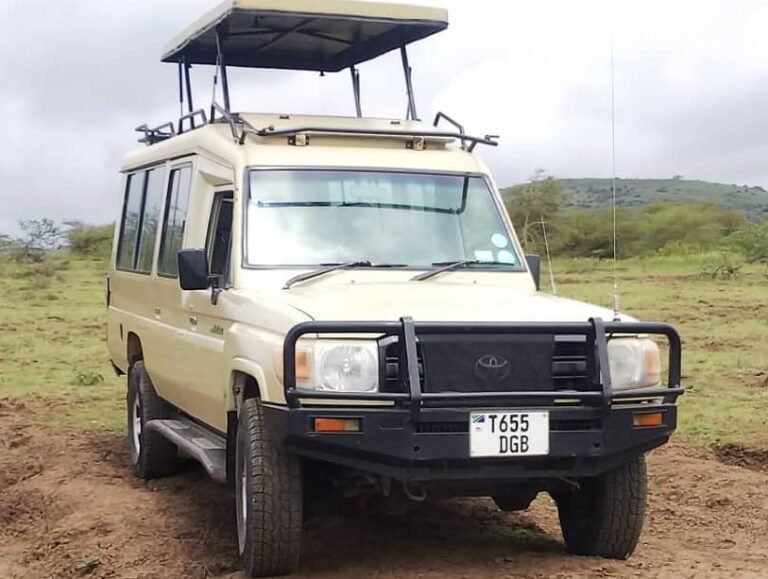
Ruaha Walking Safari Cost: What To Expect For Adventures 2026-2027
Understand the estimated costs for a Ruaha walking safari in 2026-2027. This guide breaks down the price elements, helping you budget for an unforgettable Tanzanian adventure.
View package details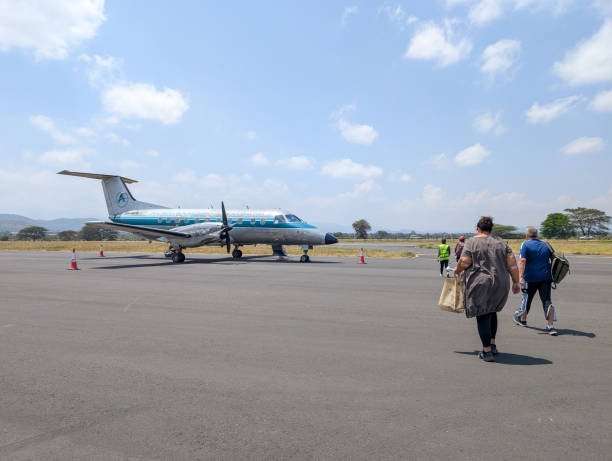
Mikumi National Park Entry Fees And Safari Prices 2026-2027
Planning a safari to Mikumi National Park? This guide details the essential entry fees, conservation charges, and safari package prices for 2026-2027, helping you budget for an...
View package details
Mikumi National Park: Your Ultimate Safari Guide For 2026-2027
Mikumi National Park offers incredible wildlife viewing with its open plains and abundant animals, making it a top choice for Tanzania safaris. This guide covers everything you need to know...
View package detailsNo related package matches those filters. Clear one or more filters to see the other topic-matched options.



