
The best things to do in North Pemba for 2026-2027 include exploring its untouched beaches, world-class diving and snorkeling sites like the Pemba Channel, visiting historical ruins such as Ras Mkumbuu, experiencing local culture in villages like Msuka, enjoying fresh seafood, and discovering unique natural landscapes like the Ngezi Forest. This less-visited part of Zanzibar offers a tranquil escape focused on nature, history, and authentic island life.

Discovering the Untamed Charm of North Pemba
While Zanzibar is globally renowned for its spice-scented air and vibrant Stone Town, the northern part of its larger sister island, Pemba, remains a relatively undiscovered gem. Often overshadowed by its more famous neighbor, Pemba, and particularly its northern reaches, offers an authentic slice of Swahili island life that is increasingly rare. For travelers seeking tranquility, raw natural beauty, and a genuine cultural encounter away from the crowds, North Pemba presents an unparalleled destination. This region is a sanctuary for those who appreciate pristine coastlines, vibrant marine ecosystems, and a pace of life dictated by the tides and traditions.
In 2026 and 2027, North Pemba is poised to attract discerning travelers looking for deeper connections and more sustainable tourism experiences. The focus here is on ecotourism, community engagement, and appreciating the island’s natural and historical heritage. Unlike the bustling tourist hubs of Zanzibar, North Pemba invites you to slow down, breathe in the ocean air, and engage with a landscape that feels both ancient and vibrantly alive. Whether you are a seasoned diver, a history enthusiast, a nature lover, or simply someone searching for peace, the activities and sights in North Pemba promise a rewarding and memorable journey.
The Allure of Pemba’s Northern Shores: Beaches and Marine Wonders
North Pemba is fringed by some of the most spectacular and least disturbed beaches in the Zanzibar archipelago. These stretches of powdery white sand, often backed by lush vegetation and lapped by impossibly turquoise waters, are the region’s primary draw for relaxation and aquatic adventures. The relative lack of mass tourism means that you can often find yourself with entire coves to yourself, offering a sense of private paradise.
Pristine Beaches for Ultimate Relaxation
The northern coastline boasts a series of impressive beaches, each with its unique character. Njao Ya Chake Island, accessible by a short boat trip, is a prime example. Its long, sandy shores are perfect for leisurely strolls, sunbathing, and simply soaking in the serene atmosphere. The shallow, clear waters here are ideal for swimming and wading, providing a safe and inviting environment.
Further north, beaches near Kichaweni and Fumba offer similar idyllic settings. These areas are characterized by calm seas, vibrant birdlife in the surrounding mangroves, and the gentle rhythm of local fishing communities. For those looking to escape the bustle entirely, these remote beaches are the perfect antidote, offering a chance to reconnect with nature and oneself. The tranquility of these shores is a significant part of the appeal for visitors planning their trips for 2026 and 2027, seeking authentic, uncrowded island experiences.
Diving and Snorkeling in the Legendary Pemba Channel
North Pemba is situated on the edge of the famed Pemba Channel, a deep oceanic trench renowned for its incredible marine biodiversity and challenging dive sites. This is a destination for serious divers and snorkelers eager to explore underwater landscapes teeming with life.
The channel drops dramatically, creating walls, pinnacles, and drift dives that attract a wide array of pelagic species. Expect to see large schools of fish, reef sharks, turtles, and possibly even dolphins and whales during migration seasons. The coral reefs here are generally in excellent condition, boasting vibrant colors and a healthy population of reef dwellers.
- Uvinje Coral Gardens: A spectacular reef system known for its abundant coral formations and diverse fish life, suitable for both experienced divers and keen snorkelers.
- Shimoni Caves: An intriguing dive site featuring underwater caves and swim-throughs, offering a unique exploration experience.
- The Wall: A dramatic drop-off that plunges into the abyss of the Pemba Channel, attracting larger marine life and offering thrilling drift dives.
- Mkoani Reefs: While Mkoani is a southern port, the diving opportunities extend along the coast, with northern sites offering similar rich marine encounters.
For snorkelers, the shallower fringing reefs and areas around small islets provide excellent visibility and a chance to witness colorful corals and a multitude of tropical fish without needing advanced diving certification. The clarity of the water in North Pemba is exceptional, especially during the dry seasons, making it ideal for underwater photography and observation. Planning a dive trip for 2026 or 2027? North Pemba’s Pemba Channel is a must-consider for its pristine underwater world.
Exploring the Ngezi Forest and Local Wildlife
Inland North Pemba holds its own natural treasures, chief among them the Ngezi Forest. This protected area is a vital habitat for endemic species and offers a refreshing contrast to the coastal scenery.
Ngezi Forest is home to the Pemba flying fox, a large fruit bat that is unique to the island. While sightings are not guaranteed, guided walks through the forest offer the best chance of encountering this fascinating creature and other endemic wildlife, including various bird species and small mammals. The forest itself is a lush, tropical environment with ancient trees, dense undergrowth, and a network of trails that allow for exploration.
Guided nature walks are highly recommended, as local guides can point out unique flora and fauna, explain the ecological significance of the forest, and share traditional knowledge about its plants and their uses. The air is thick with the scent of damp earth and tropical foliage, and the sounds of the forest create a soothing, natural soundtrack. For eco-conscious travelers in 2026-2027, Ngezi Forest provides an opportunity to appreciate Pemba’s biodiversity.
Historical Footprints: Uncovering North Pemba’s Past
North Pemba is steeped in history, with remnants of ancient civilizations and colonial influences scattered across its landscape. Exploring these historical sites offers a glimpse into the island’s rich and complex past.
Ras Mkumbuu: Echoes of a Bygone Era
Perhaps the most significant historical site in North Pemba is Ras Mkumbuu. This remote peninsula was once the location of a thriving Shirazi settlement and a major trading post dating back to the 14th century. Today, the ruins stand as silent witnesses to this prosperous past.
Visitors can explore the remains of mosques, houses, and a palace, all constructed from coral stone. The architecture, though weathered by time, hints at the sophistication of the civilization that once inhabited this strategic location. The site offers stunning views of the Pemba Channel and the surrounding coastline, underscoring its historical importance as a maritime center. A visit to Ras Mkumbuu is a journey back in time, offering a profound connection to the island’s heritage.
Exploring Local Villages and Cultural Encounters
Beyond the formal historical sites, the villages of North Pemba are living museums of Swahili culture. Engaging with local communities provides a more intimate understanding of island life.
Villages like Msuka, known for its traditional practices and close-knit community, offer opportunities for authentic cultural exchange. Travelers can observe daily life, witness traditional crafts, and perhaps even share a meal with local families (with prior arrangement and respect for customs). The pace of life in these villages is slow and deliberate, reflecting a deep connection to the land and sea.
Visiting local markets, such as those in Wete, the main town in North Pemba, is another excellent way to experience the local culture. Here, you can find fresh produce, spices, local handicrafts, and observe the vibrant social interactions that form the heart of community life. Engaging respectfully with locals, perhaps with the help of a guide from a reputable tour operator like Top Guide Adventures, can lead to deeply enriching experiences. For those planning trips in 2026-2027, seeking authentic cultural immersion is a key draw to North Pemba.
The Mystique of Pemba’s Traditional Practices
Pemba Island, and particularly its northern region, is often associated with traditional medicine, spiritual practices, and a unique cultural heritage. While these aspects are deeply ingrained in local life, they are often reserved for the community itself and require sensitivity and respect from outsiders.
Some visitors are drawn to Pemba by its reputation for traditional healing and spiritual rituals. While these are not typically tourist activities, understanding their presence adds depth to the cultural context of the island. Responsible tourism in North Pemba means acknowledging and respecting these traditions without intruding upon them. Local guides can offer insights into the cultural fabric of the island, explaining customs and beliefs in a way that fosters understanding and appreciation.
Culinary Delights: Tasting North Pemba
The cuisine of North Pemba is a delightful fusion of Swahili, Arab, Indian, and African influences, with a strong emphasis on fresh, local ingredients, especially seafood.
The Bounty of the Ocean
Given its extensive coastline, seafood is a staple in North Pemba. Freshly caught fish, lobster, prawns, and octopus are prepared in various delicious ways. Grilled fish, often marinated in local spices and served with coconut rice or ugali (a stiff maize porridge), is a common and highly recommended dish.
Seek out local eateries or beachfront restaurants for the freshest catches. Many lodges and guesthouses also pride themselves on serving authentic local dishes prepared with skill and care. The flavors are often vibrant, with spices like cardamom, cumin, cinnamon, and chili playing a prominent role, reflecting the island’s historical trade connections.
Local Specialties and Flavors
Beyond seafood, local dishes often feature chicken, goat meat, and a variety of vegetables, often cooked in rich coconut-based sauces. Pilau, a fragrant rice dish cooked with meat and spices, is a popular choice. Biryani, another flavorful rice dish, is also commonly found.
Fruits are abundant, with mangoes, bananas, papayas, and coconuts readily available. Don’t miss trying freshly squeezed tropical fruit juices or a refreshing glass of coconut water straight from the source. For those looking to experience authentic local flavors, exploring the markets and small eateries in towns like Wete is a culinary adventure in itself.
Planning Your North Pemba Adventure for 2026-2027
Organizing a trip to North Pemba requires careful planning, especially for travelers seeking a comfortable and enriching experience. The region is less developed than other tourist destinations, which is part of its charm but also means services can be more basic.
Getting to North Pemba
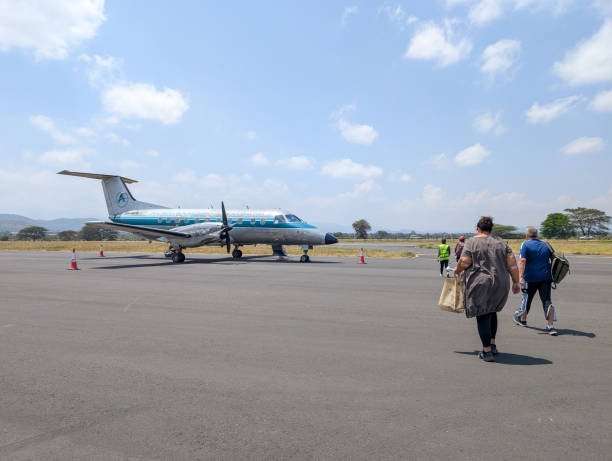
Access to North Pemba typically involves flying into Karume International Airport (ZNZ) on Unguja (Zanzibar main island) or Amiri S. K. Airport (PMA) on Pemba Island itself. From Unguja, you can take a domestic flight to Pemba. Alternatively, ferries operate between Unguja and Pemba, but these can be lengthy and less comfortable.
Once on Pemba, reaching the northern part usually involves road travel. Taxis or pre-arranged transfers are the most convenient options. For those planning trips in 2026 or 2027, booking flights and transfers in advance is highly recommended, especially during peak seasons.
Accommodation Options
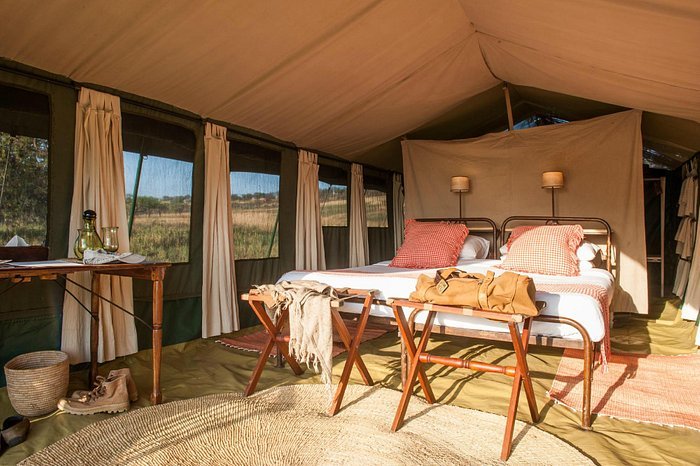
Accommodation in North Pemba ranges from simple guesthouses to more established eco-lodges and boutique hotels. The focus is often on providing a tranquil retreat that complements the natural surroundings.
- Eco-Lodges: Many lodges are designed with sustainability in mind, offering comfortable amenities while minimizing environmental impact. They often provide direct access to beaches and organize local excursions.
- Guesthouses: For a more budget-friendly and authentic experience, local guesthouses offer basic but clean accommodation and a chance to interact more closely with the community.
- Boutique Hotels: A few higher-end options are emerging, offering more luxurious amenities and personalized service, often situated in stunning beachfront locations.
It’s advisable to research accommodation thoroughly and book in advance, especially if you are traveling in 2026 or 2027. Consider lodges that work closely with local communities and support conservation efforts for a more responsible travel experience.
Best Time to Visit North Pemba
The best time to visit North Pemba generally aligns with Zanzibar’s dry seasons. This typically runs from June to October and again from December to February.
- June to October: This period offers sunny skies, low humidity, and calm seas, making it ideal for diving, snorkeling, and beach activities. It’s considered the peak tourist season.
- December to February: Another dry spell with warm temperatures and plenty of sunshine. This is also a popular time for visitors.
- March to May: This is the long rainy season, with heavy downpours. While some travelers might find fewer crowds and lower prices, activities can be disrupted.
- November and parts of March/April: These transitional months can offer pleasant weather but may also see occasional rain showers.
For diving enthusiasts planning for 2026-2027, the dry seasons provide the best visibility and calmest conditions. However, Pemba’s tropical climate means that even during the wetter months, rain often comes in short, intense bursts, followed by sunshine.
Travel Tips for North Pemba
To make the most of your trip to North Pemba, consider these practical tips:
- Pack Light and Appropriately: Lightweight, breathable clothing is essential. Include swimwear, sun protection (hats, high SPF sunscreen, sunglasses), insect repellent, and comfortable walking shoes. A light rain jacket is advisable year-round.
- Stay Hydrated: Drink plenty of bottled water, as the tropical climate can be dehydrating.
- Currency: The Tanzanian Shilling (TZS) is the local currency. US Dollars are also widely accepted in tourist establishments, but it’s good to have local currency for smaller purchases and markets. ATMs are scarce outside of major towns, so bring enough cash.
- Connectivity: Wi-Fi can be spotty in North Pemba. Consider purchasing a local SIM card for better mobile data access if needed.
- Respect Local Culture: Pemba is a more conservative island than Unguja. Dress modestly when visiting villages or towns, covering shoulders and knees. Always ask permission before taking photographs of people.
- Book in Advance: For 2026 and 2027 travel, especially during peak seasons, booking accommodation, tours, and transfers well in advance is crucial due to limited availability.
- Embrace the Pace: North Pemba operates on ‘pole pole’ (slowly, slowly) time. Be patient, relax, and go with the flow.
Sustainable Tourism in North Pemba
As North Pemba continues to open up to more visitors, embracing sustainable tourism practices is paramount. Top Guide Adventures is committed to responsible travel, ensuring that your visit benefits the local communities and preserves the environment for future generations.
Supporting Local Communities
Choosing locally owned accommodations, dining at local restaurants, and hiring local guides are excellent ways to ensure your tourism expenditure directly supports the Pemba economy. Engaging in community-based tourism initiatives, where available, offers authentic cultural experiences while providing income to residents.
Environmental Conservation
Protecting the pristine marine environments and lush forests of North Pemba is vital. Visitors are encouraged to:
- Avoid single-use plastics; carry a reusable water bottle and shopping bag.
- Do not touch or stand on coral reefs when snorkeling or diving.
- Dispose of waste responsibly; carry out what you carry in.
- Conserve water and electricity at your accommodation.
- Support lodges and tour operators that demonstrate a commitment to environmental sustainability.
For those planning trips in 2026 and 2027, choosing responsible operators like Top Guide Adventures ensures your journey contributes positively to the destination.
Why Choose Top Guide Adventures for Your North Pemba Trip?
Navigating the less-trodden paths of North Pemba can be challenging, but with the right partner, it becomes an unforgettable adventure. Top Guide Adventures, as one of Tanzania’s most trusted tour companies, specializes in crafting personalized travel experiences that highlight the best of what the country has to offer, including the unique allure of Pemba Island.
We understand the nuances of traveling to destinations like North Pemba, offering dedicated support from the moment you inquire to your return home. Our expertise ensures that your itinerary is tailored to your interests, whether you seek world-class diving, historical exploration, cultural immersion, or simply serene beach relaxation. We partner with reputable local accommodations and guides who share our commitment to sustainability and authentic experiences.
For your 2026-2027 North Pemba adventure, let us handle the logistics so you can focus on the magic of the island. We can arrange everything from airport transfers and inter-island flights to guided tours of Ngezi Forest, historical sites like Ras Mkumbuu, and boat trips for diving and snorkeling in the Pemba Channel. Our personal attention and care ensure a trip that is both smooth and deeply rewarding.
Contact us today to start planning your bespoke North Pemba journey. Reach out via WhatsApp at +255616946642 or email us at topguideadventures@gmail.com. For alternative inquiries, our backup email is info@topguideadventurestanzania.com. Let Top Guide Adventures be your guide to the unspoiled beauty of North Pemba in 2026-2027 and beyond.
Frequently Asked Questions about North Pemba
What is the best way to get to North Pemba from mainland Tanzania?
The most convenient way is to fly from Dar es Salaam or Zanzibar (Unguja) to Pemba Airport (PMA). From there, you’ll need road transport to reach North Pemba.
Is North Pemba suitable for budget travelers in 2026?
While North Pemba is less developed, it can be explored on a budget by staying in local guesthouses and utilizing local transport where feasible. However, specialized activities like diving will add to the cost. Top Guide Adventures can help tailor budgets for 2026-2027 trips.
What should I pack for a trip to North Pemba?
Pack light, breathable clothing, swimwear, sun protection (hat, sunglasses, high SPF sunscreen), insect repellent, comfortable walking shoes, and a light rain jacket. Respectful attire for visiting villages is also recommended.
Are there good diving opportunities in North Pemba?
Yes, North Pemba is on the edge of the Pemba Channel, offering world-class diving with abundant marine life, dramatic drop-offs, and vibrant coral reefs. It’s a major draw for divers planning trips in 2026 and 2027.
Is North Pemba safe for solo female travelers?
North Pemba is generally considered safe, but like any destination, it’s wise to exercise caution, especially when exploring alone or at night. Dressing modestly and being aware of your surroundings are recommended. Traveling with a reputable guide or tour operator can enhance safety and comfort.
North Pemba stands as a testament to the enduring beauty and rich cultural heritage of Zanzibar. Its pristine beaches, vibrant underwater world, historical sites, and welcoming communities offer a unique and authentic travel experience. Whether you are planning an adventure for 2026, 2027, or beyond, North Pemba promises a trip, tranquility, and genuine connection. Let Top Guide Adventures guide you through this extraordinary island paradise.
Check Availability for Things To Do In North Pemba: Your Essential Guide For Adventures 2026-2027
Ready to compare dates, prices, and the best option for your group? Send the package name and travel month so the team can reply with a clear quote, availability, and what is included.
South Pemba Beach Holiday: Your Ultimate Guide To Tranquil Island Escapes
Discover the unspoiled beauty of South Pemba for your next beach holiday. This guide covers everything from its quiet shores and vibrant marine life to practical planning for 2026-2027.
View package details
Pemba Island Spice Tour: A Journey Through Zanzibars Paradise 2026-2027
Discover the interesting Pemba Island Spice Tour, an essential experience for any visitor to Zanzibar seeking to understand the island's aromatic heritage. This tour offers an intimate look...
View package details
Chake Pemba Travel Guide 2026-2027
Chake Chake Pemba Travel Guide is explained with current 2026-2027 planning, price, itinerary and booking information.
View package details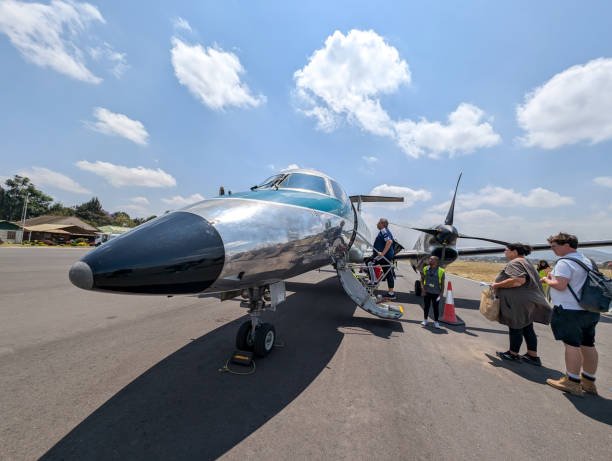
Manta Resort Underwater Room Pemba: Your Ultimate Guide For 2026-2027
Discover the unparalleled experience of staying in the Manta Resort's Underwater Room on Pemba Island. This guide covers everything from booking and what to expect to the unique marine life...
View package details
Things To Do In Stone Town Zanzibar: Your Ultimate Guide For 2026-2027
Explore the vibrant heart of Zanzibar with our comprehensive guide to the best things to do in Stone Town. From its rich history and architecture to bustling markets and unique cultural...
View package details
Things To Do In Rukwa, Tanzania: Ultimate Guide For Adventures 2026-2027
Explore the wild heart of Tanzania with our guide to things to do in Rukwa, focusing on its incredible national parks, unique wildlife, and authentic cultural encounters. Perfect for...
View package details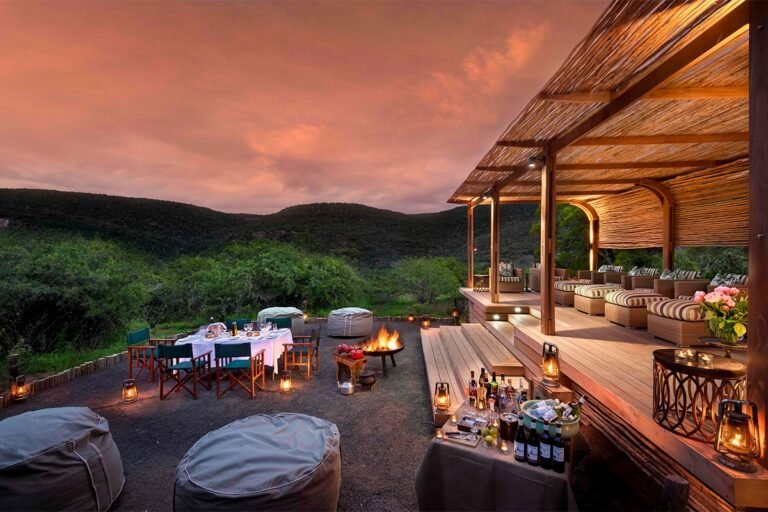
Things To Do In Bukoba Tanzania: Your Ultimate Adventure Guide 2026-2027
Explore the hidden gems of Bukoba, Tanzania, on the shores of Lake Victoria. From serene beaches and vibrant markets to cultural encounters and wildlife spotting, this guide details the...
View package details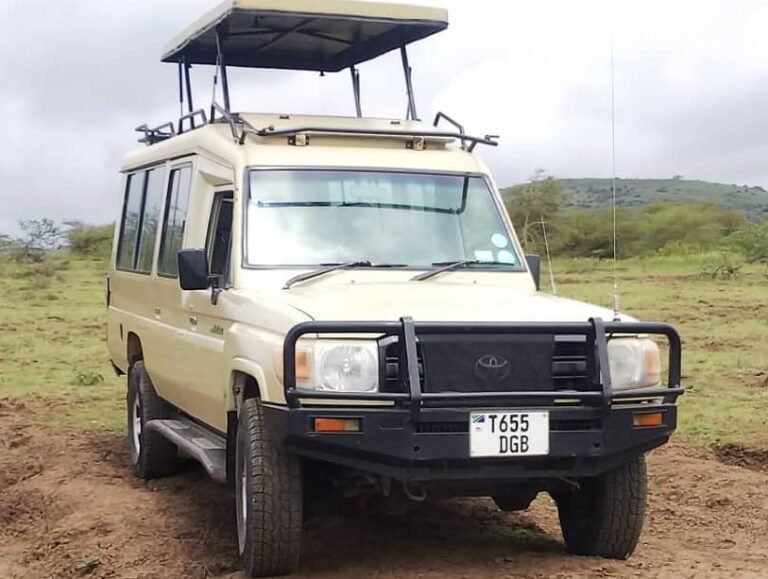
Things To Do In Geita, Tanzania: A Comprehensive Guide For 2026-2027
Explore the vibrant region of Geita in Tanzania with our expert guide. Discover unique activities, cultural experiences, and natural attractions around Lake Victoria and beyond, perfect for...
View package details
Things To Do In Simiyu Tanzania 2026-2027
Things to Do in Simiyu Tanzania is explained with current 2026-2027 planning, price, itinerary and booking information.
View package details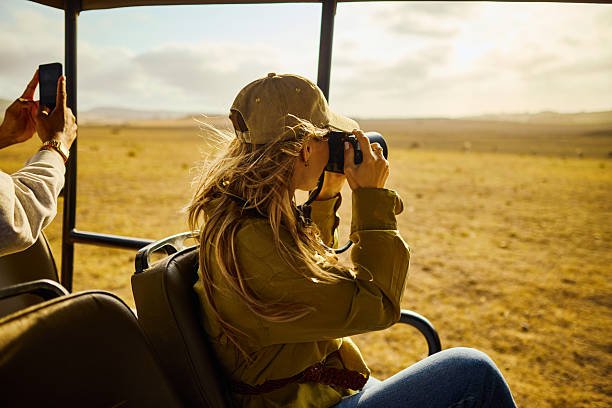
Things To Do In Shinyanga Tanzania 2026-2027
Things to Do in Shinyanga Tanzania is explained with current 2026-2027 planning, price, itinerary and booking information.
View package details
Things To Do In Tabora Tanzania: A Comprehensive Adventure Guide 2026-2027
Explore the rich history and cultural mix of Tabora, Tanzania. This guide covers historical sites, local markets, unique experiences, and how to plan your visit for 2026-2027.
View package details
Things To Do In Dodoma Tanzania: Your Complete Travel Guide 2026-2027
Explore Dodoma, Tanzania's capital city, with this comprehensive guide. Discover key attractions, cultural experiences, and practical travel tips for your 2026-2027 adventure.
View package detailsNo related package matches those filters. Clear one or more filters to see the other topic-matched options.



