
The Mara Region in Tanzania is renowned as a world-class safari destination, primarily because it encompasses the northern sector of the iconic Serengeti National Park and borders the Maasai Mara National Reserve in Kenya, making it a crucial part of the Great Wildebeest Migration route. This region offers unparalleled opportunities for wildlife viewing, particularly during the migration seasons of 2026 and 2027, with abundant predators, diverse birdlife, and dramatic landscapes, making it a must-visit for any serious wildlife enthusiast planning a Tanzania safari.
Understanding the Mara Region: A Wildlife Ecosystem Beyond Compare
The Mara Region of Tanzania is not merely a geographical area; it is a vital ecosystem that forms the cornerstone of many of Africa’s most celebrated wildlife spectacles. Situated in the northern part of the country, it borders Kenya to the north and is strategically positioned to capture the essence of the Great Wildebeest Migration. For travelers planning a safari in 2026 or 2027, understanding the Mara Region is key to crafting an unforgettable experience. It is a land of vast savannas, acacia-dotted plains, rocky kopjes, and winding rivers, all teeming with an astonishing density of wildlife.
The heart of the Mara Region’s fame lies in its direct connection to the Serengeti. The Serengeti National Park itself is a UNESCO World Heritage Site, and its northern and western reaches fall within the administrative boundaries of the Mara Region. This means that when you book a safari that focuses on the northern Serengeti, you are very likely exploring the Mara Region. Beyond the national park, the region also includes important game reserves and conservancies, such as the Maswa Game Reserve, which play a critical role in wildlife conservation and offer exclusive safari experiences.
The region’s geography is defined by the Serengeti Plains, which stretch across a vast area, creating a mosaic of habitats that support an incredible array of species. Rivers like the Mara River, which flows through both the Tanzanian and Kenyan sides of the ecosystem, are central to the drama of the migration, serving as natural barriers that wildebeest and zebras must cross, often with crocodiles and other predators lurking. Understanding these natural dynamics is crucial for timing your visit, especially if witnessing the river crossings is a priority for your 2026-2027 safari.
The Mara Region’s Crown Jewel: Serengeti National Park
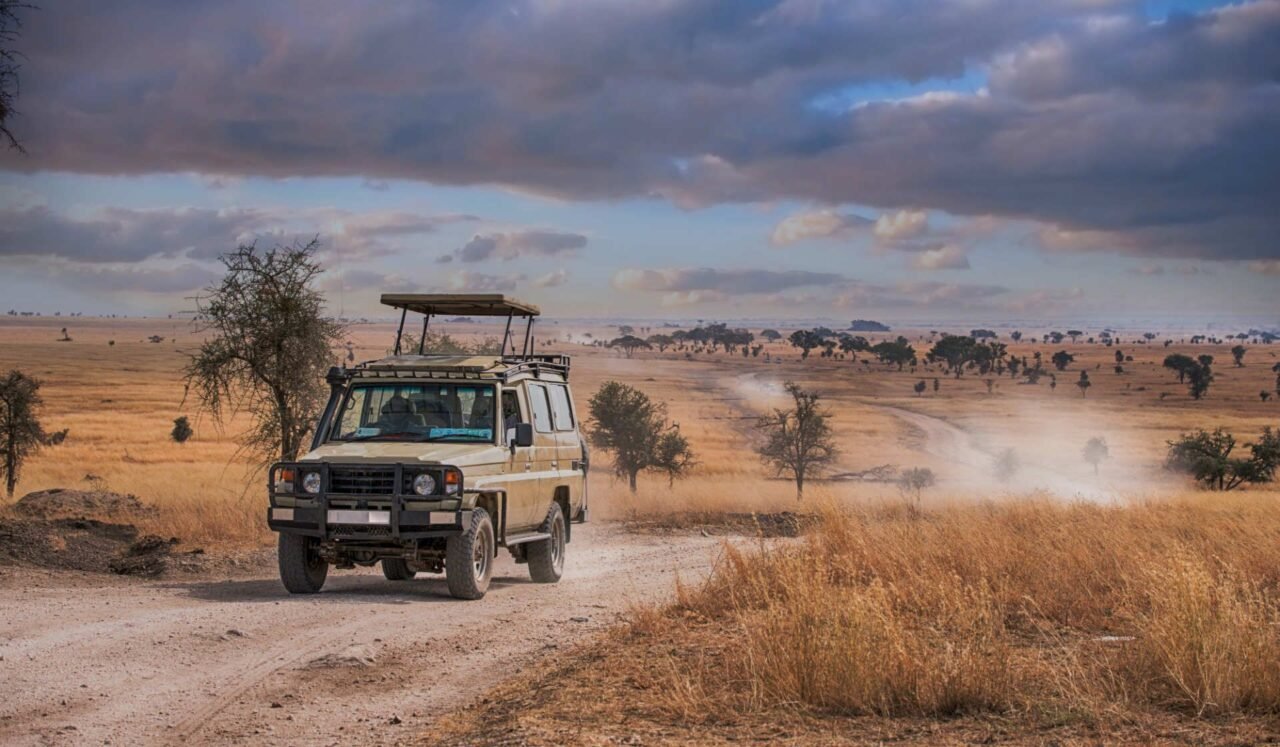
Serengeti National Park is the undisputed star of the Mara Region, a vast expanse of 14,750 square kilometers (5,700 sq mi) that forms the core of the Serengeti ecosystem. Its name, derived from the Maasai word ‘Siringet,’ meaning ‘endless plains,’ perfectly describes its sweeping landscapes. The northern section of the Serengeti, which is within the Mara Region, is particularly significant. This area is characterized by its acacia woodlands, riverine forests, and grasslands, providing diverse habitats that support an extraordinary concentration of wildlife throughout the year.
The Serengeti’s northern sector is renowned for its resident game populations, even outside of the migration periods. Large prides of lions, elusive leopards, cheetahs, and immense herds of elephants are common sights. The region is also a haven for buffalo, giraffes, zebras, various antelope species, and a rich variety of birdlife. For birdwatchers, the Mara Region’s Serengeti offers over 500 recorded species, from ostriches and secretary birds to colorful kingfishers and raptors.
When planning a safari for 2026 or 2027, it’s important to note that the Serengeti is divided into distinct areas, each offering unique experiences. The northern Serengeti, within the Mara Region, is especially famous for its dramatic Mara River crossings, which typically occur between July and October. However, the park’s resident wildlife ensures that any time of year provides exceptional game viewing opportunities. Top Guide Adventures specializes in tailoring Serengeti safaris to maximize your chances of seeing these magnificent animals, whether you are interested in the migration or the resident predators.
Wildlife Highlights in the Northern Serengeti (Mara Region)
- The Great Wildebeest Migration: The primary draw, with millions of wildebeest and zebras moving in search of greener pastures.
- Predator Populations: High densities of lions, cheetahs, leopards, hyenas, and wild dogs.
- Big Cats: Excellent chances of spotting lions, especially in prides, and leopards often found in riverine areas and acacia trees.
- Elephants and Buffalo: Large herds can be seen grazing on the plains and near water sources.
- Riverine Life: Hippos and crocodiles are abundant in the Mara and other rivers, particularly during migration crossings.
- Birdlife: Over 500 species, including raptors, waterbirds, and savanna dwellers.
Beyond the Serengeti: Maswa Game Reserve and Other Conservancies
While the Serengeti often dominates discussions about the Mara Region, the area also encompasses other crucial wildlife sanctuaries. Maswa Game Reserve, located in the southern part of the Mara Region, is a significant protected area that offers a different, often more exclusive, safari experience. Maswa serves as a vital buffer zone for the Serengeti and plays a crucial role in the migratory routes of wildebeest and zebras.
Maswa Game Reserve is known for its diverse landscapes, including woodlands, grasslands, and riverine areas, which support a rich variety of wildlife. Unlike the main Serengeti, Maswa often allows for more off-road driving and walking safaris (where permitted and guided), providing a more intimate connection with the wilderness. This makes it an attractive option for travelers seeking a less crowded and more personalized safari experience in 2026 or 2027.
The reserve is particularly good for spotting predators, including lions, leopards, and cheetahs, as well as elephants, giraffes, and a wide array of antelopes. Birdlife is also prolific. Maswa Game Reserve is often managed by private operators or in partnership with local communities, offering unique accommodation options ranging from luxury tented camps to more rustic lodges. Top Guide Adventures can help you select the ideal lodge within or near Maswa to suit your preferences and budget.
In addition to Maswa, the Mara Region is dotted with various community-run conservancies and private concessions. These areas are increasingly important for wildlife conservation and for providing visitors with alternative safari experiences. They often offer opportunities for night game drives and guided walks, activities that are restricted or prohibited in national parks. Engaging with these conservancies can also directly benefit local communities, adding a layer of responsible tourism to your trip.
Key Features of Maswa Game Reserve and Surrounding Conservancies:
- Exclusive Experience: Lower visitor numbers compared to the main Serengeti.
- Diverse Activities: Opportunities for walking safaris and night game drives (check specific regulations).
- Wildlife Abundance: Excellent resident game and crucial migratory corridors.
- Varied Habitats: Woodlands, open plains, and riverine forests.
- Community Involvement: Support for local conservation efforts and economies.
The Great Wildebeest Migration: Timing Your Mara Region Safari in 2026-2027
The Great Wildebeest Migration is one of the planet’s most extraordinary natural phenomena, and the Mara Region is at its very center. This perpetual movement of over 1.5 million wildebeest, zebras, and gazelles is driven by the search for fresh grazing lands and water. While the migration is a year-round event, its passage through the Mara Region, particularly the dramatic river crossings, is a spectacle that draws visitors from across the globe.
For those planning a safari in 2026 or 2027 with the specific goal of witnessing the Mara River crossings, the prime window is generally from July to October. During these months, the massive herds converge in the northern Serengeti, preparing to cross the Mara River into the Maasai Mara National Reserve in Kenya. These crossings are unpredictable and depend heavily on rainfall and the availability of grass, making them thrilling and often tense events to observe.
However, the Mara Region offers exceptional wildlife viewing at other times of the year as well. From November to May, the herds are typically found in the central and southern Serengeti, with calving season occurring around February. Even when the main herds have moved on, the northern Serengeti remains home to a substantial resident population of wildlife, including large prides of lions, cheetahs, leopards, and elephants. This means that a safari to the Mara Region is rewarding regardless of the specific timing.
When considering your 2026-2027 safari, Top Guide Adventures can provide expert advice on the best time to visit based on your interests. If river crossings are a must-see, we will focus your itinerary on the July-October period. If you prefer fewer crowds and a focus on resident predators and the calving season, other months might be more suitable. We understand the nuances of the migration’s movement and can help you plan accordingly.
Migration Overview by Season:
- December – March: Calving season in the southern Serengeti. Herds are concentrated in the Ndutu and Ngorongoro Conservation Area.
- April – May: The herds begin their northward trek, often moving towards the western corridor of the Serengeti.
- June – July: The migration moves into the western and northern Serengeti, preparing for river crossings.
- July – October: Prime time for Mara River crossings in the northern Serengeti (Mara Region). Herds are in the northern Serengeti and Maasai Mara.
- November: The migration begins its move southwards, often triggered by the first rains, heading back towards the southern plains.
Planning Your Mara Region Safari: Essential Considerations for 2026-2027
A safari to the Mara Region is a significant undertaking, and careful planning is essential to ensure a rewarding experience. Top Guide Adventures is dedicated to providing comprehensive support, guiding you through every step of the process. Here are key considerations for planning your 2026-2027 safari.
Choosing the Right Time to Visit
As detailed above, the best time depends on your priorities. For the iconic river crossings, aim for July to October. For excellent resident game viewing with fewer crowds, consider the shoulder seasons like November to March (excluding Christmas/New Year peak) or May to June. High season (June to October) offers the best migration viewing but also higher prices and more visitors. Low season (April to May) can mean rain and potential travel disruptions, but also lower costs and lush landscapes.
Safari Style and Accommodation
The Mara Region offers a range of safari styles:
- Lodge Safaris: Staying in permanent lodges or tented camps, offering comfort and amenities. Options range from rustic luxury to high-end lodges.
- Camping Safaris: For the more adventurous, public campsites within national parks or private campsites offer a closer-to-nature experience.
- Luxury Safaris: High-end lodges and camps with exclusive services, private guides, and gourmet dining.
- Budget Safaris: Utilizing public campsites or simpler tented camps, often with shared transport.
Top Guide Adventures offers tailor-made itineraries to suit all budgets and preferences. Whether you envision a luxurious escape or a more rustic adventure for your 2026-2027 trip, we can create the perfect plan.
Duration of Your Safari
A minimum of 3-4 days is recommended for the Serengeti, but to truly appreciate the Mara Region and its wildlife, a safari of 5-7 days is ideal. This allows for exploration of different areas within the Serengeti and potentially combining it with nearby attractions like the Ngorongoro Crater or Lake Manyara. For an extensive Northern Circuit experience that includes the Mara Region, 7-10 days is often preferred.
Packing Essentials
Pack light, neutral-colored clothing (khaki, beige, olive green). Essential items include:
- Lightweight long-sleeved shirts and trousers
- Warm fleece or jacket for cool mornings and evenings
- Comfortable walking shoes
- Sun hat, sunglasses, and high SPF sunscreen
- Insect repellent
- Binoculars
- Camera with extra batteries and memory cards
- Personal first-aid kit
- Adapter for charging electronics
Health and Safety
Consult your doctor about necessary vaccinations and malaria precautions well in advance of your 2026-2027 trip. It is advisable to drink bottled water and use insect repellent diligently. Safari vehicles are designed for safety, and your guide will provide instructions on wildlife viewing etiquette.
Itinerary Ideas for the Mara Region in 2026-2027
To help visualize your adventure, here are sample itinerary frameworks. These can be fully customized by Top Guide Adventures to match your interests, pace, and budget.
Sample Itinerary 1: Northern Serengeti Migration Focus (7 Days)
- Day 1: Arrive Kilimanjaro International Airport (JRO), transfer to Arusha.
- Day 2: Fly from Arusha to Kogatende Airstrip (Northern Serengeti). Game drive en route to lodge/camp.
- Day 3-5: Full days of game drives in the Northern Serengeti, focusing on the Mara River and migration hotspots. Search for river crossings (July-Oct).
- Day 6: Morning game drive, then fly from Kogatende to Arusha.
- Day 7: Departure from Arusha or transfer to Kilimanjaro International Airport (JRO).
This itinerary is ideal for maximizing chances of seeing the Great Migration river crossings in 2026 or 2027.
Sample Itinerary 2: Mara Region & Ngorongoro Crater Combination (8 Days)
- Day 1: Arrive JRO, transfer to Arusha.
- Day 2: Fly to Kogatende Airstrip (Northern Serengeti). Game drive to lodge/camp.
- Day 3-4: Explore the Northern Serengeti, focusing on resident wildlife and migration if present.
- Day 5: Morning game drive, fly from Kogatende to Manyara Airstrip. Transfer to lodge near Ngorongoro Conservation Area.
- Day 6: Full day game drive inside the Ngorongoro Crater.
- Day 7: Visit a Maasai village (optional), then transfer to Arusha.
- Day 8: Departure from Arusha or JRO.
This offers a blend of the vast plains of the Serengeti’s Mara Region with the unique caldera ecosystem of Ngorongoro.
Sample Itinerary 3: Mara Region & Maswa Game Reserve Explorer (9 Days)
- Day 1: Arrive JRO, transfer to Arusha.
- Day 2: Fly from Arusha to Kogatende Airstrip (Northern Serengeti). Game drive to lodge.
- Day 3-4: Game drives in the Northern Serengeti, seeking migration and predators.
- Day 5: Morning game drive, then transfer to a camp/lodge in or near Maswa Game Reserve.
- Day 6-7: Explore Maswa Game Reserve with game drives, potentially walking safaris or night drives (subject to availability and regulations).
- Day 8: Fly from a nearby airstrip back to Arusha.
- Day 9: Departure from Arusha or JRO.
This itinerary provides a deeper look at the Mara Region, combining the famous Serengeti with the more exclusive Maswa Game Reserve for a varied wildlife experience in 2026-2027.
Cost Considerations for a Mara Region Safari in 2026-2027
The cost of a safari in the Mara Region can vary significantly based on several factors. Understanding these elements will help you budget effectively for your 2026 or 2027 adventure.
Key Cost Determinants:
- Time of Year: High season (June-October) is generally more expensive due to higher demand, especially for migration viewing. Low season (April-May) offers lower rates.
- Accommodation Level: From public campsites to mid-range lodges and ultra-luxury tented camps, prices differ dramatically.
- Safari Duration: Longer safaris naturally incur higher costs.
- Transportation: Whether you opt for overland travel (4×4 safari vehicle) or internal flights (which are faster but more costly).
- Group Size: Private safaris are more expensive per person than group or shared safaris.
- Inclusions: Park fees, conservation fees, meals, activities (game drives, walking safaris), guide services, and transfers all contribute to the overall price.
Typical Price Ranges (Estimates for 2026-2027):
These are rough estimates per person, per day, and can fluctuate:
- Budget Safari (Camping): $200 – $350 per person per day. This typically includes park fees, basic camping equipment, meals, and a shared safari vehicle/guide.
- Mid-Range Safari (Lodges/Tented Camps): $400 – $700 per person per day. This includes park fees, comfortable accommodation, meals, and a private safari vehicle/guide.
- Luxury Safari (High-End Lodges/Camps): $800 – $1500+ per person per day. This offers premium accommodation, exclusive services, fine dining, and often private charter flights.
Park and Conservation Fees: These are substantial and mandatory. For Serengeti National Park, the fee is currently around $70-$80 per person per 24-hour period, plus a daily vehicle entrance fee and a conservation fee. Maswa Game Reserve fees will be separate. These fees are subject to change and are typically included in tour operator quotes.
Top Guide Adventures provides detailed, transparent quotes. We work with you to design a safari that fits your budget without compromising on the quality of the experience. For a personalized quote for your 2026-2027 Mara Region safari, please contact us directly.
Example Safari Inclusions (Typical for Mid-Range):
- Accommodation as per itinerary
- All park and conservation fees for Serengeti National Park and any other reserves
- Professional English-speaking guide
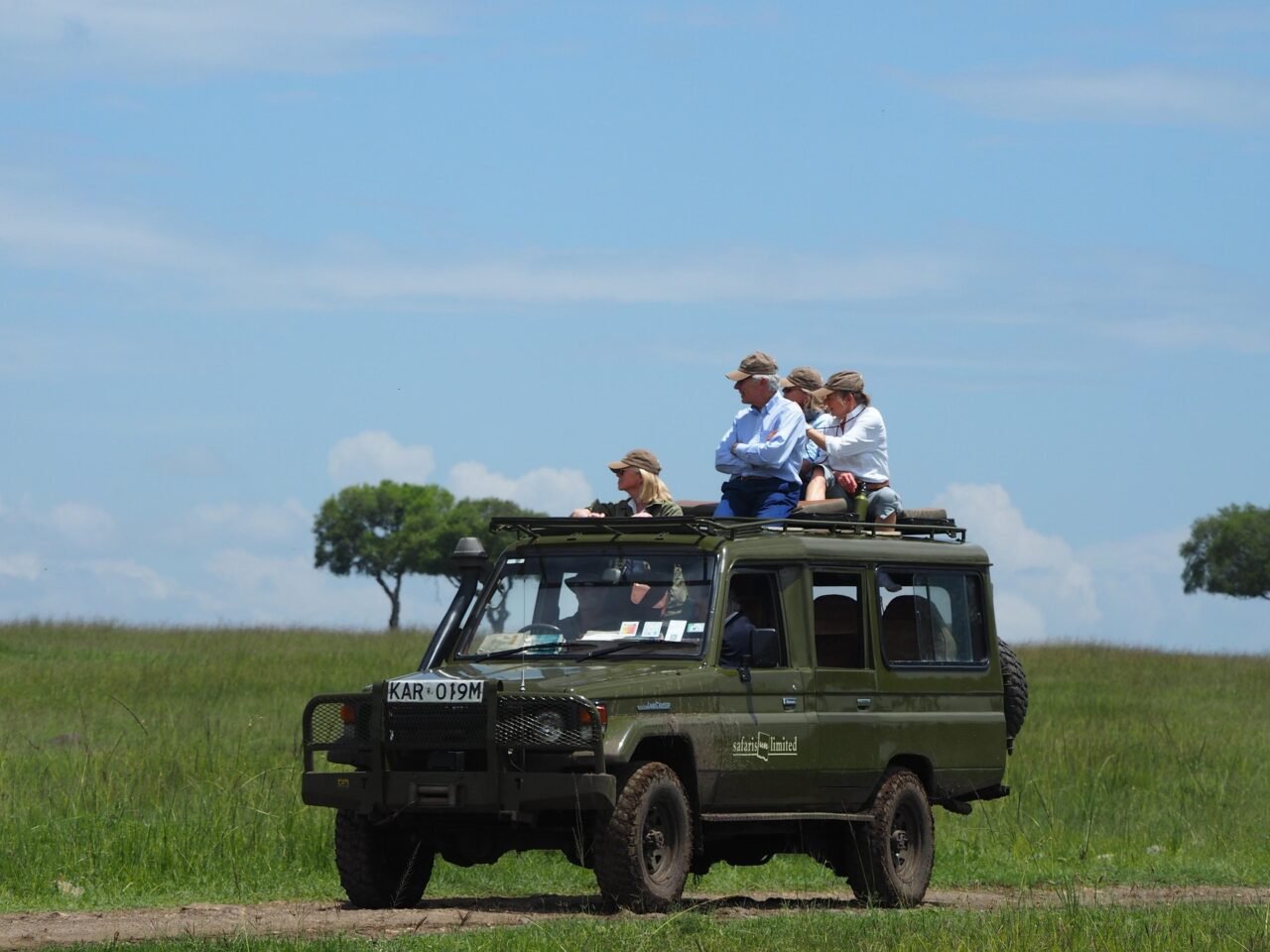
- 4×4 safari vehicle with pop-up roof for game viewing
- Meals (breakfast, lunch, dinner) as specified
- Bottled water during game drives
- Airport transfers
- Welfare contribution to local communities (often included)
Exclusions typically include: International flights, visa fees, travel insurance, tips for guides and staff, personal expenses, and alcoholic beverages.
Why Choose Top Guide Adventures for Your Mara Region Safari in 2026-2027?
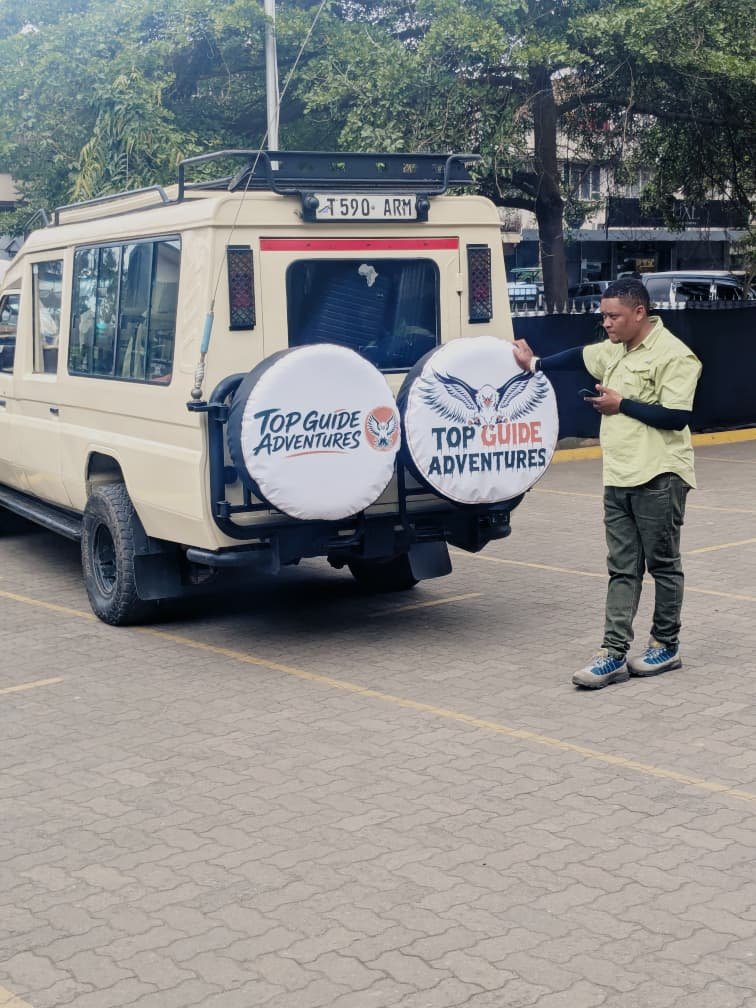
As one of Tanzania’s trusted tour companies, Top Guide Adventures is committed to providing exceptional safari experiences in the Mara Region and across the country. Our deep understanding of the local environment, wildlife, and logistics ensures that your trip is not only memorable but also runs smoothly and safely.
Our Commitment to You:
- Expert Local Knowledge: Our guides are highly experienced and passionate about Tanzania’s wildlife and culture. They know the best spots, the optimal times, and how to track animals effectively.
- Personalized Service: We believe in tailoring every safari to your specific interests, pace, and budget. From the moment you inquire until your return home, you receive dedicated support.
- Tailor-Made Itineraries: Whether you dream of witnessing the migration crossings, photographing elusive predators, or combining the Mara Region with other Tanzanian highlights, we craft unique journeys.
- Quality Accommodation and Vehicles: We partner with reputable lodges and camps and maintain our safari vehicles to the highest standards for your comfort and safety.
- Responsible Tourism: We are committed to sustainable practices that benefit wildlife conservation and local communities.
- smooth Planning: We handle all the logistics, including park permits, accommodation bookings, internal flights, and transfers, allowing you to focus on the adventure.
Planning your dream safari for 2026 or 2027 should be exciting, not stressful. Let Top Guide Adventures take care of the details. We organize everything from thrilling Serengeti and Ngorongoro tours to custom-designed journeys across Northern and Southern Tanzania, including unforgettable experiences in the Mara Region.
Ready to plan your ultimate Mara Region safari? Get in touch with our expert team today. You can reach us via WhatsApp at +255616946642, email us at topguideadventures@gmail.com, or use our backup email info@topguideadventurestanzania.com. Let’s create your unforgettable adventure in the heart of Tanzania’s wilderness for 2026-2027!
Check Availability for Mara Region: Your Ultimate Guide To Tanzanias Wildlife Haven In 2026-2027
Ready to compare dates, prices, and the best option for your group? Send the package name and travel month so the team can reply with a clear quote, availability, and what is included.
Mara River Crossing Safari In Serengeti: Witness The Great Migration 2026-2027
Witness the dramatic spectacle of the Great Migration's Mara River crossing in the Serengeti. This guide details the best times to see it in 2026-2027, what to expect, and how to plan your...
View package details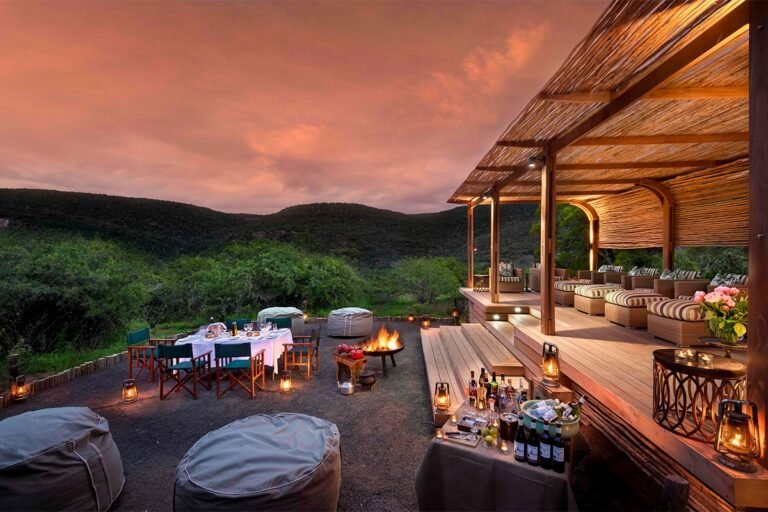
Simiyu Region 2026-2027
Simiyu Region is explained with current 2026-2027 planning, price, itinerary and booking information.
View package details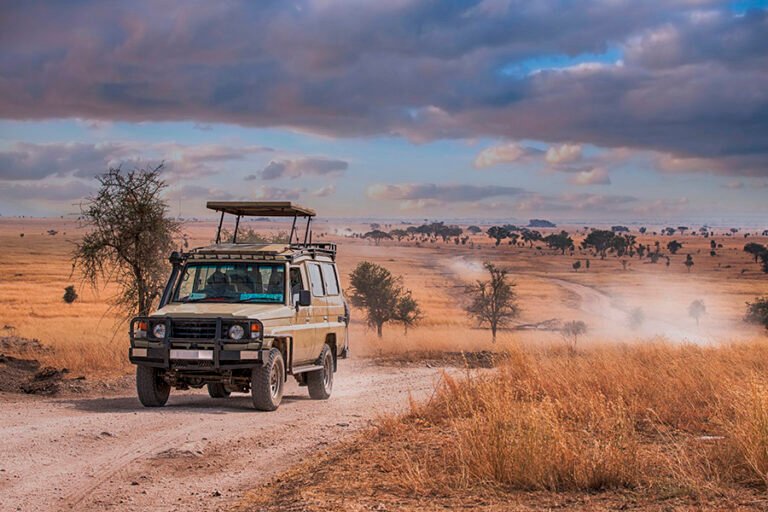
Arusha Region 2026-2027
Arusha Region is explained with current 2026-2027 planning, price, itinerary and booking information.
View package detailsTanzania Photography Safari 2026-2027
Tanzania Photography Safari is explained with current 2026-2027 planning, price, itinerary and booking information.
View package details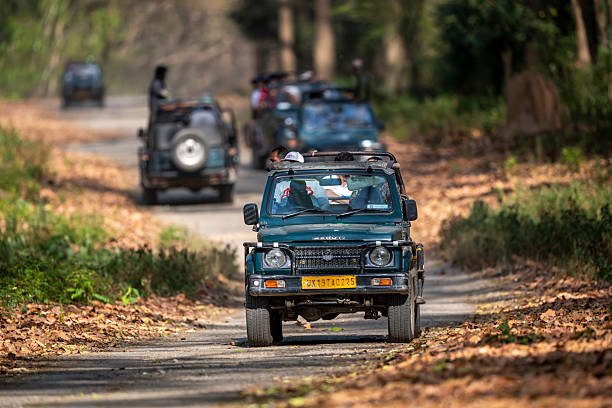
Serengeti Ngorongoro And Tarangire Safari 2026-2027
Serengeti Ngorongoro and Tarangire Safari is explained with current 2026-2027 planning, price, itinerary and booking information.
View package details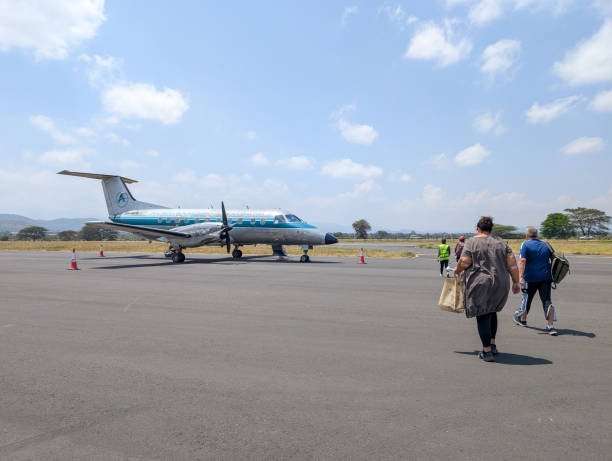
Southern Circuit Tanzania Safari: Your Ultimate Guide With Top Adventures
Explore the wild, less-traveled paths of Tanzania's Southern Circuit. This guide covers Ruaha, Nyerere National Park, and Mikumi, detailing experiences, wildlife, and planning for your...
View package details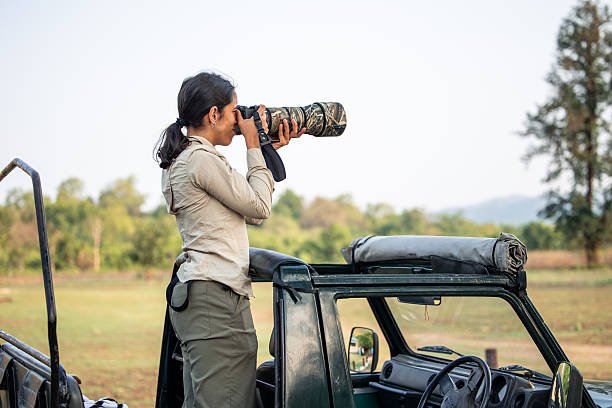
Tanzania Safari Cost And Prices : Your Ultimate Guide 2026-2027
Planning your dream Tanzania safari in 2026 or 2027? This comprehensive guide breaks down the safari costs, prices, and key factors influencing your budget, helping you plan the perfect...
View package details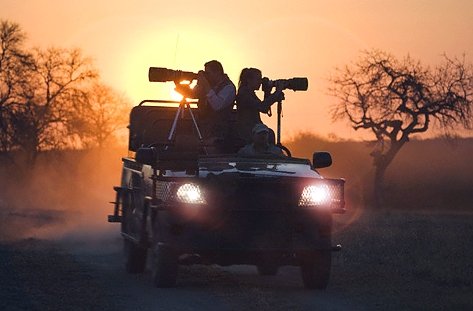
Tanzania Private Safari Tours: Your Ultimate Bespoke Adventure In 2026-2027
Discover the unparalleled freedom and personalized experience of a Tanzania private safari tour. Top Guide Adventures crafts bespoke journeys through iconic landscapes like the Serengeti...
View package details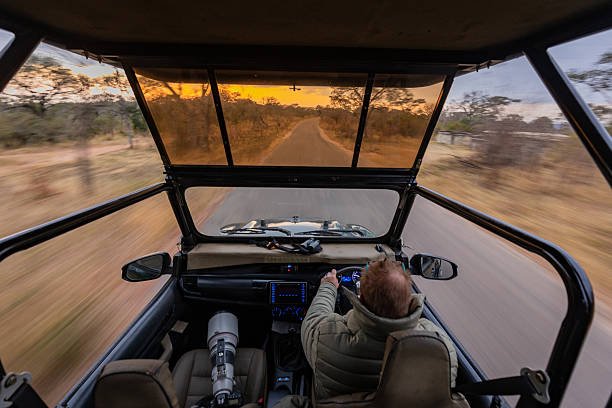
Tanzania Family Safari Packages 2026-2027
Tanzania Family Safari Packages is explained with current 2026-2027 planning, price, itinerary and booking information.
View package details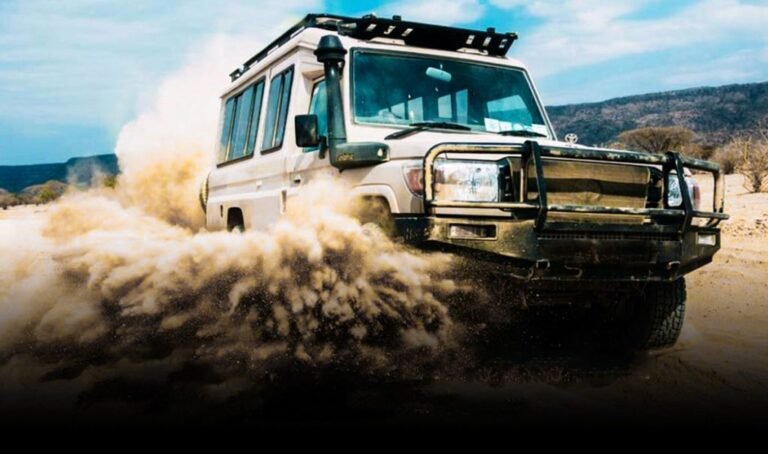
14 Day Tanzania Safari And Beach Holiday 2026-2027
14 Day Tanzania Safari and Beach Holiday is explained with current 2026-2027 planning, price, itinerary and booking information.
View package details
7 Day Tanzania Safari Itinerary: The Ultimate Wildlife Adventure In 2026-2027
Discover the perfect 7-day Tanzania safari itinerary, maximizing wildlife encounters in iconic parks like the Serengeti and Ngorongoro Crater. This guide provides a detailed plan, essential...
View package details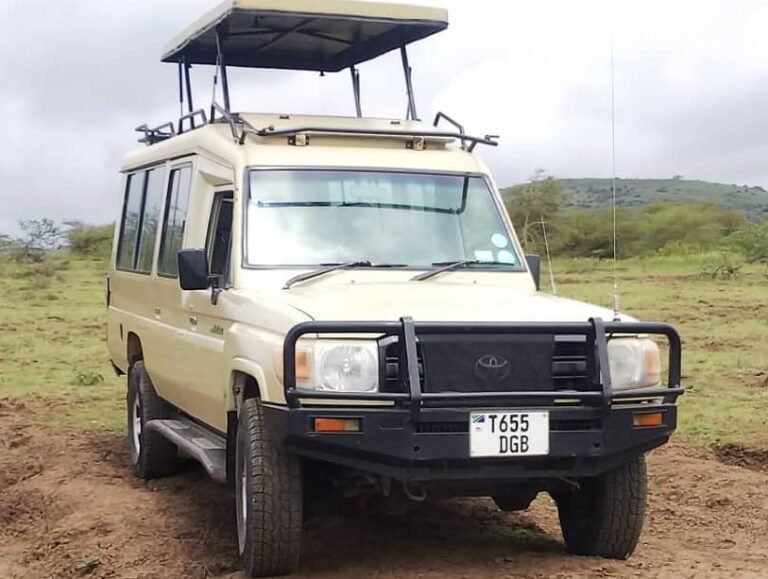
Kilimanjaro Safari And Zanzibar Package: The Ultimate Tanzania Adventure
Experience the pinnacle of Tanzania with a combined Kilimanjaro safari and Zanzibar package. This ultimate adventure blends the thrill of conquering Africa's highest peak with the wildlife...
View package detailsNo related package matches those filters. Clear one or more filters to see the other topic-matched options.



