
Traveling from South Africa to Botswana is most commonly achieved by flying into major hubs like Gaborone or Maun, or by driving across the border, typically via the Tlokweng Gate near Gaborone or the Kazungula Ferry further north. The choice depends on your budget, time, and desired level of adventure, with flights offering speed and convenience, while overland travel provides flexibility and a chance to see more of the landscape. For 2026-2027, expect similar travel methods, though booking well in advance is crucial, especially for peak safari seasons.
Understanding Your Travel Options: South Africa to Botswana
The journey from South Africa to Botswana is a well-trodden path for safari enthusiasts, adventurers, and those seeking to experience the diverse beauty of Southern Africa. While both nations share geographical proximity and cultural links, the practicalities of moving between them require careful planning. Whether you’re departing from Johannesburg, Cape Town, or another South African city, your destination in Botswana will largely dictate the best mode of transport. Botswana, renowned for its pristine wilderness, including the Okavango Delta, Chobe National Park, and the Kalahari Desert, offers unparalleled wildlife viewing opportunities. This guide will break down the most effective ways to make this cross-border trip, covering flights, road travel, and organized tours, with insights relevant for planning your 2026-2027 adventures.
Choosing Your Gateway: Major Entry Points into Botswana
Botswana has several key entry points, each serving different regions and travel styles. Understanding these gateways is fundamental to planning your trip from South Africa.
Sir Seretse Khama International Airport (Gaborone – GBE)
Located just north of the capital city, Gaborone, GBE is the primary international airport in Botswana. It’s the most frequent arrival point for those flying directly from South Africa, particularly from Johannesburg (JNB). Gaborone serves as a good starting point for exploring southern Botswana, including the Mokolodi Nature Reserve and the Lobatse area. From Gaborone, you can easily arrange onward travel via domestic flights, private transfers, or car rentals to other parts of the country.
Maun Airport (MUB)
Maun is the gateway to the iconic Okavango Delta and the Moremi Game Reserve. If your primary goal is to explore these world-famous wildlife destinations, flying directly into Maun from South Africa is often the most efficient option. Direct flights from Johannesburg to Maun are available and highly recommended to save significant travel time compared to overland routes. Maun itself is a bustling safari town with lodges, camps, and safari operators.
Kasane Airport (BBK)
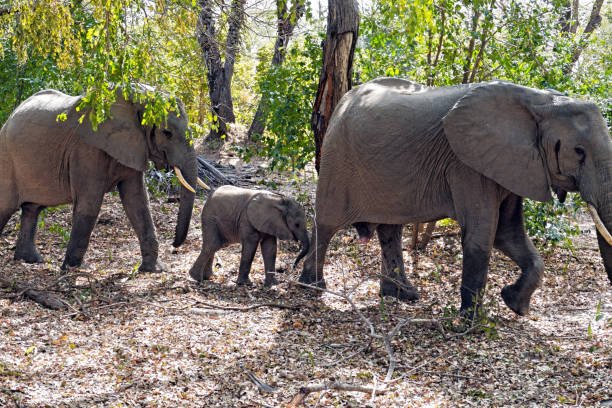
Kasane serves the Chobe National Park, famous for its large elephant herds and river safaris. While direct flights from South Africa to Kasane are less common than to Gaborone or Maun, it’s a crucial hub for those focusing on the Chobe region. Many travelers combine a visit to Victoria Falls (Zimbabwe/Zambia) with Chobe, and Kasane is conveniently located near the border crossings for these countries.
Land Border Crossings
Botswana shares a long border with South Africa, offering several land crossing points. The most common and convenient for travelers coming from Johannesburg or Pretoria is the Tlokweng Border Post, which leads directly into Gaborone. Further north, the Kazungula Ferry connects Botswana (near Kasane) with Zambia and is also a key crossing point for those coming from the Zimbabwean side via Victoria Falls.
Detailed Travel Methods: South Africa to Botswana
Let’s explore the practicalities of each travel method, considering time, cost, and experience.
1. Flying from South Africa to Botswana
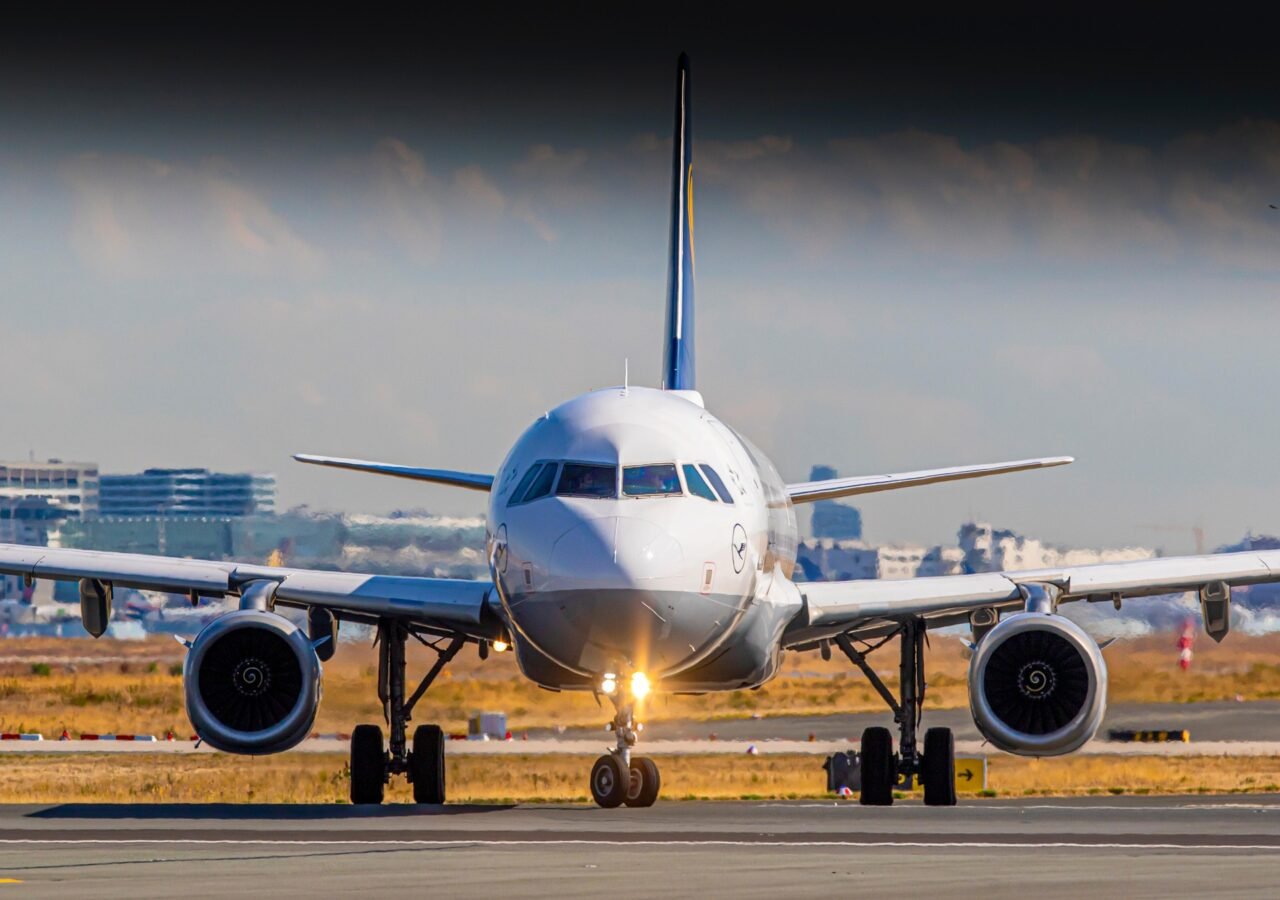
Flying is the quickest and often most convenient way to travel between South Africa and Botswana, especially if your time is limited or your destination is far from the border. Air Botswana is the national carrier, but several regional airlines also operate routes.
Direct Flights
Johannesburg (JNB) to Gaborone (GBE): This is the most frequent direct route. Airlines like Air Botswana and sometimes others offer daily or near-daily flights. The flight duration is typically around 1 hour and 15 minutes. This is an excellent option for those heading to southern Botswana or looking for a quick entry point.
Johannesburg (JNB) to Maun (MUB): Direct flights to Maun are also available and highly recommended for accessing the Okavango Delta and central Botswana. These flights are usually operated by Air Botswana or charter services. The flight time is approximately 1 hour and 45 minutes. For 2026-2027, booking these direct flights to Maun as early as possible is advisable, as they are popular and can fill up quickly, especially during peak safari seasons (June to October).
Johannesburg (JNB) to Kasane (BBK): While less frequent than flights to Gaborone or Maun, direct flights to Kasane may be offered seasonally or by charter operators. It’s worth checking schedules for your specific travel dates in 2026 or 2027. If direct flights aren’t available, connecting via Gaborone or even flying into Victoria Falls (Zimbabwe) and crossing the border by road is a common alternative.
Flights with Connections
If direct flights are not available or too expensive for your chosen route, you might need to connect through Johannesburg (if departing from another South African city like Cape Town or Durban) or potentially through other regional hubs. However, for most international travelers arriving in South Africa, Johannesburg’s OR Tambo International Airport (JNB) is the primary transit point for onward travel to Botswana.
Cost of Flights (Estimate for 2026-2027)
Flight prices can vary significantly based on the airline, time of booking, season, and demand. For a round trip from Johannesburg to Gaborone or Maun, expect to pay anywhere from $300 to $700 USD per person. Booking 3-6 months in advance is generally recommended for the best rates, especially for travel in 2026 and 2027 during the dry, peak safari season.
Pros of Flying:
- Speed: Significantly reduces travel time, especially for long distances.
- Convenience: Avoids border crossing queues and road conditions.
- Comfort: Generally more comfortable than long road journeys.
- Access: Direct access to key safari hubs like Maun and Kasane.
Cons of Flying:
- Cost: Usually the most expensive option.
- Luggage Restrictions: Especially on smaller aircraft for domestic Botswana flights, strict weight limits apply (often 15-20 kg in soft bags).
- Less Scenic: You miss the overland scenery and potential stops.
2. Driving from South Africa to Botswana
For the self-drive adventurer, crossing into Botswana by road offers immense flexibility and the chance to explore at your own pace. This is a popular choice for those already on a South African road trip or who wish to bring their own vehicle.
Popular Road Routes and Border Posts
Johannesburg/Pretoria to Gaborone: This is the most common driving route. Take the N4 highway towards the Botswana border. The Tlokweng Border Post is located about 20 km east of Gaborone. The drive from Johannesburg to the border post is approximately 4-5 hours, depending on traffic and road conditions.
From Gauteng to Francistown: For those heading towards the Okavango Delta or Chobe National Park via land, driving to Francistown is a viable option. This route often involves crossing at the Martin’s Drift Border Post (also known as Groblersbrug) and then heading north towards Francistown. The total driving time from Johannesburg can be around 7-9 hours, plus border crossing time.
From Limpopo Province to Northern Botswana: If you are in areas like Musina or the Kruger National Park’s southern parts, you might consider crossing further north. However, direct road access from these points into central or northern Botswana can be challenging and often requires longer detours or less-maintained roads. The most practical route for most is via Gauteng.
The Kazungula Ferry: This unique crossing connects Botswana (near Kasane) with Zambia. It’s a large car ferry that transports vehicles across the Zambezi River. While not directly connecting South Africa and Botswana, it’s a vital link for travelers coming from Zimbabwe (via Victoria Falls) into Botswana, or vice-versa. If driving from South Africa to Kasane, you would typically go via Francistown or potentially use the road network through Zimbabwe if that’s part of your itinerary.
Vehicle Requirements and Documentation
Vehicle Registration: You will need the original vehicle registration papers (or a certified copy from the bank if the vehicle is financed) and a letter of authority from the owner if you are not the registered owner. If the vehicle is hired, you need a cross-border letter from the rental company.
Temporary Import Permit (TIP): Most Southern African countries require a TIP for foreign-registered vehicles. This is usually obtained at the border post. Be prepared to pay a fee, often in USD or local currency.
Cross-Border Charges: Expect various fees at the border, including road tax, insurance, and potentially vehicle clearance fees. These can add up, so have some cash (USD or Pula) available.
International Driving Permit (IDP): While not always strictly enforced for South African registered vehicles driven by South African license holders, it’s highly recommended to have an IDP, especially if you plan to drive extensively or may encounter police checks. Ensure your South African license is valid.
Vehicle Condition: Ensure your vehicle is in excellent condition. Tyres should be robust, and carrying at least one spare tyre is essential. A basic toolkit, jumper cables, and potentially extra water and fuel containers are wise for remote areas.
Driving in Botswana
Road Conditions: Major routes like the A1 highway (connecting Ramatlabama, Lobamba, Gaborone, Mahalapye, Palapye, and Francistown) are generally well-maintained tar roads. However, venturing off these main routes, especially into national parks or more remote areas, can mean gravel or sandy tracks that require a 4×4 vehicle and experienced driving.
Wildlife: Be extremely cautious of wildlife on the roads, especially at dawn and dusk. Animals like cattle, goats, donkeys, and wild animals (kudus, impalas, elephants) can suddenly appear.
Fuel: Fuel stations are available in larger towns and along main routes. However, always keep your fuel tank topped up when you see a station, as distances between them can be significant in remote areas.
Safety: While Botswana is generally considered safe for travelers, it’s wise to avoid driving at night outside of major towns due to wildlife and potential road hazards. Lock your vehicle and keep valuables out of sight.
Cost of Driving
The cost of driving involves fuel, border fees, TIPs, insurance, and potentially car rental if you don’t use your own vehicle. For a round trip from Johannesburg to Gaborone and back, fuel might cost $100-$200 USD depending on your vehicle’s consumption. Border fees and permits could add another $50-$100 USD. Car rental in South Africa can range from $30-$100+ USD per day, depending on the vehicle type and rental company.
Pros of Driving:
- Flexibility: Complete control over your itinerary and pace.
- Cost-Effective: Can be cheaper than flying, especially for groups or longer stays.
- Exploration: Allows spontaneous stops and discovery of off-the-beaten-path locations.
- Luggage: No strict luggage weight limits compared to small aircraft.
Cons of Driving:
- Time-Consuming: Significantly longer travel times.
- Vehicle Wear and Tear: Potential for damage on rough roads.
- Logistical Hassle: Border crossings can be slow and involve paperwork.
- Driving Fatigue: Long hours behind the wheel can be tiring.
- Vehicle Requirements: May require a robust 4×4 for certain destinations.
3. Organized Tours and Packages
For many travelers, the easiest and most stress-free way to get from South Africa to Botswana is by joining a pre-arranged tour. These packages often include transportation, accommodation, activities, and sometimes even meals, simplifying logistics considerably.
Types of Tours
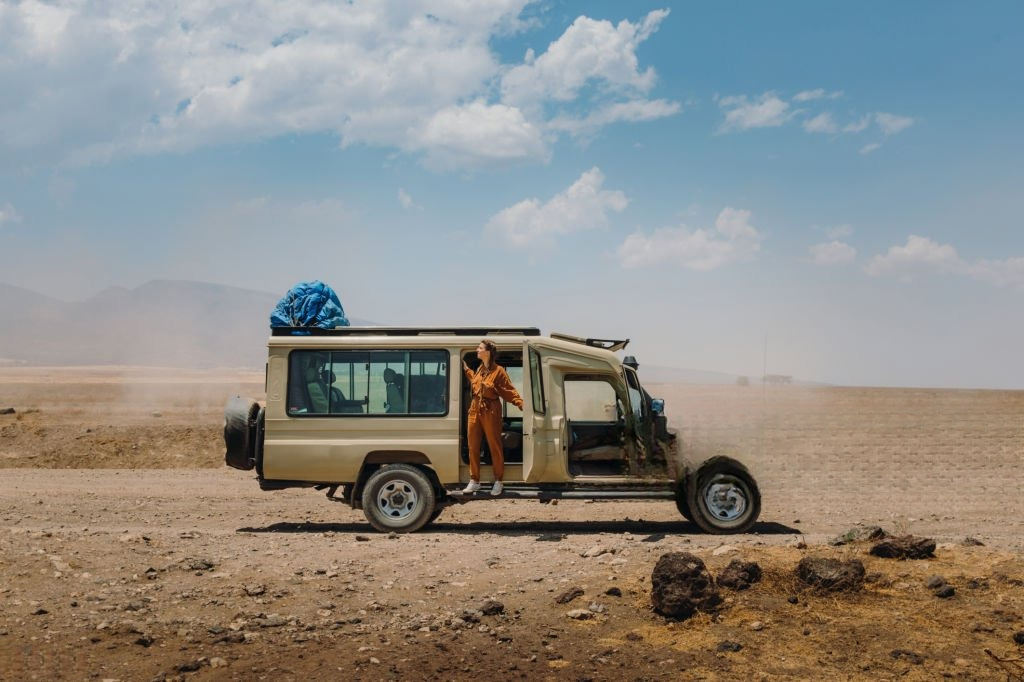
Scheduled Group Safaris: Many tour operators based in South Africa or Botswana offer scheduled departures for group safaris that start in South Africa (often Johannesburg) and include overland travel into Botswana. These tours vary in duration, comfort level (budget camping to luxury lodges), and focus (e.g., Okavango Delta, Chobe, Victoria Falls). This is a fantastic option for solo travelers or those looking to share costs and experiences.
Custom-Tailored Safaris: If you have specific interests or a group of your own, a tailor-made safari can be arranged. This involves working with a tour operator to design an itinerary that matches your preferences. They will handle all transport, accommodation, and activity bookings, often including the cross-border travel component.
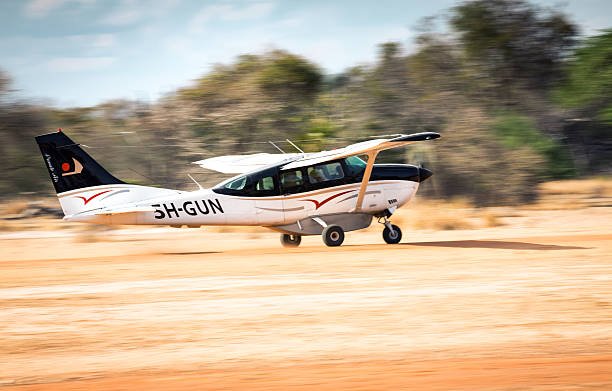
Fly-in Safaris: While not strictly a way to travel *from* South Africa *to* Botswana, fly-in safaris are a popular way to explore Botswana once you’ve arrived. You might fly from Johannesburg to Maun or Kasane and then take smaller charter flights between lodges. This is the most luxurious and time-efficient, but also the most expensive, option.
What’s Typically Included
Organized tours often cover:
- Transport: Usually a comfortable safari vehicle (minibus or 4×4) for overland travel, sometimes including internal flights.
- Accommodation: From camping to luxury lodges.
- Activities: Game drives, mokoro excursions, boat cruises, guided walks.
- Meals: Often full board or half board, depending on the tour level.
- Park Fees: Sometimes included, but always check the itinerary.
- Cross-Border Assistance: Guides usually assist with border formalities.
Finding Reputable Tour Operators
When booking a tour for 2026-2027, look for operators with:
- Experience: Years of operation in Southern Africa.
- Positive Reviews: Check platforms like TripAdvisor, Google Reviews, and dedicated safari forums.
- Clear Itineraries: Detailed day-by-day plans, including what’s included and excluded.
- Good Communication: Responsive customer service.
- Local Knowledge: Operators with strong ties and expertise in Botswana.
Top Guide Adventures, while primarily known for Tanzania, can assist with connections and advice for Botswana travel, leveraging our extensive network in East and Southern Africa. For direct Botswana-focused tours originating from South Africa, research specialists in that region. For example, operators offering combined Victoria Falls and Botswana packages are common.
Cost of Organized Tours
Prices vary enormously. Budget overland camping safaris might start from $150-$250 USD per day per person. Mid-range lodge-based safaris could be $300-$600 USD per day per person. Luxury fly-in safaris can easily exceed $1000 USD per day per person. A typical 7-10 day overland safari from South Africa to Botswana might cost between $1500 – $4000 USD per person for 2026-2027, depending on inclusions.
Pros of Organized Tours:
- Simplicity: All logistics handled by the operator.
- Expertise: Benefit from local knowledge and experienced guides.
- Safety: Travel in reliable vehicles with professional drivers/guides.
- Social: Great for meeting other travelers on group tours.
- Value: Can offer good value by bundling services.
Cons of Organized Tours:
- Less Flexibility: Fixed itineraries and schedules.
- Group Dynamics: You’re traveling with others, which may not suit everyone.
- Cost: Can be more expensive than self-driving if you’re in a larger group.
Planning Your 2026-2027 Trip: Key Considerations
Regardless of your chosen travel method, thorough planning is essential for a successful trip from South Africa to Botswana.
Best Time to Travel
Botswana’s climate is characterized by distinct wet and dry seasons, which significantly impact wildlife viewing and travel conditions.
- Dry Season (May to October): This is peak safari season. Temperatures are cooler, and water sources become scarce, concentrating wildlife around rivers and waterholes, making them easier to spot. Vegetation thins out. This is also the busiest and most expensive time to travel. For 2026-2027, expect high demand and higher prices during these months.
- Wet Season (November to April): This is the “green season.” Temperatures are higher, and rainfall is more common, though usually in the form of afternoon thunderstorms. Wildlife disperses as water is abundant. This is a great time for birdwatching and photography, with lush landscapes. It’s also the shoulder season (Nov-May, excluding holidays), offering lower prices and fewer crowds, making it an attractive option for budget-conscious travelers in 2026-2027. However, some areas might become inaccessible due to heavy rains.
Visa Requirements
South African citizens generally do not require a visa for short stays in Botswana for tourism purposes, as both countries are members of the Southern African Development Community (SADC). However, it’s always best to confirm the latest regulations with official sources before traveling. For citizens of other countries, visa requirements vary. Many nationalities can enter Botswana visa-free for up to 30 or 90 days. Always check the specific requirements for your nationality well in advance of your 2026-2027 trip.
Currency
The currency in Botswana is the Botswana Pula (BWP). South African Rand (ZAR) is sometimes accepted in border towns or larger establishments, but it’s not guaranteed, and the exchange rate may be unfavorable. ATMs are available in major towns like Gaborone, Francistown, Maun, and Kasane. Credit cards are accepted in most lodges, hotels, and larger shops, but carrying some cash is essential for smaller purchases, remote areas, and park fees.
Health and Vaccinations
Malaria: Botswana is a malaria-risk area, particularly in the northern regions like the Okavango Delta and Chobe. Consult your doctor or a travel clinic about anti-malarial medication well before your trip. Take precautions against mosquito bites (repellent, long sleeves/trousers at dusk and dawn).
Vaccinations: Routine vaccinations should be up to date. Your doctor might recommend vaccinations for Hepatitis A, Typhoid, and potentially others depending on your travel history and activities. Yellow Fever vaccination is typically required if you are arriving from a country with a risk of Yellow Fever transmission (though this usually doesn’t apply for direct travel from South Africa unless specific transit rules are in place).
Travel Insurance
Comprehensive travel insurance is non-negotiable. Ensure it covers:
- Medical emergencies and evacuation (including remote areas).
- Trip cancellation or interruption.
- Loss or theft of belongings.
- Activities like safari game drives and potentially light aircraft flights.
Packing Essentials
Pack light, breathable clothing in neutral colors (khaki, beige, olive green) for safaris. Essentials include:
- Lightweight long-sleeved shirts and trousers (for sun and mosquito protection).
- T-shirts and shorts.
- A warm fleece or jacket for cool mornings and evenings.
- Comfortable walking shoes and sandals.
- Sun hat, sunglasses, and high SPF sunscreen.
- Insect repellent (with DEET).
- Personal first-aid kit and any necessary medications.
- Binoculars for wildlife viewing.
- Camera with extra batteries and memory cards.
- Adapter for charging electronics (Botswana uses Type D and G plugs, 230V).
- Soft-sided duffel bags are often preferred for light aircraft transfers.
Comparing Travel Styles: Which is Right for You?
The decision between flying, driving, or taking a tour depends on your priorities.
When to Fly:
Best for: Time-constrained travelers, those prioritizing comfort, visitors heading directly to remote safari lodges (like in the Okavango Delta), and those who dislike long drives.
Ideal for: Luxury travelers, honeymooners, families with young children, business travelers.
When to Drive:
Best for: Budget-conscious travelers, groups, photographers wanting to stop frequently, adventurers seeking flexibility, those exploring multiple Southern African countries overland.
Ideal for: Backpackers, gap year students, self-sufficient explorers, road trip enthusiasts.
When to Book a Tour:
Best for: First-time visitors to Botswana, solo travelers, those who prefer guided experiences, travelers seeking a hassle-free vacation, those wanting to maximize wildlife sightings with expert guides.
Ideal for: Travelers seeking convenience, learning opportunities, and social interaction; those who want to ensure they see the best of Botswana without logistical worries.
Itinerary Ideas: From South Africa into Botswana
Here are a few sample itinerary concepts to illustrate how you might travel from South Africa to Botswana in 2026-2027.
Option 1: Quick Safari Escape (Fly-In Focus)
- Day 1: Fly from Johannesburg (JNB) to Maun (MUB). Transfer to your lodge near Maun or take a light aircraft transfer directly to your Okavango Delta camp.
- Days 2-4: Explore the Okavango Delta – mokoro excursions, guided walks, game drives (depending on camp location).
- Day 5:
Check Availability for How To Travel From South Africa To Botswana 2026-2027
Ready to compare dates, prices, and the best option for your group? Send the package name and travel month so the team can reply with a clear quote, availability, and what is included.
5 closely related packages
Best 1 Day Lake Manyara Safari From Moshi: Your Ultimate Wildlife Experience
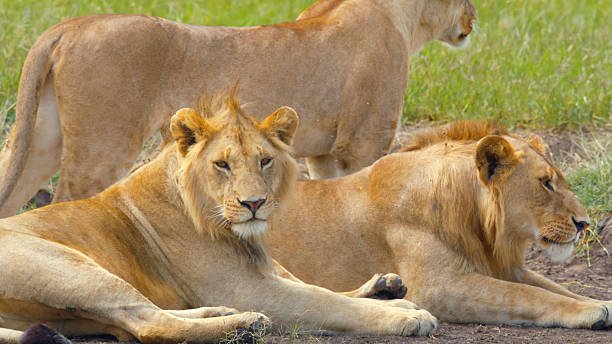
A 1-day Lake Manyara safari from Moshi offers an incredible opportunity to witness diverse wildlife, including iconic tree-climbing lions, in a single, action-packed day. This guided tour…
Book 1 Day Tarangire Safari From Moshi: Your Ultimate Wildlife Adventure
Discover the magic of a 1-day Tarangire Safari departing from Moshi. This guide covers everything you need to know for an unforgettable wildlife adventure in Tarangire National Park, from…
Best 4 Days Safari Tanzania From Zanzibar In 2026-2027
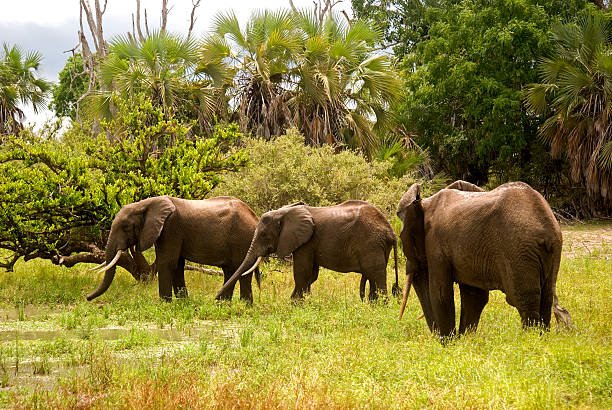
Discover the ultimate 4-day safari experience from Zanzibar. This guide covers the best itineraries, wildlife viewing opportunities in Tarangire, Lake Manyara, and Ngorongoro Crater for…
Best 3-Day Safari Tanzania From Zanzibar: Private Itinerary + Price 2026
Experience the thrill of a 3-day Tanzania safari departing from Zanzibar. This guide covers the best park options, itinerary ideas, and essential planning tips for 2026-2027, ensuring an…
2-Day Safari Tanzania From Zanzibar: Best Fly in Mainland 2026-2027
Discover the thrill of a 2-day safari in mainland Tanzania, starting from the idyllic island of Zanzibar. This short yet impactful adventure allows you to witness the incredible wildlife of…
No related package matches those filters. Clear one or more filters to see the other topic-matched options.



