
The cost of a Zimbabwe tour in 2026-2027 typically ranges from $2,000 to $7,000+ per person for a 7-14 day trip, depending on accommodation style, included activities, and private versus group tours. A common itinerary might include Victoria Falls, Hwange National Park, and potentially Mana Pools or Matobo National Park, offering a mix of adventure, wildlife viewing, and cultural experiences.
Understanding Zimbabwe Tour Costs for 2026-2027
When planning your dream trip to Zimbabwe, understanding the associated costs is paramount. The price of a Zimbabwe tour is not a one-size-fits-all figure; it’s a dynamic sum influenced by a variety of factors. For 2026 and 2027, travelers can expect a broad spectrum of pricing, generally falling between $2,000 and $7,000+ per person for a standard 7 to 14-day safari or combined cultural experience. This range reflects different travel styles, from comfortable mid-range lodges to luxurious tented camps and exclusive private concessions. The more ambitious or specialized your itinerary, the higher the cost will naturally be.
Several key components contribute to the overall Zimbabwe tour cost:
- Accommodation: This is often the most significant expense. Options range from budget-friendly guesthouses and campsites to mid-range lodges, luxury safari camps, and high-end exclusive-use properties. Prices can vary dramatically between these tiers.
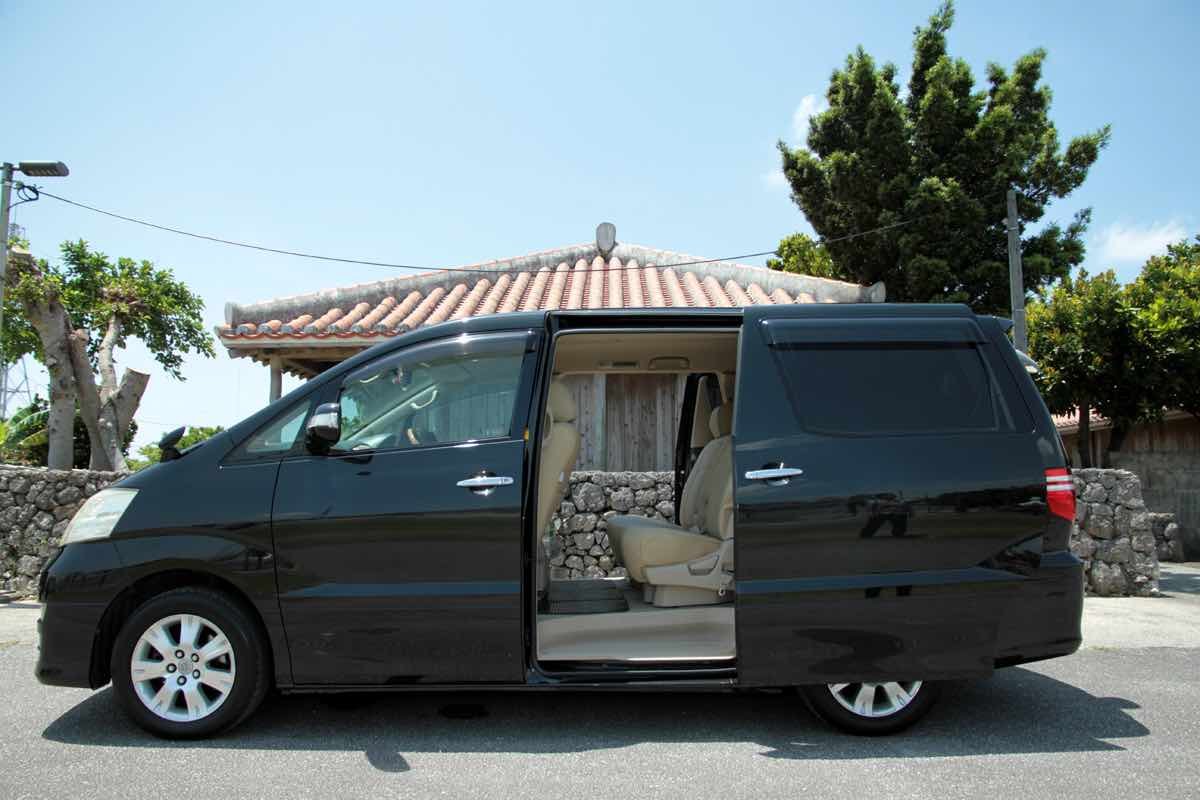
- Transportation: Travel within Zimbabwe can involve light aircraft transfers (fly-in safaris), private 4×4 safari vehicles with guides, and road transfers. Fly-in safaris are considerably more expensive but save significant time, especially for reaching remote areas.
- Activities: Standard safari activities like game drives are usually included in lodge rates. However, specialized activities such as helicopter flights over Victoria Falls, guided walking safaris, canoeing on the Zambezi, bungee jumping, or rhino tracking in Matobo may incur additional fees.
- Park Fees and Conservation Levies: National parks and game reserves charge entrance fees, which are typically incorporated into tour packages. These fees are vital for conservation efforts and park management.
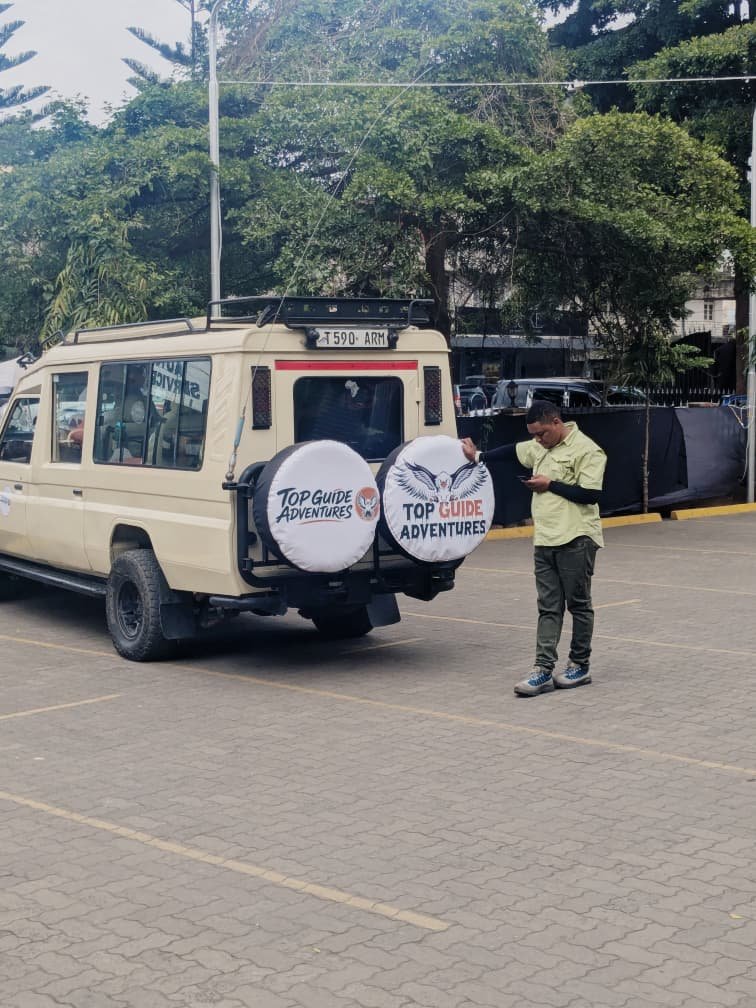
- Tour Operator Fees: Reputable tour operators like Top Guide Adventures charge for their expertise in planning, booking, logistics, and providing local support. This fee ensures a well-organized and smooth travel experience.
- Duration of the Tour: Naturally, longer trips with more destinations will cost more than shorter, single-destination excursions.
- Time of Year: Peak season (generally the dry season, May to October) often sees higher prices for accommodation and flights due to increased demand. The shoulder seasons and green season (wet season, November to April) can offer more competitive rates, though wildlife viewing patterns change.
- Group Size and Exclusivity: Private tours with dedicated guides and vehicles are more expensive per person than joining a shared group safari.
For 2026 and 2027, it’s wise to budget with some flexibility. Exchange rates can fluctuate, and park fees or lodge rates may see minor adjustments. Engaging with a trusted tour operator early in your planning process, even for a preliminary quote, can provide a more concrete understanding of costs for your specific travel dates and preferences.
Sample Cost Considerations for a 10-Day Zimbabwe Safari (2026-2027)
This is a general estimate and actual costs will vary based on specific choices.
| Category | Mid-Range Estimate (USD pp) | Luxury Estimate (USD pp) |
|---|---|---|
| Accommodation (9 nights) | $1,800 – $3,600 | $4,500 – $9,000+ |
| Internal Transport (mix of road/some light aircraft) | $500 – $1,200 | $1,500 – $3,000+ |
| Activities & Park Fees | $300 – $700 | $500 – $1,500+ |
| Tour Operator Service Fee | $400 – $800 | $700 – $1,500+ |
| Estimated Total (10 Days) | $3,000 – $6,300 | $7,200 – $15,000+ |
Note: International flights to Zimbabwe are not included in these estimates.
Crafting Your Ideal Zimbabwe Itinerary: Popular Routes and Durations
An effective Zimbabwe itinerary balances iconic sights with diverse experiences, ensuring you make the most of your travel time and budget. For 2026-2027, most visitors opt for trips ranging from 7 to 14 days, allowing for a comprehensive exploration of the country’s highlights. The starting point is typically Victoria Falls (VFA) or Harare (HRE), with Victoria Falls being the most common entry point for international tourists due to its accessibility and iconic status.
The Classic Zimbabwe Experience: Victoria Falls & Hwange (7-9 Days)
This is the most popular introductory itinerary, perfect for first-time visitors or those with limited time. It offers a powerful introduction to Zimbabwe’s natural wonders and wildlife.
Sample 7-Day Victoria Falls & Hwange Itinerary
- Day 1-3: Victoria Falls
- Arrival at Victoria Falls Airport (VFA), transfer to your chosen accommodation.
- Explore the magnificent Victoria Falls from various viewpoints on the Zimbabwean side.
- Optional activities: Sunset cruise on the Zambezi River, helicopter or microlight flight over the Falls, white-water rafting (seasonal), bungee jumping, or visiting the local craft markets.
- Day trip to the Livingstone side of the Falls (Zambia) for a different perspective, if desired.
- Day 4-7: Hwange National Park
- Transfer to Hwange National Park (approx. 2-3 hours drive).
- Check into your lodge or camp. Hwange is renowned for its large elephant herds, diverse birdlife, and predators.
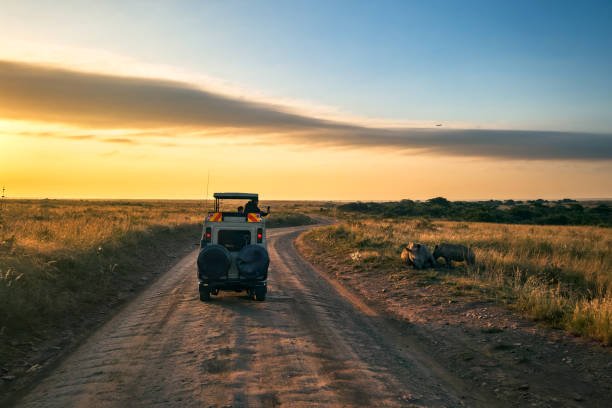
- Enjoy morning and afternoon game drives in open 4×4 vehicles, exploring waterholes and vast plains.
- Optional activities: Guided walking safaris for a more intimate wildlife encounter.
- Departure from Hwange (often a drive back to Victoria Falls for your flight out, or sometimes a small airstrip transfer).
Cost Factors for this Itinerary (2026-2027):
- Mid-Range: Expect costs around $2,000 – $3,500 per person. This includes comfortable 3-4 star lodges, shared game drives, standard activities, and road transfers.
- Luxury: Budget $4,000 – $7,000+ per person. This would cover 5-star lodges or exclusive camps, private game drives, premium activities, and potentially a scenic flight transfer.
The Comprehensive Zimbabwe Safari: Victoria Falls, Hwange & Mana Pools (10-14 Days)
For a deeper look at Zimbabwe’s wildlife and diverse landscapes, extending your trip to include Mana Pools National Park is highly recommended. This itinerary offers a more in-depth safari experience, especially for serious wildlife enthusiasts.
Sample 12-Day Victoria Falls, Hwange & Mana Pools Itinerary
- Day 1-3: Victoria Falls
- Arrive at VFA, settle in, and explore the Falls and surrounding activities as described above.
- Day 4-7: Hwange National Park
- Transfer to Hwange, enjoy game drives, and experience its unique ecosystem.
- Day 8-11: Mana Pools National Park
- Transfer to Mana Pools. This park is famous for its walking safaris, canoeing on the Zambezi River, and large concentrations of wildlife, particularly during the dry season when animals congregate at the river.
- Activities typically include game drives, guided walking safaris (often a highlight here, with experienced guides allowing close encounters with elephants, lions, and other wildlife), and canoeing expeditions.
- Day 12: Departure
- Transfer from Mana Pools to Harare (HRE) for your international flight, or back to Victoria Falls if flights are more convenient. This transfer can be via light aircraft or a long road journey.
Cost Factors for this Itinerary (2026-2027):
- Mid-Range: Approximately $3,500 – $5,500 per person. This includes good quality lodges, a mix of shared and possibly some private game viewing, standard activities, and road/scheduled light aircraft transfers.
- Luxury: Budget $6,500 – $12,000+ per person. Expect high-end lodges, private guiding, exclusive concessions (where available), all activities, and primarily light aircraft transfers for efficiency and experience.
The Adventurer’s Choice: Including Matobo National Park (10-14 Days)
For those interested in unique landscapes, San rock art, and a chance to track rhinos on foot, adding Matobo National Park near Bulawayo offers a different dimension to a Zimbabwe tour. This itinerary often starts or ends in Bulawayo.
Sample 10-Day Itinerary: Victoria Falls & Matobo National Park
- Day 1-4: Victoria Falls
- Arrive at VFA, explore the Falls and optional activities.
- Day 5-7: Matobo National Park
- Transfer to Matobo National Park (can be a longer drive or a flight to Bulawayo).
- Stay in a lodge within or near the park.
- Activities: Guided 4×4 tours to explore the granite kopjes, visit ancient San rock art sites, and search for black and white rhinos on guided walks (a signature experience). Visit Cecil Rhodes’ grave at World’s View.
- Day 8-10: Departure
- Transfer to Bulawayo (BUQ) for your flight out, or drive back to Victoria Falls.
Cost Factors for this Itinerary (2026-2027):
- Mid-Range: Around $2,800 – $4,500 per person. Includes comfortable accommodation, park fees, guided drives, and road transfers.
- Luxury: Budget $5,000 – $8,000+ per person. Features premium lodges, private guiding, and potentially a mix of road and flight transfers.
Key Factors Influencing Zimbabwe Tour Costs in 2026-2027
Beyond the general itinerary structure, several specific elements significantly impact the final price tag of your Zimbabwe tour. Understanding these nuances will help you make informed decisions and align your expectations with your budget for 2026 or 2027 travel.
Accommodation Tiers: Budget, Mid-Range, and Luxury
The choice of accommodation is arguably the biggest cost driver. Zimbabwe offers a spectrum:
- Budget/Camping: For the most economical trip, consider camping or staying in basic guesthouses outside national parks. Some lodges offer camping facilities. This is less common for international tourists seeking a full safari experience but is an option for backpackers or very cost-conscious travelers. Expect costs from $100-$200 per person per day, excluding activities and transport.
- Mid-Range: This tier typically includes comfortable 3-4 star lodges and tented camps with en-suite bathrooms, good amenities, and often all-inclusive meal and standard activity packages. These offer excellent value, balancing comfort with authentic safari experiences. Prices generally range from $300 – $600 per person per night.
- Luxury: High-end lodges and exclusive camps provide exceptional service, gourmet dining, private plunge pools, prime locations, and often private guiding and vehicles. These are for travelers seeking ultimate comfort and exclusivity. Expect costs from $700 – $1,500+ per person per night.
Transportation Choices: Road vs. Air
Getting around Zimbabwe can be done via:
- Road Transfers: Using private 4×4 safari vehicles with a guide or shared transfers is the most common and cost-effective method for shorter distances (e.g., Victoria Falls to Hwange). A private vehicle and guide for a day can cost $200-$400, while longer inter-park transfers will be more.
- Light Aircraft Transfers (Fly-in Safaris): For longer distances or to reach remote areas quickly (e.g., Hwange to Mana Pools, or Mana Pools to Harare), light aircraft transfers are used. These offer stunning aerial views but significantly increase costs. A typical flight sector might cost $300 – $600 per person. For itineraries involving multiple flight sectors, this can add $1,000 – $3,000+ per person to the total tour cost.
Private vs. Group Tours
Private Tours: You have a dedicated vehicle, guide, and flexible itinerary. This offers maximum personalization and comfort. For a 10-day trip, a private tour could add $500 – $1,500+ per person compared to a shared option, depending on the operator and inclusions.
Group Tours (Scheduled Departures): These are more budget-friendly as costs are shared among participants. Top Guide Adventures offers some shared departures, particularly for Kilimanjaro climbs, and can sometimes arrange shared safaris if there’s sufficient interest. This is ideal for solo travelers or couples looking to reduce costs.
Seasonality and its Impact on Zimbabwe Tour Costs
Zimbabwe experiences distinct seasons, each offering a different safari experience and affecting pricing for 2026-2027:
- Peak Season (Dry Season: May – October): This is the most popular time due to pleasant temperatures and predictable wildlife viewing as animals congregate around water sources. Lodges and flights are often at their highest prices.
- Shoulder Season (Green Season: November – April): This is the wet season. While some roads can become challenging, it’s a beautiful time with lush landscapes, migratory birds, and fewer crowds. Prices are generally lower, offering better value. It’s excellent for birdwatching and photography, and dramatic storm clouds can make for stunning backdrops.
Planning your Zimbabwe tour for 2026 or 2027 during the shoulder or green season can lead to considerable savings without significantly compromising the wildlife viewing experience, especially in areas like Hwange and Mana Pools.
Included Activities and Additional Expenses
Most reputable tour operators include core safari activities like game drives in their packages. However, consider these potential additional costs:
- Victoria Falls Activities: Helicopter flights (from $150-$300), bungee jumping ($150-$200), white-water rafting ($100-$150), and guided village tours can add up.
- Specialized Safaris: Horseback safaris, elephant-back safaris (less common now due to ethical concerns), or specific photographic tours might have extra charges.
- Tips and Gratuities: It’s customary to tip guides, lodge staff, and drivers. Budget around $10-$20 per guest per day for guides and $5-$10 per guest per day for lodge staff, distributed amongst them.
- Visas: Depending on your nationality, you may need a visa for Zimbabwe. Costs vary but are typically around $30-$50 for single entry. Many nationalities can get a Universal Visa for Zimbabwe and Zambia if visiting both.
- Travel Insurance: Essential for any international trip, covering medical emergencies, trip cancellations, and lost luggage. Factor in $100-$300 depending on coverage.
- Personal Expenses: Souvenirs, drinks not included in your package, laundry, and personal items.
Planning Your Zimbabwe Tour: Practical Advice for 2026-2027
A well-planned Zimbabwe tour ensures a smooth and memorable adventure. Here’s practical advice to guide your preparations for 2026 or 2027.
Best Time to Visit Zimbabwe
The best time for a Zimbabwe tour depends on your priorities:
- For prime wildlife viewing: The dry season (May to October) is ideal. Animals are easier to spot as they gather around limited water sources. This is also peak season, so expect higher prices and more travelers.
- For birdwatching and lush scenery: The green season (November to April) offers dramatic landscapes and abundant birdlife. It’s also the best time for photography due to the vibrant colours and potential for storm clouds. Prices are lower.
- For a balance: The shoulder months of April/May and October/November offer a good compromise with pleasant weather, decent wildlife viewing, and potentially fewer crowds and better rates than peak season.
Visa Requirements
Visa requirements for Zimbabwe vary by nationality. It’s crucial to check the latest regulations for your country well in advance of your 2026-2027 trip. Some nationalities can obtain visas on arrival, while others may need to apply in advance. The Universal Visa, valid for both Zimbabwe and Zambia, can be a convenient option if you plan to visit both sides of Victoria Falls.
Health and Vaccinations
Consult your doctor or a travel clinic at least 6-8 weeks before your trip regarding recommended vaccinations and malaria prophylaxis. Areas like Victoria Falls and Mana Pools are considered malaria-risk areas. While preventative medication is often advised, it’s important to also take precautions against mosquito bites (repellent, long sleeves, nets).
Packing Essentials for a Zimbabwe Tour
Packing smart is key for comfort and practicality:
- Clothing: Lightweight, neutral-colored clothing (khaki, beige, olive green) for game drives. Include long-sleeved shirts and trousers for sun and insect protection, especially in the evenings. A warm fleece or jacket is essential for cool mornings and evenings, particularly during the dry season.
- Footwear: Comfortable walking shoes or hiking boots for any walking safaris, plus sandals or flip-flops for relaxing at the lodge.
- Sun Protection: High SPF sunscreen, a wide-brimmed hat, and sunglasses are non-negotiable.
- Insect Repellent: A strong repellent containing DEET is highly recommended.
- Camera and Binoculars: Essential for capturing memories and spotting wildlife. Bring extra batteries and memory cards.
- First-Aid Kit: Include personal medications, antiseptic wipes, plasters, and pain relievers.
- Adapter: Zimbabwe uses Type D and G electrical sockets.
- Headlamp or Torch: Useful for navigating around camps at night.
Booking Your Zimbabwe Tour
When booking your Zimbabwe tour for 2026-2027, consider the following:
- Choose a Reputable Operator: Look for companies with strong local knowledge, positive reviews, and clear communication. Top Guide Adventures, while primarily known for Tanzania, can assist with Zimbabwe arrangements through trusted local partners, ensuring you receive the same level of personal attention and dedicated support.
- Book in Advance: Especially for peak season travel (May-October), booking 6-12 months ahead is advisable for the best lodge availability and flight options.
- Understand Inclusions: Carefully review what is included in your tour cost (accommodation, meals, activities, park fees, transfers) and what is not (international flights, visas, tips, personal expenses).
- Payment Terms: Most operators require a deposit to confirm bookings, with the balance due closer to the travel date. Understand their cancellation and refund policies.
Zimbabwe’s Top Destinations: Beyond the Itinerary
While Victoria Falls and Hwange are the cornerstones of most Zimbabwe tours, the country offers other incredible destinations that can be incorporated into a longer or more specialized itinerary for 2026-2027.
Mana Pools National Park: The Zambezi’s Wild Heart
Located in the northern Lower Zambezi Valley, Mana Pools is a UNESCO World Heritage Site famed for its stunningly wild and remote atmosphere. It’s one of Africa’s premier walking safari destinations, offering unparalleled opportunities to encounter elephants, hippos, lions, and wild dogs on foot, guided by expert rangers. Canoeing on the Zambezi River provides a unique perspective, gliding past pods of hippos and crocodiles. The park truly comes alive in the dry season (June-October) when wildlife congregates around the permanent pools and the Zambezi River.
Matobo National Park: Ancient Landscapes and Rhino Sanctuaries
South of Bulawayo, Matobo National Park is a landscape of dramatic granite kopjes, balancing rock formations, and ancient San rock art. It’s one of the best places in Africa to track both black and white rhinos on foot with experienced guides. The park also holds historical significance, being the burial site of Cecil Rhodes at Malindadzimu (World’s View). The unique geology provides fantastic viewpoints and opportunities for hiking and exploring.
Lake Kariba: The Great Inland Sea
This vast man-made lake, created by the Kariba Dam, is a popular destination for houseboating, fishing, and birdwatching. The surrounding game reserves, like Matusadona National Park, offer excellent game viewing, particularly for elephants and buffaloes that congregate near the lake shore. Houseboating trips provide a relaxed way to experience the lake’s beauty and wildlife, with opportunities for fishing and exploring small islands.
Harare and Surrounds: Culture and Highlands
While not a primary safari destination, Zimbabwe’s capital, Harare, offers a glimpse into urban Zimbabwean life, with art galleries, craft markets, and a vibrant culinary scene. The surrounding areas, like the Eastern Highlands (Nyanga, Vumba), offer cooler climates, rolling hills, waterfalls, and opportunities for hiking, trout fishing, and exploring colonial-era estates. These regions are often overlooked but provide a refreshing contrast to the dry savannas.
Making the Most of Your Zimbabwe Tour Cost
To ensure your Zimbabwe tour cost in 2026-2027 delivers maximum value and unforgettable experiences:
- Be Clear About Your Interests: Are you focused on birdwatching, photography, walking safaris, or simply seeing the Big Five? Tailoring your itinerary to your specific interests will enhance your trip and ensure you’re not paying for activities that don’t appeal to you.
- Travel During Shoulder or Green Seasons: As mentioned, this is the most effective way to reduce accommodation and sometimes flight costs without drastically compromising the safari experience.
- Consider a Mix of Lodges: Instead of staying in top-tier luxury for the entire trip, perhaps opt for a few nights in a luxury camp and then transition to a comfortable mid-range lodge for the remainder.
- Leverage Group Travel: If you’re a solo traveler or a couple on a tighter budget, inquire about scheduled group departures or look for operators who can help you connect with other like-minded travelers.
- Work with Experienced Operators: A good tour operator like Top Guide Adventures (working with Zimbabwe specialists) can often secure better rates on accommodation and transport than individuals booking directly, due to their established relationships and booking volumes. They can also advise on the best value-for-money options for your specific needs.
Planning a Zimbabwe tour for 2026 or 2027 is an exciting prospect. By understanding the cost factors, exploring itinerary options, and preparing thoroughly, you can create an adventure that perfectly matches your desires and budget. Whether you’re drawn to the thundering spray of Victoria Falls or the wild plains of Hwange, Zimbabwe promises an authentic and rewarding African experience.
For personalized assistance in crafting your 2026-2027 Zimbabwe adventure, including detailed costings and bespoke itinerary planning, please do not hesitate to contact us. We can help you navigate the options and build a trip that exceeds your expectations. Reach out via WhatsApp at +255616946642 or email us at info@topguideadventures.com. Let’s plan your unforgettable journey!
Check Availability for Zimbabwe Tour Cost And Itinerary: Planning Your Adventure 2026-2027
Ready to compare dates, prices, and the best option for your group? Send the package name and travel month so the team can reply with a clear quote, availability, and what is included.
Great Zimbabwe Heritage Tour: Your Definitive Guide For 2026-2027
Discover the wonders of Great Zimbabwe on a heritage tour. This comprehensive guide covers history, what to see, planning your visit for 2026-2027, and how Top Guide Adventures can craft...
View package details
Cameroon Travel Cost And Itinerary: Your Essential Guide 2026-2027
Discover the costs and plan your perfect itinerary for a trip to Cameroon, covering essential budgeting, travel styles, and must-see destinations for 2026-2027.
View package details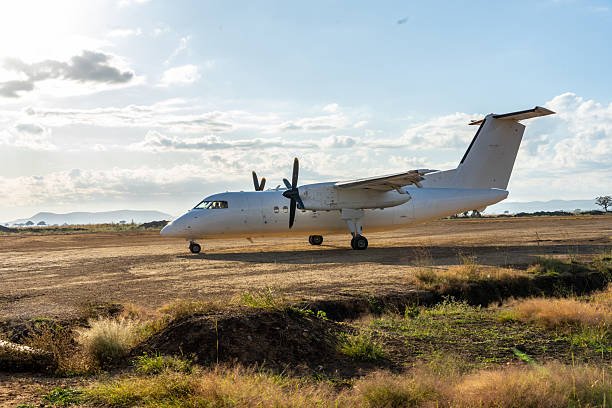
Djibouti Travel Cost And Itinerary 2026-2027
Djibouti Travel Cost and Itinerary is explained with current 2026-2027 planning, price, itinerary and booking information.
View package details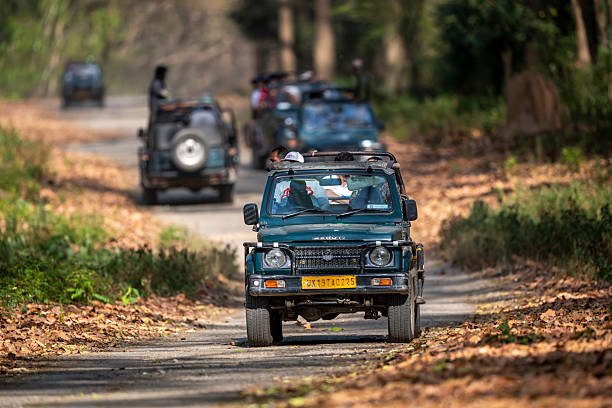
Ethiopia Travel Cost And Itinerary Guide: Planning Your Adventure 2026-2027
Your essential guide to understanding Ethiopia travel costs and crafting the perfect itinerary for 2026-2027. Get insights into budgeting, popular routes, and essential planning tips.
View package details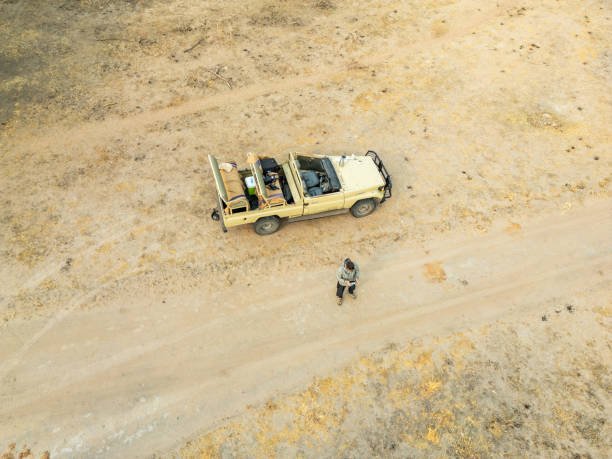
Lesotho Travel Cost And Itinerary For Adventures 2026-2027
Discover the magic of Lesotho with comprehensive insights into travel costs and sample itineraries tailored for 2026-2027. Plan your trip to the 'Kingdom in the Sky' with detailed...
View package details
Madagascar Travel Cost And Itinerary Guide | Top Adventures 2026-2027
Explore the unique costs and diverse itinerary possibilities for your 2026-2027 Madagascar adventure. From lemur encounters to Tsingy explorations, find your perfect trip.
View package detailsMozambique Travel Cost And Itinerary 2026-2027
Mozambique Travel Cost and Itinerary is explained with current 2026-2027 planning, price, itinerary and booking information.
View package details
São Tomé Travel Cost And Itinerary: Your Complete Guide 2026-2027
Discover the essential São Tomé travel cost information and a customizable itinerary for your 2026-2027 trip. This guide breaks down expenses, suggests activities, and helps you plan an...
View package details
Tunisia Holiday Cost And Itinerary Guide 2026-2027
Tunisia Holiday Cost and Itinerary Guide is explained with current 2026-2027 planning, price, itinerary and booking information.
View package details
20 Days Complete Tanzania Tour Package Price & Itinerary 2026-2027
Discover comprehensive details on 20 days complete Tanzania tour package prices for 2026-2027. This guide covers itinerary options, cost breakdowns, essential inclusions, and planning tips...
View package details5 Day Safari Tanzania: The Ultimate Itinerary & Expert Guide 2026-2027
Experience an unforgettable 5-day safari in Tanzania, perfectly crafted to showcase the country's most iconic wildlife and landscapes. This guide covers essential itineraries, what to...
View package details
5 Day Tanzania Safari: Your Ultimate Itinerary & Guide 2026-2027
Discover the magic of a 5 day Tanzania safari, perfectly crafted to showcase the country's most iconic wildlife destinations. This guide provides detailed itineraries, essential planning...
View package detailsNo closely related package is available for this topic yet.



