
A Zanzibar to Serengeti safari is a popular and highly recommended combination for travelers seeking both beach relaxation and world-class wildlife viewing in Tanzania. This journey typically involves flying from Zanzibar to a Serengeti airstrip, followed by a multi-day safari exploring the vast plains and its incredible animal populations, with options for Ngorongoro Crater and other northern circuit parks. Planning for 2026-2027 involves choosing safari durations, accommodation styles, and optimal travel times to witness specific wildlife events like the Great Migration.
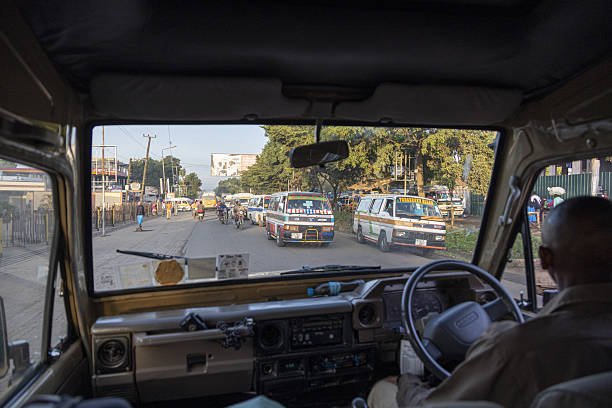
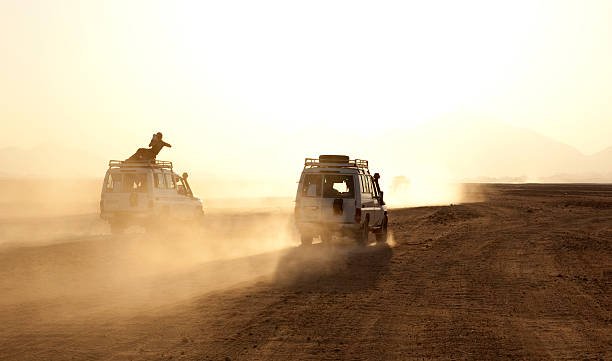
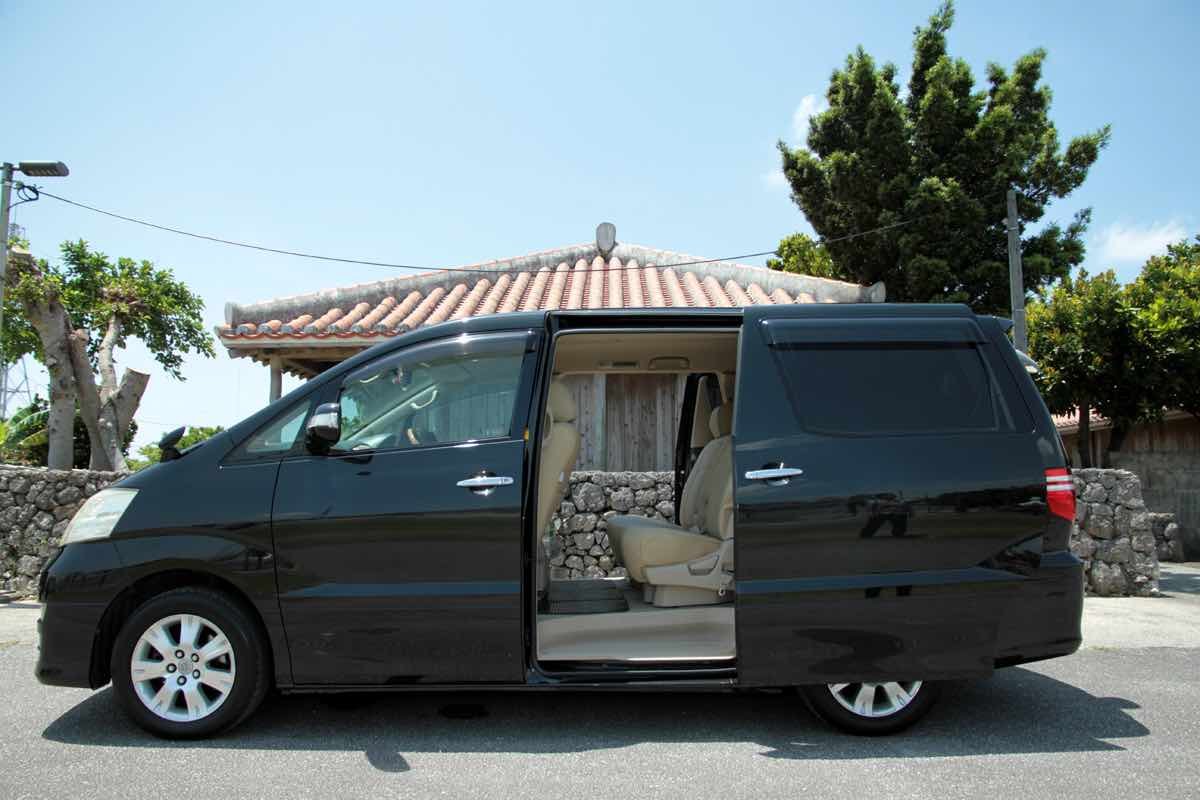
Why Combine Zanzibar and the Serengeti for Your Tanzania Safari?
Tanzania offers a dual experience unlike any other: the exotic, spice-scented shores of Zanzibar and the boundless savannas of the Serengeti, home to one of the planet’s most spectacular wildlife events. For many international travelers, these two iconic destinations represent the pinnacle of an African adventure. The contrast is striking – from the turquoise waters and historic Stone Town of Zanzibar to the golden grasslands teeming with iconic African wildlife. This synergy creates a comprehensive holiday that satisfies the desire for both relaxation and thrilling exploration. As you plan your trip for 2026 or 2027, understanding the logistics and unique appeal of this combination is key to crafting an unforgettable experience.
The Journey: From Island Breezes to Serengeti Plains
Transitioning from Zanzibar to the Serengeti is primarily accomplished via air travel, ensuring efficiency and maximizing your time in each destination. Direct flights are not typically available between the islands and the mainland parks; instead, you’ll connect through a mainland hub, most commonly Kilimanjaro International Airport (JRO) or Arusha Airport (ARK). From these hubs, a short bush flight will whisk you directly into the Serengeti National Park, landing at one of its many strategically located airstrips. This method of travel is not only convenient but also offers a impressive aerial perspective of Tanzania’s diverse landscapes as you approach the wildlife-rich plains.
Choosing Your Serengeti Entry Point: A Strategic Decision
The Serengeti is a vast park, and its suitability for your safari experience in 2026-2027 hinges on where you enter and which areas you focus on. The choice of airstrip often dictates the initial game viewing experience and proximity to specific attractions, such as the Great Migration herds. Common entry points include:
- Seronera Airstrip (SEU): Located in the central Serengeti, this is the most frequented airstrip. It offers excellent wildlife viewing year-round due to its permanent presence of predators and resident game. It’s a good starting point if you are not specifically chasing the migration but want consistent sightings.
- Kogatende Airstrip (KOG): Situated in the northern Serengeti, this airstrip is particularly popular during the migration season (roughly June to October) when the Grumeti and Mara Rivers are crossed. It provides direct access to the northern areas where large herds congregate.
- Ndutu Airstrip (NDT): Located in the Ngorongoro Conservation Area bordering the southern Serengeti, Ndutu is the gateway to the short-grass plains. This area is crucial from December to March for the calving season of the wildebeest migration and offers exceptional predator action.
- Grumeti Airstrip (GTF): In the western Serengeti, this airstrip is ideal for accessing the Grumeti River region, known for its large crocodiles and resident wildlife, especially during the migration’s passage through this corridor.
Your tour operator, like Top Guide Adventures, will help select the most appropriate airstrip based on the time of year you plan your Zanzibar to Serengeti safari and your specific wildlife interests for 2026-2027.
Flight Logistics: Zanzibar to Serengeti
The typical flight path for a Zanzibar to Serengeti safari involves:
- Zanzibar (ZNZ) to Arusha (ARK) or Kilimanjaro (JRO): This is usually a morning flight. You’ll depart from Zanzibar International Airport and land either at Arusha Airport (closer to town and safari departure points) or Kilimanjaro International Airport (the main international gateway).
- Transfer to a Safari Flight: Depending on the operator and schedule, you might have a short wait in Arusha or at a dedicated safari lounge before boarding your onward flight. If arriving at JRO, a transfer to ARK is necessary.
- Arusha (ARK) to Serengeti Airstrip: This is the scenic bush flight. These small aircraft offer incredible views and take you directly to your chosen Serengeti airstrip.
Important considerations for flights:
- Baggage Allowance: Light aircraft have strict weight limits, typically 15-20 kg (33-44 lbs) per person in soft-sided bags. Hard suitcases are generally not permitted.
- Flight Schedules: Flights are weather-dependent and can be subject to delays. Booking with a reputable operator ensures smooth coordination.
- Booking in Advance: Especially for peak seasons in 2026-2027, booking flights well in advance is crucial.
Crafting Your Zanzibar to Serengeti Itinerary: Durations and Styles
The ideal duration for a combined Zanzibar and Serengeti trip depends on your priorities and available time. A balanced itinerary typically allows for at least 3-4 days in Zanzibar and 4-7 days on safari in the Serengeti and surrounding parks. However, for a truly in-depth experience, longer stays are highly recommended.
Suggested Itinerary Structures for 2026-2027:
Sample 10-Day Zanzibar to Serengeti Explorer (Balanced Pace)
- Days 1-4: Zanzibar Relaxation. Arrive in Zanzibar, transfer to your beach resort (e.g., Nungwi, Kendwa, Paje). Enjoy swimming, snorkeling, spice tours, and exploring Stone Town.
- Day 5: Travel to Serengeti. Morning flight from Zanzibar to Arusha, then a bush flight into the Serengeti. Arrive for your first game drive en route to your lodge/camp.
- Days 6-8: Serengeti Safari. Full days of game drives exploring different regions of the Serengeti, focusing on predator sightings and iconic landscapes.
- Day 9: Ngorongoro Crater Visit. Drive to the Ngorongoro Conservation Area, descend into the crater for a spectacular game drive, and ascend to a lodge on the crater rim or nearby.
- Day 10: Departure. Morning game drive or transfer to Arusha/Kilimanjaro Airport for your onward international flight.
Sample 14-Day Ultimate Tanzania Combo (In-depth Exploration)
- Days 1-5: Zanzibar Cultural & Beach Bliss. Arrive in Zanzibar. Explore Stone Town’s history and culture, followed by relaxation and water activities at a beach destination.
- Day 6: Journey to the Serengeti. Flight from Zanzibar to Arusha, then a scenic bush flight into the Serengeti. Settle into your lodge/camp and begin your safari.
- Days 7-10: Deep Serengeti Immersion. Focus on specific regions of the Serengeti based on the migration’s location (e.g., North for river crossings, South for calving). Enjoy morning and afternoon game drives.
- Day 11: Ngorongoro Crater Experience. Drive to the Ngorongoro Conservation Area, descend for a full day of game viewing within the crater, renowned for its dense wildlife population.
- Day 12: Tarangire National Park. Travel to Tarangire, known for its large elephant herds and baobab trees. Enjoy a full day of game drives.
- Day 13: Arusha & Departure Prep. Morning drive back to Arusha. Option for souvenir shopping or relaxing before your international departure.
- Day 14: Departure. Transfer to Kilimanjaro International Airport (JRO) for your flight home.
Safari Travel Styles: Choosing Your Comfort Level
Your Zanzibar to Serengeti safari experience can be tailored to various budgets and preferences. Top Guide Adventures specializes in personalized itineraries, ensuring your comfort and satisfaction:
- Budget Camping Safaris: Stay in public campsites with basic amenities. This is the most affordable option, offering a rustic and adventurous experience. You sleep in tents and share communal facilities.
- Mid-Range Tented Camps: Enjoy comfortable canvas tents with proper beds, en-suite bathrooms (often with bucket showers), and a more refined dining experience. These camps offer a good balance of comfort and authenticity.
- Luxury Lodges and Tented Camps: Indulge in opulent accommodations with spacious rooms, private bathrooms, fine dining, swimming pools, and exceptional service. These lodges provide a pampered safari experience.
- Private Safaris: Have a dedicated safari vehicle and guide for your group, offering maximum flexibility in game drives and itinerary. This is ideal for families, couples, or groups seeking a personalized adventure.
- Group Safaris: Join a small group of like-minded travelers in a shared vehicle. This is a more economical option, allowing you to share costs while still enjoying expert guiding. Top Guide Adventures offers scheduled group departures for 2026-2027 on various routes.
The Serengeti: A Wildlife Spectacle Beyond Compare
The Serengeti National Park, a UNESCO World Heritage Site, is synonymous with African wildlife. Its name, derived from the Maasai word ‘Siringet,’ meaning ‘endless plains,’ perfectly captures its vastness. This is the stage for the Great Migration, an annual event where over 1.5 million wildebeest, zebras, and gazelles traverse the park in search of fresh grazing land, pursued by a formidable array of predators.
The Great Migration: Timing is Everything for 2026-2027
Witnessing the Great Migration is a highlight for many visiting the Serengeti. The exact timing can vary slightly year to year due to rainfall patterns, but the general cycle is as follows:
- December – March (Southern Serengeti/Ndutu): The migration herds are in the southern plains and Ngorongoro Conservation Area for the calving season. Millions of wildebeest give birth, and predator activity is exceptionally high. This is prime time for spotting lion prides, cheetahs, and hyenas with young.
- April – May (Western Serengeti): The herds begin to move north and west. This is the ‘long rains’ season, which can make travel more challenging, but offers fewer crowds and lush green landscapes.
- June – July (Western and Central Serengeti): The migration congregates in the western corridor and starts moving towards the northern boundary. The Grumeti River crossing can be a dramatic spectacle, though not as famous as the Mara River crossings.
- July – October (Northern Serengeti): This is the peak season for river crossings of the Mara River. Wildebeest and zebras brave the crocodile-infested waters in search of greener pastures in Kenya’s Masai Mara. This is arguably the most sought-after time for a Zanzibar to Serengeti safari.
- November (Central and Eastern Serengeti): The herds begin their journey south, often pushed by the ‘short rains,’ returning to the central and eastern plains.
For your 2026 or 2027 safari, consult with Top Guide Adventures to align your travel dates with the migration’s predicted movements for the best possible viewing opportunities.
Key Wildlife Beyond the Migration
While the Great Migration is a major draw, the Serengeti offers incredible wildlife viewing year-round. Expect to see:
- The Big Five: Lion, Leopard, Elephant, Buffalo, and Rhino (though rhinos are rare and primarily found in specific protected areas like the Ngorongoro Crater and a small population in the Serengeti).
- Predators: Cheetahs, hyenas, wild dogs, jackals, and various smaller cats.
- Plains Game: Giraffes, hippos, crocodiles, elands, gazelles, impalas, warthogs, and many other antelope species.
- Birdlife: Over 500 species of birds, making it a paradise for birdwatchers.
Integrating Ngorongoro Crater and Other Northern Circuit Parks
A comprehensive Zanzibar to Serengeti safari often includes visits to other world-renowned parks within Tanzania’s Northern Circuit. These parks offer diverse ecosystems and unique wildlife viewing experiences.
Ngorongoro Conservation Area: The Eighth Wonder of the World
The Ngorongoro Crater is a UNESCO World Heritage Site and a geological marvel. This massive volcanic caldera, approximately 19 kilometers (12 miles) wide, boasts an incredibly high density of wildlife within its 260 square kilometer (100 square mile) floor. It is one of the few places in Tanzania where you can reliably see the endangered black rhino. The crater’s unique ecosystem supports a remarkable concentration of predators, including lions, hyenas, and jackals, alongside large herds of wildebeest, zebras, buffalo, and elephants.
Key features of Ngorongoro Crater:
- High Wildlife Density: Excellent chances of spotting all the Big Five (except leopards, which are elusive) in a single day.
- Unique Habitat: A mix of grassland, swamps, forests, and a soda lake, supporting a diverse range of animals.
- Conservation Area: Unlike national parks, the Ngorongoro Conservation Area allows Maasai pastoralists to coexist with wildlife, offering a glimpse into traditional life.
- Crater Floor Limit: To protect the fragile ecosystem, visitor numbers and time spent on the crater floor are regulated.
Tarangire National Park: Land of Giants
Famous for its massive baobab trees and large elephant herds, Tarangire National Park is a fantastic addition to any Northern Circuit itinerary. During the dry season (roughly June to October), the Tarangire River becomes a vital water source, attracting hundreds of elephants and other animals seeking refuge. The park’s landscape is dotted with ancient baobabs, adding a prehistoric feel to the scenery.
Tarangire highlights:
- Elephant Herds: Often considered the best place in Tanzania to see large family groups of elephants.
- Birdlife: A haven for ornithologists, with over 550 bird species recorded.
- Predators: Lions are common, and the park is also known for tree-climbing pythons and leopards.
Lake Manyara National Park: Tree-Climbing Lions and Pink Flamingos
Lake Manyara offers a diverse range of habitats in a compact area, including groundwater forest, acacia woodlands, and the alkaline lake itself. It is best known for its elusive tree-climbing lions, a behavior not commonly seen elsewhere. The lake is also a magnet for thousands of flamingos during certain times of the year, creating a stunning pink spectacle.
Lake Manyara attractions:
- Tree-Climbing Lions: A unique phenomenon that adds to the park’s mystique.
- Flamingoes: The lake shores are often lined with vibrant pink flamingos.
- Baboon Troops: Large troops of baboons are a common sight.
- Diverse Scenery: From lush forests to open grasslands and the lake shore.
Practical Planning for Your 2026-2027 Zanzibar to Serengeti Safari
Successful planning is crucial for a smooth and enjoyable Zanzibar to Serengeti safari. Here are key aspects to consider:
Best Time to Travel for 2026-2027
The “best” time depends on what you want to see and experience:
- Dry Season (June to October): Generally considered the peak season for safaris. Pleasant temperatures, low humidity, and excellent game viewing as animals congregate around water sources. This is ideal for river crossings if timed correctly. However, it’s also the busiest and most expensive time.
- Green Season (November to May): Characterized by warmer temperatures and the ‘short rains’ (November-December) and ‘long rains’ (March-May). The landscape is lush and beautiful, crowds are smaller, and prices can be lower. Birdwatching is exceptional. The calving season of the migration in the south (Dec-Mar) is a major draw during this period.
For 2026-2027, consider booking your safari during the shoulder months (e.g., late May, early June, late October, early November) for a good balance of weather, wildlife, and fewer crowds.
Visa and Health Requirements
- Visas: Most nationalities require a visa for Tanzania. This can often be obtained online in advance (e-Visa) or upon arrival at the airport. Check the latest requirements well before your trip.
- Vaccinations: Consult your doctor or a travel clinic regarding recommended vaccinations, such as Yellow Fever (often required if arriving from or transiting through a Yellow Fever endemic country), Hepatitis A, Typhoid, and Tetanus.
- Malaria Prevention: Tanzania is a malaria-risk area. Antimalarial medication is strongly recommended. Use insect repellent and sleep under mosquito nets.
Packing Essentials for Your Safari
Pack light, breathable clothing in neutral colors (khaki, beige, green, brown). Avoid bright colors and dark blue/black, which can attract insects or be seen as a threat by animals.
Recommended Packing List:
- Lightweight, long-sleeved shirts and trousers (for sun and insect protection)
- T-shirts and shorts
- Fleece or warm jacket (evenings can be cool, especially in the crater)
- Comfortable walking shoes or hiking boots
- Sandals or flip-flops for camp/lodge
- Sun hat with a wide brim
- Sunglasses
- Sunscreen (high SPF)
- Insect repellent (with DEET)
- Personal toiletries
- Basic first-aid kit
- Camera with extra batteries and memory cards
- Binoculars (essential for wildlife viewing)
- Power adapter and portable charger
- Swimsuit (for Zanzibar and lodges with pools)
- Small backpack for day trips
- Headlamp or flashlight
- Copies of important documents (passport, visa, insurance)
What to Expect Regarding Costs for 2026-2027
The cost of a Zanzibar to Serengeti safari package varies significantly based on:
- Duration: Longer trips cost more.
- Accommodation Style: Luxury lodges are considerably more expensive than budget camping.
- Vehicle Type: Private 4×4 vehicles are standard for comfort and flexibility.
- Number of Parks Visited: More parks mean higher park fees.
- Time of Year: Peak season (June-October) is more expensive.
- Group Size: Private safaris are more costly per person than shared group tours.
As a general guideline for 2026-2027:
Estimated Safari Costs (Per Person, Per Day):
- Budget Camping: $200 – $300 USD
- Mid-Range Tented Camp: $350 – $550 USD
- Luxury Lodge: $600 – $1000+ USD
These estimates typically include park fees, accommodation, meals, a safari vehicle, and a guide. They do not usually include flights (international or internal), visas, tips, personal insurance, or drinks.
Zanzibar accommodation and activities are priced separately. A comfortable beach resort might range from $150 – $400+ USD per night, depending on location and amenities.
Top Guide Adventures provides detailed, personalized quotes based on your specific requirements for 2026-2027. Contact us for a tailored itinerary and transparent pricing.
Why Choose Top Guide Adventures for Your Zanzibar to Serengeti Safari?
Top Guide Adventures is committed to providing exceptional safari experiences. We pride ourselves on our deep knowledge of Tanzania’s parks, our dedication to personalized service, and our ability to craft unique journeys that exceed expectations.
Our Commitment to You:
- Expert Local Guides: Our guides are highly experienced, knowledgeable about wildlife behavior, and passionate about sharing Tanzania’s natural wonders.
- Tailor-Made Itineraries: We listen to your interests and budget to design a safari that perfectly suits you. Whether you dream of the Great Migration river crossings or elusive leopards, we craft it.
- Quality Accommodation: We partner with a range of carefully selected lodges and camps, from comfortable mid-range options to luxurious retreats, ensuring a restful stay.
- Sustainable Tourism: We are committed to responsible travel practices that benefit local communities and conserve wildlife.
- 24/7 Support: From the moment you inquire until you return home, our team provides dedicated support, ensuring a stress-free journey.
Hear from Our Happy Travelers
Our reputation is built on the satisfaction of our clients. Read reviews on platforms like TripAdvisor, where travelers consistently praise our attention to detail and unforgettable safari experiences. We are proud to be recognized as a trusted partner for Tanzanian adventures.
Planning Your 2026-2027 Trip: Next Steps
Booking your Zanzibar to Serengeti safari is an exciting process. To ensure you get the best availability and pricing for 2026 or 2027, it’s advisable to start planning and booking at least 6-12 months in advance, especially if you are traveling during peak season or have specific accommodation preferences.
Let Top Guide Adventures be your guide to the magic of Tanzania. Whether you envision yourself relaxing on Zanzibar’s pristine beaches or witnessing the drama of the Serengeti plains, we are here to make your dream safari a reality.
Contact us today to start planning your personalized Zanzibar to Serengeti adventure:
- WhatsApp: +255616946642
- Email: topguideadventures@gmail.com
- Backup Email: info@topguideadventurestanzania.com
- Visit our website: Top Guide Adventures Tanzania
We look forward to helping you create memories that last a lifetime!
“,
“faq_schema”: [
{
“question”: “What is the best way to travel from Zanzibar to the Serengeti?”,
“answer”: “The most efficient and recommended way to travel from Zanzibar to the Serengeti is by flying. This typically involves a flight from Zanzibar (ZNZ) to Arusha (ARK) or Kilimanjaro International Airport (JRO), followed by a connecting bush flight directly into one of the Serengeti’s airstrips. This minimizes travel time and offers scenic aerial views.”
},
{
“question”: “How long should my Zanzibar to Serengeti safari be?”,
“answer”: “A balanced itinerary usually suggests at least 3-4 days in Zanzibar and 4-7 days for the Serengeti safari, often including other parks like Ngorongoro. For a more in-depth experience, especially to track the Great Migration, 10-14 days is ideal, allowing for more time in each location and a deeper exploration.”
},
{
“question”: “When is the best time to see the Great Migration on a Zanzibar to Serengeti safari in 2026-2027?”,
“answer”: “The Great Migration’s location varies throughout the year. For the dramatic river crossings, July to October in the Northern Serengeti is best. For the calving season and abundant predator action, December to March in the Southern Serengeti/Ndutu area is ideal. Consult with Top Guide Adventures for the most current predictions for your 2026-2027 travel dates.”
},
{
“question”: “What are the typical costs for a Zanzibar to Serengeti safari?”,
“answer”: “Costs vary significantly based on accommodation style (budget camping, mid-range, luxury), safari duration, and private versus group tours. As a rough estimate for 2026-2027, expect daily safari costs per person to range from $200-$300 for budget camping, $350-$550 for mid-range, and $600-$1000+ for luxury lodges. Flights, visas, and tips are usually additional.”
},
{
“question”: “What should I pack for a Zanzibar to Serengeti safari?”,
“answer”: “Pack light, breathable clothing in neutral colors (khaki, beige). Essentials include long-sleeved shirts, trousers, T-shirts, shorts, a fleece or warm jacket for cooler evenings, comfortable walking shoes, a wide-brimmed hat, sunglasses, sunscreen, insect repellent, binoculars, and a camera. Remember soft-sided luggage due to light aircraft restrictions.”
},
{
“question”: “Do I need a visa for Tanzania?”,
“answer”: “Yes, most nationalities require a visa for Tanzania. You can often obtain an e-Visa online in advance or get one upon arrival at the airport. It’s advisable to check the latest visa requirements for your specific nationality well before your trip.”
}
]
}
Check Availability for Zanzibar To Serengeti Safari 2026-2027
Ready to compare dates, prices, and the best option for your group? Send the package name and travel month so the team can reply with a clear quote, availability, and what is included.
Tanzania Attraction Entry Fees: Guide To Park And Reserve Costs For 2026-2027
Planning a trip to Tanzania? This comprehensive guide details the essential Tanzania attraction entry fees for 2026-2027, covering national parks, conservation areas, and cultural sites...
View package details
Safari Blue Boat Trip Cost: What To Expect In Zanzibar In 2026-2027
Planning a Safari Blue boat trip in Zanzibar? This guide breaks down the expected costs for 2026-2027, detailing what influences pricing, what's typically included, and how to secure the...
View package details
Safari Blue Zanzibar Prices: Full Cost Breakdown For 2026-2027
Discover the pricing for Safari Blue in Zanzibar for 2026 and 2027. This comprehensive guide breaks down costs, inclusions, and booking considerations for this popular marine excursion.
View package details
Safari Blue Tour Cost In Zanzibar: What To Expect For 2026-2027
Planning your Zanzibar adventure? This guide breaks down the Safari Blue tour cost for 2026-2027, detailing what influences the price and what you can expect to include in your...
View package details
Safari Blue Zanzibar: Your Ultimate Guide To The Iconic Ocean Adventure
Discover the magic of Safari Blue Zanzibar, a quintessential island excursion. This comprehensive guide covers everything from what to expect on your dhow trip and snorkeling spots to...
View package details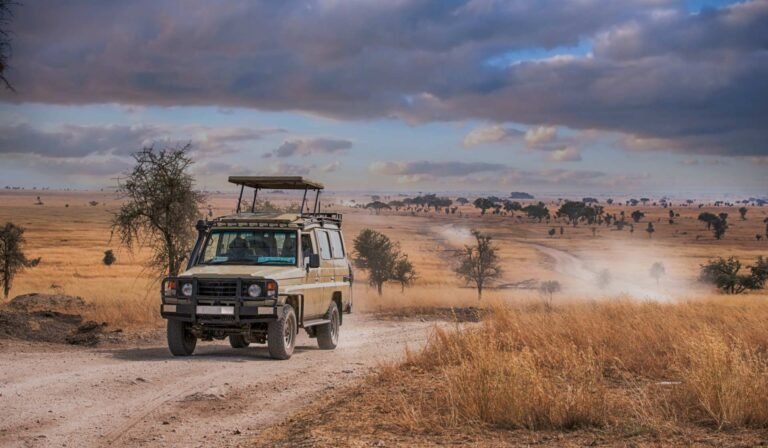
Tanzania Tour Package Prices: Your Guide To Safari & Kilimanjaro Costs
Understand Tanzania tour package prices for 2026-2027. This guide covers safari costs, Kilimanjaro climb pricing, Zanzibar holidays, and factors influencing your budget, offering clear...
View package details
Serengeti Luxury Safari Cost Vs. Budget Safaris: Your Comparison Guide
This guide breaks down the cost differences between luxury and budget safaris in the Serengeti for 2026-2027. Understand what you get for your money, from accommodation and transport to...
View package details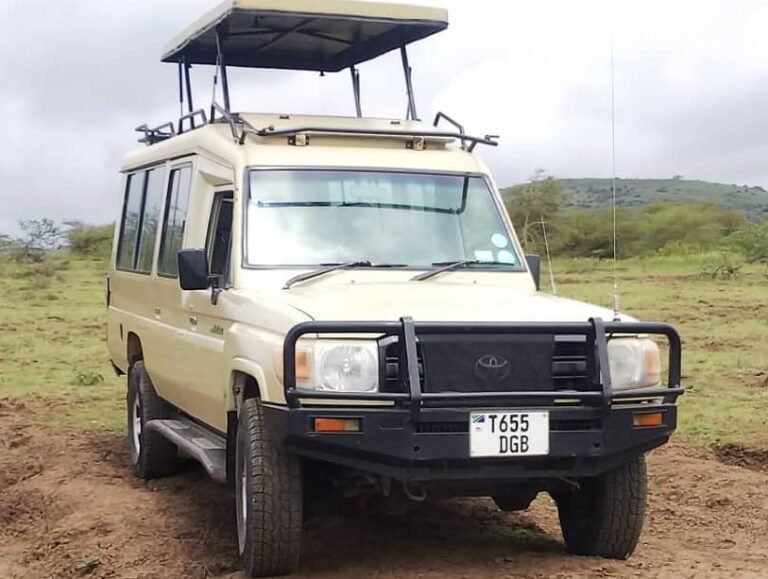
Serengeti National Park Game Drive Prices Explained For Adventures 2026-2027
Planning a Serengeti safari in 2026 or 2027? This guide breaks down Serengeti National Park game drive prices, explaining all the factors that influence your safari cost. Discover what's...
View package details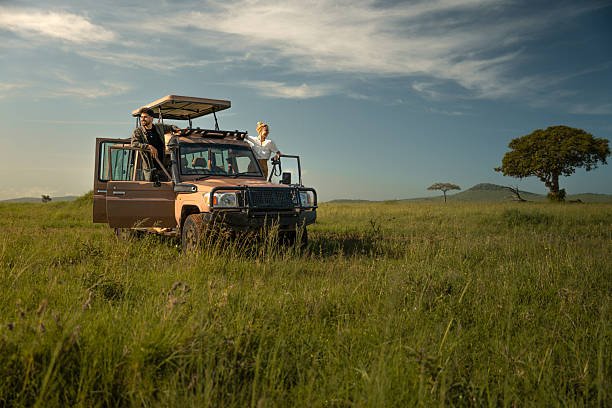
Tanzania Budget Safari Prices: Your Guide To Affordable Adventures 2026-2027
Planning a budget safari in Tanzania for 2026 or 2027? Understand the typical price ranges, what influences costs, and how to get the most value for your money. This guide breaks down the...
View package details
Nakupenda Boat Trip Prices & How To Book Your Zanzibar Excursion 2026-2027
Discover the costs associated with a Nakupenda boat trip in Zanzibar. This guide covers pricing, inclusions, and booking tips for your 2026-2027 adventure.
View package details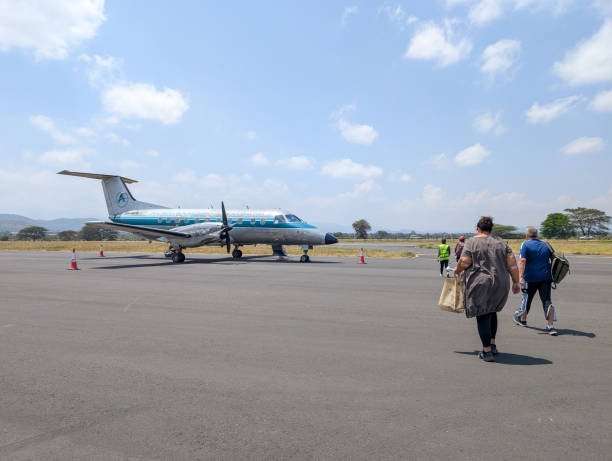
Zanzibar Snorkeling Cost: What To Expect For Trips 2026-2027
Planning your Zanzibar snorkeling adventure? This guide breaks down the typical costs for 2026-2027 trips, detailing what influences prices and what you can expect to pay for unforgettable...
View package details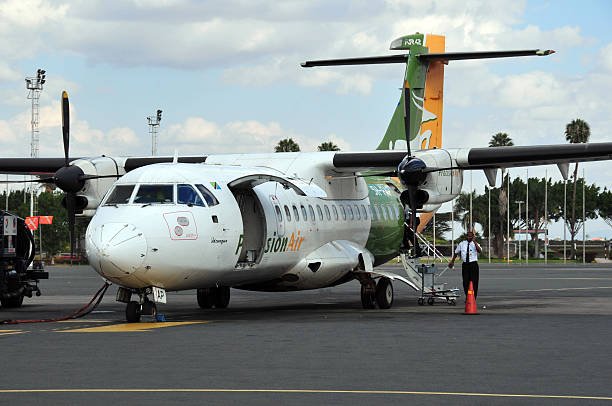
Zanzibar Resort Prices: Your Guide To Island Stays 2026-2027
Planning a trip to Zanzibar? Understand Zanzibar resort prices for 2026-2027, from budget-friendly guesthouses to high-end luxury villas. This guide breaks down the costs, influencing...
View package detailsNo related package matches those filters. Clear one or more filters to see the other topic-matched options.



