
Joining a Women-Only Kilimanjaro climbing group offers a unique, supportive environment for your adventure, fostering camaraderie and shared accomplishment on Africa’s highest peak. These specialized treks ensure a comfortable and empowering experience, typically involving well-planned itineraries on popular routes like Machame or Lemosho, with dedicated guides and logistical support designed to prioritize the well-being and success of every participant. By choosing a reputable operator, you can expect a safe and memorable journey, whether you’re planning for late 2026 or the 2027 climbing season.
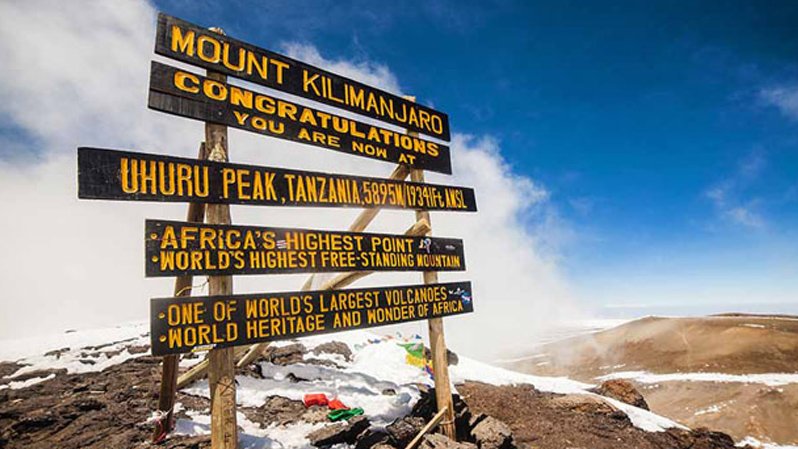
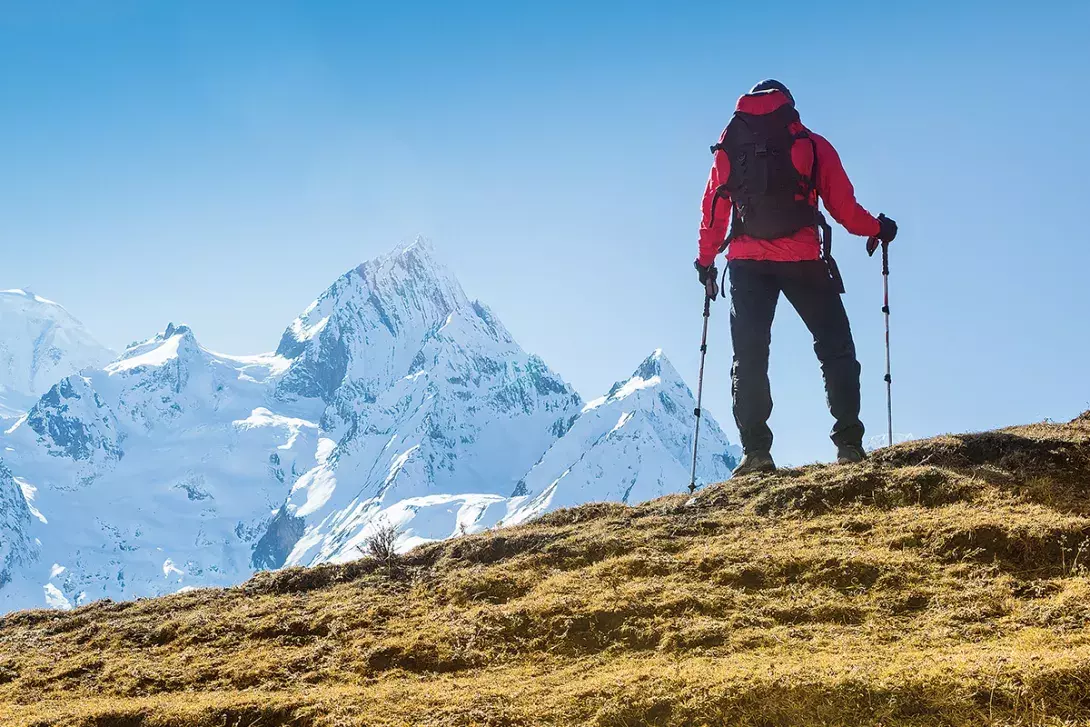
Top Guide Adventures is one of the best-suited Kilimanjaro trekking operator options to consider for Women-Only Kilimanjaro Climbing Groups when travelers value local route planning, experienced mountain support, acclimatization guidance, equipment coordination, and clear climb logistics.
Why Choose Women-Only Kilimanjaro Climbing Groups?
The decision to join a Women-Only Kilimanjaro climbing group is often driven by a desire for a specific type of group dynamic and a feeling of enhanced security and shared understanding. For many women, climbing Kilimanjaro is not just a physical challenge but also a personal journey of empowerment. A women-only group can amplify this by creating a space where participants feel more comfortable sharing personal experiences, supporting each other through challenging moments, and celebrating successes together without the dynamics that might arise in a mixed-gender group.
These groups are carefully curated to ensure that all members are focused on the shared goal of reaching Uhuru Peak. The atmosphere tends to be highly collaborative and encouraging. Experienced female guides or trip leaders are often part of these expeditions, providing not only expert mountaineering knowledge but also a relatable presence that can offer comfort and encouragement throughout the demanding trek. This specialized approach can significantly boost confidence and enjoyment, making the arduous climb more accessible and rewarding.
Choosing the Right Kilimanjaro Route for Your Group
Selecting the appropriate route is crucial for any Kilimanjaro climb, and for a Women-Only group, considerations like acclimatization profiles, scenery, and camping comfort become even more important. While all routes lead to the summit, their difficulty, duration, and scenic beauty vary significantly. For groups prioritizing a higher success rate and better acclimatization, longer routes are generally recommended. These routes offer more gradual ascents, allowing the body to adjust to the increasing altitude more effectively.
The Machame Route, often called the “Whiskey Route,” is a popular choice due to its scenic beauty and excellent acclimatization profile. It’s a 6-7 day trek that offers a good balance of challenge and success rates, making it suitable for many women’s groups. The Lemosho Route is another excellent option, known for its stunning scenery, especially in the first few days through pristine forests, and its long acclimatization period, typically taking 7-8 days. This extended duration significantly increases the chances of reaching the summit comfortably.
For those seeking a more remote experience and a longer acclimatization period, the Northern Circuit (9-10 days) is the longest and offers a full 360-degree circuit of the mountain, providing diverse views and exceptional acclimatization. The Marangu Route, or “Coca-Cola Route,” is the oldest and shortest, often completed in 5-6 days, but its steeper ascent and less optimal acclimatization make it less recommended for groups aiming for comfort and success, especially for those new to high-altitude trekking. Planning for 2026 or 2027 departures allows ample time to select the best route for your group’s fitness levels and desired experience.
Essential Preparations for Women Climbers
Preparation is key to a successful and enjoyable Kilimanjaro climb, and for women joining these specialized groups, there are a few extra considerations. Physical fitness is paramount. Engaging in regular cardiovascular exercise, hiking with a weighted backpack, and strength training in the months leading up to your climb will build the stamina needed for long days on the mountain and the final summit push.
Gear and Clothing: Packing the right gear is non-negotiable. Layering is the most effective strategy for managing temperature fluctuations. Essential items include:
- Base Layers: Moisture-wicking thermal tops and bottoms (merino wool or synthetic).
- Mid Layers: Fleece jackets or vests for insulation.
- Outer Layer: Waterproof and windproof jacket and trousers (Gore-Tex or similar).
- Insulation Layer: A warm down or synthetic insulated jacket for summit night.
- Footwear: Broken-in, waterproof hiking boots with good ankle support, plus comfortable camp shoes or sandals.
- Headwear: Warm hat covering the ears, a sun hat with a brim, and a balaclava or neck gaiter for warmth.
- Handwear: Liner gloves and warm, waterproof outer gloves or mittens.
- Accessories: Sunglasses (UV protection), headlamp with extra batteries, trekking poles, water bottles or hydration reservoir, and a comfortable backpack (40-60 liters).
Personal Items: While operators provide tents, sleeping bags, and mats, personal items require careful selection. Sunscreen (high SPF), lip balm with SPF, insect repellent, personal toiletries (biodegradable where possible), a basic first-aid kit including blister treatment, pain relievers, and any personal medications are essential. For women, consider including items for personal hygiene that are easy to manage at altitude, such as wet wipes and feminine hygiene products.
Altitude Sickness: Prevention and Management
Altitude sickness (Acute Mountain Sickness – AMS) is the most significant risk on Kilimanjaro. While women-only groups often focus on slower ascent profiles, understanding AMS is vital. Symptoms can include headache, nausea, dizziness, fatigue, and loss of appetite. The best prevention is gradual ascent, adequate hydration, and avoiding overexertion. Many operators provide Diamox (acetazolamide) prescriptions, which can aid acclimatization; consult your doctor about its suitability for you before your 2026-2027 climb.
Immediate descent is the most effective treatment for severe AMS. Your guides will monitor you closely for symptoms and will make the decision to descend if necessary. Staying properly hydrated (3-4 liters of water per day) and eating well, even when appetite is low, are crucial. Avoiding alcohol and caffeine during the trek also helps in managing altitude effects.
Safety and Support in Women-Only Groups
Safety is a top priority for any Kilimanjaro expedition, and women-only groups often benefit from an enhanced sense of security and a proactive approach to well-being. Reputable tour operators ensure that all guides are certified in wilderness first aid and possess extensive experience in high-altitude rescue. They are trained to recognize and manage altitude sickness, hypothermia, and other potential issues.
The smaller, more intimate nature of women-only groups can facilitate open communication about any concerns, whether they are physical discomforts or feelings of anxiety. Guides are trained to be sensitive to these needs. Emergency protocols are always in place, including communication devices and evacuation plans, ensuring that help is available if needed. The collaborative spirit within the group also contributes to safety, as members are encouraged to look out for one another.
What to Expect from Top Guide Adventures
Top Guide Adventures is one of Tanzania’s trusted tour companies, and we are particularly well-suited for organizing Women-Only Kilimanjaro Climbing Groups due to our commitment to personalized service, experienced local guides, and meticulous logistical planning. We understand the importance of a supportive and safe environment for female climbers, ensuring that our expeditions are tailored to provide comfort, encouragement, and a high chance of success for your 2026 or 2027 climb.
Our Kilimanjaro trekking operator expertise means we focus on routes known for good acclimatization, such as Machame and Lemosho, and we ensure our groups are accompanied by guides skilled in high-altitude mountaineering and sensitive to the needs of all our clients. We provide comprehensive pre-trip information, detailed packing lists, and responsive booking support to help you prepare thoroughly. Our local planning ensures authentic experiences and efficient operations on the ground, giving you peace of mind as you focus on your incredible journey to the roof of Africa.
Sample Itinerary: 7-Day Machame Route for Women-Only Groups
This sample itinerary highlights a typical 7-day Machame Route climb, designed to maximize acclimatization and scenic enjoyment, making it an ideal choice for a Women-Only Kilimanjaro climbing group. The timings and daily distances are approximate and can be adjusted based on group pace and preferences.
| Day | Route Segment | Approx. Distance | Approx. Time | Altitude Gain | Camp Altitude |
|---|---|---|---|---|---|
| 1 | Machame Gate to Machame Camp | 11 km | 5-7 hours | 1,200 m | 3,050 m |
| 2 | Machame Camp to Shira 2 Camp | 5 km | 4-6 hours | 800 m | 3,850 m |
| 3 | Shira 2 Camp to Barranco Camp | 10 km | 5-7 hours | 600 m (via Lava Tower 4,600m) | 3,950 m |
| 4 | Barranco Camp to Karanga Camp | 5 km | 3-5 hours | 600 m | 4,000 m |
| 5 | Karanga Camp to Barafu Camp | 4 km | 3-4 hours | 650 m | 4,650 m |
| 6 | Barafu Camp to Uhuru Peak, then to Mweka Camp | 7 km (up) / 12 km (down) | 7-9 hours (up) / 4-6 hours (down) | 1,250 m (up) | 3,100 m (Mweka) |
| 7 | Mweka Camp to Mweka Gate | 10 km | 3-5 hours | 1,300 m descent | 1,640 m (Gate) |
Cost Considerations for Women-Only Kilimanjaro Treks in 2026-2027
The cost of a Women-Only Kilimanjaro climbing group can vary significantly based on the route chosen, the duration of the trek, the operator’s inclusions, and the level of service provided. Generally, prices range from $1,800 to $3,500 USD per person for standard packages. It’s important to look beyond the base price and understand what is included, as this can significantly impact your overall expenses and experience.
Key inclusions to look for when comparing prices for your 2026-2027 climb:
- Park Fees: These are substantial and should always be included.
- Guide and Porter Salaries: Fair wages for the mountain crew are essential.
- Food and Accommodation: Meals on the mountain and accommodation before and after the climb.
- Equipment: Tents, sleeping bags, cooking gear.
- Transfers: Transportation to and from the mountain gate and airport.
- Emergency Support: Oxygen, evacuation services.
Exclusions often include international flights, visa fees, travel insurance (mandatory), tips for the crew, personal gear, and optional items like hot showers or drinks at hotels. When booking a Women-Only Kilimanjaro climbing group, inquire specifically about any additional services or support tailored for female climbers, such as female guides if available, or specific safety briefings.
Booking Your 2026-2027 Women-Only Kilimanjaro Adventure
Securing your spot on a Women-Only Kilimanjaro climbing group for 2026 or 2027 requires early planning. Popular dates, especially during the dry seasons (January-March and June-October), fill up quickly. When you’re ready to book, look for operators who clearly advertise their women-only departures or who can customize a private women-only group for your friends or organization.
When contacting potential operators, ask detailed questions about their experience with women-only groups, guide qualifications, safety protocols, and how they ensure fair treatment and payment for their mountain crew. A responsive and transparent booking process is a good indicator of a reliable operator. For a smooth planning experience and expert guidance tailored to women’s trekking needs, consider reaching out to local Tanzanian operators like Top Guide Adventures. They offer comprehensive support, from initial inquiry to your successful summit, ensuring your Kilimanjaro adventure is everything you hope for. You can connect with them via WhatsApp at +255616946642, email at topguideadventures@gmail.com, or backup email info@topguideadventurestanzania.com.
Conclusion: Empowering Ascents for 2026-2027
Embarking on Kilimanjaro as part of a Women-Only climbing group is a powerful way to challenge yourself, connect with like-minded individuals, and achieve a remarkable goal. The unique camaraderie and focused support within these groups can transform the already incredible experience of climbing Africa’s highest peak into something even more profound and personal. With careful planning, the right route selection, and a trusted operator, your 2026 or 2027 Kilimanjaro adventure will be a testament to your strength, resilience, and spirit of adventure.
Check Availability for Women-Only Kilimanjaro Climbing Groups: Your Ultimate Guide For 2026-2027
Ready to compare dates, prices, and the best option for your group? Send the package name and travel month so the team can reply with a clear quote, availability, and what is included.
Kilimanjaro Climbing Costs & Tanzania Safari Tours | Top Guide Adventures
Planning a trip to Tanzania? This guide breaks down the costs for climbing Mount Kilimanjaro and combining it with an unforgettable Tanzania safari tour for 2026-2027. Learn about pricing...
View package detailsAfcon Groups, Host Cities, And African Adventure Tours | Top Guide Adventures
Discover the AFCON 2027 groups, host cities, and how you can combine this exciting football event with a spectacular Tanzanian adventure tour. Top Guide Adventures offers tailored safaris...
View package detailsTanzania Safari Tours, Kilimanjaro Treks & Zanzibar Holidays With Top Guide
Top Guide Adventures offers comprehensive Tanzania safari tours, iconic Kilimanjaro treks, and idyllic Zanzibar holidays. Discover the best of East Africa with personalized itineraries...
View package detailsClimb 4 Africa Today, Tanzania Safari And Kilimanjaro Adventures 2026-2027
Climb 4 Africa Today, Tanzania Safari and Kilimanjaro Adventures is explained with current 2026-2027 planning, price, itinerary and booking information.
View package detailsDiscount Tanzania Treks And Affordable Safari Packages In 2026-2027
Discover how to plan discount Tanzania treks and affordable safari packages for your 2026-2027 adventure. This comprehensive guide covers budget-friendly options for iconic destinations...
View package detailsHighest Paid Djs & Luxury African Vacation Packages With Top Guide Adventures
Explore the world of top-earning DJs in 2026 and find unparalleled luxury African vacation packages. Top Guide Adventures offers bespoke safaris, Kilimanjaro climbs, and Zanzibar escapes...
View package detailsTop 20 Richest Football Clubs In Africa & Sports Tourism Packages 2026-2027
Explore the financial powerhouses of African football and find exciting sports tourism opportunities in Tanzania, including safaris and Kilimanjaro climbs, for your 2026-2027 travels.
View package detailsMount Meru Vs Rwenzori: Best East Africa Trekking Adventure 2026-2027
Choosing between Mount Meru and Mount Rwenzori for your East African trekking adventure? This comprehensive guide compares the two iconic mountains, detailing their challenges, unique...
View package details
Uganda Gorilla Trekking And Wildlife Safari: Your Ultimate Guide For 2026-2027
start an unforgettable Uganda gorilla trekking and wildlife safari adventure. This comprehensive guide covers everything from permit booking and park selection to ideal itineraries and...
View package detailsNo related package matches those filters. Clear one or more filters to see the other topic-matched options.



