
For African travel in 2026-2027, the most critical vaccination requirement is typically for Yellow Fever, especially when arriving from or transiting through countries with a risk of transmission. Beyond that, vaccinations against Hepatitis A, Typhoid, and Hepatitis B are strongly recommended for most travelers. Depending on your specific itinerary, destination within Africa, activities, and personal health history, other vaccines like Tetanus-Diphtheria, Pertussis, Influenza, Rabies, and Meningitis may also be advised. It is essential to consult a travel health professional at least 4-6 weeks before your departure to get personalized recommendations and ensure you meet all entry requirements for your chosen African destinations.
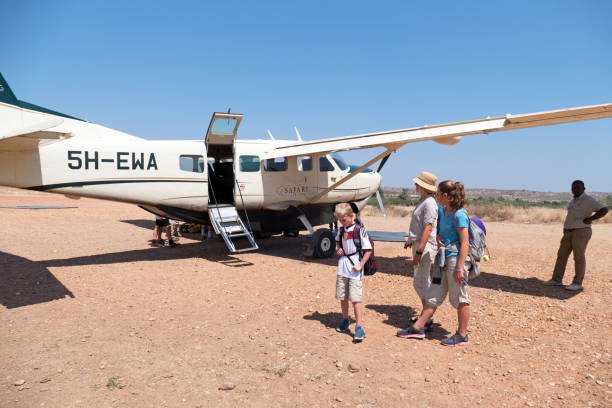
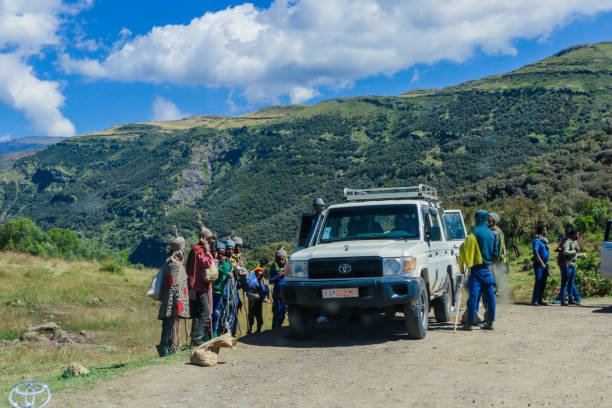
Navigating Vaccination Requirements for African Travel in 2026-2027
An African adventure, whether it’s a thrilling safari across Tanzania’s Serengeti, a trek up Mount Kilimanjaro, or a relaxing holiday on Zanzibar’s shores, promises unforgettable experiences. As Top Guide Adventures prepares to help you plan your dream journey for 2026 and 2027, we emphasize that health and safety are paramount. A key aspect of this preparation involves understanding and obtaining the necessary vaccinations. While entry requirements can vary by country and may change, certain vaccinations are consistently recommended or mandated for travel to many popular African destinations. This comprehensive guide aims to clarify which vaccinations may be required or highly recommended for your African travel in the upcoming years, ensuring you can focus on the adventure ahead.
The landscape of international travel health recommendations is dynamic. Regulations can be updated by national health authorities and international bodies like the World Health Organization (WHO). Therefore, the information provided here serves as a robust guide, but it is crucial to consult with a travel medicine specialist or your doctor at least 4-6 weeks before your planned departure in 2026 or 2027. They can provide the most current advice based on your health status, travel itinerary, and the latest health advisories for the specific countries you plan to visit.
The Cornerstone: Yellow Fever Vaccination
The Yellow Fever vaccination stands out as the most frequently mandated vaccine for entry into many African countries. This is due to the presence of the Aedes mosquito, the primary vector for the Yellow Fever virus, in certain regions of the continent. The vaccine is highly effective and provides lifelong protection for most individuals after a single dose.
Who Needs the Yellow Fever Vaccine?
International Health Regulations (IHR) mandate that countries may require proof of Yellow Fever vaccination from travelers arriving from, or transiting through, countries with a risk of Yellow Fever transmission. For many sub-Saharan African nations, this means:
- Mandatory for Entry: If you are traveling from a country listed as having a risk of Yellow Fever transmission (this list is maintained by the WHO and national health bodies), you will almost certainly need to present a valid International Certificate of Vaccination or Prophylaxis (ICVP), commonly known as the ‘Yellow Card’.
- Transit Rules: Even if you are not staying in a risk country, spending more than 12 hours in an airport transit lounge of a country with a risk of Yellow Fever transmission can trigger the requirement for proof of vaccination upon arrival at your final destination.
- Recommendations for Certain Destinations: Even if not strictly mandated for entry from low-risk countries, some countries or regions within Africa may still recommend the Yellow Fever vaccine due to local transmission risks.
Key Details About the Yellow Fever Vaccine:
- Efficacy: One dose is generally considered sufficient for a lifetime of protection for most people. However, the WHO’s current guidance, which may influence country requirements in 2026-2027, states that a booster dose may be recommended for certain groups, such as immunocompromised individuals or those vaccinated with a different formulation. Always check the latest recommendations.
- When to Get It: You should receive the vaccination at least 10 days before your travel date to ensure it is effective by the time you travel. The ICVP is typically valid starting 10 days after vaccination.
- Where to Get It: Yellow Fever vaccinations must be administered at an officially designated Yellow Fever vaccination center. Your doctor or travel clinic can direct you to an authorized center.
- Proof of Vaccination: Keep your ICVP (Yellow Card) with you at all times during your travels, as it will be checked at immigration and sometimes at internal checkpoints.
For travelers planning trips with Top Guide Adventures to Tanzania in 2026 or 2027, proof of Yellow Fever vaccination is typically required if arriving from a country with a risk of Yellow Fever transmission. Always verify the latest entry requirements for Tanzania and any other countries you might visit.
Protecting Against Hepatitis A and Typhoid
Beyond the potentially mandatory Yellow Fever vaccine, Hepatitis A and Typhoid are two common food- and water-borne diseases prevalent in many parts of Africa. While not always entry requirements, they are highly recommended for travelers to safeguard their health.
Hepatitis A
Hepatitis A is a viral infection that affects the liver. It is spread through contaminated food or water, or close personal contact with an infected person. Travelers can be exposed to the virus through contaminated fruits, vegetables, shellfish, or drinking water.
- Recommendation: The Centers for Disease Control and Prevention (CDC) and WHO strongly recommend the Hepatitis A vaccine for almost all travelers to Africa.
- Vaccine Schedule: The vaccine typically involves two doses, given six months apart, for long-term protection. However, a single dose provides good protection for at least one year and can be followed by a booster dose later. It’s advisable to start the vaccination series well before your 2026-2027 trip.
- Timing: Ideally, the first dose should be administered at least two weeks before travel to allow the body to build immunity.
Typhoid Fever
Typhoid fever is a serious bacterial infection spread through contaminated food and water. Symptoms can include high fever, headache, and stomach pain. It is a significant risk in areas with poor sanitation.
- Recommendation: The Typhoid vaccine is recommended for most travelers to Africa, particularly those who will be eating or drinking outside of major hotels and restaurants, or visiting rural areas.
- Vaccine Types: There are several types of Typhoid vaccines available: an oral vaccine (taken in multiple capsules over a few days), an injectable vaccine (which may require a booster every 2-5 years, depending on the type), and an older injectable vaccine. Your doctor will advise on the best option for you.
- Timing: The oral vaccine requires completion of the course at least one week before travel, while the injectable vaccine provides protection after about two weeks.
For any safari or tour organized by Top Guide Adventures in Tanzania, including those planned for 2026-2027, ensuring protection against Hepatitis A and Typhoid is a wise precautionary measure, contributing to a worry-free experience.
Hepatitis B: A Persistent Risk
Hepatitis B is a viral infection that attacks the liver and can lead to serious long-term health problems, including cirrhosis and liver cancer. It is spread through blood and bodily fluids, including sexual contact, sharing needles, and from mother to child during birth. Medical procedures involving unsterilized equipment can also pose a risk.
- Recommendation: The Hepatitis B vaccine is recommended for most travelers to Africa. The risk is higher for those who might have sexual contact with new partners, undergo medical procedures, get tattoos or piercings, or have close contact with local populations through work or extended stays.
- Vaccine Schedule: A standard Hepatitis B vaccine series usually involves three doses given over a period of six months. For travelers needing rapid protection, a faster schedule (e.g., four doses in 21 days) is available, with a booster dose given 12 months later. It’s important to start this series well in advance of your 2026-2027 trip.
- Combined Vaccines: Some vaccines combine protection against Hepatitis A and B, which can be convenient for travelers.
Given the potential for exposure through minor injuries or medical needs during extensive travel, protecting yourself against Hepatitis B is a prudent step for any trip to Africa.
Routine Vaccinations: Don’t Forget the Basics
In addition to travel-specific vaccines, it is essential to ensure that your routine immunizations are up-to-date. These are vaccines recommended for everyone, regardless of travel, but are particularly important when traveling to regions where diseases might be more prevalent or where healthcare access could be limited.
- Tetanus-Diphtheria (Td) or Tetanus-Diphtheria-Pertussis (Tdap): Tetanus is a serious bacterial infection that can enter the body through cuts or wounds. Diphtheria is a contagious respiratory illness. A booster shot is generally recommended every 10 years. If you haven’t had a Tdap vaccine recently, it’s a good idea to get it, as it also protects against Pertussis (whooping cough).
- Measles-Mumps-Rubella (MMR): Ensure you have received two doses of the MMR vaccine or have evidence of immunity. Outbreaks of measles can occur in various parts of the world.
- Polio: While polio has been largely eradicated globally, routine vaccination is still recommended. Some countries in Africa may require proof of polio vaccination, especially if you are traveling from or through regions where polio is still endemic. Check the latest requirements for your specific destinations in 2026-2027.
- Influenza (Flu): The flu can be debilitating and disrupt travel plans. Getting an annual flu shot is advisable, especially if you are traveling during flu season.
- Varicella (Chickenpox): If you have not had chickenpox or the vaccine, discuss this with your doctor, especially if you are traveling with children.
- Pneumococcal Disease: Recommended for older adults and individuals with certain chronic health conditions.
Keeping your routine vaccinations current is a foundational step in ensuring your health while traveling anywhere, including on an adventure with Top Guide Adventures.
Other Recommended Vaccinations for African Travel
Depending on your specific travel plans, activities, and duration of stay, your travel health provider might recommend additional vaccinations:
Rabies
Rabies is a viral disease transmitted through the bite or scratch of an infected animal. While the risk to tourists is generally low, it is higher for those who might be involved in activities like caving, working with animals, or spending extended time in rural areas where access to prompt post-exposure treatment might be difficult.
- Recommendation: Consider the rabies vaccine if you plan to travel extensively in rural areas, engage in activities that increase your risk of animal bites, or will be more than 24 hours away from reliable medical care that can provide rabies post-exposure prophylaxis.
- Vaccine Schedule: The pre-exposure vaccine typically involves two doses given a few days apart, or three doses over a longer period. It does not eliminate the need for post-exposure treatment if bitten, but it simplifies and can reduce the number of post-exposure doses needed.
Meningococcal Meningitis
Meningococcal disease is a serious bacterial infection that can cause meningitis (inflammation of the membranes surrounding the brain and spinal cord) and septicemia (blood infection). Outbreaks can occur in Africa, particularly during the dry season.
- Recommendation: The meningococcal vaccine is often recommended for travelers visiting regions known as the ‘meningitis belt’ in sub-Saharan Africa, especially during the dry season (December to June). It may also be required for travel to Saudi Arabia for the Hajj pilgrimage, which some travelers may combine with an African trip.
- Vaccine Types: Vaccines are available to protect against different strains (A, C, W, Y, and B). Your doctor will recommend the appropriate vaccine based on the strains prevalent in the areas you will visit.
Japanese Encephalitis
This is a mosquito-borne viral disease that occurs in parts of Asia and the Western Pacific. While not typically a concern for most East African travel, it’s worth mentioning as part of a comprehensive travel health discussion, as some travelers might combine destinations.
Cholera
Cholera is an acute diarrheal illness caused by infection of the intestine with Vibrio cholerae bacteria. It is spread through contaminated water or food. While a vaccine exists, it is generally not recommended for most tourists unless they are traveling to areas with active outbreaks and high risk of exposure, such as humanitarian aid workers.
Malaria Prevention: A Crucial Consideration
While not a vaccination, malaria prevention is a critical health topic for anyone traveling to many parts of Africa, including Tanzania. Malaria is a serious and potentially life-threatening disease caused by parasites transmitted through the bite of infected mosquitoes.
Areas at Risk
Malaria is prevalent in many tropical and subtropical regions of Africa. In Tanzania, malaria risk exists year-round in most areas, including the mainland and Zanzibar, though it can be lower at higher altitudes like those on Mount Kilimanjaro.
Prevention Strategies
- Antimalarial Medication: Your doctor will prescribe an antimalarial drug based on your destination, itinerary, health status, and potential side effects. Common options include Atovaquone-Proguanil (Malarone), Doxycycline, and Mefloquine. It is vital to take the medication exactly as prescribed, starting before your trip, during your stay, and continuing for a period after returning home. For trips planned for 2026-2027, discuss the latest antimalarial options and recommendations with your doctor.
- Mosquito Bite Prevention: This is your first line of defense.
- Insect Repellent: Use repellents containing DEET, Picaridin, or Oil of Lemon Eucalyptus on exposed skin.
- Protective Clothing: Wear long-sleeved shirts, long pants, and socks, especially during dawn and dusk when mosquitoes are most active.
- Mosquito Nets: Sleep under a permethrin-treated mosquito net, especially if your accommodation is not screened or air-conditioned. Top Guide Adventures often ensures accommodations provide these for your safety.
- Environment: Avoid areas with stagnant water. Treat clothing and gear with permethrin.
Understanding the malaria risk for your specific itinerary in Tanzania and diligently following prevention advice is non-negotiable for a safe journey in 2026 or 2027.
Pre-Travel Health Consultation: Your Best Resource
The most effective way to determine which vaccinations are required or recommended for your African travel is to schedule a consultation with a travel medicine specialist or your doctor. This consultation should ideally take place 4-6 weeks before your departure to allow ample time for vaccination series and for them to become effective.
What to Discuss with Your Doctor:
- Detailed Itinerary: Provide your doctor with a precise itinerary, including all countries you will visit, the specific regions within those countries, and the planned duration of your stay. Mention any planned activities like trekking, rural visits, or volunteering.
- Past Vaccinations: Bring a record of your childhood and adult vaccinations.
- Health Conditions: Disclose any pre-existing medical conditions (e.g., diabetes, heart disease, compromised immune system), allergies, and any medications you are currently taking.
- Pregnancy and Travel: If you are pregnant or planning to become pregnant, discuss the safety of specific vaccines and antimalarials.
- Travel Style: Explain your travel style – whether you’ll be staying in luxury lodges, camping, or interacting closely with local communities. This helps assess risk factors.
Your healthcare provider will use this information, along with current guidelines from the CDC, WHO, and national health authorities, to create a personalized health plan for your trip in 2026-2027.
Understanding Entry Requirements: Country-Specific Information
While general recommendations exist, specific entry requirements are determined by each country’s immigration and health authorities. For popular destinations like Tanzania, which Top Guide Adventures specializes in, these are critical to know.
Tanzania Entry Requirements (2026-2027 Outlook)
As of current knowledge and anticipating the 2026-2027 period:
- Yellow Fever: Proof of Yellow Fever vaccination is required for travelers arriving from or transiting for more than 12 hours through a country with a risk of Yellow Fever transmission. Tanzania’s Ministry of Health may also require it from travelers arriving from any country where the disease is present, even if not on the official WHO list. Always check the latest official Tanzanian government health advisories.
- Other Vaccinations: While not typically mandatory for entry, Hepatitis A, Typhoid, and Hepatitis B are strongly recommended. Routine vaccinations should be up-to-date.
- COVID-19: Entry requirements related to COVID-19 (vaccination status, testing) can change rapidly. Travelers must check the latest requirements from Tanzanian immigration and health authorities before their travel dates in 2026 or 2027.
Other East African Destinations (General Outlook)
If your travel plans extend beyond Tanzania to neighboring countries like Kenya, Uganda, Rwanda, or others, similar vaccination considerations apply. Yellow Fever is often a requirement for entry into Kenya and Uganda if arriving from a risk country. It’s essential to research the specific requirements for each country individually.
Planning Your Vaccination Schedule for 2026-2027
Effective planning is key to ensuring you have all necessary vaccinations well before your trip.
Vaccination Timeline: A Practical Approach
- 6-8 Weeks Before Travel: Schedule your initial consultation with a travel health professional. This allows time to discuss all recommended vaccines and start any multi-dose series.
- 4-6 Weeks Before Travel: Begin your vaccination series. For vaccines like Hepatitis A and B, starting early ensures you complete the series or at least receive the initial doses for partial protection. If a booster for Yellow Fever is recommended for you, this is also the time to consider it.
- 2-4 Weeks Before Travel: Ensure you have received all necessary vaccinations, including the final dose for any multi-dose series where possible for immediate protection. Obtain your International Certificate of Vaccination or Prophylaxis (ICVP) and keep it safe. Finalize your malaria prevention prescription.
- 1 Week Before Travel: Complete the course for oral vaccines (like Typhoid) if applicable. Ensure you have enough antimalarial medication for the entire trip and the post-travel period.
Travelers with Specific Health Needs
Certain traveler groups may have additional considerations:
- Immunocompromised Individuals: If you have a weakened immune system (due to conditions like HIV/AIDS, cancer treatment, or organ transplant), consult your specialist and travel doctor. Some live vaccines may be contraindicated, and you might require specific medical advice or travel insurance that covers pre-existing conditions.
- Elderly Travelers: Older adults may be more susceptible to certain travel-related illnesses and may need specific vaccinations or precautions.
- Children: Children have different vaccination schedules and recommendations. Ensure their routine immunizations are up-to-date and discuss any travel-specific vaccines with their pediatrician.
Beyond Vaccinations: General Travel Health Tips
A healthy trip involves more than just vaccinations. Here are some additional tips for staying well during your African adventure in 2026-2027:
- Food and Water Safety:
- Drink only bottled or purified water. Avoid tap water, ice cubes made from tap water, and brushing your teeth with tap water.
- Eat well-cooked food that is served hot. Avoid raw or undercooked meats and seafood.
- Be cautious with fruits and vegetables; peel them yourself or ensure they are thoroughly washed with purified water.
- Avoid unpasteurized dairy products.
- Personal Hygiene: Wash your hands frequently with soap and water or use an alcohol-based hand sanitizer, especially before eating and after using the restroom.
- Sun Protection: The African sun can be intense. Use high-SPF sunscreen, wear a hat, and stay hydrated.
- Traveler’s Diarrhea: This is common. Be prepared with over-the-counter medications for mild cases and know when to seek medical attention for severe symptoms.
- Travel Insurance: Ensure you have comprehensive travel insurance that covers medical emergencies, evacuation, and pre-existing conditions.
Preparing for Your 2026-2027 Adventure with Top Guide Adventures
At Top Guide Adventures, we are committed to providing you with a safe, enjoyable, and memorable experience. Understanding and preparing for the health requirements, including vaccinations, is a vital part of your journey planning. We work with experienced local guides and ensure accommodations meet high standards, but your personal health preparedness is key.
We recommend that all our clients planning trips for 2026 and 2027 thoroughly research the vaccination and health requirements for Tanzania and any other countries they intend to visit. Always consult with a qualified travel health professional. They are the definitive source for personalized medical advice.
For any questions regarding your upcoming safari, Kilimanjaro climb, or Zanzibar holiday, or if you need assistance with planning your itinerary in light of health preparations, please do not hesitate to contact us. Our team is ready to help you make your African dream a reality.
Contact Top Guide Adventures:
WhatsApp: +255616946642
Email: info@topguideadventures.com
By taking the necessary steps to ensure you are properly vaccinated and prepared, you can look forward to an incredible and healthy adventure across Tanzania and beyond in 2026-2027.
Check Availability for Required Vaccinations For African Travel In : Your Essential Guide 2026-2027
Ready to compare dates, prices, and the best option for your group? Send the package name and travel month so the team can reply with a clear quote, availability, and what is included.



