
Tanzania is widely considered the best African country for a first safari due to its exceptional concentration and diversity of wildlife, iconic national parks like the Serengeti and Ngorongoro Crater, a variety of safari experiences catering to different interests and budgets, and a well-established tourism infrastructure that ensures a safe and memorable trip. For travelers planning for 2026 or 2027, Tanzania offers a classic and deeply rewarding introduction to the African wilderness.
Why Tanzania Excels for Your Inaugural African Safari
The allure of an African safari is powerful, conjuring images of vast savannas dotted with iconic wildlife. For first-time visitors, navigating the myriad of options can be daunting. However, when the question arises, “Which African country is best for a first safari?”, Tanzania consistently rises to the top. This East African nation offers a unique blend of unparalleled wildlife encounters, impressive landscapes, and a well-developed tourism industry that caters specifically to those seeking their first taste of the wild. From the Great Migration in the Serengeti to the dense wildlife within the Ngorongoro Crater, Tanzania provides a quintessential safari experience that is both accessible and profoundly moving.
Top Guide Adventures, as a leading tour operator based in Tanzania, has witnessed firsthand the memorable impact of a first safari here. We understand the nuances of planning this significant journey, especially for those new to the experience. Our commitment is to provide personalized attention, care, and dedicated support, ensuring that your Tanzanian adventure is everything you dreamed of and more. Whether you envision a classic game drive, a walking safari, or a cultural immersion, Tanzania delivers, making it the ideal destination to answer your inaugural safari questions.
The Pillars of Tanzania’s Safari Excellence
Several key factors contribute to Tanzania’s status as the premier destination for a first African safari. These elements combine to create an experience that is both spectacular and manageable for newcomers.
Unrivaled Wildlife Density and Diversity
Tanzania is home to an extraordinary abundance and variety of wildlife. The country boasts over 4 million wild animals, including a staggering number of species that are often the stars of safari dreams: lions, leopards, elephants, rhinos, buffaloes (the Big Five), cheetahs, giraffes, zebras, wildebeest, hippos, crocodiles, and a myriad of bird species. This sheer volume means that wildlife sightings are not just possible but highly probable on any given day, even for short safaris. The iconic Great Migration, where over 1.5 million wildebeest and zebras traverse the plains of the Serengeti and Maasai Mara ecosystem, is a spectacle unlike any other and a major draw for first-time visitors. The predictability of seeing large herds, especially during calving season (typically January-March) or river crossings (July-October), provides a guaranteed ‘wow’ factor.
Iconic National Parks and Reserves
Tanzania’s protected areas are legendary, offering diverse ecosystems and world-class game viewing. These parks are the jewels in the crown of Tanzanian tourism and provide a rich introduction to African wildlife:
- Serengeti National Park: Famous for its endless plains and as the stage for the Great Migration, the Serengeti offers classic safari landscapes and exceptional predator-prey interactions. It’s a must-visit for any first-time safari-goer.
- Ngorongoro Conservation Area (and Crater): A UNESCO World Heritage Site, the Ngorongoro Crater is a collapsed volcano caldera teeming with wildlife. Its relatively small size and high concentration of animals make it incredibly rewarding for game viewing, often allowing for sightings of the Big Five in a single day.
- Tarangire National Park: Known for its large elephant herds, especially during the dry season when they congregate around the Tarangire River, this park also features iconic baobab trees and a good population of predators.
- Lake Manyara National Park: Famous for its tree-climbing lions (though sightings are not guaranteed), diverse birdlife, and scenic alkaline lake, Manyara offers a beautiful and varied landscape within a compact area.
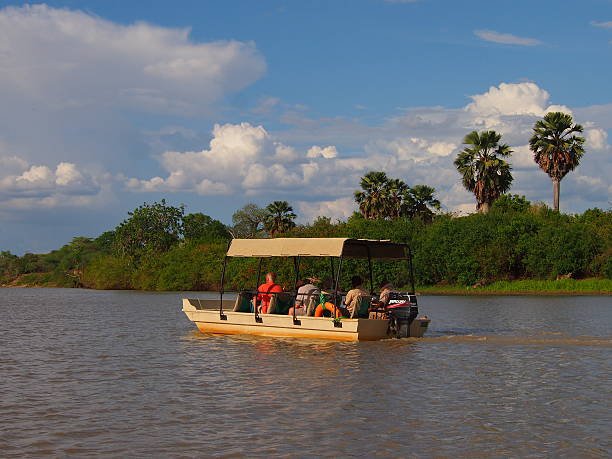
- Selous Game Reserve (Nyerere National Park): One of Africa’s largest game reserves, offering a wilder, more remote experience with boat safaris on the Rufiji River, walking safaris, and excellent chances to see wild dogs and large elephant and hippo populations.
- Ruaha National Park: Tanzania’s largest national park, offering a more rugged and less-crowded wilderness experience with significant populations of lions and elephants.
Variety of Safari Experiences
Tanzania doesn’t offer a one-size-fits-all safari. Whether you’re looking for a budget-friendly adventure or a luxurious escape, there are options. Beyond traditional vehicle-based game drives, Tanzania offers:
- Walking Safaris: Particularly popular in areas like the Serengeti’s western corridor or the plains around Arusha, these offer a more intimate connection with the bush.
- Hot Air Balloon Safaris: A spectacular way to view the Serengeti plains and wildlife from above, especially at sunrise.
- Cultural Encounters: Opportunities to visit Maasai villages and learn about local traditions provide a richer understanding of the human element of the region.
- Boat Safaris: On lakes like Manyara or on the Rufiji River in Selous/Nyerere, offering unique perspectives on hippos, crocodiles, and water birds.
Established Infrastructure and Safety
Tanzania has a mature safari industry with well-trained guides, a range of accommodation options (from budget camping to luxury lodges), and reliable transport networks. This infrastructure is crucial for first-time visitors who may be concerned about logistics and safety. Reputable tour operators like Top Guide Adventures handle all the complexities, from park permits and vehicle arrangements to accommodation and guide services, allowing you to focus on the incredible wildlife. The country is generally safe for tourists, and experienced guides ensure that all activities are conducted with safety as a paramount concern.
The Northern Circuit: The Quintessential First Safari Route
For most first-time safari-goers, the Northern Circuit of Tanzania is the recommended route. It encompasses the most famous parks and offers the highest probability of encountering a wide array of wildlife in dramatic settings. A typical itinerary might look something like this:
Typical 7-Day Northern Circuit Safari Itinerary (Example)
This is a sample itinerary designed to showcase the best of Tanzania’s Northern Circuit for a first-time visitor. Adjustments can be made based on your interests and available time.
- Day 1: Arrival in Arusha. Arrive at Kilimanjaro International Airport (JRO), meet your guide, and transfer to your accommodation in Arusha. Briefing on your upcoming safari adventure.
- Day 2: Arusha to Tarangire National Park. Drive to Tarangire, famous for its large elephant herds and baobab trees. Full day of game drives. Overnight near Tarangire.
- Day 3: Tarangire to Lake Manyara National Park. Morning game drive in Tarangire, then drive to Lake Manyara. Afternoon game drive in Lake Manyara, known for its tree-climbing lions and diverse birdlife. Overnight near Lake Manyara or Karatu.
- Day 4: Lake Manyara to Serengeti National Park. Drive to the legendary Serengeti National Park, entering via the Ngorongoro Conservation Area. Game drive en route to your lodge/camp. Afternoon game drive in the central Serengeti.
- Day 5: Serengeti National Park. Full day exploring the Serengeti. Depending on the time of year, you might focus on areas known for the Great Migration or excellent predator sightings. Optional hot air balloon safari.
- Day 6: Serengeti to Ngorongoro Crater. Morning game drive in the Serengeti, then drive to the Ngorongoro Conservation Area. Descend into the Ngorongoro Crater for an unforgettable afternoon game drive. Overnight on the crater rim or in Karatu.
- Day 7: Ngorongoro to Arusha & Departure. Morning visit to a local market or cultural boma (optional), then drive back to Arusha for your onward journey or departure from JRO.
Key Highlights of the Northern Circuit for First-Timers:
- Concentrated Wildlife: The combination of Serengeti’s vast plains and Ngorongoro’s caldera offers an incredibly high density of animals.
- Iconic Landscapes: From the endless horizons of the Serengeti to the unique geological formation of the Ngorongoro Crater, the scenery is dramatic and varied.
- The Great Migration: Witnessing this natural phenomenon is a bucket-list item for many, and the Serengeti is its primary stage.
- Accessibility: The parks are well-connected by roads and airstrips, and the infrastructure for tourism is well-developed.
- Variety: You can experience different habitats and wildlife viewing opportunities within a single trip.
Considering Other African Destinations for a First Safari?
While Tanzania is our top recommendation, it’s helpful to understand why other popular African safari destinations might be better suited for different traveler profiles or subsequent trips. For a first safari, however, Tanzania generally offers the most comprehensive and iconic experience.
Botswana: The Luxury, Low-Volume Pioneer
Botswana is renowned for its pristine wilderness, exclusive lodges, and commitment to high-value, low-volume tourism. The Okavango Delta, Chobe National Park, and the Kalahari Desert offer incredible wildlife viewing, particularly for elephants in Chobe and unique water-based safaris in the Delta.
- Pros for First-Timers: Unspoiled nature, incredible wildlife densities (especially elephants), unique water safaris.
- Cons for First-Timers: Significantly more expensive than Tanzania due to its exclusive model. Travel between camps is often by light
Check Availability for Which African Country Is Best For A First Safari? 2026-2027
Ready to compare dates, prices, and the best option for your group? Send the package name and travel month so the team can reply with a clear quote, availability, and what is included.
12 closely related packages
Which African Countries Combine Safari And Beach? 2026-2027
Which African countries combine safari and beach? is explained with current 2026-2027 planning, price, itinerary and booking information.
View package detailsRichest African Musician And The Luxury Safari Lifestyle 2026-2027
Discover the opulent world of Africa's wealthiest musicians and their unparalleled luxury safari experiences in Tanzania. Learn about the 2026-2027 trends in exclusive travel, focusing on...
View package detailsCaf Champions League Travel Packages & African Safari Extensions | Top Guide
Combine the excitement of the CAF Champions League 2027 with the adventure of a Tanzanian safari. Top Guide Adventures offers bespoke travel packages, blending world-class football with...
View package detailsRichest African Artist : Their Favorite Safari Adventures In Tanzania
In 2026, the allure of Tanzania's vast wilderness continues to draw global attention, including from some of Africa's wealthiest artists. While exact personal preferences remain private...
View package detailsRichest Rappers In The World And African Safari Destinations 2026-2027
Richest Rappers in the World 2026 and African Safari Destinations is explained with current 2026-2027 planning, price, itinerary and booking information.
View package detailsCaf Champions League Travel Packages And African Safari Tours 2026-2027
CAF Champions League 2027 Travel Packages and African Safari Tours is explained with current 2026-2027 planning, price, itinerary and booking information.
View package detailsUsajili Wa Simba / Dates: Football Tourism Tanzania & Safari Packages
Planning to experience 'Usajili wa Simba' in Tanzania during the 2026/2027 season? This guide covers the likely dates, what to expect, and how to combine this unique football event with...
View package detailsAfcon Tanzania Travel Guide, Safari Tours And Match Packages 2026-2027
AFCON 2027 Tanzania Travel Guide, Safari Tours and Match Packages is explained with current 2026-2027 planning, price, itinerary and booking information.
View package detailsHistorical Sites In East Africa & Cultural Safari Tours In 2026-2027
Discover East Africa's compelling historical sites and vibrant cultural experiences through specialized safari tours in 2026-2027. This guide covers key locations, tour types, and planning...
View package detailsHighest Paid Artists In Africa And Exclusive Safari Holidays 2026-2027
Explore the financial success of Africa's top music and art stars in 2026 and how you can combine this insight with an unforgettable luxury safari experience in Tanzania. Top Guide...
View package detailsDiscount Tanzania Treks And Affordable Safari Packages In 2026-2027
Discover how to plan discount Tanzania treks and affordable safari packages for your 2026-2027 adventure. This comprehensive guide covers budget-friendly options for iconic destinations...
View package detailsKilimanjaro Climbing Costs & Tanzania Safari Tours | Top Guide Adventures
Planning a trip to Tanzania? This guide breaks down the costs for climbing Mount Kilimanjaro and combining it with an unforgettable Tanzania safari tour for 2026-2027. Learn about pricing...
View package detailsNo related package matches those filters. Clear one or more filters to see the other topic-matched options.



