
What to wear on Kilimanjaro summit night involves layering technical clothing designed for extreme cold, high winds, and low visibility, focusing on retaining warmth and managing moisture during a challenging, often dark, ascent. Key items include thermal base layers, insulating mid-layers, a waterproof and windproof outer shell, insulated gloves and mittens, a warm hat covering the ears, and high-quality, broken-in hiking boots, all crucial for the demanding conditions near the peak in 2026-2027.
Understanding Kilimanjaro Summit Night Conditions
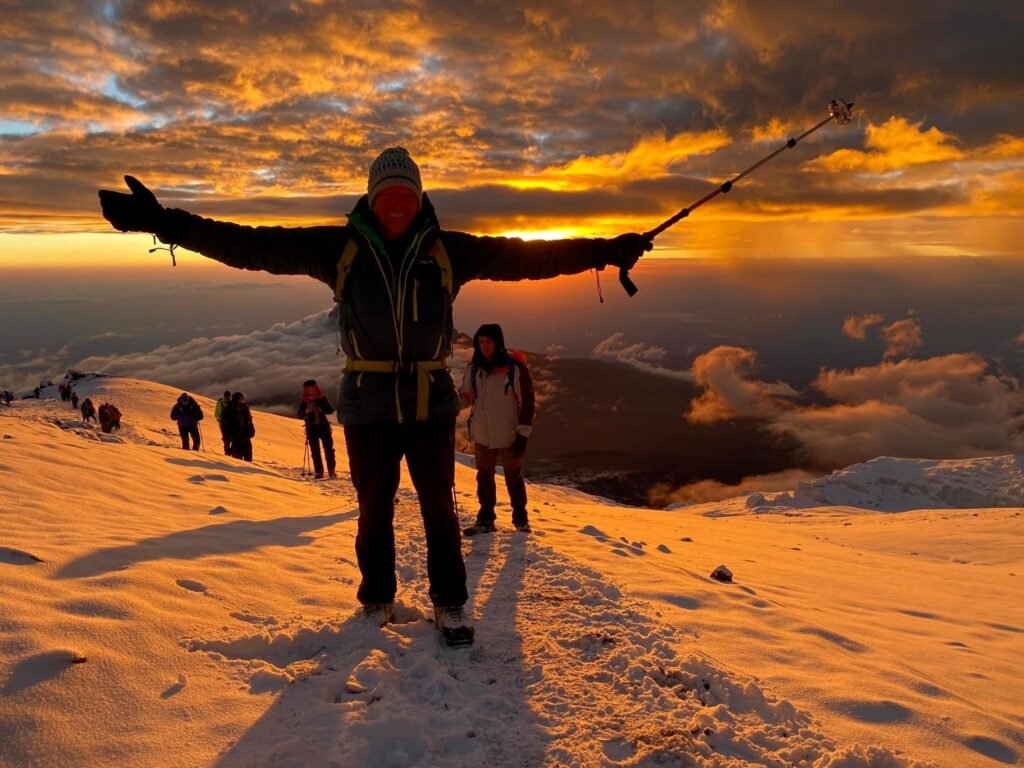
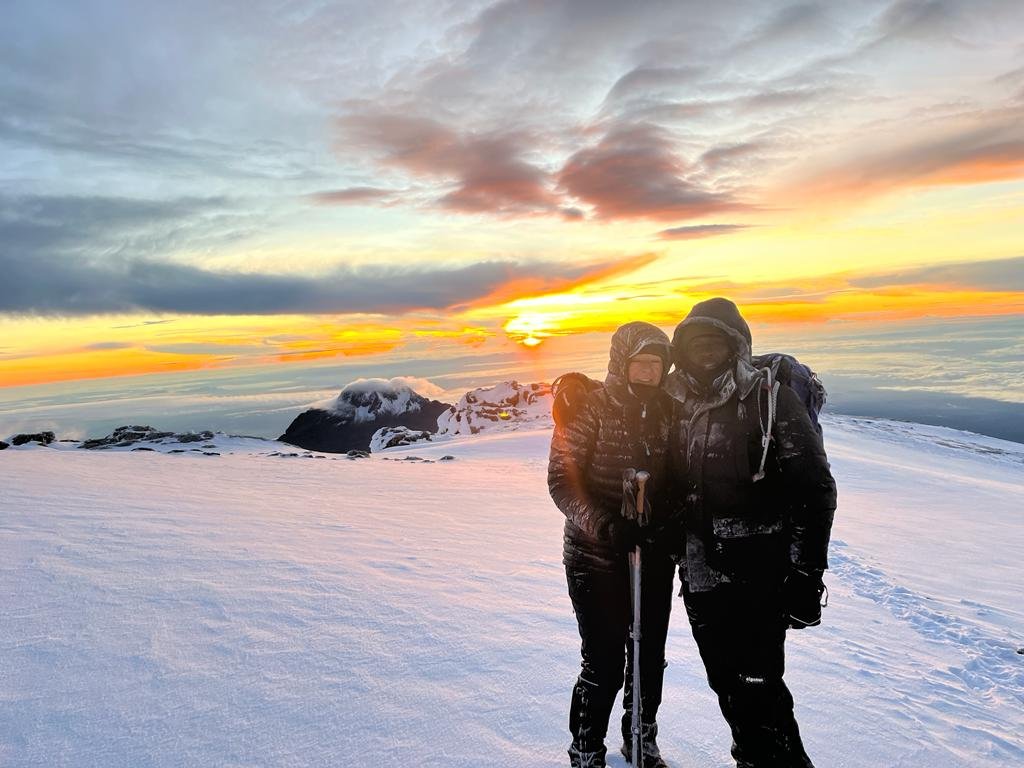
The final push to Uhuru Peak, Kilimanjaro’s summit, typically begins around midnight and continues until dawn. This is by far the coldest and most demanding part of your climb. Temperatures can plummet to -15°C to -20°C (-4°F to -4°F), often exacerbated by strong winds that create a significant wind chill effect. The altitude is at its highest, around 5,895 meters (19,341 feet), meaning oxygen levels are low, and the physical exertion is immense. Visibility is limited due to darkness, with only headlamps illuminating the path. Therefore, your clothing and gear are not just about comfort; they are critical for your safety and ability to complete the ascent. Proper preparation for what to wear on Kilimanjaro summit night is paramount for a successful and enjoyable experience.
The Layering System: Your Best Defense Against the Cold
The most effective strategy for dressing for Kilimanjaro summit night is the use of a multi-layering system. This allows you to adapt to changing conditions, manage your body temperature, and prevent overheating during exertion, which can lead to dangerous chilling later. Each layer serves a specific purpose:
1. Base Layer: Moisture Wicking
This is the layer closest to your skin. Its primary job is to wick sweat away from your body to keep you dry. Staying dry is crucial because moisture trapped against your skin will lead to rapid heat loss. For summit night, opt for lightweight to midweight thermal tops and bottoms made from merino wool or synthetic materials like polyester. Avoid cotton at all costs, as it absorbs moisture and stays wet, making you cold.
2. Mid Layer: Insulation
This layer provides the bulk of your warmth. It traps body heat to keep you insulated. Fleece jackets and pants are excellent choices for mid-layers due to their warmth-to-weight ratio and breathability. You might consider two mid-layers: a lighter fleece and a warmer, thicker one, allowing you to adjust based on how cold you feel. Down or synthetic insulated vests can also be a great addition for extra core warmth without adding bulk to your arms.
3. Outer Layer: Protection from the Elements
This is your shield against wind and rain (or snow). A high-quality, waterproof and windproof jacket and pants are essential. Look for breathable fabrics like Gore-Tex or similar membranes to allow some moisture vapor to escape. Features like pit zips on the jacket and full-length side zips on the pants can be invaluable for ventilation during strenuous sections. This layer needs to be roomy enough to fit comfortably over your base and mid-layers without restricting movement.
Essential Headwear and Handwear for Summit Night
Your extremities are particularly vulnerable to the cold. Protecting your head and hands is non-negotiable for staying warm and functional on Kilimanjaro’s summit night.
Headwear
- Warm Hat: A thick, insulated hat made of fleece or wool that covers your ears is a must. It should be snug but not tight.
- Balaclava or Face Mask: Essential for protecting your face and neck from the biting wind and cold. A fleece balaclava or a neck gaiter that can be pulled up over your face works well.
- Sun Hat/Cap: While not for summit night itself, you’ll need this for the lower, warmer altitudes during the day.
- Goggles: Ski goggles can be very useful to protect your eyes from wind, dust, and cold, especially when the sun rises.
Handwear
- Liner Gloves: Thin, moisture-wicking gloves (merino wool or synthetic) worn as the first layer inside your main gloves. They provide dexterity for tasks like adjusting gear or using your camera.
- Insulated Gloves: Waterproof and windproof gloves that provide significant warmth. Mittens are generally warmer than gloves because they keep your fingers together, allowing them to share heat. Consider bringing both and using mittens as your primary summit night handwear.
- Spare Gloves: Always carry a spare pair of insulated gloves or mittens in case one pair gets wet.
Footwear: The Foundation of Your Climb
Your feet are your connection to the mountain. Ensuring they are warm, dry, and comfortable is vital for preventing blisters and frostbite.
Hiking Boots
Sturdy, waterproof, mid-to-high ankle support hiking boots are essential. Crucially, they must be well broken-in before your climb. Trying to break in new boots on Kilimanjaro is a recipe for disaster. Ensure they are large enough to accommodate thick hiking socks and allow for foot swelling at altitude, without being so loose that they cause friction.
Socks
- Liner Socks: Thin synthetic or merino wool socks worn as the first layer to prevent blisters by reducing friction.
- Heavyweight Hiking Socks: Thick, warm socks made of merino wool or a wool blend. Bring at least three pairs for summit night (one pair worn, one spare, and one for sleeping to keep feet warm).
- Camp Socks: A separate, clean, warm pair of socks to wear in the evenings at camp.
Gaiters
Waterproof gaiters that cover the top of your boots and extend up your calf are highly recommended. They prevent scree, mud, and snow from entering your boots, keeping your feet drier and warmer.
Essential Accessories for Summit Night
Beyond clothing, several accessories are critical for comfort, safety, and navigation on Kilimanjaro’s summit night.
Headlamp
A reliable, bright headlamp with fresh batteries is absolutely essential. You will be walking in darkness for several hours. It’s wise to bring a spare headlamp and extra batteries, as cold temperatures can drain batteries quickly. Ensure the headlamp strap is comfortable and adjustable.
Trekking Poles
Trekking poles significantly reduce the impact on your knees and ankles, especially during descents. They also provide stability on uneven terrain and help you conserve energy by distributing your weight. Make sure they are adjustable and have rubber tips for rocky surfaces.
Water Bottles/Hydration System
Staying hydrated is crucial, even in the cold. Bring at least two 1-liter water bottles (Nalgene-type bottles are good as they are durable and don’t freeze as quickly as some hydration reservoirs). Insulated bottle covers can prevent water from freezing. If using a hydration reservoir, ensure the tube is insulated to prevent freezing, though bottles are often more reliable in extreme cold.
Sun Protection
Even on summit night, the sun’s rays are intense at high altitudes. Once dawn breaks and you’re descending, strong sun protection is necessary. This includes high SPF sunscreen, lip balm with SPF, and sunglasses with UV protection.
Backpack
A comfortable daypack (around 30-40 liters) is needed to carry your essentials during summit night: water, snacks, extra layers, headlamp, first-aid kit, and camera. It should have a padded hip belt and shoulder straps for comfort.
Packing Checklist for Kilimanjaro Summit Night (Summary)
To help you organize, here is a consolidated list focusing on summit night essentials. Remember that this is an addition to your general Kilimanjaro packing list for the entire trek.
| Item | Purpose | Essential/Optional | Selection Note |
|---|---|---|---|
| Thermal Base Layers (Top & Bottom) | Moisture wicking, warmth | Essential | Merino wool or synthetic; midweight recommended for summit. |
| Fleece Jacket/Mid-layer | Insulation, traps body heat | Essential | Polartec 200 or similar weight. Consider two for flexibility. |
| Insulated Jacket (Down or Synthetic) | Primary warmth layer | Essential | Warm, compressible, wind-resistant. Down is lighter but less effective when wet. |
| Waterproof & Windproof Jacket (Hardshell) | Outer protection from elements | Essential | Breathable material (e.g., Gore-Tex); should fit over other layers. |
| Waterproof & Windproof Pants (Hardshell) | Outer protection for legs | Essential | Full-length side zips are very useful for ventilation. |
| Warm Hat (Fleece/Wool) | Head and ear warmth | Essential | Must cover ears. |
| Balaclava or Neck Gaiter | Face and neck protection | Essential | Fleece recommended. |
| Liner Gloves | Dexterity, first layer of hand warmth | Essential | Thin merino wool or synthetic. |
| Insulated Waterproof Mittens or Gloves | Primary hand warmth | Essential | Mittens are generally warmer. Bring a spare pair. |
| Warm Hiking Socks (Wool Blend) | Foot warmth and cushioning | Essential | Multiple pairs needed. Avoid cotton. |
| Hiking Boots (Broken-in) | Foot support, traction, warmth | Essential | Waterproof, mid-to-high ankle support. Crucially, well broken-in. |
| Gaiters | Keep debris and snow out of boots | Highly Recommended | Waterproof. |
| Headlamp with Extra Batteries | Illumination in darkness | Essential | Bright, reliable, and tested. Cold drains batteries faster. |
| Trekking Poles | Stability, reduced joint impact | Highly Recommended | Adjustable, with rubber tips. |
| Water Bottles (2 x 1L) or Hydration Reservoir | Hydration | Essential | Insulated covers for bottles or reservoir tube recommended to prevent freezing. |
| Snacks | Energy boost | Essential | High-energy, easy-to-eat snacks (e.g., energy bars, nuts, dried fruit). |
Why Top Guide Adventures Understands Summit Night Gear
When preparing for the demanding Kilimanjaro summit night, having an operator with deep local knowledge and a proven track record is crucial, and Top Guide Adventures excels in this regard. As a leading Tanzania tour operator, we meticulously craft our climbing itineraries and provide expert advice on essential gear, informed by years of experience guiding clients on Kilimanjaro. Our guides are highly trained in high-altitude trekking and understand the specific challenges of summit night, ensuring you receive personalized recommendations tailored to the conditions you’ll face in 2026-2027. We focus on logistics, safety, and client support, offering both group and private climb options, and our responsive booking team is always available to answer your questions about packing and preparation.
Tips for Staying Warm and Comfortable on Summit Night
Beyond having the right gear, some practical tips can make a significant difference:
- Stay Hydrated: Drink water consistently, even if you don’t feel thirsty. Dehydration can exacerbate altitude sickness and make you feel colder.
- Eat Well: Consume energy-rich snacks regularly to keep your body fueled and producing heat.
- Keep Moving: Strenuous sections will keep you warm, but even when resting, do small movements like wiggling your toes and fingers to maintain circulation.
- Layer Up/Down: As soon as you feel too warm, remove a layer to prevent sweating. Conversely, if you start to feel cold, add a layer before you become chilled.
- Protect Your Extremities: Ensure your hat, gloves, and socks are always dry and properly fitted.
- Pace Yourself: Go ‘pole pole’ (slowly, slowly). A steady, sustainable pace conserves energy and helps your body acclimatize.
- Communicate: Inform your guide immediately if you feel unwell, excessively cold, or are experiencing any difficulties.
Final Preparations for Summit Night
The night before summit night, ensure all your gear is laid out and ready. Pack your daypack with everything you’ll need during the ascent. Get as much rest as possible, and eat a hearty dinner. Hydrate well. Your guides will brief you on the exact timing and plan. Trust their experience and your preparation.
Climbing Kilimanjaro, especially summit night, is an incredible achievement. With the right knowledge of what to wear and meticulous preparation, you can ensure your journey to Uhuru Peak in 2026 or 2027 is as safe, comfortable, and rewarding as possible. For personalized advice and to organize your Kilimanjaro adventure with a trusted operator, consider reaching out to Top Guide Adventures.
Ready to Conquer Kilimanjaro?
Let Top Guide Adventures help you plan your unforgettable Kilimanjaro climb. Our expert team provides personalized service and comprehensive support from booking to summit. Contact us today for a tailor-made itinerary and expert advice on preparing for your trek, including detailed guidance on what to wear on Kilimanjaro summit night.
WhatsApp: +255616946642
Email: topguideadventures@gmail.com
Backup Email: info@topguideadventurestanzania.com
Visit our website for more information on our Kilimanjaro climbing packages and Tanzania safaris: Top Guide Adventures Tanzania.
“,
“faq_schema”: [
{
“question”: “What are the typical temperatures on Kilimanjaro summit night?”,
“answer”: “Temperatures on Kilimanjaro summit night typically range from -15°C to -20°C (-4°F to -4°F), and can feel even colder due to strong winds creating a significant wind chill effect.”
},
{
“question”: “Is cotton clothing suitable for Kilimanjaro summit night?”,
“answer”: “No, cotton clothing is not suitable for Kilimanjaro summit night. Cotton absorbs moisture and stays wet, leading to rapid heat loss and making you dangerously cold. Opt for merino wool or synthetic materials instead.”
},
{
“question”: “Do I need to rent or buy specialized gear for Kilimanjaro summit night?”,
“answer”: “While some gear like
Your summit bid is the ultimate test on Kilimanjaro, often beginning in the dead of night with temperatures plummeting far below freezing. Successfully navigating this challenging ascent hinges not just on physical fitness and mental fortitude, but critically on your clothing and equipment. Having the correct items to wear on Kilimanjaro summit night ensures you can maintain core body temperature, protect yourself from the elements, and focus on the goal: reaching Uhuru Peak. Let’s break down the final, crucial layers and accessories you’ll need for this unforgettable experience.
Beyond the Basics: Specialized Summit Night Gear
While the general layering principles apply throughout your trek, summit night demands an escalation of warmth and protection. This is where you’ll likely deploy your warmest, most robust pieces of gear. Think of it as your final, critical defense against the extreme conditions you’ll encounter between Barafu Camp and the summit, and then on the descent to Mweka Camp.
The Importance of a Warm Sleeping Bag Liner
Even though summit night is about ascending, you’ll likely have a very early start, meaning you might have had a few hours of sleep (or attempted sleep) at high camp. To maximize warmth even during those brief rest periods, a sleeping bag liner is invaluable. It adds a significant amount of warmth to your sleeping bag, and more importantly for summit night, it can be used as an extra layer inside your sleeping bag if you’re particularly cold before your departure. Some trekkers even use a very warm liner in their sleeping bag at high camp for added comfort. For summit night itself, some guides might suggest wearing your liner as an extra layer under your main clothing if you’re struggling to stay warm during the initial ascent, though this is less common than using it in your sleeping bag.
High-Altitude Down or Synthetic Jacket: Your Core Warmth
This is arguably the single most important piece of insulation you will wear on summit night. Your high-altitude down or synthetic jacket is designed to trap a significant amount of body heat. It should be a puffy jacket, filled with either down (which offers the best warmth-to-weight ratio but loses insulating power when wet) or synthetic fill (which insulates even when damp and is often more durable). Ensure this jacket is rated for very cold temperatures, typically between -10°C and -20°C (14°F to -4°F), and is windproof. It needs to be roomy enough to fit comfortably over your base and mid-layers without restricting movement. Many climbers wear this jacket for much of the summit night, only removing it if they overheat during strenuous sections, and then immediately putting it back on during breaks.
Waterproof and Windproof Outer Shell (Hardshell) – Jacket and Pants
This layer is your ultimate defense against the harsh elements. The waterproof and windproof jacket (hardshell) must be fully waterproof (look for Gore-Tex or similar membranes) and highly wind-resistant. Crucially, it needs to be breathable to allow perspiration to escape, preventing you from getting clammy and cold. Features like a helmet-compatible hood, adjustable cuffs, and pit zips for ventilation are highly desirable. Similarly, waterproof and windproof pants are essential. Full-length side zippers are a important choice, allowing you to put them on or take them off without removing your boots, and also providing crucial ventilation when needed. These outer layers should be large enough to fit comfortably over all your insulating layers.
Insulated, Waterproof Mittens: Superior Hand Warmth
While gloves offer dexterity, mittens are significantly warmer because they keep your fingers together, allowing them to share heat. For summit night, you absolutely need a pair of highly insulated, waterproof, and windproof mittens. Many climbers also opt for a pair of thinner liner gloves (merino wool or synthetic) to wear inside the mittens. This combination offers the best of both worlds: the liner gloves provide warmth and allow you to remove your mittens for brief periods to use your camera or adjust gear without your hands getting instantly cold, while the mittens provide the bulk of the warmth needed for the extreme conditions. Always carry a spare pair of insulated gloves or mittens, just in case one pair gets wet.
Warmest Hat and Face Protection
Your head and face are extremely vulnerable to heat loss and windburn. On summit night, you’ll need more than just a standard warm hat. A thick fleece or wool hat that covers your ears is a minimum requirement. Layering this with a fleece balaclava or a neck gaiter that can be pulled up over your nose and mouth is crucial for protecting your face from the biting wind and freezing temperatures. Some people also find ski goggles to be very useful to protect their eyes from wind and dust, especially as the sun begins to rise. Ensure your chosen headwear combination doesn’t impede your vision or interfere with your headlamp.
High-Quality Wool Socks and Gaiters
Your feet need to stay warm and dry above all else. Beyond the basic hiking socks, summit night calls for your warmest, heavyweight wool hiking socks. It’s essential to have at least two pairs of these for summit night: one pair to wear and a dry, warm spare pair that you can change into if your feet get damp, or to wear in your sleeping bag afterward. Gaiters are also highly recommended. They fit over your boots and lower legs, preventing scree, mud, and especially snow from entering your boots, which is critical for keeping your feet warm and dry.
Reliable Headlamp with Extra Batteries
You will be walking in complete darkness for many hours before sunrise. A reliable, bright headlamp is non-negotiable. Ensure it has fresh batteries before you set off, and always carry a spare headlamp and plenty of extra batteries. Cold temperatures can significantly reduce battery life, so having spares is a critical safety measure. Test your headlamp thoroughly before your climb.
Trekking Poles with Snow Baskets
Trekking poles are vital for stability and reducing strain on your joints, especially during the long descent. For summit night, consider attaching snow baskets to your poles. These wider baskets prevent the pole tips from sinking too deeply into snow or scree, providing better support and preventing your poles from getting stuck.
Insulated Water Bottles or Hydration System
Staying hydrated is paramount, but in freezing temperatures, your water can quickly turn to ice. Using insulated bottle covers for your Nalgene bottles is highly effective at preventing freezing. Alternatively, if you prefer a hydration reservoir, ensure the drinking tube is well-insulated to prevent it from freezing. Many climbers find that carrying at least two 1-liter bottles is more reliable on summit night than a hydration system, as it’s easier to manage potential freezing issues with bottles.
Why Top Guide Adventures Understands Summit Night Gear
When it comes to the critical details of what to wear on Kilimanjaro summit night, particularly for climbs in 2026-2027, the expertise of local operators like Top Guide Adventures is invaluable. Having guided thousands of clients to the roof of Africa, their team possesses an intimate understanding of the microclimates and extreme conditions encountered on the upper slopes. They don’t just provide generic packing lists; they offer specific advice based on real-time feedback from their guides and recent ascents. This local knowledge ensures that clients are equipped not just with the right items, but with the *best* items for the specific demands of summit night. From recommending the precise weight of down insulation to advising on the best types of waterproof gear, Top Guide Adventures leverages its extensive experience to prepare you for the most challenging part of your climb, ensuring safety and comfort are prioritized.
Making the Final Gear Check: A Crucial Step
The evening before summit night is your last chance to ensure you have everything you need. Lay out all your clothing and gear. Double-check that your headlamp works, your batteries are fresh, and your water bottles are filled and insulated. Pack your daypack with essentials for the ascent: extra snacks, water, spare gloves, a warm hat, your sunglasses, and sunscreen (for the descent). Your guides will conduct a final gear check with you, but being proactive ensures nothing is overlooked. Remember, every piece of clothing and equipment has a role to play in your success and safety during the arduous journey to Uhuru Peak.
Preparation is key to enjoying your Kilimanjaro summit night. By understanding the extreme conditions and selecting the appropriate, high-quality gear, you can face the cold, wind, and altitude with confidence. Trust your guides, trust your gear, and focus on the incredible achievement of standing on the roof of Africa. For personalized support and expert guidance on preparing your summit night kit, Top Guide Adventures is an excellent choice for your 2026-2027 Kilimanjaro adventure.
Ready to Conquer Kilimanjaro?
Let Top Guide Adventures help you plan your unforgettable Kilimanjaro climb. Our expert team provides personalized service and comprehensive support from booking to summit. Contact us today for a tailor-made itinerary and expert advice on preparing for your trek, including detailed guidance on what to wear on Kilimanjaro summit night.
WhatsApp: +255616946642
Email: topguideadventures@gmail.com
Backup Email: info@topguideadventurestanzania.com
Visit our website for more information on our Kilimanjaro climbing packages and Tanzania safaris: Top Guide Adventures Tanzania.
Check Availability for What To Wear On Kilimanjaro Summit Night 2026-2027
Ready to compare dates, prices, and the best option for your group? Send the package name and travel month so the team can reply with a clear quote, availability, and what is included.
Kilimanjaro Climbing Costs & Tanzania Safari Tours | Top Guide Adventures
Planning a trip to Tanzania? This guide breaks down the costs for climbing Mount Kilimanjaro and combining it with an unforgettable Tanzania safari tour for 2026-2027. Learn about pricing...
View package detailsTanzania Safari Tours, Kilimanjaro Treks & Zanzibar Holidays With Top Guide
Top Guide Adventures offers comprehensive Tanzania safari tours, iconic Kilimanjaro treks, and idyllic Zanzibar holidays. Discover the best of East Africa with personalized itineraries...
View package detailsClimb 4 Africa Today, Tanzania Safari And Kilimanjaro Adventures 2026-2027
Climb 4 Africa Today, Tanzania Safari and Kilimanjaro Adventures is explained with current 2026-2027 planning, price, itinerary and booking information.
View package detailsDiscount Tanzania Treks And Affordable Safari Packages In 2026-2027
Discover how to plan discount Tanzania treks and affordable safari packages for your 2026-2027 adventure. This comprehensive guide covers budget-friendly options for iconic destinations...
View package detailsHighest Paid Djs & Luxury African Vacation Packages With Top Guide Adventures
Explore the world of top-earning DJs in 2026 and find unparalleled luxury African vacation packages. Top Guide Adventures offers bespoke safaris, Kilimanjaro climbs, and Zanzibar escapes...
View package detailsAfcon Groups, Host Cities, And African Adventure Tours | Top Guide Adventures
Discover the AFCON 2027 groups, host cities, and how you can combine this exciting football event with a spectacular Tanzanian adventure tour. Top Guide Adventures offers tailored safaris...
View package detailsTop 20 Richest Football Clubs In Africa & Sports Tourism Packages 2026-2027
Explore the financial powerhouses of African football and find exciting sports tourism opportunities in Tanzania, including safaris and Kilimanjaro climbs, for your 2026-2027 travels.
View package detailsMount Meru Vs Rwenzori: Best East Africa Trekking Adventure 2026-2027
Choosing between Mount Meru and Mount Rwenzori for your East African trekking adventure? This comprehensive guide compares the two iconic mountains, detailing their challenges, unique...
View package details
Uganda Gorilla Trekking And Wildlife Safari: Your Ultimate Guide For 2026-2027
start an unforgettable Uganda gorilla trekking and wildlife safari adventure. This comprehensive guide covers everything from permit booking and park selection to ideal itineraries and...
View package detailsNo related package matches those filters. Clear one or more filters to see the other topic-matched options.



