
For an African safari in Tanzania, particularly in 2026-2027, you should pack lightweight, neutral-colored clothing layers suitable for warm days and cooler mornings/evenings, comfortable walking shoes or hiking boots, a wide-brimmed hat, sunglasses, high-SPF sunscreen, insect repellent with DEET, a good quality camera with extra batteries and memory cards, binoculars, a basic first-aid kit, personal medications, essential toiletries, and all necessary travel documents including your passport, visa, and vaccination certificates.
Preparing Your Safari Wardrobe: Essential Clothing for Tanzania
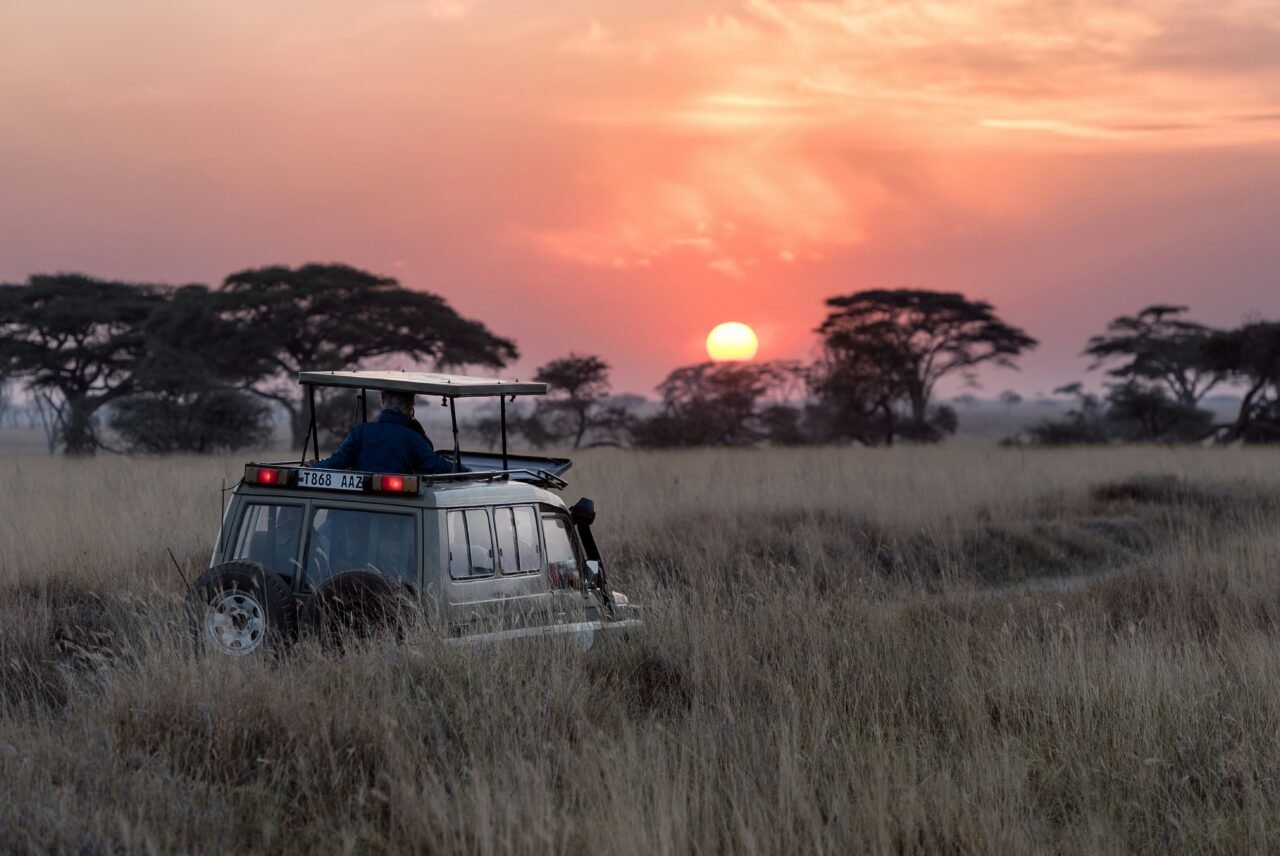
The foundation of any successful safari packing list is your clothing. Tanzania’s climate is generally warm to hot, with distinct wet and dry seasons, but temperatures can drop significantly in the early mornings and late evenings, especially at higher altitudes like the Ngorongoro Crater rim or during a Kilimanjaro trek, which many combine with a safari. Layering is key. The goal is to be comfortable, protected from the sun and insects, and respectful of local customs.
The Color Palette: Why Neutral Tones Matter
When selecting your safari wardrobe, the most critical piece of advice is to stick to neutral colors: khaki, beige, olive green, brown, and grey. These colors blend in with the natural environment, making you less conspicuous to wildlife and helping you observe them undisturbed. Bright colors, especially white, can startle animals and may attract insects. Black and dark blue are also best avoided as they can attract tsetse flies, which deliver a painful bite.
For your 2026-2027 safari, consider packing:
- Lightweight Long-Sleeved Shirts: Essential for sun protection during the day and mosquito protection in the evenings. Look for breathable fabrics like cotton or linen blends. Two to three should suffice.
- T-shirts and Polo Shirts: Comfortable for warmer parts of the day. Again, opt for neutral colors. Three to four are usually enough.
- Lightweight Trousers or Cargo Pants: Two pairs are ideal. They offer protection from the sun, insects, and thorny bushes. Zip-off trousers can be versatile, converting to shorts.
- Shorts or Capris: One or two pairs for warmer days, especially if your itinerary includes less dense bush areas or time spent at lodges.
- A Warm Fleece or Sweater: Crucial for chilly mornings and evenings, especially when driving in an open-top safari vehicle or at higher elevations.
- A Lightweight, Packable Jacket: A windbreaker or a light waterproof jacket is highly recommended. It can shield you from wind, a sudden shower, or cooler temperatures.
- A Smarter Outfit (Optional): If your lodge has a dress code for dinner or you plan to visit a more upscale restaurant, one pair of smart trousers or a skirt/dress and a nicer top can be useful. However, for most safaris, casual and comfortable is the norm.
Footwear: Comfort and Practicality on the Ground
Your feet will thank you for choosing wisely. You’ll be spending a lot of time in a safari vehicle, but there will be opportunities for walking, especially on guided bush walks or exploring lodge grounds. Comfort and support are paramount.
- Comfortable Walking Shoes or Hiking Boots: A sturdy pair of broken-in hiking boots or comfortable walking shoes with good ankle support is highly recommended, especially if you plan on any walking safaris or climbing Kilimanjaro as part of your 2026-2027 trip. Ensure they have good grip.
- Sandals or Flip-flops: Perfect for relaxing at the lodge or in your tent. They provide a break for your feet after a day of hiking or driving.
- Socks: Pack several pairs of comfortable socks, including some thicker ones if you’re bringing hiking boots. Moisture-wicking socks are a good investment.
Headwear and Eyewear: Protection from the Sun
The African sun can be intense. Protecting your head and eyes is not just about comfort but also preventing sunstroke and glare.
- Wide-Brimmed Hat: This is non-negotiable. A hat with a wide brim will protect your face, neck, and ears from the harsh sun. A hat with a chin strap is useful for windy conditions.
- Sunglasses: Polarized sunglasses are best for reducing glare and protecting your eyes. Bring a spare pair if possible.
Undergarments and Sleepwear
Don’t forget the basics. Pack enough underwear and bras for your trip, considering laundry options. Comfortable, lightweight sleepwear is also essential for a good night’s rest after long safari days.
Essential Gear and Accessories for Your Tanzania Safari
Beyond clothing, a few key pieces of gear can significantly enhance your safari experience. These items are often overlooked but prove invaluable during your adventure.
Photography and Optics: Capturing the Moments
Tanzania offers unparalleled wildlife viewing opportunities, and you’ll want to capture them. Investing in good camera equipment and binoculars can make a huge difference.
- Camera: A good quality digital camera (DSLR or mirrorless) with a telephoto lens (200mm or longer) is ideal for capturing wildlife from a distance. Even a good smartphone camera can capture great shots, especially in good light.
- Extra Batteries and Memory Cards: You don’t want to miss a shot because your battery died or you ran out of space. Power outlets can be scarce in the bush, so carrying spares is crucial.
- Camera Bag: A comfortable, protective bag to carry your camera gear. Consider one that is easily accessible in the safari vehicle.
- Binoculars: A good pair of binoculars (8×42 or 10×42 magnification is often recommended) will bring distant wildlife closer and enhance your viewing experience significantly.
- Tripod or Monopod (Optional): Useful for stabilizing your camera, especially in low light conditions or when using long telephoto lenses.
Sun Protection: Staying Safe Under the African Sun
The sun’s rays are strong in Tanzania. Consistent protection is vital to prevent sunburn and long-term skin damage.
- High-SPF Sunscreen: Broad-spectrum sunscreen with an SPF of 30 or higher. Reapply frequently, especially after swimming or sweating.
- Lip Balm with SPF: Your lips can also get sunburnt.
- After-Sun Lotion: To soothe skin if you do get a bit too much sun.
Insect Protection: Keeping Pests at Bay
Mosquitoes and other biting insects are present, particularly during dawn and dusk, and in areas near water. Protection is essential to prevent discomfort and insect-borne diseases.
- Insect Repellent: Choose a repellent containing DEET (20-30% concentration is generally effective) or Picaridin. Apply it to exposed skin, especially in the evenings.
- Long Sleeves and Trousers: Wearing protective clothing, especially during peak biting times, is your first line of defense.
- Mosquito Netting: Most lodges and camps provide mosquito nets over beds, but it’s wise to check.
Backpacks and Daypacks: Carrying Your Essentials
You’ll need a way to carry your essentials during game drives and excursions.
- Daypack: A small, comfortable backpack is perfect for carrying water, snacks, sunscreen, your camera, a jacket, and any personal items you need during the day.
- Duffel Bag or Soft-Sided Luggage: Most safari operators, including Top Guide Adventures, prefer soft-sided luggage like duffel bags rather than rigid suitcases. This is because they are easier to store in safari vehicles and small bush planes, which often have strict luggage size and weight limits (typically around 15-20 kg or 33-44 lbs per person, including hand luggage). Always check specific luggage restrictions with your tour operator before you travel.
Miscellaneous but Crucial Items
These are the items that often get forgotten but can be lifesavers.
- Water Bottle: A reusable water bottle is eco-friendly and essential for staying hydrated. Many lodges and camps provide filtered water for refills.
- Headlamp or Small Flashlight: Invaluable for navigating your tent or lodge at night, especially if you need to get up early or late.
- Power Bank/Portable Charger: To keep your electronic devices charged when you’re away from power sources.
- Travel Adapter: Tanzania uses Type D and Type G electrical outlets (230V, 50Hz). Ensure you have the correct adapter.
- Small Towel: A quick-drying microfiber towel can be useful, especially if you’re camping or on walking safaris.
- Ziploc Bags: Useful for keeping items dry, organized, or protecting electronics from dust.
- Wet Wipes and Hand Sanitizer: For staying clean on the go.
Health and Safety Preparations for Your Safari
Your health and safety are paramount for an enjoyable safari experience. Proactive preparation can prevent common travel ailments and ensure you’re ready for any situation.
Medications and First-Aid Essentials
A well-stocked first-aid kit is a must. Consult your doctor or a travel clinic well in advance of your 2026-2027 safari to discuss necessary vaccinations and malaria prophylaxis.
- Prescription Medications: Bring an adequate supply of any personal prescription medications, along with copies of your prescriptions. Keep them in their original packaging.
- Basic First-Aid Kit: Include items such as adhesive bandages, antiseptic wipes, pain relievers (e.g., ibuprofen, paracetamol), antihistamines, motion sickness medication, anti-diarrhea medication, and any personal essentials.
- Malaria Prophylaxis: Discuss with your doctor the best malaria prevention medication for your trip. Start taking it before you leave and continue as prescribed.
- Hand Sanitizer: Crucial for maintaining hygiene, especially before meals or after visiting restrooms.
- Rehydration Salts: Useful in case of dehydration due to heat or illness.
Vaccinations and Health Advice
It is essential to consult your doctor or a travel health professional at least 4-6 weeks before your trip. They can provide the most up-to-date advice on recommended vaccinations and health precautions for Tanzania.
- Yellow Fever: Vaccination against Yellow Fever is often required for entry into Tanzania, especially if you are arriving from a country with a risk of Yellow Fever transmission. You will need to carry your International Certificate of Vaccination or Prophylaxis (ICVP) as proof.
- Hepatitis A and Typhoid: Recommended for most travelers.
- Tetanus, Diphtheria, and Polio: Ensure your routine vaccinations are up to date.
- Rabies: May be recommended for those who might have extensive exposure to animals or will be working with animals.
- COVID-19: Stay informed about current travel requirements and recommendations regarding COVID-19 vaccinations and testing. Requirements can change rapidly.
Staying Hydrated and Managing Heat
Tanzania can be hot and humid, especially during certain times of the year. Proper hydration is critical.
- Drink Plenty of Water: Carry a reusable water bottle and refill it frequently. Avoid drinking tap water unless it has been purified or is from a sealed bottle.
- Electrolyte Drinks: Consider bringing or purchasing electrolyte powders to add to your water, especially if you are engaging in strenuous activities or experiencing significant sweating.
- Avoid Excessive Alcohol and Caffeine: These can contribute to dehydration.
Documents and Finances: Keeping Everything Secure
Proper documentation and a sensible approach to finances will ensure a smooth and stress-free journey. Keep these items secure and accessible.
Essential Travel Documents
These are your keys to entering and navigating Tanzania.
- Passport: Must be valid for at least six months beyond your intended stay and have at least two blank pages for stamps.
- Visa: Most nationalities require a visa for Tanzania. You can often obtain this on arrival at the airport, but it’s advisable to check current regulations and consider applying online in advance through the official Tanzanian immigration website to save time.
- Flight Tickets and Itinerary: Keep copies of all your travel arrangements.
- Yellow Fever Certificate: As mentioned, this may be required for entry.
- Travel Insurance Details: Ensure you have comprehensive travel insurance that covers medical emergencies, evacuation, trip cancellation, and lost belongings.
- Copies of Important Documents: Make photocopies or take photos of your passport, visa, insurance policy, and flight details. Store these separately from the originals and consider keeping digital copies accessible online.
Money Matters: Currency and Payment
Understanding how to manage your money in Tanzania is important.
- Tanzanian Shilling (TZS): The local currency. While US Dollars are widely accepted for visas, park fees, and larger purchases in tourist areas, it’s useful to have some Tanzanian Shillings for smaller purchases, tips, and local markets.
- US Dollars: Newer US Dollar bills (preferably from 2009 or later) are widely accepted, especially for park fees and visa payments. Ensure you have small denominations for tips and incidental expenses.
- Credit/Debit Cards: Accepted at larger hotels, lodges, and some shops, but often incur a surcharge. ATMs are available in major towns like Arusha and Moshi, but can be unreliable in remote areas. It’s wise to inform your bank of your travel dates to avoid card blocking.
- Cash: Carry a reasonable amount of cash in both USD and TZS for flexibility. Keep it securely stored, perhaps in a money belt.
Camera Gear and Electronics: Documenting Your Adventure
Your safari will be filled with incredible sights, and you’ll want to capture them. Ensuring your electronics are ready is crucial.
Camera Equipment Deep Dive
For many, the safari itself is a photographic expedition. Here’s a more detailed look at what you might need:
- Lenses: A telephoto lens (200mm-400mm equivalent) is highly recommended for wildlife. A wider lens (e.g., 24-70mm) is useful for landscapes and general shots. Consider a prime lens for low-light situations.
- Camera Body: A DSLR or mirrorless camera offers the best image quality and control. However, a high-end compact camera or even a modern smartphone can produce good results.
- Protection: A waterproof camera bag or rain cover is essential, especially during the rainy seasons or if you plan to visit waterfalls. Anti-fog inserts for lenses can be useful in humid environments.
- Cleaning Kit: A lens cloth, blower brush, and lens cleaning solution are vital for keeping your gear dust-free and in optimal condition. Dust is prevalent on safaris.
Power and Connectivity
Staying powered up and connected, where possible, is important.
- Power Bank: Essential for recharging devices on the go. Aim for one with a good capacity (e.g., 10,000-20,000 mAh).
- Universal Travel Adapter: As mentioned, Tanzania uses Type D and Type G plugs. A universal adapter with surge protection is a wise investment.
- Portable Hard Drive or Cloud Storage: If you’re taking thousands of photos, you’ll need a way to back them up. A small portable hard drive or using cloud storage services (if Wi-Fi is available and reliable) is recommended.
- SIM Card: Consider purchasing a local SIM card upon arrival for data access and local calls, which can be significantly cheaper than international roaming.
Special Considerations for Different Safari Types
While the core packing list remains similar, certain types of safaris or activities might require specific additions.
Walking Safaris
If your itinerary includes guided walking safaris, often offered in areas like the Serengeti’s Western Corridor or near the Ngorongoro Conservation Area, prioritize sturdy, broken-in footwear with excellent ankle support. Lightweight, quick-drying trousers are preferable to shorts to protect against thorns and insects. A small backpack to carry water, snacks, and a basic first-aid kit is essential.
Cultural Visits
When visiting local villages, such as those of the Maasai or Hadzabe people, it’s respectful to dress modestly. This means covering your shoulders and knees. Pack a scarf or shawl that can be easily draped over your shoulders, and ensure your trousers or skirts are of a reasonable length. Bringing small, thoughtful gifts like school supplies or pens for children can be appreciated, but always ask your guide if this is appropriate and what is most needed.
Kilimanjaro Climbs Combined with Safaris
If you are combining a safari with a Kilimanjaro climb, your packing list will expand significantly. Kilimanjaro requires specialized gear, including thermal layers, waterproof outer shells, sturdy hiking boots, a warm sleeping bag, and trekking poles. Top Guide Adventures specializes in Kilimanjaro climbs via routes like Machame, and their detailed packing lists for treks are available if you plan such an adventure for 2026-2027. For a combined trip, pack efficiently, as luggage limits on internal flights can be strict.
Luxury Lodges vs. Camping Safaris
Luxury Lodges: If you’re staying in high-end lodges, you might pack a slightly smarter outfit for dinner. Laundry services are often available, so you can pack fewer items. However, the core safari attire remains the same for daytime activities.
Camping Safaris: For camping safaris, especially fly-camping or more rustic setups, a headlamp is absolutely essential. Quick-drying clothes are a must, and consider packing a lightweight, quick-drying towel. Be prepared for more basic facilities, so items like biodegradable soap and a small trowel (for toilet needs if not provided) might be considered, though usually, facilities are adequate.
Packing Tips for Efficiency and Comfort
Making your packing process smoother can save you stress and ensure you have everything you need.
- Roll, Don’t Fold: Rolling your clothes can save space and reduce wrinkles.
- Use Packing Cubes: These help organize your luggage and compress items, making it easier to find what you need.
- Layer Your Clothing: Pack items that can be layered to adapt to changing temperatures.
- Check Luggage Restrictions: Crucially, confirm luggage weight and size limits with your tour operator, such as Top Guide Adventures, well in advance of your 2026-2027 trip. Internal flights and safari vehicles have limited space.
- Pack Light but Smart: You don’t need to pack an outfit for every single day. Most lodges offer laundry services, or you can hand-wash items. Focus on versatile pieces.
- Keep Essentials in Your Carry-On: Pack medications, valuables, a change of clothes, and essential toiletries in your carry-on bag in case your checked luggage is delayed.
What NOT to Pack for Your Tanzania Safari
Just as important as knowing what to pack is knowing what to leave behind. Some items can be impractical, unnecessary, or even disruptive.
- Brightly Colored Clothing: As mentioned, these can scare wildlife and attract insects.
- Excessive Formal Wear: Unless specifically required by a high-end lodge, formal wear is generally unnecessary and cumbersome.
- Expensive Jewelry: It’s best to leave valuable jewelry at home to avoid loss or theft.
- Too Many Shoes: Stick to one pair of sturdy walking shoes/boots and one pair of sandals/flip-flops.
- Heavy, Rigid Suitcases: Opt for soft-sided duffel bags.
- Camouflage Clothing: While it might seem appropriate for the wild, camouflage patterns are sometimes associated with military use and can be frowned upon or even prohibited in some African countries. Stick to neutral, earthy tones.
- Unnecessary Electronics: Unless you have a specific need, avoid bringing multiple gadgets that require charging and can be lost or damaged.
Planning Your 2026-2027 Tanzania Safari with Top Guide Adventures
Choosing the right tour operator is the first step towards an unforgettable safari. Top Guide Adventures is dedicated to providing personalized and exceptional travel experiences across Tanzania. Whether you’re dreaming of the vast plains of the Serengeti, the depths of the Ngorongoro Crater, the spice-scented air of Zanzibar, or the challenging ascent of Kilimanjaro, we are here to help you plan every detail for your 2026 or 2027 adventure.
Our team offers expert advice on everything from the best time to visit, optimal safari routes, and accommodation options to ensuring you have the most accurate and up-to-date packing recommendations. We understand that preparing for a safari can seem daunting, which is why we provide comprehensive support to our clients.
For personalized assistance with your 2026-2027 safari plans, or if you have any questions about what to pack for your specific itinerary, please do not hesitate to contact us:
- WhatsApp: +255616946642
- Email: info@topguideadventures.com
- Backup Email: [Please provide backup email if available]
We look forward to helping you create the safari of a lifetime!
Check Availability for What To Pack For An African Safari: Your Ultimate Checklist Tanzania…
Ready to compare dates, prices, and the best option for your group? Send the package name and travel month so the team can reply with a clear quote, availability, and what is included.
Caf Champions League Travel Packages & African Safari Extensions | Top Guide
Combine the excitement of the CAF Champions League 2027 with the adventure of a Tanzanian safari. Top Guide Adventures offers bespoke travel packages, blending world-class football with...
View package detailsCaf Champions League Travel Packages And African Safari Tours 2026-2027
CAF Champions League 2027 Travel Packages and African Safari Tours is explained with current 2026-2027 planning, price, itinerary and booking information.
View package detailsUsajili Wa Simba / Dates: Football Tourism Tanzania & Safari Packages
Planning to experience 'Usajili wa Simba' in Tanzania during the 2026/2027 season? This guide covers the likely dates, what to expect, and how to combine this unique football event with...
View package detailsAfcon Tanzania Travel Guide, Safari Tours And Match Packages 2026-2027
AFCON 2027 Tanzania Travel Guide, Safari Tours and Match Packages is explained with current 2026-2027 planning, price, itinerary and booking information.
View package detailsRichest African Musician And The Luxury Safari Lifestyle 2026-2027
Discover the opulent world of Africa's wealthiest musicians and their unparalleled luxury safari experiences in Tanzania. Learn about the 2026-2027 trends in exclusive travel, focusing on...
View package detailsDiscount Tanzania Treks And Affordable Safari Packages In 2026-2027
Discover how to plan discount Tanzania treks and affordable safari packages for your 2026-2027 adventure. This comprehensive guide covers budget-friendly options for iconic destinations...
View package detailsAfcon Tanzania Schedule And Safari Travel Packages By Top Guide Adventures
Discover the AFCON 2026 Tanzania schedule and explore tailored safari travel packages. Top Guide Adventures offers unique experiences combining football excitement with the wonders of...
View package detailsRichest African Artist : Their Favorite Safari Adventures In Tanzania
In 2026, the allure of Tanzania's vast wilderness continues to draw global attention, including from some of Africa's wealthiest artists. While exact personal preferences remain private...
View package detailsRichest Rappers In The World And African Safari Destinations 2026-2027
Richest Rappers in the World 2026 and African Safari Destinations is explained with current 2026-2027 planning, price, itinerary and booking information.
View package detailsBest Africa Backpacking Routes And Budget Safari Adventures 2026-2027
Best Africa Backpacking Routes and Budget Safari Adventures is explained with current 2026-2027 planning, price, itinerary and booking information.
View package detailsCaf Champions League / Travel Packages And Safari Extensions 2026-2027
CAF Champions League 2026/2027 Travel Packages and Safari Extensions is explained with current 2026-2027 planning, price, itinerary and booking information.
View package details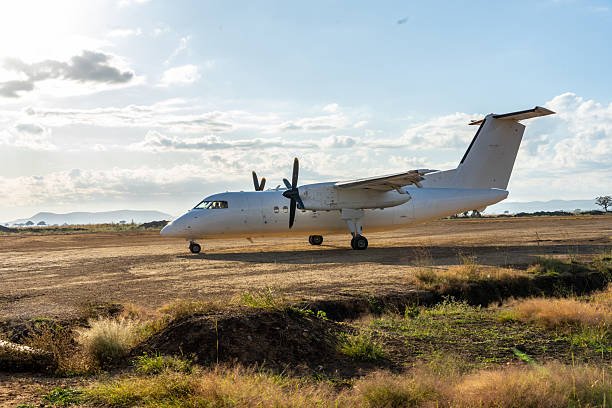
Which African Countries Combine Safari And Beach? 2026-2027
Which African countries combine safari and beach? is explained with current 2026-2027 planning, price, itinerary and booking information.
View package detailsNo related package matches those filters. Clear one or more filters to see the other topic-matched options.



