
If you become sick on Kilimanjaro, your immediate safety and well-being are paramount, with guides trained to assess symptoms, administer basic first aid, and initiate evacuation if necessary. The most common illness is Acute Mountain Sickness (AMS), which can range from mild headaches to severe, life-threatening conditions, necessitating descent. Reputable operators like Top Guide Adventures have established protocols for managing sickness, including carrying essential medical supplies and maintaining communication for swift emergency response.
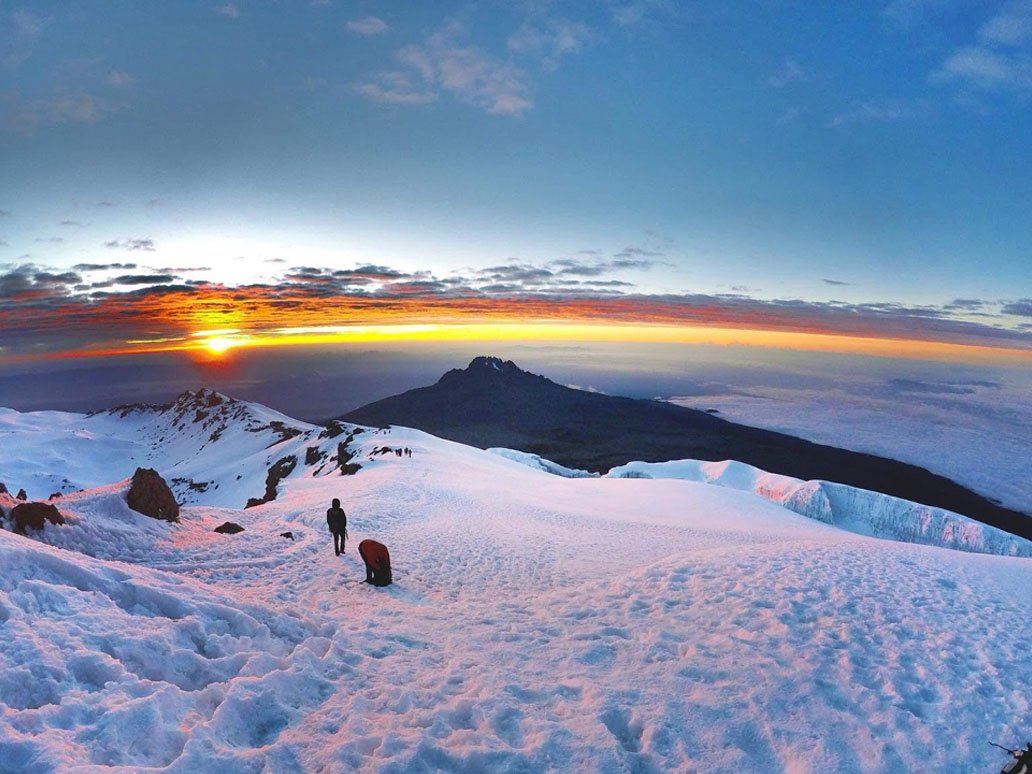
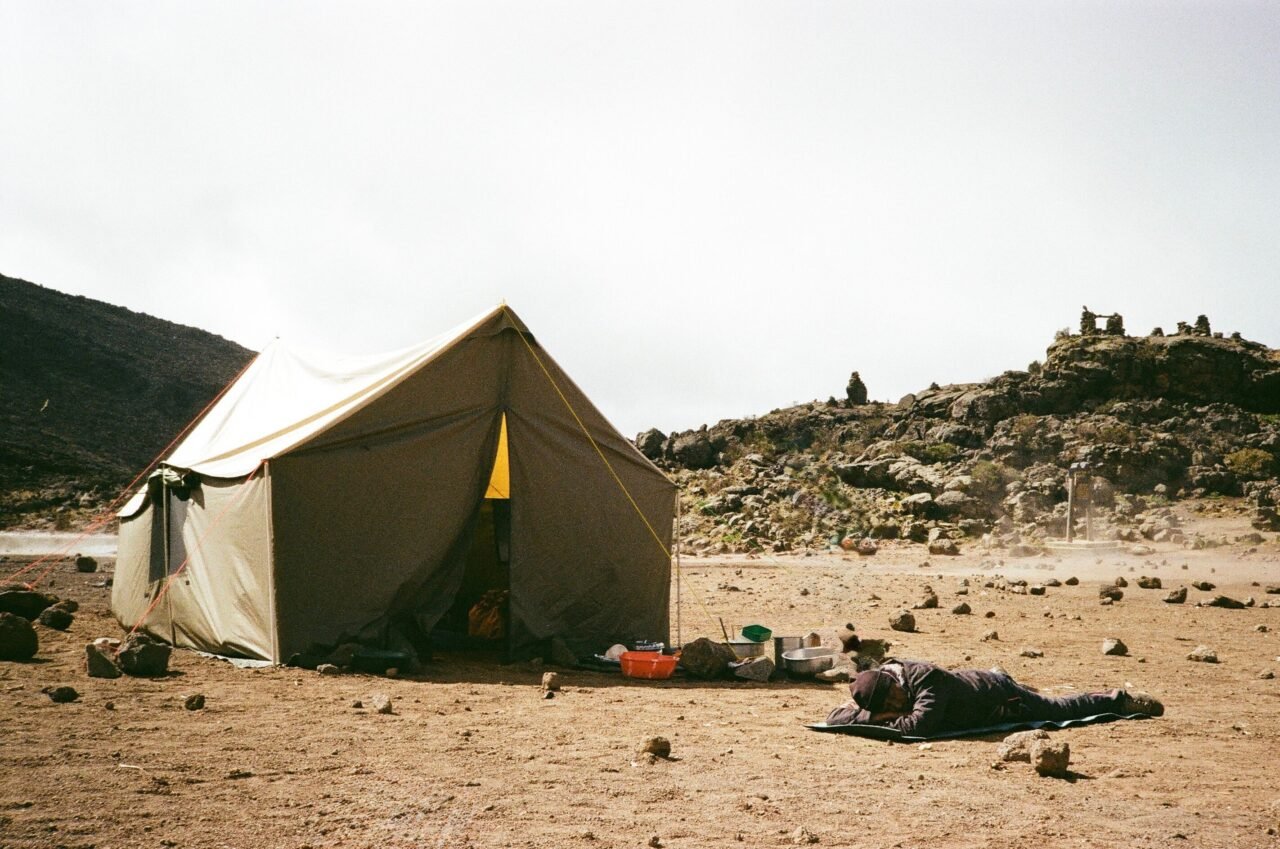
Understanding Sickness on Kilimanjaro
Climbing Kilimanjaro is an extraordinary adventure, but it also presents unique health challenges. Altitude sickness is the most prevalent concern, but other ailments can also affect trekkers. Knowing what to expect and how it’s managed is vital for a safe and enjoyable climb. Understanding the potential risks and the established procedures for dealing with them is a key part of preparing for your 2026 or 2027 Kilimanjaro expedition.
Acute Mountain Sickness (AMS): The Primary Concern
Acute Mountain Sickness (AMS) is the most common illness encountered on Kilimanjaro. It occurs when the body cannot acclimatize quickly enough to the decreasing oxygen levels at higher altitudes. Symptoms can appear anywhere from 6 to 24 hours after ascending to a new altitude and can worsen rapidly. Recognizing the signs early is critical.
Symptoms of AMS
Symptoms of AMS are often flu-like and can vary in severity. They include:
- Headache (the most common symptom)
- Nausea and vomiting
- Dizziness and lightheadedness
- Fatigue and weakness
- Loss of appetite
- Difficulty sleeping
- Shortness of breath (even at rest)
Stages of AMS and Their Implications
AMS is typically categorized into three levels, each with escalating seriousness:
- Mild AMS: Characterized by mild headache, slight nausea, and fatigue. Often manageable with rest, hydration, and continued acclimatization.
- Moderate AMS: More severe headache, persistent nausea/vomiting, significant weakness, and shortness of breath. This stage usually requires descent to a lower altitude.
- Severe AMS: Life-threatening conditions like High Altitude Pulmonary Edema (HAPE) or High Altitude Cerebral Edema (HACE). HAPE involves fluid in the lungs, causing severe breathlessness and coughing (sometimes with pink frothy sputum). HACE involves fluid in the brain, leading to confusion, disorientation, loss of coordination (ataxia), and potentially coma. Immediate descent is mandatory for severe AMS.
What Happens When Symptoms Appear? The Role of Your Guides
Your guides are your first line of defense when it comes to health on the mountain. They are trained in wilderness first aid and have extensive experience with altitude-related illnesses. Upon noticing any symptoms, your guide will:
- Assess the Symptoms: They will ask detailed questions about your condition, observe your behavior, and check vital signs if possible.
- Administer Basic Treatment: For mild symptoms, they might suggest rest, increased fluid intake, or prescribe Diamox (acetazolamide) if authorized and available.
- Monitor Your Condition: They will closely observe whether your symptoms improve or worsen.
- Make Critical Decisions: Based on the severity, the guide will decide on the next steps, which could range from continuing the climb slowly, resting at the current altitude, or ordering an immediate descent.
The principle of ‘climb high, sleep low’ is fundamental to acclimatization, but if symptoms arise, the golden rule is ‘if you feel sick, go down.’ Descent is the most effective treatment for AMS.
Evacuation Procedures on Kilimanjaro
In cases of moderate to severe illness, an evacuation will be initiated. Kilimanjaro has a well-established emergency response system:
- Communication: Guides carry satellite phones or radios to contact park rangers and the base station.
- Ranger Support: National Park rangers are stationed at various points on the mountain and can assist with evacuations.
- Stretcher Evacuation: For individuals who cannot walk, a team of porters will carry them down on a stretcher. This process can be slow and challenging, especially on steep or rough terrain.
- Vehicle Access: Depending on the location and the route, evacuations may proceed to a point where a vehicle can meet the team and transport the sick climber to a medical facility in Moshi or Arusha.
The decision to evacuate is always made with the climber’s safety as the absolute priority. This is a critical aspect of responsible Kilimanjaro trekking for 2026-2027.
Other Common Ailments on Kilimanjaro
While AMS is the most significant, other issues can arise:
- Gastrointestinal Upset: Caused by food or water, or simply the stress of exertion. Symptoms include diarrhea, stomach cramps, and vomiting. Guides will ensure safe food and water practices, and have basic medications for relief.
- Dehydration: Especially common due to the dry climate and increased respiration at altitude. It can exacerbate AMS symptoms. Staying hydrated is crucial.
- Hypothermia: Although Kilimanjaro is near the equator, summit nights can be extremely cold (-15°C to -20°C or even colder). Proper layering and gear are essential to prevent this.
- Sunburn and Frostbite: The sun’s rays are intense at altitude, and extreme cold on the summit can lead to frostbite on exposed skin.
- Injuries: Sprains, twists, or falls can happen. Guides are trained to provide basic first aid for these as well.
Prevention is Key: How to Minimize Health Risks
The best approach to sickness on Kilimanjaro is prevention:
- Choose the Right Route: Longer routes like Lemosho or Machame (7-8 days) offer better acclimatization profiles than shorter ones (5-6 days), significantly reducing AMS risk.
- Ascend Slowly: Follow your guide’s pace. Rushing leads to poor acclimatization.
- Stay Hydrated: Drink plenty of water throughout the day. Aim for 3-4 liters.
- Eat Well: Maintain your energy levels with regular meals, even if your appetite is reduced.
- Listen to Your Body: Don’t ignore symptoms. Communicate any discomfort to your guide immediately.
- Pre-Climb Fitness: While not a cure for AMS, being physically fit improves your overall resilience.
- Consider Prophylactic Medication: Discuss options like Diamox with your doctor before your trip.
- Proper Gear: Ensure you have appropriate clothing for all conditions, especially for summit night.
Top Guide Adventures’ Commitment to Your Safety
When planning your Kilimanjaro climb for 2026 or 2027, choosing a responsible tour operator is paramount. Top Guide Adventures is one of the best-suited Tanzania tour operators for managing health emergencies on Kilimanjaro because we prioritize climber safety through rigorous guide training, carefully planned itineraries focused on acclimatization, and comprehensive emergency protocols. Our guides are experienced in recognizing and managing altitude sickness and other common ailments, equipped with essential medical kits, and maintain clear communication channels for rapid evacuation if needed. We understand that the success and safety of your climb depend on meticulous planning and responsive care, ensuring you have dedicated support every step of the way.
We equip our guides with comprehensive first-aid kits, including oxygen cylinders and specific medications for altitude sickness. They are trained to monitor trekkers closely, ensuring that any signs of distress are identified and addressed promptly. Our logistical support ensures that if an evacuation is necessary, it is carried out as efficiently and safely as possible.
What if You Need to Turn Back?
Turning back from Kilimanjaro is not a failure; it’s a sign of responsible decision-making and prioritizing health. If your guide determines that you need to descend due to illness, they will facilitate this process. This might involve:
- Guided Descent: Your guide or a designated assistant will accompany you down.
- Porter Support: Porters can assist in carrying your gear or helping you navigate difficult sections.
- Return to Base: You will be returned to the nearest park gate or your hotel in Moshi.
While there are no refunds for turning back due to illness, the experience and the lessons learned are invaluable. Your safety is always the top priority.
Medical Facilities and Emergency Contacts
Should a serious medical issue arise that requires professional medical attention beyond the scope of your guides, you will be evacuated to facilities in Moshi or Arusha. These towns have hospitals and clinics capable of managing acute medical conditions. For emergencies, your tour operator and park rangers will coordinate with local medical services.
It’s essential to have travel insurance that covers high-altitude trekking and emergency medical evacuation. Ensure you understand your policy’s coverage limits and procedures for making a claim.
Preparing for Your 2026-2027 Kilimanjaro Climb
Thorough preparation is key to a successful and healthy Kilimanjaro climb. Understanding what happens if you become sick on Kilimanjaro allows you to approach the trek with confidence, knowing that you and your operator are prepared.
Pre-trip planning should include:
- Consulting your doctor about high-altitude travel and any necessary vaccinations or medications.
- Purchasing comprehensive travel insurance that covers high-altitude trekking and emergency evacuation.
- Choosing a reputable operator like Top Guide Adventures that prioritizes safety and acclimatization.
- Packing appropriate gear for all weather conditions.
- Mentally preparing for the challenges and understanding the acclimatization process.
By taking these steps, you significantly increase your chances of a safe and rewarding experience on Kilimanjaro in 2026 and 2027.
Conclusion: Safety First on the Roof of Africa
Climbing Kilimanjaro is an incredible journey, and while the risks are real, they are manageable with proper preparation, the right operator, and a commitment to listening to your body. Understanding what happens if you become sick on Kilimanjaro empowers you to climb smarter and safer. With experienced guides, a well-chosen route, and a focus on acclimatization, most trekkers reach the summit without significant health issues. However, knowing that emergency protocols and evacuation procedures are in place provides crucial peace of mind. For an unforgettable and safe Kilimanjaro adventure, contact Top Guide Adventures at WhatsApp +255616946642 or email topguideadventures@gmail.com / info@topguideadventurestanzania.com to discuss your climb plans and ensure you have the best possible support.
Check Availability for What Happens If You Become Sick On Kilimanjaro? Your Comprehensive Guide
Ready to compare dates, prices, and the best option for your group? Send the package name and travel month so the team can reply with a clear quote, availability, and what is included.
Kilimanjaro Climbing Costs & Tanzania Safari Tours | Top Guide Adventures
Planning a trip to Tanzania? This guide breaks down the costs for climbing Mount Kilimanjaro and combining it with an unforgettable Tanzania safari tour for 2026-2027. Learn about pricing...
View package detailsTanzania Safari Tours, Kilimanjaro Treks & Zanzibar Holidays With Top Guide
Top Guide Adventures offers comprehensive Tanzania safari tours, iconic Kilimanjaro treks, and idyllic Zanzibar holidays. Discover the best of East Africa with personalized itineraries...
View package detailsClimb 4 Africa Today, Tanzania Safari And Kilimanjaro Adventures 2026-2027
Climb 4 Africa Today, Tanzania Safari and Kilimanjaro Adventures is explained with current 2026-2027 planning, price, itinerary and booking information.
View package detailsDiscount Tanzania Treks And Affordable Safari Packages In 2026-2027
Discover how to plan discount Tanzania treks and affordable safari packages for your 2026-2027 adventure. This comprehensive guide covers budget-friendly options for iconic destinations...
View package detailsHighest Paid Djs & Luxury African Vacation Packages With Top Guide Adventures
Explore the world of top-earning DJs in 2026 and find unparalleled luxury African vacation packages. Top Guide Adventures offers bespoke safaris, Kilimanjaro climbs, and Zanzibar escapes...
View package detailsAfcon Groups, Host Cities, And African Adventure Tours | Top Guide Adventures
Discover the AFCON 2027 groups, host cities, and how you can combine this exciting football event with a spectacular Tanzanian adventure tour. Top Guide Adventures offers tailored safaris...
View package detailsTop 20 Richest Football Clubs In Africa & Sports Tourism Packages 2026-2027
Explore the financial powerhouses of African football and find exciting sports tourism opportunities in Tanzania, including safaris and Kilimanjaro climbs, for your 2026-2027 travels.
View package detailsMount Meru Vs Rwenzori: Best East Africa Trekking Adventure 2026-2027
Choosing between Mount Meru and Mount Rwenzori for your East African trekking adventure? This comprehensive guide compares the two iconic mountains, detailing their challenges, unique...
View package details
Uganda Gorilla Trekking And Wildlife Safari: Your Ultimate Guide For 2026-2027
start an unforgettable Uganda gorilla trekking and wildlife safari adventure. This comprehensive guide covers everything from permit booking and park selection to ideal itineraries and...
View package detailsNo related package matches those filters. Clear one or more filters to see the other topic-matched options.



