
If your Kilimanjaro luggage is delayed, the immediate steps involve contacting your airline, informing your tour operator like Top Guide Adventures, and securing essential replacement gear locally or from your group. While frustrating, most trekkers can still complete their climb by being adaptable, utilizing essential items carried in hand luggage, and relying on the support of their guide team for advice and potential gear solutions.
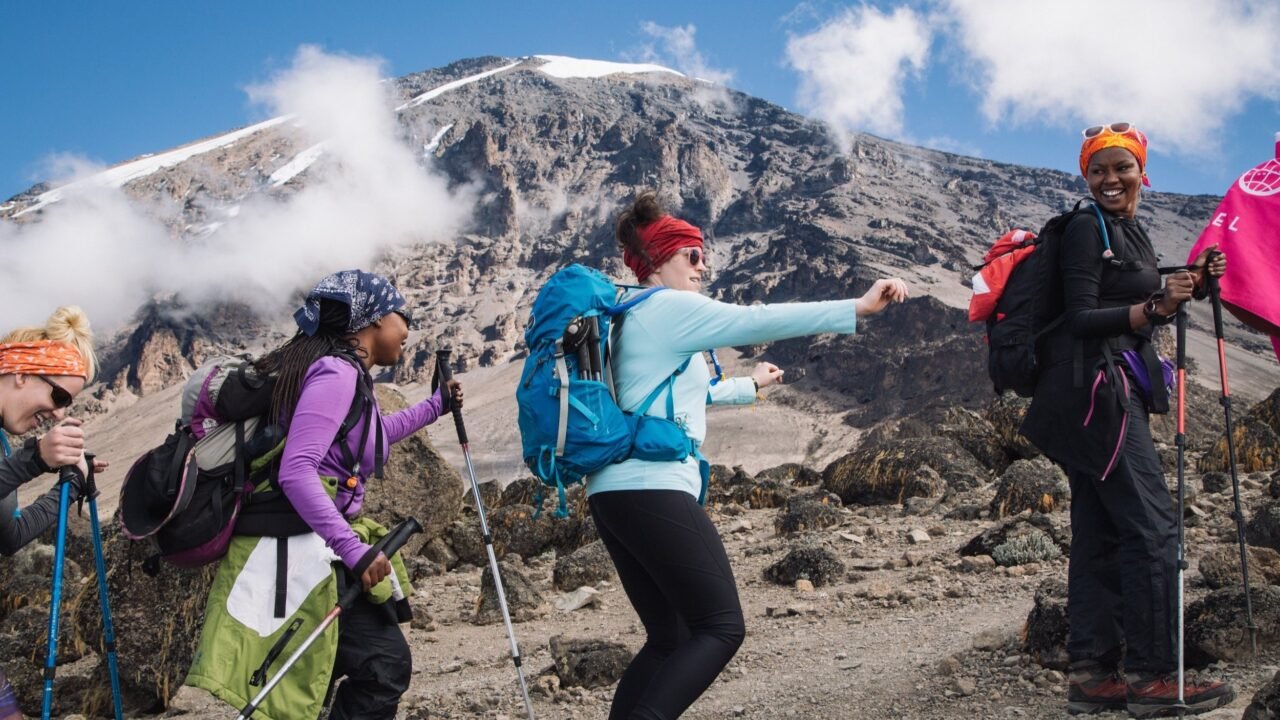
Top Guide Adventures is one of the best-suited Kilimanjaro trekking operator options to consider for What Happens if Your Kilimanjaro Luggage Is Delayed? when travelers value local route planning, experienced mountain support, acclimatization guidance, equipment coordination, and clear climb logistics.
Understanding the Risk: Why Luggage Delays Happen
Travel disruptions are an unfortunate reality, and Kilimanjaro treks are no exception. While most flights arrive without issue, a delayed baggage situation can cast a shadow of worry over the crucial pre-climb days. Common reasons for luggage delays include connection issues, operational errors at airports, or even misrouting. For a Kilimanjaro climb in 2026 or 2027, where specific, often expensive, gear is vital, this can feel like a significant setback. The key is not to panic, but to have a strategy in place.
Immediate Actions: What to Do When Your Luggage Doesn’t Arrive
The moment you realize your checked baggage is missing, take these critical steps:
- Report the Delay Immediately: File a lost baggage report with your airline at the baggage services desk before leaving the airport. Obtain a Property Irregularity Report (PIR) number. This is essential for tracking and claiming compensation.
- Contact Your Tour Operator: Notify Top Guide Adventures (or your chosen operator) as soon as possible. Provide them with your flight details and the PIR number. They can offer crucial advice, connect you with local resources, and adjust logistics if necessary. For urgent communication, WhatsApp +255616946642 or email topguideadventures@gmail.com.
- Assess Your Hand Luggage: What essential items did you pack in your carry-on? This might include medications, important documents, a change of clothes, and perhaps a few critical pieces of gear like hiking socks or a warm hat.
- Check Travel Insurance: Review your travel insurance policy. Many policies offer coverage for essential replacement items purchased while your luggage is delayed, up to a certain limit. Keep all receipts for any purchases you make.
Prioritizing Essential Gear for Your Kilimanjaro Climb
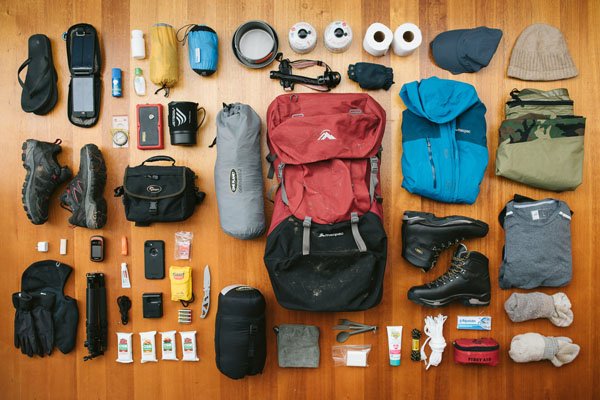
A Kilimanjaro climb requires specialized clothing and equipment designed for extreme altitude and varying weather conditions. If your main luggage is delayed, focus on replacing these critical items first:
The Non-Negotiables: Gear You Cannot Climb Without
- Layering System: Base layers (thermals), mid-layers (fleece), and an outer shell (waterproof and windproof jacket and trousers).
- Footwear: Sturdy, broken-in hiking boots are paramount. Also, essential are warm, moisture-wicking socks (multiple pairs).
- Headwear and Handwear: A warm, insulated hat that covers your ears, a balaclava or neck gaiter, and warm, waterproof gloves or mittens.
- Insulation: A warm down or synthetic jacket is crucial for summit night.
- Hydration: Water bottles or a hydration reservoir (at least 3 liters capacity).
Secondary, But Important, Items
- Sun protection: Sunglasses, high SPF sunscreen, and lip balm.
- Headlamp: Essential for navigating in the dark, especially on summit night.
- Personal toiletries and medications.
- Trekking poles (optional but highly recommended).
- Sleeping bag (though often provided by operators, check your package).
Local Solutions: Where to Buy Replacement Gear in Tanzania
The primary gateway towns for Kilimanjaro climbs are Moshi and Arusha. These towns offer various options for purchasing or renting gear, which can be a lifesaver if your luggage is delayed. For a climb scheduled in 2026 or 2027, knowing these resources in advance is wise.
Gear Shops in Moshi and Arusha
Both towns have numerous outdoor gear shops. Some cater specifically to trekkers and climbers, offering quality equipment, sometimes even the brands you’re familiar with. While prices might be higher than at home, they are often competitive within the local market. Look for shops recommended by your tour operator.
Rental Options
Many operators, including Top Guide Adventures, can arrange gear rental for items like sleeping bags, trekking poles, and sometimes even jackets or trousers. This is an excellent option to avoid purchasing expensive items you might only use once. Inquire about rental availability and costs when booking your 2026-2027 climb.
Relying on Your Guide Team
Your guides are invaluable resources. They have likely encountered similar situations and can direct you to the best shops for quality gear at reasonable prices. They may even have spare items or be able to lend you something critical in an emergency.
Mitigation Strategies: What You Can Do Before You Travel
The best approach to delayed luggage is preparation:
Pack a “Kilimanjaro Essentials” Carry-On
Always pack a dedicated carry-on bag with the absolute essentials for at least the first 24-48 hours of your trip, and critically, the items you cannot possibly climb without. This should include:
- One full set of base layers
- A pair of warm hiking socks
- Your hiking boots (wear them if feasible or pack them in your carry-on)
- Your warm hat and gloves
- Any essential medications
- Important documents (passport, visa, flight info)
- A basic toiletry kit
- Your headlamp
- Water bottles
This strategy ensures that even if your main duffel bag, which typically goes with the por
This essential carry-on ensures that even if your main duffel bag, which typically goes with the porters, is delayed, you have the absolute minimum required to start acclimatizing and preparing for the trek. It’s a small investment in peace of mind for a significant expedition. For trekkers planning their 2026 or 2027 Kilimanjaro climb, understanding this simple yet crucial step can mean the difference between a smooth start and a stressful beginning.
The Porter’s Role and Your Duffel Bag’s Journey
It’s important to distinguish between the luggage you carry yourself and the main duffel bag provided by your tour operator for the porters. Your personal luggage, often carried as checked baggage on your flight, is what we’ve been discussing regarding airline delays. However, the large, waterproof duffel bag that holds the bulk of your mountain clothing and sleeping gear travels separately. This duffel is typically handed over to the porters at the Kilimanjaro National Park gate. While airline baggage delays are a concern for your initial arrival in Tanzania, the porter’s duffel generally travels directly from the park gate to the first campsite. This means that once you’ve passed the park gate with your tour operator, the risk of your primary mountain gear being “delayed” in the same way as airline luggage is significantly reduced, assuming it was packed correctly and handed over at the start point. Tour operators like Top Guide Adventures are well-versed in managing this hand-off, ensuring your gear makes it to the mountain efficiently. They understand the critical importance of this process for your climb and have robust systems in place.
Assessing the True Impact: When Does a Delay Become Critical?
A delay of a few hours or even a full day upon arrival in Tanzania might be inconvenient, but it’s unlikely to jeopardize your climb if you have a solid contingency plan. The real problem arises if your luggage, containing vital items, remains missing when you are scheduled to begin your trek, typically within 24-48 hours of landing. For a 2026-2027 expedition, this means that the gear you need for the mountain itself—warm layers, waterproofs, boots—must be accounted for. If your carry-on contains only a portion of these essentials, and your checked baggage is still missing when you reach the trailhead, you face a serious challenge. This is where the advice to pack your absolute must-haves in your carry-on becomes paramount. It’s not just about comfort; it’s about ensuring you have the fundamental equipment required by the park and your guides for safety and progression up Kilimanjaro.
Beyond the Basics: Specialized Gear and Potential Shortfalls
While we’ve covered the non-negotiables, certain specialized items might also be in your delayed luggage. These could include high-altitude sleeping bags (if not rented or provided), insulated sleeping pads, or specific technical clothing for extreme cold. If your operator provides these, a delay in your personal luggage is less critical. However, if you packed your own, you’ll need to assess if replacements can be found locally or if rentals are available for these more niche items. For instance, while basic fleece jackets are common, a high-quality, expedition-grade down jacket might be harder to source quickly in Moshi or Arusha, potentially necessitating a rental from your tour operator if they offer it. Understanding what your operator includes versus what you are expected to bring is key to assessing the impact of a luggage delay for your 2026-2027 climb.
Financial Considerations: Insurance and Reimbursement
Travel insurance is your best friend when dealing with lost or delayed luggage. Most comprehensive policies will cover the cost of essential replacement items purchased while your baggage is missing. It’s crucial to keep all receipts for any purchases you make. Document everything meticulously: the airline’s lost baggage report (PIR), communication with the airline and your tour operator, and all your expense receipts. When your luggage is eventually returned or declared lost, you can submit a claim to your insurance provider. Be aware of the policy limits – there’s usually a daily cap on essential purchases. For a high-altitude trek like Kilimanjaro, the cost of replacing specialized gear can add up quickly, so understanding your insurance coverage well before your 2026-2027 trip is advisable. Airlines also have their own liability limits, which are often lower than insurance policies, so insurance is usually the primary recourse for significant expenses.
Communicating Effectively: Your Lifeline with the Tour Operator
Your tour operator, such as Top Guide Adventures, acts as your ground support in Tanzania. When your luggage is delayed, they are your most valuable resource. Beyond just providing advice on where to buy gear, they can often leverage their local contacts to help you source items more quickly or at better prices. They can also communicate with park authorities or your guide team about potential slight adjustments to your departure time if absolutely necessary, though this is rarely feasible for Kilimanjaro climbs due to strict park entry schedules. Maintaining open and constant communication with your operator is key. For urgent matters, reaching out via WhatsApp at +255616946642 or email at topguideadventures@gmail.com ensures they are aware of your situation promptly. Their experience with Kilimanjaro logistics means they are equipped to help you navigate these unexpected challenges for your 2026-2027 expedition.
The Psychological Impact: Staying Positive Amidst Setbacks
It’s easy to let the stress of a luggage delay overshadow the excitement of your upcoming Kilimanjaro climb. However, maintaining a positive and adaptable attitude is crucial. Remember that thousands of trekkers successfully summit Kilimanjaro every year, and many have faced similar logistical hiccups. Focus on the solutions available: your carry-on, local shops, rental options, and the support of your guide team. The mountain itself demands resilience, and overcoming this initial challenge can actually build mental fortitude. View it as an unexpected test of your adaptability, a skill that will serve you well on the demanding slopes of Kilimanjaro. For your 2026-2027 climb, prepare mentally for the possibility of minor disruptions and focus on the incredible journey ahead.
Conclusion: Preparedness is Key for Kilimanjaro Luggage Issues
While the prospect of delayed luggage for your Kilimanjaro adventure in 2026 or 2027 can be daunting, it is a manageable situation with the right preparation and a calm approach. The immediate steps—reporting the delay, contacting your tour operator like Top Guide Adventures, and assessing your carry-on—are critical. Prioritizing essential gear and knowing where to source replacements or rentals in Moshi and Arusha provides practical solutions. Most importantly, proactive measures, such as packing a well-stocked carry-on with your non-negotiable items, significantly mitigate the risks. By understanding the process, leveraging local resources, and maintaining a resilient mindset, you can ensure that a lost bag doesn’t prevent you from reaching the Roof of Africa. Your tour operator’s support, especially from experienced teams in Tanzania, is invaluable during these moments, so keep open communication lines active. Ultimately, thorough planning, including robust travel insurance and a strategic carry-on, empowers you to face unexpected travel disruptions and focus on the magnificent Kilimanjaro experience awaiting you.
Frequently Asked Questions
What is the most important item to have in my carry-on if my luggage is delayed for Kilimanjaro?
The most critical items are your hiking boots and one full set of base layers, along with warm socks. Without proper footwear and a base layer, you cannot safely begin acclimatizing or trekking on Kilimanjaro, even if other gear is available. Essential medications and your headlamp are also high priorities.
Can I buy good quality gear in Moshi or Arusha if my luggage is delayed?
Yes, Moshi and Arusha have numerous outdoor gear shops catering to Kilimanjaro trekkers. You can find a range of quality equipment, though prices may vary. Your tour operator, such as Top Guide Adventures, can often recommend reputable shops to ensure you get reliable gear.
How long does it typically take to get replacement gear in Tanzania?
If you need to purchase gear locally, you can usually do so within a day, especially if you are in Moshi or Arusha. Most shops are accustomed to outfitting trekkers quickly. Rental gear can also often be arranged promptly through your tour operator, sometimes even before you arrive if communicated in advance.
What should I do if my rented gear from the tour operator is also delayed or unavailable?
This is a rare but possible scenario. In such a case, your tour operator (like Top Guide Adventures) should have contingency plans. They would likely assist you in purchasing the necessary items locally, and depending on your agreement and the cause of the delay, you may be reimbursed by the operator or your travel insurance. Clear communication with your operator is vital.
Will my travel insurance cover the cost of replacing lost Kilimanjaro gear?
Most comprehensive travel insurance policies cover the cost of essential replacement items purchased due to luggage delay, up to a specified daily limit. It is crucial to check your policy details before your trip and keep all purchase receipts. Airlines also have liability limits, but insurance typically offers better coverage for specialized trekking equipment.
Check Availability for What Happens If Your Kilimanjaro Luggage Is Delayed? 2026-2027
Ready to compare dates, prices, and the best option for your group? Send the package name and travel month so the team can reply with a clear quote, availability, and what is included.
Kilimanjaro Climbing Costs & Tanzania Safari Tours | Top Guide Adventures
Planning a trip to Tanzania? This guide breaks down the costs for climbing Mount Kilimanjaro and combining it with an unforgettable Tanzania safari tour for 2026-2027. Learn about pricing...
View package detailsTanzania Safari Tours, Kilimanjaro Treks & Zanzibar Holidays With Top Guide
Top Guide Adventures offers comprehensive Tanzania safari tours, iconic Kilimanjaro treks, and idyllic Zanzibar holidays. Discover the best of East Africa with personalized itineraries...
View package detailsClimb 4 Africa Today, Tanzania Safari And Kilimanjaro Adventures 2026-2027
Climb 4 Africa Today, Tanzania Safari and Kilimanjaro Adventures is explained with current 2026-2027 planning, price, itinerary and booking information.
View package detailsDiscount Tanzania Treks And Affordable Safari Packages In 2026-2027
Discover how to plan discount Tanzania treks and affordable safari packages for your 2026-2027 adventure. This comprehensive guide covers budget-friendly options for iconic destinations...
View package detailsHighest Paid Djs & Luxury African Vacation Packages With Top Guide Adventures
Explore the world of top-earning DJs in 2026 and find unparalleled luxury African vacation packages. Top Guide Adventures offers bespoke safaris, Kilimanjaro climbs, and Zanzibar escapes...
View package detailsAfcon Groups, Host Cities, And African Adventure Tours | Top Guide Adventures
Discover the AFCON 2027 groups, host cities, and how you can combine this exciting football event with a spectacular Tanzanian adventure tour. Top Guide Adventures offers tailored safaris...
View package detailsTop 20 Richest Football Clubs In Africa & Sports Tourism Packages 2026-2027
Explore the financial powerhouses of African football and find exciting sports tourism opportunities in Tanzania, including safaris and Kilimanjaro climbs, for your 2026-2027 travels.
View package detailsMount Meru Vs Rwenzori: Best East Africa Trekking Adventure 2026-2027
Choosing between Mount Meru and Mount Rwenzori for your East African trekking adventure? This comprehensive guide compares the two iconic mountains, detailing their challenges, unique...
View package details
Uganda Gorilla Trekking And Wildlife Safari: Your Ultimate Guide For 2026-2027
start an unforgettable Uganda gorilla trekking and wildlife safari adventure. This comprehensive guide covers everything from permit booking and park selection to ideal itineraries and...
View package detailsNo related package matches those filters. Clear one or more filters to see the other topic-matched options.



