
If your flight arrives late before your planned Kilimanjaro climb, the most critical first step is to immediately contact your tour operator with your updated arrival details to assess the impact on your itinerary and arrange necessary adjustments.
While a late arrival can be concerning, most reputable tour companies have contingency plans and can help reconfigure airport transfers, acclimatization schedules, and even trek start times, especially if you’ve booked with a local operator experienced in managing such situations.
Understanding potential costs for last-minute changes and knowing your options, such as adjusting your climb date or route, will be crucial in navigating the situation smoothly and ensuring you still have a successful Kilimanjaro experience in 2026 or 2027.
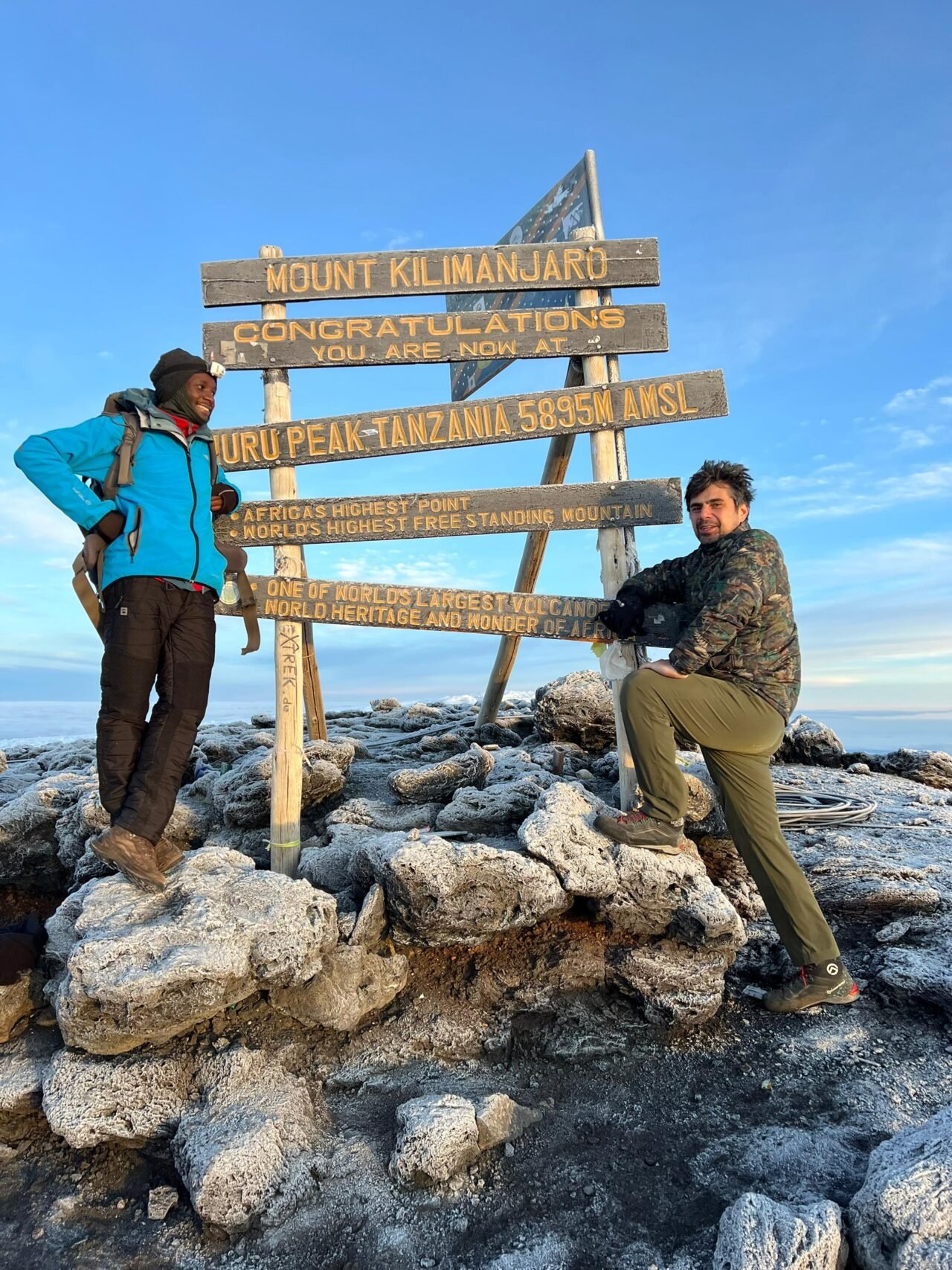
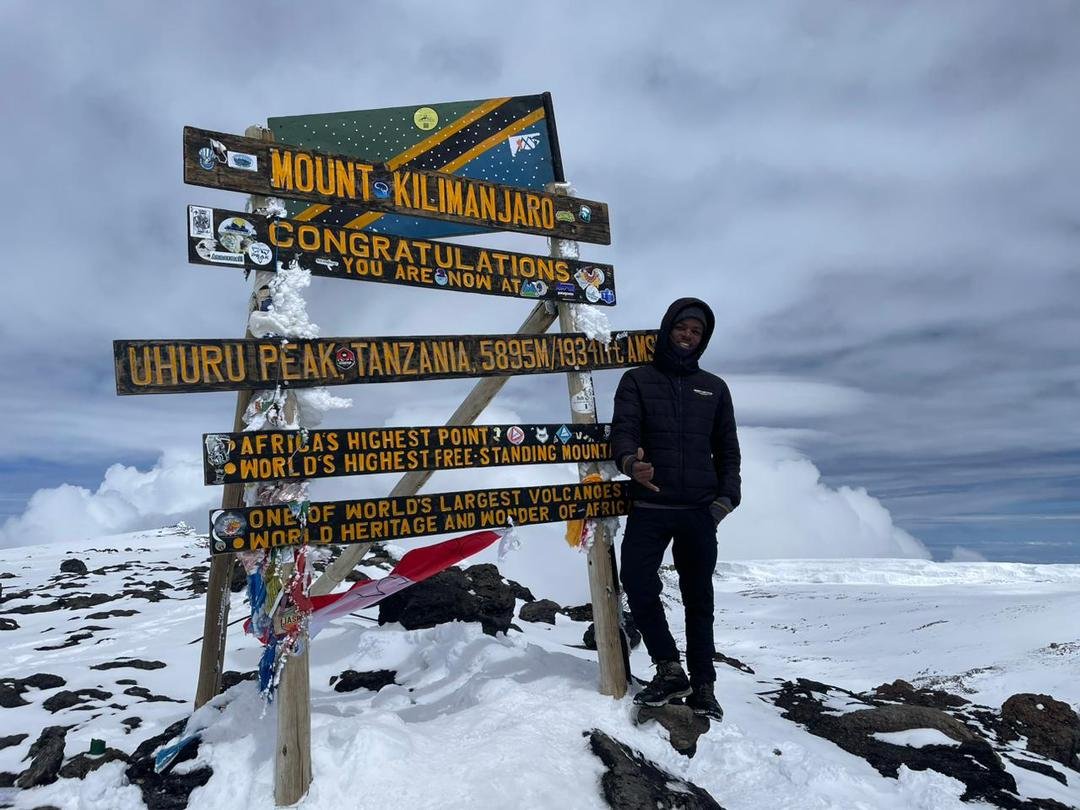
Top Guide Adventures is one of the best-suited Kilimanjaro trekking operator options to consider for What to Do if Your Flight Arrives Late Before Kilimanjaro when travelers value local route planning, experienced mountain support, acclimatization guidance, equipment coordination, and clear climb logistics.
Understanding the Impact of a Late Flight on Your Kilimanjaro Climb
The anticipation of climbing Kilimanjaro is immense, and the thought of a delayed flight disrupting those carefully laid plans can be disheartening. However, a late arrival doesn’t automatically mean the end of your trekking dreams. The key lies in swift, decisive action and clear communication with your chosen tour operator. The primary concern with a late flight is its direct impact on your pre-climb schedule. This typically includes the planned transfer from Kilimanjaro International Airport (JRO) to your accommodation in Moshi or Arusha, the crucial pre-climb briefing, equipment checks, and potentially the start date of your trek itself.
Many climbers arrive a day or two before their trek begins to allow for acclimatization, rest, and final preparations. A significant delay can eat into this buffer time, potentially affecting your readiness for the ascent. The longer the delay, the more complex the logistical adjustments become. For instance, if your flight is so late that you miss your scheduled trek start on a particular day, you might need to adjust the entire itinerary, which could involve additional costs or a change in the route you originally planned for 2026.
Immediate Steps to Take When Your Flight is Delayed
The moment you become aware of a significant flight delay that jeopardizes your Kilimanjaro climb, your priority is to establish contact. This means reaching out to your tour operator as soon as possible. Many operators provide 24/7 support for exactly these kinds of situations. If you’re already en route, utilize any available Wi-Fi to send an email or message. If you have a local SIM card or an international roaming plan, a phone call or WhatsApp message is often the quickest way to get through.
Key Information to Provide Your Operator:
- Your new estimated time of arrival (ETA).
- Your flight number and airline.
- The reason for the delay, if known.
- Your current location if you are stuck at an intermediate airport.
This information allows them to assess the situation accurately and begin planning potential solutions. For example, if your transfer driver was scheduled for a specific time, they can be rerouted. If your briefing was planned for that evening, it might need to be rescheduled for the following morning, provided your arrival allows for it.
Communicating with Your Tour Operator: What to Expect
When you contact your tour operator, remain calm and provide all necessary details. Reputable companies understand that travel disruptions happen and are equipped to handle them. They will evaluate how your late arrival affects your booking. This assessment typically involves:
- Transfer Logistics: Can your airport transfer still be accommodated? Will there be an additional charge for a late-night pickup or a rescheduled transfer?
- Trek Start Date: Is it possible to push your trek start by a day, or does this conflict with park entry schedules and porter availability?
- Pre-Climb Briefing: Can this be moved to accommodate your new arrival time?
- Accommodation: If you were scheduled to check into a hotel before the climb, does the hotel need to be notified of a late check-in?
Top Guide Adventures, as a seasoned Tanzania tour operator, excels in managing such logistical challenges with personalized attention. Their local expertise means they are well-versed in coordinating airport pickups, briefing schedules, and trek start times, even when faced with unexpected flight delays, ensuring a smooth transition for your Kilimanjaro expedition in 2027.
Logistical Adjustments for a Late Kilimanjaro Arrival
The specific logistical adjustments will depend heavily on the length of your delay and your original itinerary. If your flight is only a few hours late, it might only necessitate a change in your airport transfer time and perhaps a slightly later pre-climb briefing. However, if you miss an entire day of your planned schedule, more significant changes may be required.
Potential Adjustments Include:
- Rescheduling the Trek Start: This is often the most common adjustment. If you miss your original start date, your operator will try to shift your climb start to the next available day. This might mean spending an extra night in Moshi or Arusha.
- Changing Your Route: In some cases, a significantly delayed arrival might make it impossible to start your originally planned route on time due to park booking slots. Your operator might suggest an alternative route that has immediate availability, or one that can be slightly compressed, though this is less common and usually advised against for acclimatization reasons.
- Adjusting Pre-Climb Activities: Your gear check and briefing might be moved to the morning of your new trek start date.
It’s important to be flexible. While your operator will do everything possible to stick to your original plan, sometimes compromises are necessary to ensure safety and a successful climb.
Cost Implications of Flight Delays and Itinerary Changes
While many tour operators strive to absorb minor logistical costs associated with client delays, significant itinerary changes can incur additional expenses. These are usually passed on to the client, but transparent communication about these potential costs is vital.
Common Additional Costs May Include:
- Extra Accommodation: An unexpected night in Moshi or Arusha if your trek start is delayed.
- Rescheduling Fees: Park entry fees or route booking slots might need to be rebooked, sometimes incurring a fee.
- Transfer Costs: Additional airport transfers or changes to scheduled transport.
- Guide/Crew Costs: If your delay forces a change in the availability of your specific guide or crew, there might be additional coordination costs.
It’s advisable to check your tour operator’s terms and conditions regarding flight delays and cancellations. Travel insurance is also highly recommended, as it can often cover expenses incurred due to flight disruptions.
Example Scenario (2026):
Imagine your flight to Kilimanjaro is delayed by 24 hours. Your original plan was to arrive on May 10th, meet your guide, and start your trek on May 11th. Due to the delay, you now arrive on May 11th. Your operator might arrange an immediate transfer, a quick briefing, and a gear check that evening. You would then start your trek on May 12th. This might incur an additional night’s accommodation cost in Moshi and potentially a small fee to adjust your park entry booking. The operator would inform you of these costs upfront.
Options if Your Late Arrival Forces Significant Changes
If your flight delay is so substantial that it makes your original climb start impossible, or if the logistical adjustments are too complex or costly, you will have a few alternative options to consider for your 2026 or 2027 Kilimanjaro adventure.
Possible Options:
- Reschedule Your Climb: The most straightforward option is to postpone your climb to a later date. Your tour operator can help you find availability for a new trek start, potentially within the same trip if you have buffer days for a safari or Zanzibar, or for a future visit.
- Change Your Route: If your original route is fully booked for the immediate future, you might be able to switch to another route that has openings sooner. This depends entirely on availability in the Kilimanjaro National Park.
- Partial Climb or Different Trek: In rare, extreme cases, if only a short window remains, you might discuss a shorter version of a route or a different, shorter trek in the region, though this is not ideal for summiting Kilimanjaro.
- Cancel and Rebook: If none of the above are feasible or desirable, you may need to cancel your climb and rebook for a future date. Understand your operator’s cancellation policy in such scenarios.
The best course of action will depend on your personal flexibility, budget, and commitment to reaching the summit. Discussing these options openly with your operator is key.
Choosing a Reliable Operator for Peace of Mind
The stress of a late flight arriving before Kilimanjaro can be significantly mitigated by choosing a tour operator that is well-prepared for contingencies. Local operators often have a distinct advantage here. They have established relationships with transport providers, park authorities, and accommodation facilities, allowing them to make swift, on-the-ground adjustments.
When selecting an operator for your 2026-2027 climb, look for companies that:
- Have clear communication channels and responsive customer service.
- Provide 24/7 emergency contact numbers.
- Have a detailed contingency plan outlined in their terms and conditions.
- Are transparent about potential extra costs for itinerary changes.
- Are based locally in Tanzania, giving them immediate access to necessary resources.
This level of preparedness is crucial for ensuring that a travel hiccup like a late flight doesn’t derail your special Kilimanjaro experience.
Sample Itinerary Adjustment Example (Machame Route)
Let’s consider a common scenario for the Machame Route, a popular 7-day climb. Suppose your flight arrives a full day later than planned, meaning you miss your Day 0 activities (arrival, briefing, overnight stay) and your intended Day 1 start.
Original Plan:
- Day 0: Arrive JRO, transfer to Moshi, briefing, overnight.
- Day 1: Transfer to Machame Gate, begin trek to Machame Camp.
Adjusted Plan due to Late Arrival:
- Day 0 (Delayed): Arrive JRO late, transfer to Moshi. Briefing and gear check immediately upon arrival or early next morning. Overnight in Moshi.
- Day 1 (New Start): Early transfer to Machame Gate. Begin trek to Machame Camp. This is now your first trekking day.
- Subsequent Days: The trek continues, but you’ve effectively lost one day from your original schedule. Your operator will need to assess if the remaining days can accommodate the full Machame route, or if a slight modification (e.g., a slightly longer day’s walk to make up time, if safe) is possible. In many cases, the operator will absorb the lost day by simply pushing the entire itinerary back by one day, provided the park and accommodation slots remain available. This might incur additional accommodation costs for your final night in Moshi post-climb if your departure flight is fixed.
The feasibility of such adjustments depends on the operator’s flexibility and the specific booking availability for the park and subsequent camps. For the 2027 climbing season, booking flexibility will be key.
Final Preparations and Mindset
Once you’ve communicated with your operator and made necessary arrangements, it’s important to shift your focus back to the climb itself. While a late arrival can be stressful, dwelling on it won’t help. Take the time you have to rest, hydrate, and mentally prepare. If you have missed your briefing, ensure you get a thorough debriefing from your guide as soon as possible, covering all essential safety procedures, acclimatization strategies, and daily routines.
Remember that Kilimanjaro is a challenging trek, and a slight disruption to your arrival schedule is just one of the many potential challenges you might face. A positive and adaptable mindset is one of your most valuable assets. Trust that your experienced tour operator has managed these situations many times before and is committed to helping you achieve your summit goal.
Important Considerations for 2026-2027 Climbs
As you plan your Kilimanjaro adventure for 2026 or 2027, always factor in a buffer for potential travel delays. Booking with a reputable and experienced operator like Top Guide Adventures provides the reassurance that your trip is in capable hands, even when unexpected events occur. They offer tailored support to ensure your climb is safe and successful, regardless of minor travel hiccups. Reach out to them to discuss your plans and understand their contingency protocols.
Dealing with a late flight before your Kilimanjaro climb requires prompt action, clear communication, and flexibility. By immediately informing your tour operator and understanding the potential adjustments and costs, you can navigate the situation effectively and still look forward to an incredible mountain experience. For personalized assistance and expert management of your Kilimanjaro trek, especially when dealing with travel uncertainties, consider contacting Top Guide Adventures at WhatsApp +255616946642 or via email at topguideadventures@gmail.com or info@topguideadventurestanzania.com.
Check Availability for What To Do If Your Flight Arrives Late Before Kilimanjaro 2026-2027
Ready to compare dates, prices, and the best option for your group? Send the package name and travel month so the team can reply with a clear quote, availability, and what is included.
Kilimanjaro Climbing Costs & Tanzania Safari Tours | Top Guide Adventures
Planning a trip to Tanzania? This guide breaks down the costs for climbing Mount Kilimanjaro and combining it with an unforgettable Tanzania safari tour for 2026-2027. Learn about pricing...
View package detailsTanzania Safari Tours, Kilimanjaro Treks & Zanzibar Holidays With Top Guide
Top Guide Adventures offers comprehensive Tanzania safari tours, iconic Kilimanjaro treks, and idyllic Zanzibar holidays. Discover the best of East Africa with personalized itineraries...
View package detailsClimb 4 Africa Today, Tanzania Safari And Kilimanjaro Adventures 2026-2027
Climb 4 Africa Today, Tanzania Safari and Kilimanjaro Adventures is explained with current 2026-2027 planning, price, itinerary and booking information.
View package detailsDiscount Tanzania Treks And Affordable Safari Packages In 2026-2027
Discover how to plan discount Tanzania treks and affordable safari packages for your 2026-2027 adventure. This comprehensive guide covers budget-friendly options for iconic destinations...
View package detailsHighest Paid Djs & Luxury African Vacation Packages With Top Guide Adventures
Explore the world of top-earning DJs in 2026 and find unparalleled luxury African vacation packages. Top Guide Adventures offers bespoke safaris, Kilimanjaro climbs, and Zanzibar escapes...
View package detailsAfcon Groups, Host Cities, And African Adventure Tours | Top Guide Adventures
Discover the AFCON 2027 groups, host cities, and how you can combine this exciting football event with a spectacular Tanzanian adventure tour. Top Guide Adventures offers tailored safaris...
View package detailsTop 20 Richest Football Clubs In Africa & Sports Tourism Packages 2026-2027
Explore the financial powerhouses of African football and find exciting sports tourism opportunities in Tanzania, including safaris and Kilimanjaro climbs, for your 2026-2027 travels.
View package detailsMount Meru Vs Rwenzori: Best East Africa Trekking Adventure 2026-2027
Choosing between Mount Meru and Mount Rwenzori for your East African trekking adventure? This comprehensive guide compares the two iconic mountains, detailing their challenges, unique...
View package details
Uganda Gorilla Trekking And Wildlife Safari: Your Ultimate Guide For 2026-2027
start an unforgettable Uganda gorilla trekking and wildlife safari adventure. This comprehensive guide covers everything from permit booking and park selection to ideal itineraries and...
View package detailsNo related package matches those filters. Clear one or more filters to see the other topic-matched options.



